APIs pour la recherche et les impuretés
Les principes actifs pharmaceutiques (API) sont les substances présentes dans les médicaments qui sont responsables de leurs effets thérapeutiques. Dans cette section, vous trouverez une grande variété d'API destinés à un usage de recherche. Ces composés sont essentiels pour le développement, les tests et la validation de nouvelles formulations pharmaceutiques. Chez CymitQuimica, nous proposons des API de haute qualité pour soutenir la recherche dans la découverte et le développement de médicaments.
Sous-catégories appartenant à la catégorie "APIs pour la recherche et les impuretés"
- Acides Aminés et Dérivés(12.328 produits)
- Anthraquinones et Dérivés(405 produits)
- Dérivés du Benzimidazole et de l’Imidazole(10.441 produits)
- Dérivés des Benzodiazépines(335 produits)
- Glucides et Glycoconjugués(5.017 produits)
- Esters et Dérivés(42.240 produits)
- Acides Gras et Dérivés Lipidiques(32.400 produits)
- Flavonoïdes et Polyphénols(17.087 produits)
- Radicaux Libres et Agents Oxydants/Réducteurs(213 produits)
- Cétones et Dérivés(2.404 produits)
- Antibiotiques Naturels et Semi-Synthétiques(6.383 produits)
- Nitriles et Dérivés Cyano(3.067 produits)
- Nitrosamines et Dérivés(55 produits)
- Nucléosides et Nucléotides(3.432 produits)
- Phosphates et Phosphonates Organiques(1.202 produits)
- Sulfonates et Sulfates Organiques(10.435 produits)
- Composés Organométalliques(4.422 produits)
- Autres(6.293 produits)
- Peptides et Protéines(3.159 produits)
- Polymères et Dérivés(100 produits)
- Dérivés des Purines et Pyrimidines(8.948 produits)
- Dérivés de Quinazoline et de Quinoléine(65.987 produits)
- Quinones et Dérivés(24.349 produits)
- Sels et Dérivés d’API(79.735 produits)
- Stéroïdes et Dérivés(4.976 produits)
- Sulfamides et Dérivés(2.595 produits)
- Terpénoïdes et Dérivés(3.846 produits)
- Thiazolidinediones et Thiopyranes(2.752 produits)
- Composés β-Adrénergiques(230 produits)
Affichez 21 plus de sous-catégories
57048 produits trouvés pour "APIs pour la recherche et les impuretés"
Trier par
Degré de pureté (%)
0
100
|
0
|
50
|
90
|
95
|
100
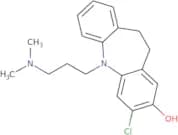
3-Chloro-2-hydroxyimipramine
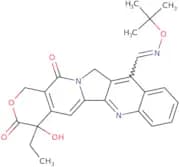
CAS :<p>3-Chloro-2-hydroxyimipramine is a potent anticancer agent that has shown promising results in preclinical studies. This compound is a kinase inhibitor that targets cancer cells and induces apoptosis, leading to tumor regression. It has been found in urine samples of Chinese medicinal herb users and shows an analog structure to imipramine, an antidepressant drug. 3-Chloro-2-hydroxyimipramine inhibits kinases involved in cell proliferation and survival, making it a potential treatment option for various types of cancer in humans. Its anti-cancer properties make it an attractive candidate for further research and development as a potential therapeutic agent.</p>Formule :C19H23ClN2ODegré de pureté :Min. 95%Masse moléculaire :330.8 g/molGimatecan
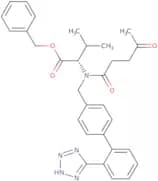
CAS :<p>Gimatecan is a cycle-specific inhibitor that targets kinases and proteins involved in cancer cell growth. It is a medicinal compound that has been shown to be effective against various types of human cancers. Gimatecan works by inhibiting the activity of protein kinases, which are enzymes that promote cell division and proliferation. This inhibition leads to apoptosis, or programmed cell death, in tumor cells. Gimatecan has been tested extensively in Chinese hamster ovary cells and has demonstrated potent anticancer activity. The compound is excreted primarily through urine and has shown promising results as an anticancer agent in preclinical studies.</p>Formule :C25H25N3O5Degré de pureté :Min. 95%Masse moléculaire :447.5 g/mol4-Oxo valsartan benzyl ester
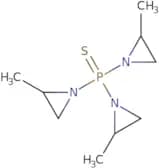
CAS :<p>4-Oxo valsartan benzyl ester is a drug product that is used for research and development purposes. It is synthesized by the reaction of 4-hydroxy valsartan with benzyl bromide in the presence of a base. 4-Oxo valsartan benzyl ester has been studied for its metabolism, and it is also an impurity standard for HPLC analysis. The purity of this compound is >98% and it has CAS number 188240-32-6.</p>Formule :C31H33N5O4Degré de pureté :Min. 95%Masse moléculaire :539.63 g/molMethiotepa
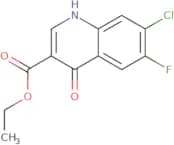
CAS :<p>Methiotepa is a potent anticancer drug that has been used for the treatment of various types of tumors. It is a Chinese hamster ovary (CHO) cell-derived analog of chitin, which inhibits the activity of protein kinase C. Methiotepa induces apoptosis in cancer cells by inhibiting DNA synthesis and repair, leading to cell death. This drug has also been shown to be a potent inhibitor of heparin-induced platelet aggregation in human blood. Methiotepa has been found to be effective against a wide range of cancers, including breast, lung, ovarian, and bladder cancer, among others. Its use as an anticancer agent may be due to its ability to inhibit the activity of various kinases and other enzymes involved in cancer cell proliferation and survival.</p>Formule :C9H18N3PSDegré de pureté :Min. 95%Masse moléculaire :231.3 g/mol7-Chloro-6-fluoro-1,4-dihydro-4-oxo-3-quinolinecarboxylic acid ethyl ester
CAS :<p>7-Chloro-6-fluoro-1,4-dihydro-4-oxo-3-quinolinecarboxylic acid ethyl ester is a synthetic compound that has not been evaluated in humans. Studies have shown that the drug can be hydrolyzed to 7-chloro-6-fluoroquinoline 1,1′-(ethylenedioxy)bis(ethane), which is an impurity of norfloxacin. The ethyl esters of 7-chloroquinoline are also known to condense with formaldehyde and hydrolyze to 7-chloroquinolinic acid. This product may contain solvents such as acetone, chloroform, and alcohols that are used during the synthesis process. Decarboxylation of the drug occurs when it is heated at high temperatures in the presence of a catalyst, such as pyridine or sodium methoxide. It decarboxyl</p>Formule :C12H9ClFNO3Degré de pureté :Min. 95%Masse moléculaire :269.65 g/molAcrolein-d4
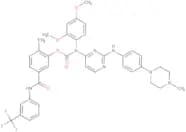
CAS :<p>Please enquire for more information about Acrolein-d4 including the price, delivery time and more detailed product information at the technical inquiry form on this page</p>Formule :C3H4ODegré de pureté :Min. 95%Masse moléculaire :60.09 g/molWH-4-025
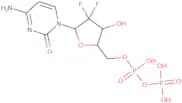
CAS :<p>WH-4-025 is a potent kinase inhibitor that has shown promising results in the treatment of various cancers. It is derived from Chinese medicinal herbs and has been extensively studied for its anticancer properties. WH-4-025 works by inhibiting the activity of specific kinases that are involved in tumor growth and cell cycle regulation. It has been shown to induce apoptosis in cancer cells, leading to their death, and also inhibit the growth of leukemia cells. This protein inhibitor has been found to be effective against a wide range of human cancers and is currently being investigated as a potential therapy for cancer patients. WH-4-025 is excreted through urine, making it an attractive candidate for further development as an anticancer drug.</p>Formule :C39H38F3N7O5Degré de pureté :Min. 95%Masse moléculaire :741.8 g/molGemcitabine diphosphate triethylamine salt
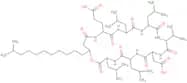
CAS :<p>Gemcitabine diphosphate triethylamine salt is an inhibitor that has been shown to be effective in the treatment of various forms of cancer. It works by inhibiting the activity of kinases, which are enzymes involved in the regulation of cell growth and division. Gemcitabine diphosphate triethylamine salt is a prodrug that is converted to its active form, gemcitabine, in vivo. This drug has been shown to inhibit the uptake of xylose by cancer cells, leading to decreased protein synthesis and induction of apoptosis. In addition, it has been found to be effective against human and Chinese medicinal tumor cells. Gemcitabine diphosphate triethylamine salt is a promising treatment option for patients with cancer who have not responded well to traditional chemotherapy or radiation therapy.</p>Formule :C9H13F2N3O10P2Degré de pureté :Min. 95%Masse moléculaire :423.16 g/molSurfactin
CAS :<p>Surfactin is a cyclic lipopeptide that has been found in urine and has shown potential as an anticancer agent. It has been shown to inhibit kinases, including indirubin and Chinese hamster ovary cell tumor kinase, which are involved in cancer cell proliferation. Surfactin analogs have also been developed as inhibitors of cancer cell growth and inducers of apoptosis. In addition to its anticancer properties, surfactin has been found to have antimicrobial activity against a variety of bacteria, including Clostridium perfringens. Overall, surfactin shows promise as a multifunctional therapeutic agent with potential applications in both cancer treatment and microbial control.</p>Formule :C53H93N7O13Degré de pureté :Min. 95%Masse moléculaire :1,036.3 g/molTriclosan o-β-D-glucuronide sodium salt
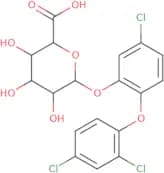
CAS :<p>Triclosan o-β-D-glucuronide sodium salt is an analog of Triclosan, which is a potent inhibitor of bacterial enoyl-acyl carrier protein reductase. It has been shown to have anticancer properties, inhibiting the growth of cancer cells by inducing apoptosis and inhibiting kinase activity. This compound has been found to be effective against a variety of tumors and cancers, including thyroid cancer. Triclosan o-β-D-glucuronide sodium salt has also been shown to inhibit the activity of human protein kinases, making it a potential candidate for the development of new anticancer drugs. This compound can be detected in urine samples from both humans and Chinese hamsters, indicating its potential for use as a diagnostic tool for cancer detection.</p>Formule :C18H15Cl3O8Degré de pureté :Min. 95%Masse moléculaire :465.7 g/molPirtenidine
CAS :<p>Pirtenidine is a potent and selective kinase inhibitor that has been shown to inhibit the activity of cyclin-dependent kinases. It has demonstrated promising results in preclinical studies as an anticancer agent, inducing apoptosis in cancer cells. Pirtenidine is an analog of protein kinase inhibitors, which have been used to treat various types of tumors. It has been found to be effective against human cancer cell lines and has shown significant tumor growth inhibition in animal models. Pirtenidine has also been reported to be a potent urine inhibitor of Chinese hamster ovary cells, making it a promising candidate for the treatment of urinary tract cancers.</p>Formule :C21H38N2Degré de pureté :Min. 95%Masse moléculaire :318.5 g/molaR453588
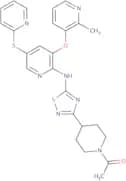
CAS :<p>aR453588 is a human analog of Voriconazole, which has been found to have anticancer properties. This compound is a kinase inhibitor that works by inducing apoptosis in cancer cells. It has been shown to be effective against various types of tumors, including those resistant to other inhibitors. aR453588 also inhibits the growth of cancer cells by blocking protein synthesis and cell division. This compound is derived from cellulose and can be detected in urine samples after administration. Overall, aR453588 shows great promise as a potential treatment for cancer.</p>Formule :C25H25N7O2S2Degré de pureté :Min. 95%Masse moléculaire :519.6 g/mol2-(Naphthalen-2-ylmethyl)-4,5-dihydro-1H-imidazole
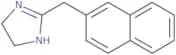
CAS :<p>2-(Naphthalen-2-ylmethyl)-4,5-dihydro-1H-imidazole is a medicinal compound that has shown promising results in cancer research. It works as an inhibitor of cyclin-dependent kinases, which are essential for cancer cell proliferation. This compound induces apoptosis in cancer cells by inhibiting the activity of certain proteins involved in tumor growth. Studies have shown that 2-(Naphthalen-2-ylmethyl)-4,5-dihydro-1H-imidazole analogs have potent anticancer activity and can inhibit the growth of human cancer cells. This compound has also been found to be present in urine samples from Chinese patients with cancer. Further research on this compound may lead to the development of new and effective treatments for various types of cancers.</p>Formule :C14H14N2Degré de pureté :Min. 95%Masse moléculaire :210.27 g/molPhenproxide
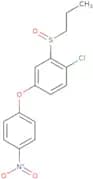
CAS :<p>Phenproxide is an analog of testosterone that has been used traditionally in Chinese medicine to treat tumors. It has been found to induce apoptosis in cancer cells by inhibiting kinases, which are enzymes that regulate cellular processes such as cell division and growth. Phenproxide has also been shown to inhibit the activity of somatostatin, a hormone that regulates the release of other hormones. This inhibition may contribute to its anti-cancer properties. In addition, Phenproxide has been shown to have an effect on hyaluronan metabolism, a substance involved in tissue repair and inflammation. It is excreted in urine and may be used as a potential biomarker for cancer diagnosis or monitoring.</p>Formule :C15H14ClNO4SDegré de pureté :Min. 95%Masse moléculaire :339.8 g/molPBT Impurity 2
CAS :<p>Please enquire for more information about PBT Impurity 2 including the price, delivery time and more detailed product information at the technical inquiry form on this page</p>Formule :C36H38O13Masse moléculaire :678.69 g/mol(7Alpha,17Alpha)- 9,17-Dihydroxy-3-oxo-pregn-4-ene-7,21-dicarboxylic acid di-gamma-lactone
CAS :<p>(7Alpha,17Alpha)- 9,17-Dihydroxy-3-oxo-pregn-4-ene-7,21-dicarboxylic acid di-gamma-lactone is a synthetic analogue of progesterone. It is used as a drug product for research and development purposes. The product has been shown to be metabolized through the 3beta hydroxysteroid dehydrogenase pathway or the side chain cleavage enzyme pathways. This product has not been evaluated in humans and should not be used for any human applications. (7Alpha,17Alpha)- 9,17-Dihydroxy-3-oxo-pregn-4-ene-7,21 -dicarboxylic acid di gamma lactone is an impurity standard for HPLC analysis of progesterone in urine.</p>Formule :C23H28O5Degré de pureté :Min. 95%Masse moléculaire :384.50 g/mol(R)-3-((1-Methylpyrrolidin-2-yl)methyl)-5-vinyl-1H-indole
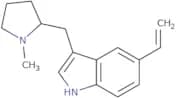
CAS :<p>Please enquire for more information about (R)-3-((1-Methylpyrrolidin-2-yl)methyl)-5-vinyl-1H-indole including the price, delivery time and more detailed product information at the technical inquiry form on this page</p>Formule :C16H20N2Degré de pureté :Min. 95%Masse moléculaire :240.34 g/molSinalexin
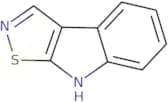
CAS :<p>Sinalexin is an anticancer drug that targets human protein kinases. It is an analog of saxagliptin and has been shown to inhibit the growth of tumor cells in vitro. Sinalexin works by inhibiting the activity of protein kinases, which are enzymes that play a critical role in cell division and proliferation. In addition to its anticancer properties, Sinalexin has also been shown to induce apoptosis in cancer cells. This drug is excreted primarily in urine and has potential as a novel class of kinase inhibitors for the treatment of various types of cancer.</p>Formule :C9H6N2SDegré de pureté :Min. 95%Masse moléculaire :174.22 g/molN-Desmethyl trimeprazine
CAS :<p>N-Desmethyl trimeprazine is a synthetic compound, which is an impurity of the drug product. It is not active and does not possess any biological activity. It is a metabolite of the parent drug, Trimeprazine. N-Desmethyl trimeprazine has been studied for its pharmacological properties and metabolism in the body, but no conclusive results have been found. The chemical structure and purity of N-Desmethyl trimeprazine are not listed in the USP or BP. This compound can be custom synthesized on request.</p>Formule :C17H20N2SDegré de pureté :Min. 95%Masse moléculaire :284.40 g/molMiproxifene
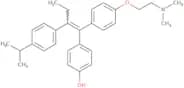
CAS :Produit contrôlé<p>Miproxifene is a potent anticancer drug that has been shown to induce apoptosis and inhibit cell cycle progression in human cancer cells. This drug has been extensively studied in Chinese hamster ovary (CHO) cells and has demonstrated significant activity against various types of cancer, including leukemia. Miproxifene acts as a protein inhibitor and has been found to be effective against several tumor cell lines. It is a promising medicinal compound for the treatment of cancer, with potential applications in both chemotherapy and radiation therapy. Miproxifene is excreted primarily through urine and is well-tolerated by patients. Its use as an anticancer agent holds great promise for the future of cancer treatment.</p>Formule :C29H35NO2Degré de pureté :Min. 95%Masse moléculaire :429.6 g/mol