APIs pour la recherche et les impuretés
Sous-catégories appartenant à la catégorie "APIs pour la recherche et les impuretés"
- Acides Aminés et Dérivés(12.331 produits)
- Anthraquinones et Dérivés(404 produits)
- Dérivés du Benzimidazole et de l’Imidazole(10.435 produits)
- Dérivés des Benzodiazépines(333 produits)
- Glucides et Glycoconjugués(5.047 produits)
- Esters et Dérivés(42.250 produits)
- Acides Gras et Dérivés Lipidiques(32.401 produits)
- Flavonoïdes et Polyphénols(17.080 produits)
- Radicaux Libres et Agents Oxydants/Réducteurs(212 produits)
- Cétones et Dérivés(2.400 produits)
- Antibiotiques Naturels et Semi-Synthétiques(6.371 produits)
- Nitriles et Dérivés Cyano(3.068 produits)
- Nitrosamines et Dérivés(55 produits)
- Nucléosides et Nucléotides(3.470 produits)
- Phosphates et Phosphonates Organiques(1.199 produits)
- Sulfonates et Sulfates Organiques(10.430 produits)
- Composés Organométalliques(4.421 produits)
- Autres(6.295 produits)
- Peptides et Protéines(3.143 produits)
- Polymères et Dérivés(100 produits)
- Dérivés des Purines et Pyrimidines(8.934 produits)
- Dérivés de Quinazoline et de Quinoléine(65.934 produits)
- Quinones et Dérivés(24.356 produits)
- Sels et Dérivés d’API(80.667 produits)
- Stéroïdes et Dérivés(4.946 produits)
- Sulfamides et Dérivés(2.587 produits)
- Terpénoïdes et Dérivés(3.843 produits)
- Thiazolidinediones et Thiopyranes(2.753 produits)
- Composés β-Adrénergiques(230 produits)
58049 produits trouvés pour "APIs pour la recherche et les impuretés"
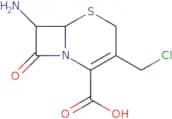
Cephalosporin impurity
CAS :Cephalosporin impurity is an industrial by-product that is generated during the production of cephalosporins. It is a white powder that has no known toxicological effects. Cephalosporin impurity can be used as a supplement in inoculated soil to increase the yield of cephalosporium, which is a fungus that produces cephalosporins.Formule :C8H9ClN2O3SDegré de pureté :Min. 95%Masse moléculaire :248.69 g/molMetamizole EP impurity E
CAS :Metamizole EP impurity E is a synthetic research and development impurity standard for the drug product. Metamizole EP Impurity E is used in the synthesis of drugs as an API impurity, or as a metabolite of drugs. The chemical purity is typically greater than 98%. Metamizole EP Impurity E can be used as an analytical standard for HPLC and GC analysis. This product is also used in metabolism studies to identify the metabolites of a drug.
Formule :C12H15N3O4SDegré de pureté :Min. 95%Couleur et forme :PowderMasse moléculaire :297.33 g/molIndenestrol-d3
CAS :Indenestrol-d3 is a synthetic, natural or semi-synthetic metabolite of indenestrol. It is an impurity in the drug product and is detectable by HPLC. Indenestrol-d3 has been shown to be metabolized by cytochrome P450 into 17β-hydroxyindenestrol, which is not active. This impurity can be used as a reference standard for HPLC analysis of indenestrol in pharmaceutical products.Formule :C18H18O2Degré de pureté :Min. 95%Masse moléculaire :266.30 g/molBenz[A]anthracene-7-methanol
CAS :Benz[A]anthracene-7-methanol is a cytosolic carcinogen that is metabolized by the liver to form benz[a]anthracene-7,8-epoxide. This metabolite binds to DNA and causes mutations in the genes, which leads to cancer. The hydroxyl group of this compound reacts with epidermal growth factor, causing an increase in the number of liver cells that can cause cancer. Benz[A]anthracene-7-methanol also interacts with reactive oxygen species and stimulates the production of growth factors like epidermal growth factor, which promote skin cell growth. It has been shown that benz[A]anthracene-7-methanol promotes tumorigenesis in CD1 mice and induces tumor formation in rat liver microsomes.Formule :C19H14ODegré de pureté :Min. 95%Masse moléculaire :258.3 g/mol(S)-(-)-2-Aminomethyl-1-ethylpyrrolidine
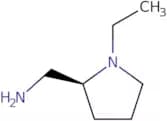
CAS :(S)-(-)-2-Aminomethyl-1-ethylpyrrolidine is a compound that belongs to the class of cyclohexane ring. It has been shown to possess potent anti-infective activity against bacteria and fungi, but not against viruses. It is an inorganic compound that can be synthesized by the chlorination of (S)-(-)-2-aminoethanol. This method is efficient and does not require any organic solvents or catalysts. The binding of inhibitors to the enzyme can be studied by using this molecule as a model system. This molecule also has application as a coating for metal surfaces, which can inhibit corrosion.Formule :C7H16N2Degré de pureté :Min. 95%Masse moléculaire :128.22 g/molFenbufen-d9
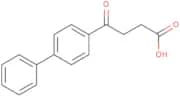
CAS :Please enquire for more information about Fenbufen-d9 including the price, delivery time and more detailed product information at the technical inquiry form on this page
Formule :C16H14O3Degré de pureté :Min. 95%Masse moléculaire :263.33 g/mol(Z)-2-(2-Oxopyrrolidin-1-yl)but-2-enoic acid
CAS :(Z)-2-(2-Oxopyrrolidin-1-yl)but-2-enoic acid is an impurity that is found in the drug product, Metabolite, which is a pharmacopoeia. The CAS number for this compound is 358629-39-7. This compound can be found in the natural and synthetic forms.Formule :C8H11NO3Degré de pureté :Min. 95%Masse moléculaire :169.18 g/molRocuronium
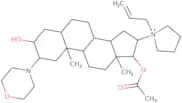
CAS :Rocuronium is a potent muscle relaxant that is used during surgical procedures to facilitate intubation and mechanical ventilation. Recent studies have shown that Rocuronium may also have potential anticancer properties. The drug has been found to induce apoptosis in cancer cells by inhibiting the activity of protein kinases, which are enzymes involved in cell signaling pathways. Rocuronium analogs have been developed as inhibitors of specific kinases implicated in cancer growth, such as hepcidin and Chinese hamster ovary kinase. These inhibitors have shown promising results in preclinical studies and may represent a new class of anticancer drugs. Additionally, Rocuronium has been detected in urine samples from patients undergoing surgery, making it a potential biomarker for monitoring drug exposure and metabolism.Formule :C32H53N2O4Degré de pureté :Min. 95%Masse moléculaire :529.8 g/molVerapamil-d6 hydrochloride
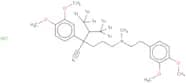
CAS :Produit contrôléVerapamil-d6 hydrochloride is a drug product that can be used for the synthesis of other drugs. It has high purity, and it is an analytical standard that is used in metabolism studies. The natural form of Verapamil-d6 hydrochloride is found in plants such as the common vervain plant. This drug product can also be synthesized from the synthetic form by using chemical reactions. The impurity standard for this product is verapamil-d4 hydrochloride, which has a retention time of approximately 12 minutes on reversed phase HPLC.Formule :C27H33D6ClN2O4Degré de pureté :Min. 95%Masse moléculaire :497.1 g/molDes(N-methyl-2-nitro-1,1-ethenediamino) N-methylureido nizatidine
CAS :Des(N-methyl-2-nitro-1,1-ethenediamino) N-methylureido nizatidine is a drug product that belongs to the group of ureidos. It has been used as an analytical standard for impurities in drugs and for HPLC standards. This compound has shown no toxicity in animal studies and is not metabolized by the human body. It does not bind to plasma proteins and is excreted unchanged in urine. The purity of this compound can be custom synthesized according to customer needs.Formule :C11H20N4OS2Degré de pureté :Min. 95%Masse moléculaire :288.40 g/mol16alfa-methyl-11beta,21-dihydroxy-6beta,9alfa-difluoropregnane-1,4-diene-3,20-dione-21-valerate
16alfa-methyl-11beta,21-dihydroxy-6beta,9alfa-difluoropregnane-1,4-diene-3,20-dione-21-valerate is a synthetic drug product with the CAS number of 51622-42-5. The molecular weight is 471.82 g/mol and it has a purity of > 98%. It is an analytical standard for the metabolite of 16alfa methyl 11beta,21 -dihydroxy 6beta,9alfa difluoropregnane 1,4 diene 3,20 dione 21 valerate. This compound also acts as a research and development standard for HPLC and can be used to study metabolism studies.Degré de pureté :Min. 95%4-Oxo diazepam open ring impurity
CAS :4-Oxo diazepam is an impurity that is found in the production of 4-oxodiazepam, a drug product. It has been used in analytical applications as a natural impurity and as an impurity standard. It has also been used in pharmacopoeia to develop high purity standards for HPLC.
Formule :C16H14ClNO2Degré de pureté :Min. 95%Masse moléculaire :287.74 g/molFluphenazine decanoate EP impurity E
Fluphenazine decanoate EP impurity E is an impurity found in Fluphenazine decanoate, a drug product. Fluphenazine decanoate EP impurity E is a natural metabolite of Fluphenazine decanoate that has been synthesized for use as an analytical reference standard and as an Impurity Standard for HPLC. The CAS number for Fluphenazine decanoate EP impurity E is
Degré de pureté :Min. 95%Trans-clopidogrel-mp ethyl ester derivative
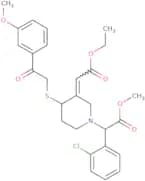
CAS :Please enquire for more information about Trans-clopidogrel-mp ethyl ester derivative including the price, delivery time and more detailed product information at the technical inquiry form on this pageFormule :C27H30ClNO6SDegré de pureté :Min. 95%Masse moléculaire :532 g/mol10-Allyl-2-chloro-phenothiazine
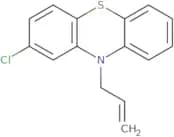
CAS :10-Allyl-2-chloro-phenothiazine is a metabolite of the drug product, Clopidogrel. It is a white crystalline powder that is soluble in water and alcohol. 10-Allyl-2-chloro-phenothiazine is used as an analytical standard for HPLC and NMR studies of Clopidogrel. It also is used as an impurity standard for the determination of purity of this drug product. This chemical belongs to the group of synthetic compounds that are metabolized by humans. Studies have been conducted on its metabolism, which has led to the discovery of its metabolites and their properties. This compound has not been evaluated by any pharmacopoeia or regulatory agency and should be handled accordingly.Formule :C15H12ClNSDegré de pureté :Min. 95%Masse moléculaire :273.8 g/molFijimycin B
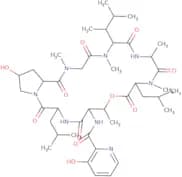
CAS :Fijimycin B is a medicinal compound that acts as an inhibitor of kinases, which are proteins that play a crucial role in cancer cell growth and proliferation. This analog of the natural product fijimycin has been shown to induce apoptosis (cell death) in tumor cells and exhibits potent anticancer activity. Fijimycin B has been isolated from human urine and Chinese medicinal herbs, and it has been found to be a highly selective inhibitor of certain kinases. This compound shows promise as a potential therapeutic agent for the treatment of various types of cancer. Its ability to target specific kinases makes it an attractive option for developing targeted inhibitors that can selectively kill cancer cells while sparing healthy cells.Formule :C42H66N8O11Degré de pureté :Min. 95%Masse moléculaire :859 g/mol3-Descyano febuxostat ethyl ester
CAS :3-Descyano febuxostat ethyl ester is a synthetic, natural, and API impurity. 3-Descyano febuxostat ethyl ester is used as an analytical standard in drug development. It is also used as a custom synthesis, impurity standard and analytical reference material.
Formule :C17H21NO3SDegré de pureté :Min. 95%Masse moléculaire :319.40 g/molImidaprilat benzyl ester, (carbonylimidazolidine)tert-butyl ester
CAS :Imidaprilat benzyl ester, (carbonylimidazolidine)tert-butyl ester is a drug product that is used to study the metabolism of drugs. Imidaprilat benzyl ester, (carbonylimidazolidine)tert-butyl ester is an impurity standard in the pharmacopoeia. It is also used as an analytical reference material and for research and development. This compound has a CAS number of 89460-20-8 and a molecular weight of 310.2 g/mol.Formule :C29H37N3O6Degré de pureté :Min. 95%Masse moléculaire :523.60 g/molTris(trifluoroacetoxy)iodine
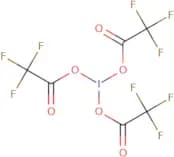
CAS :Tris(trifluoroacetoxy)iodine is an analog of iodine that has shown promise as an anticancer agent. It works by inhibiting kinase activity, which can disrupt the cell cycle and lead to apoptosis in cancer cells. Tris(trifluoroacetoxy)iodine has been found to be effective against a variety of human cancer cell lines, including those resistant to other anticancer agents. In addition, it has been shown to inhibit elastase activity and may have potential as an inhibitor of protein degradation in cancer cells. Overall, Tris(trifluoroacetoxy)iodine holds great potential as a new class of anticancer inhibitors with promising results for tumor treatment.
Formule :C6F9IO6Degré de pureté :Min. 95%Masse moléculaire :465.95 g/molN-Ethoxycarbonyl norfloxacin
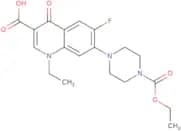
CAS :N-Ethoxycarbonyl norfloxacin is a custom synthesis for research and development. It is an impurity standard used to determine the purity of drug product. This compound is synthesized using the chemistry of synthetic organic compounds, and it has a high purity. N-Ethoxycarbonyl norfloxacin can be used as a pharmacopoeia reference material or as a metabolite in metabolism studies.Formule :C19H22FN3O5Degré de pureté :Min. 95%Masse moléculaire :391.4 g/molLamivudine acid
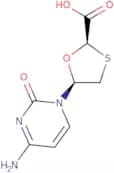
CAS :Lamivudine acid is a synthetic orotate prodrug that is converted to the active form, lamivudine. It inhibits the synthesis of viral DNA by inhibiting the reverse transcriptase enzyme and has been used as a treatment for HIV infection. Lamivudine acid is soluble in organic solvents such as acetone and cyclohexane. The crystal structure of this compound has been determined using X-ray crystallography and exhibits a zwitterion structure with a hydrogen bond between the carboxylate group and the amide nitrogen atom of the molecule.Formule :C8H9N3O4SDegré de pureté :Min. 95%Masse moléculaire :243.24 g/mol7-Hydroxyhyoscyamine
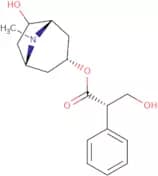
CAS :7-Hydroxyhyoscyamine is an antibacterial agent that is used in the treatment of bacterial infections. It has been shown to inhibit the growth of a number of bacteria including Staphylococcus aureus, Streptococcus pyogenes, and Escherichia coli. 7-Hydroxyhyoscyamine has been shown to be more potent than 6-hydroxyhyoscyamine (6-OH Hya) for inhibiting protein synthesis in the bacteria. The compound does not have any psychoactive effects, unlike atropine sulfate, which is also an alkaloid found in plants from the Solanaceae family. 7-Hydroxyhyoscyamine can be synthesized by reacting atropine with nitrous acid or hydrochloric acid. This synthetic process leads to n-oxides as impurities, which can be removed by using a reversed phase high performance liquid chromatography (RP HPLC). Validation of thisFormule :C17H23NO4Degré de pureté :Min. 95%Couleur et forme :PowderMasse moléculaire :305.4 g/mol4-Hydroxy atorvastatin lactone-d5
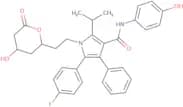
CAS :4-Hydroxy atorvastatin lactone-d5 is a stable isotope that is used to characterize the 3-hydroxy-3-methylglutaryl-coa reductase (HMGCR) inhibition constant of atorvastatin. It is used for calibration and quantification in the analysis of atorvastatin in human liver supernatants and interactions with cytochrome P450 enzymes. The high degree of hydrophilicity of 4-hydroxy atorvastatin lactone-d5 makes it suitable for hydrophilic interaction chromatography (HILIC) separation.Formule :C33H33FN2O5Degré de pureté :Min. 95%Masse moléculaire :556.6 g/molN5-(5-Hydroxy-4,6-dimethyl-2-pyrimidinyl)-L-ornithine hydrochloride hydrate
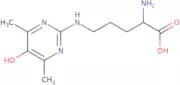
CAS :N5-(5-Hydroxy-4,6-dimethyl-2-pyrimidinyl)-L-ornithine hydrochloride hydrate is a monoclonal antibody that is specific to lysine residues. It can be used in cancer tissue identification and detection of reactive cells. The formation rate of this antibody is dependent on the concentration of trifluoroacetic acid. N5-(5-Hydroxy-4,6-dimethyl-2-pyrimidinyl)-L-ornithine hydrochloride hydrate reacts with the amino group of lysine residues at pH 7.4 and has a logistic regression coefficient of 0.934 (95% confidence interval: 0.837 - 1.000). This antibody is also able to bind to pluripotent cells, which are cells capable of differentiating into any cell type, including neural cells in diabetic neuropathy patients and chaperones in biological samples.Formule :C11H18N4O3Degré de pureté :Min. 95%Masse moléculaire :254.29 g/molN-Carbomethoxyamoxapine
CAS :N-Carbomethoxyamoxapine is an analytical standard and impurity in the synthesis of a drug product. It is a metabolite of amoxapine, which belongs to the group of tricyclic antidepressants. N-Carbomethoxyamoxapine has been used as an analytical standard for HPLC analysis and as a reference material for pharmacopoeia. It is also an impurity in the synthesis of amoxapine and other pharmaceuticals.Formule :C19H18ClN3O3Degré de pureté :Min. 95%Masse moléculaire :371.80 g/molRotogotine EP Impurity J hydrochloride
Rotogotine EP Impurity J is a synthetic drug that is metabolized to produce the active form, rotogotine. Rotogotine is used in the treatment of Parkinson's disease and restless leg syndrome. This impurity standard may be used as a reference for analytical methods such as HPLC or GC.Degré de pureté :Min. 95%N-Nitroso N-hydroxy cyclohexanamine
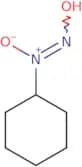
CAS :N-Nitroso N-hydroxy cyclohexanamine is an analog of betamethasone and a potent inhibitor of kinases. It has been shown to have anticancer properties by inducing apoptosis in cancer cells. This compound is excreted in urine and has been studied extensively in Chinese populations for its potential as an anticancer agent. N-Nitroso N-hydroxy cyclohexanamine inhibits the activity of kinases, which are important enzymes involved in cell signaling pathways that regulate cell growth and division. This inhibition leads to the suppression of tumor growth and the induction of apoptosis in cancer cells. Additionally, this compound has been found to be a potent inhibitor of vitamin D receptor (VDR) and may play a role in regulating VDR-mediated gene expression.
Formule :C6H12N2O2Degré de pureté :Min. 95%Masse moléculaire :144.17 g/molS 14506 Hydrochloride
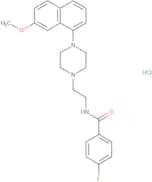
CAS :S 14506 Hydrochloride is a selective 5-HT1A receptor agonist that has been shown to have proapoptotic activity in prostate cancer cells. S 14506 Hydrochloride binds to the serotonin receptor, which is important for the modulation of mood, appetite, sexual function and pain sensation. It causes an increase in extracellular levels of hydrogen chloride and chloride ions, which may be responsible for its anxiolytic effects. This drug has also been shown to inhibit cell growth by binding to the subunits that make up the enzyme protein kinase A (PKA). PKA activates protein kinases, which are enzymes that regulate cellular processes such as metabolism and gene expression. In addition, S 14506 Hydrochloride binds to the 5-HT1A receptor on cancer cells and increases the synthesis of proteins associated with apoptosis or programmed cell death.Formule :C24H27ClFN3O2Degré de pureté :Min. 95%Masse moléculaire :443.9 g/mol(S)-(+)-Hydroxy chloroquine diphosphate
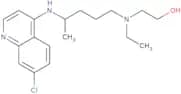
CAS :(S)-(+)-Hydroxy chloroquine diphosphate is a drug that can be used to treat chronic kidney disease. It is a prodrug of hydroxychloroquine, which is also an anti-inflammatory agent. (S)-(+)-Hydroxychloroquine diphosphate has been shown to inhibit the growth of cancer cells in vitro and in vivo by inducing autophagy. This drug inhibits the tyrosine kinase receptor on cancer cells and blocks the downstream signaling pathways that lead to tumor cell proliferation. (S)-(+)-Hydroxychloroquine diphosphate has been shown to have a higher activity than hydroxychloroquine when tested against skin tumors in animals. The liposomal formulation of this drug allows for high concentrations to be achieved at the site of inflammation, making it more effective for treatment of cutaneous lesions.Formule :C18H26ClN3ODegré de pureté :Min. 95%Masse moléculaire :335.9 g/molLamivudine S-oxide
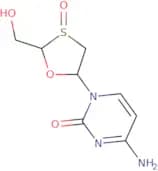
CAS :Lamivudine is an antiviral drug that belongs to the group of nucleoside analogues. It is a prodrug that is activated by intracellular phosphorylation to form the active compound, lamivudine triphosphate (L-TTP). L-TTP inhibits viral replication by competing with natural substrates for incorporation into viral DNA. The antiviral activity of L-TTP has been shown in animals and humans with hepatitis B virus or human immunodeficiency virus type 1 (HIV-1) infections. Lamivudine S-oxide is a stereoselective form of lamivudine, which can be used for chemoprophylaxis against the pandemic H1N1 virus. This drug has shown to have a lower toxicity profile than other drugs used for this purpose.
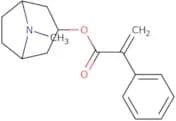
Formule :C8H11N3O4SDegré de pureté :Min. 95%Masse moléculaire :245.26 g/molApoatropine
CAS :Apoatropine is a quaternary ammonium compound that is used as an antidote for the treatment of anticholinesterase poisoning. Apoatropine binds to acetylcholine receptors and prevents further stimulation by acetylcholine, which will eventually lead to paralysis and death. The drug product is available as an HPLC standard, with analytical standards available for impurities such as apoatropine sulfate and apoatropine hydrochloride. Apoatropine is metabolized in vivo to atropine and scopolamine, which are also present as impurities in this drug product.Formule :C17H21NO2Degré de pureté :Min. 95%Masse moléculaire :271.35 g/mol(S)-3-(Dimethylamino)-1-(2-thienyl)propan-1-ol
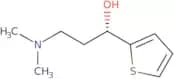
CAS :(S)-3-(Dimethylamino)-1-(2-thienyl)propan-1-ol is a polymerase chain reaction (PCR) reagent that is used as a building block for the synthesis of five membered ring lactams and dihedral polymers. This compound is synthesized by chemoenzymatic coupling of propanamine with trifluoroacetic acid in the presence of methyl groups, followed by catalytic hydrogenation to yield the desired product. The asymmetric synthesis of this compound was achieved through chiral resolution using NMR spectroscopy.Formule :C9H15NOSDegré de pureté :Min. 95%Masse moléculaire :185.29 g/molN-(2,6-Dichlorophenyl)-carbonimidic dichloride
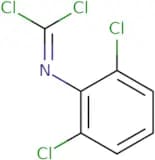
CAS :2,6-Dichlorophenyl carbonimidic dichloride is an analytical reference material that is used as a high purity and drug development API impurity standard. The compound has been found to be a metabolite of the anti-inflammatory drug ibuprofen. It is also used as a pharmacopoeia impurity standard in the United States, Japan, and Europe. CAS No. 21709-18-2 is the assigned number for this compound.Formule :C7H3Cl4NDegré de pureté :Min. 95%Masse moléculaire :242.9 g/mol2-Methoxy-5-methyl-gamma-phenylbenzenepropanol
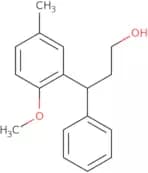
CAS :2-Methoxy-5-methyl-gamma-phenylbenzenepropanol is a synthetic compound that is used as an intermediate in the synthesis of coumarin derivatives. Reaction with sulfonating agents produces sulfones, and reaction with borohydride reagents produces boronates. The synthesis of 2-methoxy-5-methyl-gamma-phenylbenzenepropanol can be accomplished by the reduction of diphenyl ethers with lithium aluminum hydride or borohydride. The reduction can also be carried out using lanthanum oxide and potassium borohydride. The reaction proceeds smoothly at room temperature in nonpolar solvents.
2-Methoxy-5-methyl-gamma-phenylbenzenepropanol reacts with chloride to produce the corresponding chlorides, which are useful intermediates for the synthesis of tolterodine tartrate, a drug used to treat urinary incFormule :C17H20O2Degré de pureté :Min. 95%Masse moléculaire :256.34 g/mol(5E)-2,2-Dimethyl-7-[methyl(1-naphthalenylmethyl)amino]-5-hepten-3-ynoic acid
CAS :(5E)-2,2-Dimethyl-7-[methyl(1-naphthalenylmethyl)amino]-5-hepten-3-ynoic acid is a drug product that has been custom synthesized. It is available in high purity (>98%) and with analytical data. This chemical is metabolized through a number of metabolic transformations, including hydrolysis by esterases or glucuronidases, oxidation by cytochrome P450 enzymes, reduction by glutathione reductase, or conjugation with glucuronic acid. (5E)-2,2-Dimethyl-7-[methyl(1-naphthalenylmethyl)amino]-5-hepten-3-ynoic acid has been shown to have pharmacological activity on the central nervous system and may be used as an antidepressant drug candidate.Formule :C21H23NO2Degré de pureté :Min. 95%Masse moléculaire :321.41 g/molN-Boc-(R)-2-(3-thiazolidinylcarbonyl)pyrrolidine
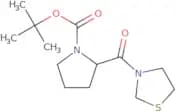
CAS :N-Boc-(R)-2-(3-thiazolidinylcarbonyl)pyrrolidine is a molecule that is used to develop analytical methods. It is a key intermediate in the synthesis of metformin hydrochloride, an anti-diabetic drug. N-Boc-(R)-2-(3-thiazolidinylcarbonyl)pyrrolidine can be used as a surrogate for impurities in pharmaceuticals and other substances. This product can be used to validate analytical methods and has been shown to have high sensitivity. N-Boc-(R)-2-(3-thiazolidinylcarbonyl)pyrrolidine can be synthesized by reacting acetonitrile with melamine, which is an impurity found in products such as milk powder, baby formula, and wheat gluten. The compound is then purified using RP-HPLC.Formule :C13H22N2O3SDegré de pureté :Min. 95%Masse moléculaire :286.39 g/molN-Demethyl pazopanib
CAS :N-Demethyl pazopanib is a synthetic drug that has been researched and developed for the treatment of cancer. It is an impurity standard, custom synthesis, and drug product. Synthetic N-demethyl pazopanib is used in clinical trials as a research and development tool to explore the metabolism of this drug and its metabolites. High purity N-demethyl pazopanib is used as a pharmacopoeia reference material for HPLC analysis in pharmacological studies. The metabolite of N-demethyl pazopanib has been found to be carcinogenic in animal studies. Metabolism studies have shown that N-demethyl pazopanib undergoes extensive hydroxylation and glucuronidation, which are detoxification pathways for xenobiotics in mammals.Formule :C20H21N7O2SDegré de pureté :Min. 95%Masse moléculaire :423.5 g/molN-(3-Trifluoromethylphenyl)-phenylamine
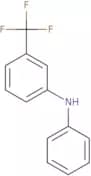
CAS :N-(3-Trifluoromethylphenyl)-phenylamine is a research and development drug product that is used as an analytical impurity standard. It has a CAS number of 101-23-5 and is classified under the trade name 3TFPPA. The chemical formula for N-(3-Trifluoromethylphenyl)-phenylamine is C12H8F3NO. This compound can be synthesized from phenylamine, 3-trifluoromethylaniline, and hydrochloric acid. The molecular weight of this compound is 197.19 g/mol, which falls within the range of 195 to 200 g/mol. N-(3-Trifluoromethylphenyl)-phenylamine can be found in the following pharmacopoeia: USP (United States Pharmacopeia), EP (European Pharmacopoeia), JP (Japanese Pharmacopeia), BPFormule :C13H10F3NDegré de pureté :Min. 95%Masse moléculaire :237.22 g/molMethyl 4-methyl-3-[2-(propylamino)acetamido)thiophene-2-carboxylate
CAS :Methyl 4-methyl-3-[2-(propylamino)acetamido]thiophene-2-carboxylate is an impurity that can be found in the drug product. It is a metabolite of clozapine, which is used to treat schizophrenia and other psychiatric disorders. This impurity can be detected by HPLC or LC/MS analysis and quantified using a calibration curve generated from standards. Methyl 4-methyl-3-[2-(propylamino)acetamido]thiophene-2-carboxylate may also be found in the urine as an indicator of clozapine use.Formule :C12H18N2O3SDegré de pureté :Min. 95%Masse moléculaire :270.35 g/mol1-(3,5-Dihydroxyphenyl)-2-[(1,1-dimethylethyl)amino]-ethanone hydrochloride
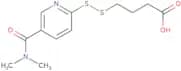
CAS :1-(3,5-Dihydroxyphenyl)-2-[(1,1-dimethylethyl)amino]-ethanone hydrochloride (HDPAE) is a drug product for the treatment of metabolic disorders. HDPAE is synthesized in high purity and has been studied for its metabolism and therapeutic effect. The CAS number for this compound is 1246815-70-2. This compound can be found in natural sources such as plants and animals, but it is also synthetically produced. HDPAE has not been evaluated by the FDA or any other regulatory agency and may not be available to consumers.Formule :C12H18ClNO3Degré de pureté :Min. 95%Masse moléculaire :259.73 g/molDMAC-PDB
CAS :DMAC-PDB is an aromatic cleavable linker commonly used in protein and drug conjugation. It enables controlled release of payloads under specific chemical conditions.
Formule :C12H16N2O3S2Degré de pureté :Min. 95%Masse moléculaire :300.4 g/molFexofenadine Impurity G
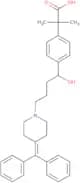
CAS :Fexofenadine Impurity G is an impurity that is found in the drug Fexofenadine. This impurity can be identified and quantified using HPLC with a UV detector at 254 nm. Fexofenadine Impurity G has been classified as a natural metabolite of Fexofenadine. It is also considered to be a synthetic impurity because it can be synthesized in the laboratory.Formule :C32H37NO3Degré de pureté :Min. 95%Masse moléculaire :483.6 g/mol2-Hydroxy-5-[2-[4-[[(6-methyl-2-pyridinyl)amino]sulfonyl]phenyl]diazenyl]benzoic acid
CAS :2-Hydroxy-5-[2-[4-[[(6-methyl-2-pyridinyl)amino]sulfonyl]phenyl]diazenyl]benzoic acid is a synthetic drug product that has not been approved for clinical use. 2-Hydroxy-5-[2-[4-[[(6-methyl-2-pyridinyl)amino]sulfonyl]phenyl]- diazenyl]benzoic acid is a metabolite of the drug product, 3-(2,4,6,-trimethoxybenzoyl)-1-(pyridinium methyl) piperidine. This metabolite was isolated and characterized using high performance liquid chromatography (HPLC), gas chromatography (GC), and nuclear magnetic resonance spectroscopy.Formule :C19H16N4O5SDegré de pureté :Min. 95%Masse moléculaire :412.42 g/molNociceptin (1-7)
CAS :Nociceptin (1-7) is a drug product that is a natural, API impurity, and an impurity standard. It is used in research and development for the study of drug metabolism and pharmacopoeia for high purity standards in HPLC analysis. Nociceptin (1-7) is also synthesized as a synthetic compound with the CAS number 178249-42-8.
Formule :C31H41N7O9Degré de pureté :Min. 95%Masse moléculaire :655.7 g/molDescyclopropyl lenvatinib
CAS :Descyclopropyl lenvatinib is a synthetic drug candidate that is being developed for the treatment of cancer. It is a metabolite of lenvatinib and has shown to have similar pharmacological activity, including inhibition of protein synthesis. Descyclopropyl lenvatinib also has been shown to inhibit the metabolism of other drugs, such as irinotecan, which may be due to its ability to inhibit cytochrome P450 enzymes.
Formule :C18H15ClN4O4Degré de pureté :Min. 95%Masse moléculaire :386.80 g/mol2-[[(4-Methoxy-3-methyl-2-pyridinyl)methyl]sulfinyl]-1H-benzimidazole
CAS :2-[(4-Methoxy-3-methyl-2-pyridinyl)methyl]sulfinyl]-1H-benzimidazole is a synthetic, impurity standard that is used in the synthesis of drug products. It has been shown to inhibit the metabolism of drugs and may be used as a marker for drug metabolism. This compound may also be used as a marker in analytical studies to assess the purity of a drug product. 2-[(4-Methoxy-3-methyl-2-pyridinyl)methyl]sulfinyl]-1H-benzimidazole has not been evaluated for safety or efficacy.Formule :C15H15N3O2SDegré de pureté :Min. 95%Masse moléculaire :301.36 g/molDiethyl 2-propylimidazole-4,5-dicarboxylate
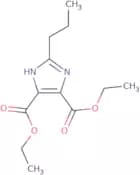
CAS :Diethyl 2-propylimidazole-4,5-dicarboxylate is a synthesized intermediate that can be used in the synthesis of other organic compounds. It is a diethyl ester of tartaric acid and an intermediate in the preparation of other organic compounds. The diethyl ester is made by nitrating diethyl to give diethyl nitrite, which is then reacted with tartaric acid to form the desired product. Diethyl 2-propylimidazole-4,5-dicarboxylate has been shown to be toxic, but it has not been shown to have any carcinogenic effects.Formule :C12H18N2O4Degré de pureté :Min. 95%Masse moléculaire :254.28 g/mol6-(tert-Butylamino)-3-methyl-1,3,5-triazine-2,4(1H,3H)-dione
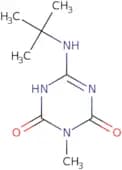
CAS :Please enquire for more information about 6-(tert-Butylamino)-3-methyl-1,3,5-triazine-2,4(1H,3H)-dione including the price, delivery time and more detailed product information at the technical inquiry form on this pageFormule :C8H14N4O2Degré de pureté :Min. 95%Masse moléculaire :198.22 g/molLoratadine epoxide
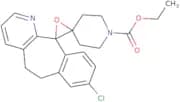
CAS :Loratadine is an antihistamine drug and its metabolite, loratadine epoxide, can be detected in the blood and urine of patients. Loratadine epoxide can be isolated from high-performance liquid chromatography (HPLC) with a spectrometer. The experimental method for the isolation of loratadine epoxide is to add diazomethane to a solution of loratadine in benzene. This experiment yielded a n-oxide that reacts with oxygen to form an aliphatic compound with a shift on the mass spectrum. This n-oxide has been found as an analyte in urine samples.Formule :C22H23ClN2O3Degré de pureté :Min. 95%Masse moléculaire :398.9 g/mol(2S,4S)-tert-Butyl 2-(5-(2-((2S,5S)-1-((S)-2-((methoxycarbonyl)amino)-3-methylbutanoyl)-5-methylpyrrolidin-2-yl)-1,11-dihydroisochro meno[4',3':6,7]naphtho[1,2-d]imidazol-9-yl)-1H-imidazol-2-yl)-4-(methoxymethyl)pyrrolidine-1-carboxylate
CAS :(2S,4S)-tert-Butyl 2-(5-(2-((2S,5S)-1-((S)-2-((methoxycarbonyl)amino)-3-methylbutanoyl)-5-methylpyrrolidin-2-yl)-1,11-dihydroisochro meno[4',3':6,7]naphtho[1,2-d]imidazol-9-yl)-1H-imidazol-2-yl)-4-(methoxymethyl)pyrrolidine-1-carboxylate is a drug product that has been synthesized and is being developed for the treatment of cancer. (2S,4S)-tert–Butyl 2-(5-(2-[(2R,5R)-1-[(R) -2-[(methoxycarbonyl)amino]-Formule :C44H53N7O7Degré de pureté :Min. 95%Masse moléculaire :791.9 g/mol

![Benz[A]anthracene-7-methanol](/_next/image/?url=https%3A%2Fstatic.cymitquimica.com%2Fproducts%2F3D%2Fthumb-webp%2FRAA11013.webp&w=3840&q=75)

![(5E)-2,2-Dimethyl-7-[methyl(1-naphthalenylmethyl)amino]-5-hepten-3-ynoic acid](/_next/image/?url=https%3A%2Fstatic.cymitquimica.com%2Fproducts%2F3D%2Fthumb-webp%2FID19739.webp&w=3840&q=75)
![1-(3,5-Dihydroxyphenyl)-2-[(1,1-dimethylethyl)amino]-ethanone hydrochloride](/_next/image/?url=https%3A%2Fstatic.cymitquimica.com%2Fproducts%2F3D%2Fthumb-webp%2FWZB81570.webp&w=3840&q=75)
![2-Hydroxy-5-[2-[4-[[(6-methyl-2-pyridinyl)amino]sulfonyl]phenyl]diazenyl]benzoic acid](/_next/image/?url=https%3A%2Fstatic.cymitquimica.com%2Fproducts%2F3D%2Fthumb-webp%2FIH145662.webp&w=3840&q=75)
![2-[[(4-Methoxy-3-methyl-2-pyridinyl)methyl]sulfinyl]-1H-benzimidazole](/_next/image/?url=https%3A%2Fstatic.cymitquimica.com%2Fproducts%2F3D%2Fthumb-webp%2FIM21228.webp&w=3840&q=75)