APIs pour la recherche et les impuretés
Les principes actifs pharmaceutiques (API) sont les substances présentes dans les médicaments qui sont responsables de leurs effets thérapeutiques. Dans cette section, vous trouverez une grande variété d'API destinés à un usage de recherche. Ces composés sont essentiels pour le développement, les tests et la validation de nouvelles formulations pharmaceutiques. Chez CymitQuimica, nous proposons des API de haute qualité pour soutenir la recherche dans la découverte et le développement de médicaments.
Sous-catégories appartenant à la catégorie "APIs pour la recherche et les impuretés"
- Acides Aminés et Dérivés(12.328 produits)
- Anthraquinones et Dérivés(405 produits)
- Dérivés du Benzimidazole et de l’Imidazole(10.441 produits)
- Dérivés des Benzodiazépines(335 produits)
- Glucides et Glycoconjugués(5.017 produits)
- Esters et Dérivés(42.240 produits)
- Acides Gras et Dérivés Lipidiques(32.399 produits)
- Flavonoïdes et Polyphénols(17.087 produits)
- Radicaux Libres et Agents Oxydants/Réducteurs(213 produits)
- Cétones et Dérivés(2.404 produits)
- Antibiotiques Naturels et Semi-Synthétiques(6.381 produits)
- Nitriles et Dérivés Cyano(3.067 produits)
- Nitrosamines et Dérivés(55 produits)
- Nucléosides et Nucléotides(3.432 produits)
- Phosphates et Phosphonates Organiques(1.202 produits)
- Sulfonates et Sulfates Organiques(10.435 produits)
- Composés Organométalliques(4.422 produits)
- Autres(6.293 produits)
- Peptides et Protéines(3.160 produits)
- Polymères et Dérivés(100 produits)
- Dérivés des Purines et Pyrimidines(8.948 produits)
- Dérivés de Quinazoline et de Quinoléine(65.983 produits)
- Quinones et Dérivés(24.349 produits)
- Sels et Dérivés d’API(79.725 produits)
- Stéroïdes et Dérivés(4.975 produits)
- Sulfamides et Dérivés(2.595 produits)
- Terpénoïdes et Dérivés(3.846 produits)
- Thiazolidinediones et Thiopyranes(2.752 produits)
- Composés β-Adrénergiques(230 produits)
Affichez 21 plus de sous-catégories
57040 produits trouvés pour "APIs pour la recherche et les impuretés"
Trier par
Degré de pureté (%)
0
100
|
0
|
50
|
90
|
95
|
100
Celosin I
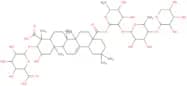
CAS :<p>Celosin I is a potent kinase inhibitor and analog that has been shown to have significant anticancer properties. It works by inhibiting the activity of kinases, which are enzymes involved in cell signaling pathways that regulate cell growth and division. Celosin I has been found to induce apoptosis, or programmed cell death, in cancer cells, making it a promising therapeutic agent for the treatment of various types of tumors. This medicinal compound has been isolated from the urine of Chinese individuals and has been extensively studied for its potential as an anticancer drug. Celosin I is a promising candidate for further development as a cancer therapy due to its high potency and selectivity towards cancer cells.</p>Formule :C53H82O24Degré de pureté :Min. 95%Masse moléculaire :1,103.2 g/mol(3R,4R,5S)-Ethyl 4-(N-(tert-butyl)acetamido)-5-(diallylamino)-3-(pentan-3-yloxy)cyclohex-1-enecarboxylate
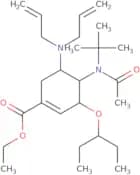
CAS :<p>(3R,4R,5S)-Ethyl 4-(N-(tert-butyl)acetamido)-5-(diallylamino)-3-(pentan-3-yloxy)cyclohex-1-enecarboxylate is a synthetic metabolite of the drug etravirine. It is an impurity in the drug product. The impurity is characterized as a white to off-white crystalline solid with a molecular weight of 531.6 g/mol and melting point of 170°C. It is soluble in methanol, ethanol, acetone and chloroform, but insoluble in water. (3R,4R,5S)-Ethyl 4-(N-(tert-butyl)acetamido)-5-(diallylamino)-3-(pentan-3-yloxy)cyclohex-1-enecarboxylate can be synthesized from commercially available starting materials</p>Formule :C26H44N2O4Degré de pureté :Min. 95%Masse moléculaire :448.6 g/molSLMP53-1
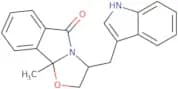
CAS :<p>SLMP53-1 is an anticancer agent that has been shown to induce apoptosis in cancer cells. It works by inhibiting kinases, which are enzymes involved in cell signaling pathways that regulate cell growth and division. SLMP53-1 has been found to be effective against a variety of tumors, including those of the bladder, breast, and lung. In addition, it has shown promising results as a potential treatment for Chinese hamster ovary (CHO) cells and human cancer cell lines. SLMP53-1 is also an analog of hepcidin, a protein that regulates iron metabolism in the body. Its unique structure allows it to bind specifically to cancer cells without affecting healthy cells, making it a promising candidate for targeted cancer therapy.</p>Formule :C20H18N2O2Degré de pureté :Min. 95%Masse moléculaire :318.4 g/molRosuvastatin EP Impurity C sodium
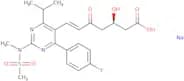
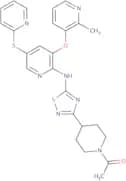
CAS :<p>Please enquire for more information about Rosuvastatin EP Impurity C sodium including the price, delivery time and more detailed product information at the technical inquiry form on this page</p>Formule :C22H26FN3O6S•NaDegré de pureté :Min. 95%Masse moléculaire :502.51 g/molaR453588
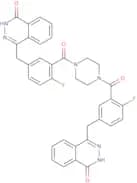
CAS :<p>aR453588 is a human analog of Voriconazole, which has been found to have anticancer properties. This compound is a kinase inhibitor that works by inducing apoptosis in cancer cells. It has been shown to be effective against various types of tumors, including those resistant to other inhibitors. aR453588 also inhibits the growth of cancer cells by blocking protein synthesis and cell division. This compound is derived from cellulose and can be detected in urine samples after administration. Overall, aR453588 shows great promise as a potential treatment for cancer.</p>Formule :C25H25N7O2S2Degré de pureté :Min. 95%Masse moléculaire :519.6 g/molOlaparib impurity 14
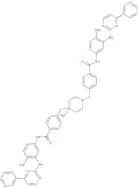
CAS :<p>Olaparib impurity 14 is a metabolite of olaparib. Olaparib is a drug used to treat cancer by inhibiting the activity of PARP1, an enzyme that repairs DNA damage. This impurity is a compound that can be synthesized in high purity and quality with a custom synthesis service. It has been shown to have niche applications in pharmacopoeia, drug development, and analytical studies.</p>Formule :C36H28F2N6O4Degré de pureté :Min. 95%Masse moléculaire :646.6 g/molDes(methylpiperazinyl) imatinib dimer piperazinium chloride
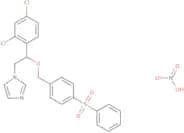
CAS :<p>Please enquire for more information about Des(methylpiperazinyl) imatinib dimer piperazinium chloride including the price, delivery time and more detailed product information at the technical inquiry form on this page</p>Formule :C53H51N12O2Degré de pureté :Min. 95%Masse moléculaire :888 g/molFenticonazole sulfone nitric acid salt
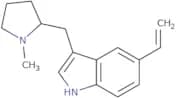
CAS :<p>Fenticonazole sulfone nitric acid salt is an analog of dabigatran, which is a protein kinase inhibitor that has shown potential in the treatment of cancer. It induces apoptosis in human cancer cells and inhibits the activity of various kinases involved in tumor growth and proliferation. Fenticonazole sulfone nitric acid salt has been studied extensively for its anticancer properties, showing promising results in Chinese hamster ovary cells and urine samples from cancer patients. This drug also exhibits inhibitory effects on protein kinases that are involved in the regulation of cell cycle progression, angiogenesis, and metastasis. Overall, Fenticonazole sulfone nitric acid salt holds great promise as a potential anticancer agent.</p>Formule :C24H21Cl2N3O6SDegré de pureté :Min. 95%Masse moléculaire :550.4 g/mol(R)-3-((1-Methylpyrrolidin-2-yl)methyl)-5-vinyl-1H-indole
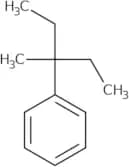
CAS :<p>Please enquire for more information about (R)-3-((1-Methylpyrrolidin-2-yl)methyl)-5-vinyl-1H-indole including the price, delivery time and more detailed product information at the technical inquiry form on this page</p>Formule :C16H20N2Degré de pureté :Min. 95%Masse moléculaire :240.34 g/mol(1-Ethyl-1-methylpropyl)benzene
CAS :<p>(1-Ethyl-1-methylpropyl)benzene is an impurity of some drugs. It is a metabolite of the drug, and can be found in urine or blood samples as a result of its excretion from the body. (1-Ethyl-1-methylpropyl)benzene is used as an analytical standard for HPLC analysis. This chemical is not on the USP list of impurities, but it is listed on the pharmacopoeia. The CAS number for (1-Ethyl-1-methylpropyl)benzene is 1985-97-3.</p>Formule :C12H18Degré de pureté :Min. 95%Masse moléculaire :162.27 g/molEplivanserin
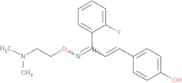
CAS :<p>Eplivanserin is a potent tumor inhibitor that belongs to the class of indirubin kinase inhibitors. It has shown great promise as an anticancer agent due to its ability to induce apoptosis in cancer cells and inhibit their growth cycle. Eplivanserin has been found to be effective against a variety of cancers, including breast, lung, and prostate cancer. This medicinal compound is derived from Chinese herbs and has been extensively studied for its potential in cancer treatment. In addition, eplivanserin has been found in urine samples from humans, indicating that it may have potential as a diagnostic tool for cancer detection. Its protein targets are still being investigated, but it is believed that eplivanserin works by inhibiting key enzymes involved in cell signaling pathways that promote cancer cell growth and survival.</p>Formule :C19H21FN2O2Degré de pureté :Min. 95%Masse moléculaire :328.4 g/molUlifloxacin acyl-β-D-glucuronide
CAS :<p>Ulifloxacin acyl-β-D-glucuronide is an inhibitor of protein kinases that has been shown to induce apoptosis in cancer cells. This compound is a metabolite of ulifloxacin, a fluoroquinolone antibiotic used to treat urinary tract infections. Ulifloxacin acyl-β-D-glucuronide has potent anticancer activity and has been shown to inhibit the growth of tumor cells in vitro. This compound is an analog of other kinase inhibitors and has been extensively studied in Chinese hamster ovary (CHO) cells, where it was found to be effective against various types of cancer. Ulifloxacin acyl-β-D-glucuronide also possesses toxin-binding properties and may have potential as an anti-toxin agent.</p>Formule :C22H24FN3O9SDegré de pureté :Min. 95%Masse moléculaire :525.5 g/molFonofos
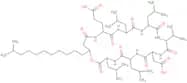
CAS :<p>Fonofos is a potent inhibitor that has been shown to induce apoptosis in Chinese hamster ovary cells. It is also known to inhibit chitin kinase, a protein that plays an important role in the biosynthesis of chitin, which is essential for the formation of cell walls in fungi and insects. Fonofos has medicinal properties and has been studied as a potential anticancer agent due to its ability to inhibit tumor growth. In vitro studies have shown that Fonofos can inhibit the growth of human cancer cells by inhibiting heparin-binding proteins. Additionally, it has been found to have inhibitory effects on several other enzymes involved in cancer development and progression. Although not approved for use in humans, Fonofos may hold promise as a therapeutic agent for the treatment of certain cancers.</p>Formule :C10H15OPS2Degré de pureté :Min. 95%Masse moléculaire :246.3 g/molSurfactin
CAS :<p>Surfactin is a cyclic lipopeptide that has been found in urine and has shown potential as an anticancer agent. It has been shown to inhibit kinases, including indirubin and Chinese hamster ovary cell tumor kinase, which are involved in cancer cell proliferation. Surfactin analogs have also been developed as inhibitors of cancer cell growth and inducers of apoptosis. In addition to its anticancer properties, surfactin has been found to have antimicrobial activity against a variety of bacteria, including Clostridium perfringens. Overall, surfactin shows promise as a multifunctional therapeutic agent with potential applications in both cancer treatment and microbial control.</p>Formule :C53H93N7O13Degré de pureté :Min. 95%Masse moléculaire :1,036.3 g/molRS 45041-190 hydrochloride
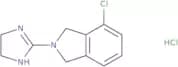
CAS :<p>RS 45041-190 hydrochloride is a selective antagonist of the imidazoline receptor, which is a type of receptor ligand. RS 45041-190 hydrochloride blocks the binding of dopamine to its receptors in the cerebral cortex and blood pressure regulation. This drug also blocks adrenoceptors and 5-hydroxytryptamine (5-HT) receptors. RS 45041-190 hydrochloride is an equated drug that has been shown to be effective for inflammatory pain caused by nerve injury. It has not been proven to be effective for other types of pain.</p>Formule :C11H13Cl2N3Degré de pureté :Min. 95%Masse moléculaire :258.14 g/molUlimorelin hydrochloride hydrate
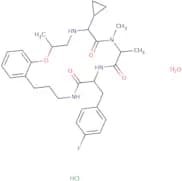
CAS :<p>Ulimorelin hydrochloride hydrate is an inhibitor that has been shown to selectively induce apoptosis in cancer cells. This medicinal compound is a protein analog that inhibits the activity of kinases, which are enzymes that play a critical role in tumor growth and progression. Ulimorelin hydrochloride hydrate has been tested on human cancer cell lines and has demonstrated potent anticancer activity. Additionally, it has been found to have inhibitory effects on Chinese hamster ovary (CHO) cells, which suggests potential therapeutic applications beyond cancer treatment. Ulimorelin hydrochloride hydrate is excreted primarily via urine and may be the basis for future research in developing new kinase inhibitors for treating various types of cancer.</p>Formule :C30H42ClFN4O5Degré de pureté :Min. 95%Masse moléculaire :593.1 g/molFlupirtine-N2-β-D-glucuronide
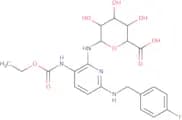
CAS :<p>Please enquire for more information about Flupirtine-N2-β-D-glucuronide including the price, delivery time and more detailed product information at the technical inquiry form on this page</p>Formule :C21H25FN4O8Degré de pureté :Min. 95%Masse moléculaire :480.4 g/mol3-(2-Bromoethyl)-7-hydroxy-4-methyl-coumarin
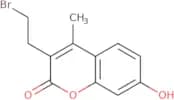
CAS :<p>Please enquire for more information about 3-(2-Bromoethyl)-7-hydroxy-4-methyl-coumarin including the price, delivery time and more detailed product information at the technical inquiry form on this page</p>Formule :C12H11BrO3Degré de pureté :Min. 95%Masse moléculaire :283.12 g/mol1,5-Bis(4-amidinophenoxy)-2-pentanol
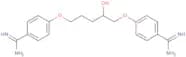
CAS :<p>Please enquire for more information about 1,5-Bis(4-amidinophenoxy)-2-pentanol including the price, delivery time and more detailed product information at the technical inquiry form on this page</p>Formule :C19H24N4O3Degré de pureté :Min. 95%Masse moléculaire :356.4 g/mol3-Chloro-2-hydroxyimipramine
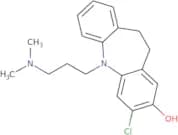
CAS :<p>3-Chloro-2-hydroxyimipramine is a potent anticancer agent that has shown promising results in preclinical studies. This compound is a kinase inhibitor that targets cancer cells and induces apoptosis, leading to tumor regression. It has been found in urine samples of Chinese medicinal herb users and shows an analog structure to imipramine, an antidepressant drug. 3-Chloro-2-hydroxyimipramine inhibits kinases involved in cell proliferation and survival, making it a potential treatment option for various types of cancer in humans. Its anti-cancer properties make it an attractive candidate for further research and development as a potential therapeutic agent.</p>Formule :C19H23ClN2ODegré de pureté :Min. 95%Masse moléculaire :330.8 g/molPiquindone
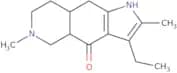
CAS :<p>Piquindone is a medicinal compound that has shown promising anticancer properties in human tumor cells. It acts as an inhibitor of protein kinases, which are enzymes that regulate cell growth and division. Piquindone is an analog of a natural product found in Chinese urine and has been studied for its ability to induce apoptosis, or programmed cell death, in cancer cells. This compound has shown potent activity against various types of cancer cells and may have potential as a therapeutic agent for the treatment of cancer. Its mechanism of action involves the inhibition of specific kinases involved in cancer cell proliferation and survival. Piquindone is being investigated further for its potential as a cancer cell inhibitor.</p>Formule :C15H22N2ODegré de pureté :Min. 95%Masse moléculaire :246.35 g/molN-Desmethyl trimeprazine
CAS :<p>N-Desmethyl trimeprazine is a synthetic compound, which is an impurity of the drug product. It is not active and does not possess any biological activity. It is a metabolite of the parent drug, Trimeprazine. N-Desmethyl trimeprazine has been studied for its pharmacological properties and metabolism in the body, but no conclusive results have been found. The chemical structure and purity of N-Desmethyl trimeprazine are not listed in the USP or BP. This compound can be custom synthesized on request.</p>Formule :C17H20N2SDegré de pureté :Min. 95%Masse moléculaire :284.40 g/molSinalexin
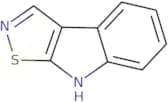
CAS :<p>Sinalexin is an anticancer drug that targets human protein kinases. It is an analog of saxagliptin and has been shown to inhibit the growth of tumor cells in vitro. Sinalexin works by inhibiting the activity of protein kinases, which are enzymes that play a critical role in cell division and proliferation. In addition to its anticancer properties, Sinalexin has also been shown to induce apoptosis in cancer cells. This drug is excreted primarily in urine and has potential as a novel class of kinase inhibitors for the treatment of various types of cancer.</p>Formule :C9H6N2SDegré de pureté :Min. 95%Masse moléculaire :174.22 g/molTriclosan o-β-D-glucuronide sodium salt
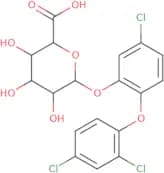
CAS :<p>Triclosan o-β-D-glucuronide sodium salt is an analog of Triclosan, which is a potent inhibitor of bacterial enoyl-acyl carrier protein reductase. It has been shown to have anticancer properties, inhibiting the growth of cancer cells by inducing apoptosis and inhibiting kinase activity. This compound has been found to be effective against a variety of tumors and cancers, including thyroid cancer. Triclosan o-β-D-glucuronide sodium salt has also been shown to inhibit the activity of human protein kinases, making it a potential candidate for the development of new anticancer drugs. This compound can be detected in urine samples from both humans and Chinese hamsters, indicating its potential for use as a diagnostic tool for cancer detection.</p>Formule :C18H15Cl3O8Degré de pureté :Min. 95%Masse moléculaire :465.7 g/molAcetylsalicylic acid sodium salt
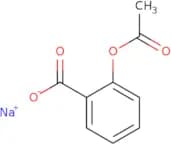
CAS :<p>Acetylsalicylic acid sodium salt is a potent inhibitor of kinases in both human and Chinese cells. It is an analog of salicylic acid and has been shown to inhibit the growth of cancer cells in vitro. Acetylsalicylic acid sodium salt also induces apoptosis, or programmed cell death, in cancer cells. Additionally, it has been shown to inhibit heparin-induced platelet aggregation and reduce the risk of blood clots. This drug has potential anticancer properties due to its ability to inhibit chitin synthesis, which is necessary for tumor growth and survival. Acetylsalicylic acid sodium salt may be useful as a therapeutic agent for the treatment of cancer and other diseases associated with abnormal kinase activity.</p>Formule :C9H7NaO4Degré de pureté :Min. 95%Masse moléculaire :202.14 g/molPirtenidine
CAS :<p>Pirtenidine is a potent and selective kinase inhibitor that has been shown to inhibit the activity of cyclin-dependent kinases. It has demonstrated promising results in preclinical studies as an anticancer agent, inducing apoptosis in cancer cells. Pirtenidine is an analog of protein kinase inhibitors, which have been used to treat various types of tumors. It has been found to be effective against human cancer cell lines and has shown significant tumor growth inhibition in animal models. Pirtenidine has also been reported to be a potent urine inhibitor of Chinese hamster ovary cells, making it a promising candidate for the treatment of urinary tract cancers.</p>Formule :C21H38N2Degré de pureté :Min. 95%Masse moléculaire :318.5 g/molN-Methyl-4-phenylpiperidine
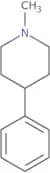
CAS :<p>N-Methyl-4-phenylpiperidine is a synthetic drug that acts as a stimulant. It is a structural analog of the neurotransmitter acetylcholine and has been shown to have similar effects in knockout mice. N-Methyl-4-phenylpiperidine is metabolized by hydrolysis of the amide group, leading to the formation of alphaprodine and hydroxyphenylacetic acid. This drug has been shown to inhibit dopamine and serotonin uptake in rats, which may be related to its psychostimulant effects. Clinical pharmacology studies have shown that this drug can increase blood pressure, heart rate, and respiration rates in humans.</p>Formule :C12H17N·HClDegré de pureté :Min. 95%Masse moléculaire :211.73 g/mol2-Bromo-4-chloro-N-methyl-N-phenyl-butanamide
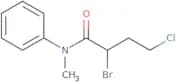
CAS :<p>2-Bromo-4-chloro-N-methyl-N-phenyl-butanamide is an analog of saxagliptin, a protein inhibitor that has been shown to induce apoptosis in cancer cells. This compound has demonstrated potent anticancer activity in vitro and in vivo, inhibiting the growth of tumor cells by targeting kinases involved in cell proliferation and survival. It has also been found to be effective against a variety of human cancer types, including breast, prostate, and lung cancer. Additionally, 2-Bromo-4-chloro-N-methyl-N-phenyl-butanamide has been shown to have potential as a urine biomarker for detecting early-stage Chinese bladder cancer. Overall, this compound shows promise as a potent inhibitor of cancer cell growth and may have important applications in the development of novel anticancer therapies.</p>Formule :C11H13BrClNODegré de pureté :Min. 95%Masse moléculaire :290.58 g/molBenzylpenicillin diethylaminoethyl ester hydroiodide
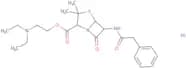
CAS :<p>Benzylpenicillin diethylaminoethyl ester hydroiodide is a potent broad-spectrum antimicrobial agent that inhibits the growth of bacteria by inhibiting protein synthesis. It is used to treat microbial infections and has been shown to be effective against Streptococcus species, including Streptococcus pneumoniae, Streptococcus pyogenes, and Streptococcus viridans. Benzylpenicillin diethylaminoethyl ester hydroiodide binds to the 50S ribosome subunit of bacteria and prevents the formation of an antibiotic-inhibitor complex with the enzyme cell wall synthesis that is required for cell wall biosynthesis. This binding prevents protein synthesis and cell division.</p>Formule :C22H32IN3O4SDegré de pureté :Min. 95%Masse moléculaire :561.5 g/molRef: 3D-AAA80871
Produit arrêtéNUC-7738
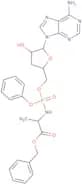
CAS :<p>NUC-7738 is a medicinal compound that has been shown to be an effective inhibitor of cyclin-dependent kinases (CDKs). It has potent anticancer activity and has been studied extensively in Chinese hamster ovary (CHO) cells, human leukemia cells, and other cancer cell lines. NUC-7738 works by selectively inhibiting CDK4/6, which are critical regulators of the cell cycle. This leads to the induction of apoptosis in cancer cells, making it a promising new therapeutic agent for the treatment of various types of cancer. Additionally, NUC-7738 has been shown to have low toxicity and good pharmacokinetic properties in preclinical studies. Overall, this compound holds great promise as a novel anticancer therapy that may help improve outcomes for patients with cancer.</p>Formule :C26H29N6O7PDegré de pureté :Min. 95%Masse moléculaire :568.5 g/mol3-Dodecenal
CAS :<p>3-Dodecenal is a human analog that has been studied for its potential anticancer properties. It has been shown to induce apoptosis, or programmed cell death, in tumor cells. This medicinal compound acts as an inhibitor of protein kinases, which play a crucial role in regulating the cell cycle and are often overactive in cancer cells. 3-Dodecenal has shown promising results in inhibiting cancer cell growth in Chinese hamster ovary cells and may have potential as a natural alternative to traditional cancer treatments. In addition, this compound has been detected in human urine and is believed to have potential health benefits beyond its anticancer properties.</p>Formule :C12H22ODegré de pureté :Min. 95%Masse moléculaire :182.3 g/mol2-(Naphthalen-2-ylmethyl)-4,5-dihydro-1H-imidazole
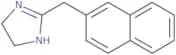
CAS :<p>2-(Naphthalen-2-ylmethyl)-4,5-dihydro-1H-imidazole is a medicinal compound that has shown promising results in cancer research. It works as an inhibitor of cyclin-dependent kinases, which are essential for cancer cell proliferation. This compound induces apoptosis in cancer cells by inhibiting the activity of certain proteins involved in tumor growth. Studies have shown that 2-(Naphthalen-2-ylmethyl)-4,5-dihydro-1H-imidazole analogs have potent anticancer activity and can inhibit the growth of human cancer cells. This compound has also been found to be present in urine samples from Chinese patients with cancer. Further research on this compound may lead to the development of new and effective treatments for various types of cancers.</p>Formule :C14H14N2Degré de pureté :Min. 95%Masse moléculaire :210.27 g/mol3-(tert-Butylsulfinyl)propanoic acid
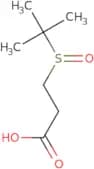
CAS :<p>Please enquire for more information about 3-(tert-Butylsulfinyl)propanoic acid including the price, delivery time and more detailed product information at the technical inquiry form on this page</p>Formule :C7H14O3SDegré de pureté :Min. 95%Masse moléculaire :178.25 g/molCPI 0610
CAS :<p>CPI 0610 is a medicinal compound that acts as a potent inhibitor of protein phosphorylation. It has been shown to inhibit the cell cycle and promote apoptosis in Chinese hamster ovary cells. CPI 0610 is an effective inhibitor of kinase activity in cancer cells, leading to decreased tumor growth and increased survival rates. In preclinical studies, CPI 0610 has demonstrated efficacy against a wide range of cancers, including breast, prostate, and lung cancer. This inhibitor has also been shown to be effective in human cancer cell lines, making it a promising candidate for future cancer therapies.</p>Formule :C20H18ClN3O3Degré de pureté :Min. 95%Masse moléculaire :383.8 g/molAmlodipine EP Impurity F maleate
CAS :<p>Amlodipine EP Impurity F maleate is an impurity of amlodipine, a drug product. It is a natural substance that has been classified as an API impurity in the United States Pharmacopeia (USP). The chemical name for this drug is 3-(2-chlorophenyl)-1-methyl-5-(o-tolyloxy)-2,4-dihydro-6H-[1,3]thiazolo[3,2-a]pyrimidin-7-one. Amlodipine EP Impurity F maleate has the following properties: C12H9ClNO2S and a melting point of 210°C with a purity of 99.5%. This compound was synthesized by custom synthesis and is used as an analytical standard for HPLC. This compound was also used during the development of amlodipine to determine its metabolism studies.</p>Formule :C19H23ClN2O5•C4H4O4Degré de pureté :Min. 95%Masse moléculaire :510.92 g/molEmtricitabine impurity 17
CAS :<p>Please enquire for more information about Emtricitabine impurity 17 including the price, delivery time and more detailed product information at the technical inquiry form on this page</p>Formule :C8H10FN3O4SDegré de pureté :Min. 95%Masse moléculaire :263.24 g/molRef: 3D-IE183412
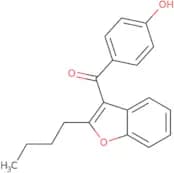
Produit arrêtéAmiodarone impurity E
CAS :<p>Amiodarone impurity E is a nucleophilic compound that is synthesized by the acylation of a diazonium salt with an amine. It has been shown to be active against staphylococci, but not against subtilis. The reaction may be catalyzed by acid or chloride. Amiodarone impurity E is also demethylated and dehydrated to form the final product, amiodarone.</p>Formule :C19H18O3Degré de pureté :Min. 95%Couleur et forme :PowderMasse moléculaire :294.34 g/molRef: 3D-IA63609
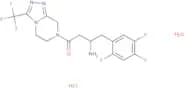
Produit arrêtéSitagliptin monohydrochloride monohydrate
CAS :<p>Sitagliptin monohydrochloride monohydrate is an inhibitor of dipeptidyl peptidase-4 (DPP-4), which is responsible for the degradation of incretin hormones. It is used in the treatment of type 2 diabetes mellitus, as it increases insulin secretion and reduces blood glucose levels. Recent studies have shown that Sitagliptin has anticancer properties, as it induces apoptosis in cancer cells. It also inhibits protein kinases, which are involved in tumor growth and metastasis. Capsaicin, a compound found in chili peppers, has been shown to enhance the anticancer activity of Sitagliptin in Chinese hamster ovary cells. The drug is excreted primarily through urine and has a low potential for drug interactions with other kinase inhibitors. Overall, Sitagliptin monohydrochloride monohydrate shows great promise as both a diabetes medication and an anticancer agent.</p>Formule :C16H18ClF6N5O2Degré de pureté :Min. 95%Couleur et forme :PowderMasse moléculaire :461.79 g/molRef: 3D-MJB15692
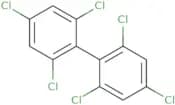
Produit arrêté2,2',4,4',6,6'-Hexachlorobiphenyl
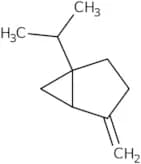
CAS :Produit contrôlé<p>2,2',4,4',6,6'-Hexachlorobiphenyl (PCB-136) is a potent anticancer agent that has been shown to induce apoptosis in cancer cells. It acts as a kinase inhibitor by blocking the activity of specific kinases involved in tumor growth and progression. PCB-136 has been studied extensively in human and Chinese hamster ovary cells and has been found to be highly effective against various types of cancer. This medicinal analog also exhibits inhibitory effects on the protein kinases that regulate cell division and proliferation, making it a promising candidate for cancer therapy. In addition, PCB-136 shows potential for use as a urinary biomarker for exposure to environmental pollutants due to its persistence in the environment and ability to accumulate in body tissues.</p>Formule :C12H4Cl6Degré de pureté :Min. 95%Masse moléculaire :360.9 g/mol(-)-Sabinene
CAS :<p>(-)-Sabinene is a natural compound found in urine and various medicinal plants, including Chinese herbs. It has been identified as an analog of another natural compound that exhibits potent anticancer activity. (-)-Sabinene has been shown to inhibit the activity of certain proteins involved in cell cycle regulation and apoptosis, which are important processes for the growth and survival of cancer cells. In addition, (-)-Sabinene has been found to have inhibitory effects on tumor kinase activity, making it a promising candidate for the development of new anticancer drugs. Studies have shown that (-)-Sabinene can effectively inhibit the growth of various types of cancer cells, making it a potential therapeutic agent for the treatment of cancer.</p>Formule :C10H16Degré de pureté :Min. 95%Couleur et forme :Clear LiquidMasse moléculaire :136.23 g/mol