APIs pour la recherche et les impuretés
Sous-catégories appartenant à la catégorie "APIs pour la recherche et les impuretés"
- Acides Aminés et Dérivés(12.321 produits)
- Anthraquinones et Dérivés(402 produits)
- Dérivés du Benzimidazole et de l’Imidazole(10.395 produits)
- Dérivés des Benzodiazépines(326 produits)
- Glucides et Glycoconjugués(5.048 produits)
- Esters et Dérivés(42.242 produits)
- Acides Gras et Dérivés Lipidiques(32.377 produits)
- Flavonoïdes et Polyphénols(17.073 produits)
- Radicaux Libres et Agents Oxydants/Réducteurs(212 produits)
- Cétones et Dérivés(2.399 produits)
- Antibiotiques Naturels et Semi-Synthétiques(6.333 produits)
- Nitriles et Dérivés Cyano(3.068 produits)
- Nitrosamines et Dérivés(55 produits)
- Nucléosides et Nucléotides(3.449 produits)
- Phosphates et Phosphonates Organiques(1.195 produits)
- Sulfonates et Sulfates Organiques(10.420 produits)
- Composés Organométalliques(4.418 produits)
- Autres(6.271 produits)
- Peptides et Protéines(3.138 produits)
- Polymères et Dérivés(99 produits)
- Dérivés des Purines et Pyrimidines(8.905 produits)
- Dérivés de Quinazoline et de Quinoléine(65.710 produits)
- Quinones et Dérivés(24.342 produits)
- Sels et Dérivés d’API(81.198 produits)
- Stéroïdes et Dérivés(4.925 produits)
- Sulfamides et Dérivés(2.568 produits)
- Terpénoïdes et Dérivés(3.837 produits)
- Thiazolidinediones et Thiopyranes(2.753 produits)
- Composés β-Adrénergiques(228 produits)
58583 produits trouvés pour "APIs pour la recherche et les impuretés"
6’-Hydroxy-amiodarone hydrochloride
CAS :Please enquire for more information about 6’-Hydroxy-amiodarone hydrochloride including the price, delivery time and more detailed product information at the technical inquiry form on this pageFormule :C25H29I2NO4Degré de pureté :Min. 95%Masse moléculaire :661.3 g/mol4-(N,N-Dipropylsulfamoyl)benzamide
CAS :Please enquire for more information about 4-(N,N-Dipropylsulfamoyl)benzamide including the price, delivery time and more detailed product information at the technical inquiry form on this pageFormule :C13H20N2O3SDegré de pureté :Min. 95%Masse moléculaire :284.38 g/molRhubofix
CAS :Rhubofix is a medicinal product that contains xylose, a natural sugar found in human urine and protein. It has been shown to be an inhibitor of tumor kinases, which are enzymes involved in the growth and proliferation of cancer cells. Rhubofix has been found to induce apoptosis, or programmed cell death, in cancer cells, making it a potential treatment for various types of cancer. This product also acts as an inhibitor of the cell cycle, preventing cancer cells from dividing and multiplying. Rhubofix has been used traditionally in Chinese medicine as an inhibitor of kinase activity and has shown promising results in preclinical studies as a potential anti-cancer agent.Formule :C14H20ODegré de pureté :Min. 95%Masse moléculaire :204.31 g/molN-tert-Butyloxycarbonyl hydroxy brimonidine
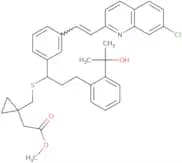
CAS :Please enquire for more information about N-tert-Butyloxycarbonyl hydroxy brimonidine including the price, delivery time and more detailed product information at the technical inquiry form on this pageFormule :C16H20BrN5O3Degré de pureté :Min. 95%Masse moléculaire :410.27 g/molMontelukast methyl ester
CAS :Montelukast is a leukotriene receptor antagonist that is used to treat asthma and chronic obstructive pulmonary disease. It is also an effective prophylactic agent against asthma in children. The drug is active in the lung, where it blocks the binding of leukotrienes to their receptors, preventing bronchoconstriction. Montelukast has been shown to be well tolerated with minimal side effects.Formule :C36H38ClNO3SDegré de pureté :Min. 95%Masse moléculaire :600.2 g/mol5-Eicosene
CAS :5-Eicosene is an analog that has been shown to have potent anticancer properties. It acts as an inhibitor of various protein kinases, including cyclin-dependent kinases, which are essential for cancer cell growth and division. Studies have demonstrated that 5-Eicosene induces apoptosis in Chinese hamster ovary cells and human cancer cells, suggesting its potential as an effective anticancer agent. Additionally, this compound inhibits the activity of certain urinary protein kinases, which may be valuable in the diagnosis and treatment of cancer. Overall, 5-Eicosene shows promise as a potent inhibitor with therapeutic potential against various types of cancer.Formule :C20H40Degré de pureté :Min. 95%Masse moléculaire :280.5 g/molGPI-16552
CAS :GPI-16552 is an inhibitor that has shown potential as an anticancer agent. It induces apoptosis in cancer cells by disrupting the cell cycle and inhibiting the activity of certain proteins. Studies have shown that GPI-16552 can inhibit tumor growth in human cancer cell lines, making it a promising candidate for future cancer treatments. Additionally, this inhibitor has been found in Chinese urine samples and may have potential as a natural source of vitamin-like compounds. Overall, GPI-16552 is a powerful inhibitor with exciting potential for both cancer research and health supplementation.Formule :C33H30N2O3Degré de pureté :Min. 95%Masse moléculaire :502.6 g/mol1-[2-(3-Chloro-2-hydroxypropoxy)phenyl]-3-phenyl-1-propanone
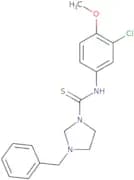
CAS :1-[2-(3-Chloro-2-hydroxypropoxy)phenyl]-3-phenyl-1-propanone is a synthetic drug product. It is an impurity standard for HPLC, and drug development and research. This compound is also used as an analytical reference. The CAS number for this chemical is 165279-79-8.Formule :C18H19ClO3Degré de pureté :Min. 95%Masse moléculaire :318.79 g/molDC-5163
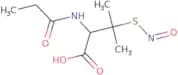
CAS :DC-5163 is a protein analog that has shown potent anticancer activity in preclinical studies. It inhibits the activity of kinases, which are enzymes involved in cancer cell growth and survival. DC-5163 has been shown to induce apoptosis, or programmed cell death, in various types of cancer cells, including those from human tumors and Chinese hamster ovary cells. This compound also acts as a toxin for cancer cells by interfering with their ability to divide and grow. In addition, DC-5163 has shown promising results as an inhibitor of tumor growth in animal models. Its potential as a therapeutic agent for cancer treatment is currently being investigated.Formule :C18H20ClN3OSDegré de pureté :Min. 95%Masse moléculaire :361.9 g/molS-Nitroso-N-propionyl-D,L-penicillamine
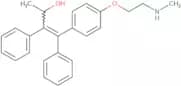
CAS :S-Nitroso-N-propionyl-D,L-penicillamine is a nitric oxide donor that can be used in the treatment of locomotor activity and renal injury. It has been shown to inhibit protein synthesis and growth factor production by light exposure. This drug has also been used to treat infectious diseases such as tuberculosis, as well as autoimmune diseases like lupus and lymphoproliferative disorders such as leukemia. S-Nitroso-N-propionyl-D,L-penicillamine is also used for the prevention of postoperative kidney damage after ischemia reperfusion during surgery. The drug was found to reduce the levels of neutrophils, which are cells that are responsible for inflammation. There have been no reports on its potential carcinogenicity or mutagenicity.Formule :C8H14N2O4SDegré de pureté :Min. 95%Masse moléculaire :234.28 g/molN-Desmethyl (E)-α-hydroxy tamoxifen
CAS :N-Desmethyl (E)-α-hydroxy tamoxifen is a metabolite of tamoxifen. This drug has been shown to be more reactive than its parent compound, with the potential for enhanced toxicity. N-Desmethyl (E)-α-hydroxy tamoxifen is thought to be responsible for the toxic effects of tamoxifen in women and rats. The metabolites are excreted in the bile, with 50% being reabsorbed from the gastrointestinal tract and then excreted into the urine. In human liver cells, N-desmethyl (E)-α-hydroxy tamoxifen inhibits the growth of cancer cells and induces apoptosis by binding to DNA. It also causes increased production of reactive oxygen species in liver cells, which may contribute to hepatotoxicity.Formule :C25H27NO2Degré de pureté :Min. 95%Masse moléculaire :373.5 g/molAcyclovir EP impurity R
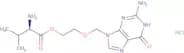
CAS :Acyclovir EP impurity R is a by-product of acyclovir, which has been shown to be stable in acidic and alkaline conditions. It is also linear with high reproducibility and low detection limits. Acyclovir EP impurity R can be detected using a validated RP-HPLC method with an acidified mobile phase. The compound is not photolyzed under the conditions of the assay. This impurity has been detected in batches of acyclovir that have been produced on two different production lines for more than 5 years without any changes in quality or yield.Formule :C13H21CIN6O4Degré de pureté :Min. 95%Masse moléculaire :464.26 g/molDefluoro paroxetine hydrochloride
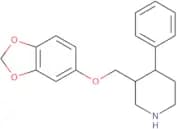
CAS :Please enquire for more information about Defluoro paroxetine hydrochloride including the price, delivery time and more detailed product information at the technical inquiry form on this page
Formule :C19H21NO3Degré de pureté :Min. 95%Masse moléculaire :311.4 g/mol2,3,4-Trichloro-6-(2,4-dichlorophenoxy)phenol
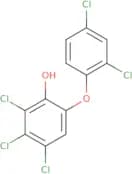
CAS :2,3,4-Trichloro-6-(2,4-dichlorophenoxy)phenol is a potent tumor inhibitor that has been shown to be effective against various types of cancer cells. It works by inhibiting the activity of certain proteins in the cell that are essential for cancer cell growth and survival. This compound has been tested on different cancer cell lines and has demonstrated apoptosis-inducing properties. In addition to its anticancer effects, 2,3,4-Trichloro-6-(2,4-dichlorophenoxy)phenol has also been found to have vitamin-like properties and is commonly found in Chinese urine as a natural anticancer agent. It regulates the cell cycle and plays an important role in preventing the growth and spread of cancer cells. Overall, this compound shows great potential as a therapeutic agent for the treatment of various types of cancer.Formule :C12H5Cl5O2Degré de pureté :Min. 95%Masse moléculaire :358.4 g/molAE-3763
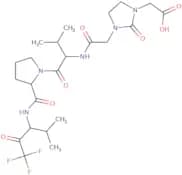
CAS :AE-3763 is an inhibitor of kinases that has shown promise in the treatment of cancer. It is a small molecule that selectively inhibits the activity of certain kinases, which are enzymes involved in cell signaling pathways. AE-3763 has been found to induce apoptosis (programmed cell death) in cancer cells by blocking the activity of specific kinases. This compound has also been shown to inhibit tumor growth in animal models and to have anticancer effects in human cancer cell lines. AE-3763 can be detected in urine and has been studied extensively for its potential therapeutic use against various types of cancer, including breast, lung, and colon cancers. The compound is derived from d-xylose and was first identified as a potent kinase inhibitor by Chinese researchers.Formule :C23H34F3N5O7Degré de pureté :Min. 95%Masse moléculaire :549.5 g/molDmab-anabaseine dihydrochloride
CAS :Dmab-anabaseine dihydrochloride is an analytical reference standard for HPLC. It has been used as an impurity standard in the production of drugs and drug products. Dmab-anabaseine dihydrochloride is an impurity that can be found in the synthesis of Metabolite. The purity of this compound is 99% with a CAS number of 154149-38-9. Dmab-anabaseine dihydrochloride is natural or synthetic and it does not have any pharmacopoeia listings. Custom synthesis and research and development are some other uses for this product.
Formule :C19H23Cl2N3Degré de pureté :Min. 95%Masse moléculaire :364.3 g/molN-Desmethyltoremifene
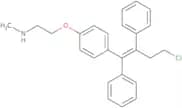
CAS :N-Desmethyltoremifene is an anti-estrogen that has been shown to have genotoxic effects. It inhibits DNA synthesis and protein synthesis in human breast cancer cells. N-Desmethyltoremifene is a potent inducer of CYP3A4, which metabolizes many drugs. This drug also binds to α1-acid glycoprotein, which can lead to reduced plasma concentrations and pharmacokinetics. N-Desmethyltoremifene has been shown to inhibit the growth of renal cell carcinoma in animals, but not normal tissue, at high doses.Formule :C25H26ClNODegré de pureté :Min. 95%Masse moléculaire :391.93 g/mol(+)-Nefopam
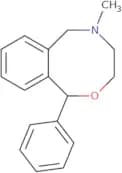
CAS :(+)-Nefopam is a medicinal analog that acts as an inhibitor of various kinases, including Chinese hamster ovary cell kinase and tumor-associated kinases. It has been shown to have anticancer effects by inhibiting the growth of cancer cells and inducing apoptosis. (+)-Nefopam is excreted primarily in urine and has been found to bind to proteins in human plasma. This potent inhibitor has promising potential for use as an anticancer drug in the future.Formule :C17H19NODegré de pureté :Min. 95%Masse moléculaire :253.34 g/mol1-[2-[2-Hydroxy-3-(propylamino)propoxy]phenyl]-3-phenyl-2-propen-1-one
CAS :N-Propyl-1-[2-[2-hydroxy-3-(propylamino)propoxy]phenyl]-3-phenyl-2-propenamide is a drug that belongs to the group of beta blockers. It inhibits the action of catecholamines on β receptors, which in turn reduces cardiac output, heart rate and myocardial oxygen consumption. N-Propyl-1-[2-[2-hydroxy-3-(propylamino)propoxy]phenyl]-3-phenyl-2-propenamide has been used in experimental studies to investigate its effects on metabolism.
Formule :C21H25NO3Degré de pureté :Min. 95%Masse moléculaire :339.43 g/molRoflumilast Impurity E
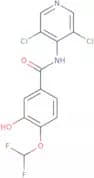
CAS :Roflumilast Impurity E is a reagent that is used to monitor the pharmacokinetic properties of roflumilast. Roflumilast Impurity E is an acidic component of roflumilast that may be synthesized from acetone and acid hydrolysis. It has been shown to be hepatotoxic, but it does not have any adverse effects on the liver when taken with other drugs such as erythromycin and phenytoin. This substance also has a spectrum of action that includes pulmonary disease, which makes it useful for treating bronchitis and asthma.Formule :C13H8Cl2F2N2O3Degré de pureté :Min. 95%Masse moléculaire :349.12 g/molTametraline
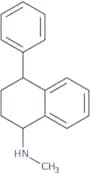
CAS :Tametraline is a medicinal compound that has been used in Chinese traditional medicine to treat tumors. It is an analog of protein kinase inhibitors and has shown potent anticancer activity in preclinical studies. Tametraline is an inhibitor of kinases, which are enzymes involved in the regulation of cell growth and division. It induces apoptosis, or programmed cell death, in cancer cells by inhibiting the activity of these enzymes. Tametraline has also been found to be excreted in urine, indicating that it can be effectively metabolized by the human body. This compound holds great promise as a potential treatment for various types of cancer.Formule :C17H19NDegré de pureté :Min. 95%Masse moléculaire :237.34 g/molFenticonazole sulfone nitric acid salt
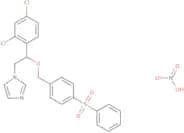
CAS :Fenticonazole sulfone nitric acid salt is an analog of dabigatran, which is a protein kinase inhibitor that has shown potential in the treatment of cancer. It induces apoptosis in human cancer cells and inhibits the activity of various kinases involved in tumor growth and proliferation. Fenticonazole sulfone nitric acid salt has been studied extensively for its anticancer properties, showing promising results in Chinese hamster ovary cells and urine samples from cancer patients. This drug also exhibits inhibitory effects on protein kinases that are involved in the regulation of cell cycle progression, angiogenesis, and metastasis. Overall, Fenticonazole sulfone nitric acid salt holds great promise as a potential anticancer agent.
Formule :C24H21Cl2N3O6SDegré de pureté :Min. 95%Masse moléculaire :550.4 g/mol3-[Methyl(1-naphthalenylmethyl)amino]-1-phenyl-1-propanone
CAS :3-[Methyl(1-naphthalenylmethyl)amino]-1-phenyl-1-propanone is a versatile compound that has various applications in different industries. It is commonly used as an acetyltransferase inhibitor in the production of chamomile extract. This compound also acts as a cellulose biomass enhancer, promoting the growth and yield of cellulose-based materials. Additionally, it has been found to enhance the solubility of sulfadiazine, making it more effective in pharmaceutical formulations.Formule :C21H21NODegré de pureté :Min. 95%Masse moléculaire :303.4 g/molBis(o-ethylbenzylamine) catechol dihydrochloride
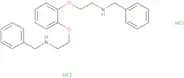
CAS :Bis(o-ethylbenzylamine) catechol dihydrochloride is a potent inhibitor of protein kinases that play a crucial role in the regulation of the cell cycle. It has been shown to induce apoptosis in various human cancer cell lines, including leukemia and Chinese hamster ovary cells. This compound inhibits the activity of several kinases, including indoleamine 2,3-dioxygenase (IDO), which is involved in tumor immune evasion. Bis(o-ethylbenzylamine) catechol dihydrochloride also acts as an inhibitor of other key proteins involved in the growth and proliferation of cancer cells. Its unique mode of action makes it a promising candidate for the development of novel anticancer therapies.Formule :C24H30Cl2N2O2Degré de pureté :Min. 95%Masse moléculaire :449.4 g/molCefdinir sulfoxide
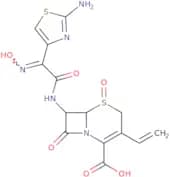
CAS :Cefdinir sulfoxide is a drug product that belongs to the group of cephalosporin antibiotics. It has been shown to be a metabolite of Cefdinir, which is manufactured by reacting cefdinir with sulfur trioxide gas in the presence of an acid catalyst. This product has been shown to have no antimicrobial activity and is used as an impurity standard for HPLC analysis. Cefdinir sulfoxide has also been found to be a metabolite for other drugs, such as Cefditoren.Formule :C14H13N5O6S2Degré de pureté :Min. 95%Masse moléculaire :411.4 g/molN,N-Bis(2-chloroethyl)-4-methoxybenzenesulfonamide
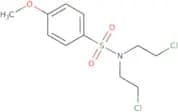
CAS :Please enquire for more information about N,N-Bis(2-chloroethyl)-4-methoxybenzenesulfonamide including the price, delivery time and more detailed product information at the technical inquiry form on this page
Formule :C11H15Cl2NO3SDegré de pureté :Min. 95%Masse moléculaire :312.2 g/molBGC-20-1531
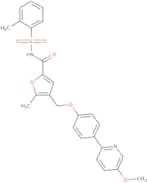
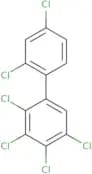
CAS :BGC-20-1531 is a medicinal compound that has been found to be an effective inhibitor of kinases in cancer cells. This Chinese-derived analog has shown potent anticancer activity in human tumor models and induces apoptosis in cancer cells. It works by inhibiting the protein kinase activity that is essential for cancer cell survival, leading to cell death. BGC-20-1531 has been shown to be effective against a wide range of cancer types and can be used as a potential therapeutic agent for cancer treatment. Additionally, this compound has been found in human urine and may have potential as a biomarker for cancer diagnosis and prognosis. With its unique characteristics, BGC-20-1531 is an exciting new prospect for the development of novel anticancer drugs.Formule :C26H24N2O6SDegré de pureté :Min. 95%Masse moléculaire :492.5 g/mol2,2',3,4,4',5-Hexachlorobiphenyl
CAS :Produit contrôlé2,2',3,4,4',5-Hexachlorobiphenyl is a potent inhibitor of cancer cell growth and has been shown to induce apoptosis in Chinese hamster ovary cells. This compound also inhibits the activity of kinase inhibitors such as chloroquine and artesunate. It has been found in human urine samples and may be involved in the development of cancer. 2,2',3,4,4',5-Hexachlorobiphenyl has been identified as an analog of tumor-promoting compounds and may have potential as an anticancer agent. Further research is needed to fully understand its mechanism of action and potential therapeutic applications.
Formule :C12H4Cl6Degré de pureté :Min. 95%Masse moléculaire :360.9 g/mol2,6-Dimethyl-4-(3-nitrophenyl)pyridine-3,5-dicarboxylic acid monomethyl ester
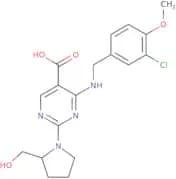
CAS :2,6-Dimethyl-4-(3-nitrophenyl)pyridine-3,5-dicarboxylic acid monomethyl ester is a metabolite of the drug 2,6-dimethyl-4-(3-nitrophenyl)pyridine. It has been shown to have an analytical purity greater than 98%. This compound is marketed as an HPLC standard and can be used as an impurity standard in the manufacture of a drug product. The CAS number for this compound is 64603-72-1.Formule :C16H14N2O6Degré de pureté :Min. 95%Masse moléculaire :330.29 g/molAvanafil 5’-desmethylpyrimidyl 5’-acid
CAS :Avanafil 5'-desmethylpyrimidyl 5'-acid is a kinase inhibitor that has been shown to have anti-cancer properties. It inhibits kinases, which are enzymes involved in cell signaling pathways, and has been shown to inhibit the growth of cancer cells in vitro. Avanafil 5'-desmethylpyrimidyl 5'-acid may be used in combination with other drugs, such as rifampicin or methotrexate, for the treatment of cancer. Additionally, it has been found to induce apoptosis (programmed cell death) in human tumor cells. Chinese medicine has also used avanafil 5'-desmethylpyrimidyl 5'-acid analogs such as astaxanthin for its health benefits. This drug is excreted primarily through urine and shows promise as a potential inhibitor for various diseases.Formule :C18H21ClN4O4Degré de pureté :Min. 95%Masse moléculaire :392.8 g/molHydroxyvarenicline N-oxide
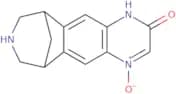
CAS :Hydroxyvarenicline N-oxide is a drug product with a purity of 98.0%. It is an analytical standard used in metabolism studies, drug development, and pharmacopoeia. It has been shown to be metabolized by CYP450 enzymes to form its metabolite hydroxyvarenicline N-oxide sulfate. The CAS number for this compound is 2306217-11-6.Degré de pureté :Min. 95%6,7-Dehydrohyoscyamine
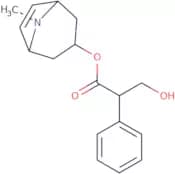
CAS :6,7-Dehydrohyoscyamine (6,7DHHA) is a synthetic alkaloid that is produced by the dehydration of hyoscyamine. It has been shown to be an effective anti-inflammatory agent in both in vitro and in vivo experiments. 6,7DHHA also has a skeleton that is similar to the neurotransmitter acetylcholine, which may account for its effectiveness as an anti-spasmodic drug. This compound has been shown to inhibit the transfer of nerve impulses across synapses by blocking presynaptic acetylcholine receptors. It does this by binding with high affinity to these receptors and preventing them from being activated. 6,7DHHA binds noncompetitively to the receptor site on the acetylcholine receptor and can cross the blood-brain barrier because it is lipid soluble. The biosynthesis of 6,7DHHA starts with two molecules of L-phenylalanine condensed together with one molecule of L-
Formule :C17H21NO3Degré de pureté :Min. 95%Masse moléculaire :287.35 g/mol2-(4-(3-(2-(Trifluoromethyl)-10H-phenothiazin-10-yl)piperazin-1-yl)ethyl undecanoate
CAS :2-(4-(3-(2-(Trifluoromethyl)-10H-phenothiazin-10-yl)piperazin-1-yl)ethyl undecanoate is an analytical standard used as a reference compound in the drug development process. It is also used as a pharmacopoeia standard and a custom synthesis. 2-(4-(3-(2-(Trifluoromethyl)-10H-phenothiazin-10-yl)piperazin-1-yl)ethyl undecanoate is synthesized from natural or synthetic sources. This product has been shown to have an impurity level of less than 1%. 2-(4-(3-(2-(Trifluoromethyl)-10H-phenothiazin-10-yl)piperazin-1-yl)ethyl undecanoate is not known to be metabolized by the human body and does not produce any metabolites.
Formule :C33H46F3N3O2SDegré de pureté :Min. 95%Masse moléculaire :605.80 g/molDesoximetasone impurity A
CAS :Produit contrôléDesoximetasone impurity A is an impurity found in the drug product Desoximetasone, which is a corticosteroid. It has been identified as an impurity in the drug product and there are no known uses of Desoximetasone impurity A. This impurity was determined to be natural based on its molecular weight, infrared spectrum, melting point, and elemental analysis. The molecular weight for Desoximetasone impurity A is 687.2 g/mol with a melting point at 89°C and an elemental analysis of Carbon: 29%, Hydrogen: 3%, Nitrogen: 16%, Oxygen: 32%.Formule :C21H25FO4Degré de pureté :Min. 95%Masse moléculaire :360.42 g/molSalmeterol fluticasone propionate
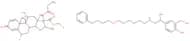
CAS :Produit contrôléSalmeterol fluticasone propionate is a medicinal product that is used to treat respiratory disorders such as asthma and chronic obstructive pulmonary disease (COPD). It contains two active ingredients, salmeterol and fluticasone propionate. Salmeterol works by relaxing the muscles in the airways, while fluticasone propionate reduces inflammation in the lungs. This combination medication has been shown to improve lung function and reduce symptoms of wheezing and shortness of breath.Formule :C50H68F3NO9SDegré de pureté :Min. 95%Masse moléculaire :916.1 g/molN-Acetyl-9-(acetylamino)-9-deoxyneuraminic acid
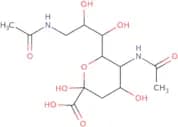
CAS :Please enquire for more information about N-Acetyl-9-(acetylamino)-9-deoxyneuraminic acid including the price, delivery time and more detailed product information at the technical inquiry form on this page
Formule :C13H22N2O9Degré de pureté :Min. 95%Masse moléculaire :350.32 g/mol1,2,3,4-Tetrahydro-4,6,7-isoquinolinetriol hydrochloride
CAS :1,2,3,4-Tetrahydro-4,6,7-isoquinolinetriol hydrochloride is a drug product. It is a synthetic compound that is metabolized to form metabolites. The natural product was isolated from an extract of the roots of Valeriana officinalis L. and has been used as a sedative and hypnotic in traditional medicine. 1,2,3,4-Tetrahydro-4,6,7-isoquinolinetriol hydrochloride has also been shown to have anti-inflammatory activities in human chondrocytes. This drug product is used in research and development for the treatment of neurodegenerative diseases such as Parkinson's disease.Formule :C9H12ClNO3Degré de pureté :Min. 95%Masse moléculaire :217.65 g/mol2-Methyl-3,4-dimethoxy pyridine hydrochloride
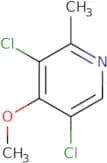
CAS :2-Methyl-3,4-dimethoxy pyridine hydrochloride is an analytical standard that is used as a reference compound in the pharmaceutical industry to identify impurities in drug products. It also has a niche use as an API impurity and HPLC standard. 2-Methyl-3,4-dimethoxy pyridine hydrochloride is used as an intermediate for the synthesis of other drugs, including benzodiazepines and beta blockers. It is also used in research and development for its high purity. This chemical is natural or synthetic in origin but can be custom synthesized to meet specific requirements. 2-Methyl-3,4-dimethoxy pyridine hydrochloride also has CAS number 1210824-88-6.Formule :C8H11NO2HClDegré de pureté :Min. 95%Masse moléculaire :189.64 g/molCetirizine amide dihydrochloride
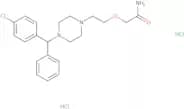
CAS :Cetirizine amide dihydrochloride is a drug product that has been custom synthesized for research and development. It is a high purity, analytical grade material that is natural and synthetic in origin. Cetirizine amide dihydrochloride's CAS number is 200707-85-3. The impurity standard for this material is HPLC grade. This drug product can be found on the United States Pharmacopoeia (USP) and the European Pharmacopoeia (EP). Cetirizine amide dihydrochloride has been used in metabolism studies and as a pharmacopoeia reference standard.Formule :C21H28Cl3N3O2Degré de pureté :Min. 95%Masse moléculaire :460.82 g/molN-Desmethyl sorafenib
CAS :N-desmethyl sorafenib is an analytical standard for the HPLC assay of sorafenib. It is a metabolite of sorafenib, which is a drug used in the treatment of cancer. It has been shown to inhibit protein synthesis and cell growth in vitro and in vivo. N-desmethyl sorafenib has been shown to inhibit the activity of methionine adenosyltransferase, leading to inhibition of DNA synthesis. The chemical properties are similar to those of other drugs that have been approved by the US Food and Drug Administration.Formule :C20H14ClF3N4O3Degré de pureté :Min. 95%Masse moléculaire :450.80 g/molPethoxamid
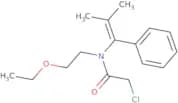
CAS :Pethoxamid is a kinase inhibitor that has been used in traditional Chinese medicine for its medicinal properties. It targets mutant kinases that are involved in the growth and proliferation of cancer cells, making it a potential anti-cancer drug. Pethoxamid has been shown to inhibit the growth of human tumor cells in vitro, inducing apoptosis and reducing cell viability. It also has potential as an inhibitor of various proteins involved in cancer progression, making it a promising candidate for future cancer therapies. Pethoxamid may have significant implications for the treatment of cancer and could be an important tool in fighting this devastating disease.Formule :C16H22ClNO2Degré de pureté :Min. 95%Masse moléculaire :295.8 g/molSulfo-Cy 3 carboxylic acid
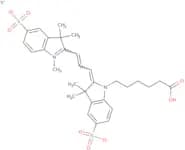
CAS :Sulfo-Cy 3 carboxylic acid is a synthetic fluorescent dye that emits green light and has a fluorescence quantum yield of 0.7. It is prepared via the reaction of benzindole with 4-sulfonyl chloride in the presence of triethylamine and recrystallization from ethyl acetate. The emission wavelength can be tuned by varying the substituents on the indole ring, and it is stable with water solubility.Formule :C30H35KN2O8S2Degré de pureté :Min. 95%Masse moléculaire :654.8 g/molDihydro lafutidine
CAS :Dihydro lafutidine is a drug product that is used in the treatment of acid-related disorders. It is an analytical standard and impurity control compound for HPLC. Dihydro lafutidine has been shown to inhibit the production of gastric acid by blocking the histamine H2 receptor, which is involved in regulating stomach pH. It also inhibits the growth of Helicobacter pylori, which may be due to its ability to bind to bacterial 16S ribosomal RNA and inhibit protein synthesis.Formule :C22H31N3O4SDegré de pureté :Min. 95%Masse moléculaire :433.60 g/mol6-Deoxypenciclovir hydrochloride
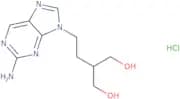
CAS :6-Deoxypenciclovir hydrochloride is a synthetic intermediate that is used in the synthesis of penciclovir, an antiviral drug. 6-Deoxypenciclovir hydrochloride can be used as an analytical standard for HPLC and as a research and development (R&D) API impurity. This product has been shown to be metabolized to penciclovir, a natural metabolite of penciclovir. The CAS number for this product is 246021-75-0.Formule :C10H16ClN5O2Degré de pureté :Min. 95%Masse moléculaire :273.72 g/molTazarotenic acid sulfone
CAS :Tazarotenic acid sulfone is a retinoic acid, which is a metabolite of vitamin A. It is an all-trans retinoic acid that has been chemically modified to increase its water solubility and stability. Tazarotenic acid sulfone has been shown to inhibit the formation of metabolites by hydroxylase enzymes and the photolytic decomposition of tazarotene. Tazarotenic acid sulfone also interacts with the substrate binding site on cytochrome P450 enzyme, inhibiting the metabolic activation of exogenous substances such as acetonitrile and ammonium formate. The chemical structure of tazarotenic acid sulfone is acidic, which may be responsible for its inhibition of cytochrome P450 enzymes.Formule :C19H17NO4SDegré de pureté :Min. 95%Masse moléculaire :355.4 g/molPolyethylene glycol monoisotridecyl ether
CAS :Polyethylene glycol monoisotridecyl ether (PEG-DTAE) is a polymer that can be used as an antimicrobial agent. It is active against Gram-positive bacteria but not against Gram-negative bacteria. PEG-DTAE has anti-angiogenic effects, which may be due to its ability to inhibit the growth of new blood vessels and thereby prevent the spread of infection. In vitro assays have shown that PEG-DTAE can induce cell lysis and hemolysis in test samples. PEG-DTAE has been shown to have hemolytic activity in vivo in rats, with histology sections showing inflammation and necrosis in the spleen and liver. This polymer also causes symptoms such as fever, chills, rigors, and hypotension in patients with chronic renal failure who are undergoing dialysis.
Formule :C30H62O10Degré de pureté :Min. 95%Masse moléculaire :582.8 g/molDeshydroxypentanyl posaconazole
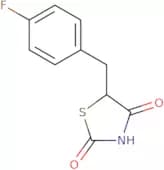
CAS :Deshydroxypentanyl Posaconazole is a synthetic compound with an analytical standard available. It is a niche API that is not currently in use as a drug product. It is also an impurity standard for the HPLC and GC-MS analysis of deshydroxyphenyl fentanyl. Deshydroxypentanyl Posaconazole has been synthesized using the chemical reaction between desoxyphenyl fentanyl and posaconazole, which yields the desired product. The chemical structure of Deshydroxypentanyl Posaconazole can be found in CAS No. 161532-56-5.Formule :C32H32F2N8O3Degré de pureté :Min. 95%Masse moléculaire :614.60 g/mol5-(4-Fluorobenzyl)-2,4-thiazolidinedione
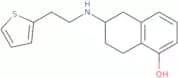
CAS :Pioglitazone is a thiazolidinedione drug that is used to treat type 2 diabetes. It is an anti-diabetic drug that works by increasing the sensitivity of cells to insulin, thereby lowering blood sugar levels. Pioglitazone has been found to have impurities in bulk batches that are detectable by HPLC. This impurity is a pyridine derivative and can be removed by recrystallization or chromatography.Formule :C10H8FNO2SDegré de pureté :Min. 95%Masse moléculaire :225.24 g/molDespropylrotigotine
CAS :Despropylrotigotine is a dopamine agonist that is used to treat Parkinson's disease. It is structurally related to rotigotine, which is an active metabolite of the drug. Despropylrotigotine has a long half-life and high potency, making it suitable for once-daily dosing. It has been shown to be well tolerated and effective in clinical trials for the treatment of Parkinson's disease. The pharmacokinetic profile of this drug is similar to that of other drugs in the same class, with despropylrotigotine being able to cross the blood-brain barrier and bind to dopamine receptors in the brain, thereby increasing dopamine levels in Parkinson's patients.
Formule :C16H19NOSDegré de pureté :Min. 95%Masse moléculaire :273.4 g/mol2-Amino-5,6-dichloro-3(4H)-quinazoline acetic acid hydrobromide
CAS :2-Amino-5,6-dichloro-3(4H)-quinazoline acetic acid hydrobromide is a drug product that is Custom synthesized. It has a high purity and analytical quality. Metabolism studies have been conducted on this compound. Natural and synthetic sources are available for this compound. It is found in the Drug Development section of the pharmacopoeia. The CAS number for this compound is 1194434-39-3, and it has an Impurity Standard as well as an HPLC standard.Formule :C10H10BrCl2N3O2Degré de pureté :Min. 95%Masse moléculaire :355.02 g/mol




![1-[2-(3-Chloro-2-hydroxypropoxy)phenyl]-3-phenyl-1-propanone](/_next/image/?url=https%3A%2Fstatic.cymitquimica.com%2Fproducts%2F3D%2Fthumb-webp%2FIC21067.webp&w=3840&q=75)
![1-[2-[2-Hydroxy-3-(propylamino)propoxy]phenyl]-3-phenyl-2-propen-1-one](/_next/image/?url=https%3A%2Fstatic.cymitquimica.com%2Fproducts%2F3D%2Fthumb-webp%2FIH63816.webp&w=3840&q=75)
![3-[Methyl(1-naphthalenylmethyl)amino]-1-phenyl-1-propanone](/_next/image/?url=https%3A%2Fstatic.cymitquimica.com%2Fproducts%2F3D%2Fthumb-webp%2FYDA97793.webp&w=3840&q=75)