Acides aminés (AA)
Sous-catégories appartenant à la catégorie "Acides aminés (AA)"
- Dérivés d'acides aminés(4.017 produits)
- Acide aminé et composés apparentés aux acides aminés(3.491 produits)
- Acides aminés avec de l'oxygène ou du soufre(168 produits)
- Boc- Acides aminés(351 produits)
- Acides aminés avec groupes protecteurs(1.710 produits)
38387 produits trouvés pour "Acides aminés (AA)"
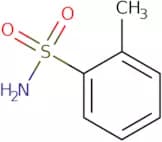
2-Methylbenzenesulfonamide
CAS :2-Methylbenzenesulfonamide is a chemical compound that has been shown to induce apoptosis in bladder cancer cells. It is an acid conjugate of the drug 2-methylbenzene-1,4-sulfonamide and it can be used for the treatment of bladder cancer. The compound binds to the apoptosis protein and inhibits its function, leading to cell death. The cytotoxic effects of 2-methylbenzenesulfonamide have been shown in short term toxicity studies in rats. In long term animal studies, this compound showed no adverse effects on the liver or kidneys, but did show some indication of reproductive toxicity. 2-Methylbenzenesulfonamide is not mutagenic and does not affect male fertility when given orally at doses up to 2000 mg/kg body weight for 90 days. 2-Methylbenzenesulfonamide binds to receptors on the surface of cancerous cells and induces apoptosis by inhib
Formule :C7H9NO2SDegré de pureté :Min. 95%Masse moléculaire :171.03541-Phenylcyclohexanol
CAS :Produit contrôlé1-Phenylcyclohexanol (1-PC) is an organic compound that is used as a reagent in the synthesis of other compounds. It is a colorless liquid with a pleasant odor. 1-PC has been shown to have synergic effects when reacted with various types of oxidizing agents, such as magnesium and boron trichloride. The reaction products are cyclohexanol, dehydration, and modifiers. When 1-PC reacts with phenylcyclohexene, it forms the antigen hemiketal.
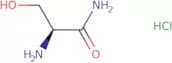
Formule :C12H16ODegré de pureté :Min. 95%Masse moléculaire :176.25 g/molL-Serine amide hydrochloride
CAS :L-Serine amide hydrochloride is a synthetic, anti-HIV drug that is used as an antiviral agent. It inhibits the viral life cycle by inhibiting the activity of acyclic nucleoside phosphonates, which are vital to viral DNA synthesis. L-Serine amide hydrochloride binds to the cyclopentane ring of guanosine and prevents its interaction with the enzyme ribonucleotide reductase. This binding prevents the conversion of guanosine into GTP, thereby preventing HIV from using this molecule in their life cycle. L-Serine amide hydrochloride is not active against cellular proteins or prostaglandins.
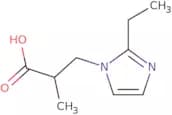
Formule :C3H8N2O2·HClDegré de pureté :Min. 95%Masse moléculaire :140.57 g/mol3-(2-Ethyl-1H-imidazol-1-yl)-2-methylpropanoic acid
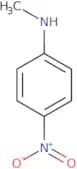
CAS :Produit contrôléPlease enquire for more information about 3-(2-Ethyl-1H-imidazol-1-yl)-2-methylpropanoic acid including the price, delivery time and more detailed product information at the technical inquiry form on this pageFormule :C9H14N2O2Degré de pureté :Min. 95%Masse moléculaire :182.22 g/molN-Methyl-4-nitroaniline
CAS :Produit contrôléIntermediate in the synthesis of nintedanib
Formule :C7H8N2O2Degré de pureté :Min. 95%Masse moléculaire :152.15 g/mol1,2,3,4,5,6-Hexahydro-1,5-methano-pyrido-[1,2-a][1,5]diazocin-8-one
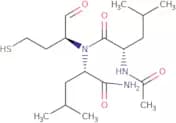
CAS :1,2,3,4,5,6-Hexahydro-1,5-methano-pyrido-[1,2-a][1,5]diazocin-8-one is a cholinergic drug that is used as a research tool in vitro. It has been shown to increase the concentration of acetylcholine in the synapse. It is also known as cytisine and varenicline. 1,2,3,4,5,6-Hexahydro-1,5-methano-pyrido-[1,2-a][1,5]diazocin-8-one binds to nicotinic receptors and stimulates them. This increased activity of nicotinic receptors leads to the release of acetylcholine (ACh), which is an important neurotransmitter in the brain. 1,2,3,4 5 6 hexahydro - 1 5Formule :C11H14N2ODegré de pureté :Min. 95%Masse moléculaire :190.24 g/molN-Acetyl-L-leucyl-L-leucyl-L-methioninal
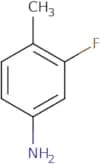
CAS :Inhibitor of cathepsinFormule :C19H35N3O4SDegré de pureté :Min. 95%Masse moléculaire :401.57 g/mol3-Fluoro-4-methylaniline
CAS :3-Fluoro-4-methylaniline is a synthesized compound that is used to produce anti-cancer agents. It is an amide and has anti-cancer properties. 3-Fluoro-4-methylaniline also binds to DNA and inhibits the synthesis of proteins in cancer cells. The binding constants for ligands are found to be high. 3-Fluoro-4-methylaniline can also bind with DNA through intercalation or hybridization, which prevents transcription of RNA from DNA, thereby inhibiting protein synthesis. This results in cell death by apoptosis.
Formule :C7H8FNDegré de pureté :Min. 95%Couleur et forme :Clear LiquidMasse moléculaire :125.14 g/mol1-Methyl-2-(piperazin-1-ylcarbonyl)-1H-indole hydrochloride
CAS :Produit contrôléPlease enquire for more information about 1-Methyl-2-(piperazin-1-ylcarbonyl)-1H-indole hydrochloride including the price, delivery time and more detailed product information at the technical inquiry form on this pageFormule :C14H17N3ODegré de pureté :Min. 95%Masse moléculaire :243.3 g/molµ-Conotoxin GIIIB
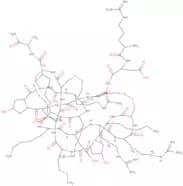
CAS :Produit contrôléThe µ-conotoxin GIIIB is a potent nicotinic acetylcholine receptor antagonist and has been shown to inhibit the g1 phase of the cell cycle. It inhibits the binding of veratridine, a neurotoxin, to its receptor on the cell membrane. The µ-conotoxin GIIIB has also been shown to have an inhibitory effect on acetylcholine release from synaptosomes incubated with glucose and insulin. A magnetic resonance spectroscopy (MRS) study showed that µ-conotoxin GIIIB was able to bind to noradrenaline and dopamine receptors in rat erythrocytes. The µ-conotoxin GIIIB is a disulfide bond peptide that can be synthesized by solid-phase synthesis and purified by lc-ms/ms methods. Disulfide bonds are formed between Cys3 and Cys15, Cys4 and Cys20, Cys10Formule :C101H175N39O30S7Degré de pureté :Min. 95%Masse moléculaire :2,640.18 g/mol3-Amino-4-methoxypyridine
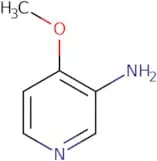
CAS :3-Amino-4-methoxypyridine is a molecule that has been shown to have anesthetic activity. It has been shown to inhibit the uptake of glycogen by glioblastoma cells and decrease the rate of glycogen synthesis in these cells. 3-Amino-4-methoxypyridine also inhibits the production of ATP in cardiac muscle cells, which may be due to its ability to inhibit glycogen synthase kinase-3 (GSK3) and glycogen synthase. This drug also inhibits cancer cell growth by inhibiting protein synthesis, as well as inflammatory disease progression by inhibiting NFκB activation and cytokine production. 3-Amino-4-methoxypyridine can be synthesized from aminopyridines such as isonicotinic acid or nicotinic acid, which are oxidized with hydrogen peroxide and sodium nitrite in the presence of a base catalyst.
Formule :C6H8N2ODegré de pureté :Min. 95%Masse moléculaire :124.14 g/mol[4-(4-Aminophenoxy)(2-pyridyl)]-N-methylcarboxamide
CAS :4-(4-Aminophenoxy)(2-pyridyl)]-N-methylcarboxamide is a chemical compound that inhibits the growth of cancer cells by binding to the active site of b-raf and blocking its activity. It has been shown in a pharmacokinetics study that 4-(4-aminophenoxy)(2-pyridyl)]-N-methylcarboxamide is absorbed rapidly through the oral administration, excreted in urine, and eliminated rapidly from the body. The optimal reaction for this drug was found to be at pH 7.0 with an ionic strength of 0.1 M (sodium chloride). This drug also has significant inhibitory activities against human cervical carcinoma and breast cancer cell lines (MDA-MB-231).Formule :C13H13N3O2Degré de pureté :Min. 95%Couleur et forme :Off-White To Beige To Light Brown SolidMasse moléculaire :243.26 g/molZ-D-Lys(Boc)-OH
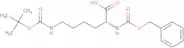
CAS :Z-D-Lys(Boc)-OH is a synthetic peptidomimetic that has been shown to selectively kill cancer cells. Z-D-Lys(Boc)-OH binds to the lysine residue on the target cell surface, which is not present in normal cells. This binding inhibits serine protease activity and disrupts the synthesis of peptides, which are essential for cellular function. The electron microscopic images show that this compound causes an enhancement of biological function in human pathogenic chlamydia.
Formule :C19H28N2O6Degré de pureté :Min. 95%Masse moléculaire :380.44 g/molRef: 3D-FB47287
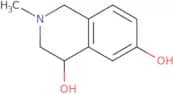
Produit arrêté1,2,3,4-Tetrahydro-4,6-dihydroxy-2-methyl-isoquinoline
CAS :1,2,3,4-Tetrahydro-4,6-dihydroxy-2-methyl-isoquinoline is a useful building block in the synthesis of various compounds such as pharmaceuticals and pesticides. It is an intermediate for the preparation of other valuable chemicals such as the antihistamine diphenhydramine, which is used to treat allergies. Tetrahydroisoquinoline can also be used as a reagent to synthesize other chemical compounds. This compound has been used in research as well as commercial applications. Tetrahydroisoquinoline is also a versatile scaffold that can be modified to produce different derivatives with different properties.
Formule :C10H13NO2Degré de pureté :Min. 95%Couleur et forme :White PowderMasse moléculaire :179.22 g/mol(S)-2-Amino-5-methoxytetralin (S)-mandelate
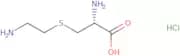
CAS :Produit contrôléPlease enquire for more information about (S)-2-Amino-5-methoxytetralin (S)-mandelate including the price, delivery time and more detailed product information at the technical inquiry form on this pageFormule :C19H23NO4Degré de pureté :Min. 95%Masse moléculaire :329.39 g/molS-Aminoethyl-L-cysteine hydrochloride
CAS :S-Aminoethyl-L-cysteine hydrochloride is an amino acid that is used in the diagnosis of metabolic disorders. It has been found to have a high concentration in plasma and can be used to measure the activity of bowel disease. S-Aminoethyl-L-cysteine hydrochloride is also used as a diagnostic marker for inflammatory diseases. It is extensively metabolized by acidic hydrolysis, which results in the release of chloride ions and amines.
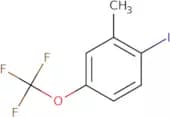
Formule :C5H12N2O2S·HClDegré de pureté :Min. 95%Couleur et forme :White PowderMasse moléculaire :200.69 g/mol2-Methyl-4-(trifluoromethoxy)iodobenzene
CAS :Please enquire for more information about 2-Methyl-4-(trifluoromethoxy)iodobenzene including the price, delivery time and more detailed product information at the technical inquiry form on this page
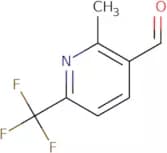
Formule :C8H6F3IODegré de pureté :Min. 95%Masse moléculaire :302.03 g/mol2-Methyl-6-(trifluoromethyl)nicotinaldehyde
CAS :Please enquire for more information about 2-Methyl-6-(trifluoromethyl)nicotinaldehyde including the price, delivery time and more detailed product information at the technical inquiry form on this page
Formule :C8H6F3NODegré de pureté :Min. 95%Masse moléculaire :189.13 g/molN-Methyl-5H-dibenzo[a,d]cycloheptene-5-propylamine hydrochloride
CAS :Produit contrôléN-Methyl-5H-dibenzo[a,d]cycloheptene-5-propylamine hydrochloride (NMBPD) is a drug with anti-inflammatory properties that belongs to the class of tricyclic antidepressants. It has been shown to have synergistic effects with synthetic matrix in vitro. This drug also has receptor activity and can be used to treat infectious diseases such as HIV and tuberculosis. NMBPD is excreted in the urine, which can lead to kidney fibrosis. The drug is metabolized by α1-acid glycoprotein, which may be related to its potential adverse effects on the liver and kidneys. The analytical method for quantification of NMBPD includes gas chromatography with mass spectrometry detection (GC/MS).
Formule :C19H22ClNDegré de pureté :Min. 95%Couleur et forme :PowderMasse moléculaire :299.84 g/molRef: 3D-FN76683
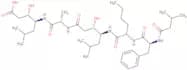
Produit arrêtéIsovaleryl-Phe-Nle-Sta-Ala-Sta-OH
CAS :Isovaleryl-Phe-Nle-Sta-Ala-Sta-OH (IVAS) is a small molecule that has been shown to be an angiotensin system inhibitor. IVAS blocks the binding site of the angiotensin receptor and prevents the activation of this system. This effect is dose dependent and can be used to treat high blood pressure in humans. IVAS is a long-acting drug and has been shown to be effective in primates as well as humans. The drug is rapidly absorbed from the gastrointestinal tract and eliminated by metabolism, mainly through hydrolysis by esterases or glucuronidases, oxidation by cytochrome P450 enzymes, reduction by glutathione reductase, or conjugation with glucuronic acid. IVAS also specifically binds to markers expressed at high levels in Mycobacterium tuberculosis strains (e.g., ESX-1 secretion system protein) and inhibits cell growth in culture.
Formule :C39H65N5O9Degré de pureté :Min. 95%Masse moléculaire :747.96 g/molL-Tyrosine hydrochloride
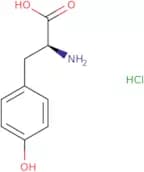
CAS :L-Tyrosine hydrochloride is a pharmaceutical preparation that has been used clinically in the treatment of infectious diseases, cancer, and autoimmune diseases. Tyrosine is an amino acid with a hydroxyl group on its side chain. Tyrosine can be synthesized from phenylalanine by hydroxylation of the phenolic group and decarboxylation of the carboxylic acid group. It is also a precursor to catecholamines and other important biological molecules. L-Tyrosine hydrochloride is used as an intermediate in the production of monoclonal antibodies for use in cancer research. In addition, it has been shown to be an effective inhibitor of virus replication when combined with ester hydrochloride, which prevents the release of progeny virus particles from infected cells.
Formule :C9H11NO3·HClDegré de pureté :Min. 95%Masse moléculaire :217.65 g/mol(R)-1-Phenylethanol
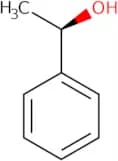
CAS :(R)-1-Phenylethanol is an organic compound that belongs to the class of aldehydes. It has an optimal redox potential and is used as a reactive intermediate in surface methodology. The kinetic data for this compound have been reported, including its reaction solution, kinetic, and stereoselective properties. (R)-1-Phenylethanol can be used to synthesize aromatic hydrocarbons with acyl chains or amines, using enzymatic reactions. It can also be used as an asymmetric synthesis reagent for the preparation of chiral alcohols and amines.
Formule :C8H10ODegré de pureté :Min. 95%Couleur et forme :Colourless To Yellow LiquidMasse moléculaire :122.16 g/mol1-Butyl-3-methylimidazolium chloride
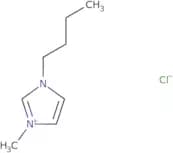
CAS :1-Butyl-3-methylimidazolium chloride is an ionic liquid that is made up of a cation, 1-butyl-3-methylimidazolium, and an anion, chloride. It has been shown to be biocompatible with human serum and water vapor. The interaction between the cation and anion creates a solvation shell around the solvent molecules in the ionic liquid. This solvation shell leads to hydrogen bonding interactions with cellulose, which prevents crystalline cellulose from forming. 1-Butyl-3-methylimidazolium chloride has been shown to be effective in wastewater treatment because it removes copper ions from the solution by electrochemical reactions.Formule :C8H15N2·ClDegré de pureté :Min. 95%Couleur et forme :White Clear LiquidMasse moléculaire :174.67 g/mol8-Chloro-1-methyl-2,3,4,5-tetrahydro-1H-benzo[d]azepine
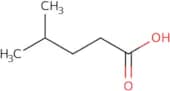
CAS :Produit contrôlé8-Chloro-1-methyl-2,3,4,5-tetrahydro-1H-benzo[d]azepine is an antipsychotic drug that is a member of the class of drugs known as serotonin receptor antagonists. It is a synthetic process that has been used to produce antidepressant and antipsychotic drugs. This drug was first synthesized in 1966 by chemists at Smith Kline & French Laboratories as part of a program to develop novel antidepressants. 8-Chloro-1-methyl-2,3,4,5-tetrahydro-1H-benzo[d]azepine is one of the few antipsychotics that does not cause extrapyramidal side effects such as tardive dyskinesia. The enantiomers are active with the (S) form being more potent than the (R) form.Formule :C11H14ClNDegré de pureté :Min. 95%Masse moléculaire :195.69 g/mol4-Methylpentanoic acid
CAS :4-Methylpentanoic acid is a fatty acid that is the product of anaerobic fermentation in the colon and can be found as an end product in the body. It can be used as a substrate in film tests for detecting bacteria, such as Escherichia coli, which are associated with bowel diseases. 4-Methylpentanoic acid has been shown to have inhibitory effects against nuclear dna replication, mitochondrial membrane potential, and energy metabolism. 4-Methylpentanoic acid also has antiinflammatory properties and has been shown to decrease body mass index. The 6-Fluoro-3-indoxyl-beta-D-galactopyranoside is an antituberculosis drug that belongs to the class of rifamycins. It is the most active of the rifamycins for the treatment of tuberculosis. Rifapentine inhibits bacterial growth by binding to DNA-dependent RNA polymerase, thereby preventing transcription
Formule :C6H12O2Degré de pureté :Min. 95%Masse moléculaire :116.16 g/molDiethoxy-Methyl-Thioxo-Phosphorane
CAS :Produit contrôléDiethoxy-methyl-thioxo-phosphorane is a chemical compound that is used in the manufacture of industrial chemicals. It has a vapor pressure of 0.0014 mmHg at 25°C, and can be quantified by chemical ionization with gas chromatography/mass spectrometry. Diethoxy-methyl-thioxo-phosphorane reacts with radiation to produce reactive oxygen species and other free radicals, which can damage DNA and cause cancer. The reaction rate is rapid, with an analogy to humans being exposed to nitrate compounds. Diethoxy-methyl-thioxo-phosphorane is also used in devices such as radiators and heaters, where it causes damage when combined with nitrates.
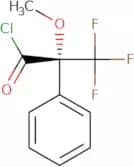
Formule :C5H13O2PSDegré de pureté :Min. 95%Masse moléculaire :168.2 g/molS-(+)-α-Methoxy-α-(trifluoromethyl)phenylacetic acid chloride
CAS :S-(+)-alpha-Methoxy-alpha-(trifluoromethyl)phenylacetic acid chloride is an optical, amide, and epoxidation derivatizing agent that is used to chiralify amines. It is a liquid at room temperature with a molecular weight of 123.87 g/mol. This chemical reacts with alcohols to form esters, which can be identified by their different retention times in chromatography. It also reacts with hydroxyl groups to form ethers and esters, as well as hydroxyls on other molecules such as amino acids, peptides, and proteins. S-(+)-alpha-Methoxy-alpha-(trifluoromethyl)phenylacetic acid chloride has been used for the synthesis of bisoprolol from metoprolol and triethylphosphite.
Formule :C10H8ClF3O2Degré de pureté :Min. 95%Masse moléculaire :252.62 g/mol4-(2-Chlorophenyl)-9-methyl-6H-thieno[3,2-f][1,2,4]triazolo[4,3-a][1,4]diazepine-2-propanoic acid methyl ester
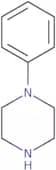
CAS :Produit contrôléPlease enquire for more information about 4-(2-Chlorophenyl)-9-methyl-6H-thieno[3,2-f][1,2,4]triazolo[4,3-a][1,4]diazepine-2-propanoic acid methyl ester including the price, delivery time and more detailed product information at the technical inquiry form on this pageFormule :C19H17ClN4O2SDegré de pureté :Min. 95%Masse moléculaire :400.88 g/mol1-Phenylpiperazine
CAS :Produit contrôlé1-Phenylpiperazine is a piperazine derivative that can bind to the DNA of cervical cancer cells and inhibit their growth. It also has antihypertensive effects. 1-Phenylpiperazine is a white crystalline solid that is soluble in water, ethanol, ether, and chloroform. It binds to the hydrogen chloride ion (HCl) with high affinity and forms an equilibrium mixture with HCl gas. The binding constants of 1-phenylpiperazine to HCl are greater than those for piperazine. This compound has been shown to inhibit tumor cell growth in vitro through its ability to bind to DNA and prevent RNA synthesis. 1-Phenylpiperazine has been shown to have antihypertensive activity in rats by blocking alpha1-adrenergic receptors on vascular smooth muscle cells.br>br>
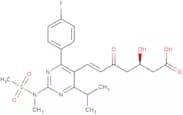
In addition, this molecule has been shown to have binding properties for amines which may be due to the presenceFormule :C10H14N2Degré de pureté :Min. 95%Masse moléculaire :162.23 g/mol5-Oxo Rosuvastatin
CAS :5-Oxo Rosuvastatin is a drug product that has been synthesized from natural ingredients. It is an analytical standard for the impurity, 5-oxo-rosuvastatin, which is a potential impurity in the API, rosuvastatin. This drug product has been custom synthesized in order to provide an Impurity Standard for HPLC. This drug product is also used as a Synthetic Reference Standard for Drug Development and Research and Development.
Formule :C22H26FN3O6SDegré de pureté :Min. 95%Couleur et forme :Off-White To Light (Or Pale) Yellow To Dark Yellow SolidMasse moléculaire :479.52 g/molRef: 3D-FF103553
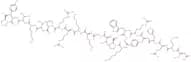
Produit arrêtéAcetyl-ACTH (3-24) (human, bovine, rat) trifluoroacetate salt
CAS :Please enquire for more information about Acetyl-ACTH (3-24) (human, bovine, rat) trifluoroacetate salt including the price, delivery time and more detailed product information at the technical inquiry form on this page
Formule :C126H198N38O28SDegré de pureté :Min. 95%Masse moléculaire :2,725.23 g/molN-Methyl-L-proline
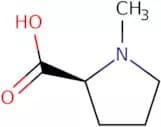
CAS :N-Methyl-L-proline is a choline analog that is used to prepare cell culture media and as a nutrient for microorganisms. It has been shown to have an inhibitory effect on the growth of the bacteria Pseudomonas aeruginosa and Salmonella enterica. N-Methyl-L-proline has also been shown to be taken up by the bacteria and to decrease their bioavailability in low salinity environments.
Formule :C6H11NO2Degré de pureté :Min. 95%Masse moléculaire :129.16 g/molOxytocin (free acid)
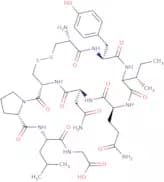
CAS :Oxytocin is an endogenous hormone.Formule :C43H65N11O13S2Degré de pureté :Min. 95%Masse moléculaire :1,008.17 g/molZ-(R,S)-3-amino-2-oxo-5-phenyl-1,4-benzodiazepine
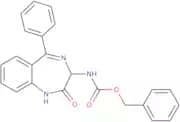
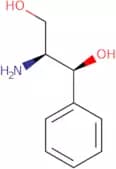
CAS :Produit contrôléPlease enquire for more information about Z-(R,S)-3-amino-2-oxo-5-phenyl-1,4-benzodiazepine including the price, delivery time and more detailed product information at the technical inquiry form on this pageFormule :C23H19N3O3Degré de pureté :Min. 95%Masse moléculaire :385.42 g/mol(1S,2S)-(+)-2-Amino-1-phenyl-1,3-propanediol
CAS :(1S,2S)-(+)-2-Amino-1-phenyl-1,3-propanediol is a synthetic compound that has been synthesized and studied as an amide. It has a hydroxy group on the skeleton of the molecule. The enantiomer of this compound is (1R,2R)-(-)-2-amino-1-phenyl-1,3-propanediol. This compound contains two chiral centers and four stereoisomers. These stereoisomers are not mirror images of each other. (1S,2S)-(+)-2-Amino-1-phenyl-1,3-propanediol has been shown to be effective against cryptococcus neoformans in cell culture experiments.
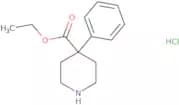
Formule :C9H13NO2Degré de pureté :Min. 95%Masse moléculaire :167.21 g/mol4-Phenyl-4-carbethoxy piperidineHCl
CAS :Produit contrôlé4-Phenyl-4-carbethoxy piperidineHCl is a germanium compound that can be used as a diagnostic agent to detect the presence of magnesium in the blood. It has been shown to bind to acidic and basic sites on the brain, regulating the functions of these regions. The drug has also been shown to have analgesic properties, as it activates opioid receptors in the brain. 4-Phenyl-4-carbethoxy piperidineHCl binds with high affinity to meperidine and naloxone, which are opioid receptor agonists. It is also able to bind to pentazocine, an opioid receptor antagonist. This drug is not active against molybdenum or thebaine.
Formule :C14H20ClNO2Degré de pureté :Min. 95%Masse moléculaire :269.77 g/molp-Phenetidine
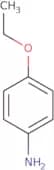
CAS :p-Phenetidine is an organic compound that reacts with nucleophiles to produce a variety of products. It is a reactive molecule that can be used in the preparation of samples for analysis by hydroxyl group detection, such as infectious diseases and glucuronide conjugate. p-Phenetidine has been shown to react with human serum and wastewater treatment, leading to the formation of surface bound form. This form can be detected using electrochemical impedance spectroscopy (EIS) and surface methodology.
Formule :C8H11NODegré de pureté :Min. 95%Masse moléculaire :137.18 g/mol1-Phenyl-1H-pyrazole-4-carbaldehyde
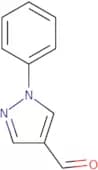
CAS :1-Phenyl-1H-pyrazole-4-carbaldehyde is an antibacterial agent that has been shown to have bactericidal activity against bacteria. It inhibits the growth of bacteria by binding to the pyrazole ring in the bacterial cell wall and blocking the formation of a hydrogen bond. 1-Phenyl-1H-pyrazole-4-carbaldehyde has been shown to be effective against methicillin resistant Staphylococcus aureus (MRSA) and Ciprofloxacin resistant Pseudomonas aeruginosa isolates, but not against Mycobacterium tuberculosis or Mycobacterium avium complex.
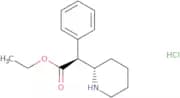
Formule :C10H8N2ODegré de pureté :Min. 95%Masse moléculaire :172.18 g/mol(aS,2S)-alpha-Phenyl-2-piperidineacetic acid Ethyl ester hydrochloride
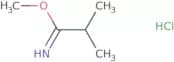
CAS :Produit contrôléPlease enquire for more information about (aS,2S)-alpha-Phenyl-2-piperidineacetic acid Ethyl ester hydrochloride including the price, delivery time and more detailed product information at the technical inquiry form on this pageFormule :C15H21NO2·HClDegré de pureté :Min. 95%Masse moléculaire :283.79 g/molMethyl 2-methylpropanimidic acid hydrochloride
CAS :Methyl 2-methylpropanimidic acid hydrochloride is a neutralizing agent that can be used to react with water, acids, and bases. It has been shown to react with gaseous compounds at temperatures as high as 200°C. Methyl 2-methylpropanimidic acid hydrochloride is soluble in organic solvents such as alcohols, ethers, and acetone and can be used to prepare esters by reacting with the corresponding alcohol or phenol. In addition, it has been shown to interact with haloalkyl groups and oxazinones. This compound also has nod-like receptor binding properties that have been shown to play a role in mediating the transport of organic solutions into cells. A receptor protein that reacts with methyl 2-methylpropanimidic acid hydrochloride has been identified in some organisms. The stereostructure of this compound resembles that of triazines and other organometallic compounds.
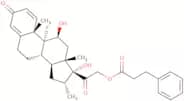
Formule :C5H11NO·HClDegré de pureté :Min. 95%Masse moléculaire :137.61 g/molDexamethasone 21-(3-phenylpropionate)
CAS :Dexamethasone 21-(3-phenylpropionate) is a corticosteroid that is used for the treatment of a variety of inflammatory skin conditions. Dexamethasone 21-(3-phenylpropionate) has been shown to be effective in the treatment of cutaneous lesions in mice and rabbits. This drug also has an anti-inflammatory effect, which may be due to its ability to inhibit cytokine production. Dexamethasone 21-(3-phenylpropionate) is not metabolized by liver enzymes and has a long half life, making it more predictable than prednisolone. This medication should not be used during pregnancy or if you are trying to become pregnant, as it may cause abortion or premature birth. It should also not be used by women who are breastfeeding, as it can pass through breast milk and affect the baby.
Formule :C31H37FO6Degré de pureté :Min. 95%Couleur et forme :PowderMasse moléculaire :524.62 g/molN3-Trp-OH·CHA
CAS :Azido-L-tyrosine CHA salt is a useful azide functionalised amino acid. Provides a handle for click chemistry.
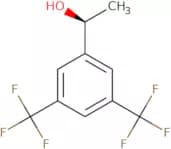
Formule :C11H10N4O2•C6H13NDegré de pureté :Min. 95%Couleur et forme :PowderMasse moléculaire :329.4 g/mol(S)-3',5'-Bis(trifluoromethyl)-1-phenethanol
CAS :(S)-3',5'-Bis(trifluoromethyl)-1-phenethanol is a choline derivative that is used in the treatment of liver cancer. It has been shown to increase the permeability of cell membranes and to suppress the growth of tumor cells by inhibiting protein synthesis. (S)-3',5'-Bis(trifluoromethyl)-1-phenethanol can be used as a surfactant and a hydrophobic solvent for optimization of reaction parameters. This chemical also has been shown to be active against Gram-positive bacteria such as Staphylococcus aureus and Enterococcus faecalis, but not against Gram-negative bacteria such as Escherichia coli or Pseudomonas aeruginosa. The mechanism of this effect is mediated by chloride ions that act as bioreductive agents on cellular membranes, leading to increased permeability and cell death.
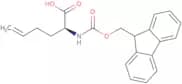
Formule :C10H8F6ODegré de pureté :Min. 95%Masse moléculaire :258.16 g/mol(S)-N-Fmoc-2-(3'-butenyl)glycine
CAS :Please enquire for more information about (S)-N-Fmoc-2-(3'-butenyl)glycine including the price, delivery time and more detailed product information at the technical inquiry form on this page
Formule :C21H21NO4Degré de pureté :Min. 95%Couleur et forme :White PowderMasse moléculaire :351.4 g/molRef: 3D-FN30074
Produit arrêtéEthyl 3-methyl-3-phenylglycidate
CAS :Produit contrôléEthyl 3-methyl-3-phenylglycidate is a fatty acid ester with a melting point of 119°C. It has a boiling point of 168°C and is soluble in organic solvents. The chemical formula for this compound is C10H14O2. Ethyl 3-methyl-3-phenylglycidate has been shown to have anti-oxidant effects due to its ability to inhibit lipid peroxidation, as well as long term toxicity. However, the compound may be toxic because it contains caproic acid and 3-hydroxy-3-methylhexanoic acid.
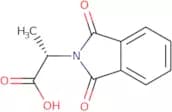
Formule :C12H14O3Degré de pureté :Min. 95%Couleur et forme :Clear LiquidMasse moléculaire :206.24 g/molPhthaloyl-L-alanine
CAS :Phthaloyl-L-alanine is a molecule with a hydrochloric acid group and a carbonyl group. It has been shown to have the ability to bind to peptidyl molecules and immobilize them, leading to an inhibition of the reaction mechanism. This process can be induced by enzymatic inactivation or by hydrogen bonding with chloride. The cisplatin-induced apoptosis of cancer cells has been demonstrated using patch-clamp technique on human erythrocytes. Caspases are proteins that are activated during apoptosis and have been found to interact with Phthaloyl-L-alanine in vitro. Molecular modeling studies suggest that Phthaloyl-L-alanine may inhibit caspases by binding to the enzyme's active site.
Formule :C11H9NO4Degré de pureté :Min. 95%Couleur et forme :PowderMasse moléculaire :219.19 g/molRef: 3D-FP28892
Produit arrêtéN,N'-Di-(4-methyl-phenyl)-N,N'-diphenyl-1,4-phenylendiamine
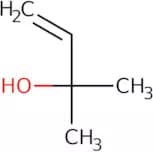
CAS :Please enquire for more information about N,N'-Di-(4-methyl-phenyl)-N,N'-diphenyl-1,4-phenylendiamine including the price, delivery time and more detailed product information at the technical inquiry form on this pageFormule :C32H28N2Degré de pureté :Min. 95%Masse moléculaire :440.58 g/mol2-Methyl-3-buten-2-ol
CAS :2-Methyl-3-buten-2-ol is a reactive oxygenated compound that can be found in the environment. It is produced by the oxidation of glyoxal, glycolaldehyde, and other simple sugars. 2-Methyl-3-buten-2-ol has been found to have toxic effects on wild type strains of Escherichia coli, including inhibition of growth and induction of cell death. In addition, 2-methyl-3 buten 2 ol has been shown to react with other molecules in the environment to produce epoxides. This compound can also be found in some foods and beverages as a result of its presence as a natural component or from contamination during processing. !-- END-->
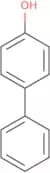
Formule :C5H10ODegré de pureté :Max. 98%Masse moléculaire :86.13 g/mol4-Phenylphenol
CAS :4-Phenylphenol is a phenolic compound that is used in the synthesis of other compounds. 4-Phenylphenol was found to react with rat liver microsomes and showed a hydroxyl group as its reactive site. 4-Phenylphenol also inhibited the activities of enzymes such as diazonium salt, sodium carbonate, monoclonal antibodies, analytical methods, light emission and p-hydroxybenzoic acid. The reaction mechanism of 4-Phenylphenol involves hydrogen bonding with human serum biphenyl.
Formule :C12H10ODegré de pureté :Min. 95%Couleur et forme :PowderMasse moléculaire :170.21 g/mol3-Methyl-1-pentyn-3-ol
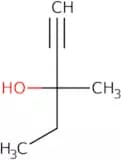
CAS :Produit contrôlé3-Methyl-1-pentyn-3-ol is a chemical that has been shown to have interactive effects on the metabolism of urea nitrogen and low light. 3-Methyl-1-pentyn-3-ol has been shown to produce a depressant effect in animals, which may be due to its ability to inhibit the production of acetylcholine by blocking the enzyme cholinesterase. This chemical has also been shown to react with hydroxyl groups, producing a pharmacological agent. The reaction mechanism for 3-methyl pentynol is via hydrolysis by hydrochloric acid or pentobarbital sodium.
Formule :C6H10ODegré de pureté :Min. 95%Masse moléculaire :98.14 g/molD,L-Threo-b-hydroxy aspartic acid
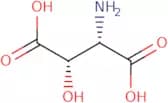
CAS :D,L-Threo-b-hydroxy aspartic acid is a stereoselective synthetic amino acid that has been used to study the uptake and hydrolysis of D,L-threo-b-hydroxy aspartic acid by rat brain synaptosomes. It has also been used in the synthesis of an L-alanine analogue with the same stereochemistry at the chiral center. The stereoselective synthesis of this compound is achieved by epimerization reaction using d-alanine as a starting material. Threo bhda has been shown to inhibit glutamate release from neurons and stimulate GABA release in synaptosomes, which may be due to its ability to bind to ion channels. Threo bhda has also been found to inhibit the binding of radioactive thymidine to calf thymus DNA with a high degree of stereoselectivity.
Formule :C4H7NO5Degré de pureté :Min. 95%Masse moléculaire :149.1 g/mol4-Methoxybenzylamine
CAS :4-Methoxybenzylamine is an organic amine that has a redox potential of -0.14 V (vs. SHE) and a pK a of 10.5. It is used in the synthesis of trifluoroacetic acid esters, which are used as pharmaceutical intermediates. 4-Methoxybenzylamine has been shown to be effective in alleviating pain in animal models, and its mechanism of action may be due to inhibition of the enzyme cyclooxygenase. The kinetic data for this reaction were obtained by studying the deuterium isotope effect, which is characterized by a low energy barrier and rapid reaction rate. The hydrolysis step is also important for the reaction mechanism, with protocatechuic acid being an intermediate product. Hydrochloric acid is needed for dehydration of the reactants, while an aryl halide can be used instead in some cases. In these reactions, there are many possible reaction
Formule :C8H11NODegré de pureté :Min. 95%Masse moléculaire :137.18 g/molDemeton-S-methyl
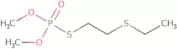
CAS :Demeton-S-methyl is a chemical pesticide that belongs to the group of organophosphates. It inhibits acetylcholinesterase activity and is used for the control of insects. Demeton-S-methyl is an anticholinesterase agent that binds reversibly to the active site of acetylcholinesterase, inhibiting the enzyme's activity. This inhibition leads to accumulation of acetylcholine in nerve tissue and increased transmission at cholinergic synapses. Demeton-S-methyl has been shown to be acutely toxic in rats, mice, and dogs by inhalation or ingestion. Acute toxicities are more severe with higher dosages as well as with repeated exposures.
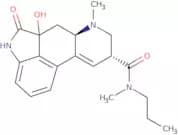
Formule :C6H15O3PS2Degré de pureté :Min. 95%Couleur et forme :Clear LiquidMasse moléculaire :230.29 g/mol2-Oxo-3-hydroxy-N-methyl-N-propyl D-lysergamide
CAS :Produit contrôlé2-Oxo-3-hydroxy-N-methyl-N-propyl D-lysergamide (2OMD) is a metabolite of the drug lysergic acid diethylamide (LSD). It can be detected in urine, blood, and saliva. The detection time in urine is approximately 3 hours after ingestion. 2OMD can be found by chromatography techniques, such as thin layer chromatography or high performance liquid chromatography. It can also be detected using mass spectrometric techniques, such as gas chromatography/mass spectrometry or liquid chromatography/mass spectrometry. 2OMD can also be detected in urine samples by calibrations with standards of known concentration and by the use of analytical methods such as gas chromatography/mass spectroscopy.
Formule :C20H25N3O3Degré de pureté :Min. 95%Masse moléculaire :355.43 g/mol3-Phenylpropanal
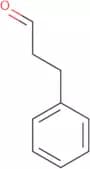
CAS :3-Phenylpropanal is a chemical compound that is synthesized from trifluoroacetic acid, activated chitosan polymer, and fatty acids. 3-Phenylpropanal has been shown to have a bioactive phytochemical, which has been identified as allylation. This reaction is catalyzed by the addition of an allylating agent such as propargyl bromide or propargyl chloride. The rate of this reaction is dependent on the concentration of the reactant and kinetic energy (heat). The hydroxyl group on the reactant reacts with hydrogen gas in the presence of a catalyst such as sodium carbonate or zinc oxide to form a hydroxyethyl group. This process can be monitored using kinetic data such as conversion and yield.
Formule :C9H10ODegré de pureté :Min. 95%Couleur et forme :Colourless To Pale Yellow LiquidMasse moléculaire :134.18 g/mol2-Fluoro-5-methoxyaniline
CAS :2-Fluoro-5-methoxyaniline is a high quality reagent that is used as an intermediate in the synthesis of various complex compounds. The CAS number for this chemical is 62257-15-2 and it has been shown to be useful as a building block for the synthesis of fine chemicals, speciality chemicals, and research chemicals with many different uses. It is also a versatile building block that can be used in reactions involving amines, alcohols, thiols, and nitriles. 2-Fluoro-5-methoxyaniline may also be used as a reaction component in organic syntheses.
Formule :C7H8FNODegré de pureté :Min. 95%Couleur et forme :PowderMasse moléculaire :141.14 g/mol2-Hydroxy-4-methylquinoline
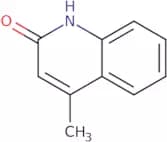
CAS :2-Hydroxy-4-methylquinoline is an organic compound that has a chelate ring. It is soluble in deionized water and reacts with metal ions to form a fluorescent product. The molecule also has antibacterial activity, which may be due to its ability to inhibit the growth of bacteria by acting as a metal ion chelator. 2-Hydroxy-4-methylquinoline can react with halides and ammonium persulfate to form isomeric products, such as 4,5-dihydroxyquinoline, which have been shown to have antimicrobial properties. 2-Hydroxy-4-methylquinoline can also react with phosphorus oxychloride and alkylating agents such as chloroethane or chloroform to form substituted derivatives.
Formule :C10H9NODegré de pureté :Min. 95%Couleur et forme :PowderMasse moléculaire :159.18 g/molFmoc-(4-aminomethyl) benzoic acid
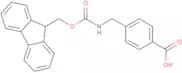
CAS :Please enquire for more information about Fmoc-(4-aminomethyl) benzoic acid including the price, delivery time and more detailed product information at the technical inquiry form on this page
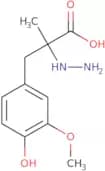
Formule :C23H19NO4Degré de pureté :Min. 95%Masse moléculaire :373.4 g/mol3-O-Methyl carbidopa
CAS :Produit contrôlé3-O-Methyl carbidopa is a metabolite of L-3,4-dihydroxyphenylalanine that is used as a drug in the treatment of Parkinson's disease. 3-O-Methyl carbidopa is a racemic mixture of two stereoisomers that have different chemical properties. The (+) form is more active and has been shown to be more potent than the (-) form. Analysis of this compound by magnetic resonance spectroscopy (NMR) at different magnetic fields showed that it has six distinct resonances: three from the protonated molecule and three from the deprotonated molecule. The proton nmr spectrum showed peaks at 2.02 ppm (D1), 2.81 ppm (D2), 3.84 ppm (D3), 4.07 ppm (D4), 4.28 ppm (D5), and 4.53 ppm (D6). These peaks correspond to resonances for protons
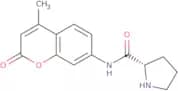
Formule :C11H16N2O4Degré de pureté :Min. 95%Couleur et forme :PowderMasse moléculaire :240.26 g/molH-Pro-AMC hydrobromide salt
CAS :H-Pro-AMC hydrobromide salt is an enzyme that belongs to the family of proteases. H-Pro-AMC hydrobromide salt has been shown to have carboxypeptidase activity, which cleaves peptides at the C terminus of a single amino acid. It has also been shown to interact with other enzymes and proteins, such as recombinant proteins and enzymes from the ubiquitin-proteasome system. This enzyme's ability to cleave peptides at the C terminus of a single amino acid makes it useful for protein sequencing. H-Pro-AMC hydrobromide salt has also been sequenced and found to share homology with other proteases, such as subtilisin E.
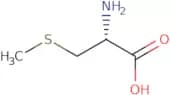
Formule :C15H16N2O3Degré de pureté :Min. 95%Masse moléculaire :272.3 g/molH-Cys(Me)-OH
CAS :H-Cys(Me)-OH is an organosulfur compound that contains a sulfhydryl group. It is used as a model system for the study of the p2 group of compounds in nitrogen chemistry and enzyme activity. H-Cys(Me)-OH has been shown to have anti-inflammatory properties, which may be due to its ability to inhibit prostaglandin synthesis. The compound also exhibits carcinogenic potential, as it induces mitochondrial membrane depolarization and kidney bean necrosis in rats when administered at high doses.
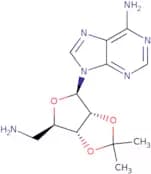
Formule :C4H9NO2SDegré de pureté :Min. 95 Area-%Masse moléculaire :135.19 g/mol5'-Amino-5'-deoxy-2',3'-O-(1-methylethylidene)-adenosine
CAS :Please enquire for more information about 5'-Amino-5'-deoxy-2',3'-O-(1-methylethylidene)-adenosine including the price, delivery time and more detailed product information at the technical inquiry form on this page
Formule :C13H18N6O3Degré de pureté :Min. 95%Masse moléculaire :306.32 g/molRef: 3D-FA143512
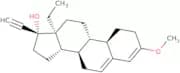
Produit arrêté(17a)-13-Ethyl-3-methoxy-18,19-dinorpregna-3,5-dien-20-yn-17-ol
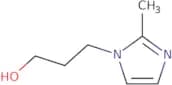
CAS :Produit contrôléPlease enquire for more information about (17a)-13-Ethyl-3-methoxy-18,19-dinorpregna-3,5-dien-20-yn-17-ol including the price, delivery time and more detailed product information at the technical inquiry form on this pageFormule :C22H30O2Degré de pureté :Min. 95%Masse moléculaire :326.47 g/mol3-(2-Methyl-1H-imidazol-1-yl)propan-1-ol hydrochloride
CAS :Please enquire for more information about 3-(2-Methyl-1H-imidazol-1-yl)propan-1-ol hydrochloride including the price, delivery time and more detailed product information at the technical inquiry form on this page
Formule :C7H12N2ODegré de pureté :Min. 95%Masse moléculaire :140.18 g/molBoc-L-Propargylglycine
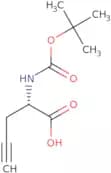
CAS :Boc-L-Propargylglycine is an antibacterial agent that can be used for the treatment of cancer. It has been shown to have specificities against cancer cells, as well as a high potency and low toxicity. Boc-L-Propargylglycine may be useful in biochemistry experiments because it can form conjugates with amines, hydroxyl groups, and amino acids. This drug also binds to DNA by forming triplexes and high-potency complexes with guanine residues. Boc-L-propargylglycine has been shown to inhibit the growth of cancer cells in vitro. It is orally bioactive, which means that it is absorbed and distributed throughout the body when taken by mouth.
Formule :C10H15NO4Degré de pureté :Min. 95%Masse moléculaire :213.23 g/molProinsulin C-Peptide (55-89) (human)
CAS :Proinsulin C-Peptide is a subunit of insulin. It is produced by proteolytic cleavage of proinsulin and has been used as a diagnostic agent for pancreatic beta cell function. Proinsulin C-Peptide encompasses the amino acids from 55 to 89 in the sequence of insulin. It can be used as a diagnostic agent for type 1 diabetes mellitus, which is characterized by an autoimmune destruction of beta cells, and other diseases such as multiple myeloma and non-Hodgkin's lymphoma that are associated with decreased levels of proinsulin C-Peptide.
Formule :C153H259N49O52Degré de pureté :Min. 95%Masse moléculaire :3,616.99 g/molO-Phospho-D-serine
CAS :O-Phospho-D-serine (OS) is a phospholipid that is synthesized by the enzyme phosphatase from D-serine. It has been shown to have tumor cell line inhibitory effects and may be useful as a pharmacologic agent for the treatment of cancer. OS has also been shown to have retinal neuron protective effects and can induce the maturation of cells in culture. OS is an essential component of the cell membrane, where it plays an important role in maintaining intracellular chloride levels. This compound also has been shown to be a potent inhibitor of t-cell proliferation. In addition, OS has been implicated in glutamate signaling and neurotransmission as well as fatty acid biosynthesis. OS is produced by bacteria belonging to the genus Bacillus, which are found in soil and water samples throughout the world.
Formule :C3H8NO6PDegré de pureté :Min. 95%Masse moléculaire :185.07 g/mol2-[(2S,3S,4S)-3-Formyl-5-Methoxycarbonyl-2-Methyl-3,4-Dihydro-2H-Pyran-4-Yl]Acetic Acid
CAS :2-[(2S,3S,4S)-3-Formyl-5-Methoxycarbonyl-2-Methyl-3,4-Dihydro-2H-Pyran-4-Yl]Acetic Acid (PCA) is a natural phenolic compound that is found in olive oil. PCA has been shown to possess antioxidant and antiinflammatory properties. It also has minimal toxicity, with no adverse effects on the liver or kidney. PCA is metabolized by hydrolysis to form hydroxytyrosol and tyrosol. Hydroxytyrosol can be further metabolized to produce the aglycon 2-[(2S,3S,4S)-3-(acetyloxy)-5-(hydroxymethyl)oxolan-4-yl]acetic acid (OHA). OHA is an intermediate in the biosynthesis of erythromycin and other macrolide antibiotics such as
Formule :C11H14O6Degré de pureté :90%MinMasse moléculaire :242.23 g/molZ-NH-PEG8-CH2CH2COOH
Z-NH-PEG8-CH2CH2COOH is a PEG compound with two different functional groups (also known as heterobifunctional). Unlike homobifunctional PEG compounds (same functional group on both ends), this type of compounds are more versatile as have two different anchor points. Z-NH-PEG8-CH2CH2COOH is used as a linker and spacer to add a PEG moiety, via pegylation (a bioconjugation technique) to proteins, peptides, oligonucleotides, small molecules and nanoparticles.
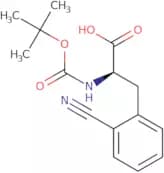
Formule :C27H45NO12Degré de pureté :Min. 95%Masse moléculaire :575.65 g/molBoc-2-cyano-D-phenylalanine
CAS :Please enquire for more information about Boc-2-cyano-D-phenylalanine including the price, delivery time and more detailed product information at the technical inquiry form on this page
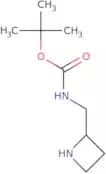
Formule :C15H18N2O4Degré de pureté :Min. 95%Masse moléculaire :290.31 g/mol2-(N-Boc-aminomethyl)azetidine
CAS :Please enquire for more information about 2-(N-Boc-aminomethyl)azetidine including the price, delivery time and more detailed product information at the technical inquiry form on this page
Formule :C9H18N2O2Degré de pureté :Min. 95%Masse moléculaire :186.25 g/mol1-(Boc-amino)-4,9-dioxa-12-dodecanamine
CAS :Produit contrôléPlease enquire for more information about 1-(Boc-amino)-4,9-dioxa-12-dodecanamine including the price, delivery time and more detailed product information at the technical inquiry form on this page
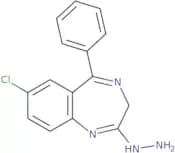
Formule :C15H32N2O4Degré de pureté :Min. 95%Masse moléculaire :304.43 g/mol7-Chloro-2-hydrazino-5-phenyl-3H-1,4-benzodiazepine
CAS :Produit contrôlé7-Chloro-2-hydrazino-5-phenyl-3H-1,4-benzodiazepine is a metabolically stable benzodiazepine that binds to the benzodiazepine receptor. It has been shown to have a higher affinity for this receptor than alprazolam and other related compounds. 7-Chloro-2-hydrazino-5-phenyl-3H-1,4-benzodiazepine has been used as an active ingredient in a number of pesticide products that are used against termites and ants. This compound has also been found to be an effective insecticide against mosquitoes. 7C2HDBZ has been shown to be stable in the environment and is not readily degraded by hydrolysis or pyrolysis.
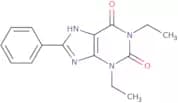
Formule :C15H13ClN4Degré de pureté :Min. 95%Masse moléculaire :284.74 g/mol1,3-Diethyl-8-phenylxanthine
CAS :Produit contrôlé1,3-Diethyl-8-phenylxanthine is a p2y receptor antagonist that inhibits bacterial growth by interfering with the energy metabolism of the cell. It is an analytical reagent that can be used to measure specific DNA sequences and has been shown to have genotoxic effects on cultured human cells. 1,3-Diethyl-8-phenylxanthine has also been shown to inhibit the growth of infectious bacteria such as staphylococcus aureus and Mycobacterium tuberculosis in vitro. This compound may be used as a potential biomarker for the identification of antimicrobial peptides that are active against Mycobacterium tuberculosis in humans.
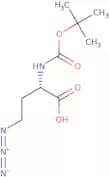
Formule :C15H16N4O2Degré de pureté :Min. 95%Masse moléculaire :284.31 g/molN-alpha-Boc-Ngamma-Azido-L-2,4-diaminobutyric acid cyclohexylamine salt
CAS :Please enquire for more information about N-alpha-Boc-Ngamma-Azido-L-2,4-diaminobutyric acid cyclohexylamine salt including the price, delivery time and more detailed product information at the technical inquiry form on this page
Formule :C9H16N4O4·C6H13NDegré de pureté :Min. 95%Masse moléculaire :343.42 g/mol2-(5-chloro-2-methyl-1H-indol-3-yl)ethanamine
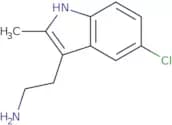
CAS :Produit contrôléPlease enquire for more information about 2-(5-chloro-2-methyl-1H-indol-3-yl)ethanamine including the price, delivery time and more detailed product information at the technical inquiry form on this pageFormule :C11H13ClN2Degré de pureté :Min. 95%Masse moléculaire :208.69 g/mol2-[(4-Methylbenzenesulfonyl)oxy]ethan-1-ol
CAS :2-[(4-Methylbenzenesulfonyl)oxy]ethan-1-ol is a compound that contains a benzene ring and an ethyl chain. It has the following chemical structure: It is structurally related to benzodiazepine, but with an amide group instead of a diazepine ring. 2-[(4-Methylbenzenesulfonyl)oxy]ethan-1-ol is a membrane stabilizer that inhibits thrombin and can be used as an anticoagulant. This compound also has growth factor activity and can be used in the synthesis of heterocyclic compounds.
Formule :C9H12O4SDegré de pureté :Min. 95%Couleur et forme :Clear LiquidMasse moléculaire :216.26 g/molRef: 3D-FM171828
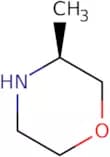
Produit arrêté(S)-3-Methylmorpholine
CAS :(S)-3-Methylmorpholine is a ring-opening agent that is used for the synthesis of chiral, multigram quantities of morpholines. This compound can be prepared using a simple and efficient method from an inexpensive and commercially available starting material. The synthesis of (S)-3-Methylmorpholine is based on the ring-opening reaction between 3,4-dimethoxyphenylacetonitrile and dimethylformamide. (S)-3-Methylmorpholine has been shown to have anticancer properties, which are most likely due to its ability to inhibit serotonin reuptake.
Formule :C5H11NODegré de pureté :Min. 95%Couleur et forme :Clear LiquidMasse moléculaire :101.15 g/molIle-Ile-OH
CAS :Ile-Ile-OH is a zwitterion that is the product of an enzyme serine protease. It has been shown to exhibit serine protease activity against corynebacterium, and it can be used for the production of active enzymes such as corynebacterium glutamicum. Ile-Ile-OH is synthesized from serine and hydrochloric acid in a reaction catalyzed by the enzyme serine protease. The rate of this reaction depends on pH and temperature, which causes the conversion of ile-ile to ile-ole at higher temperatures. Ile-Ile-OH exhibits conformational properties that are similar to those found in natural amino acids, which may be due to its zwitterionic nature. This compound also has protonation properties that have been shown to be important for uptake assays in L6 cells.
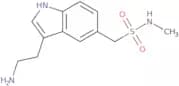
Formule :C12H24N2O3Degré de pureté :Min. 95%Masse moléculaire :244.33 g/mol3-(2-Aminoethyl)-N-methyl-1H-indole-5-methanesulfonamide
CAS :3-(2-Aminoethyl)-N-methyl-1H-indole-5-methanesulfonamide (AMIS) is an intermediate in the preparation of medicaments. It is a stable process and can be used as an intermediate for other compounds. AMIS is prepared by reacting methanesulfonic acid with methanol and ammonium carbonate, which produces methanesulfonamide, succinic acid and ammonium hydroxide. The reaction liquid is then heated to produce a crystalline solid. The crystals are then recrystallized to yield AMIS as a white solid.
Formule :C12H17N3O2SDegré de pureté :Min. 95%Couleur et forme :Off-White To Beige To Light Brown SolidMasse moléculaire :267.35 g/molRef: 3D-FA33265
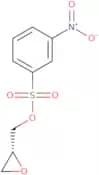
Produit arrêté(R)-(-)-Glycidyl nosylate
CAS :(R)-(-)-Glycidyl nosylate is an epoxide that is used in the synthesis of pharmaceuticals. It has shown mutagenic activity and can be used to produce chiral glycidyl compounds. (R)-(-)-Glycidyl nosylate has been evaluated as a potential drug for the treatment of cancer, but was found to have limited pharmacological activity. This compound binds to protein kinases and may inhibit their activity. (R)-(-)-Glycidyl nosylate also possesses aliphatic properties and is an enantiopure molecule. The stereoisomers of glycidyl nosylate are also available, with the most common being (+)glycidylether.
Formule :C9H9NO6SDegré de pureté :Min. 95%Couleur et forme :White PowderMasse moléculaire :259.24 g/molRef: 3D-FG23685
Produit arrêté2-Bromo-1-methyl-1H-imidazole
CAS :Please enquire for more information about 2-Bromo-1-methyl-1H-imidazole including the price, delivery time and more detailed product information at the technical inquiry form on this page
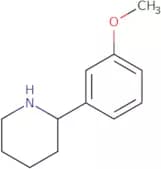
Formule :C4H5BrN2Degré de pureté :Min. 95%Masse moléculaire :161 g/mol2-(3-Methoxyphenyl)piperidine
CAS :Please enquire for more information about 2-(3-Methoxyphenyl)piperidine including the price, delivery time and more detailed product information at the technical inquiry form on this page
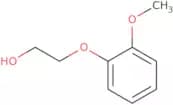
Formule :C12H17NODegré de pureté :Min. 95%Couleur et forme :PowderMasse moléculaire :191.27 g/mol2-(2-Methoxyphenoxy)ethanol
CAS :2-(2-Methoxyphenoxy)ethanol (2-MPE) is a metabolite of propanediol, which is a precursor in the synthesis of polyurethanes. 2-MPE can be oxidized by monooxygenases to form syringyl and other reactive metabolites. Basic hydrolysis may also produce monomers such as phenols, alcohols, and carboxylic acids. Syringyl is one of the metabolic products of 2-MPE, which has been shown to be resistant to degradation by basidiomycete fungi.
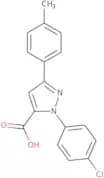
Formule :C9H12O3Degré de pureté :Min. 95%Masse moléculaire :168.19 g/mol1-(4-Chlorophenyl)-3-(4-methylphenyl)-1H-pyrazole-5-carboxylic acid
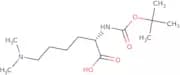
CAS :Produit contrôléPlease enquire for more information about 1-(4-Chlorophenyl)-3-(4-methylphenyl)-1H-pyrazole-5-carboxylic acid including the price, delivery time and more detailed product information at the technical inquiry form on this pageFormule :C17H13ClN2O2Degré de pureté :Min. 95%Masse moléculaire :312.75 g/molBoc-L-Lys(Me)2-OH
CAS :Please enquire for more information about Boc-L-Lys(Me)2-OH including the price, delivery time and more detailed product information at the technical inquiry form on this page
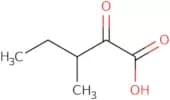
Formule :C13H26N2O4Degré de pureté :Min. 95%Masse moléculaire :274.36 g/mol(±)-3-Methyl-2-oxovaleric acid
CAS :(±)-3-Methyl-2-oxovaleric acid is a fatty acid that is found in the mitochondria of liver cells and other tissues. It is an intermediate in the citric acid cycle and can be converted into acetyl-CoA, which is used for energy production. (±)-3-Methyl-2-oxovaleric acid has been shown to cause necrotic cell death when it binds to the mitochondrial membrane potential and causes a loss of ATP production. This results in a lack of energy for the cell, leading to cell death. (±)-3-Methyl-2-oxovaleric acid has also been shown to inhibit protein synthesis by decreasing uptake and increasing creatine kinase activity. This inhibition leads to decreased body formation and tissue culture growth in vitro. In vivo, (±)-3-Methyl-2-oxovaleric acid causes primary sclerosing cholangitis, a disease characterized by inflammation of bile ducts that
Formule :C6H10O3Degré de pureté :Min. 95%Couleur et forme :White PowderMasse moléculaire :130.14 g/molS-Methyl thiohexanoate
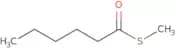
CAS :S-Methyl thiohexanoate is a fatty acid that is the product of the serine protease activity of the potato tuber. It has been shown to have a transcriptional regulatory effect on carbon source utilization and natural compounds production, which may be due to its ability to alter the phospholipid composition in plant cells. S-Methyl thiohexanoate can inhibit or induce natural compounds production depending on the concentration used. The effects of this compound are mediated by its ability to form hydrogen bonds with hydroxyl groups in phospholipids, altering their configuration and consequently disrupting membrane integrity. S-Methyl thiohexanoate also has been shown to act as an electron donor for covalent polymerization reactions catalyzed by DNA polymerases and reverse transcriptases. This may be due to its ability to form hydrogen bonds with phosphate groups in nucleic acids, altering their configuration and consequently disrupting DNA or RNA synthesis.
Formule :C7H14OSDegré de pureté :Min. 95%Couleur et forme :Clear LiquidMasse moléculaire :146.25 g/molRef: 3D-FM35693
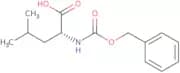
Produit arrêtéZ-D-Leu-OH
CAS :Please enquire for more information about Z-D-Leu-OH including the price, delivery time and more detailed product information at the technical inquiry form on this page
Formule :C14H19NO4Degré de pureté :Min. 95%Masse moléculaire :265.31 g/mol4-(Butoxymethyl)-2-methoxyphenol
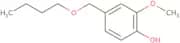
CAS :4-(Butoxymethyl)-2-methoxyphenol is an antimicrobial agent that has been shown to be effective against Candida glabrata. It is a non-ionic surfactant with a C8 alkyl chain, which is derived from the reaction of butyl alcohol and phenol. 4-(Butoxymethyl)-2-methoxyphenol can be used in oral care products such as toothpaste or mouthwash. This product also has a control analysis for sodium citrate and root powder, which may be due to its fatty acid and magnesium salt content.
Formule :C12H18O3Degré de pureté :Min. 95%Masse moléculaire :210.27 g/molL-(-)-Glyceraldehyde - Technical grade aqueous solution
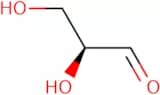
CAS :Please enquire for more information about L-(-)-Glyceraldehyde - Technical grade aqueous solution including the price, delivery time and more detailed product information at the technical inquiry form on this page
Formule :C3H6O3Degré de pureté :Min. 95%Couleur et forme :Clear Viscous LiquidMasse moléculaire :90.08 g/mol(S)-N-Boc-3-amino-1-butyne
CAS :Please enquire for more information about (S)-N-Boc-3-amino-1-butyne including the price, delivery time and more detailed product information at the technical inquiry form on this page
Formule :C9H15NO2Degré de pureté :Min. 95%Masse moléculaire :169.22 g/molBoc-L-Cys(Acm)-MBHA Resin
Please enquire for more information about Boc-L-Cys(Acm)-MBHA Resin including the price, delivery time and more detailed product information at the technical inquiry form on this page
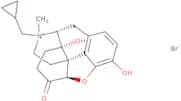
Degré de pureté :Min. 95%N-Methyl naltrexone bromide
CAS :Produit contrôléN-Methyl naltrexone bromide is an opioid antagonist that binds to opioid receptors, preventing the binding of other opioid agonists. It has been shown to be effective in long-term treatment of chronic pain and may be used in combination with opioids for patients with hepatic impairment. The efficacy of N-methyl naltrexone bromide in treating constipation has not been established. This drug should not be used in patients with HIV infection because it may reduce the effectiveness of antiretroviral therapy. The pharmacokinetics and safety profile of this drug have been studied extensively, which showed no serious adverse effects. Histological analysis revealed that N-methyl naltrexone bromide did not affect epithelial mesenchymal cells or the intestinal villi.
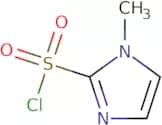
Formule :C21H26BrNO4Degré de pureté :Min. 95%Masse moléculaire :436.34 g/mol1-Methylimidazole-2-sulfonyl chloride
CAS :1-Methylimidazole-2-sulfonyl chloride is a synthetic estrogen that is used for the treatment of estrogen deficiency in women. It has been shown to increase plasma estradiol levels and reduce plasma testosterone levels. This drug is not active at physiological levels, but was found to have biological relevance when administered at higher doses. 1-Methylimidazole-2-sulfonyl chloride has been found to be effective in the treatment of cancer in humans, with a specific effect on breast cancer cells.
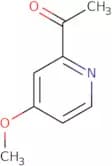
Formule :C4H5ClN2O2SDegré de pureté :Min. 95%Masse moléculaire :180.61 g/mol1-(4-Methoxy-pyridin-2-yl)-ethanone
CAS :Please enquire for more information about 1-(4-Methoxy-pyridin-2-yl)-ethanone including the price, delivery time and more detailed product information at the technical inquiry form on this page
Formule :C8H9NO2Degré de pureté :Min. 95%Masse moléculaire :151.16 g/molOsteocalcin (45-49) (human)
CAS :Please enquire for more information about Osteocalcin (45-49) (human) including the price, delivery time and more detailed product information at the technical inquiry form on this page
Formule :C30H39N5O7Degré de pureté :Min. 95%Masse moléculaire :581.66 g/molAcetyl-ACTH (7-24) (human, bovine, rat) trifluoroacetate salt
CAS :Please enquire for more information about Acetyl-ACTH (7-24) (human, bovine, rat) trifluoroacetate salt including the price, delivery time and more detailed product information at the technical inquiry form on this page
Formule :C107H170N32O21Degré de pureté :Min. 95%Masse moléculaire :2,240.7 g/molAcetyl-(D-Val13)-alpha-MSH (11-13)
CAS :Please enquire for more information about Acetyl-(D-Val13)-alpha-MSH (11-13) including the price, delivery time and more detailed product information at the technical inquiry form on this page
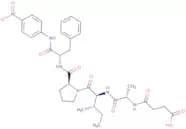
Formule :C18H33N5O4Degré de pureté :Min. 95%Masse moléculaire :383.49 g/molSuc-Ala-Ile-Pro-Phe-pNA
CAS :Cyclosporine is a cyclic peptide that is used as an immunosuppressive drug. It binds to the cytosolic protein phosphatase, preventing its activation. Cyclosporine also binds to other proteins in the cell, such as casein kinase II and cyclophilin, leading to changes in cellular function. It has been shown to inhibit the production of cytokines and other inflammatory mediators by inhibiting tyrosine kinase activity. Cyclosporine is metabolized into FK506, which has a similar structure but greater potency than cyclosporine. The mechanism of action for FK506 is not fully understood but it appears to be related to its ability to bind to tyrosine kinases and inhibit their activity.
Formule :C33H42N6O9Degré de pureté :Min. 95%Masse moléculaire :666.72 g/mol


![1,2,3,4,5,6-Hexahydro-1,5-methano-pyrido-[1,2-a][1,5]diazocin-8-one](/_next/image/?url=https%3A%2Fstatic.cymitquimica.com%2Fproducts%2F3D%2Fthumb-webp%2FFD117142.webp&w=3840&q=75)
![[4-(4-Aminophenoxy)(2-pyridyl)]-N-methylcarboxamide](/_next/image/?url=https%3A%2Fstatic.cymitquimica.com%2Fproducts%2F3D%2Fthumb-webp%2FFA17813.webp&w=3840&q=75)

![N-Methyl-5H-dibenzo[a,d]cycloheptene-5-propylamine hydrochloride](/_next/image/?url=https%3A%2Fstatic.cymitquimica.com%2Fproducts%2F3D%2Fthumb-webp%2FFN76683.webp&w=3840&q=75)
![8-Chloro-1-methyl-2,3,4,5-tetrahydro-1H-benzo[d]azepine](/_next/image/?url=https%3A%2Fstatic.cymitquimica.com%2Fproducts%2F3D%2Fthumb-webp%2FFC148171.webp&w=3840&q=75)

![4-(2-Chlorophenyl)-9-methyl-6H-thieno[3,2-f][1,2,4]triazolo[4,3-a][1,4]diazepine-2-propanoic acid …](/_next/image/?url=https%3A%2Fstatic.cymitquimica.com%2Fproducts%2F3D%2Fthumb-webp%2FFC20337.webp&w=3840&q=75)






![2-[(2S,3S,4S)-3-Formyl-5-Methoxycarbonyl-2-Methyl-3,4-Dihydro-2H-Pyran-4-Yl]Acetic Acid](/_next/image/?url=https%3A%2Fstatic.cymitquimica.com%2Fproducts%2F3D%2Fthumb-webp%2FFF71925.webp&w=3840&q=75)

![2-[(4-Methylbenzenesulfonyl)oxy]ethan-1-ol](/_next/image/?url=https%3A%2Fstatic.cymitquimica.com%2Fproducts%2F3D%2Fthumb-webp%2FFM171828.webp&w=3840&q=75)