Acides aminés (AA)
Les acides aminés (AA) sont les éléments constitutifs fondamentaux des protéines, jouant un rôle crucial dans divers processus biologiques. Ces composés organiques sont essentiels pour la synthèse des protéines, les voies métaboliques et la signalisation cellulaire. Dans cette catégorie, vous trouverez une gamme complète d'acides aminés, y compris des formes essentielles, non essentielles et modifiées, qui sont vitales pour la recherche en biochimie, biologie moléculaire et sciences de la nutrition. Chez CymitQuimica, nous fournissons des acides aminés de haute qualité pour soutenir vos besoins en recherche et développement, garantissant précision et fiabilité dans vos résultats expérimentaux.
Sous-catégories appartenant à la catégorie "Acides aminés (AA)"
- Dérivés d'acides aminés(3.992 produits)
- Acide aminé et composés apparentés aux acides aminés(3.481 produits)
- Acides aminés avec de l'oxygène ou du soufre(168 produits)
- Boc- Acides aminés(351 produits)
- Acides aminés avec groupes protecteurs(1.710 produits)
38347 produits trouvés pour "Acides aminés (AA)"
Trier par
Degré de pureté (%)
0
100
|
0
|
50
|
90
|
95
|
100
HO-PEG10-OH
CAS :HO-PEG10-OH is a glycol ether that is used as a surfactant in the formulation of intravenous lipid emulsions. It is also used in chromatographic analysis and is capable of reducing the redox potential of biological samples. HO-PEG10-OH has been shown to have pharmacokinetic properties and to be effective against inflammation. HO-PEG10-OH has been shown to inhibit hepcidin, an important regulator of iron metabolism, which may explain its antiinflammatory activity.Formule :C20H42O11Degré de pureté :Min. 95%Couleur et forme :Colourless To Pale Yellow Clear LiquidMasse moléculaire :458.54 g/molH-Cys-Gly-OH
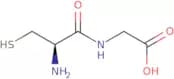
CAS :H-Cys-Gly-OH is a cyclic peptide that has potent antitumor activity. It was synthesized from glutathione and cysteine, which are naturally occurring amino acids in the human body. The mechanism of action of H-Cys-Gly-OH is not well understood, but it may be due to its ability to bind to α1-acid glycoprotein and other proteins in the blood. The compound also has a redox potential, fluorescence spectra, and structural analysis that can be used for identification purposes. This molecule is stable at acid pH and is easily soluble in water or organic solvents. H-Cys-Gly-OH can be analyzed by titration calorimetry or cyclic voltammetry methods.Formule :C5H10N2O3SDegré de pureté :Min. 95%Masse moléculaire :178.21 g/molCbz-L-glutamine
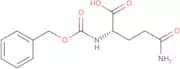
CAS :<p>Cbz-L-glutamine is a water soluble compound that is used in the synthesis of pomalidomide. It is synthesized through a stepwise amide formation from methylamine and ethylene diamine. Cbz-L-glutamine has been shown to have an inhibitory effect on cancer cells, which may be due to its ability to break down hydroxamic acids. This chemical reaction causes the release of hydrogen ions, which leads to the disruption of various cellular processes, such as DNA replication and protein synthesis. The uptake of Cbz-L-glutamine by cancer cells has been shown in tissue culture experiments.</p>Formule :C13H16N2O5Degré de pureté :Min. 95%Couleur et forme :PowderMasse moléculaire :280.28 g/mol4-Methoxycinnamylidene acetaldehyde
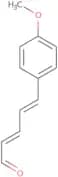
CAS :<p>4-Methoxycinnamylidene acetaldehyde is a versatile building block with a CAS number of 27394-81-6. It is used in the research and production of fine chemicals, pharmaceuticals, and high quality reagents. 4-Methoxycinnamylidene acetaldehyde can be used as a useful scaffold for the synthesis of complex compounds. This building block is also a useful intermediate in organic chemistry reactions.</p>Formule :C12H12O2Degré de pureté :Min. 95%Couleur et forme :PowderMasse moléculaire :188.22 g/mol2-Methyl-DL-serine
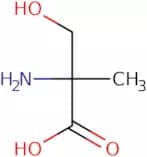
CAS :2-Methyl-DL-serine is a metabolite of the amino acid serine. It is synthesized by the enzyme serine dehydratase, which converts L-serine to 2-methyl-L-serine. This product has been shown to inhibit microbial metabolism and has been proposed as a drug target for glycopeptide antibiotics. 2-Methyl-DL-serine is an inhibitor of glycosyltransferases that have high affinity for D-alanine, such as enolase, phosphoglycerate kinase, and pyruvate kinase. In addition, this product inhibits some enzymes involved in glycogen metabolism by binding to the lysosomal enzyme α-glucosidase. The enzyme genes that encode for these enzymes are expressed in both prokaryotes and eukaryotes. 2Methyl DL serine also inhibits dioxygenases (e.g., cytochrome P450) that utilizeFormule :C4H9NO3Degré de pureté :Min. 95%Couleur et forme :PowderMasse moléculaire :119.12 g/mol2-Phenoxybenzyl alcohol
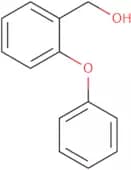
CAS :<p>2-Phenoxybenzyl alcohol is an active compound that is a diarylamine with a phenoxy group. It has photochemistry activity, which can be used to form methanes and polyhalogenated phenoxy compounds. 2-Phenoxybenzyl alcohol has been found to react with amides and carbonyl groups in nature. This chemical also has the ability to undergo transfer and shift reactions.</p>Formule :C13H12O2Degré de pureté :Min. 95%Couleur et forme :Clear LiquidMasse moléculaire :200.23 g/molD(-)-allo-Threonine
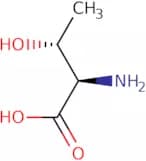
CAS :<p>D(-)-allo-Threonine is an amino acid with a hydroxyl group. It has been synthesized in an asymmetric synthesis and its biological properties have been studied in the context of monoclonal antibodies. D(-)-allo-Threonine has shown to be an inhibitor of enzymes involved in fatty acid biosynthesis, including 3-hydroxyacyl coenzyme A synthase, acetoacetyl-CoA reductase, and 3-ketoacyl CoA thiolase. This amino acid also inhibits the polymerase chain reaction (PCR) and has been found to be a competitive inhibitor of the enzyme ribonucleotide reductase. D(-)-allo-Threonine is also a constituent of proteins that play a role in plant physiology and structural biology.</p>Formule :C4H9NO3Degré de pureté :Min. 95%Couleur et forme :White PowderMasse moléculaire :119.12 g/molBoc-Pyr-OH
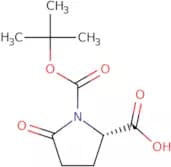
CAS :<p>Boc-Pyr-OH is a synthetic compound with medical applications. It is used as an anti-inflammatory agent and has been shown to be effective in the treatment of mouse tumor cells. Boc-Pyr-OH binds to plasma proteins and can be detected in the blood following administration. The drug has a high affinity for chloride ions, which may be due to its trifluoroacetyl group. The drug has two homologues: Boc-Pyr-Cl and Boc-Pyr-Br.</p>Formule :C10H15NO5Degré de pureté :Min. 95%Couleur et forme :PowderMasse moléculaire :229.23 g/mol5-Methoxyresorcinol
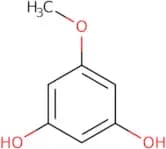
CAS :<p>5-Methoxyresorcinol is a plant product that has been shown to inhibit protein synthesis. It was found to have a second-order rate constant of 0.079 M-1s-1 at pH 7, which is much lower than the first order rate constant for urea hydrolysis (0.71 M-1s-1). 5-Methoxyresorcinol has also been shown to demethylate methyl glycosides and synthesize cell cultures. This product inhibits the replication of herpes simplex virus by inhibiting the synthesis of viral proteins in infected cells and blocking the maturation of progeny virus particles.</p>Formule :C7H8O3Degré de pureté :Min. 95%Couleur et forme :Slightly Yellow PowderMasse moléculaire :140.14 g/mol4-Hydroxy-5-iodo-3-methoxybenzyl alcohol
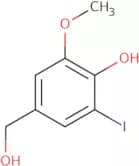
CAS :4-Hydroxy-5-iodo-3-methoxybenzyl alcohol is a polymer that has been synthesized as a model compound for lignin. It is a synthetic compound, which has not been found in nature. 4-Hydroxy-5-iodo-3-methoxybenzyl alcohol is toxic to bacteria and fungi, but not to mammalian cells. The metabolic products of this compound have not yet been identified.Formule :C8H9IO3Degré de pureté :Min. 95%Couleur et forme :PowderMasse moléculaire :280.06 g/mol5-Methoxy-2-methylbenzoic acid
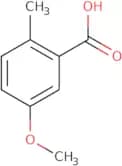
CAS :5-Methoxy-2-methylbenzoic acid is an intermediate in the synthesis of vitamin D3. It can also be used to synthesize calciferol, a configurationally stable form of vitamin D3 that has been shown to be optically active. Lactonic forms are composed of a 5-methoxy group and a 2-methylbenzoic acid moiety. Enantiomers are compounds with the same chemical formula but different arrangements of their atoms in space and each enantiomer is capable of rotating plane polarized light in opposite directions.Formule :C9H10O3Degré de pureté :Min. 95%Couleur et forme :PowderMasse moléculaire :166.17 g/molSolvent Blue 63
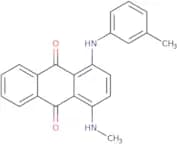
CAS :1-[2,(3)-Methylanilino]-4-(methylamino)anthraquinone is a diazo dye that emits light when irradiated with UV-A or UV-B radiation. It is used as a fluorescent stain in electron microscopy to detect and identify the presence of metals and metal oxides in films. The compound is also used in polyvinyl chloride (PVC) films to increase thermal expansion and viscosity. 1-[2,(3)-Methylanilino]-4-(methylamino)anthraquinone may be used as a substrate film for the production of polyurethane foam for furniture cushions and automotive components. The compound can be acylated with fatty acids such as p-hydroxybenzoic acid to give it desirable properties such as lower viscosity, better adhesion, or improved light emission. This reaction can be catalyzed by heat or radiation.Formule :C22H18N2O2Degré de pureté :Min. 95%Couleur et forme :PowderMasse moléculaire :342.39 g/mol4-Hydroxy-2-methylindole
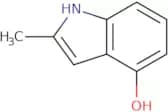
CAS :4-Hydroxy-2-methylindole is an organic compound that belongs to the class of metal salts. It can be obtained as a white solid by reacting indole with alkali metal hydroxide or alkali metal carbonate in the presence of water at high temperatures. The reaction yields 4-hydroxy-2-methylindole and hydrogen chloride gas, which are removed by distillation. 4-Hydroxy-2-methylindole is used in the production of epichlorohydrin, which is a raw material for polyurethane resins and olefins.Formule :C9H9NODegré de pureté :Min. 95%Couleur et forme :PowderMasse moléculaire :147.17 g/molMethyl 3-(3-hydroxy-4-methoxyphenyl)acrylate
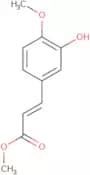
CAS :Methyl 3-(3-hydroxy-4-methoxyphenyl)acrylate is a compound that has been shown to be active against viruses. It is a derivative of salvianolic acid, which has been found to have anti-inflammatory and antiviral properties. Salvianolic acid and its derivatives are produced by the plant Salvia miltiorrhiza Bunge, and are known for their use in traditional Chinese medicine. The mechanism of action of methyl 3-(3-hydroxy-4-methoxyphenyl)acrylate is not yet fully understood, but it may inhibit the replication of influenza virus by binding to the RNA polymerase in the virus. This drug also has a hydrogen bond with cinnamic acid derivatives, which can inhibit HIV replication.Formule :C11H12O4Degré de pureté :Min. 95%Masse moléculaire :208.21 g/molFA-Gly-Leu-Ala-OH TFA
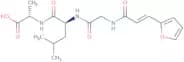
CAS :FA-Gly-Leu-Ala-OH TFA is a high quality reagent that can be used for the synthesis of complex compounds. It is an intermediate for the production of fine chemicals and speciality chemicals, which are used as reaction components in the synthesis of versatile building blocks. This compound is also an excellent scaffold for research chemicals and useful as a building block in the synthesis of speciality chemicals.Formule :C18H25N3O6•TFADegré de pureté :Min. 95%Couleur et forme :PowderMasse moléculaire :493.43 g/mol8-Hydroxy-7-methoxy-2-oxo-2H-1-benzopyran-3-carboxylic acid
8-Hydroxy-7-methoxy-2-oxo-2H-1-benzopyran-3-carboxylic acid is a versatile building block with a broad range of applications. It has been used in the synthesis of many complex compounds and research chemicals, including CAS No. 1207819-96-6. This chemical can be used as a reagent to produce important biological molecules such as antibiotics, antivirals, and antihypertensives.Formule :C11H7NO8Degré de pureté :Min. 95%Couleur et forme :Green SolidMasse moléculaire :281.18 g/molGly-Asn-OH
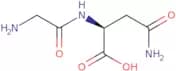
CAS :<p>Gly-Asn-OH is an amide with a constant and ternary complex. It is acidic, containing an amino acid with a hydroxy group. This compound has a metal ion and zwitterion that binds to the hydroxy group. Gly-Asn-OH inhibits the growth of bacteria in infectious diseases by binding to the cell wall, which prevents the bacteria from synthesizing DNA. Gly-Asn-OH can be prepared by solid phase synthesis using L-tartaric acid as a starting material. The thermodynamic data for this compound has been reported in literature, which shows that it is stable at higher temperatures but unstable at lower temperatures. Gly-Asn-OH is soluble in water or organic solvents such as chloroform or methanol.br>br> Glycine (Gly) + Asparagine (Asn) + Hydroxyl (-OH)</p>Formule :C6H11N3O4Degré de pureté :Min. 95%Couleur et forme :PowderMasse moléculaire :189.17 g/mol4-Iodo-2-methoxybenzoic acid methyl ester
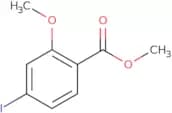
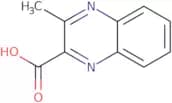
CAS :4-Iodo-2-methoxybenzoic acid methyl ester is a high quality chemical that can be used as a versatile building block in chemical synthesis. It is a complex compound that has been shown to be an effective reagent for research, which can be used in the synthesis of new complex compounds. 4-Iodo-2-methoxybenzoic acid methyl ester is also useful as an intermediate or reaction component in organic syntheses. This chemical is available for purchase at a CAS number of 148490-97-5.Formule :C9H9IO3Degré de pureté :Min. 95%Couleur et forme :PowderMasse moléculaire :292.07 g/mol3-Methylquinoxaline-2-carboxylic acid
CAS :3-Methylquinoxaline-2-carboxylic acid is a polymerase chain reaction (PCR) reagent that can be used to detect nucleic acids. The detection sensitivity of the lc-ms/ms method is 0.1 pmol, and the matrix effect is negligible. There are no genotoxic effects, while significant cytotoxicity has been observed at concentrations of 10 µg/mL or greater. The monoclonal antibody used for immunodetection reacts with nitrite ion, which can be detected by the 3-methylquinoxaline-2-carboxylic acid assay. This reagent can also be used for sample preparation in DNA sequencing reactions.Formule :C10H8N2O2Degré de pureté :Min. 97 Area-%Couleur et forme :PowderMasse moléculaire :188.18 g/molAc-Asp-Glu-Val-Asp-pNA
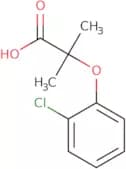
CAS :Ac-Asp-Glu-Val-Asp-pNA is a peptide that is derived from the human tumor necrosis factor (TNF) precursor protein. It has been shown to inhibit the growth of tumor cells in vitro by inducing apoptosis. Ac-Asp-Glu-Val-Asp-pNA binds to and activates caspase 3, which leads to cleavage of the proapoptotic protein Bid into Bax and Bak, leading to mitochondrial membrane potential collapse and cell death. The peptide also inhibits DNA synthesis in HL60 cells and hemocytes. Ac-Asp-Glu-Val-Asp-pNA also inhibits proliferation of K562 cells through proteolytic degradation of the antiapoptotic protein Bcl2L11.Formule :C26H34N6O13Degré de pureté :Min. 95%Couleur et forme :PowderMasse moléculaire :638.58 g/mol2-(2-Chlorophenoxy)-2-methylpropanoic acid
CAS :2-(2-Chlorophenoxy)-2-methylpropanoic acid is a plant hormone that is involved in the mediation of plant responses to various biotic and abiotic stressors. It is synthesized from salicylic acid by the enzyme phenylalanine ammonia-lyase and its structure resembles that of hydrogen peroxide. Its linear growth-promoting activity is mediated by the formation of 2,4-dichlorophenoxyacetic acid, which activates the production of hydrogen peroxide and induces cell expansion. The biosynthesis of this compound has been shown in plants through studies on excised tissues.Formule :C10H11ClO3Degré de pureté :Min. 95%Couleur et forme :PowderMasse moléculaire :214.65 g/mol1-(1-(3-Methoxyphenyl)cyclohexyl)piperidine
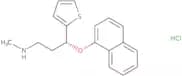
CAS :Produit contrôlé<p>1-(1-(3-Methoxyphenyl)cyclohexyl)piperidine is an analog of fentanyl that has been shown to be a potent analgesic. It binds to the μ-opioid receptor in the central nervous system and inhibits the reuptake of neurotransmitters, such as serotonin, norepinephrine, and dopamine. This drug has also been found to cause hypotension by inhibiting noradrenaline release from sympathetic nerve terminals. 1-(1-(3-Methoxyphenyl)cyclohexyl)piperidine may also have clinical relevance for treating drug addiction because it has a high affinity for binding ligands that are involved in this process. The sample preparation for 1-(1-(3-Methoxyphenyl)cyclohexyl)piperidine is not required because it can be measured directly in the urine.</p>Formule :C18H27NODegré de pureté :Min. 95%Couleur et forme :White To Off-White SolidMasse moléculaire :273.41 g/mol(R)-N-Methyl-3-(1-naphthoxy)-3-(2-thienyl)propylamine hydrochloride
CAS :Produit contrôlé(R)-N-Methyl-3-(1-naphthoxy)-3-(2-thienyl)propylamine hydrochloride is a nonsteroidal anti-inflammatory drug that has been shown to be effective for the treatment of osteoarthritis, rheumatoid arthritis, ankylosing spondylitis, and chronic low back pain. This drug can also be used for other inflammatory conditions such as psoriasis and Crohn's disease. The mechanism of action of (R)-N-Methyl-3-(1-naphthoxy)-3-(2-thienyl)propylamine hydrochloride is not fully understood. It may work by blocking the synthesis of prostaglandins in the body. This drug is metabolized in the liver to its active form, which binds to cyclooxygenase 1 and 2 enzymes to inhibit the production of prostaglandins. It also inhibits human serum x-rayFormule :C18H19NOS•HClDegré de pureté :Min. 95%Couleur et forme :White To Off-White SolidMasse moléculaire :333.88 g/mol5-Fluoro-3-methylindole
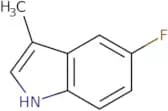
CAS :5-Fluoro-3-methylindole is a reactive compound that is not soluble in water. It has a molecular weight of 288.5 and an ionization potential of 7.8 eV. 5-Fluoro-3-methylindole can act as a potent antagonist by binding to the pharmacophore, which is the three hydrogen bonding sites on the benzodiazepine receptor. This drug has been shown to be reactive with halides, nitro, and magnesium, as well as with some endogenous compounds such as nitroarenes and amides. 5-Fluoro-3-methylindole also reacts with fluorescence ligands and transfer agents.Formule :C9H8FNDegré de pureté :Min. 95%Masse moléculaire :149.16 g/molH-Phe-Pro-OH
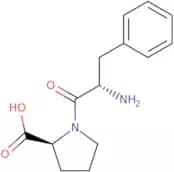
CAS :<p>H-Phe-Pro-OH is a cyclic peptide that is a structural mimic of the natural amino acid gamma-aminobutyric acid (GABA) and has been shown to be an effective inhibitor of the p450 enzymes responsible for carcinogen activation. The peptide binds to response elements in DNA and RNA, which prevents transcription of genes that are involved in cancer development. H-Phe-Pro-OH also inhibits collagen production and has hemolytic activity due to hydrogen bonding with erythrocytes. This peptide can be used as an antimicrobial agent against Gram negative bacteria, including Pseudomonas aeruginosa, Klebsiella pneumoniae, Escherichia coli, and Salmonella typhimurium. In addition, it has been shown to inhibit the growth of Gram positive bacteria such as Staphylococcus aureus and Clostridium perfringens. The mechanism by which this compound inhibits bacterial growth is</p>Formule :C14H18N2O3Degré de pureté :Min. 95%Couleur et forme :PowderMasse moléculaire :262.3 g/mol(3-(2,6-dichlorophenyl)-5-methylisoxazol-4-yl)-N-(2,5-dimethoxyphenyl)formamide
CAS :<p>Please enquire for more information about (3-(2,6-dichlorophenyl)-5-methylisoxazol-4-yl)-N-(2,5-dimethoxyphenyl)formamide including the price, delivery time and more detailed product information at the technical inquiry form on this page</p>Degré de pureté :Min. 95%1-Palmitoyl-2-oleoyl-rac-glycerol
CAS :<p>1-Palmitoyl-2-oleoyl-rac-glycerol is a fatty acid that is made in the mitochondria and is an intermediate in the production of diacylglycerol. It has been shown to have a linear response with cellular protein levels, and it has been shown to be involved in the genetic mechanisms of cells. 1-Palmitoyl-2-oleoyl-rac-glycerol has been found to have a number of protein targets, including phosphatidylinositide 3 kinase, PKC, and Akt. This molecule also has been used as an analytical method for measuring fatty acids in tissue samples and has been shown to alter enzyme levels, such as those found in prostaglandin synthase 2. 1-Palmitoyl-2-oleoyl-rac-glycerol can be synthesized by laser ablation or chromatographic science methods.</p>Formule :C37H70O5Degré de pureté :Min. 95%Couleur et forme :Solidified MassMasse moléculaire :594.95 g/molD-His(Bzl)-OH
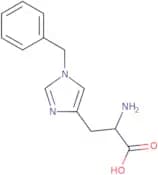
CAS :<p>D-His(Bzl)-OH is a chromatographic ligand that has been used in the preparation of recombinant proteins and vaccines. D-His(Bzl)-OH is an amphipathic molecule with a hydrophilic head group and hydrophobic tail group. It has been shown to be an effective inhibitor of papillomavirus, as well as other viruses such as HIV, herpes simplex virus, poliovirus, and vesicular stomatitis virus. D-His(Bzl)-OH has also been shown to induce antibody production in micelles when conjugated to antigens. The binding of D-His(Bzl)-OH to the viral envelope protein can be increased by increasing pH or by adding ammonium sulfate or chloride ions. Increasing the flow rate during chromatography will also increase the progressions of D-His(Bzl)-OH through the column.</p>Formule :C13H15N3O2Degré de pureté :Min. 95%Couleur et forme :White PowderMasse moléculaire :245.28 g/molL-Glutathione, reduced
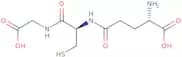
CAS :<p>Glutathione is a tripeptide cysteine-glycine-glutamic acid which exists in cells in the reduced form (this product) or oxidised form. Reduced glutathione (GSH) is an antioxidant protecting cell components from endogenous and exogeneous reactive oxygen and nitrogen species. Reduced glutathione has also been intensely used in the affinity purification of proteins with glutathione S-transferase (GST) tag. In the protein purification process, glutathione is used for the elution of GST-fused recombinant proteins from a glutathione-immobilised resins. In the elution buffers, reduced glutathione is typically used in the 10 â 40 mM concentration range.</p>Formule :C10H17N3O6SDegré de pureté :Min. 98 Area-%Couleur et forme :White PowderMasse moléculaire :307.32 g/mol2-Fluoro-3-methylbenzaldehyde
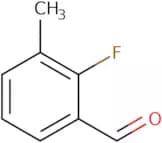
CAS :2-Fluoro-3-methylbenzaldehyde is a chemical that can be used in the synthesis of other chemicals, such as pharmaceuticals. It is a versatile building block that can be used in the synthesis of complex compounds and scaffolds. The compound has been shown to react with amines to form ureas.Formule :C8H7FODegré de pureté :80%Masse moléculaire :138.14 g/molL-Histidine methyl ester dihydrochloride
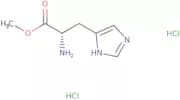
CAS :L-Histidine methyl ester dihydrochloride is a β-amino acid with the chemical formula HNCH2CH(CH3)CO2H. It has the functional group of an isopropyl group and a chloride ion. L-Histidine methyl ester dihydrochloride has been shown to bind to receptors in the central nervous system that are involved in pain perception. As a result, it can be used for the treatment of neuropathic pain, chronic pain, and cancer pain. This drug also inhibits nitric oxide production by binding to iron ions or copper ions. L-Histidine methyl ester dihydrochloride has been shown to have antiinflammatory effects as well as antioxidant properties.Formule :C7H11N3O2•(HCl)2Degré de pureté :Min. 95%Couleur et forme :PowderMasse moléculaire :242.1 g/mol3-(Boc-amino)propyl bromide
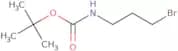
CAS :3-(Boc-amino)propyl bromide is an antimicrobial agent that has been shown to be a potent inhibitor of cancer cell growth in vitro. The mechanism of action of 3-(Boc-amino)propyl bromide is not yet known, but it may be due to its ability to inhibit the uptake of radiotracers by mda-mb-231 cells. 3-(Boc-amino)propyl bromide has also been shown to have a high affinity for proteins and is able to hydrogen bond with them. This property may explain the high salt requirement for its solubility, as well as its toxicity towards bacteria and other microorganisms.Formule :C8H16BrNO2Degré de pureté :Min. 95 Area-%Couleur et forme :Colorless PowderMasse moléculaire :238.12 g/mol6-Methylmercaptopurine
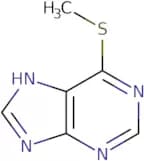
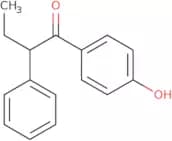
CAS :6-Methylmercaptopurine is an important metabolite of 6-methylmercaptopurine, which is a vital component of the nucleotide synthesis pathway. It is used in analytical methods to determine levels of nucleotides, as well as in biological studies for its effect on autoimmune diseases. 6-Methylmercaptopurine can inhibit replication by inhibiting the methyltransferase enzyme.Formule :C6H6N4SDegré de pureté :Min. 95%Couleur et forme :Off-White Yellow PowderMasse moléculaire :166.2 g/mol1-(4-Hydroxyphenyl)-2-phenyl-1-butanone
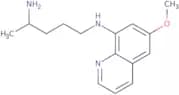
CAS :1-(4-Hydroxyphenyl)-2-phenyl-1-butanone is a versatile building block that is used in the synthesis of many complex compounds. It has been used as a reagent or speciality chemical and can be used to synthesize a wide range of organic compounds. The compound also exhibits high quality and can be used as an intermediate in the synthesis of pharmaceuticals, herbicides, pesticides, and other research chemicals. 1-(4-Hydroxyphenyl)-2-phenyl-1-butanone is also a useful scaffold for the synthesis of natural products such as alkaloids, terpenes, and other research chemicals.Formule :C16H16O2Degré de pureté :Min. 95%Couleur et forme :Off-White PowderMasse moléculaire :240.3 g/molN1-(6-Methoxy-8-quinolinyl)-1,4-pentanediamine
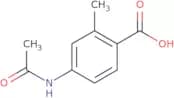
CAS :Impurity found in Primaquine diphosphateFormule :C15H21N3ODegré de pureté :Min. 95%Couleur et forme :Yellow PowderMasse moléculaire :259.35 g/mol4-Acetamido-2-methylbenzoic acid
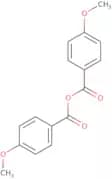
CAS :4-Acetamido-2-methylbenzoic acid is a chemical that can be used as a building block in the production of other chemicals, such as pharmaceuticals and pesticides. It has been shown to be useful in research for its ability to serve as a reagent, intermediate, or scaffold for synthesizing more complex compounds. 4-Acetamido-2-methylbenzoic acid is also known by CAS No. 103204-69-9.Formule :C10H11NO3Degré de pureté :Min. 95%Couleur et forme :PowderMasse moléculaire :193.2 g/mol4-Methoxybenzoic anhydride
CAS :<p>4-Methoxybenzoic anhydride is a nonsteroidal anti-inflammatory drug (NSAID) that has a hydroxy group, which makes it susceptible to nucleophilic attack. The reaction mechanism of 4-methoxybenzoic anhydride involves hydroxyl group and phosphorus pentachloride. Kinetic data for the reaction was obtained from kinetic studies. The kinetic study found that the rate of the reaction increased with increasing concentration of amines and amides in the reaction mixture. 4-Methoxybenzoic anhydride has been shown to have antiinflammatory activity in various tests on animals, including rats, guinea pigs, and rabbits. The mechanism of this activity may be due to its ability to inhibit prostaglandin synthesis by blocking cyclooxygenase enzyme activity.</p>Formule :C16H14O5Degré de pureté :Min. 95%Couleur et forme :PowderMasse moléculaire :286.28 g/mol1-[4-Methyl-6-(trifluoromethyl)pyrimidin-2-yl]piperidine-3-carboxylic acid
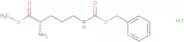
CAS :1-[4-Methyl-6-(trifluoromethyl)pyrimidin-2-yl]piperidine-3-carboxylic acid is a reagent that is used as a complex compound, as a useful intermediate, and as a fine chemical. It has been used in the manufacture of pharmaceuticals, agrochemicals, dyes, and pigments. It also has many applications in research such as its use as a building block for organic synthesis or to synthesize other compounds with potential uses in medicine.Formule :C12H14F3N3O2Degré de pureté :Min. 95%Couleur et forme :PowderMasse moléculaire :289.25 g/molNd-Z-L-ornithine methyl ester hydrochloride
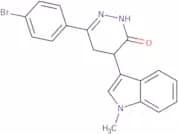
CAS :<p>Please enquire for more information about Nd-Z-L-ornithine methyl ester hydrochloride including the price, delivery time and more detailed product information at the technical inquiry form on this page</p>Formule :C14H20N2O4·HClDegré de pureté :Min. 95%Couleur et forme :PowderMasse moléculaire :316.78 g/mol3-(4-bromophenyl)-5-(1-methylindol-3-yl)-1H,4H,5H-1,2-diazin-6-one
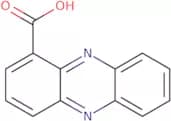
CAS :Please enquire for more information about 3-(4-bromophenyl)-5-(1-methylindol-3-yl)-1H,4H,5H-1,2-diazin-6-one including the price, delivery time and more detailed product information at the technical inquiry form on this pageDegré de pureté :Min. 95%1-Phenazinecarboxylic acid
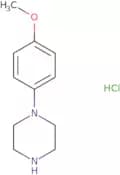
CAS :1-Phenazinecarboxylic acid (PCA) is a cyclic lipopeptide which has shown to have anti-fungal properties in vitro. It inhibits the synthesis of ergosterol, a major component of fungal cell membranes, by inhibiting the enzyme lanosterol 14α-demethylase. PCA was found to inhibit the growth of Candida albicans and Saccharomyces cerevisiae cells in vitro and showed no toxicity to mammalian cells. The optimal concentration for PCA is 1μM and it can be used as an antifungal agent. This chemical can be used as a model system for studying mitochondrial membrane potential. Preparative high performance liquid chromatography (HPLC) methods have been developed for the separation of PCA from other compounds that may interfere with its activity. Wild-type strains were used in this study, but it is not clear if these strains are resistant to PCA or not.Formule :C13H8N2O2Degré de pureté :Area-% Min. 95 Area-%Couleur et forme :Yellow PowderMasse moléculaire :224.21 g/mol1-(4-Methoxyphenyl)piperazine hydrochloride
CAS :Produit contrôlé1-(4-Methoxyphenyl)piperazine hydrochloride is a high-potency inhibitor of the K+ channels. It has been shown to inhibit the activity of these channels in lead compound screening and optimization. The modification of potassium channels by 1-(4-Methoxyphenyl)piperazine hydrochloride has been evaluated using a patch clamp technique on rat erythrocytes. This inhibitory activity was found to be concentration dependent and voltage sensitive. 1-(4-Methoxyphenyl)piperazine hydrochloride was also shown to have pharmacological effects, such as analgesia, sedation and muscle relaxation.Formule :C11H16N2O•HClDegré de pureté :Min. 95%Masse moléculaire :228.72 g/molL-b-Phenyllactic acid
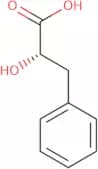
CAS :L-b-Phenyllactic acid is a monocarboxylic acid that is found in urine. It has an inhibitory effect on the binding of certain inhibitors, such as fatty acids and malic acid, to their receptors. L-b-Phenyllactic acid also inhibits the binding of some drugs, such as L-DOPA, to their receptors. This inhibition may be due to hydrogen bonding or receptor binding interactions with specific amino acids in the receptor protein. L-b-Phenyllactic acid has been shown to have cytotoxic effects on leukemia cells and is used for animal experiments.Formule :C9H10O3Degré de pureté :Min. 95%Couleur et forme :PowderMasse moléculaire :166.17 g/mol2-Amino-3-methylpyridine
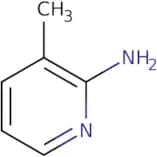
CAS :<p>2-Amino-3-methylpyridine is a colorless crystalline compound. It has the molecular formula of CHN and a molecular weight of 115.2 g/mol. 2-Amino-3-methylpyridine has an asymmetric carbon atom, so it is chiral and can be found in two different forms, enantiomers. The intermolecular hydrogen bond between nitrogen atoms is responsible for the high melting point of -40°C. The coordination geometry of group P2 is pyramidal with the nitrogen atom at the apex and two hydrogen atoms bonded to each other on either side of the nitrogen atom at 120° angles. X ray crystal structures have shown that 2-amino-3-methylpyridine exists as a molecule with an acylation reaction mechanism and intramolecular hydrogen bonding. Methanol solvent was used in this study to dissolve 2 amino 3 methyl pyridine because it does not react with copper chloride</p>Formule :C6H8N2Degré de pureté :Min. 98 Area-%Couleur et forme :Solidified MassMasse moléculaire :108.14 g/mol1-Methyl-1,4-dihydronicotinamide
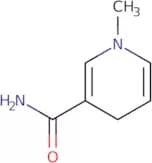
CAS :1-Methyl-1,4-dihydronicotinamide (1MDNA) is a flavine adenine dinucleotide analog that has been shown to be a potent inhibitor of the enzyme catalase. 1MDNA binds to the active site of the enzyme and prevents hydrogen peroxide from being converted into water and oxygen. This inhibition slows down or stops the reaction, which leads to reduced production of reactive oxygen species. 1MDNA inhibits other enzymes in a similar manner, including transferases and kinases. The kinetic properties of 1MDNA have been studied by performing kinetic studies on model systems at different temperatures. X-ray crystal structures have also been obtained for 1MDNA bound to catalase and ferredoxin.Formule :C7H10N2ODegré de pureté :Min. 95%Couleur et forme :PowderMasse moléculaire :138.17 g/molL-Glutamine
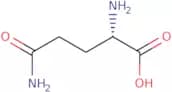
CAS :<p>L-Glutamine is an amino acid that is important for protein synthesis and the maintenance of muscle mass. It is also a precursor for other compounds, such as nucleotides and glutathione, which are required for maintaining cell viability. L-Glutamine may be used to treat bowel diseases, such as Crohn's disease, by improving the function of the intestines and reducing intestinal permeability. It has been shown to decrease levels of oxidative injury in cells by acting as an antioxidant. L-Glutamine may also be used to help prevent or treat infectious diseases by increasing the activity of transcription activators that protect cells from oxidative injury. L-Glutamine can be administered intravenously or orally and can be used as a biocompatible polymer carrier for drugs that are difficult to administer due to their poor water solubility.</p>Formule :C5H10N2O3Degré de pureté :Min. 95%Couleur et forme :White PowderMasse moléculaire :146.14 g/mol2-Methoxypropyl acetate
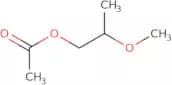
CAS :2-Methoxypropyl acetate is a cross-linking agent that is used in water treatment. It is used as an additive to deionized water and can be found in high concentrations in wastewater. 2-Methoxypropyl acetate reacts with xylene to produce light emission, which makes it suitable for use as a chemical marker. The optimum dose of 2-methoxypropyl acetate ranges from 0.025% to 0.2%. 2-Methoxypropyl acetate has been shown to be toxic when injected into rats at doses of 100 mg/kg body weight, but not at doses of 25 mg/kg body weight or less. This compound was also shown to cause protrusion and necrosis of the nasal septum in rats after administration at doses of 500 mg/kg body weight.Formule :C6H12O3Degré de pureté :Min. 95%Couleur et forme :Colourless LiquidMasse moléculaire :132.16 g/molL-Ornithine hydrochloride
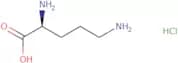
CAS :Ornithine is an amino acid that is a precursor for the synthesis of arginine, creatine, and polyamines. It can be found in a variety of protein-rich foods or can be synthesized from glutamate by the enzyme ornithine transcarbamylase. Ornithine HCl is used as an additive to animal feed to promote growth and improve feed conversion rates. This compound has been shown to increase nitrogen retention and utilization in cattle, which may be due to its ability to inhibit GABA degradation or its ability to stimulate endogenous arginine production. Ornithine HCl also enhances the activity of dietary fatty acids, which may be due to its ability to increase intracellular levels of citric acid cycle intermediates such as succinic acid.Formule :C5H12N2O2•HClDegré de pureté :Min. 95%Couleur et forme :PowderMasse moléculaire :168.62 g/mol(Des-Gly10,D-Tyr5,D-Trp6,Pro-NHEt 9)-LHRH trifluoroacetate salt
CAS :<p>Please enquire for more information about (Des-Gly10,D-Tyr5,D-Trp6,Pro-NHEt 9)-LHRH trifluoroacetate salt including the price, delivery time and more detailed product information at the technical inquiry form on this page</p>Formule :C64H83N17O12Degré de pureté :Min. 95%Couleur et forme :PowderMasse moléculaire :1,282.45 g/mol1-Methyl-1H-indole-2,3-dione
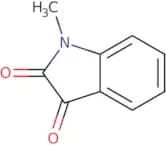
CAS :<p>1-Methyl-1H-indole-2,3-dione is a chemical compound that belongs to the class of indole derivatives. It can be synthesized by reacting 2,3-dihydroxybenzaldehyde with 2,2'-azobis(2-amidinopropane) dihydrochloride and methyl iodide in the presence of copper (II) acetate. This reaction mechanism is similar to that of other reactions involving an intramolecular hydrogen transfer. The binding constants for 1-methyl-1H-indole-2,3-dione are very high and this compound has been shown to inhibit herpes simplex virus replication in vitro. 1MIDD binds to the active site of tryptophan fluorescence and synchronous fluorescence proteins. 1MIDD also binds to copper ions in a coordination geometry that is similar to that found for other compounds containing a carbonyl group.</p>Formule :C9H7NO2Degré de pureté :Min. 95%Couleur et forme :PowderMasse moléculaire :161.16 g/mol





![1-[4-Methyl-6-(trifluoromethyl)pyrimidin-2-yl]piperidine-3-carboxylic acid](/_next/image/?url=https%3A%2Fstatic.cymitquimica.com%2Fproducts%2F3D%2Fthumb-webp%2FFM129640.webp&w=3840&q=75)