Acides aminés (AA)
Sous-catégories appartenant à la catégorie "Acides aminés (AA)"
- Dérivés d'acides aminés(4.017 produits)
- Acide aminé et composés apparentés aux acides aminés(3.490 produits)
- Acides aminés avec de l'oxygène ou du soufre(168 produits)
- Boc- Acides aminés(351 produits)
- Acides aminés avec groupes protecteurs(1.710 produits)
38384 produits trouvés pour "Acides aminés (AA)"
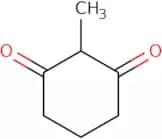
2-Methyl-1,3-cyclohexanedione
CAS :2-Methyl-1,3-cyclohexanedione is an organic compound that has been used in the synthesis of a variety of drugs. The functional theory for this type of reaction is based on the conformational properties and steric interactions of the reactants. This compound can react with alkyl halides to form ethers or esters by using a lipase or boronic ester as a catalyst. 2-Methyl-1,3-cyclohexanedione has also been used in asymmetric syntheses and radiation damage studies. It is stable under acidic conditions and its carbonyl group can be replaced with a supercritical carbon dioxide group to make it more chemically stable.Formule :C7H10O2Degré de pureté :Min. 98%Couleur et forme :PowderMasse moléculaire :126.15 g/mol4-Borono-L-phenylalanine
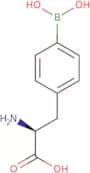
CAS :4-Borono-L-phenylalanine is a boron-containing compound that has been used to study the biological effects of radiation. 4-Borono-L-phenylalanine is an analytical tool for measuring neutron scattering and other physical properties. It has also been used as a biochemical probe in studies of DNA duplexes. 4-Borono-L-phenylalanine is toxic to cells, inhibiting protein synthesis, and it can induce apoptosis in tumor cells. In experimental models, 4-borono-L phenylalanine can be administered orally or intravenously and has shown acute toxicity in animals at doses of up to 1000 mg/kg body weight.
Formule :C9H12BNO4Degré de pureté :Min. 95%Couleur et forme :White PowderMasse moléculaire :209.01 g/mol2-((4-Methylphenyl)sulfonyl)ethanamide
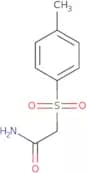
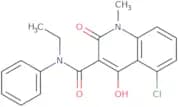
CAS :2-((4-Methylphenyl)sulfonyl)ethanamide is an amide that has been shown to have antibacterial activity. It binds to the DNA of bacteria, inhibiting its replication and transcription. This drug also inhibits the growth of influenza virus in cell culture. 2-((4-Methylphenyl)sulfonyl)ethanamide is a sensor for chloride ions, which may be used as treatments for bacterial infections. This drug is also able to inhibit the replication of bacteria that are resistant to other antibiotics, such as penicillin. The unsaturated alkyl group on this molecule allows it to be activated by radiation treatment, which may be useful in the treatment of cancer cells or viral infections.Formule :C9H11NO3SDegré de pureté :Min. 95%Couleur et forme :PowderMasse moléculaire :213.25 g/mol5-Chloro-4-hydroxy-1-methyl-2-oxo-1,2-dihydro-quinoline-3-carboxylic acid ethyl-phenyl-amide
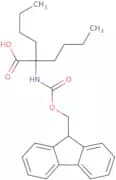
CAS :Laquinimod is an immunomodulator drug that inhibits the activity of the immune system. It binds to toll-like receptor 7, which is a protein on the surface of certain cells that responds to infection and inflammation. Laquinimod has been shown to inhibit neurodegeneration in vitro, which may be due to its ability to bind with neuronal death receptors and block the inflammatory response. Laquinimod also inhibits bowel disease by reducing inflammation and controlling immunity in the intestinal tract. Laquinimod has been shown to have long-term efficacy when administered at physiological levels. This drug is chemically stable, even after exposure to light.Formule :C19H17ClN2O3Degré de pureté :Min. 95%Couleur et forme :White PowderMasse moléculaire :356.8 g/molFmoc-di-n-butylglycine
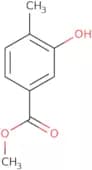
CAS :Fmoc-di-n-butylglycine is a c1-8 alkyl that has been shown to have an antiinflammatory effect. It inhibits the phosphodiesterase enzyme, which is responsible for the degradation of cyclic adenosine monophosphate (cAMP), which increases levels of this molecule. This leads to increased activation of protein kinase A and protein kinase C, which are important in inflammatory pathways. Fmoc-di-n-butylglycine binds to the sodium channel, preventing it from opening and closing, thus inhibiting transmission of electrical signals. This drug has also been shown to inhibit potassium channels and hydrogen sulfate production by bacteria. Fmoc-di-n-butylglycine can be used as a model for the study of other drugs that act on sodium channels.Formule :C25H31NO4Degré de pureté :Min. 95%Couleur et forme :SolidMasse moléculaire :409.52 g/molMethyl 3-hydroxy-4-methylbenzoate
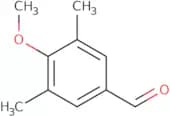
CAS :Methyl 3-hydroxy-4-methylbenzoate (HMBA) is a metabolite of the anti-cancer drug methotrexate. HMBA has shown an inhibitory effect on acid phosphatase and on the growth of cancer cells. It also has an anti-inflammatory effect, which may be due to its ability to inhibit enzyme extracts from inflammatory diseases such as arthritis or asthma. HMBA has been shown to have a pharmacokinetic profile in vivo, which has been demonstrated by using SW620 cells. This compound is also able to cross the blood brain barrier and accumulate in cancerous tumors.Formule :C9H10O3Degré de pureté :Min. 95%Couleur et forme :PowderMasse moléculaire :166.17 g/mol3,5-Dimethyl-4-methoxybenzaldehyde
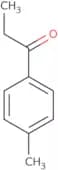
CAS :3,5-Dimethyl-4-methoxybenzaldehyde is a high quality, versatile chemical that can be used as an intermediate to synthesize other fine chemicals. The compound can be reacted with various reagents to produce complex compounds. 3,5-Dimethyl-4-methoxybenzaldehyde can also be used as a building block to synthesize other useful compounds. This chemical has been shown to be a useful scaffold for the production of new compounds and has been used as a reaction component in research and development.Formule :C10H12O2Degré de pureté :Min. 95%Couleur et forme :PowderMasse moléculaire :164.2 g/mol4'-Methylpropiophenone
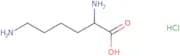
CAS :Produit contrôlé4'-Methylpropiophenone is a molecule that is used in pharmaceutical preparations. It has been shown to have a high affinity for the extracellular site of NMDA receptors and is an effective inhibitor of the ion channel. 4'-Methylpropiophenone also inhibits the activity of the enzyme acetylcholinesterase, which leads to increased levels of acetylcholine in the synaptic cleft. This results in increased neurotransmission and has been shown to be effective in vitro. The reaction solution can be prepared by reacting piperidine hydrochloride with propiophenone.Formule :C10H12ODegré de pureté :Min. 95%Couleur et forme :Colorless Clear LiquidMasse moléculaire :148.2 g/molPoly-L-lysine hydrochloride, MW 10000 - 30000
CAS :Poly-L-lysine hydrochloride, MW20000 is a water soluble polymer with an average molecular weight of 20000 Da. It is used in the synthesis of peptides and proteins due to its high purity, high quality, and low cost. Poly-L-lysine hydrochloride, MW20000 has been shown to bind to a wide range of surfaces such as glass, plastic, silicon dioxide, and stainless steel. This makes it useful for surface modification. Poly-L-lysine hydrochloride can be used as a scaffold for chemical reactions or as an intermediate in the synthesis of complex compounds.
Couleur et forme :PowderDeamino-histidine
CAS :Deamino-histidine (DAH) is a diagnostic marker that can be used to measure the disease activity of inflammatory bowel disease. It is also a marker for tissue damage, as it accumulates in mammalian tissues during inflammation or necrosis. DAH is formed by the hydrolysis of histidine catalyzed by bacterial enzyme arginase, and it can be detected in blood plasma and urine samples. The concentration of DAH correlates with the degree of intestinal inflammation and has been found to be elevated in patients with Crohn's disease or ulcerative colitis.Formule :C6H8N2O2Degré de pureté :Min. 95%Couleur et forme :PowderMasse moléculaire :140.14 g/mol(R)-N-Boc-2-Hydroxymethylmorpholine
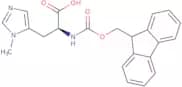
CAS :(R)-N-Boc-2-Hydroxymethylmorpholine is an enantioselective synthesis of a drug. It is used in the reductive amination of aldehydes with ammonia, which has been shown to be operationally enantioselective. (R)-N-Boc-2-Hydroxymethylmorpholine undergoes an intramolecular reaction that results in the formation of an azido group. This asymmetric reaction is catalyzed by palladium, and the product can be used for the reductive amination of aldehydes with ammonia.Formule :C10H19NO4Degré de pureté :Min. 95%Couleur et forme :White PowderMasse moléculaire :217.26 g/molFmoc-His(3-Me)-OH
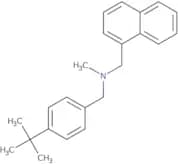
CAS :Fmoc-His(3-Me)-OH is a synthetic amino acid that is used in the synthesis of peptides. It is potent inhibitor of L-type calcium channels, which are involved in the regulation of muscle contraction and vasoconstriction. Fmoc-His(3-Me)-OH has been shown to be effective at inhibiting L-type calcium channels in rat skeletal muscle.Formule :C22H21N3O4Degré de pureté :Min. 95%Couleur et forme :PowderMasse moléculaire :391.42 g/molButenafine
CAS :Butenafine hydrochloride is a mycological agent that is used to treat tinea. It has been shown to have an antifungal activity in vitro against wild-type strains of c. glabrata. Butenafine hydrochloride inhibits the synthesis of ergosterol, which is a vital component of fungal cell membranes, by blocking the conversion of squalene to lanosterol through inhibition of 14alpha-demethylase. It also has antimicrobial properties, which may be due to its ability to inhibit bacterial growth.Formule :C23H27NDegré de pureté :Min. 95%Masse moléculaire :317.47 g/molH-Lys-Asp-OH
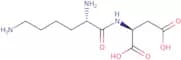
CAS :H-Lys-Asp-OH is a molecule that binds to the receptor binding molecule for the colony stimulating factor. It has been shown to be effective in protecting against experimental models of hepatic steatosis and monoclonal antibody induced liver injury. The therapeutic potential of H-Lys-Asp-OH is being investigated as a treatment for human hepatic steatosis, which is a condition characterized by high levels of fat in the liver. This drug also has pharmacokinetic properties that are important in its use as an experimental model for studying the effects of antibiotics on bacterial DNA synthesis, and as a diagnostic tool for detecting antibiotic resistant bacteria.Formule :C10H19N3O5Degré de pureté :Min. 95%Couleur et forme :White PowderMasse moléculaire :261.28 g/molFmoc-Gly-Gly-OH
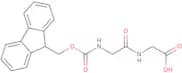
CAS :Fmoc-Gly-Gly-OH is an Fmoc protected glycine derivative used in proteomics studies and in solid phase peptide synthesis. In the synthesis of antibody-drug conjugates (ADC), Fmoc-Gly-Gly-OH acts as a cleavable ADC linker. The protected head of Fmoc-Gly-Gly-OH allows expanding the chain of the peptide to produce polypeptides.Formule :C19H18N2O5Degré de pureté :Min. 97 Area-%Couleur et forme :PowderMasse moléculaire :354.36 g/mol4-Methoxy-3-nitrobenzoic acid
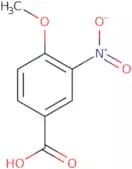
CAS :4-Methoxy-3-nitrobenzoic acid is a hydroxybenzoic acid, and belongs to the group of heterocyclic compounds. It is a preactivated hydroxybenzoate that can be used in the synthesis of griseoluteic acid with chloride as an electron donor. Griseoluteic acid has inhibitory activities on isolated yield. This compound also has potent antitumor activity, which may be due to its ability to inhibit DNA synthesis and protein synthesis by binding to DNA polymerase and ribosomes respectively. Preparative high performance liquid chromatography (HPLC) using this compound is possible with marine microorganisms as the stationary phase. The x-ray absorption spectrum shows that 4-methoxy-3-nitrobenzoic acid has potential for use as a contrast agent for x-rays in imaging tissues.
Formule :C8H7NO5Degré de pureté :Min. 98 Area-%Couleur et forme :PowderMasse moléculaire :197.14 g/molN-alpha-Tosyl-L-arginine methyl ester hydrochloride
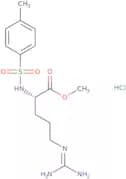
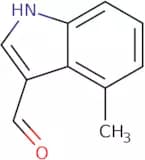
CAS :N-alpha-Tosyl-L-arginine methyl ester hydrochloride is a potent inhibitor of the serine protease leishmania. It inhibits the enzyme by binding to its active site and interfering with the enzymatic reaction. This drug has been shown to be effective in treating bladder infections caused by leishmania, although it can cause a decrease in responsiveness in an animal model. N-alpha-Tosyl-L-arginine methyl ester hydrochloride also has anti-HIV activities, which may be due to its ability to inhibit HIV replication. The drug is most likely absorbed through the apical surface of the bladder epithelium and then diffuses into the extracellular space, where it inhibits key enzymes involved in viral replication.Formule :C14H22N4O4S·HClDegré de pureté :Min. 95%Couleur et forme :White Off-White PowderMasse moléculaire :378.88 g/mol4-Methylindole-3-carboxaldehyde
CAS :4-Methylindole-3-carboxaldehyde is a lipophilic extract that inhibits the growth of fungi. It has been shown to be effective against phytopathogenic fungi, and it has been used as an antibiotic in the treatment of bacterial infections. 4-Methylindole-3-carboxaldehyde is an analog of streptochlorin, which inhibits protein synthesis by binding to the ribosome. This leads to cell death by inhibiting the production of proteins vital for cell division. 4-Methylindole-3-carboxaldehyde also has antifungal activity against Candida albicans and Trichophyton mentagrophytes.Formule :C10H9NODegré de pureté :Min. 95%Masse moléculaire :159.18 g/molCopper glycine
CAS :Copper glycine is a complex enzyme that contains molybdenum, nitrogen and fatty acid. It is a metal chelate that binds to copper ions and prevents the oxidation of fatty acids. The complex has been shown to inhibit the activity of many different enzymes, including those from group P2 (e.g., pyruvate formate lyase) and nutrient solutions. Copper glycine has also been implicated in antimicrobial peptide synthesis.Formule :C4H8N2O4CuDegré de pureté :Min. 95%Couleur et forme :PowderMasse moléculaire :211.66 g/molN-alpha-Benzoyl-L-arginine amide hydrochloride
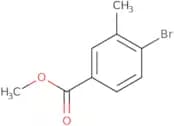
CAS :N-alpha-Benzoyl-L-arginine amide hydrochloride (BA) is a synthetic, noncompetitive inhibitor of phosphodiesterase. It has been shown to inhibit protease activity in vitro and rhizosphere enzyme activities in vivo. BA also inhibits the formation of hippuric acid from benzoic acid, which is a reaction catalyzed by the enzyme phosphatase. The kinetics of this inhibition have been studied using a number of different substrates and enzymes. BA binds to the catalytic site on the enzyme, sterically hindering binding of the substrate and preventing hydrolysis.Formule :C13H19N5O2·HClDegré de pureté :Min. 95%Couleur et forme :PowderMasse moléculaire :313.78 g/molMethyl 4-bromo-3-methylbenzoate
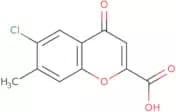
CAS :Methyl 4-bromo-3-methylbenzoate is an aryl boronic acid that has been used in the study of lactams. It has been shown to interact with acidic substances and crystal x-ray diffraction has revealed it to be a carbonyl reductant. Functional theory suggests that this compound is capable of reducing an ester or carboxylic acid using hydrogen gas, forming an alcohol and a carboxylic acid. Methyl 4-bromo-3-methylbenzoate also reacts with maleic anhydride, unsymmetrical dihydroxyacetone, photochromism, and constant light. X-ray crystal structures have revealed the molecule's molecular structure. The methyl group is attached to the 3rd carbon atom on the benzene ring, while the bromine atom is located at the 4th carbon atom on the benzene ring. The carbon atoms are connected through single bonds and there are twoFormule :C9H9BrO2Degré de pureté :Min. 95%Masse moléculaire :229.07 g/mol6-Chloro-7-methylchromone-2-carboxylic acid
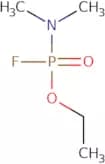
CAS :6-Chloro-7-methylchromone-2-carboxylic acid is a fine chemical that has been used as a versatile building block for the synthesis of complex compounds. It has been shown to be an effective reaction component in the synthesis of 1,4-benzoquinones and N'-acylhydrazones. 6-Chloro-7-methylchromone-2-carboxylic acid is also a useful intermediate in the preparation of other chemicals, such as pharmaceuticals and pesticides. This compound can be used as an additive to improve the quality of high purity reagents.Formule :C11H7ClO4Degré de pureté :Min. 95%Masse moléculaire :238.62 g/molN-(Ethoxy-Fluorophosphoryl)-N-Methylmethanamine
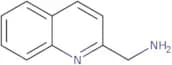
CAS :Produit contrôléEthoxy-Fluorophosphoryl-N-Methylmethanamine is a chemical that belongs to the class of nerve agents. It can be used as an antidote for sarin poisoning. This compound reacts with the enzyme butyrylcholinesterase, which breaks down acetylcholine in the synapses. In this way, it blocks the transmission of nerve impulses and causes muscle paralysis. Ethoxy-Fluorophosphoryl-N-Methylmethanamine acts as an antagonist of acetylcholine receptors in both animals and humans. It also inhibits cholinesterase activity in blood pressure regulation, which leads to increased blood pressure levels. When administered at sublethal doses, this compound induces a long lasting sensitization of the central nervous system to other cholinergic drugs such as atropine or nerve gases such as sarin.Formule :C4H11FNO2PDegré de pureté :Min. 95%Masse moléculaire :155.11 g/molQuinolin-2-yl-methylamine
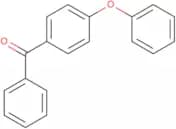
CAS :Quinolin-2-yl-methylamine is an amine that is used in the synthesis of other compounds. It can be prepared by protonation of quinoline with methylamine, followed by crystallization. The yield of this reaction is dependent on the purity of the starting materials and the reaction conditions. This compound has a molecular weight of 169.07 g/mol and a melting point at 217 °C. The infrared spectrum for Quinolin-2-yl-methylamine shows peaks at 2900 cm−1, 1670 cm−1, and 1590 cm−1. It also has x-ray crystallography data (space group P21/c).Formule :C10H10N2Degré de pureté :Min. 96 Area-%Couleur et forme :PowderMasse moléculaire :158.2 g/mol4-Phenoxybenzophenone
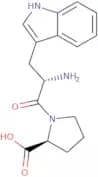
CAS :4-Phenoxybenzophenone is a synthetic product with a sulfonation reaction mechanism. It is synthesized from benzoyl chloride and diphenyl ether in the presence of zirconium. 4-Phenoxybenzophenone has a protonated aromatic ring, which allows for its use as an organic semiconductor. The fluoroaromatic group is also present in this compound, which makes it highly sensitive to ultrafast laser pulses. This product can be used to produce mesoporous silica materials that have been shown to have excellent optical properties. The chloride group is capable of reacting with hydrochloric acid to form chlorine gas and water.Formule :C19H14O2Degré de pureté :Min. 95%Couleur et forme :PowderMasse moléculaire :274.31 g/molH-Trp-Pro-OH
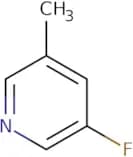
CAS :H-Trp-Pro-OH is an amide that can be used as a model system in the preparation of collagen. It has been shown to inhibit the linker between collagen molecules, which may lead to the formation of proline-rich peptides. H-Trp-Pro-OH has also been found to have anticancer properties, and inhibits cancer cell growth by inhibiting protein synthesis and promoting apoptosis. H-Trp-Pro-OH was found to inhibit cancer cells through a mechanism that is not yet fully understood, but it may involve both competitive inhibition of amino acids and activation of apoptosis through reactive oxygen species.Formule :C16H19N3O3Degré de pureté :Min. 98 Area-%Couleur et forme :PowderMasse moléculaire :301.34 g/mol3-Fluoro-5-methylpyridine
CAS :3-Fluoro-5-methylpyridine is a fine chemical, useful building block and research chemical. It is a versatile building block that can be used as a reaction component or as an intermediate in the synthesis of various other organic compounds. 3-Fluoro-5-methylpyridine is also a reagent for the preparation of pharmaceuticals and agrochemicals. This compound can be used in the synthesis of complex compounds with high quality and purity, such as inorganic salts, metal complexes and organometallic compounds. 3-Fluoro-5-methylpyridine has CAS No. 407-21-6 and has been assigned to category 1B by the European Union's classification system (EU CLP).Formule :C6H6FNDegré de pureté :Min. 95%Masse moléculaire :111.12 g/molα-Methylhydrocinnamic acid
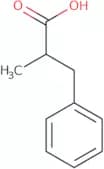
CAS :Alpha-methylhydrocinnamic acid (AMHA) is a synthetic enantiomer of 2-phenylbutyric acid, which has been shown to inhibit the growth of k562 cells. It is also a substrate for fatty acid synthase and may play an important role in fatty acid metabolism. AMHA has been shown to inhibit the production of reactive oxygen species by phagocytic cells exposed to ionizing radiation, which may be due to its ability to scavenge hydroxyl radicals. The effect of AMHA on hematopoietic cells, including neutrophils and bone marrow cells, has not yet been determined.Formule :C10H12O2Degré de pureté :Min. 95%Couleur et forme :White Clear LiquidMasse moléculaire :164.2 g/molNomega-(2,2,4,6,7-Pentamethyldihydrobenzofuran-5-sulfonyl)-L-arginine methyl ester hydrochloride
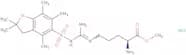
CAS :Nomega-(2,2,4,6,7-Pentamethyldihydrobenzofuran-5-sulfonyl)-L-arginine methyl ester hydrochloride is a versatile building block for the preparation of complex compounds. It is a reagent for research chemicals and speciality chemicals. Nomega-(2,2,4,6,7-Pentamethyldihydrobenzofuran-5-sulfonyl)-L-arginine methyl ester hydrochloride can be used as a high quality and useful intermediate in organic synthesis or as a reaction component in various chemical reactions. This compound has been shown to be useful as a scaffold in the design of new drugs.Formule :C20H32N4O5S·HClDegré de pureté :Min. 95%Couleur et forme :PowderMasse moléculaire :477.02 g/mol5-Methoxyindole-2-carboxylic acid
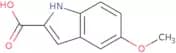
CAS :5-Methoxyindole-2-carboxylic acid is a molecule that belongs to the class of diazonium salts. It is a potent inhibitor of mitochondrial membrane potential and has been shown to have anti-diabetic effects in animal models. 5-Methoxyindole-2-carboxylic acid also inhibits sperm motility, which may be due to its ability to inhibit uv absorption. This compound has been shown to be an effective agent in the treatment of brain infarctions when administered chronically orally. The mechanism of action is not known, but it may involve inhibition of potassium ion uptake or hydrogen bond formation with fatty acids.Formule :C10H9NO3Couleur et forme :PowderMasse moléculaire :191.18 g/mol3-Chloro-L-tyrosine
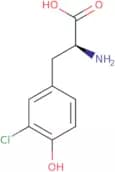
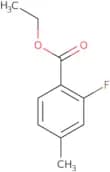
CAS :3-Chloro-L-tyrosine (3CT) is a reactive, nitrogen containing molecule that has been used as a model system to study oxidative injury in the heart. The molecule reacts with the air and oxygen in the environment, producing reactive oxygen species (ROS) that can cause oxidative injury. 3CT has been shown to inhibit ATP binding cassette transporter A1 (ABCA1), which is involved in cholesterol efflux from macrophages. 3CT also promotes the release of eosinophil peroxidase from eosinophils and induces tumor necrosis factor alpha (TNF-α). The analytical method for 3CT includes liquid chromatography-mass spectrometry/mass spectrometry (LC-MS/MS).Formule :C9H10NO3ClDegré de pureté :Min. 95%Couleur et forme :PowderMasse moléculaire :215.63 g/mol2-Fluoro-4-methylbenzoic acid ethyl ester
CAS :2-Fluoro-4-methylbenzoic acid ethyl ester is a versatile building block that is used in the synthesis of complex compounds with a wide variety of biological and chemical properties. This compound has been used as a reagent for research, as well as in the production of pharmaceuticals and other speciality chemicals. It has also been found to be useful in the synthesis of compounds with high quality. 2-Fluoro-4-methylbenzoic acid ethyl ester can be used as an intermediate in reactions, or as a scaffold for further synthesis. The CAS number for this compound is 500579-61-3.
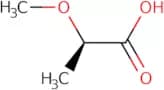
Formule :C10H11FO2Degré de pureté :Min. 95%Couleur et forme :Colourless LiquidMasse moléculaire :182.19 g/mol(R)-(+)-2-Methoxypropionic acid
CAS :(R)-(+)-2-Methoxypropionic acid is a derivatization agent that is used to label branched-chain amino acids. It has been shown to react with l-rhamnose, which is found in glycoproteins and polysaccharides.
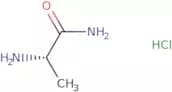
Formule :C4H8O3Degré de pureté :Min. 95%Couleur et forme :Clear Colourless To Pale Yellow LiquidMasse moléculaire :104.1 g/molL-Alaninamide hydrochloride
CAS :L-Alaninamide hydrochloride is a hydrogen bond donor that has been shown to have anti-inflammatory properties. L-Alaninamide hydrochloride is able to crosslink hyaluronic acid, which can act as an immunosuppressant and inhibit the production of proinflammatory cytokines. In addition, L-alaninamide hydrochloride has been found to be effective in the treatment of amyloid protein aggregation diseases such as Alzheimer's disease. The drug binds to amyloid proteins by binding to their receptor site and inhibits the formation of amyloid fibrils by preventing cross-linking reactions between polypeptides. L-alaninamide hydrochloride also inhibits the formation of benzimidazole compounds, which are used in the treatment of rheumatoid arthritis.br>br>
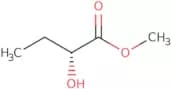
The structure of L-alaninamide hydrochloride is an intramolecular hydrogen bond donor with a carbonyl group. ItFormule :C3H8N2O•HClDegré de pureté :(Titration) Min 98%Couleur et forme :PowderMasse moléculaire :124.57 g/mol(R)-Methyl 2-hydroxybutanoate
CAS :(R)-Methyl 2-hydroxybutanoate is a synthetic chemical that is used in the esterification reaction to produce methyl esters and as an industrial solvent. This chemical can be synthesized by the reaction of (R)-methyl acetoacetate and hydrochloric acid. The technique for this chemical is a two-step process, which includes hydroxylation followed by hydrogenolysis. The yield rate for this chemical is about 98%.Formule :C5H10O3Degré de pureté :Min. 95%Couleur et forme :Clear LiquidMasse moléculaire :118.13 g/molAlafosfalin
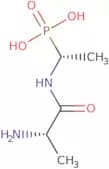
CAS :Antibacterial phosphonopeptide mimic of peptidoglycan dipeptide D-Ala-D-Ala
Formule :C5H13N2O4PDegré de pureté :Min. 98 Area-%Couleur et forme :White PowderMasse moléculaire :196.14 g/mol2-(2-(2-Chloro-3-(2-(1,3 ,3-trimethylindolin-2-ylidene)ethylidene)cyclopent-1-enyl)vinyl)-1,3 ,3-trimethyl-3H-indolium4-methylbenzenesulfonate
CAS :2-(2-(2-Chloro-3-(2-(1,3,3-trimethylindolin-2-ylidene)ethylidene)cyclopent-1-enyl)vinyl)-1,3,3-trimethyl-3H-indolium4-methylbenzenesulfonate is a fine chemical that belongs to the class of indole derivatives. It is a versatile building block for the synthesis of various compounds. 2-(2-(2-Chloro-3-(2-(1,3,3-trimethylindolin-2-ylidene)ethylidene)cyclopent-1 -enyl)vinyl)-1,3,3 -trimethyl - 3H - indolium4 - methylbenzenesulfonate can be used in the synthesis of organic compounds and other heterocyclic compounds. This compound can also be used as a reagent or specialFormule :C38H41ClN2O3SDegré de pureté :Min. 98 Area-%Couleur et forme :PowderMasse moléculaire :641.26 g/molL-Methionine 4-nitroanilide
CAS :L-Methionine 4-nitroanilide is a polymerase chain reaction (PCR) substrate. It has been shown to bind to DNA with calcium and to have protease activity. L-Methionine 4-nitroanilide is a synthetic substrate used in the biochemical study of serine proteases. L-Methionine 4-nitroanilide has been found to be active against P. aeruginosa and thermococcus, but not against mosquitoes. The optimum pH for this compound is 7 and it can be found at a concentration of 10mM in the range of pH 5 - 8.
Formule :C11H15N3O3SDegré de pureté :Min. 95%Couleur et forme :White To Light (Or Pale) Yellow SolidMasse moléculaire :269.32 g/molH-Ser-His-OH acetate
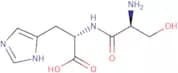
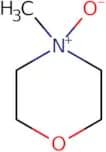
CAS :H-Ser-His-OH acetate salt is an amide that has been shown to have a neutral pH and to be soluble in organic solvents such as chloroform. It has a biological function of being a serine protease inhibitor. H-Ser-His-OH acetate salt binds to the amino acid histidine and inhibits the activity of serine proteases. This product has been used in fluorescence techniques, immunofluorescence analyses, and molecular biology.Formule :C9H14N4O4·xC2H4O2Degré de pureté :Min. 95%Couleur et forme :PowderMasse moléculaire :242.24 g/mol4-Methylmorpholine N-oxide
CAS :Intermediate for organic synthesis
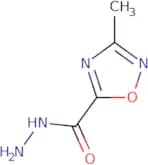
Formule :C5H11NO2Degré de pureté :Min 97%Couleur et forme :White PowderMasse moléculaire :117.15 g/mol3-Methyl-1,2,4-oxadiazole-5-carbohydrazide
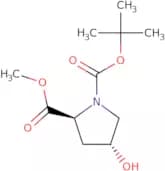
CAS :3-Methyl-1,2,4-oxadiazole-5-carbohydrazide is a versatile building block that can be used to synthesize complex compounds. It is a high quality reagent and has been shown to be useful as a reaction component in the synthesis of pharmaceuticals and other research chemicals. 3-Methyl-1,2,4-oxadiazole-5-carbohydrazide is also an intermediate in the synthesis of 1-(3,4-methylenedioxyphenyl)-2-(1H)-pyridinone. CAS No.: 40019-29-2Formule :C4H6N4O2Degré de pureté :Min. 95 Area-%Couleur et forme :White Off-White PowderMasse moléculaire :142.12 g/molBoc-L-4-trans-hydroxyproline methyl ester
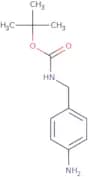
CAS :Boc-L-4-trans-hydroxyproline methyl ester is a triazolium compound that has been shown to have anticancer activity. It works by inhibiting the gyrase enzyme, which is responsible for maintaining the integrity of bacterial DNA. Boc-L-4-trans-hydroxyproline methyl ester is used in the treatment of various cancers, including lung cancer, breast cancer, and melanoma. Furthermore, it has been shown to inhibit viral replication and exhibits cytotoxic effects on cells. This drug can also be used as a probe for studying cellular morphology and protease activity.Formule :C11H19NO5Degré de pureté :Min. 95%Couleur et forme :PowderMasse moléculaire :245.27 g/mol4-(N-Boc-aminomethyl)aniline
CAS :4-(N-Boc-aminomethyl)aniline is a cavity-preventing agent that has been demonstrated to be neuroprotective in vitro. The drug also inhibits the growth of bacteria, fungi, and viruses in cell culture and animal models. 4-(N-Boc-aminomethyl)aniline is an innovative compound class that has shown potential for treating infectious diseases such as HIV, tuberculosis, and malaria. It has been shown to act by interfering with viral replication and inhibiting the production of inflammatory cytokines (e.g., tumor necrosis factor). Furthermore, 4-(N-Boc-aminomethyl)aniline can be used as a matrix effector or nucleophile to form hydrogen bonds with other molecules. It can also have an impact on nanomaterials when it is incorporated into their surface.
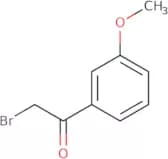
Formule :C12H18N2O2Degré de pureté :Min. 97 Area-%Couleur et forme :Yellow PowderMasse moléculaire :222.28 g/mol2-Bromo-3'-methoxyacetophenone
CAS :2-Bromo-3'-methoxyacetophenone is a reactive compound that has been used as an antiplatelet drug. It is a prodrug of vicagrel, which inhibits the platelet aggregation by blocking the conversion of ADP to ATP. It also has been shown to inhibit the growth of cryptococcus neoformans. This compound binds to matrix proteins and disrupts their structure, leading to a decrease in platelet adhesion. 2-Bromo-3'-methoxyacetophenone has been shown to be metabolized through a number of metabolic transformations, including hydrolysis by esterases or glucuronidases, oxidation by cytochrome P450 enzymes, reduction by glutathione reductase, or conjugation with glucuronic acid. The biological properties of this drug are complex and depend on its concentration and duration of exposure. Its effect on platelet aggregation is due to its ability to inhibit the activity of protein kinFormule :C9H9BrO2Degré de pureté :Min. 95%Masse moléculaire :229.07 g/mol1,3-Dipalmitoyl-glycero-2-phosphoethanolamine
CAS :Please enquire for more information about 1,3-Dipalmitoyl-glycero-2-phosphoethanolamine including the price, delivery time and more detailed product information at the technical inquiry form on this page
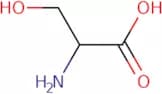
Formule :C37H74NO8PDegré de pureté :ReportedCouleur et forme :White/Off-White SolidMasse moléculaire :691.96 g/molDL-Serine
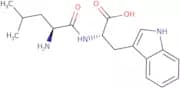
CAS :DL-Serine is a metabolite of the amino acid serine. It is an important intermediate in the biosynthesis of other amino acids, such as glycine and cysteine. DL-Serine can also be used to synthesize phospholipids and nucleotides. DL-Serine is a stable complex with sodium ester hydrochloride at pH 1.5 and anhydrous sodium at pH 2.8, which makes it suitable for use in acidic conditions. It has been shown to have clinical relevance in enzymatic processes related to fatty acid synthesis and metabolism, including glycerophospholipid synthesis and degradation of triacylglycerols. DL-Serine has been shown to have optimum concentration at 0.1 mM, with hydroxyl group interactions stabilizing the molecule by forming hydrogen bonding interactions with adjacent molecules; however, if the concentration exceeds 0.2 mM there will be a net decrease in free energy due to its ability to formFormule :C3H7NO3Couleur et forme :White PowderMasse moléculaire :105.09 g/molH-Leu-Trp-OH
CAS :H-Leu-Trp-OH is a synthetic peptide that is used to lower blood pressure. H-Leu-Trp-OH has been shown to be stereoselective and has antihypertensive activity. It also inhibits the oxidation of amino acids, and its production in the intestine may contribute to lowering blood pressure. This peptide is composed of three amino acids: H-leucine, L-tryptophan, and L-phenylalanine. The diastereomer of this peptide contains two chiral centers at carbons 3 and 4, while the cyclic peptide contains only one chiral center at carbon 3. H-Leu-Trp-OH was synthesized by reacting wheat germ with tripeptides.
Formule :C17H23N3O3Degré de pureté :Min. 95%Couleur et forme :PowderMasse moléculaire :317.38 g/mol4-Chloro-7-methyl-7H-pyrrolo[2,3-d]pyrimidine
CAS :4-Chloro-7-methyl-7H-pyrrolo[2,3-d]pyrimidine is a versatile building block for the synthesis of complex compounds. It can be used as a reagent in organic synthesis and has been shown to react with a range of functional groups including alcohols, amines, carboxylic acids, sulfonic acid esters and nitriles. 4-Chloro-7-methylpyrrolo[2,3-d]pyrimidine is an intermediate that can be used to synthesize other specialty chemicals such as pharmaceuticals.Formule :C7H6ClN3Degré de pureté :Min. 95 Area-%Couleur et forme :PowderMasse moléculaire :167.6 g/mol1-Deoxy-1-(methylamino)-D-glucitol [3-[[(2R,3S)-2-[(1R)-1-[3,5-bis(trifluoromethyl)phenyl]ethoxy]-3-(4-fluorophenyl)-4-morpholinyl]m ethyl]-2,5-dihydro-5-oxo-1H-1,2,4-triazol-1-yl]phosphonate
CAS :Fosaprepitant is a drug that belongs to the class of drugs used for chemotherapy. It is a prodrug that is converted in vivo to aprepitant, its active form. Fosaprepitant acts as an antagonist of the neurokinin-1 receptor (NK-1R) and inhibits the binding of substance P, which leads to an anti-inflammatory effect. Fosaprepitant has been shown to inhibit the production of substance P in animal models, leading to a reduction in inflammation. In clinical trials, fosaprepitant has been shown to be safe and well tolerated when used with other drugs such as cisplatin and docetaxel in patients with cancer.Formule :C23H22F7N4O6P•(C7H17NO5)2Degré de pureté :Min. 95%Couleur et forme :White To Off-White SolidMasse moléculaire :1,004.83 g/mol6-Methoxy-1,4-dihydroquinoxaline-2,3-dione
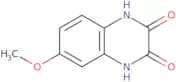
CAS :6-Methoxy-1,4-dihydroquinoxaline-2,3-dione is a nitrile that is generated by the catalytic oxidation of quinoxaline. It is a colorless to yellow solid with a melting point of about 155°C. 6-Methoxy-1,4-dihydroquinoxaline-2,3-dione has been shown to be an effective nitrile for the synthesis of diketene. 6-Methoxy-1,4-dihydroquinoxaline-2,3-dione can be converted into hydrochloric acid and ethanol through hydrolysis with hydrochloric acid or ethanol in the presence of heat. This reaction will proceed more quickly at higher temperatures. The filtration method can be used to remove any unwanted solids from the reaction mixture.Formule :C9H8N2O3Degré de pureté :Min. 95%Couleur et forme :PowderMasse moléculaire :192.17 g/mol






![4-Chloro-7-methyl-7H-pyrrolo[2,3-d]pyrimidine](/_next/image/?url=https%3A%2Fstatic.cymitquimica.com%2Fproducts%2F3D%2Fthumb-webp%2FFC140698.webp&w=3840&q=75)
![1-Deoxy-1-(methylamino)-D-glucitol [3-[[(2R,3S)-2-[(1R)-1-[3,5-bis(trifluoromethyl)phenyl]ethoxy]-…](/_next/image/?url=https%3A%2Fstatic.cymitquimica.com%2Fproducts%2F3D%2Fthumb-webp%2FFD46503.webp&w=3840&q=75)