Acides aminés (AA)
Sous-catégories appartenant à la catégorie "Acides aminés (AA)"
- Dérivés d'acides aminés(4.016 produits)
- Acide aminé et composés apparentés aux acides aminés(3.490 produits)
- Acides aminés avec de l'oxygène ou du soufre(168 produits)
- Boc- Acides aminés(351 produits)
- Acides aminés avec groupes protecteurs(1.710 produits)
38369 produits trouvés pour "Acides aminés (AA)"
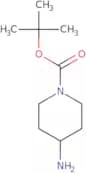
4-Amino-1-Boc-piperidine
CAS :4-Amino-1-Boc-piperidine is a potent inhibitor of the CCR5 receptor. It is an x-ray crystal structure with a hydroxide solution that inhibits the growth of cancer cells. The inhibitor binding site for 4-Amino-1-Boc-piperidine was determined to be the CCR5 receptor, which is located on the surface of hematopoietic cells. The compound has been shown to inhibit human T lymphocyte proliferation in vitro and inhibit HIV replication in infected patients. 4-Amino-1-Boc-piperidine is able to inhibit the growth of cancer cells by blocking the production of cytokines, such as interleukin 2, that are needed for cell division and growth.
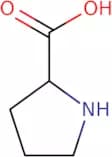
Formule :C10H20N2O2Degré de pureté :Min. 95%Couleur et forme :PowderMasse moléculaire :200.28 g/molDL-Proline
CAS :DL-Proline is a biological molecule that has been shown to bind to the DNA binding domains of proteins. This binding can be seen with the crystal structures of DL-proline and protein. The reaction mechanism for DL-proline is as follows:
DL-Proline + Protein → Proline + Protein
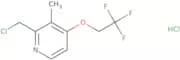
The equilibrium constant for this reaction is 1.0 at 298 K. The pKa value for the amide group in DL-proline is 4.8, which means that it will react with water and form an amine group at physiological pH levels. DL-Proline has been shown to have metabolic disorders.Formule :C5H9NO2Degré de pureté :Min. 95%Couleur et forme :PowderMasse moléculaire :115.13 g/mol2-Chloromethyl-3-methyl-4-(2,2,2-trifluoroethoxy)pyridine, hydrochloride
CAS :Please enquire for more information about 2-Chloromethyl-3-methyl-4-(2,2,2-trifluoroethoxy)pyridine, hydrochloride including the price, delivery time and more detailed product information at the technical inquiry form on this page
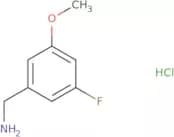
Formule :C9H10Cl2F3NODegré de pureté :Min. 95%Masse moléculaire :276.08 g/mol3-Fluoro-5-methoxybenzylamine hydrochloride
CAS :3-Fluoro-5-methoxybenzylamine hydrochloride is a chemical building block that can be used in organic synthesis. It is a versatile building block and can be used to synthesize complex compounds. 3-Fluoro-5-methoxybenzylamine hydrochloride is used as a reaction component and reagent for the production of pharmaceuticals, agricultural chemicals, and other organic compounds. It has CAS number 1158269-22-7 and can be found in the Chemical Abstract Services database.
Formule :C8H10FNO•HClDegré de pureté :Min. 95%Couleur et forme :Clear LiquidMasse moléculaire :191.63 g/mol1-Methyl-1H-indole-2,3-dione
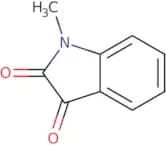
CAS :1-Methyl-1H-indole-2,3-dione is a chemical compound that belongs to the class of indole derivatives. It can be synthesized by reacting 2,3-dihydroxybenzaldehyde with 2,2'-azobis(2-amidinopropane) dihydrochloride and methyl iodide in the presence of copper (II) acetate. This reaction mechanism is similar to that of other reactions involving an intramolecular hydrogen transfer. The binding constants for 1-methyl-1H-indole-2,3-dione are very high and this compound has been shown to inhibit herpes simplex virus replication in vitro. 1MIDD binds to the active site of tryptophan fluorescence and synchronous fluorescence proteins. 1MIDD also binds to copper ions in a coordination geometry that is similar to that found for other compounds containing a carbonyl group.
Formule :C9H7NO2Degré de pureté :Min. 95%Couleur et forme :PowderMasse moléculaire :161.16 g/mol(Des-Gly10,D-Tyr5,D-Trp6,Pro-NHEt 9)-LHRH trifluoroacetate salt
CAS :Please enquire for more information about (Des-Gly10,D-Tyr5,D-Trp6,Pro-NHEt 9)-LHRH trifluoroacetate salt including the price, delivery time and more detailed product information at the technical inquiry form on this page
Formule :C64H83N17O12Degré de pureté :Min. 95%Couleur et forme :PowderMasse moléculaire :1,282.45 g/mol4-Methyloctane
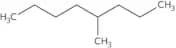
CAS :4-Methyloctane is a hydrocarbon that consists of a chain of eight carbon atoms and four methyl groups. The chemical formula is CH3(CH2)4CH3. 4-Methyloctane has been shown to reduce the proliferation of leukemia cells and human macrophages, which may be due to its ability to inhibit fatty acid synthesis. It also has been shown to have protonation properties, which is why it can be used as a reaction intermediate for many organic reactions.
Formule :C9H20Degré de pureté :Min. 95%Couleur et forme :Colorless Clear LiquidMasse moléculaire :128.26 g/molPirimiphos-methyl
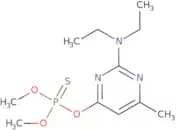
CAS :Pirimiphos-methyl is a pesticide that belongs to the class of organophosphates. It is an insecticide that is applied on the surface of plants to control aphids, thrips, leafhoppers, and other insects. Pirimiphos-methyl has been shown to have a high degree of resistance in weevils. The LD50 for pirimiphos-methyl in weevils was found to be much higher than in other insects such as Drosophila melanogaster or Musca domestica. Pirimiphos-methyl inhibits acetylcholinesterase activity by reacting with the enzyme's active site and blocking the transfer of an acetyl group from acetyl coenzyme A to choline. This results in increased levels of acetylcholine at neuromuscular junctions and subsequent paralysis and death.
Formule :C11H20N3O3PSDegré de pureté :Min. 90 Area-%Couleur et forme :Clear LiquidMasse moléculaire :305.33 g/molRef: 3D-FP37336
Produit arrêtéBoc-L-Trp-OH
CAS :Boc-L-Trp-OH is a receptor binding molecule that has been shown to have an inhibitory effect on the receptor. The acidic pH of the molecule and its bifunctional nature allow it to bind to the receptor, which is found in the acidic environment of the stomach. This chemical also has an acidic reactive site that can react with hydrogen fluoride. Boc-L-Trp-OH binds to human protein, specifically amino acid residues such as arginine, lysine, and histidine. It also has a reactive site that can be used in chromatographic binding experiments.
Formule :C16H20N2O4Degré de pureté :Min. 98 Area-%Couleur et forme :PowderMasse moléculaire :304.34 g/mol4-Phenylimidazole
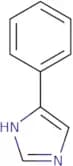
CAS :4-Phenylimidazole is a molecule that binds to malonic acid, an intermediate in the Krebs cycle. The binding of 4-phenylimidazole to malonic acid inhibits the reaction mechanism of the Krebs cycle and inhibits cancer cell proliferation. 4-Phenylimidazole has been shown to bind to serine proteases by hydrogen bonds, which may be an effective approach for inhibiting these enzymes. Furthermore, this molecule has been shown to have antiproliferative effects on cells. This is due to its ability to inhibit fatty acid synthesis and alter membrane fluidity by insertion into double bonds in the lipid bilayer. It also has x-ray crystal structures available for use in molecular modeling studies.
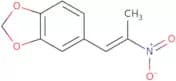
Formule :C9H8N2Degré de pureté :Min. 96.5%Couleur et forme :White PowderMasse moléculaire :144.17 g/mol1-(3,4-Methylenedioxyphenyl) 2-nitropropene
CAS :1-(3,4-Methylenedioxyphenyl) 2-nitropropene (1-MPNP) is a phosphatase inhibitor that is active against gram-negative bacteria by inhibiting enterotoxins and chlamydia. 1-MPNP inhibits the activity of tyrosine phosphatases, which are enzymes that play a major role in bacterial virulence. 1-MPNP competitively inhibits the activity of tyrosine phosphatases and prevents them from catalyzing the hydrolysis of polyphosphate substrates. This inhibition leads to an accumulation of polyphosphates in the bacterial cell membrane, which disrupts its permeability and leads to cell death.
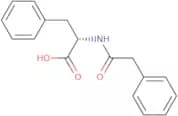
Formule :C10H9NO4Degré de pureté :Min. 97.5 Area-%Couleur et forme :Yellow PowderMasse moléculaire :207.18 g/molPhenylac-Phe-OH
CAS :Phenylac-Phe-OH is an amphipathic molecule that has been shown to exhibit potent antagonistic activity against proton pumps. This compound also has the potential use in retinoid acid assays, where it was found to be a potent antagonist of retinoic acid. Phenylac-Phe-OH can be used as a probe for magnetic resonance analysis and its metabolic profiles have been studied extensively.
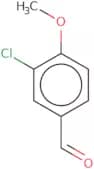
Formule :C17H17NO3Degré de pureté :Min. 95%Couleur et forme :PowderMasse moléculaire :283.32 g/mol3-Chloro-4-methoxybenzaldehyde
CAS :3-Chloro-4-methoxybenzaldehyde is a chemical compound that belongs to the class of aromatic compounds. It is synthesized by reacting 3-chlorobenzaldehyde with methoxyacetone in a hydroxylation reaction. The asymmetric synthesis of 3-chloro-4-methoxybenzaldehyde was achieved by using a chiral auxiliary, which is an organic molecule that can be used to control the stereochemistry of other reactions. This product has high cytotoxicity and is able to cause melanogenesis (production of melanin) when applied to rat striatal membranes.
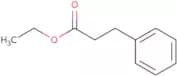
Formule :C8H7ClO2Degré de pureté :Min. 95%Couleur et forme :PowderMasse moléculaire :170.59 g/molEthyl 3-phenylpropionate
CAS :Ethyl 3-phenylpropionate is a clear, colorless liquid with a fruity odor. It has been used in the production of perfumes and as a solvent. The compound is also known to be used in the synthesis of other organic compounds and can be found in dry weight. Palladium complexes are formed when ethyl 3-phenylpropionate is mixed with palladium chloride or palladium acetate. Ethyl 3-phenylpropionate is an intermediate in the conversion of ethyl decanoate to methyl anthranilate by diethyl succinate and p. pastoris. This conversion takes place at room temperature and below the phase transition temperature (T). The compound has been shown to have low lp-pla2 activity, which may be due to its lack of hydroxyl group.
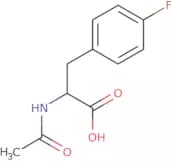
Formule :C11H14O2Degré de pureté :Min. 95%Couleur et forme :Colorless PowderMasse moléculaire :178.23 g/molN-Acetyl-DL-p-fluorophenylalanine
CAS :N-Acetyl-DL-p-fluorophenylalanine is a chemical compound that can be used as a research chemical, or in the synthesis of other compounds. It is a reactive ingredient and can be used as a reagent. N-Acetyl-DL-p-fluorophenylalanine belongs to the class of speciality chemicals and can be used as an intermediate in the synthesis of other compounds. This compound has been found to be useful for the production of fine chemicals and complex compounds.
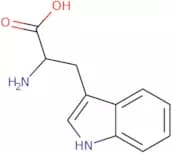
Formule :C11H12FNO3Degré de pureté :Min. 95%Couleur et forme :PowderMasse moléculaire :225.22 g/molDL-Tryptophan
CAS :DL-Tryptophan is an amino acid that is a precursor to serotonin, niacin and melatonin. It is a substrate for the enzyme indoleamine 2,3-dioxygenase (IDO) and has been shown to inhibit the production of inflammatory cytokines such as IL-6 and TNF-α. DL-Tryptophan has been used in the treatment of depression, anxiety, sleep disorders, eating disorders, fibromyalgia and chronic fatigue syndrome. This amino acid has also been shown to increase muscle mass in rats by increasing protein synthesis. DL-Tryptophan can be found in crystalline cellulose or as a solution with pH 7.5 at room temperature. The optimum concentration for DL-tryptophan is 10mM with a reaction time of 3 hours at 37 degrees Celsius. The fluorescence detector is used to measure the amount of light emitted from the reaction solution when it is excited by 350 nm light.
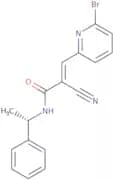
DLFormule :C11H12N2O2Degré de pureté :Min. 95%Couleur et forme :White PowderMasse moléculaire :204.23 g/mol(S,E)-3-(6-Bromopyridin-2-yl)-2-cyano-N-(1-phenylethyl)acrylamide
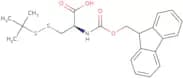
CAS :(S,E)-3-(6-Bromopyridin-2-yl)-2-cyano-N-(1-phenylethyl)acrylamide (MBI-23) is a potential antineoplastic agent that has been shown to induce regression of bladder cancer in mice. MBI-23 induces apoptosis by inhibiting the proliferation of cancer cells and inducing differentiation of cancer stem cells. It is also shown to inhibit tumor growth and progression in glioma and prostate cancer models. MBI-23 binds to the KDR receptor subtype, which is activated by organic acids and inhibited by inorganic compounds. This binding leads to constitutive activation of the KDR receptor, thereby inducing apoptosis. The tautomers and stereoisomers of MBI-23 have not been fully elucidated yet.Formule :C17H14ON3BrDegré de pureté :Min. 98 Area-%Couleur et forme :White PowderMasse moléculaire :356.22 g/molFmoc-L-Cys(StBu)-OH
CAS :Fmoc-L-Cys(StBu)-OH is a synthetic molecule that is used in pharmaceutical formulations. It can be synthesized from Fmoc-L-Cys and L-serine methyl ester by the chemical ligation of the two molecules. The chloride group at the end of this molecule provides a functional group for conjugation with other biomolecules, such as fatty acids. This molecule has been shown to have high purity with an isolated yield of about 98%.
Formule :C22H25NO4S2Degré de pureté :Min. 98 Area-%Couleur et forme :PowderMasse moléculaire :431.57 g/molD,L-Azatryptophan hydrate
CAS :Azatryptophan hydrate is an organic compound that is a useful building block, reagent, and intermediate in the synthesis of many complex compounds. Azatryptophan hydrate is soluble in water and reacts readily with a variety of other compounds. It can be used as a starting material to prepare complex molecules such as heterocycles and natural products. Azatryptophan hydrate has been shown to have high purity and quality and is often used as a research chemical or speciality chemical for commercial purposes.
Formule :C10H13N3O3Degré de pureté :Min. 95%Couleur et forme :White To Light (Or Pale) Yellow SolidMasse moléculaire :223.23 g/mol3-Phenoxybenzaldehyde
CAS :3-Phenoxybenzaldehyde is a chemical compound that is used as an analytical reagent in the surface methodology. It can be synthesized from 3-phenoxybenzoic acid and phenylmagnesium bromide. The synthesis of 3-phenoxybenzaldehyde was accomplished by the hydrogenation of p-nitrophenyl phosphate, which was catalyzed by rat liver microsomes. The resulting product had a molecular formula of C9H8O2 and a molar mass of 156.2 g/mol. 3-Phenoxybenzaldehyde has been shown to inhibit bacterial growth through the inhibition of fatty acid synthesis, as well as inhibiting fatty acid oxidation in recombinant cytochrome P450 enzymes.
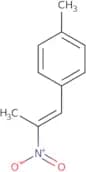
Formule :C13H10O2Degré de pureté :Min. 95%Couleur et forme :Clear LiquidMasse moléculaire :198.22 g/mol4-Methylphenylnitropropene
CAS :4-Methylphenylnitropropene is a psychostimulant drug that has been shown to have a high binding affinity for dopamine transporters. It is also known to increase the level of dopamine in the synaptic cleft and can be used as a research tool for understanding the function of dopamine in neuronal synapses. 4-Methylphenylnitropropene has been shown to cause an increase in locomotor activity and is able to induce euphoria when administered to rats. This drug is not thought to cause any physical dependence, although it may lead to psychological dependence.
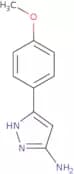
Formule :C10H11NO2Degré de pureté :Min. 95%Couleur et forme :PowderMasse moléculaire :177.2 g/mol5-Amino-3-(4-methoxyphenyl)pyrazole
CAS :5-Amino-3-(4-methoxyphenyl)pyrazole (5AMPAP) is an anti-cancer agent that is effective against a number of different cancers, including breast, lung, and prostate. It selectively inhibits the growth of cancer cells by targeting enzymes in the mitochondria that are required for ATP production. 5AMPAP binds to the enzyme pyruvate dehydrogenase kinase, which has been shown to be involved in regulating cell proliferation and apoptosis. In addition, it has been demonstrated that this compound has anti-inflammatory properties. The regioselectivity of 5AMPAP was determined by x-ray crystallography and was found to form a pyrazolopyrimidine ring with two nitrogens on opposite sides of the ring. This regioselectivity is necessary for its anti-cancer activity.
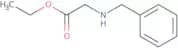
Formule :C10H11N3ODegré de pureté :Min. 95%Masse moléculaire :189.21 g/molN-Benzyl glycine ethyl ester
CAS :N-Benzyl glycine ethyl ester is a pharmacological agent that inhibits the release of inflammatory cytokines and growth factors such as tumor necrosis factor (TNF) and interleukin (IL)-1. These effects are mediated by its inhibitory actions on the serine protease, which degrades these proteins. N-Benzyl glycine ethyl ester is used for the treatment of inflammatory bowel disease, including Crohn's disease and ulcerative colitis, in combination with sodium carbonate or other drugs to maintain remission. This drug has been shown to be effective against HIV infection due to its ability to induce apoptosis in infected cells. The molecular mechanism of this drug is related to nucleophilic substitution reactions between an amine group and a carboxylic acid group.
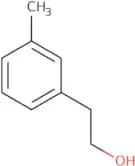
Formule :C11H15NO2Degré de pureté :Min. 95%Couleur et forme :Colorless Clear LiquidMasse moléculaire :193.24 g/mol2-(3-Methylphenyl)ethanol
CAS :2-(3-Methylphenyl)ethanol is a benzene derivative that has been shown to be toxic at high doses. It is used as a solvent in dermatology and as an intermediate in the production of other chemicals. 2-(3-Methylphenyl)ethanol has been shown to have dermatologic effects such as erythema, scaling, and dryness. This compound also has a low degree of acute toxicity from ingestion or inhalation and is safe for use. The chemical structure consists of a benzene ring with two methyl groups on it, making it a primary alcohol.
2-(3-Methylphenyl)ethanol belongs to the class of alcohols. Alcohols are organic compounds containing one hydroxyl group attached to an alkyl or substituted alkyl radical. Alcohols can be classified according to their structure into primary, secondary, and tertiary alcohols, depending on how many carbon atoms are attached to the hydroxyl groupFormule :C9H12ODegré de pureté :Min. 95%Couleur et forme :Clear LiquidMasse moléculaire :136.19 g/molN,N'-Diacetyl-L-cystine
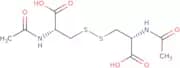
CAS :N,N'-Diacetyl-L-cystine (NAC) is a cysteine derivative that is used in the preparation of samples for analysis by liquid chromatography. It has been shown to have an antiatherogenic effect in chronic bronchitis patients and has been found to be a growth factor, inhibiting apoptosis and stimulating cell proliferation. NAC also increases the activity of aminotransferases in serum samples, which can be used as an indicator of liver health. Its chemical stability and low toxicity make it an ideal candidate for use as a pharmaceutical preparation at doses below those required for its enzyme-stimulating effects.
Formule :C10H16N2O6S2Degré de pureté :Min. 95%Couleur et forme :PowderMasse moléculaire :324.38 g/mol3-Methoxy-5-(trifluoromethyl)aniline
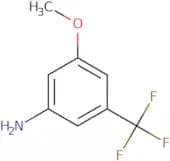
CAS :3-Methoxy-5-(trifluoromethyl)aniline is a chemical building block that is used in the preparation of pharmaceuticals, agrochemicals, dyes, and other chemicals. 3-Methoxy-5-(trifluoromethyl)aniline is also a versatile intermediate that can be used to produce heterocyclic compounds. 3-Methoxy-5-(trifluoromethyl)aniline has been found to be high quality and useful for many reactions. It is an important compound for research use because it can be used as a reagent or scaffold for complex compounds.
Formule :C8H8F3NODegré de pureté :Min. 95%Couleur et forme :PowderMasse moléculaire :191.15 g/mol2-Amino-5-methylbenzonitrile
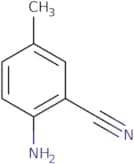
CAS :2-Amino-5-methylbenzonitrile (2AMB) is a molecule that has two nitrile groups. It has been shown to be effective in the treatment of cancer cells, and it also inhibits thymidylate synthase (TS), an enzyme involved in DNA synthesis. The crystallographic structure of this compound has been determined by x-ray diffraction studies, and 2AMB was synthesized and assayed for its anticancer activity on human lung cancer cells in culture. 2AMB is an intercalator that binds to DNA by inserting itself between base pairs, which then blocks the progression of DNA synthesis during replication. This type of inhibition causes cell death because the cell cannot divide or make new proteins. Naphthalene and pyrrole are two chemicals found in 2AMB that have been shown to have antibacterial properties.
Formule :C8H8N2Degré de pureté :Min. 95%Couleur et forme :PowderMasse moléculaire :132.16 g/mol6-Chloro-D,L-tryptophan
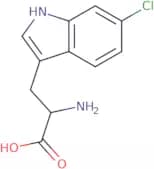
CAS :6-Chloro-D,L-tryptophan is a chemical intermediate that is used in the production of pharmaceuticals. It is a precursor to the amino acid tryptophan and has been shown to inhibit protein synthesis in human macrophages and microglia cells. In addition, this compound has been shown to inhibit the uptake of tryptophan by human macrophages and thp-1 cells. This drug also inhibits the activity of aminotransferase enzymes, which are involved in the metabolism of tryptophan. 6-Chloro-D,L-tryptophan has enantiomeric purity and is an aryl halide with chlorine as its functional group. It can form 3-hydroxyanthranilic acid when it reacts with acid or an acidifying agent. 6-Chloro-D,L-tryptophan has been shown to inhibit the herpes simplex virus (HSV
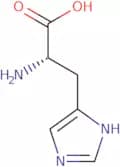
Formule :C11H11ClN2O2Degré de pureté :Min. 95%Masse moléculaire :238.67 g/molL-Histidine
CAS :L-histidine is a molecule that chelates metal ions and inhibits their function. L-Histidine is used as an analytical reagent for the determination of metal ions in water, a polymerase chain reaction (PCR) inhibitor, and an immunosuppressant. L-histidine is also used to treat bowel disease and cancer by inhibiting the production of certain molecules. L-histidine has been shown to bind to toll-like receptor 4 (TLR4) in intestinal cells, which activates the immune system to produce cytokines such as IL-8. In addition, L-histidine can act as a cofactor for enzymes involved in protein synthesis by protecting them from oxidation. L histidine can also be found in the protein that binds with gold particles, forming colloidal gold
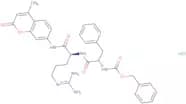
Formule :C6H9N3O2Couleur et forme :White PowderMasse moléculaire :155.15 g/molZ-Phe-Arg-AMC·HCl
CAS :Z-Phe-Arg-AMC·HCl is a fluorescent substrate for proteolytic enzymes. It has been shown to be a potent inhibitor of human immunoglobulin (Ig) secretion and protein synthesis in proximal tubules of the kidney, but this inhibition is not seen in the presence of other proteases. Z-Phe-Arg-AMC·HCl also inhibits the activity of soybean trypsin and hemolytic activity. This compound also has an optimum pH of 7.5 and is characterized by intermolecular hydrogen bonding as well as hydroxyl group interactions with enzyme active sites.
Formule :C33H36N6O6·HClDegré de pureté :Min. 95%Masse moléculaire :649.14 g/mol2-Phenylbenzamide
CAS :2-Phenylbenzamide (2PB) is a drug that belongs to the class of anthelmintics. It binds to the nicotinic acetylcholine receptor and inhibits the release of acetylcholine at neuromuscular junctions, leading to paralysis and death of the parasite. 2PB also has been shown to have anti-inflammatory properties in mice with colitis, which may be due to its ability to inhibit prostaglandin synthesis. The molecular docking analysis showed that 2PB binds covalently with nitro-containing molecules, such as nitrosamines, which are found in cigarette smoke and are known carcinogens. This binding may contribute to the development of cancer through inhibition of DNA repair mechanisms.
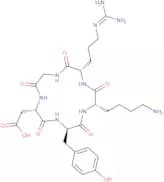
Formule :C13H11NODegré de pureté :Min. 95%Couleur et forme :PowderMasse moléculaire :197.23 g/molCyclo(-Arg-Gly-Asp-D-Tyr-Lys) trifluoroacetate salt
CAS :Cyclo(-Arg-Gly-Asp-D-Tyr-Lys) trifluoroacetate salt is a reagent that is used in organic synthesis as a building block to create complex compounds. It is also useful for research purposes, as it can be used to produce high quality products. Cyclo(-Arg-Gly-Asp-D-Tyr-Lys) trifluoroacetate salt is a chemical with CAS No. 217099-14-4 and has the chemical formula C17H21N3O2F3.Formule :C27H41N9O8Degré de pureté :Min. 95%Couleur et forme :White SolidMasse moléculaire :619.67 g/mol3,4-diaza-5-(tert-butyl)-2-hydroxy-3-((4-methylphenyl)sulfonyl)tricyclo[6.4.0.0<2,6>]dodeca-1(8),4,9,11-tetraen-7-one
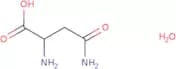
CAS :Please enquire for more information about 3,4-diaza-5-(tert-butyl)-2-hydroxy-3-((4-methylphenyl)sulfonyl)tricyclo[6.4.0.0<2,6>]dodeca-1(8),4,9,11-tetraen-7-one including the price, delivery time and more detailed product information at the technical inquiry form on this pageDegré de pureté :Min. 95%DL-Asparagine monohydrate
CAS :DL-Asparagine monohydrate is a white crystalline powder that is soluble in water. It has been used as a building block for the synthesis of various compounds and as a reaction component in chemical research.
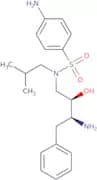
Formule :C4H10N2O4Masse moléculaire :150.14 g/mol4-Amino-N-((2R,3S)-3-amino-2-hydroxy-4-phenylbutyl)-N-ispobutylbenzenesulfonamide
CAS :4-Amino-N-((2R,3S)-3-amino-2-hydroxy-4-phenylbutyl)-N-isobutylbenzenesulfonamide is an amide that is used to treat HIV infections. It has been shown to have potent anti-viral activity against HIV infected cells in the laboratory and can inhibit the replication of HIV by interfering with the virus's ability to use the reverse transcriptase enzyme. 4ABAB has been shown to bind to the enzyme ribonuclease H (crth2), which is responsible for breaking down viral RNA. This binding prevents crth2 from cleaving viral RNA, thus inhibiting DNA synthesis and preventing cell death. 4ABAB also interferes with a hydrogen bond between ethyl group and the hydroxyl group on crth2, leading to a decrease in activity.
Formule :C20H29N3O3SDegré de pureté :Min. 95%Couleur et forme :White PowderMasse moléculaire :391.53 g/mol5-Fluoro D,L-tryptophan
CAS :5-Fluoro D,L-tryptophan (5FDTL) is a tryptophan analog that inhibits the growth of bacteria by binding to fatty acid synthesis enzymes. 5FDTL binds to wild-type and resistant mutants of bacterial fatty acid synthases, which are proteins that catalyze the formation of long-chain fatty acids from acetyl-CoA. This binding prevents the formation of long-chain fatty acids, which are required for bacterial cell replication. 5FDTL also binds to protein data and has been shown to have an anti-infective effect on wild-type strains of Pseudomonas aeruginosa and Escherichia coli as well as Pichia pastoris. Disulfide bonds in 5FDTL stabilize its secondary structure and provide protection against proteolytic degradation by enzymes in the extracellular environment. The structural analysis of 5FDTL has revealed that it consists of a small molecule with a logarithmic growth phase
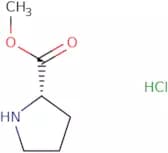
Formule :C11H11FN2O2Degré de pureté :Min. 95%Couleur et forme :PowderMasse moléculaire :222.22 g/molL-Proline methyl ester hydrochloride
CAS :L-Proline methyl ester hydrochloride is an organic compound that is classified as a trifluoroacetic acid ester. It has significant antiproliferative activity and induces apoptotic cell death in colorectal carcinoma cells. L-Proline methyl ester hydrochloride also inhibits the proliferation of lymphocytes by inhibiting protein synthesis, which may be due to its conformational properties. L-Proline methyl ester hydrochloride is synthesized by reacting L-proline with trifluoroacetic acid and subsequently hydrolyzing the resulting ester with hydrochloric acid. The synthesis can be carried out in two steps: first, a chloride ion is added to the protonated form of the amine; second, the protonated form of the amine reacts with hydrophobic compounds such as dodecyl amines or ethyl acetate to form an alkyl group. This reaction can also be carried out using
Formule :C6H12ClNO2Couleur et forme :White PowderMasse moléculaire :165.62 g/molRef: 3D-FP27178
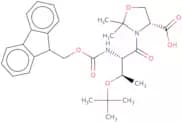
Produit arrêtéFmoc-Thr(tBu)-D-Ser(Psi(Me,Me)pro)-OH
Fmoc-Thr(tBu)-D-Ser(Psi(Me,Me)pro)-OH is a speciality chemical that is used as a reagent for peptide synthesis. It is also useful in the synthesis of complex compounds and scaffolds. This compound has high quality with a CAS number of 56610-81-8. Fmoc-Thr(tBu)-D-Ser(Psi(Me,Me)pro)-OH is a versatile building block that can be used in reactions involving amines and carboxylic acids. Fmoc-Thr(tBu)-D-Ser(Psi(Me,Me)pro)-OH is an intermediate that can be used in the synthesis of many different compounds.
Formule :C29H36N2O7Degré de pureté :Min. 95%Couleur et forme :PowderMasse moléculaire :524.61 g/mol(Des-Gly10,D-Trp6,D-Leu7,Pro-NHEt 9)-LHRH trifluoroacetate salt
Please enquire for more information about (Des-Gly10,D-Trp6,D-Leu7,Pro-NHEt 9)-LHRH trifluoroacetate salt including the price, delivery time and more detailed product information at the technical inquiry form on this pageFormule :C64H83N17O12Degré de pureté :Min. 95%Couleur et forme :PowderMasse moléculaire :1,282.45 g/mol2,4-Dioxo-4-phenylbutanoic acid
CAS :2,4-Dioxo-4-phenylbutanoic acid is an inhibitor of the influenza virus that binds to its surface proteins and inhibits the replication of the virus. 2,4-Dioxo-4-phenylbutanoic acid is a stable complex that has been shown to be active against HIV. This compound has been shown to inhibit viral life by binding to the subunits of influenza A and B viruses. 2,4-Dioxo-4-phenylbutanoic acid has been synthesized as an active analogue of zanamivir and it is believed that this compound binds to the same site on the influenza A virus as zanamivir. The molecule is also tautomerizable, which means it can exist in two forms: ketone (the more stable form) or enol (less stable).
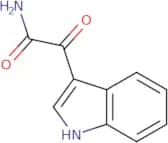
Formule :C10H8O4Degré de pureté :Min. 95%Couleur et forme :PowderMasse moléculaire :192.17 g/molIndole-3-glyoxylamide
CAS :Indole-3-glyoxylamide is a synthetic compound that was originally developed as a potential anti-cancer drug. It has been shown to inhibit glycogen synthase kinase 3 (GSK-3) and thereby reduce the production of proinflammatory cytokines in bowel disease. Indole-3-glyoxylamide also inhibits inflammatory bowel disease by inhibiting secretory phospholipase A2, which prevents the release of arachidonic acid from phospholipids. This synthesis is required for the production of prostaglandins and leukotrienes, which are involved in the inflammatory process. The compound has been shown to have immunomodulatory effects in chronic bronchitis, with an inhibitory effect on neutrophil chemotaxis, macrophage activity, and cytokine production. Indole-3-glyoxylamide has also been shown to be effective against cancer cells in vitro and in vivo animal models. It is metabolized through
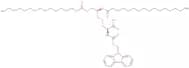
Formule :C10H8N2O2Degré de pureté :Min. 95%Couleur et forme :PowderMasse moléculaire :188.18 g/molFmoc-S-[2,3-bis(palmitoyloxy)propyl]-L-cysteine
CAS :Fmoc-S-[2,3-bis(palmitoyloxy)propyl]-L-cysteine is a fine chemical that is used as a building block in the synthesis of complex natural products and pharmaceuticals. It has versatile applications in both research and industry. Fmoc-S-[2,3-bis(palmitoyloxy)propyl]-L-cysteine is an intermediate or scaffold for the synthesis of many types of compounds, including antibiotics, anti-cancer agents, hormones, and anti-inflammatory drugs. This compound is soluble in organic solvents such as DMSO and DMF.
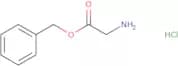
Formule :C53H83NO8SDegré de pureté :Min. 95 Area-%Couleur et forme :White Off-White PowderMasse moléculaire :894.29 g/molBenzyl glycinate hydrochloride
CAS :Benzyl glycinate hydrochloride is a piperidinecarboxylic acid ester that is bound to a benzyl group. It is chemically stable and has biological properties that are similar to those of oxytocin. This drug may be used as an antiviral agent or in the treatment of infectious diseases, such as hepatitis. The binding of benzyl glycinate hydrochloride to the ns3 protease prevents the conversion of amide-containing prodrugs into active form. The ester hydrochloride moiety in this molecule may act as a competitive inhibitor against carboxylesterases found in erythrocytes, which are responsible for the hydrolysis of oxytocin. Benzyl glycinate hydrochloride also binds to the oxytocin receptor and may be used as an oxytocin mimetic.
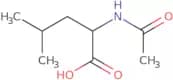
Formule :C9H11NO2•HClDegré de pureté :Min. 97 Area-%Couleur et forme :PowderMasse moléculaire :201.65 g/molN-Acetyl-DL-leucine
CAS :N-Acetyl-DL-leucine is a non-protein amino acid that has been shown to have a variety of pharmacological effects. It has been found to reduce neuronal death and protect against cerebellar damage. N-Acetyl-DL-leucine acts by binding to the alpha subunit of the glutamate receptor, which increases its affinity for glutamate. This leads to an increased response in neuronal cells, and the prevention of neurotoxicity. N-acetyl-l-leucine has also been shown to be effective as a treatment for vestibular disorders. However, it is only soluble at high concentrations in water, so it cannot be taken orally without first being dissolved in alcohol or another solvent.
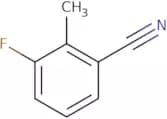
Formule :C8H15NO3Degré de pureté :Min. 95%Couleur et forme :PowderMasse moléculaire :173.21 g/mol3-Fluoro-2-methylbenzonitrile
CAS :3-Fluoro-2-methylbenzonitrile is a novel androgen receptor modulator that binds to the androgen receptor with high affinity and selectivity. 3-Fluoro-2-methylbenzonitrile has been shown to have agonistic activity in vivo. It has been proposed as an alternative to testosterone for the treatment of muscle wasting, osteoporosis, and other hormone deficiencies. 3-Fluoro-2-methylbenzonitrile is metabolized by CYP3A4 enzymes, which may be modified to improve its metabolic stability and thus increase its bioavailability. In addition, modifications of 3-fluoro-2-methylbenzonitrile may be made that would improve its pharmacokinetic profile (e.g., naphthalene profiles).
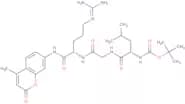
Formule :C8H6FNDegré de pureté :Min. 95%Couleur et forme :PowderMasse moléculaire :135.14 g/molBoc-Leu-Gly-Arg-AMC acetate salt
CAS :Boc-Leu-Gly-Arg-AMC acetate salt is a potential drug target for leishmaniasis. It inhibits the growth of Leishmania by binding to the 17β-estradiol receptor and inhibiting protein synthesis. This drug also has a hydrolytic activity against proteins, which is activated by an acidic environment. It has been shown to inhibit the growth of bacteria including Staphylococcus aureus and Chlamydia pneumoniae by inhibiting urokinase-type plasminogen activator (uPA) and serine protease activities. Boc-Leu-Gly-Arg-AMC acetate salt has also been shown to inhibit cellular proliferation in cancer cells.
Formule :C29H43N7O7•C2H4O2Degré de pureté :Min. 98 Area-%Couleur et forme :PowderMasse moléculaire :661.74 g/mol4-Amino-2-methoxypyridine
CAS :4-Amino-2-methoxypyridine is an antiviral agent that inhibits the activity of the NS5B polymerase, a key enzyme in the replication of the hepatitis C virus. It is a potent inhibitor with a wide range of activity and can be used for treatment and prevention of infection. 4-Amino-2-methoxypyridine has been shown to inhibit replication of hepatitis C virus in cell culture. This compound is stable in vivo and can be administered orally, making it an attractive candidate for oral prophylaxis against hepatitis C. 4-Amino-2-methoxypyridine also exhibits good pharmacokinetic properties, including a low clearance rate and high volume of distribution, which makes it suitable for chronic administration.
Formule :C6H8N2ODegré de pureté :Min. 95%Couleur et forme :White To Light (Or Pale) Orange SolidMasse moléculaire :124.14 g/molRef: 3D-FA33029
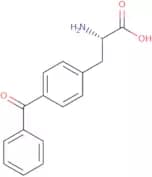
Produit arrêté4-Benzoyl-L-phenylalanine
CAS :4-Benzoyl-L-phenylalanine is a protein that has been shown to interact with the following domains: 4-helical bundle, alpha/beta hydrolase fold, and beta sheet. It interacts with residues: Arg128, Tyr129, Asp130, Gly131, Ser132, Ser133, Arg134 and Trp135. The enzyme activities of 4-benzoyl-L-phenylalanine are inhibited by interactions with 3t3-l1 preadipocytes and neurokinin receptor 1 (NK1). This protein also targets enzymes such as acetylcholinesterase (AChE) and phosphodiesterase (PDE). The peptide sequence for 4-benzoyl-L-phenylalanine is KGKPVPAKDYIKTG.
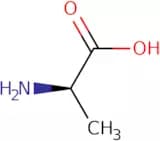
Formule :C16H15NO3Degré de pureté :Min. 98 Area-%Couleur et forme :White Yellow PowderMasse moléculaire :269.3 g/molD-Alanine
CAS :D-Alanine is a small-molecule drug that inhibits the hepatitis B virus. It has been shown to decrease the levels of HBV-DNA in chronic hepatitis patients. D-Alanine may be effective for reducing hepatic steatosis and improving liver function, which may be due to its ability to reduce the expression of δ receptors. D-Alanine can inhibit viral replication by interfering with the polymerase chain reaction and inhibiting human serum albumin from binding to HBV-DNA. D-alanine also has an antioxidant effect and can scavenge anion radicals.
Formule :C3H7NO2Degré de pureté :Min. 98 Area-%Couleur et forme :White PowderMasse moléculaire :89.09 g/molPoly ε L-lysine HCl - Average MW 2000~4700Da
CAS :Antimicrobial cationic peptide; used for microscopy glass slides coating
Formule :(C6H12N2O•HCl)nDegré de pureté :Min. 95 Area-%Couleur et forme :White Yellow Powder1-[3-(Fluoro-Methylphosphoryl)Oxypropyl]Pyrene
CAS :Produit contrôlé1-[3-(Fluoro-Methylphosphoryl)Oxypropyl]Pyrene is a fluorescent derivative of pyrene. It has been used to label DNA and proteins for experiments involving fluorescence. The fluorophores in 1-[3-(Fluoro-Methylphosphoryl)Oxypropyl]Pyrene are activated by laser light, which causes emission of light at a wavelength of 590 nm. The emission spectrum of 1-[3-(Fluoro-Methylphosphoryl)Oxypropyl]Pyrene is sensitive to the environment and changes with chemical modification.
Formule :C20H18FO2PDegré de pureté :Min. 95%Masse moléculaire :340.33 g/mol3-Bromo-4-methoxybenzaldehyde
CAS :3-Bromo-4-methoxybenzaldehyde is a heterocycle that contains a covalent inhibitor. It has been shown to have inhibitory activity against imines, hydroxyl groups, and human serum. 3-Bromo-4-methoxybenzaldehyde has been shown to be an efficient method for the synthesis of nitrogen containing heterocycles with potential use as pharmaceuticals. This compound has also been used in the asymmetric synthesis of diphenyl ethers, which are useful in pharmacological studies. The reaction mechanism of this compound is not well understood and needs more research before it can be applied to other areas.
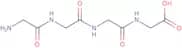
Formule :C8H7BrO2Degré de pureté :Min. 95%Couleur et forme :PowderMasse moléculaire :215.04 g/molGly-Gly-Gly-Gly-OH
CAS :Gly-Gly-Gly-Gly-OH is a peptide that is used as an absorption enhancer. It has been shown to absorb ultraviolet light and convert it into visible light, which can increase the effectiveness of photosensitive drugs in the treatment of cancer. Gly-Gly-Gly-Gly-OH has also been shown to have protonation properties and can hydrogen bond with other molecules, including proteins. This molecule is activated by oxidation, which converts it from its amide form to its imine form. This activation process can be catalyzed by an oxidation catalyst such as manganese dioxide or nickel chloride. The imine form reacts with an electron donor such as hydrogen peroxide to produce an aromatic ring compound, which then undergoes intramolecular hydrogen transfer reactions to produce a second aromatic ring compound. These two compounds react with each other and release a water molecule (H2O) and energy in the form of heat or light. The frequency shift
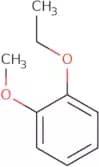
Formule :C8H14N4O5Degré de pureté :Min. 95%Couleur et forme :PowderMasse moléculaire :246.22 g/mol1-Ethoxy-2-methoxybenzene
CAS :1-Ethoxy-2-methoxybenzene is an organic compound that belongs to the class of phenols. It has been used as a solvent for pharmaceutical formulations, as an extractant for human serum, and as a demethylating agent in analytical chemistry. 1-Ethoxy-2-methoxybenzene is used in the presence of hydrochloric acid and morpholine to produce dibutyl ether from diethyl ether. This reaction is catalyzed by chloride ions, which are present at high concentrations in the solution. The linear response of this analytical method can be attributed to its acidic properties. The use of microwaves during this reaction allows for increased chemical yields and decreased time needed for the reaction to occur.
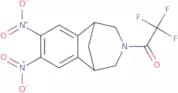
Formule :C9H12O2Degré de pureté :Min. 95%Couleur et forme :Clear LiquidMasse moléculaire :152.19 g/mol2,3,4,5-Tetrahydro-7,8-dinitro-3-(trifluoroacetyl)-1,5-methano-1H-3-benzazepine
CAS :2,3,4,5-Tetrahydro-7,8-dinitro-3-(trifluoroacetyl)-1,5-methano-1H-3-benzazepine is a supplement that may be used to treat depression. It has been shown to have a receptor activity on the acetylcholine receptors. 2,3,4,5-Tetrahydro-7,8-dinitro-3-(trifluoroacetyl)-1,5-methano-1H-3-benzazepine has also been shown to increase the activity of the endothelial function by increasing the production of nitric oxide. This drug has also been shown to be an effective treatment for reducing appetite in cases of anorexia nervosa and for treating Alzheimer's disease. The drug works by activating nicotinic acetylcholine receptors in the brain.Formule :C13H10F3N3O5Degré de pureté :Min. 98 Area-%Couleur et forme :PowderMasse moléculaire :345.23 g/molMethyl 2,4-diaminobutanoate dihydrochloride
CAS :Please enquire for more information about Methyl 2,4-diaminobutanoate dihydrochloride including the price, delivery time and more detailed product information at the technical inquiry form on this page
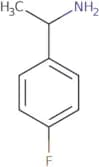
Formule :C5H12N2O2•(HCl)2Degré de pureté :Min. 95%Couleur et forme :PowderMasse moléculaire :205.08 g/mol4-Fluoro-α-methylbenzylamine
CAS :4-Fluoro-a-methylbenzylamine is a chiral, protonated, and enthalpic compound. It can be synthesized by reacting anilines with 4-fluorobenzaldehyde in the presence of a base such as sodium ethoxide. The flavonoids from the plant Hedera helix have been shown to inhibit this enzyme.
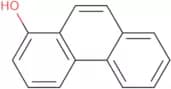
4-Fluoro-a-methylbenzylamine has been found to be a potent inhibitor of imidazole amidohydrolase, an enzyme involved in the metabolism of histamine and other biologically active amines. This inhibition prevents the conversion of histamine to imidazole and therefore may help prevent allergic reactions such as asthma.Formule :C8H10FNDegré de pureté :Min. 95%Masse moléculaire :139.17 g/mol1-Phenanthrol
CAS :1-Phenanthrol is a naturally occurring phenanthrene derivative that is used in the treatment of cervical cancer. It has been shown to be effective in the chemiluminescence method using urine samples, which indicates that it may have an effect on the body's metabolism. 1-Phenanthrol has also been shown to inhibit the production of s-phenylmercapturic acid, which is a metabolite of aromatic amines. This inhibition may be due to its receptor binding properties as it binds to and activates the peroxisome proliferator-activated receptor alpha (PPARα) and PPARγ. 1-Phenanthrol also inhibits angiotensin II type 1 receptors and can cause vasorelaxation by reducing blood pressure.
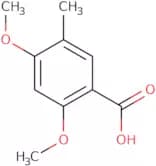
Formule :C14H10ODegré de pureté :Min. 95%Couleur et forme :Off-White PowderMasse moléculaire :194.23 g/mol2,4-Dimethoxy-5-methylbenzoic acid
CAS :2,4-Dimethoxy-5-methylbenzoic acid is a compound that belongs to the class of useful building blocks. It has a high quality and can be used as a reagent, complex compound, and useful intermediate in the synthesis of fine chemicals. 2,4-Dimethoxy-5-methylbenzoic acid is also a versatile building block that can be used for the production of speciality chemicals such as research chemicals.
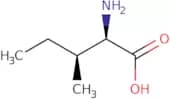
Formule :C10H12O4Degré de pureté :Min. 95%Masse moléculaire :196.2 g/molD-Allo-isoleucine
CAS :D-Allo-isoleucine is an antimicrobial agent that belongs to the group of hydroxyl compounds. It is a natural amino acid that can be synthesized by asymmetric synthesis, and its conformational properties are different from those of L-isoleucine. D-Allo-isoleucine has been shown to increase activity against microorganisms in vitro and in mice models. D-Allo-isoleucine also has an inhibitory effect on aminotransferase activity, which may be due to its ability to form a cyclic peptide with the fatty acid group p2.
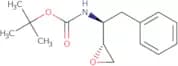
Formule :C6H13NO2Degré de pureté :Min. 95%Couleur et forme :PowderMasse moléculaire :131.17 g/mol(2R,3S)-3-(tert-Butoxycarbonyl)amino-1,2-epoxy-4-phenylbutane
CAS :The compound (2R,3S)-3-(tert-Butoxycarbonyl)amino-1,2-epoxy-4-phenylbutane is an epoxide with a thionyl chloride mediated reaction. This compound has been shown to react with amines and nucleophiles to form epoxides. The time required for this reaction was found to be dependent on the concentration of the amine. The reaction was also found to be chiral as it produced a mixture of diastereomers. When irradiated, this compound undergoes a stereoselective reaction that leads to a new epoxide product.
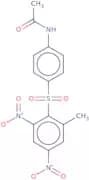
Formule :C15H21NO3Degré de pureté :Min. 95%Couleur et forme :Off-White PowderMasse moléculaire :263.34 g/mol4-Acetamido-2',4'-dinitro-5'-methyldiphenyl sulphone
CAS :4-Acetamido-2',4'-dinitro-5'-methyldiphenyl sulphone is a high quality, versatile building block that is used as a reagent and complex intermediate. It can be used in the production of speciality chemicals, research chemicals and fine chemicals. 4-Acetamido-2',4'-dinitro-5'-methyldiphenyl sulphone is also a useful scaffold for the construction of new chemical compounds. This compound has been shown to be a reaction component in organic synthesis reactions.Formule :C15H13N3O7SDegré de pureté :Min. 95%Couleur et forme :Solid.Masse moléculaire :379.35 g/molFmoc-Cys((R)-2,3-di(palmitoyloxy)-propyl)-OH
CAS :Fmoc-Cys((R)-2,3-di(palmitoyloxy)-propyl)-OH is a versatile building block that is useful for the synthesis of complex compounds. This compound has been shown to be a useful intermediate in the synthesis of pharmaceuticals, organic dyes and research chemicals. Fmoc-Cys((R)-2,3-di(palmitoyloxy)-propyl)-OH is a fine chemical that is used as a reagent in organic synthesis. It has CAS No. 139573-77-6 and can be used as a speciality chemical or reaction component.
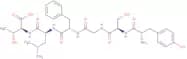
Formule :C53H83NO8SDegré de pureté :Min. 95 Area-%Couleur et forme :White PowderMasse moléculaire :894.29 g/mol(D-Ser2)-Leu-Enkephalin-Thr
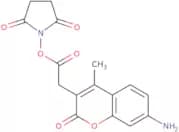
CAS :(D-Ser2)-Leu-Enkephalin-Thr H-Tyr-D-Ser-Gly-Phe-Leu-Thr-OH is a cyclic peptide that has been shown to activate the κ-opioid receptor. The peptide has been used in studies of the intracellular calcium concentration and glomerular filtration rate in kidney cells, as well as the antinociceptive effects of opioid drugs on mice. This drug has also been shown to have effects on cyclic AMP levels and α 1 -adrenergic receptors in neuro2a cells.Formule :C33H46N6O10Degré de pureté :Min. 95%Couleur et forme :SolidMasse moléculaire :686.75 g/mol7-Amino-4-methyl-3-coumarinacetic acid N-succinimidyl ester
CAS :7-Amino-4-methyl-3-coumarinacetic acid N-succinimidyl ester is a synthetic amino acid with a reactive carboxylic acid group. It is used as a crosslinker in biochemistry and has been shown to have biological properties in plants. 7-Amino-4-methyl-3-coumarinacetic acid N-succinimidyl ester reacts with the acidic groups of proteins, DNA, or RNA, and is an important component of some second order rate constants. This chemical is also used for the neutralization of histological stains such as haematoxylin.
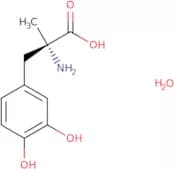
Formule :C16H14N2O6Degré de pureté :Min. 90 Area-%Couleur et forme :PowderMasse moléculaire :330.29 g/mol(S)-2-Amino-3-(3,4-dihydroxyphenyl)-2-methylpropionic acid sesquihydrate
CAS :(S)-2-Amino-3-(3,4-dihydroxyphenyl)-2-methylpropionic acid sesquihydrate is a synthetic drug that is used for the treatment of metabolic disorders such as diabetes mellitus. It has been shown in animal studies to increase locomotor activity and decrease bowel disease. It also has an effect on α7 nicotinic acetylcholine receptors and 2 adrenergic receptors.
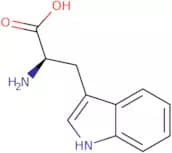
Formule :C10H13NO4•(H2O)1Degré de pureté :Min 98%Couleur et forme :PowderMasse moléculaire :238.24 g/molD-Tryptophan
CAS :D-amino acid
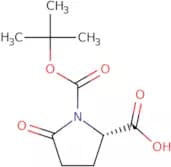
Formule :C11H12N2O2Degré de pureté :Min. 95%Couleur et forme :PowderMasse moléculaire :204.23 g/molBoc-Pyr-OH
CAS :Boc-Pyr-OH is a synthetic compound with medical applications. It is used as an anti-inflammatory agent and has been shown to be effective in the treatment of mouse tumor cells. Boc-Pyr-OH binds to plasma proteins and can be detected in the blood following administration. The drug has a high affinity for chloride ions, which may be due to its trifluoroacetyl group. The drug has two homologues: Boc-Pyr-Cl and Boc-Pyr-Br.
Formule :C10H15NO5Degré de pureté :Min. 95%Couleur et forme :PowderMasse moléculaire :229.23 g/molN-[(4-Amino-2-methylpyrimidin-5-yl)methyl]formamide
CAS :N-[(4-Amino-2-methylpyrimidin-5-yl)methyl]formamide (NAMPT) is a triazolo compound that inhibits the ATP binding cassette transporter and blocks the uptake of uridine and pyrimidine compounds. It also inhibits inorganic pyrophosphatase, which is an enzyme that catalyzes the hydrolysis of pyrophosphate to inorganic phosphate. NAMPT has been shown to be a substrate for hypochlorous acid production in neutrophils, suggesting it may play a role in the regulation of oxidative stress. Chemical biology studies have demonstrated that NAMPT plays a physiological function as an intermediate in vitamin B1 biosynthesis.
Formule :C7H10N4ODegré de pureté :Min. 95%Couleur et forme :PowderMasse moléculaire :166.18 g/molRef: 3D-FA31702
Produit arrêté7-[5-(Fluoro-methyl-phosphoryl)oxypentyl]-4-nitro-2,1,3-benzoxadiazole
CAS :Produit contrôlé7-[5-(Fluoro-methyl-phosphoryl)oxypentyl]-4-nitro-2,1,3-benzoxadiazole is a reactivator of the central nervous system. It is a noncompetitive antagonist at muscarinic receptors and blocks postsynaptic acetylcholine release from cholinergic neurons. It has been shown to have no effect on blood pressure but does cause an increase in locomotor activity in animals. This drug binds to the hippocampal formation and the ventral hippocampus, which are areas of the brain that are involved in memory and spatial navigation. The distribution of this drug postulated to be due to its ability to penetrate micron sized openings in cell membranes.
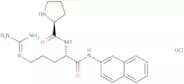
Formule :C12H15FN3O5PDegré de pureté :Min. 95%Masse moléculaire :331.24 g/molH-Pro-Arg-bNA·HCl
CAS :H-Pro-Arg-bNA·HCl is a reagent, complex compound and useful intermediate with the CAS number 201998-83-6. It is a fine chemical that is used as a useful scaffold or building block for the synthesis of other chemicals. This product can be used in research and as a versatile building block for reactions.
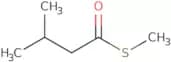
Formule :C21H28N6O2·HClDegré de pureté :Min. 95%Couleur et forme :PowderMasse moléculaire :432.95 g/molS-Methylisovalerate
CAS :S-Methylisovalerate is a branched fatty acid that is an intermediate in the biosynthesis of valine. It has been isolated from Corynebacterium glutamicum and Brevibacterium sp. S-Methylisovalerate has been identified by gas chromatography/mass spectrometry (GC/MS) as a major component of the volatile organic compounds produced by strains of Corynebacterium glutamicum and Brevibacterium sp. The GC/MS profile of these strains consists mainly of ester compounds, such as methyl ethyl acetate and butyric acid.
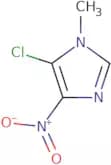
Formule :C6H12OSDegré de pureté :Min. 95%Couleur et forme :Colorless Clear LiquidMasse moléculaire :132.22 g/mol5-Chloro-1-methyl-4-nitroimidazole
CAS :5-Chloro-1-methyl-4-nitroimidazole (5C1MI) is a fatty acid that is synthesized by the reaction of phosphorus pentachloride and an aliphatic hydrocarbon. It has been shown to be effective in treating women with breast cancer. 5C1MI blocks the activity of a protein called HER2, which promotes tumor growth. The drug has been shown to cause an increase in the number of circulating lymphocytes and natural killer cells, as well as an increase in the production of antibodies in mice. These effects are likely caused by 5C1MI's ability to inhibit the proliferation of T cells and B cells. 5C1MI has also been shown to have a high solubility in water and low solubility in lipids, which makes it suitable for administration via intravenous injection.
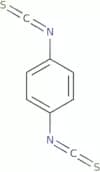
Formule :C4H4ClN3O2Degré de pureté :Min. 95%Couleur et forme :PowderMasse moléculaire :161.55 g/mol1,4-Phenylene diisothiocyanate
CAS :1,4-Phenylene diisothiocyanate is a potent anthelmintic drug that inhibits the growth of parasites and has been used to treat infections caused by helminths. It binds to a chemoreceptor site on the parasite's surface and prevents the release of an inflammatory mediator, epidermal growth factor. This drug also interacts with other receptors, such as P2Y2, which are involved in inflammation. 1,4-Phenylene diisothiocyanate has been shown to be effective against cancer cells in experimental models and may be useful in chemotherapeutic treatments due to its ability to inhibit cell proliferation.
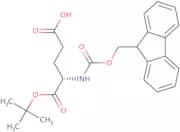
Formule :C8H4N2S2Degré de pureté :Min. 98 Area-%Couleur et forme :Off-White PowderMasse moléculaire :192.26 g/molFmoc-L-Glu-OtBu
CAS :Fmoc-L-Glu-OtBu is a synthetic ligand that is used as a fluorescent probe in vivo. It has been shown to bind to semaglutide with high affinity, and it can be used to study the function of semaglutide in the cell. Fmoc-L-Glu-OtBu has also been found to have an inhibitory effect on cancer cells. This ligand can be synthesized by solid-phase synthesis and purified by column chromatography. The purity of Fmoc-L-Glu-OtBu is confirmed by elemental analysis, and its impurities are determined by fluorescence spectroscopy. The carboxylate group of Fmoc-L-Glu-OtBu is activated with sulfuric acid to form the corresponding active ester, which can then be conjugated with other molecules.
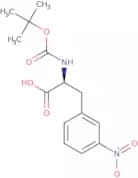
Formule :C24H27NO6Degré de pureté :Min. 95%Couleur et forme :White PowderMasse moléculaire :425.47 g/molBoc-3-nitro-L-phenylalanine
CAS :Boc-3-nitro-L-phenylalanine is a chemical intermediate that is useful for the synthesis of a wide variety of compounds. It is a versatile building block with many applications in research and industry. Boc-3-nitro-L-phenylalanine has been used as a reaction component in organic synthesis, as well as in the production of pharmaceuticals and other specialized chemicals. This compound can be used as a reagent or starting material for the synthesis of other organic compounds. Boc-3-nitro-L-phenylalanine is an important chemical with high quality, which can be used in the production of many different types of products.
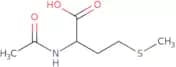
Formule :C14H18N2O6Degré de pureté :Min. 98 Area-%Couleur et forme :PowderMasse moléculaire :310.3 g/molN-Acetyl-DL-methionine
CAS :N-Acetyl-DL-methionine is an amide of the amino acid methionine and acetyl coenzyme A. It has a number of biological properties including being a precursor to protein synthesis, a regulator of fatty acid metabolism, and an inhibitor of glutamate pyruvate transaminase. It can be found in bacterial strains as well as in human serum. N-Acetyl-DL-methionine is synthesized by the reaction of methylamine with acetyl coenzyme A in the presence of ammonia or other nitrogenous bases. The chemical structure of this compound consists of two nitrogen atoms and an acetyl group bonded to a carbon atom that is attached to a methyl group and another carbon atom that forms part of an amide bond with the amino acid methionine. This molecule has been observed using nmr spectroscopic data to form hydrogen bonds with proteins.
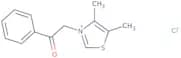
Formule :C7H13NO3SDegré de pureté :Min. 95%Couleur et forme :PowderMasse moléculaire :191.25 g/mol4,5-Dimethyl-3-(2-oxo-2-phenylethyl)thiazol-3-ium chloride
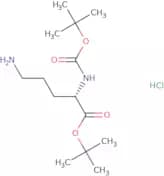
CAS :4,5-Dimethyl-3-(2-oxo-2-phenylethyl)thiazol-3-ium chloride (CGP42112A) is a cytosolic calcium antagonist and a biocompatible polymer that has been shown to be effective in the treatment of diabetes. The drug binds to the endothelin A receptor, which causes the release of intracellular calcium ions from the endoplasmic reticulum. CGP42112A has been shown to demonstrate side effects profiles that are similar to those seen with other pharmacological agents, such as mitochondrial functions and glycation. It also inhibits growth factor β1, which is involved in cell proliferation and differentiation. CGP42112A has been shown to be effective in combination therapy for patients with diabetic nephropathy, tubulointerstitial injury, and neuronal death.Formule :C13H14ClNOSDegré de pureté :Min. 95%Couleur et forme :SolidMasse moléculaire :267.78 g/molN-α-Boc-L-ornithine tert-butyl ester hydrochloride
CAS :Please enquire for more information about N-α-Boc-L-ornithine tert-butyl ester hydrochloride including the price, delivery time and more detailed product information at the technical inquiry form on this page
Formule :C14H28N2O4•HClDegré de pureté :Min. 95%Couleur et forme :PowderMasse moléculaire :324.84 g/molRef: 3D-FB49251
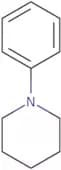
Produit arrêté1-Phenyl-piperidine
CAS :1-Phenyl-piperidine is a psychoactive compound that has been shown to have strong binding affinity for the κ-opioid receptors. It has also been shown to increase locomotor activity in mice and produce hallucinations. 1-Phenyl-piperidine has a number of biological properties including inhibition of dopamine uptake, induction of myocardial infarcts, and toxicity to the ischemic brain. It binds with high affinity to the multidrug efflux pumps such as P-glycoprotein (Pgp) and MDR1, which are responsible for removing drugs from cells. Pgp is induced by cytochrome P450 3A4 (CYP3A4) inhibitors such as ketoconazole, erythromycin, fluconazole, itraconazole, clarithromycin, telithromycin, nefazodone, and grapefruit juice.
Formule :C11H15NDegré de pureté :Min. 95%Couleur et forme :PowderMasse moléculaire :161.24 g/molFmoc-D-Leu-OH
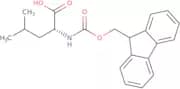
CAS :Fmoc-D-Leu-OH is a disulfide bond containing molecule with an intracellular Ca2+ chelating activity. It has been shown to have cytoprotective effects against oxidative stress and cell death, and has also been found to have antiinflammatory properties. Fmoc-D-Leu-OH can inhibit the activities of various enzymes such as cyclooxygenase, lipoxygenase, phospholipases, and diamine oxidase. This molecule also exhibits cytotoxic activity against bladder cancer cells in vitro. The pharmacokinetic properties of Fmoc-D-Leu-OH are similar to other molecules that are used as antibiotics.
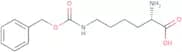
Fmoc-D-Leu-OH is a cyclic peptide with antimicrobial peptide (AMP) activity that inhibits bacterial growth by disrupting their cell membranes or inhibiting protein synthesis. It binds to bacterial 16S ribosomal RNA and inhibits protein synthesis, leadingFormule :C21H23NO4Degré de pureté :Min. 98 Area-%Couleur et forme :White PowderMasse moléculaire :353.41 g/molN6-Cbz-L-lysine
CAS :N6-Cbz-L-lysine is a compound that has been shown to inhibit the activity of enzymes involved in disulfide bond formation, such as protein tyrosine phosphatase (PTP), and other enzymes implicated in cancer. N6-Cbz-L-lysine binds to the enzyme bromoacetic acid complex, which is involved in the uptake of substances into cells. This compound also has a high resistance to ring-opening, making it a good candidate for cancer therapy. The structural biology and molecular modelling of N6-Cbz-L-lysine has shown that this drug may be an active substance with anti-cancer activities. Magnetic resonance spectroscopy studies have revealed that N6-Cbz-L-lysine may have potential as an antihypertensive agent.
Formule :C14H20N2O4Degré de pureté :Min. 95%Couleur et forme :White/Off-White SolidMasse moléculaire :280.32 g/mol1-Palmitoyl-rac-glycerol
CAS :1-Palmitoyl-rac-glycerol is a fatty acid that contains nitrogen atoms. It has hypoglycemic effects and is used to treat metabolic disorders. 1-Palmitoyl-rac-glycerol has been shown to have a protective effect on the liver by decreasing the levels of triglycerides in the blood and preventing lipid peroxidation. It also improves glucose metabolism and insulin sensitivity. 1-Palmitoyl-rac-glycerol is an important component of biological membranes, where it forms a hydrophobic region that helps maintain membrane structure. This compound also has hemolytic activity, which may be due to its ability to bind with phospholipids or cell membranes, leading to changes in their permeability or stability. The stability of 1-palmitoyl-rac glycerol can be tested by adding reagents such as sodium nitrite or potassium permanganate, which will cause a color change from yellow to brown if it reacts
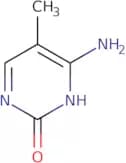
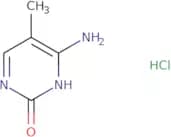
Formule :C19H38O4Degré de pureté :Min. 95%Couleur et forme :PowderMasse moléculaire :330.5 g/mol5-Methylcytosine
CAS :5-Methylcytosine is a nucleic acid that is found in the DNA and RNA of the cell. It is an important component of methylation, which is the process by which a methyl group is added to a molecule. This process can lead to cellular transformation, a process that can cause cancer. 5-Methylcytosine has also been shown as a molecular pathogenesis factor in infectious diseases such as HIV and herpes simplex virus type 1. The presence of 5-methylcytosine in nuclear DNA has been detected by analytical techniques such as gas chromatography/mass spectrometry (GC/MS). There are many analytical methods, including GC/MS, that can be used to detect 5-methylcytosine in cellular nuclei.
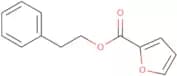
Formule :C5H7N3ODegré de pureté :Min. 95%Couleur et forme :PowderMasse moléculaire :125.13 g/mol2-Phenylethyl furoate
CAS :2-Phenylethyl furoate is a laboratory odorant that has been shown to be toxic when ingested and sensitize when applied externally. It is an odorant that is used in the laboratory to demystify odors, and has been used in testing on animals. 2-Phenylethyl furoate is also an insect repellent that has been tested for its effectiveness against various species of insects, including cockroaches, ants, and termites. The effects of 2-phenylethyl furoate on these insects is not well studied.
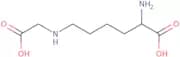
Formule :C13H12O3Degré de pureté :Min. 95%Couleur et forme :Colorless Clear LiquidMasse moléculaire :216.23 g/molN-ε-(1-Carboxymethyl)-L-lysine
CAS :N-ε-(1-Carboxymethyl)-L-lysine (NEM) is a versatile building block that is used in the synthesis of complex compounds. It is a reagent and speciality chemical that can be used as an intermediate to produce other useful chemicals or as a reaction component. It has been shown to be useful in the synthesis of peptides, oligonucleotides, and organic molecules. NEM has also been shown to have high quality and purity, making it a useful scaffold for further research into new compounds.
Formule :C8H16N2O4Degré de pureté :Min. 97%Couleur et forme :White PowderMasse moléculaire :204.22 g/molRef: 3D-FC19791
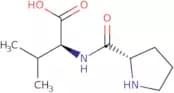
Produit arrêtéH-Pro-Val-OH
CAS :H-Pro-Val-OH is an amide that is used to treat renal disorders by inhibiting leukocyte elastase. It has been shown to be a potent inhibitor of serine proteases, including chymotrypsin and trypsin. H-Pro-Val-OH binds to the active site on serine proteases and blocks the release of peptides from the enzyme. The binding constant for H-Pro-Val-OH with chymotrypsin was found to be in the range of 3 x 10 M, which is significantly higher than that for other amides. In addition, H-Pro-Val-OH inhibits cytolysis by lysosomal enzymes and protects against liver injury caused by chronic liver disease. This drug also shows low molecular weight and high water solubility, making it effective in treating acute hepatitis.
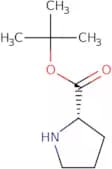
Formule :C10H18N2O3Degré de pureté :Min. 95%Couleur et forme :PowderMasse moléculaire :214.26 g/molL-Proline tert-butyl ester
CAS :L-Proline tert-butyl ester is an organic compound that is used in the synthesis of amino acids and pharmaceuticals. It is chiral, and can be synthesized by a stepwise, asymmetric synthesis. The hydrochloric acid treatment of L-lysine with trifluoroacetic acid yields the corresponding L-proline tert-butyl ester. The stereoselectivity of this process depends on the type of catalyst used for demethylation and alkylation reactions.
Formule :C9H17NO2Degré de pureté :Min. 95%Couleur et forme :PowderMasse moléculaire :171.24 g/mol5-Methylcytosine hydrochloride salt
CAS :5-Methylcytosine hydrochloride salt is a metabolite of cytosine that occurs naturally in the body. It is used as an inhibitor of DNA methylation to study the effect of this process on gene expression. 5-Methylcytosine hydrochloride salt has been shown to inhibit the production of growth factors, such as insulin-like growth factor 1, and radiation energy. It also causes oxidative damage to DNA and inhibits the oxidation of urea nitrogen in lettuce. The matrix effect may interfere with the analysis of 5-methylcytosine hydrochloride salt by spectrometry.
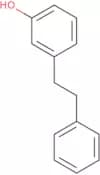
Formule :C5H7N3O·HClDegré de pureté :Min. 95%Couleur et forme :PowderMasse moléculaire :161.59 g/mol3-Phenethyl-phenol
CAS :3-Phenethylphenol is a hydrophobic, sterically-interacting compound that binds to molybdenum. It has been shown to inhibit the growth of fungi such as Poria and Coriolus. 3-Phenethylphenol also has functionalities such as peroxide, acetonitrile, and nature. This compound is not soluble in water and must be dissolved in solvents such as acetonitrile or polyvinyl acetate before use. 3-Phenethylphenol has been shown to have chromatographic properties, allowing it to be used as an adsorbent for the separation of organic compounds.
Formule :C14H14ODegré de pureté :Min. 95%Couleur et forme :PowderMasse moléculaire :198.26 g/molDL-Asparagine monohydrate
CAS :DL-Asparagine monohydrate is a low potency amino acid that can be used as a biomarker for wastewater treatment. It has been shown to inhibit the activity of enzymes such as guanine nucleotide-binding proteins, toll-like receptors, and response elements. Asparagine also has inhibitory properties against tumour cells in solid tumours.
Formule :C4H10N2O4Couleur et forme :PowderMasse moléculaire :150.14 g/molRef: 3D-FA29369
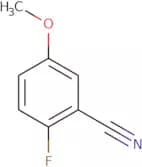
Produit arrêté2-Fluoro-5-methoxybenzonitrile
CAS :2-Fluoro-5-methoxybenzonitrile is a metal catalyst that has been shown to be effective in the synthesis of various organic compounds. The use of ultrasound can increase the yields of reactions involving 2-fluoro-5-methoxybenzonitrile. 2-Fluoro-5-methoxybenzonitrile has also been demonstrated as a pharmacological agent with a number of potential applications. It inhibits the activity of phosphodiesterase 4, which may lead to an improved therapeutic profile for conditions such as asthma and erectile dysfunction. 2-Fluoro-5-methoxybenzonitrile is also used in photochemical reactions, where it acts as an inhibitor to prevent the formation of undesired products.
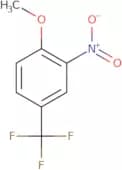
Formule :C8H6FNODegré de pureté :Min. 95%Couleur et forme :PowderMasse moléculaire :151.14 g/mol4-Methoxy-3-nitrobenzotrifluoride
CAS :4-Methoxy-3-nitrobenzotrifluoride is a chemical that belongs to the group of reactants. It is used as a reagent, building block, or intermediate in organic synthesis. 4-Methoxy-3-nitrobenzotrifluoride has been shown to be an effective scaffold for the preparation of complex compounds with versatile building blocks and useful intermediates. It can also be used as a fine chemical with speciality chemical properties.
Formule :C8H6F3NO3Degré de pureté :Min. 95%Couleur et forme :PowderMasse moléculaire :221.13 g/molAc-Phe-Arg-AMC hydrochloride
CAS :Ac-Phe-Arg-AMC hydrochloride is a versatile building block that is used in the synthesis of complex compounds and research chemicals.
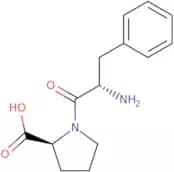
It is a fine chemical with CAS No. 177028-04-5. Ac-Phe-Arg-AMC hydrochloride is soluble in water, ethanol, and acetone, and insoluble in ether. This compound can be used as an intermediate for the synthesis of research chemicals with high quality or as a reagent. Ac-Phe-Arg-AMC hydrochloride can be used to produce a variety of useful scaffolds for medicinal chemistry or organic chemistry applications.Formule :C27H32N6O5·HClDegré de pureté :Min. 95 Area-%Couleur et forme :PowderMasse moléculaire :557.04 g/molH-Phe-Pro-OH
CAS :H-Phe-Pro-OH is a cyclic peptide that is a structural mimic of the natural amino acid gamma-aminobutyric acid (GABA) and has been shown to be an effective inhibitor of the p450 enzymes responsible for carcinogen activation. The peptide binds to response elements in DNA and RNA, which prevents transcription of genes that are involved in cancer development. H-Phe-Pro-OH also inhibits collagen production and has hemolytic activity due to hydrogen bonding with erythrocytes. This peptide can be used as an antimicrobial agent against Gram negative bacteria, including Pseudomonas aeruginosa, Klebsiella pneumoniae, Escherichia coli, and Salmonella typhimurium. In addition, it has been shown to inhibit the growth of Gram positive bacteria such as Staphylococcus aureus and Clostridium perfringens. The mechanism by which this compound inhibits bacterial growth is
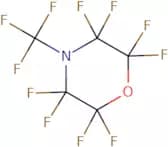
Formule :C14H18N2O3Degré de pureté :Min. 95%Couleur et forme :PowderMasse moléculaire :262.3 g/molPerfluoro-N-Methylmorpholine
CAS :Perfluoro-N-Methylmorpholine (PMM) is a perfluorinated solvent with high boiling point, which makes it suitable for high temperature and pressure applications. PMM is an acyl halide that can be used as a solvent or in the synthesis of other perfluorinated compounds. The cyclic structure of PMM provides stability and high yields. The oxidation resistance of PMM allows it to be used in harsh environments. Cleavage products from PMM are not toxic, making this compound environmentally friendly. PMM can be used in organic chemistry as a solvent for reactions involving dialkylamino groups, such as the production of cyclic compounds. It can also be used in the synthesis of perfluorinated polymers as well as in the manufacture of coatings, foams, lubricants, and surfactants.
Formule :C5F11NODegré de pureté :Min. 95%Couleur et forme :Clear LiquidMasse moléculaire :299.04 g/molRef: 3D-FP78734
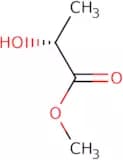
Produit arrêtéD-Methyl lactate
CAS :D-Methyl lactate is a synthetic, broad-spectrum antibacterial agent that is synthesized by the ring-opening of l-glutamic acid methyl esters with methyl glycosides. It has been shown to have a greater effect on gram-positive bacteria than gram-negative bacteria. This drug also has stereoselective activity against Staphylococcus aureus and Escherichia coli, which may be related to its ability to inhibit the synthesis of dl-amino acids. D-Methyl lactate has also been shown to increase bacterial cell growth at low concentrations and inhibit bacterial growth at high concentrations. This may be due to its ability to induce dehydration in cells through the cleavage of fatty acids.
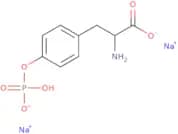
Formule :C4H8O3Degré de pureté :(¹H-Nmr) Min. 95 Area-%Couleur et forme :Colorless Clear LiquidMasse moléculaire :104.1 g/molPhospho-L-tyrosine disodium
CAS :Phospho-L-tyrosine disodium is a versatile building block that has many different uses in research. It is used as a reagent for the synthesis of other chemicals, such as vitamins, drugs and pesticides. The compound can be used to make high quality, useful intermediates for chemical reactions or as a reaction component. Phospho-L-tyrosine disodium is a speciality chemical that can be used in the production of many complex compounds. This product also has CAS number 1610350-91-8.
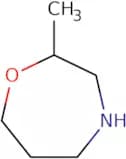
Formule :C9H10NNa2O6PDegré de pureté :Min. 95%Couleur et forme :White PowderMasse moléculaire :305.13 g/mol2-Methyl-1,4-oxazepane
CAS :2-Methyl-1,4-oxazepane is a fine chemical that can be used as a building block in organic synthesis. It is a versatile building block and can be used as a reaction component or intermediate. 2-Methyl-1,4-oxazepane has been used as an intermediate in the synthesis of various pharmaceutical drugs, including benzodiazepines and beta blockers. This compound is also used in the production of polyurethanes and other plastics.
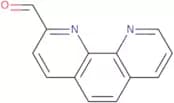
2-Methyl-1,4-oxazepane has been classified by the Chemical Abstracts Service (CAS) as a speciality chemical with the number 1018614-41-9.Formule :C6H13NODegré de pureté :Min. 95%Couleur et forme :Colorless PowderMasse moléculaire :115.17 g/mol1,10-Phenanthroline-2-carbaldehyde
CAS :1,10-Phenanthroline-2-carbaldehyde is a phenylhydrazone compound that has been shown to have anticancer activity. It is also a supramolecular complex, which means it can form hydrogen bonds and coordinate bonds with other molecules. The anticancer activity of 1,10-phenanthroline-2-carbaldehyde may be due to its ability to inhibit the growth of prostate carcinoma cells. This compound also inhibits the growth of human cervical carcinoma cells by binding to their DNA and inhibiting the synthesis of RNA and protein. 1,10-Phenanthroline-2-carbaldehyde is being studied for its potential as an inhibitor of tumor angiogenesis.
1,10-Phenanthroline-2-carbaldehyde has been shown to have antiplatelet aggregation effects in platelets from healthy humans as well as those with type 2 diabetes mellitus or chronic kidney disease.Formule :C13H8N2ODegré de pureté :Min. 90 Area-%Couleur et forme :Off-White PowderMasse moléculaire :208.22 g/mol






![3,4-diaza-5-(tert-butyl)-2-hydroxy-3-((4-methylphenyl)sulfonyl)tricyclo[6.4.0.0<2,6>]dodeca-1(8),4…](/_next/image/?url=https%3A%2Fstatic.cymitquimica.com%2Fproducts%2F3D%2Fthumb-webp%2FFD169677.webp&w=3840&q=75)



![Fmoc-S-[2,3-bis(palmitoyloxy)propyl]-L-cysteine](/_next/image/?url=https%3A%2Fstatic.cymitquimica.com%2Fproducts%2F3D%2Fthumb-webp%2FFF47755.webp&w=3840&q=75)

![1-[3-(Fluoro-Methylphosphoryl)Oxypropyl]Pyrene](/_next/image/?url=https%3A%2Fstatic.cymitquimica.com%2Fproducts%2F3D%2Fthumb-webp%2FFF89825.webp&w=3840&q=75)

![N-[(4-Amino-2-methylpyrimidin-5-yl)methyl]formamide](/_next/image/?url=https%3A%2Fstatic.cymitquimica.com%2Fproducts%2F3D%2Fthumb-webp%2FFA31702.webp&w=3840&q=75)
![7-[5-(Fluoro-methyl-phosphoryl)oxypentyl]-4-nitro-2,1,3-benzoxadiazole](/_next/image/?url=https%3A%2Fstatic.cymitquimica.com%2Fproducts%2F3D%2Fthumb-webp%2FFF98971.webp&w=3840&q=75)