Acides aminés (AA)
Sous-catégories appartenant à la catégorie "Acides aminés (AA)"
- Dérivés d'acides aminés(4.016 produits)
- Acide aminé et composés apparentés aux acides aminés(3.490 produits)
- Acides aminés avec de l'oxygène ou du soufre(168 produits)
- Boc- Acides aminés(351 produits)
- Acides aminés avec groupes protecteurs(1.710 produits)
38369 produits trouvés pour "Acides aminés (AA)"
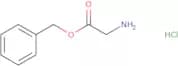
Benzyl glycinate hydrochloride
CAS :Benzyl glycinate hydrochloride is a piperidinecarboxylic acid ester that is bound to a benzyl group. It is chemically stable and has biological properties that are similar to those of oxytocin. This drug may be used as an antiviral agent or in the treatment of infectious diseases, such as hepatitis. The binding of benzyl glycinate hydrochloride to the ns3 protease prevents the conversion of amide-containing prodrugs into active form. The ester hydrochloride moiety in this molecule may act as a competitive inhibitor against carboxylesterases found in erythrocytes, which are responsible for the hydrolysis of oxytocin. Benzyl glycinate hydrochloride also binds to the oxytocin receptor and may be used as an oxytocin mimetic.
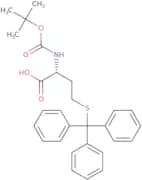
Formule :C9H11NO2•HClDegré de pureté :Min. 97 Area-%Couleur et forme :PowderMasse moléculaire :201.65 g/molBoc-D-Homocys (Trt)-OH
CAS :Please enquire for more information about Boc-D-Homocys (Trt)-OH including the price, delivery time and more detailed product information at the technical inquiry form on this page
Formule :C28H31NO4SDegré de pureté :Min. 95%Masse moléculaire :477.62 g/molN3-Orn(Boc) cyclohexylamine
CAS :N3-Orn(Boc) cyclohexylamine is a chemical intermediate that is used in the synthesis of complex compounds. It can be used as a building block or an intermediate in the synthesis of many fine chemicals, such as pharmaceuticals, agrochemicals, and fragrances. N3-Orn(Boc) cyclohexylamine is also used in reactions involving amines and alcohols to produce useful scaffolds. This chemical product has been shown to be safe for human use with no significant adverse side effects at doses up to 100mg/kg body weight.
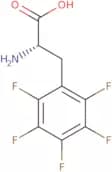
Formule :C10H18N4O4•C6H13NDegré de pureté :Min. 95%Couleur et forme :PowderMasse moléculaire :357.4 g/mol2,3,4,5,6-Pentafluoro-L-phenylalanine
CAS :2,3,4,5,6-Pentafluoro-L-phenylalanine (PFPA) is a substrate molecule that has been shown to inhibit the α1 subunit of the Na+/K+ ATPase in human heart cells. PFPA also inhibits the growth of bacteria in culture and is active against bacterial strains that have developed resistance to other antimicrobial agents. PFPA is also effective against bowel disease caused by H. pylori. PFPA has been shown to inhibit the production of an antimicrobial peptide by hl-60 cells in vitro and has been shown to be effective against a number of infectious diseases including tuberculosis and some autoimmune diseases.
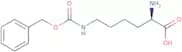
Formule :C9H6F5NO2Degré de pureté :Min. 95%Couleur et forme :PowderMasse moléculaire :255.14 g/molNe-Z-D-lysine
CAS :Please enquire for more information about Ne-Z-D-lysine including the price, delivery time and more detailed product information at the technical inquiry form on this page
Formule :C14H20N2O4Degré de pureté :Min. 95%Couleur et forme :PowderMasse moléculaire :280.32 g/mol5,6-Methylenedioxyindole
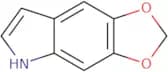
CAS :5,6-Methylenedioxyindole (MDI) is a compound that is often used in the synthesis of other bioactive molecules. It has been shown to bind to the pyridinium moiety of receptor sites and form a stable complex, which can then be displaced by an agonist or antagonist. The binding experiments were performed using radioactive MDI and zoxazolamine as the ligand. Radiolabelled MDI was synthesized from 5-methyl-2-pyridinone with the use of a linker, methylenetriphenylphosphorane (MTPP). The molecular electrostatic potentials of the two compounds were calculated in order to investigate the possible binding interactions between them. Ellipticines are also synthesised using MDI as a precursor molecule, which is alkylated with dimethyl sulfate and then reacted with phenylhydrazine. This reaction produces a mixture containing both ellipticines and
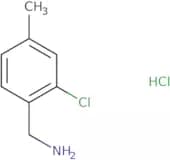
Formule :C9H7NO2Degré de pureté :Min. 95%Masse moléculaire :161.16 g/mol2-Chloro-4-methylbenzylamine hydrochloride
CAS :2-Chloro-4-methylbenzylamine hydrochloride is a fine chemical that is used in the research, development and manufacturing of pharmaceuticals, agrochemicals, polymers and other organic compounds. 2-Chloro-4-methylbenzylamine hydrochloride can be used as an intermediate for the synthesis of a variety of drugs with different structures. It is also useful as a reagent in organic synthesis. The product has been classified by the EU as an SDS (Substances of Very High Concern) due to its potential for use in the production of nerve agents like sarin gas.Formule :C8H10ClN•HClDegré de pureté :Min. 95%Masse moléculaire :192.09 g/mol2-Bromo-4-methylpyridine
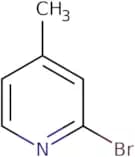
CAS :2-Bromo-4-methylpyridine is an organic compound that is used in the synthesis of other compounds. It has been shown to be a potent anticancer agent, inhibiting cell function and inducing apoptosis. 2-Bromo-4-methylpyridine can be used to detect autofluorescent cells by photoreceptor cell fluorescence. This compound also induces lipofuscin accumulation in red blood cells as a result of its protonation, which leads to decreased membrane fluidity and oxidative stress.
Formule :C6H6BrNDegré de pureté :Min. 95%Couleur et forme :PowderMasse moléculaire :172.02 g/molFmoc-D-Leu-OH
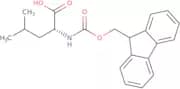
CAS :Fmoc-D-Leu-OH is a disulfide bond containing molecule with an intracellular Ca2+ chelating activity. It has been shown to have cytoprotective effects against oxidative stress and cell death, and has also been found to have antiinflammatory properties. Fmoc-D-Leu-OH can inhibit the activities of various enzymes such as cyclooxygenase, lipoxygenase, phospholipases, and diamine oxidase. This molecule also exhibits cytotoxic activity against bladder cancer cells in vitro. The pharmacokinetic properties of Fmoc-D-Leu-OH are similar to other molecules that are used as antibiotics.
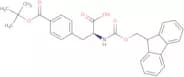
Fmoc-D-Leu-OH is a cyclic peptide with antimicrobial peptide (AMP) activity that inhibits bacterial growth by disrupting their cell membranes or inhibiting protein synthesis. It binds to bacterial 16S ribosomal RNA and inhibits protein synthesis, leadingFormule :C21H23NO4Degré de pureté :Min. 98 Area-%Couleur et forme :White PowderMasse moléculaire :353.41 g/molFmoc-(4-tert-butyloxycarbonyl)-L-phenylalanine
CAS :Fmoc-(4-tert-butyloxycarbonyl)-L-phenylalanine is a chemical compound that is used as a building block in organic synthesis. This chemical has been shown to be useful as a reagent in the synthesis of natural products and pharmaceuticals, such as immunosuppressants and anticancer agents. Fmoc-(4-tert-butyloxycarbonyl)-L-phenylalanine is also used as an intermediate for the production of other chemicals, including pharmaceuticals, pesticides, and fragrance chemicals. The CAS number for this compound is 183070-44-2.
Formule :C29H29NO6Degré de pureté :Min. 95%Couleur et forme :White PowderMasse moléculaire :487.54 g/molRef: 3D-FF49037
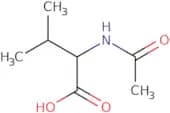
Produit arrêtéN-Acetyl-DL-valine
CAS :N-Acetyl-DL-valine is an amide that is used as a model system for studying enzyme reactions. It was found to have copper complex, which is a potent inhibitor of fatty acid synthase and proton receptors. It has been shown to be effective in the treatment of cancer due to its ability to inhibit the growth of tumor cells. In addition, this compound has been shown to be specific for cancer cells as it does not affect healthy cells. N-Acetyl-DL-valine also has the ability to inhibit the activity of enzymes that are involved in fatty acid synthesis, such as acetoacetate decarboxylase and beta-ketoacyl synthase.
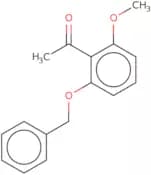
Formule :C7H13NO3Degré de pureté :Min. 95%Couleur et forme :PowderMasse moléculaire :159.18 g/mol2-Benzyloxy-6-methoxyacetophenone
CAS :2-Benzyloxy-6-methoxyacetophenone is a high quality and versatile chemical that can be used as a reagent or building block in organic synthesis. It is an important intermediate in the synthesis of fine chemicals, pharmaceuticals, and other complex compounds. 2-Benzyloxy-6-methoxyacetophenone has been shown to be useful as a scaffold for the synthesis of novel complex molecules, such as speciality chemicals. The compound also has potential applications in research and development of new drugs.
Formule :C16H16O3Degré de pureté :Min. 95%Couleur et forme :PowderMasse moléculaire :256.3 g/mol1-[3-(Fluoro-Methylphosphoryl)Oxypropyl]Pyrene
CAS :Produit contrôlé1-[3-(Fluoro-Methylphosphoryl)Oxypropyl]Pyrene is a fluorescent derivative of pyrene. It has been used to label DNA and proteins for experiments involving fluorescence. The fluorophores in 1-[3-(Fluoro-Methylphosphoryl)Oxypropyl]Pyrene are activated by laser light, which causes emission of light at a wavelength of 590 nm. The emission spectrum of 1-[3-(Fluoro-Methylphosphoryl)Oxypropyl]Pyrene is sensitive to the environment and changes with chemical modification.
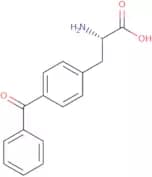
Formule :C20H18FO2PDegré de pureté :Min. 95%Masse moléculaire :340.33 g/mol4-Benzoyl-L-phenylalanine
CAS :4-Benzoyl-L-phenylalanine is a protein that has been shown to interact with the following domains: 4-helical bundle, alpha/beta hydrolase fold, and beta sheet. It interacts with residues: Arg128, Tyr129, Asp130, Gly131, Ser132, Ser133, Arg134 and Trp135. The enzyme activities of 4-benzoyl-L-phenylalanine are inhibited by interactions with 3t3-l1 preadipocytes and neurokinin receptor 1 (NK1). This protein also targets enzymes such as acetylcholinesterase (AChE) and phosphodiesterase (PDE). The peptide sequence for 4-benzoyl-L-phenylalanine is KGKPVPAKDYIKTG.
Formule :C16H15NO3Degré de pureté :Min. 98 Area-%Couleur et forme :White Yellow PowderMasse moléculaire :269.3 g/mol7-[5-(Fluoro-methyl-phosphoryl)oxypentyl]-4-nitro-2,1,3-benzoxadiazole
CAS :Produit contrôlé7-[5-(Fluoro-methyl-phosphoryl)oxypentyl]-4-nitro-2,1,3-benzoxadiazole is a reactivator of the central nervous system. It is a noncompetitive antagonist at muscarinic receptors and blocks postsynaptic acetylcholine release from cholinergic neurons. It has been shown to have no effect on blood pressure but does cause an increase in locomotor activity in animals. This drug binds to the hippocampal formation and the ventral hippocampus, which are areas of the brain that are involved in memory and spatial navigation. The distribution of this drug postulated to be due to its ability to penetrate micron sized openings in cell membranes.
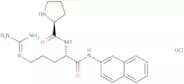
Formule :C12H15FN3O5PDegré de pureté :Min. 95%Masse moléculaire :331.24 g/molH-Pro-Arg-bNA·HCl
CAS :H-Pro-Arg-bNA·HCl is a reagent, complex compound and useful intermediate with the CAS number 201998-83-6. It is a fine chemical that is used as a useful scaffold or building block for the synthesis of other chemicals. This product can be used in research and as a versatile building block for reactions.
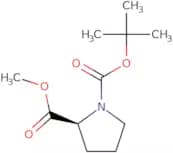
Formule :C21H28N6O2·HClDegré de pureté :Min. 95%Couleur et forme :PowderMasse moléculaire :432.95 g/molN-Boc-L-proline methyl ester
CAS :N-Boc-L-proline methyl ester is an organocatalyst that is synthesized through the condensation of proline with methylamine and a methylating agent. It is used as a synthetic intermediate in the synthesis of peptides, pharmaceuticals, and other organic compounds. The compound has been shown to be effective in asymmetric hydrogenation reactions. N-Boc-L-proline methyl ester has also been shown to be useful in the formation of imines and amides, which are important intermediates in organic synthesis.
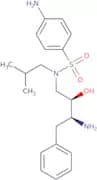
Formule :C11H19NO4Degré de pureté :Min. 97%Couleur et forme :Clear LiquidMasse moléculaire :229.27 g/mol4-Amino-N-((2R,3S)-3-amino-2-hydroxy-4-phenylbutyl)-N-ispobutylbenzenesulfonamide
CAS :4-Amino-N-((2R,3S)-3-amino-2-hydroxy-4-phenylbutyl)-N-isobutylbenzenesulfonamide is an amide that is used to treat HIV infections. It has been shown to have potent anti-viral activity against HIV infected cells in the laboratory and can inhibit the replication of HIV by interfering with the virus's ability to use the reverse transcriptase enzyme. 4ABAB has been shown to bind to the enzyme ribonuclease H (crth2), which is responsible for breaking down viral RNA. This binding prevents crth2 from cleaving viral RNA, thus inhibiting DNA synthesis and preventing cell death. 4ABAB also interferes with a hydrogen bond between ethyl group and the hydroxyl group on crth2, leading to a decrease in activity.
Formule :C20H29N3O3SDegré de pureté :Min. 95%Couleur et forme :White PowderMasse moléculaire :391.53 g/mol3-Bromo-4-methoxybenzaldehyde
CAS :3-Bromo-4-methoxybenzaldehyde is a heterocycle that contains a covalent inhibitor. It has been shown to have inhibitory activity against imines, hydroxyl groups, and human serum. 3-Bromo-4-methoxybenzaldehyde has been shown to be an efficient method for the synthesis of nitrogen containing heterocycles with potential use as pharmaceuticals. This compound has also been used in the asymmetric synthesis of diphenyl ethers, which are useful in pharmacological studies. The reaction mechanism of this compound is not well understood and needs more research before it can be applied to other areas.
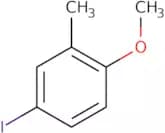
Formule :C8H7BrO2Degré de pureté :Min. 95%Couleur et forme :PowderMasse moléculaire :215.04 g/mol4-Iodo-2-methylanisole
CAS :4-Iodo-2-methylanisole (4IM) is a naphthalene that is regiospecifically eliminated after activation by nitrate in an acidic medium. The hydrochloride salt of 4IM, koenigicine, has been shown to produce estrogen levels in the female rat similar to those produced by 17β-estradiol. The synthesis of 4IM involves the nitration of 2-methylanisole followed by iodine oxidation. This reaction produces a mixture of mono-, di-, and tri-iodonapthalenes. The product obtained from this reaction is purified with column chromatography or recrystallization.
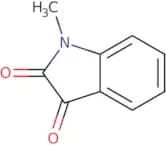
Theory predicts that 4IM will be oxidized to 4-iodo-2,6-dimethylanisole by terpene oxidants such as acetonitrile or ozone.Formule :C8H9IODegré de pureté :Min. 95%Couleur et forme :PowderMasse moléculaire :248.06 g/mol1-Methyl-1H-indole-2,3-dione
CAS :1-Methyl-1H-indole-2,3-dione is a chemical compound that belongs to the class of indole derivatives. It can be synthesized by reacting 2,3-dihydroxybenzaldehyde with 2,2'-azobis(2-amidinopropane) dihydrochloride and methyl iodide in the presence of copper (II) acetate. This reaction mechanism is similar to that of other reactions involving an intramolecular hydrogen transfer. The binding constants for 1-methyl-1H-indole-2,3-dione are very high and this compound has been shown to inhibit herpes simplex virus replication in vitro. 1MIDD binds to the active site of tryptophan fluorescence and synchronous fluorescence proteins. 1MIDD also binds to copper ions in a coordination geometry that is similar to that found for other compounds containing a carbonyl group.
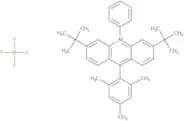
Formule :C9H7NO2Degré de pureté :Min. 95%Couleur et forme :PowderMasse moléculaire :161.16 g/mol3,6-Bis(1,1-dimethylethyl)-10-phenyl-9-(2,4,6-trimethylphenyl)-acridinium tetrafluoroborate
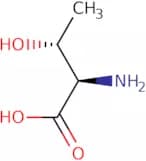
CAS :3,6-Bis(1,1-dimethylethyl)-10-phenyl-9-(2,4,6-trimethylphenyl)-acridinium tetrafluoroborate is a high quality reagent that is used as an intermediate in the synthesis of other compounds. It has CAS No. 1810004-87-5 and a molecular weight of 345.7 g/mol. This compound is useful for the synthesis of complex compounds and can be used in fine chemicals. 3,6-Bis(1,1-dimethylethyl)-10-phenyl-9-(2,4,6-trimethylphenyl)-acridinium tetrafluoroborate is also useful for research purposes and can be used as a scaffold for drug discovery. It is also a versatile building block that can be used in reactions to produce speciality chemicals and reaction components such as esters or amides.Formule :C36H40BF4NDegré de pureté :Min 95%Couleur et forme :PowderMasse moléculaire :573.51 g/molD(-)-allo-Threonine
CAS :D(-)-allo-Threonine is an amino acid with a hydroxyl group. It has been synthesized in an asymmetric synthesis and its biological properties have been studied in the context of monoclonal antibodies. D(-)-allo-Threonine has shown to be an inhibitor of enzymes involved in fatty acid biosynthesis, including 3-hydroxyacyl coenzyme A synthase, acetoacetyl-CoA reductase, and 3-ketoacyl CoA thiolase. This amino acid also inhibits the polymerase chain reaction (PCR) and has been found to be a competitive inhibitor of the enzyme ribonucleotide reductase. D(-)-allo-Threonine is also a constituent of proteins that play a role in plant physiology and structural biology.
Formule :C4H9NO3Degré de pureté :Min. 95%Couleur et forme :White PowderMasse moléculaire :119.12 g/mol3-Phenoxybenzaldehyde
CAS :3-Phenoxybenzaldehyde is a chemical compound that is used as an analytical reagent in the surface methodology. It can be synthesized from 3-phenoxybenzoic acid and phenylmagnesium bromide. The synthesis of 3-phenoxybenzaldehyde was accomplished by the hydrogenation of p-nitrophenyl phosphate, which was catalyzed by rat liver microsomes. The resulting product had a molecular formula of C9H8O2 and a molar mass of 156.2 g/mol. 3-Phenoxybenzaldehyde has been shown to inhibit bacterial growth through the inhibition of fatty acid synthesis, as well as inhibiting fatty acid oxidation in recombinant cytochrome P450 enzymes.
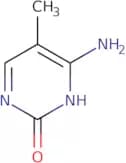
Formule :C13H10O2Degré de pureté :Min. 95%Couleur et forme :Clear LiquidMasse moléculaire :198.22 g/mol5-Methylcytosine
CAS :5-Methylcytosine is a nucleic acid that is found in the DNA and RNA of the cell. It is an important component of methylation, which is the process by which a methyl group is added to a molecule. This process can lead to cellular transformation, a process that can cause cancer. 5-Methylcytosine has also been shown as a molecular pathogenesis factor in infectious diseases such as HIV and herpes simplex virus type 1. The presence of 5-methylcytosine in nuclear DNA has been detected by analytical techniques such as gas chromatography/mass spectrometry (GC/MS). There are many analytical methods, including GC/MS, that can be used to detect 5-methylcytosine in cellular nuclei.
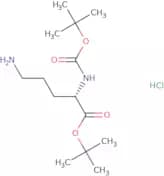
Formule :C5H7N3ODegré de pureté :Min. 95%Couleur et forme :PowderMasse moléculaire :125.13 g/molN-α-Boc-L-ornithine tert-butyl ester hydrochloride
CAS :Please enquire for more information about N-α-Boc-L-ornithine tert-butyl ester hydrochloride including the price, delivery time and more detailed product information at the technical inquiry form on this page
Formule :C14H28N2O4•HClDegré de pureté :Min. 95%Couleur et forme :PowderMasse moléculaire :324.84 g/molRef: 3D-FB49251
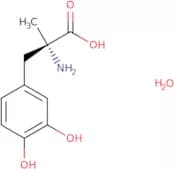
Produit arrêté(S)-2-Amino-3-(3,4-dihydroxyphenyl)-2-methylpropionic acid sesquihydrate
CAS :(S)-2-Amino-3-(3,4-dihydroxyphenyl)-2-methylpropionic acid sesquihydrate is a synthetic drug that is used for the treatment of metabolic disorders such as diabetes mellitus. It has been shown in animal studies to increase locomotor activity and decrease bowel disease. It also has an effect on α7 nicotinic acetylcholine receptors and 2 adrenergic receptors.
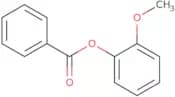
Formule :C10H13NO4•(H2O)1Degré de pureté :Min 98%Couleur et forme :PowderMasse moléculaire :238.24 g/mol1-Benzoyloxy-2-methoxybenzene
CAS :1-Benzoyloxy-2-methoxybenzene is a diphenyl ether that has been shown to have analgesic, anti-inflammatory and antipyretic properties. It inhibits the secretion of pancreatic enzymes, which may be due to its interaction with the hydroxyl group on the cavity of the enzyme. 1-Benzoyloxy-2-methoxybenzene also inhibits intestinal fluid production in rats with ulcerative colitis, which may be due to its ability to inhibit bond cleavage in lysosomes by interacting with the hydroxy group on the cavity of lysosomal enzymes. When applied topically, 1-Benzoyloxy-2-methoxybenzene has been shown to be effective in alleviating pain from abrasions or other wounds in rats and humans. This drug also has a stereoselective effect on benzoate, inhibiting its action at high concentrations.
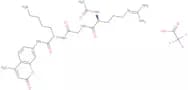
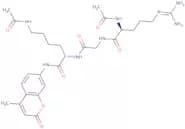
Formule :C14H12O3Degré de pureté :Min. 95%Couleur et forme :PowderMasse moléculaire :228.24 g/molAc-Arg-Gly-Lys-AMC trifluoroacetate salt
CAS :Ac-Arg-Gly-Lys-AMC trifluoroacetate salt is a fine chemical that is used as a building block in the synthesis of complex compounds. Ac-Arg-Gly-Lys-AMC trifluoroacetate salt has been used as a reagent, speciality chemical and intermediate in research projects. Ac-Arg-Gly-Lys-AMC trifluoroacetate salt can be used to produce useful scaffolds for medicinal chemistry studies.
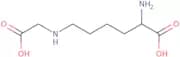
Formule :C26H38N8O6•C2HF3O2Degré de pureté :Min. 97 Area-%Couleur et forme :PowderMasse moléculaire :672.65 g/molN-ε-(1-Carboxymethyl)-L-lysine
CAS :N-ε-(1-Carboxymethyl)-L-lysine (NEM) is a versatile building block that is used in the synthesis of complex compounds. It is a reagent and speciality chemical that can be used as an intermediate to produce other useful chemicals or as a reaction component. It has been shown to be useful in the synthesis of peptides, oligonucleotides, and organic molecules. NEM has also been shown to have high quality and purity, making it a useful scaffold for further research into new compounds.
Formule :C8H16N2O4Degré de pureté :Min. 97%Couleur et forme :White PowderMasse moléculaire :204.22 g/molRef: 3D-FC19791
Produit arrêtéD-tert-Leucine methyl ester hydrochloride
CAS :Ab-fubinaca is a synthetic cannabinoid that is a potent agonist of the CB2 receptor and a weak agonist at the CB1 receptor. It has been shown to be an effective analgesic in animal models of pain, similarly to other synthetic cannabinoids. Ab-fubinaca has also been shown to have anti-inflammatory effects in mice by inhibiting the production of cytokines such as tumor necrosis factor alpha (TNF-α) and interleukin 1 beta (IL-1β). Ab-fubinaca is structurally similar to D-tert-leucine methyl ester hydrochloride, which is an amino acid derivative that acts as a pharmacological chaperone.
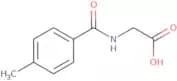
Formule :C7H16ClNO2Degré de pureté :Min 96%Couleur et forme :White PowderMasse moléculaire :181.66 g/mol4-Methyl hippuric acid
CAS :4-Methyl hippuric acid is a metabolite of benzoic acid, and is excreted in the urine as an end product of phenylalanine metabolism. The matrix effect is a phenomenon that is observed when chromatographic analysis occurs in the presence of impurities or other substances. It can be minimized by using an optimum concentration of hydrochloric acid to extract the analyte from the sample matrix. 4-Methyl hippuric acid can be detected in urine samples by using a chromatographic method and then quantified by measuring its s-phenylmercapturic acid content. This compound has been used as a marker for determining blood pressure and has also been shown to have antihypertensive effects.
Formule :C10H11NO3Degré de pureté :Min. 95%Couleur et forme :PowderMasse moléculaire :193.2 g/molL-Proline tert-butyl ester
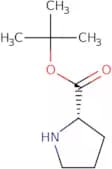
CAS :L-Proline tert-butyl ester is an organic compound that is used in the synthesis of amino acids and pharmaceuticals. It is chiral, and can be synthesized by a stepwise, asymmetric synthesis. The hydrochloric acid treatment of L-lysine with trifluoroacetic acid yields the corresponding L-proline tert-butyl ester. The stereoselectivity of this process depends on the type of catalyst used for demethylation and alkylation reactions.
Formule :C9H17NO2Degré de pureté :Min. 95%Couleur et forme :PowderMasse moléculaire :171.24 g/molN-[(4-Amino-2-methylpyrimidin-5-yl)methyl]formamide
CAS :N-[(4-Amino-2-methylpyrimidin-5-yl)methyl]formamide (NAMPT) is a triazolo compound that inhibits the ATP binding cassette transporter and blocks the uptake of uridine and pyrimidine compounds. It also inhibits inorganic pyrophosphatase, which is an enzyme that catalyzes the hydrolysis of pyrophosphate to inorganic phosphate. NAMPT has been shown to be a substrate for hypochlorous acid production in neutrophils, suggesting it may play a role in the regulation of oxidative stress. Chemical biology studies have demonstrated that NAMPT plays a physiological function as an intermediate in vitamin B1 biosynthesis.
Formule :C7H10N4ODegré de pureté :Min. 95%Couleur et forme :PowderMasse moléculaire :166.18 g/molRef: 3D-FA31702
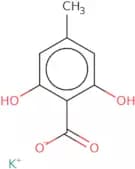
Produit arrêté2,6-Dihydroxy-4-methylbenzoic acid potassium
CAS :2,6-Dihydroxy-4-methylbenzoic acid potassium salt (2,6-DMBAK) is a high quality reagent that is used as an intermediate in the synthesis of complex compounds. CAS No. 856177-01-0. It is a white crystalline solid with an mp of about 190 degrees Celsius and a bp of about 315 degrees Celsius. 2,6-DMBAK has been shown to be useful in the synthesis of speciality chemicals and research chemicals. This product can be used as a versatile building block for the preparation of various kinds of chemical compounds, and it also has many applications in organic synthesis because it reacts well with many different types of compounds.
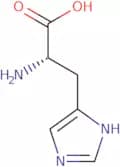
Formule :C8H8O4•KDegré de pureté :Min. 95%Couleur et forme :PowderMasse moléculaire :207.25 g/molL-Histidine
CAS :L-histidine is a molecule that chelates metal ions and inhibits their function. L-Histidine is used as an analytical reagent for the determination of metal ions in water, a polymerase chain reaction (PCR) inhibitor, and an immunosuppressant. L-histidine is also used to treat bowel disease and cancer by inhibiting the production of certain molecules. L-histidine has been shown to bind to toll-like receptor 4 (TLR4) in intestinal cells, which activates the immune system to produce cytokines such as IL-8. In addition, L-histidine can act as a cofactor for enzymes involved in protein synthesis by protecting them from oxidation. L histidine can also be found in the protein that binds with gold particles, forming colloidal gold
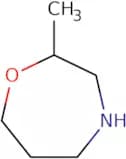
Formule :C6H9N3O2Couleur et forme :White PowderMasse moléculaire :155.15 g/mol2-Methyl-1,4-oxazepane
CAS :2-Methyl-1,4-oxazepane is a fine chemical that can be used as a building block in organic synthesis. It is a versatile building block and can be used as a reaction component or intermediate. 2-Methyl-1,4-oxazepane has been used as an intermediate in the synthesis of various pharmaceutical drugs, including benzodiazepines and beta blockers. This compound is also used in the production of polyurethanes and other plastics.
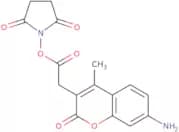
2-Methyl-1,4-oxazepane has been classified by the Chemical Abstracts Service (CAS) as a speciality chemical with the number 1018614-41-9.Formule :C6H13NODegré de pureté :Min. 95%Couleur et forme :Colorless PowderMasse moléculaire :115.17 g/mol7-Amino-4-methyl-3-coumarinacetic acid N-succinimidyl ester
CAS :7-Amino-4-methyl-3-coumarinacetic acid N-succinimidyl ester is a synthetic amino acid with a reactive carboxylic acid group. It is used as a crosslinker in biochemistry and has been shown to have biological properties in plants. 7-Amino-4-methyl-3-coumarinacetic acid N-succinimidyl ester reacts with the acidic groups of proteins, DNA, or RNA, and is an important component of some second order rate constants. This chemical is also used for the neutralization of histological stains such as haematoxylin.
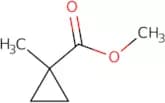
Formule :C16H14N2O6Degré de pureté :Min. 90 Area-%Couleur et forme :PowderMasse moléculaire :330.29 g/molMethyl 1-methylcyclopropane-1-carboxylate
CAS :Please enquire for more information about Methyl 1-methylcyclopropane-1-carboxylate including the price, delivery time and more detailed product information at the technical inquiry form on this page
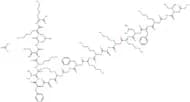
Formule :C6H10O2Degré de pureté :Min. 95%Masse moléculaire :114.14 g/molPexiganan acetate
CAS :Produit contrôléPexiganan acetate is the acetate salt form of a polymyxin B derivative that has potent antimicrobial activity against both Gram-positive and Gram-negative bacteria. It has been shown to be effective in the treatment of tissue infections, especially those caused by human pathogens such as Staphylococcus aureus, Pseudomonas aeruginosa, and Escherichia coli. Pexiganan also has significant activity against Mycobacterium tuberculosis and other mycobacteria. The mechanism of action for pexiganan is not fully understood but it may involve the inhibition of bacterial cell wall synthesis, or the disruption of bacterial membranes. Pexiganan was originally isolated from a marine sponge off the coast of Australia in 1961. It had been classified as an antimicrobial peptide (AMP) because of its chemical structure, which includes a polymyxin B moiety. Pexiganan’s AMP classification was later challenged when researchers found that it did
Formule :C122H210N32O22•(C2H4O2)xDegré de pureté :Min. 95%Couleur et forme :PowderMasse moléculaire :2,477.18 g/molRef: 3D-FP182746
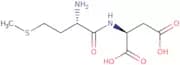
Produit arrêtéH-Met-Asp-OH
CAS :H-Met-Asp-OH is a synthetic formyl peptide that was designed to be hydrolyzed by proteolytic enzymes. It has been shown to be able to inhibit the formation of β-amyloid, which is associated with Alzheimer's disease. H-Met-Asp-OH also has been shown to have physicochemical properties similar to aspirin, and can be used as an antiplatelet agent. In addition, it has been shown to act as a catalase inhibitor in vitro and may have some therapeutic potential for the treatment of diabetes mellitus type 2.
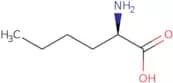
Formule :C9H16N2O5SDegré de pureté :Min. 95%Couleur et forme :White PowderMasse moléculaire :264.3 g/molD-Norleucine
CAS :D-Norleucine is a non-protein amino acid that is an important part of the synthesis of proteins. It has been shown to be a competitive inhibitor of the racemase enzyme, which converts D-alanine to L-alanine. The target cell for this reaction is unknown, but it may be related to the protein synthesis process. D-Norleucine has also been shown to inhibit the growth of Mycobacterium avium and other acid-fast bacteria by interfering with the production of ATP and incorporation into cellular structures. This inhibition is caused by its ability to form ionic bonds with functional groups in these compounds.
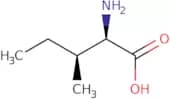
Formule :C6H13NO2Degré de pureté :Min. 95%Couleur et forme :PowderMasse moléculaire :131.17 g/molD-Allo-isoleucine
CAS :D-Allo-isoleucine is an antimicrobial agent that belongs to the group of hydroxyl compounds. It is a natural amino acid that can be synthesized by asymmetric synthesis, and its conformational properties are different from those of L-isoleucine. D-Allo-isoleucine has been shown to increase activity against microorganisms in vitro and in mice models. D-Allo-isoleucine also has an inhibitory effect on aminotransferase activity, which may be due to its ability to form a cyclic peptide with the fatty acid group p2.
Formule :C6H13NO2Degré de pureté :Min. 95%Couleur et forme :PowderMasse moléculaire :131.17 g/molAc-Arg-Gly-Lys(Ac)-AMC trifluoroacetate salt
CAS :Ac-Arg-Gly-Lys(Ac)-AMC is a potent apoptotic agent that induces the apoptosis of cancer cells by binding to the caspase-9, which is an enzyme that initiates the process of apoptosis. Ac-Arg-Gly-Lys(Ac)-AMC has been shown to inhibit the growth of cancer cells in cell culture and also shows potent antitumor activity against MDA-MB-231 breast cancer cells. This drug can be used as a potential therapeutic agent for cancers such as colorectal, prostate, and pancreatic cancer. Ac-Arg-Gly-Lys(Ac)-AMC is also able to induce apoptosis in human leukemia cells and may have a potential role in therapy for acute myelogenous leukemia (AML).
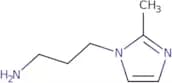
Formule :C28H40N8O7•C2HF3O2Degré de pureté :Min. 98 Area-%Couleur et forme :PowderMasse moléculaire :714.69 g/mol2-Methyl-1H-imidazole-1-propanamine
CAS :2-Methyl-1H-imidazole-1-propanamine is a byproduct of the reaction that produces acrylonitrile. It is a polar compound that has been shown to be an effective viscosity modifier for various types of formulations. 2-Methyl-1H-imidazole-1-propanamine can be used as an additive in pharmaceutical formulations, such as those for thiamine pyrophosphate, and is nonpolluting. The optimum concentration for this product is between 0.5% and 1%.
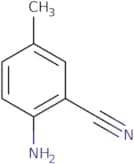
Formule :C7H13N3Degré de pureté :Min. 95 Area-%Couleur et forme :Clear LiquidMasse moléculaire :139.2 g/mol2-Amino-5-methylbenzonitrile
CAS :2-Amino-5-methylbenzonitrile (2AMB) is a molecule that has two nitrile groups. It has been shown to be effective in the treatment of cancer cells, and it also inhibits thymidylate synthase (TS), an enzyme involved in DNA synthesis. The crystallographic structure of this compound has been determined by x-ray diffraction studies, and 2AMB was synthesized and assayed for its anticancer activity on human lung cancer cells in culture. 2AMB is an intercalator that binds to DNA by inserting itself between base pairs, which then blocks the progression of DNA synthesis during replication. This type of inhibition causes cell death because the cell cannot divide or make new proteins. Naphthalene and pyrrole are two chemicals found in 2AMB that have been shown to have antibacterial properties.
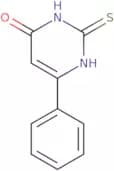
Formule :C8H8N2Degré de pureté :Min. 95%Couleur et forme :PowderMasse moléculaire :132.16 g/mol6-Phenyl-2-thiouracil
CAS :6-Phenyl-2-thiouracil (6PTU) is an alkylthio group that inhibits the growth of microorganisms by binding to DNA. 6PTU binds to the oxygen nucleophiles in DNA and prevents transcription and replication. It also has a positive effect on the synthesis of proteins, which may be due to its ability to regulate gene transcription. 6PTU has been shown to inhibit cell growth in culture by blocking protein synthesis. This drug is used as an analytical method for determining urinary glucose levels in animals because it reacts with glucose in urine samples. The reaction produces a chromatographic peak that can be quantified using an electrochemical detector.
Formule :C10H8N2OSDegré de pureté :Min. 95%Couleur et forme :PowderMasse moléculaire :204.25 g/molRef: 3D-FP08051
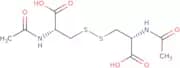
Produit arrêtéN,N'-Diacetyl-L-cystine
CAS :N,N'-Diacetyl-L-cystine (NAC) is a cysteine derivative that is used in the preparation of samples for analysis by liquid chromatography. It has been shown to have an antiatherogenic effect in chronic bronchitis patients and has been found to be a growth factor, inhibiting apoptosis and stimulating cell proliferation. NAC also increases the activity of aminotransferases in serum samples, which can be used as an indicator of liver health. Its chemical stability and low toxicity make it an ideal candidate for use as a pharmaceutical preparation at doses below those required for its enzyme-stimulating effects.
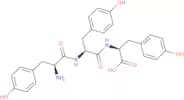
Formule :C10H16N2O6S2Degré de pureté :Min. 95%Couleur et forme :PowderMasse moléculaire :324.38 g/molH-Tyr-Tyr-Tyr-OH
CAS :H-Tyr-Tyr-Tyr-OH is a synthetic compound that has been used to study the mechanism of lactoperoxidase. Lactoperoxidase is an enzyme that catalyzes the oxidation of thiocyanate to form hypothiocyanite, hydrogen peroxide, and a hydroxy group. The hydroxy group is formed by the reaction of two molecules of hydrogen peroxide with a molecule of thiocyanate. This reaction produces an oxygen atom, which then reacts with water to produce an acid. H-Tyr-Tyr-Tyr-OH has been shown to be a substrate for lactoperoxidase in horse serum and bovine serum. It has also been found to react with oxygen at neutral pH levels, forming a product that absorbs ultraviolet light at 280 nm.
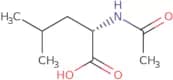
Formule :C27H29N3O7Degré de pureté :Min. 95%Couleur et forme :PowderMasse moléculaire :507.54 g/molN-Acetyl-L-leucine
CAS :N-Acetyl-L-leucine is a natural amino acid that has been shown to have therapeutic potential in the treatment of neurodegenerative diseases. N-acetyl-L-leucine binds to DNA duplexes and inhibits the formation of protein aggregates, which are associated with neurodegenerative disorders. N-acetyl-L-leucine also has a high affinity for neuronal receptors, which may be due to its basic nature. In addition, this compound is able to inhibit oxidative stress induced by glutamate and nitric oxide, as well as mitochondrial membrane potential loss. It also protects against neuronal death induced by amide or cytosolic Ca2+.
Formule :C8H15NO3Couleur et forme :White PowderMasse moléculaire :173.21 g/mol2-[4-(4-Chloro-a-phenylbenzyl)-1-piperazinyl]-ethoxyacetic acid hydrochloride
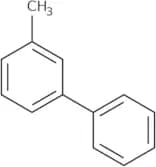
CAS :2-[4-(4-Chloro-a-phenylbenzyl)-1-piperazinyl]-ethoxyacetic acid hydrochloride is a chemical compound that has been used to investigate the possible neuroprotective effects of cetirizine, an antihistamine. This drug was developed as a prodrug of cetirizine, which is converted in vivo to its active form. The main mechanism of action for this drug is inhibition of histamine release from mast cells and basophils by blocking H1 receptors. 2-[4-(4-Chloro-a-phenylbenzyl)-1-piperazinyl]-ethoxyacetic acid hydrochloride has also been shown to have beneficial effects on allergic symptoms and bowel disease in experimental models and clinical properties.Formule :C21H25ClN2O3·HClDegré de pureté :Min. 95%Couleur et forme :PowderMasse moléculaire :425.35 g/mol3-Methylbiphenyl
CAS :3-Methylbiphenyl is a colorless liquid with a pleasant odor that is soluble in organic solvents. It is an aromatic hydrocarbon that can be used as a carbon source for the synthesis of other chemicals. 3-Methylbiphenyl has been shown to inhibit the growth of Pseudomonas strains, including P. aeruginosa, and also inhibits nitrogenase activity in rhizosphere soil samples. This compound has two different isomers: 2-methylbiphenyl and 4-methylbiphenyl. The functional theory predicts that the ethyl group on 3-methylbiphenyl will react more quickly than the methyl proton because it has one additional electron pair than the methyl proton and thus an increased electron density around it.
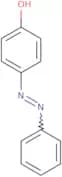
Formule :C13H12Degré de pureté :Min. 95%Couleur et forme :PowderMasse moléculaire :168.23 g/mol4-Phenylazophenol
CAS :4-Phenylazophenol is an organic azobenzene that has a specific treatment for the degradation of amines and mineralization. It has been shown to reduce the levels of phenols, fatty acids, and amines in wastewater. 4-Phenylazophenol is also used as an enzyme inhibitor in reactions with hydrogen bond formation and as a receptor α ligand. The natural compounds found in 4-phenylazophenol have borohydride reduction properties.
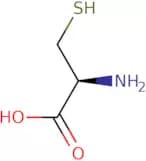
Formule :C12H10N2ODegré de pureté :(Uv) Min. 98%Couleur et forme :PowderMasse moléculaire :198.22 g/molD-Cysteine
CAS :D-Cysteine is the L-cysteine stereoisomer. It has been shown to inhibit the response of nicotinic acetylcholine receptors and toll-like receptor 4, which are proteins that play a role in inflammation. D-Cysteine also inhibits the production of nitric oxide by inhibiting NADPH oxidase. This inhibition leads to decreased inflammation, as well as decreased oxidation of proteins and DNA. D-Cysteine has been shown to be a specific inhibitor of wild type strains of Escherichia coli, but not mutant strains with defects in iron homeostasis. The enzyme activity for d-cysteine is also inhibited by l-cysteine, which may result in drug interactions. D-Cysteine can be found naturally in foods such as garlic, onions, broccoli, and cauliflower.
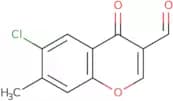
Formule :C3H7NO2SCouleur et forme :White PowderMasse moléculaire :121.16 g/mol6-Chloro-7-methyl-3-formylchromone
CAS :6-Chloro-7-methyl-3-formylchromone is a magnetic nanoparticle that can be used in the detection of coordination compounds. The coordination compound is first reduced to form the corresponding phosphoryl complex, which is then detected by the change in color and intensity of the magnetic nanoparticles. This reaction is linear over a wide range of concentrations and pH values and does not require additional reagents or solvents. The colorimetric method for this reaction has been shown to be effective for detecting ursolic acid, zirconium, gold nanoparticles, and linear ranges.br>br>
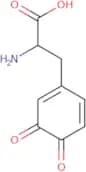
The phosphatase PTP1B enzyme is responsible for regulating glucose levels in cells. It has been shown that 6-chloro-7-methyl-3-formylchromone inhibits PTP1B activity by dephosphorylation at cysteine residues. This inhibition leads to increased glucose uptake and decreased insulin release from pancreatic beta cellsFormule :C11H7ClO3Degré de pureté :Min. 95%Couleur et forme :PowderMasse moléculaire :222.62 g/molDopaquinone
CAS :Please enquire for more information about Dopaquinone including the price, delivery time and more detailed product information at the technical inquiry form on this page
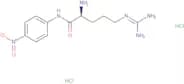
Formule :C9H9NO4Degré de pureté :Min. 95%Masse moléculaire :195.17 g/molH-Arg-pNA 2HCl
CAS :Chromogenic substrate for Cathepsin H and aminopeptidases. Release of pNA is monitored at 405-410 nm. This substrate is useful for inhibitor screening and kinetic analysis.
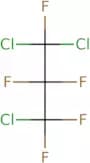
Formule :C12H18N6O3·2HClDegré de pureté :Min. 95%Couleur et forme :PowderMasse moléculaire :367.23 g/molα-Chloro-ω-(2,2-Dichloro-1,1,2-Trifluoroethyl)-Poly(Difluoromethylene)
CAS :Produit contrôléAlpha-Chloro-Omega-(2,2-Dichloro-1,1,2-Trifluoroethyl)-Poly(Difluoromethylene) is a fluorinated polymer that has been shown to be effective in removing chlorine atoms from the atmosphere. The production of this polymer requires an irradiation process with a magnetic field. Alpha-Chloro-Omega-(2,2-Dichloro-1,1,2-Trifluoroethyl)-Poly(Difluoromethylene) is produced by the reaction of alpha chlorohydrin and trifluoroethylene. This polymer is insoluble in water and is not flammable or explosive. It can be used as a chemical precursor for other fluoropolymers or as an additive for polyurethane. Alpha Chloro Omega - ( 2 , 2 - Dichloro - 1 , 1 , 2 - Trifluoroethyl )
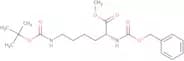
Formule :C3Cl3F5Degré de pureté :Min. 95%Masse moléculaire :237.38 g/molNα-Z-Nε-Boc-D-lysine methyl ester
CAS :Please enquire for more information about Nα-Z-Nε-Boc-D-lysine methyl ester including the price, delivery time and more detailed product information at the technical inquiry form on this page
Formule :C20H30N2O6Degré de pureté :Min. 95%Couleur et forme :PowderMasse moléculaire :394.46 g/molRef: 3D-FB48942
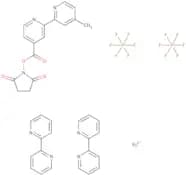
Produit arrêtéBis(2,2'-bipyridine)-4'-methyl-4-carboxybipyridine-ruthenium N-succinimidyl ester-bis(hexafluorophosphate)
CAS :Bis(2,2'-bipyridine)-4'-methyl-4-carboxybipyridine-ruthenium N-succinimidyl ester-bis(hexafluorophosphate) is a molecule that inhibits the activity of matrix metalloproteinases. It binds to the active site of the enzyme and blocks its activity. This drug has been shown to be effective in inhibiting the activity of MMPs in cells, but not in tissue culture because it does not cross cell membranes. Bis(2,2'-bipyridine)-4'-methyl-4-carboxybipyridine-ruthenium N-succinimidyl ester-bis(hexafluorophosphate) has also been shown to have a low detection limit and can detect low levels of matrix metalloproteinase activity in cells.
Formule :C36H29F12N7O4P2RuDegré de pureté :Min. 95%Couleur et forme :PowderMasse moléculaire :1,014.66 g/mol4-Amino-2-methoxypyridine
CAS :4-Amino-2-methoxypyridine is an antiviral agent that inhibits the activity of the NS5B polymerase, a key enzyme in the replication of the hepatitis C virus. It is a potent inhibitor with a wide range of activity and can be used for treatment and prevention of infection. 4-Amino-2-methoxypyridine has been shown to inhibit replication of hepatitis C virus in cell culture. This compound is stable in vivo and can be administered orally, making it an attractive candidate for oral prophylaxis against hepatitis C. 4-Amino-2-methoxypyridine also exhibits good pharmacokinetic properties, including a low clearance rate and high volume of distribution, which makes it suitable for chronic administration.
Formule :C6H8N2ODegré de pureté :Min. 95%Couleur et forme :White To Light (Or Pale) Orange SolidMasse moléculaire :124.14 g/molRef: 3D-FA33029
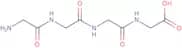
Produit arrêtéGly-Gly-Gly-Gly-OH
CAS :Gly-Gly-Gly-Gly-OH is a peptide that is used as an absorption enhancer. It has been shown to absorb ultraviolet light and convert it into visible light, which can increase the effectiveness of photosensitive drugs in the treatment of cancer. Gly-Gly-Gly-Gly-OH has also been shown to have protonation properties and can hydrogen bond with other molecules, including proteins. This molecule is activated by oxidation, which converts it from its amide form to its imine form. This activation process can be catalyzed by an oxidation catalyst such as manganese dioxide or nickel chloride. The imine form reacts with an electron donor such as hydrogen peroxide to produce an aromatic ring compound, which then undergoes intramolecular hydrogen transfer reactions to produce a second aromatic ring compound. These two compounds react with each other and release a water molecule (H2O) and energy in the form of heat or light. The frequency shift
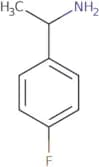
Formule :C8H14N4O5Degré de pureté :Min. 95%Couleur et forme :PowderMasse moléculaire :246.22 g/mol4-Fluoro-α-methylbenzylamine
CAS :4-Fluoro-a-methylbenzylamine is a chiral, protonated, and enthalpic compound. It can be synthesized by reacting anilines with 4-fluorobenzaldehyde in the presence of a base such as sodium ethoxide. The flavonoids from the plant Hedera helix have been shown to inhibit this enzyme.
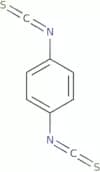
4-Fluoro-a-methylbenzylamine has been found to be a potent inhibitor of imidazole amidohydrolase, an enzyme involved in the metabolism of histamine and other biologically active amines. This inhibition prevents the conversion of histamine to imidazole and therefore may help prevent allergic reactions such as asthma.Formule :C8H10FNDegré de pureté :Min. 95%Masse moléculaire :139.17 g/mol1,4-Phenylene diisothiocyanate
CAS :1,4-Phenylene diisothiocyanate is a potent anthelmintic drug that inhibits the growth of parasites and has been used to treat infections caused by helminths. It binds to a chemoreceptor site on the parasite's surface and prevents the release of an inflammatory mediator, epidermal growth factor. This drug also interacts with other receptors, such as P2Y2, which are involved in inflammation. 1,4-Phenylene diisothiocyanate has been shown to be effective against cancer cells in experimental models and may be useful in chemotherapeutic treatments due to its ability to inhibit cell proliferation.
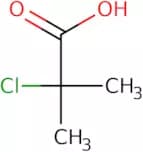
Formule :C8H4N2S2Degré de pureté :Min. 98 Area-%Couleur et forme :Off-White PowderMasse moléculaire :192.26 g/mol2-Chloro-2-methylpropionic acid
CAS :2-Chloro-2-methylpropionic acid (MCPA) is a chemical compound that belongs to the group of organic compounds called acyl chlorides. It is used in industry for the production of acrylic acid and polyacrylic acid, as well as in the production of herbicides. MCPA is produced by reacting an alkali metal with 2-chloroethanol and thioacetic acid. This reaction can be catalyzed by a variety of compounds, including palladium chloride, nickel chloride, and titanium tetrachloride. The high yield of this reaction makes it suitable for commercial use. MCPA also has been shown to stimulate cell growth through its inhibition of monomers from polymerization into polymers.
Formule :C4H7ClO2Degré de pureté :Min. 95%Couleur et forme :PowderMasse moléculaire :122.55 g/molRef: 3D-FC44546
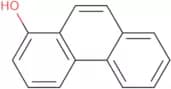
Produit arrêté1-Phenanthrol
CAS :1-Phenanthrol is a naturally occurring phenanthrene derivative that is used in the treatment of cervical cancer. It has been shown to be effective in the chemiluminescence method using urine samples, which indicates that it may have an effect on the body's metabolism. 1-Phenanthrol has also been shown to inhibit the production of s-phenylmercapturic acid, which is a metabolite of aromatic amines. This inhibition may be due to its receptor binding properties as it binds to and activates the peroxisome proliferator-activated receptor alpha (PPARα) and PPARγ. 1-Phenanthrol also inhibits angiotensin II type 1 receptors and can cause vasorelaxation by reducing blood pressure.
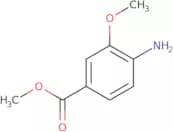
Formule :C14H10ODegré de pureté :Min. 95%Couleur et forme :Off-White PowderMasse moléculaire :194.23 g/mol4-Amino-3-methoxybenzoic acid methyl ester
CAS :4-Amino-3-methoxybenzoic acid methyl ester is a reactive molecule that has been used as a radiotracer for positron emission tomography (PET). It is also used in the synthesis of oligodeoxynucleotides and hybridization probes. 4-Amino-3-methoxybenzoic acid methyl ester is not soluble in water, but it can be dissolved in organic solvents such as acetone or methanol. This compound has shown to have anticancer activity and may be useful for treating cancers of the brain, breast, colon, lung, prostate, and stomach.Formule :C9H11NO3Degré de pureté :Min. 95%Couleur et forme :PowderMasse moléculaire :181.19 g/molThiophene-2-glyoxylic acid
CAS :Thiophene-2-glyoxylic acid is a reactive metabolite of thiophene that is formed from the environmental degradation of this compound. Thiophene-2-glyoxylic acid reacts with halides to form an electrophilic intermediate. This intermediate can react with a variety of nucleophiles, including the drug metabolites, leading to the formation of new compounds. Thiophene-2-glyoxylic acid has been shown to enhance the fluorescence properties of some organic compounds. It also has been shown to inhibit the metabolism of some drugs that are conjugated with acids and can be detected in plasma by mass spectrometry.
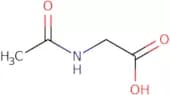
Formule :C6H4O3SDegré de pureté :Min. 95%Couleur et forme :PowderMasse moléculaire :156.16 g/molN-Acetylglycine
CAS :N-Acetylglycine is an amide, which is a molecule with both a carboxylate and hydroxyl group. It belongs to the class of antimicrobial agents and has been shown to inhibit the growth of bacteria by inhibiting synthesis of folic acid and other metabolites. N-Acetylglycine also inhibits the formation of terminal residues from amino acids. The analytical method for this compound is based on the reaction between n-acetylglycine and hydrogen chloride in methanol. This produces picolinic acid, which can be detected using ultraviolet spectroscopy at a wavelength of 325 nm.
Formule :C4H7NO3Degré de pureté :Min. 95%Couleur et forme :White PowderMasse moléculaire :117.1 g/molN-Acetyl-DL-methionine
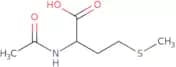
CAS :N-Acetyl-DL-methionine is an amide of the amino acid methionine and acetyl coenzyme A. It has a number of biological properties including being a precursor to protein synthesis, a regulator of fatty acid metabolism, and an inhibitor of glutamate pyruvate transaminase. It can be found in bacterial strains as well as in human serum. N-Acetyl-DL-methionine is synthesized by the reaction of methylamine with acetyl coenzyme A in the presence of ammonia or other nitrogenous bases. The chemical structure of this compound consists of two nitrogen atoms and an acetyl group bonded to a carbon atom that is attached to a methyl group and another carbon atom that forms part of an amide bond with the amino acid methionine. This molecule has been observed using nmr spectroscopic data to form hydrogen bonds with proteins.
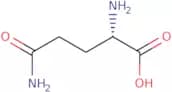
Formule :C7H13NO3SDegré de pureté :Min. 95%Couleur et forme :PowderMasse moléculaire :191.25 g/molL-Glutamine
CAS :L-Glutamine is an amino acid that is important for protein synthesis and the maintenance of muscle mass. It is also a precursor for other compounds, such as nucleotides and glutathione, which are required for maintaining cell viability. L-Glutamine may be used to treat bowel diseases, such as Crohn's disease, by improving the function of the intestines and reducing intestinal permeability. It has been shown to decrease levels of oxidative injury in cells by acting as an antioxidant. L-Glutamine may also be used to help prevent or treat infectious diseases by increasing the activity of transcription activators that protect cells from oxidative injury. L-Glutamine can be administered intravenously or orally and can be used as a biocompatible polymer carrier for drugs that are difficult to administer due to their poor water solubility.
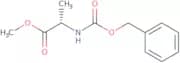
Formule :C5H10N2O3Degré de pureté :Min. 95%Couleur et forme :White PowderMasse moléculaire :146.14 g/molZ-L-alanine methyl ester
CAS :Z-L-alanine methyl ester is a short-chain organic solvent that can be used in enzymatic reactions. It has a high solubility in water, which means it can be used as a reaction solution for enzymatic reactions. Z-L-alanine methyl ester is also an efficient method for the conjugation of acetonitrile to proteins, which leads to higher yields of product. This enzyme specificity and solubility make z-l-alanine methyl ester a good candidate for immobilization on solid support materials, such as polymer beads or porous glass frits, where the rate of enzymatic reaction is increased by orders of magnitude.
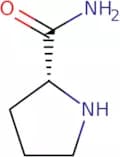
Formule :C12H15NO4Degré de pureté :Min. 95%Masse moléculaire :237.25 g/molD-Proline amide
CAS :Intermediate in the synthesis of vildagliptin
Formule :C5H10N2ODegré de pureté :Min. 95%Couleur et forme :PowderMasse moléculaire :114.15 g/mol[4-(1-Methyl-1-phenylethyl)phenoxy]acetic acid
CAS :4-(1-Methyl-1-phenylethyl)phenoxyacetic acid is a versatile building block that is used in the synthesis of a variety of fine chemicals and drugs. 4-(1-Methyl-1-phenylethyl)phenoxyacetic acid is an intermediate in the synthesis of a number of complex compounds, including research chemicals, reagents, and speciality chemicals. This compound can also be used as a reaction component for the synthesis of other chemical compounds or as a scaffold for larger molecules.
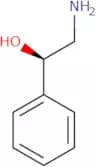
Formule :C17H18O3Degré de pureté :Min. 95%Couleur et forme :PowderMasse moléculaire :270.32 g/mol(R)-2-Amino-1-phenylethanol
CAS :(R)-2-Amino-1-phenylethanol is a molecule that has antimicrobial activity. It binds to the active site of bacterial enzymes, such as those involved in the synthesis of cell walls, and inhibits the growth of bacteria through competitive inhibition. This molecule also has a dihedral angle that is similar to that of other molecules with antibacterial activity. (R)-2-Amino-1-phenylethanol is an enantiomer, which means it can be synthesized from either (S)- or (R)-1-phenylethanol. The racemic form is more active than any individual enantiomer.
Formule :C8H11NODegré de pureté :Min. 95%Couleur et forme :PowderMasse moléculaire :137.18 g/mol3-((4,5-dichloroimidazolyl)methyl)-4-bromo-2-methyl-1-phenyl-3-pyrazolin-5-one
CAS :Please enquire for more information about 3-((4,5-dichloroimidazolyl)methyl)-4-bromo-2-methyl-1-phenyl-3-pyrazolin-5-one including the price, delivery time and more detailed product information at the technical inquiry form on this page
Degré de pureté :Min. 95%Cyclo(-Pro-Val)
CAS :Cyclo(-Pro-Val) is a type of natural product that has been shown to inhibit the growth of tumor cells. Cyclo(-Pro-Val) is a metabolite produced by the fungus Cryptococcus neoformans and may serve as a potential anti-cancer drug. The compound blocks mitochondrial membrane potential, which prevents cancer cells from multiplying. Cyclo(-Pro-Val) has also been shown to inhibit the growth of bacteria such as Pseudomonas aeruginosa and Burkholderia cepacia complex, although it has little or no effect on other types of bacteria and fungi.
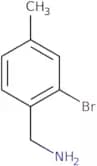
Formule :C10H16N2O2Degré de pureté :Min. 95%Couleur et forme :White PowderMasse moléculaire :196.25 g/mol2-Bromo-4-methylbenzylamine hydrochloride
CAS :2-Bromo-4-methylbenzylamine hydrochloride is a fine chemical that is used as a building block for other chemicals or as a reagent in research. It has CAS No. 1293323-97-3 and can be used in reactions where an amine is needed. This product is high quality, versatile, and useful for many different types of reactions.
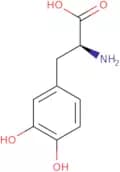
Formule :C8H10BrN·HClDegré de pureté :Min. 95%Couleur et forme :PowderMasse moléculaire :236.54 g/mol3,4-Dihydroxy-L-phenylalanine
CAS :Produit contrôléPrecursor of catecholamine neurotransmitters; anti-parkinsonian therapy
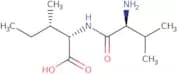
Formule :C9H11NO4Degré de pureté :Min. 98 Area-%Couleur et forme :White PowderMasse moléculaire :197.19 g/molH-Val-Ile-OH
CAS :The H-Val-Ile-OH is an amino acid that is hydrophobic in nature. It has a molecular weight of 120.14 g/mol and a molecular formula of C6H11NO2. The H-Val-Ile-OH is classified as a cyclic amino acid due to the presence of a pyruvic acid ring and it can be found in organisms including humans, bacteria, fungi, and plants. The H-Val-Ile-OH can be found in the active site of proteases as well as subtilisin. This amino acid has been shown to have hydrolytic cleavage properties, which makes it suitable for use as an enzyme substrate for protein sequencing studies.
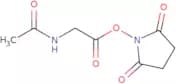
Formule :C11H22N2O3Degré de pureté :Min. 95%Masse moléculaire :230.3 g/molAcetyl-glycine N-hydroxysuccinimide ester
CAS :Acetyl-glycine N-hydroxysuccinimide ester is a reagent that can be used as a building block for the synthesis of peptides and proteins. It is also an intermediate in the synthesis of other chemical compounds, such as pharmaceuticals. This compound has been extensively used in research laboratories for its high quality and versatility.Formule :C8H10N2O5Degré de pureté :Min. 95%Couleur et forme :PowderMasse moléculaire :214.18 g/molRef: 3D-FA47429
Produit arrêté(1-Methylpiperidin-2-yl)methanol
CAS :(1-Methylpiperidin-2-yl)methanol is a gaseous organic acid that belongs to the piperazine class of compounds. It is used as an intermediate in the synthesis of various pharmaceuticals, including antipsychotics and antidepressants. (1-Methylpiperidin-2-yl)methanol has been shown to be an agonist of ganglion cells and can be used for the treatment of glaucoma. This compound also has shown to have anti-inflammatory properties, which may be due to its ability to inhibit nitric oxide production. Furthermore, (1-methylpiperidin-2-yl)methanol has been shown to inhibit 13c nuclear magnetic resonance spectroscopy with epoxides and hydroxyl groups. The reaction product is a crystalline solid with a molecular formula of C6H14O3N2, which corresponds to the molecular formula of 2-(dimethylam
Formule :C7H15NODegré de pureté :Min. 95%Couleur et forme :Clear LiquidMasse moléculaire :129.2 g/molAc-Lys-pNA hydrochloride
CAS :Ac-Lys-pNA hydrochloride is a protease that belongs to the endopeptidase class of proteolytic enzymes. It is used in research and recombinant expression to cleave proteins at specific sites. Ac-Lys-pNA hydrochloride is activated by ammonium sulfate, which binds to the active site of the enzyme. The enzyme also cleaves peptides with Lys or Arg at the C terminus. Ac-Lys-pNA hydrochloride has been shown to be effective against aeruginosa, but not escherichia coli, which are both gram negative bacteria.
Formule :C14H20N4O4•HClDegré de pureté :Min. 95%Couleur et forme :SolidMasse moléculaire :344.79 g/mol2-(2,2-dimethylpropanoyl)-3-(3-phenoxyphenyl)prop-2-enenitrile
CAS :Please enquire for more information about 2-(2,2-dimethylpropanoyl)-3-(3-phenoxyphenyl)prop-2-enenitrile including the price, delivery time and more detailed product information at the technical inquiry form on this page
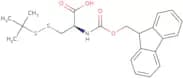
Degré de pureté :Min. 95%Fmoc-L-Cys(StBu)-OH
CAS :Fmoc-L-Cys(StBu)-OH is a synthetic molecule that is used in pharmaceutical formulations. It can be synthesized from Fmoc-L-Cys and L-serine methyl ester by the chemical ligation of the two molecules. The chloride group at the end of this molecule provides a functional group for conjugation with other biomolecules, such as fatty acids. This molecule has been shown to have high purity with an isolated yield of about 98%.
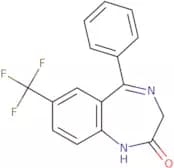
Formule :C22H25NO4S2Degré de pureté :Min. 98 Area-%Couleur et forme :PowderMasse moléculaire :431.57 g/mol5-Phenyl-7-(Trifluoromethyl)-1,3-Dihydro-1,4-Benzodiazepin-2-One
CAS :Produit contrôlé5-Phenyl-7-(Trifluoromethyl)-1,3-Dihydro-1,4-Benzodiazepin-2-One is a pyrethroid that has been shown to have an effective dose of 10 μg/kg in pharmacological tests. It has been shown to modulate hydrogen bond formation and the hydrophobic effects of diazepam. 5-Phenyl-7-(Trifluoromethyl)-1,3-Dihydro-1,4-Benzodiazepin-2-One is a monomer that can be used for the treatment of cancer. This active compound has been found to bind to the benzodiazepine binding site on GABA receptors in the brain and has been shown to induce digitonin release from nerve endings. It also binds with carbonyl groups which are found on proteins and nucleic acids.
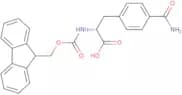
Formule :C16H11F3N2ODegré de pureté :Min. 95%Masse moléculaire :304.27 g/molFmoc-D-4-carbamoylphenylalanine
CAS :Please enquire for more information about Fmoc-D-4-carbamoylphenylalanine including the price, delivery time and more detailed product information at the technical inquiry form on this page
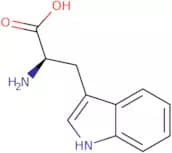
Formule :C25H22N2O5Degré de pureté :Min. 95%Couleur et forme :PowderMasse moléculaire :430.45 g/molD-Tryptophan
CAS :D-amino acid
Formule :C11H12N2O2Degré de pureté :Min. 95%Couleur et forme :PowderMasse moléculaire :204.23 g/molL-Glutamic acid 5-tert-butyl ester
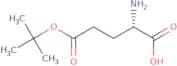
CAS :L-glutamic acid 5-tert-butyl ester (L-GTE) is an amino acid that is classified as a heterocyclic amide. It can be synthesized by the condensation of L-glutamic acid and N-(2-aminoethyl)-N'-(2-propenyl)carbodimide with the tert-butylester of dihydrobenzoin. The protonation of L-GTE with sodium hydroxide produces the corresponding salt, L-glutamic acid 5-(N,N'-dimethylamino)propyl ester. This compound can be used for the synthesis of various amines by reacting it with primary amines in different sequences. L-GTE has also been shown to have antioxidant properties, which may be due to its ability to scavenge hydrogen sulfate radicals.
Formule :C9H17NO4Degré de pureté :Min. 98 Area-%Couleur et forme :White PowderMasse moléculaire :203.24 g/molFmoc-Glu(OtBu)-OH
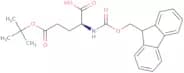
CAS :Fmoc-Glu(OtBu)-OH is an amino acid that is used in the synthesis of peptides and proteins. It is a hydrophilic, non-polar amino acid with a hydroxyl group at its carboxy terminus. This substance has been shown to inhibit the growth of cancer cells in vitro and has been used for the development of monoclonal antibodies. Fmoc-Glu(OtBu)-OH has also been shown to have pharmacokinetic properties that are different from other amino acids such as L-lysine, which may be due to its hydrophilic interactions with plasma proteins. This compound is also toxic, as shown by studies on rats where it was found to cause liver damage at high doses. Fmoc-Glu(OtBu)-OH binds to receptors on cells known as polysialic acid receptors, which are involved in cell adhesion and migration. Fmoc-Glu
Formule :C24H27NO6Degré de pureté :Min. 98 Area-%Couleur et forme :PowderMasse moléculaire :425.47 g/molRef: 3D-FF28968
Produit arrêté5-Nitro-DL-tryptophan
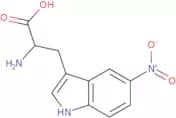
CAS :5-Nitro-DL-tryptophan is a synthetic amino acid that has been shown to inactivate tryptophan synthase, an enzyme involved in the biosynthesis of tryptophan. It binds to the active site of the enzyme and prevents it from carrying out its function. The affinity for 5-nitro-DL-tryptophan is very high and it has been shown that it is effective in inhibiting the enzyme at concentrations as low as 1 mM. This compound is also homodimeric, which means that it can bind two molecules of tryptophan synthase at once, leading to a quicker inhibition of this enzyme. 5-Nitro-DL-tryptophan also reacts with reactive oxygen species, such as superoxide radicals or hydrogen peroxide, and can be used to study reactions between these compounds and proteins.
5-Nitro-DL-tryptophan can be used to inhibit brain protein kinetics by blockingFormule :C11H11N3O4Degré de pureté :Min. 95%Couleur et forme :Off-White To Yellow To Orange SolidMasse moléculaire :249.23 g/molCyclic(glycyl-L-tyrosyl)
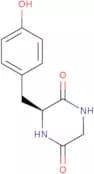
CAS :Cyclic(glycyl-L-tyrosyl) is a phenolic compound and the main metabolite of the dietary supplement resveratrol. It has been shown to have interactions with cellular transport, as well as the ability to activate a number of proteins that are involved in cellular transport. Cyclic(glycyl-L-tyrosyl) also interacts with hydroxyl groups on proteins and activates them, which may lead to the uptake of these proteins by cells. This interaction between cyclic(glycyl-L-tyrosyl) and hydroxyl groups on proteins may be due to its conformation and affinity for this residue. Cyclic(glycyl-L-tyrosyl) has been reported to inhibit the binding of glucosamine to NUDIX hydrolase, as well as preventing glucosamine from activating NUDIX hydrolase.
Formule :C11H12N2O3Degré de pureté :Min. 98 Area-%Couleur et forme :White Off-White PowderMasse moléculaire :220.22 g/mol1-((2,5-dichlorophenyl)sulfonyl)-5-methylthio-1,2,4-triazole-3-ylamine
CAS :Please enquire for more information about 1-((2,5-dichlorophenyl)sulfonyl)-5-methylthio-1,2,4-triazole-3-ylamine including the price, delivery time and more detailed product information at the technical inquiry form on this pageDegré de pureté :Min. 95%L-Valine
CAS :Amino acid
Formule :C5H11NO2Degré de pureté :min 98%Couleur et forme :White PowderMasse moléculaire :117.15 g/molH-Phe-Pro-OH
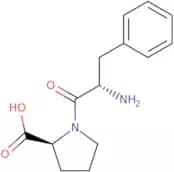
CAS :H-Phe-Pro-OH is a cyclic peptide that is a structural mimic of the natural amino acid gamma-aminobutyric acid (GABA) and has been shown to be an effective inhibitor of the p450 enzymes responsible for carcinogen activation. The peptide binds to response elements in DNA and RNA, which prevents transcription of genes that are involved in cancer development. H-Phe-Pro-OH also inhibits collagen production and has hemolytic activity due to hydrogen bonding with erythrocytes. This peptide can be used as an antimicrobial agent against Gram negative bacteria, including Pseudomonas aeruginosa, Klebsiella pneumoniae, Escherichia coli, and Salmonella typhimurium. In addition, it has been shown to inhibit the growth of Gram positive bacteria such as Staphylococcus aureus and Clostridium perfringens. The mechanism by which this compound inhibits bacterial growth is
Formule :C14H18N2O3Degré de pureté :Min. 95%Couleur et forme :PowderMasse moléculaire :262.3 g/mol2-Phenylethyl furoate
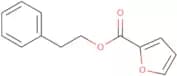
CAS :2-Phenylethyl furoate is a laboratory odorant that has been shown to be toxic when ingested and sensitize when applied externally. It is an odorant that is used in the laboratory to demystify odors, and has been used in testing on animals. 2-Phenylethyl furoate is also an insect repellent that has been tested for its effectiveness against various species of insects, including cockroaches, ants, and termites. The effects of 2-phenylethyl furoate on these insects is not well studied.
Formule :C13H12O3Degré de pureté :Min. 95%Couleur et forme :Colorless Clear LiquidMasse moléculaire :216.23 g/molBoc-D-Val-OH
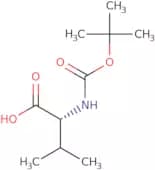
CAS :Boc-D-Val-OH is a synthetic, cyclic peptide that contains a hydrophobic Boc group. It has been shown to inhibit the uptake of calcium by caco-2 cells in vitro. This peptide also inhibits the growth of cancer cells and may be used as an anticancer agent. Boc-D-Val-OH binds to the membrane of caco-2 cells and blocks the uptake of calcium ions, thus inhibiting cellular functions such as protein synthesis. This compound is stable under a variety of conditions and has potent inhibitory activity against cancer cell proliferation.
Formule :C10H19NO4Degré de pureté :Min. 98 Area-%Couleur et forme :PowderMasse moléculaire :217.26 g/mol2-Methoxycinnamic acid
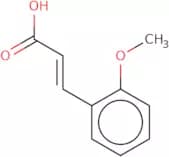
CAS :2-Methoxycinnamic acid is a fine chemical that is used as a building block for research chemicals, pharmaceuticals, and other products. It is a versatile building block that can be used in the synthesis of complex compounds with diverse structures. 2-Methoxycinnamic acid is also an intermediate for the production of cinnamates, which are useful in the production of synthetic dyes.
Formule :C10H10O3Degré de pureté :Min. 95%Couleur et forme :White PowderMasse moléculaire :178.18 g/molL-Lysyl-L-phenylalanyl-L-lysine trifluoroacetate
CAS :Please enquire for more information about L-Lysyl-L-phenylalanyl-L-lysine trifluoroacetate including the price, delivery time and more detailed product information at the technical inquiry form on this page
Formule :C21H35N5O4•(C2HF3O2)xDegré de pureté :Min. 95%Couleur et forme :Powder2,3,4,5-Tetrahydro-7,8-dinitro-3-(trifluoroacetyl)-1,5-methano-1H-3-benzazepine
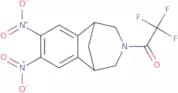
CAS :2,3,4,5-Tetrahydro-7,8-dinitro-3-(trifluoroacetyl)-1,5-methano-1H-3-benzazepine is a supplement that may be used to treat depression. It has been shown to have a receptor activity on the acetylcholine receptors. 2,3,4,5-Tetrahydro-7,8-dinitro-3-(trifluoroacetyl)-1,5-methano-1H-3-benzazepine has also been shown to increase the activity of the endothelial function by increasing the production of nitric oxide. This drug has also been shown to be an effective treatment for reducing appetite in cases of anorexia nervosa and for treating Alzheimer's disease. The drug works by activating nicotinic acetylcholine receptors in the brain.Formule :C13H10F3N3O5Degré de pureté :Min. 98 Area-%Couleur et forme :PowderMasse moléculaire :345.23 g/mol

![1-[3-(Fluoro-Methylphosphoryl)Oxypropyl]Pyrene](/_next/image/?url=https%3A%2Fstatic.cymitquimica.com%2Fproducts%2F3D%2Fthumb-webp%2FFF89825.webp&w=3840&q=75)
![7-[5-(Fluoro-methyl-phosphoryl)oxypentyl]-4-nitro-2,1,3-benzoxadiazole](/_next/image/?url=https%3A%2Fstatic.cymitquimica.com%2Fproducts%2F3D%2Fthumb-webp%2FFF98971.webp&w=3840&q=75)



![N-[(4-Amino-2-methylpyrimidin-5-yl)methyl]formamide](/_next/image/?url=https%3A%2Fstatic.cymitquimica.com%2Fproducts%2F3D%2Fthumb-webp%2FFA31702.webp&w=3840&q=75)
![2-[4-(4-Chloro-a-phenylbenzyl)-1-piperazinyl]-ethoxyacetic acid hydrochloride](/_next/image/?url=https%3A%2Fstatic.cymitquimica.com%2Fproducts%2F3D%2Fthumb-webp%2FFC33467.webp&w=3840&q=75)


![[4-(1-Methyl-1-phenylethyl)phenoxy]acetic acid](/_next/image/?url=https%3A%2Fstatic.cymitquimica.com%2Fproducts%2F3D%2Fthumb-webp%2FFM112689.webp&w=3840&q=75)