Acides aminés (AA)
Sous-catégories appartenant à la catégorie "Acides aminés (AA)"
- Dérivés d'acides aminés(4.017 produits)
- Acide aminé et composés apparentés aux acides aminés(3.491 produits)
- Acides aminés avec de l'oxygène ou du soufre(168 produits)
- Boc- Acides aminés(351 produits)
- Acides aminés avec groupes protecteurs(1.710 produits)
38387 produits trouvés pour "Acides aminés (AA)"
L-Ornithine-2,3,3,4,4,5,5-d7 hydrochloride
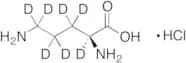
CAS :Produit contrôléApplications L-Ornithine-2,3,3,4,4,5,5-d7 hydrochloride is the labelled analogue of L-Ornithine Hydrochloride (O695550), a non-essential amino acid for human development but is required intermediate in arginine biosynthesis. L-Ornithine is found in virtually all vertebrate tissues as well as incorporated into proteins, such as tyrocidine. Isolation from chicken excreta.
References Fattori, D., et al.: J. Med. Chem., 50, 550 (2007), Gomez-Alonso, S., et al.: J. Agric. Food Chem., 55, 608 (2007), Subramaniam, R., et al.: Bioorg. Med. Chem. Lett., 18, 3333 (2008),Formule :C5D7H5N2O2·ClHCouleur et forme :NeatMasse moléculaire :175.11049260884-(2,4-dichlorophenyl)-3H,4H,5H,6H,7H-imidazo[4,5-c]pyridine-6-carboxylic acid
CAS :Degré de pureté :95.0%Masse moléculaire :312.14999389648443’,5’-Diiodo-L-thyronine
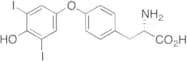
CAS :Produit contrôléApplications 3’,5’-Diiodo-L-thyronine is a thyroid hormone that has been shown to increase malic enzyme activity, and the activity of glucose-6-phosphate dehydrogenase in teleost Anabas testudineus. Thus, showing short term effect on lipid metabolism.
References Davey, K.G.: Insect Biochem. Mol. Bio., 30, 877 (2000); Shameena, B., et. al.: Endocr. Res., 26, 431 (2000)Formule :C15H13I2NO4Couleur et forme :NeatMasse moléculaire :525.08N-Methylformanilide
CAS :Produit contrôléApplications N-Methylformanilide is an aromatic reagent used in the synthesis of dye-sensitized solar cells. Also used in the synthesis of potent tyrosinase inhibitors.
References Meyer, T et al.: J. Org. Chem., 77, 3704 (2012); Nihei, K. et al.: Bioorg. Med. Chem. Lett., 14, 681 (2004);Formule :C8H9NOCouleur et forme :NeatMasse moléculaire :135.162-Chloro-2-methylpentane
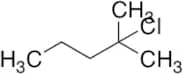
CAS :Produit contrôléStability Volatile
Applications 2-Chloro-2-Methylpentane (cas# 4325-48-8) is a useful research chemical.Formule :C6H13ClCouleur et forme :NeatMasse moléculaire :120.622-[4-(3-Chlorophenyl)piperazin-1-yl]-2-(2-fluorophenyl)acetic acid
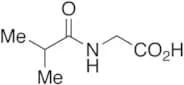
CAS :Masse moléculaire :348.79998779296875N-Isobutyrylglycine
CAS :Applications N-Isobutyrylglycine detection is a useful diagnostic tool in the diagnosis of many organic acidemias and mitochondrial fatty acid β-oxidation defects. N-Isobutyrylglycine detection is also used in the diagnosis of isobutyryl-CoA dehydrogenase deficiency.
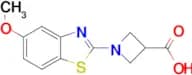
References Costa, C. G. et al.: J. Pharmac. Biomed. Anal., 21, 1215 (2000); Bonafe, L. et al.: Mol. Gen. Metab., 69, 311 (2000); Sass, J. et al.: J. Inher. Metab. Dis., 27, 741 (2004);Formule :C6H11NO3Couleur et forme :NeatMasse moléculaire :145.161-(5-methoxy-1,3-benzothiazol-2-yl)azetidine-3-carboxylic acid
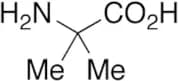
CAS :Degré de pureté :95.0%Masse moléculaire :264.299987792968752-Aminoisobutyric Acid (2-Methylalanine)
CAS :Produit contrôléApplications 2-Methylalanine is an Alanine (A481400) derivative. Alanine is an amino acid that occurs naturally in nature. It is a functional component in the alanine cycle which regulates the level of alanine aminotransferases which can be used as a diagnostic tool to predict type II diabetes.
References Naveed S. et al.: Diab., 53, 11 (2004); Barlind, J. et al.: Bioorg. Med. Chem. Lett., 23, 2721 (2013);Formule :C4H9NO2Couleur et forme :NeatMasse moléculaire :103.122-Methylpiperidine-2-carboxylic acid
CAS :Formule :C7H13NO2Degré de pureté :97%Masse moléculaire :143.1864-(2,4-dichlorobenzoyl)-8-methyl-1-oxa-4,8-diazaspiro[4.5]decane-3-carboxylic acid
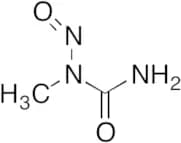
CAS :Degré de pureté :95.0%Masse moléculaire :373.2300109863281N-Methyl-N-nitroso Urea (Wetted with water >20%)
CAS :Produit contrôléStability Temperature Sensitive
Applications Precursor of Diazomethane. It has a cytotoxicity effect.This product contains an undetermined amount of water.
Not a dangerous good if item is equal to or less than 1g/ml and there is less than 100g/ml in the package
References Huggins, C., et al.: J. Exp. Med., 131, 321 (1970), Gullino, P.M., et al.: J. Natl. Cancer Inst., 54, 401 (1975),Formule :C2H5N3O2Couleur et forme :Off-White To Light BeigeMasse moléculaire :103.08Boc-4-azido-L-phenylalanine
CAS :Produit contrôléApplications Boc-4-azido-L-phenylalanine is used in the development of visible fluorogenic dyes for cellular imaging.
References Qi, Jianjun., et al.; Bioconjugate Chem., 22, 1758 (2011);Formule :C14H18N4O4Couleur et forme :NeatMasse moléculaire :306.325-Hydroxy-N-methylprotriptyline
CAS :Produit contrôléImpurity Cyclobenzaprine USP Related Compound A
Applications 5-Hydroxy-N-methylprotriptyline acts as a reducing agent in chemical reactions. Cyclobenzaprine USP Related Compound A.
References Gribble, G. et al.: Synthesis., 3, 172 (1977);Formule :C20H23NOCouleur et forme :NeatMasse moléculaire :293.48-Methoxycarbonyloctanoic Acid
CAS :Produit contrôléApplications 8-Methoxycarbonyloctanoic Acid (cas# 2104-19-0) is a compound useful in organic synthesis.
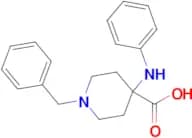
Formule :C10H18O4Couleur et forme :NeatMasse moléculaire :202.251-Benzyl-4-phenylamino-4-carboxy-piperidine
CAS :Degré de pureté :95.0%Couleur et forme :Solid, No data available.Masse moléculaire :310.39700317382814-(4-methylbenzoyl)-8-propyl-1-oxa-4,8-diazaspiro[4.5]decane-3-carboxylic acid
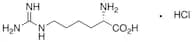
CAS :Degré de pureté :95.0%Masse moléculaire :346.427001953125L-Homoarginine Hydrochloride
CAS :Produit contrôléStability Moisture Sensitive
Applications An inhibitor of alkaline phosphatase isoenzymes. An analog of Homoarginine (H585000).
References Muth, W., et al.: J. Biol. Chem., 249, 7463 (1974), Hanukoglu, I., et al.: Eur. J. Biochem., 180, 479 (1989), Khaw, L., et al.: J. Bacteriol. 180, 809 (1998), Gallagher, D., et al.: J. Mol. Biol., 342, 119 (2004),Formule :C7H16N4O2·ClHCouleur et forme :NeatMasse moléculaire :224.69Arginine Vasopressin Diacetate
CAS :Applications An endogenous antidiuretic hormone in most mammalian species. It is released into the blood from nerve terminals in the posterior pituitary and median eminence. It is a neurotransmitter in the central nervous system and also implicated in a variety of physiological processes such as regulating water balance by antidiuretic action. It is a peptidic V1a receptor agonist that produces vasoconstriction via V1aR-mediated vascular smooth muscle cell contraction and is being used to increase blood pressure in septic shock, a form of vasodilatory hypotension.
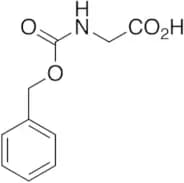
References Perucca, J. et al.: J. AM. Soc. Nephrol., 19, 1721 (2008); Toba, K. et al.: Prog. Brain Res., 119, 337 (1998); Berrada, K. et al.: J. Biol. Chem., 275, 27229 (2000);Formule :C50H73N15O16S2Couleur et forme :NeatMasse moléculaire :1204.34N-Carbobenzoxyglycine
CAS :Applications N-Carbobenzoxyglycine is used in the dipeptide synthesis.
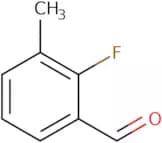
References Hans, D., et al.: Med. Chem., 2, 627 (2006), Guzman, F., et al.: J. Biotechnol., 10, 279 (2007), Vlieghe, P., et al.: Drug Discov. Today, 15, 40 (2010),Formule :C10H11NO4Couleur et forme :NeatMasse moléculaire :209.22-Fluoro-3-methylbenzaldehyde
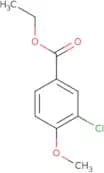
CAS :2-Fluoro-3-methylbenzaldehyde is a chemical that can be used in the synthesis of other chemicals, such as pharmaceuticals. It is a versatile building block that can be used in the synthesis of complex compounds and scaffolds. The compound has been shown to react with amines to form ureas.Formule :C8H7FODegré de pureté :80%Masse moléculaire :138.14 g/mol3-Chloro-4-methoxybenzoic acid ethyl ester
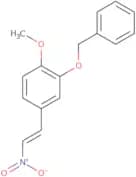
CAS :3-Chloro-4-methoxybenzoic acid ethyl ester is a chemical compound that is used as a reactant in organic synthesis. It has shown high quality and can be used for research. 3-Chloro-4-methoxybenzoic acid ethyl ester can be used as a scaffold to make fine chemicals, pharmaceuticals, and other products. It has been shown to be useful in the synthesis of many complex compounds and as an intermediate or building block for chemical reactions.Formule :C10H11ClO3Degré de pureté :Min. 95%Couleur et forme :PowderMasse moléculaire :214.65 g/mol1-(3-Benzyloxy-4-methoxyphenyl)-2-nitroethene
CAS :1-(3-Benzyloxy-4-methoxyphenyl)-2-nitroethene (1BMN) is an ethanamine that has a skeleton of five benzene and one methoxybenzene rings. It is an analogue of lamellarin, which has been shown to have efficient synthetic and biological properties. 1BMN is biologically active as a lamellarin analog and may be useful for the treatment of diseases such as cancer, malaria, hypertension, hyperglycemia, hypercholesterolemia, and ulcerative colitis. 1BMN is synthesized from 2-nitroethanol by reacting with 3-bromobenzaldehyde in the presence of sodium hydroxide. This reaction results in the formation of 1BMN in high yield with few side reactions.
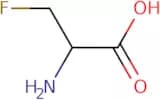
Formule :C16H15NO4Degré de pureté :Min. 95%Couleur et forme :PowderMasse moléculaire :285.29 g/molβ-Fluoro-DL-alanine
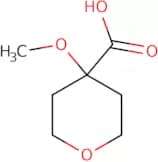
CAS :b-Fluoro-DL-alanine is an amino acid that is synthesized by the asymmetric synthesis of hydrogen fluoride and acetic anhydride. b-Fluoro-DL-alanine has a deuterium isotope effect on the NMR spectra, which can be used to determine the structure of the molecule. It has been found that this amino acid inhibits ribonucleotide reductase activity. The inhibition constant for b-fluoro-DL-alanine is 1.6 mM with a kinetic rate of 0.0012 min−1 M−1, which can be used to compare its inhibitory effect with other chemicals. This chemical also has inhibitory effects on transcriptase polymerase chain and protein synthesis by binding to the A site on RNA polymerase and preventing transcription from occurring.Formule :C3H6FNO2Degré de pureté :Min. 95%Couleur et forme :PowderMasse moléculaire :107.08 g/mol4-Methoxy-tetrahydro-2h-pyran-4-carboxylic acid
CAS :4-Methoxy-tetrahydro-2h-pyran-4-carboxylic acid is a fine chemical that belongs to the group of research chemicals. It is a versatile building block and useful intermediate in organic synthesis. 4-Methoxy-tetrahydro-2h-pyran-4-carboxylic acid has been used as a reagent for the preparation of the compound 5,5'-dithiobis(4,4'-dimethylvaleronitrile) (CAS No. 1010836-49). This compound has been shown to be an effective antiviral agent against HIV.Formule :C7H12O4Degré de pureté :Min. 95 Area-%Couleur et forme :PowderMasse moléculaire :160.17 g/mol3-Iodo-4-methylbenzamidine
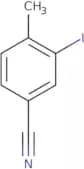
CAS :3-Iodo-4-methylbenzamidine is a chemical building block that is used as a reagent for the synthesis of other chemicals. 3-Iodo-4-methylbenzamidine is a versatile building block that can be used to synthesize complex compounds. It can also be used to produce fine chemicals and pharmaceuticals, such as antibiotics, chemotherapeutics, and antivirals. 3-Iodo-4-methylbenzamidine has been shown in preliminary research to have anti-inflammatory properties.Formule :C8H6INDegré de pureté :90%Couleur et forme :White PowderMasse moléculaire :243.04 g/molethyl 2-nitrilo-3-((2-phenylethyl)amino)prop-2-enoate
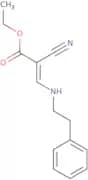
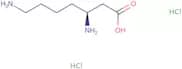
CAS :Please enquire for more information about ethyl 2-nitrilo-3-((2-phenylethyl)amino)prop-2-enoate including the price, delivery time and more detailed product information at the technical inquiry form on this pageDegré de pureté :Min. 85%L-β-Homolysine dihydrochloride
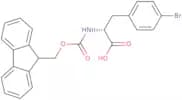
CAS :Please enquire for more information about L-β-Homolysine dihydrochloride including the price, delivery time and more detailed product information at the technical inquiry form on this pageFormule :C7H16N2O2·2HClDegré de pureté :Min. 95%Couleur et forme :PowderMasse moléculaire :233.14 g/molFmoc-4-bromo-D-phenylalanine
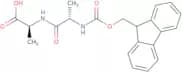
CAS :Fmoc-4-bromo-D-phenylalanine is a reaction component that is used in the synthesis of complex compounds. It can be used as a building block for the synthesis of many types of compounds, such as pharmaceuticals, agrochemicals and speciality chemicals. Fmoc-4-bromo-D-phenylalanine has been shown to be a useful intermediate in the preparation of halogenated phenylalanines. It is also an important reagent in organic synthesis. This chemical belongs to the group of speciality chemicals and research chemicals with CAS No. 198545-76-5.Formule :C24H20BrNO4Degré de pureté :Min. 98 Area-%Couleur et forme :PowderMasse moléculaire :466.32 g/molFmoc-Ala-Ala-OH
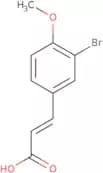
CAS :Fmoc-Ala-Ala-OH is a synthetic amino acid that is used in organic synthesis. It has been used to prepare cyclic peptides with lysine residues for the treatment of inflammatory diseases. Fmoc-Ala-Ala-OH is soluble in acidic environments and can be synthesized at reaction temperatures below 0 ˚C, making it suitable for solid-phase synthesis. In biological studies, Fmoc-Ala-Ala-OH has been shown to have anticancer effects against human cancer cells by causing frameshifting and inhibiting protein synthesis. Fmoc-Ala-Ala-OH also binds to disulfide bonds between cysteine residues in proteins, which may account for its antimicrobial properties.Formule :C21H22N2O5Degré de pureté :Min. 95%Couleur et forme :solid.Masse moléculaire :382.41 g/mol3-Bromo-4-methoxycinnamic acid
CAS :3-Bromo-4-methoxycinnamic acid is an organic compound that is used as a reagent, a useful scaffold, and a useful intermediate. It has been shown to be an excellent building block for the synthesis of complex compounds. 3-Bromo-4-methoxycinnamic acid can be used in the production of fine chemicals.
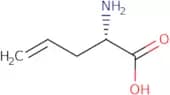
Formule :C10H9BrO3Degré de pureté :Min. 95%Couleur et forme :PowderMasse moléculaire :257.08 g/molL-Allylglycine
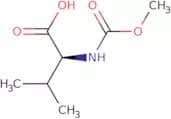
CAS :L-Allylglycine is an antimicrobial agent that inhibits the growth of bacteria by binding to the glutamate receptor. L-Allylglycine has been shown to inhibit the locomotor activity in rats, which may be due to its ability to bind with the serotonergic system and dopamine receptors. L-Allylglycine also binds to Toll-like receptor 4, a protein found on macrophages and microglia in the brain, which may contribute to its neuroprotective effects. It has been shown that L-allylglycine can inhibit a glutamate receptor in mitochondria, which is responsible for the production of ATP. This inhibition prevents DNA replication and cell division, leading to cell death. The asymmetric synthesis of this molecule allows it to have a greater affinity for bacterial cells than mammalian cells.Formule :C5H9NO2Degré de pureté :Min. 95%Couleur et forme :White PowderMasse moléculaire :115.13 g/mol(S)-2-((Methoxycarbonyl)amino)-3-methylbutanoic acid
CAS :(S)-2-((Methoxycarbonyl)amino)-3-methylbutanoic acid is a synthetic molecule that has been studied for its antiviral activity against hepatitis C virus. The compound was found to inhibit the replication of the virus, with an IC50 of 0.5 mM in cell culture studies. It also inhibited the replicon and reaction yield of the virus in vitro. (S)-2-((Methoxycarbonyl)amino)-3-methylbutanoic acid is effective against genotype 1 and 2, but not against genotype 3. It is active against a broad range of HCV isolates, including those resistant to other drugs such as ribavirin or telaprevir. The drug has been shown to be well tolerated in animals and humans. END>
Formule :C7H13NO4Degré de pureté :Min. 95%Couleur et forme :White PowderMasse moléculaire :175.18 g/mol3-Bromo-4-methoxyphenylacetic acid ethyl ester
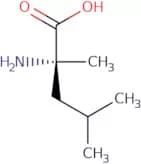
CAS :3-Bromo-4-methoxyphenylacetic acid ethyl ester is a versatile building block that can be used to synthesize a variety of compounds. It is also a useful intermediate for research chemicals and pharmaceuticals. 3-Bromo-4-methoxyphenylacetic acid ethyl ester is a fine chemical with high quality and can be used as a reagent or speciality chemical. As a reaction component, this product makes an excellent scaffold for complex compounds.Formule :C11H13BrO3Degré de pureté :Min. 95%Couleur et forme :Clear LiquidMasse moléculaire :273.12 g/molα-Me-D-Leu-OH
CAS :a-Me-D-Leu-OH is a versatile building block that is used as a reagent in the synthesis of complex compounds, research chemicals, and speciality chemicals. It is also a useful scaffold for drug design. This chemical is also widely used as an intermediate in organic syntheses.
Formule :C7H15NO2Degré de pureté :Min. 95%Couleur et forme :PowderMasse moléculaire :145.2 g/molcis-(+/-)-2-[(N-Benzyl-N-methyl)aminomethyl]-1-(3-methoxyphenyl)cyclohexanol hydrochloride
CAS :cis-(+/-)-2-[(N-Benzyl-N-methyl)aminomethyl]-1-(3-methoxyphenyl)cyclohexanol hydrochloride is a versatile building block that can be used in the synthesis of complex compounds. This compound is also a useful reagent, speciality chemical, and reaction component. cis-(+/-)-2-[(N-Benzyl-N-methyl)aminomethyl]-1-(3-methoxyphenyl)cyclohexanol hydrochloride has been shown to be a valuable scaffold for research chemicals with high quality.Formule :C22H30ClNO2Degré de pureté :Min. 95 Area-%Couleur et forme :PowderMasse moléculaire :375.93 g/mol2-Methylpyridine-4-boronic acid pinacol ester
CAS :Please enquire for more information about 2-Methylpyridine-4-boronic acid pinacol ester including the price, delivery time and more detailed product information at the technical inquiry form on this page
Formule :C12H18BNO2Degré de pureté :Min. 95%Masse moléculaire :219.09 g/mol5-(3-Methoxyphenyl)-4-phenyl-4H-1,2,4-triazole-3-thiol
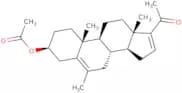
CAS :Please enquire for more information about 5-(3-Methoxyphenyl)-4-phenyl-4H-1,2,4-triazole-3-thiol including the price, delivery time and more detailed product information at the technical inquiry form on this pageFormule :C15H13N3OSDegré de pureté :Min. 95%Couleur et forme :PowderMasse moléculaire :283.35 g/mol6-Methyl-16-dehydropregnenolone acetate
CAS :Produit contrôlé6-Methyl-16-dehydropregnenolone acetate (6MDA) is a versatile building block that is used in the synthesis of complex compounds. 6MDA is an intermediate for research chemicals and can be used as a reagent or as a speciality chemical. It has been shown to be useful in the synthesis of many complex compounds, including steroids, nonsteroidal anti-inflammatory drugs, and antibiotics. 6MDA has been shown to have high quality and is a useful scaffold for the synthesis of other compounds.Formule :C24H34O3Degré de pureté :Min. 95%Couleur et forme :PowderMasse moléculaire :370.52 g/molIndole-3-acetyl-L-valine
CAS :Indole-3-acetyl-L-valine (IAV) is a naturally occurring amino acid that binds to the surface glycoprotein of wild-type viruses. It inhibits viral replication by inhibiting the production of basic proteins, which are necessary for viral life. IAV also has inhibitory properties against the toll-like receptor, which may be due to its ability to inhibit growth factor signaling. IAV has been shown to decrease the number of opportunistic fungal and bacterial infections in humans, with no adverse effects on human health. This drug has no effect on healthy cells and can be used as an adjuvant for the treatment of HIV and other viral infections.Formule :C15H18N2O3Degré de pureté :Min. 95%Couleur et forme :PowderMasse moléculaire :274.32 g/mol5-Iodo-2-methoxybenzonitrile
CAS :5-Iodo-2-methoxybenzonitrile is a fine chemical that is used as a building block in the synthesis of other chemicals or pharmaceuticals. The compound reacts with strong bases to produce an aryl amine and iodoethane, and can be used to make derivatives as well. 5-Iodo-2-methoxybenzonitrile has a number of uses, including as a research chemical, reagent, specialty chemical, and intermediate. It is also useful in the synthesis of other complex compounds. 5-Iodo-2-methoxybenzonitrile belongs to the group of organoiodine compounds that are classified as speciality chemicals. This compound has CAS number 933672-32-3.Formule :C8H6INOCouleur et forme :PowderMasse moléculaire :259.04 g/molNeuropeptide W-23 (human)
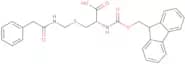
CAS :Neuropeptide W-23 (human) is an antibody that recognizes the neuropeptide receptor, specifically the Neuropeptide Y receptor 1. The antibody binds to the Npy1 receptor and inhibits its activity. Neuropeptide W-23 (human) can be used as a research tool in cell biology and pharmacology studies.Formule :C119H183N35O28SDegré de pureté :Min. 95%Masse moléculaire :2,584.01 g/molFmoc-D-Cys(Phacm)-OH
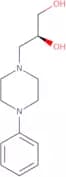
CAS :Fmoc-D-Cys(Phacm)-OH is a ligand that binds to the blood sugar receptor and activates it. This ligand has been shown to stimulate the transformation of D-glucose into D-sorbitol. Fmoc-D-Cys(Phacm)-OH has also been shown to activate the phenoxy group, which is a hydrophobic moiety. This activation leads to the formation of a phenoxy ether bond, which is an important chemical reaction in nature. Fmoc-D-Cys(Phacm)-OH is a member of the class of benzenesulfonamide compounds, which are used as pharmaceutical drugs for diabetes mellitus type I. In addition, this compound can be used as a ligand in organic synthesis and has been shown to be useful in increasing the rate of transformation reactions by activating the phenoxy group.Formule :C27H26N2O5SDegré de pureté :Min. 95%Couleur et forme :White PowderMasse moléculaire :490.57 g/mol(S)-3-(4-Phenyl-1-piperazinyl)-1,2-propanediol
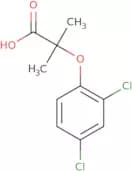
CAS :(S)-3-(4-Phenyl-1-piperazinyl)-1,2-propanediol is a synthetic compound that has been shown to have antiinflammatory activity in rat urine and human bronchial tissue. The antiinflammatory effect of (S)-3-(4-Phenyl-1-piperazinyl)-1,2-propanediol may be due to its ability to inhibit the release of leukotrienes and prostaglandins. The drug is currently being tested as a treatment for chronic cough in children. This drug has not been approved by the FDA for use in children under 12 years old.Formule :C13H20N2O2Degré de pureté :Min. 95%Couleur et forme :White To Off-White SolidMasse moléculaire :236.31 g/mol2-(2,4-Dichlorophenoxy)-2-methylpropanoic acid
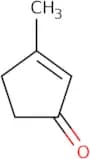
CAS :2,4-Dichlorophenoxyacetic acid is a plant growth regulator that inhibits the transfer of auxin from the shoot to the root. It does this by preventing synthesis of 2,4-dichlorophenoxyacetic acid (2,4-D) and its conversion to 2,4-dichlorophenoxypropionic acid (2,4-DP). The 2,4-D then binds to the auxin transport proteins in the plasma membrane and prevents their passage through the cell wall. The mechanism of action of 2,4-D is not well understood but it is thought that it may inhibit or interfere with indoleacetic acid production or metabolism. Auxins are also mediators of plant physiology and play a role in many processes such as phototropism and phytochrome sensitivity. 2,4-D has been shown to block photosynthesis and respiration in plants by inhibiting chlorophyll synthesis. Indoleacetic acidFormule :C10H10Cl2O3Degré de pureté :Min. 95%Couleur et forme :Clear LiquidMasse moléculaire :249.09 g/mol3-Methylcyclopent-2-enone
CAS :3-Methylcyclopent-2-enone is a biologically active compound that has been shown to have an inhibitory effect on the growth of mouse melanoma cells. 3-Methylcyclopent-2-enone inhibits the production of crotonic acid, one of the major intermediates in the synthesis of cyclopentenones. It also inhibits the growth of mycobacteria and other bacteria by inducing cell death. 3-Methylcyclopent-2-enone is formed by reacting crotonic acid with a base such as hydrochloric acid or sodium hydroxide. This reaction produces water, hydrogen chloride gas, and β-unsaturated ketones. The molecular modeling software used in this study was Gaussian 09
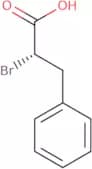
Formule :C6H8ODegré de pureté :Min. 95%Couleur et forme :Colorless Clear LiquidMasse moléculaire :96.13 g/mol(L)-2-Bromo-3-phenylpropionic acid
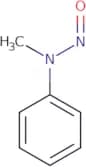
CAS :L-2-Bromo-3-phenylpropionic acid is a synthetic amino acid that is structurally similar to L-phenylalanine. It can be prepared by the reaction of triphosgene with l-(+)-phenylglycine, followed by hydrolysis of the resulting 2-(bromophenyl)acetic acid. L-2-Bromo-3-phenylpropionic acid has been used in peptidomimetics, which are synthesized using strategies derived from the structures and properties of proteins. One of these strategies is based on the conformational change of an amide bond. This synthetic amino acid has been shown to have affinity for certain chiral conformations and may be used as a chiral ligand in asymmetric synthesis.Formule :C9H9BrO2Degré de pureté :Min. 95%Couleur et forme :Slightly Yellow PowderMasse moléculaire :229.07 g/molN-Nitroso-N-methylaniline
CAS :N-Nitroso-N-methylaniline is a chemical substance that has been shown to have genotoxic effects in rats. It reacts with deuterium isotopes, which are hydrogen isotopes, to form a nitrite ion. The nitrite ion then reacts with hydrochloric acid to form a carbonyl group and the trifluoroacetic acid product. The reaction mechanism is as follows: N-Nitroso-N-methylaniline + deuterium isotope → N-nitrosodimethylaniline + deuterium isotope N-Nitrosodimethylaniline + hydrochloric acid → N-nitrosomethylenetriamine + carbonyl group N-Nitrosomethylenetriamine + trifluoroacetic acid → N,O-dimethyltrifluoroacetamidineFormule :C7H8N2ODegré de pureté :Min. 95 Area-%Couleur et forme :Clear LiquidMasse moléculaire :136.15 g/molL-Glutathione, reduced
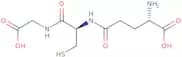
CAS :Glutathione is a tripeptide cysteine-glycine-glutamic acid which exists in cells in the reduced form (this product) or oxidised form. Reduced glutathione (GSH) is an antioxidant protecting cell components from endogenous and exogeneous reactive oxygen and nitrogen species. Reduced glutathione has also been intensely used in the affinity purification of proteins with glutathione S-transferase (GST) tag. In the protein purification process, glutathione is used for the elution of GST-fused recombinant proteins from a glutathione-immobilised resins. In the elution buffers, reduced glutathione is typically used in the 10 â 40 mM concentration range.
Formule :C10H17N3O6SDegré de pureté :Min. 98 Area-%Couleur et forme :White PowderMasse moléculaire :307.32 g/mol2-Phenoxyacetamide
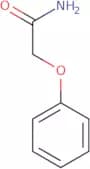
CAS :2-Phenoxyacetamide is an acylating agent that reacts with a hydroxyl group by substitution to form an ester or amide. It is used in clinical studies to combat insulin resistance and metabolic disorders, such as cancer, inflammatory bowel disease, and diabetes. 2-Phenoxyacetamide has been shown to be effective against a number of bacterial species, including Pseudomonas aeruginosa and Cryptococcus neoformans. The drug also inhibits the production of monoamine neurotransmitters in the brain and has been shown to have anti-inflammatory properties.Formule :C8H9NO2Degré de pureté :Min. 95%Couleur et forme :PowderMasse moléculaire :151.16 g/mol

![4-(2,4-dichlorophenyl)-3H,4H,5H,6H,7H-imidazo[4,5-c]pyridine-6-carboxylic acid](/_next/image/?url=https%3A%2Fstatic.cymitquimica.com%2Fproducts%2F10%2Fthumb-webp%2FF522513.webp&w=3840&q=75)


![2-[4-(3-Chlorophenyl)piperazin-1-yl]-2-(2-fluorophenyl)acetic acid](/_next/image/?url=https%3A%2Fstatic.cymitquimica.com%2Fproducts%2F10%2Fthumb-webp%2FF300386.webp&w=3840&q=75)

![4-(2,4-dichlorobenzoyl)-8-methyl-1-oxa-4,8-diazaspiro[4.5]decane-3-carboxylic acid](/_next/image/?url=https%3A%2Fstatic.cymitquimica.com%2Fproducts%2F10%2Fthumb-webp%2FF525618.webp&w=3840&q=75)


![4-(4-methylbenzoyl)-8-propyl-1-oxa-4,8-diazaspiro[4.5]decane-3-carboxylic acid](/_next/image/?url=https%3A%2Fstatic.cymitquimica.com%2Fproducts%2F10%2Fthumb-webp%2FF525722.webp&w=3840&q=75)



![cis-(+/-)-2-[(N-Benzyl-N-methyl)aminomethyl]-1-(3-methoxyphenyl)cyclohexanol hydrochloride](/_next/image/?url=https%3A%2Fstatic.cymitquimica.com%2Fproducts%2F3D%2Fthumb-webp%2FFB18402.webp&w=3840&q=75)