Acides aminés (AA)
Sous-catégories appartenant à la catégorie "Acides aminés (AA)"
- Dérivés d'acides aminés(4.016 produits)
- Acide aminé et composés apparentés aux acides aminés(3.490 produits)
- Acides aminés avec de l'oxygène ou du soufre(168 produits)
- Boc- Acides aminés(351 produits)
- Acides aminés avec groupes protecteurs(1.710 produits)
38369 produits trouvés pour "Acides aminés (AA)"
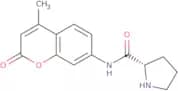
H-Pro-AMC hydrobromide salt
CAS :H-Pro-AMC hydrobromide salt is an enzyme that belongs to the family of proteases. H-Pro-AMC hydrobromide salt has been shown to have carboxypeptidase activity, which cleaves peptides at the C terminus of a single amino acid. It has also been shown to interact with other enzymes and proteins, such as recombinant proteins and enzymes from the ubiquitin-proteasome system. This enzyme's ability to cleave peptides at the C terminus of a single amino acid makes it useful for protein sequencing. H-Pro-AMC hydrobromide salt has also been sequenced and found to share homology with other proteases, such as subtilisin E.
Formule :C15H16N2O3Degré de pureté :Min. 95%Masse moléculaire :272.3 g/mol(S)-N-Boc-3-amino-1-butyne
CAS :Please enquire for more information about (S)-N-Boc-3-amino-1-butyne including the price, delivery time and more detailed product information at the technical inquiry form on this page
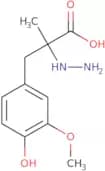
Formule :C9H15NO2Degré de pureté :Min. 95%Masse moléculaire :169.22 g/mol3-O-Methyl carbidopa
CAS :Produit contrôlé3-O-Methyl carbidopa is a metabolite of L-3,4-dihydroxyphenylalanine that is used as a drug in the treatment of Parkinson's disease. 3-O-Methyl carbidopa is a racemic mixture of two stereoisomers that have different chemical properties. The (+) form is more active and has been shown to be more potent than the (-) form. Analysis of this compound by magnetic resonance spectroscopy (NMR) at different magnetic fields showed that it has six distinct resonances: three from the protonated molecule and three from the deprotonated molecule. The proton nmr spectrum showed peaks at 2.02 ppm (D1), 2.81 ppm (D2), 3.84 ppm (D3), 4.07 ppm (D4), 4.28 ppm (D5), and 4.53 ppm (D6). These peaks correspond to resonances for protons
Formule :C11H16N2O4Degré de pureté :Min. 95%Couleur et forme :PowderMasse moléculaire :240.26 g/mol4-Methoxybenzene-1,3-diamine sulfate
CAS :Produit contrôlé4-Methoxybenzene-1,3-diamine sulfate (4MBD) is a chemical substance that inhibits the activity of cytochrome P450 enzymes. It has been shown to inhibit the activity of rat liver microsomal p-450 enzymes, and is used in studies on the effects of chemicals on protein synthesis. When 4MBD is administered to rats at dietary concentrations, it causes an increase in thyroid hormone levels and a decrease in renal function. The enzyme inhibition caused by 4MBD may be due to its ability to acylate amines, which are located near the active site of the enzyme. Linear regression analysis showed that there was a strong correlation between dietary concentrations and the inhibition of protein synthesis caused by 4MBD.
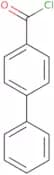
Formule :C7H12N2O5SDegré de pureté :Min. 95%Masse moléculaire :236.25 g/mol4-Phenylbenzoyl chloride
CAS :4-Phenylbenzoyl chloride is a primary amino compound that has been studied extensively in the context of biological studies and as an electroluminescent device. It is also used to study the effects of alkylation on biological systems. 4-Phenylbenzoyl chloride has been shown to be cytotoxic against monocytic cell lines, with a mechanism of action that involves its ability to react with DNA, forming adducts that interfere with DNA replication. In addition, it also reacts with amines in human tissue samples, which may lead to carcinogenic effects. This compound is also effective against protozoan parasites and Leishmania species, although not thiosemicarbazide.
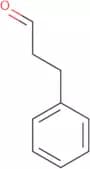
Formule :C13H9ClODegré de pureté :Min. 95%Couleur et forme :PowderMasse moléculaire :216.66 g/mol3-Phenylpropanal
CAS :3-Phenylpropanal is a chemical compound that is synthesized from trifluoroacetic acid, activated chitosan polymer, and fatty acids. 3-Phenylpropanal has been shown to have a bioactive phytochemical, which has been identified as allylation. This reaction is catalyzed by the addition of an allylating agent such as propargyl bromide or propargyl chloride. The rate of this reaction is dependent on the concentration of the reactant and kinetic energy (heat). The hydroxyl group on the reactant reacts with hydrogen gas in the presence of a catalyst such as sodium carbonate or zinc oxide to form a hydroxyethyl group. This process can be monitored using kinetic data such as conversion and yield.
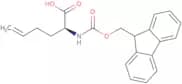
Formule :C9H10ODegré de pureté :Min. 95%Couleur et forme :Colourless To Pale Yellow LiquidMasse moléculaire :134.18 g/mol(S)-N-Fmoc-2-(3'-butenyl)glycine
CAS :Please enquire for more information about (S)-N-Fmoc-2-(3'-butenyl)glycine including the price, delivery time and more detailed product information at the technical inquiry form on this page
Formule :C21H21NO4Degré de pureté :Min. 95%Couleur et forme :White PowderMasse moléculaire :351.4 g/molRef: 3D-FN30074
Produit arrêtéZ-NH-PEG8-CH2CH2COOH
Z-NH-PEG8-CH2CH2COOH is a PEG compound with two different functional groups (also known as heterobifunctional). Unlike homobifunctional PEG compounds (same functional group on both ends), this type of compounds are more versatile as have two different anchor points. Z-NH-PEG8-CH2CH2COOH is used as a linker and spacer to add a PEG moiety, via pegylation (a bioconjugation technique) to proteins, peptides, oligonucleotides, small molecules and nanoparticles.
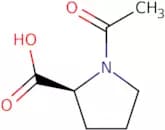
Formule :C27H45NO12Degré de pureté :Min. 95%Masse moléculaire :575.65 g/molN-Acetyl-L-proline
CAS :N-Acetyl-L-proline is a metabolite of proline that has been shown to have a role in the development of metabolic disorders. It is an amide that has a hydroxyl group and a protonated nitrogen atom. N-Acetyl-L-proline is present in a model system that can be used to study the frequency shift phenomenon. This compound also undergoes michaelis–menten kinetics, which are used to describe enzyme activity and the velocity of reactions with high concentrations of substrate. N-Acetyl-L-proline has been found to have protease activity and intramolecular hydrogen bonding. It also forms hydrogen bonds with other molecules, such as fatty acids, which are involved in conformational properties.
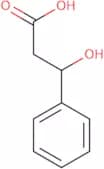
Formule :C7H11NO3Degré de pureté :Min. 95%Masse moléculaire :157.17 g/mol3-Hydroxy-3-phenylpropanoic acid
CAS :3-Hydroxy-3-phenylpropanoic acid, or 3HPPA, is an intermediate in the synthesis of salicylic acid. It is also an endogenous metabolite found in urine samples and is a product of the metabolism of glucosinolates by hydrolysis. The hydroxyl group on 3HPPA reacts with a carbonyl group to form a Schiff base, which is then hydrolyzed by hydrochloric acid to form hippuric acid. The biosynthesis of 3HPPA occurs through the oxidation of fatty acids with the addition of a hydroxyl group from water.
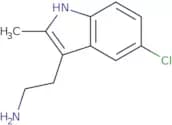
Formule :C9H10O3Degré de pureté :Min. 95%Couleur et forme :PowderMasse moléculaire :166.17 g/mol2-(5-chloro-2-methyl-1H-indol-3-yl)ethanamine
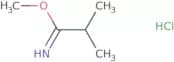
CAS :Produit contrôléPlease enquire for more information about 2-(5-chloro-2-methyl-1H-indol-3-yl)ethanamine including the price, delivery time and more detailed product information at the technical inquiry form on this pageFormule :C11H13ClN2Degré de pureté :Min. 95%Masse moléculaire :208.69 g/molMethyl 2-methylpropanimidic acid hydrochloride
CAS :Methyl 2-methylpropanimidic acid hydrochloride is a neutralizing agent that can be used to react with water, acids, and bases. It has been shown to react with gaseous compounds at temperatures as high as 200°C. Methyl 2-methylpropanimidic acid hydrochloride is soluble in organic solvents such as alcohols, ethers, and acetone and can be used to prepare esters by reacting with the corresponding alcohol or phenol. In addition, it has been shown to interact with haloalkyl groups and oxazinones. This compound also has nod-like receptor binding properties that have been shown to play a role in mediating the transport of organic solutions into cells. A receptor protein that reacts with methyl 2-methylpropanimidic acid hydrochloride has been identified in some organisms. The stereostructure of this compound resembles that of triazines and other organometallic compounds.
Formule :C5H11NO·HClDegré de pureté :Min. 95%Masse moléculaire :137.61 g/mol4-Methoxybenzylamine
CAS :4-Methoxybenzylamine is an organic amine that has a redox potential of -0.14 V (vs. SHE) and a pK a of 10.5. It is used in the synthesis of trifluoroacetic acid esters, which are used as pharmaceutical intermediates. 4-Methoxybenzylamine has been shown to be effective in alleviating pain in animal models, and its mechanism of action may be due to inhibition of the enzyme cyclooxygenase. The kinetic data for this reaction were obtained by studying the deuterium isotope effect, which is characterized by a low energy barrier and rapid reaction rate. The hydrolysis step is also important for the reaction mechanism, with protocatechuic acid being an intermediate product. Hydrochloric acid is needed for dehydration of the reactants, while an aryl halide can be used instead in some cases. In these reactions, there are many possible reaction
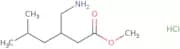
Formule :C8H11NODegré de pureté :Min. 95%Masse moléculaire :137.18 g/molMethyl 3-(aminomethyl)-5-methylhexanoate hydrochloride
CAS :Produit contrôléPlease enquire for more information about Methyl 3-(aminomethyl)-5-methylhexanoate hydrochloride including the price, delivery time and more detailed product information at the technical inquiry form on this page
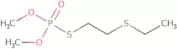
Degré de pureté :Min. 95%Demeton-S-methyl
CAS :Demeton-S-methyl is a chemical pesticide that belongs to the group of organophosphates. It inhibits acetylcholinesterase activity and is used for the control of insects. Demeton-S-methyl is an anticholinesterase agent that binds reversibly to the active site of acetylcholinesterase, inhibiting the enzyme's activity. This inhibition leads to accumulation of acetylcholine in nerve tissue and increased transmission at cholinergic synapses. Demeton-S-methyl has been shown to be acutely toxic in rats, mice, and dogs by inhalation or ingestion. Acute toxicities are more severe with higher dosages as well as with repeated exposures.
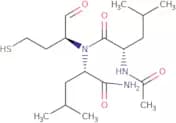
Formule :C6H15O3PS2Degré de pureté :Min. 95%Couleur et forme :Clear LiquidMasse moléculaire :230.29 g/molN-Acetyl-L-leucyl-L-leucyl-L-methioninal
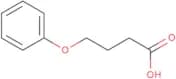
CAS :Inhibitor of cathepsinFormule :C19H35N3O4SDegré de pureté :Min. 95%Masse moléculaire :401.57 g/mol4-Phenoxybutyric acid
CAS :Produit contrôlé4-Phenoxybutyric acid is a molecule that is produced by filamentous fungi. It has been shown to inhibit the growth of many bacteria, including Staphylococcus aureus, Salmonella typhimurium, and Enterobacter aerogenes. 4-Phenoxybutyric acid binds to the receptor on the surface of the bacterial cell membrane and prevents it from functioning correctly. It also prevents the production of proteins necessary for growth and survival. This inhibition leads to a loss of energy in the cell, which eventually leads to death. The molecule has been shown to be effective in inhibiting bacteria even if they are resistant to antibiotics. 4-Phenoxybutyric acid has been shown to be more efficient than other methods for microbial biotransformation, such as dispersive solid-phase extraction or liquid-liquid extraction.
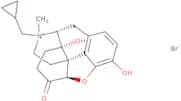
Formule :C10H12O3Degré de pureté :Min. 95%Masse moléculaire :180.2 g/molN-Methyl naltrexone bromide
CAS :Produit contrôléN-Methyl naltrexone bromide is an opioid antagonist that binds to opioid receptors, preventing the binding of other opioid agonists. It has been shown to be effective in long-term treatment of chronic pain and may be used in combination with opioids for patients with hepatic impairment. The efficacy of N-methyl naltrexone bromide in treating constipation has not been established. This drug should not be used in patients with HIV infection because it may reduce the effectiveness of antiretroviral therapy. The pharmacokinetics and safety profile of this drug have been studied extensively, which showed no serious adverse effects. Histological analysis revealed that N-methyl naltrexone bromide did not affect epithelial mesenchymal cells or the intestinal villi.
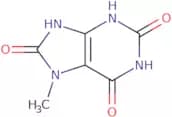
Formule :C21H26BrNO4Degré de pureté :Min. 95%Masse moléculaire :436.34 g/mol7-Methyluric acid
CAS :Produit contrôlé7-Methyluric acid is a purine derivative that is excreted in the urine. This compound can be used to measure the metabolic rate of an individual. 7-Methyluric acid reacts with caffeine to produce methylxanthines and uric acid, which are then measured by chromatographic methods. In order to measure the metabolic rate, a known amount of caffeine is given orally to Sprague-Dawley rats for a period of time, followed by measurement of 7-methyluric acid in their urine samples. The results show that the metabolic rate increases linearly with time.
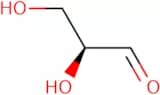
Formule :C6H6N4O3Degré de pureté :Min. 95%Couleur et forme :PowderMasse moléculaire :182.14 g/molL-(-)-Glyceraldehyde - Technical grade aqueous solution
CAS :Please enquire for more information about L-(-)-Glyceraldehyde - Technical grade aqueous solution including the price, delivery time and more detailed product information at the technical inquiry form on this page
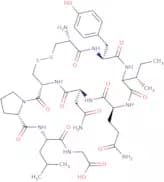
Formule :C3H6O3Degré de pureté :Min. 95%Couleur et forme :Clear Viscous LiquidMasse moléculaire :90.08 g/molOxytocin (free acid)
CAS :Oxytocin is an endogenous hormone.Formule :C43H65N11O13S2Degré de pureté :Min. 95%Masse moléculaire :1,008.17 g/mol2-Fluoro-5-methoxyaniline
CAS :2-Fluoro-5-methoxyaniline is a high quality reagent that is used as an intermediate in the synthesis of various complex compounds. The CAS number for this chemical is 62257-15-2 and it has been shown to be useful as a building block for the synthesis of fine chemicals, speciality chemicals, and research chemicals with many different uses. It is also a versatile building block that can be used in reactions involving amines, alcohols, thiols, and nitriles. 2-Fluoro-5-methoxyaniline may also be used as a reaction component in organic syntheses.
Formule :C7H8FNODegré de pureté :Min. 95%Couleur et forme :PowderMasse moléculaire :141.14 g/molN-[1-(4-Fluorophenyl)propan-2-Yl]-N-methylprop-2-Yn-1-amine
CAS :Produit contrôléN-[1-(4-Fluorophenyl)propan-2-Yl]-N-methylprop-2-Yn-1-amine is a synthetic molecule that has been shown to be an inhibitor of the enzyme nitroethane reductase. This drug is also capable of inhibiting the activity of other enzymes and is being investigated for its potential use in the treatment of various types of cancer. N-[1-(4-Fluorophenyl)propan-2-Yl]-N-methylprop-2-Yn-1-amine inhibits nitroethane reductase by binding reversibly to the active site and competitively inhibiting the substrate. The potency of this drug against nitroethane reductase has been shown to be increased by alkylation.br> The inhibition of nitroethane reductase by N-[1-(4-fluorophenyl)propan-2-Yl]-Formule :C13H16FNDegré de pureté :Min. 95%Masse moléculaire :205.27 g/mol2-Bromo-1-methyl-1H-imidazole
CAS :Please enquire for more information about 2-Bromo-1-methyl-1H-imidazole including the price, delivery time and more detailed product information at the technical inquiry form on this page
Formule :C4H5BrN2Degré de pureté :Min. 95%Masse moléculaire :161 g/mol1-Phenylcyclohexanol
CAS :Produit contrôlé1-Phenylcyclohexanol (1-PC) is an organic compound that is used as a reagent in the synthesis of other compounds. It is a colorless liquid with a pleasant odor. 1-PC has been shown to have synergic effects when reacted with various types of oxidizing agents, such as magnesium and boron trichloride. The reaction products are cyclohexanol, dehydration, and modifiers. When 1-PC reacts with phenylcyclohexene, it forms the antigen hemiketal.
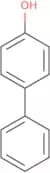
Formule :C12H16ODegré de pureté :Min. 95%Masse moléculaire :176.25 g/mol4-Phenylphenol
CAS :4-Phenylphenol is a phenolic compound that is used in the synthesis of other compounds. 4-Phenylphenol was found to react with rat liver microsomes and showed a hydroxyl group as its reactive site. 4-Phenylphenol also inhibited the activities of enzymes such as diazonium salt, sodium carbonate, monoclonal antibodies, analytical methods, light emission and p-hydroxybenzoic acid. The reaction mechanism of 4-Phenylphenol involves hydrogen bonding with human serum biphenyl.
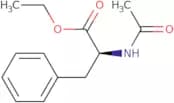
Formule :C12H10ODegré de pureté :Min. 95%Couleur et forme :PowderMasse moléculaire :170.21 g/molAcetyl-L-phenylalanine ethyl ester
CAS :Acetyl-L-phenylalanine ethyl ester is a substrate analogue that competes with the natural substrate, L-phenylalanine, for binding sites on the enzyme. The acetyl group of acetyl-L-phenylalanine ethyl ester reacts with the amino acid residues of L-phenylalanine to form covalent linkages. This prevents the enzyme from catalyzing reactions involving L-phenylalanine and other substrates. Acetyl-L-phenylalanine ethyl ester binds to cytochalasin B and inhibits its ability to bind to actin filaments, thus inhibiting cell growth. The high salt concentration in this experiment allows for separation of the protein from other cellular components by sephadex g-100 chromatography. Kinetic studies have been done on human serum albumin, which is a protein that can bind acetyl-L-phenylalanine ethl ester with a
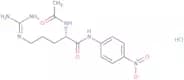
Formule :C13H17NO3Degré de pureté :Min. 95%Masse moléculaire :235.28 g/molAc-Arg-pNA·HCl
CAS :Ac-Arg-pNA·HCl is a substrate that is activated by hydrogen fluoride to form a nitro group. This compound can be used in the synthesis of nitrobenzene and other aromatic compounds. Ac-Arg-pNA·HCl also has enzymic activity, which is catalyzed by an enzyme called benzyloxycarbonyl (Boc).
Formule :C14H20N6O4·HClDegré de pureté :Min. 95%Couleur et forme :PowderMasse moléculaire :372.81 g/molRef: 3D-FA110694
Produit arrêté2-[(4-Methylbenzenesulfonyl)oxy]ethan-1-ol
CAS :2-[(4-Methylbenzenesulfonyl)oxy]ethan-1-ol is a compound that contains a benzene ring and an ethyl chain. It has the following chemical structure: It is structurally related to benzodiazepine, but with an amide group instead of a diazepine ring. 2-[(4-Methylbenzenesulfonyl)oxy]ethan-1-ol is a membrane stabilizer that inhibits thrombin and can be used as an anticoagulant. This compound also has growth factor activity and can be used in the synthesis of heterocyclic compounds.
Formule :C9H12O4SDegré de pureté :Min. 95%Couleur et forme :Clear LiquidMasse moléculaire :216.26 g/molRef: 3D-FM171828
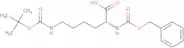
Produit arrêtéZ-D-Lys(Boc)-OH
CAS :Z-D-Lys(Boc)-OH is a synthetic peptidomimetic that has been shown to selectively kill cancer cells. Z-D-Lys(Boc)-OH binds to the lysine residue on the target cell surface, which is not present in normal cells. This binding inhibits serine protease activity and disrupts the synthesis of peptides, which are essential for cellular function. The electron microscopic images show that this compound causes an enhancement of biological function in human pathogenic chlamydia.
Formule :C19H28N2O6Degré de pureté :Min. 95%Masse moléculaire :380.44 g/molRef: 3D-FB47287
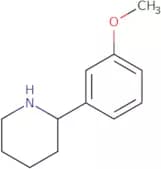
Produit arrêté2-(3-Methoxyphenyl)piperidine
CAS :Please enquire for more information about 2-(3-Methoxyphenyl)piperidine including the price, delivery time and more detailed product information at the technical inquiry form on this page
Formule :C12H17NODegré de pureté :Min. 95%Couleur et forme :PowderMasse moléculaire :191.27 g/mol2-Acetyl-5-methylthiophene
CAS :2-Acetyl-5-methylthiophene is a heteroatomic compound that can be used in cancer therapy. It has been shown to inhibit the growth of human cell lines and to have anticancer activity. This compound is also known for its potential interaction with fatty acids, which may be due to the molecular electrostatic potential. The molecule's structure contains a β-unsaturated ketone, which is an active site for many reactions and may interact with other compounds such as thiosemicarbazide. 2-Acetyl-5-methylthiophene has two isomers, namely 5-methylthiophen-2-yl acetate and 5-(acetyloxy)methylthiophen-2-yl acetate. These two molecules differ in the arrangement of their carbons and hydrogens on the central carbon atom and are not considered to be identical substances.
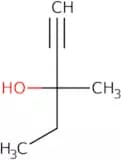
Formule :C7H8OSDegré de pureté :Min. 95%Couleur et forme :PowderMasse moléculaire :140.2 g/mol3-Methyl-1-pentyn-3-ol
CAS :Produit contrôlé3-Methyl-1-pentyn-3-ol is a chemical that has been shown to have interactive effects on the metabolism of urea nitrogen and low light. 3-Methyl-1-pentyn-3-ol has been shown to produce a depressant effect in animals, which may be due to its ability to inhibit the production of acetylcholine by blocking the enzyme cholinesterase. This chemical has also been shown to react with hydroxyl groups, producing a pharmacological agent. The reaction mechanism for 3-methyl pentynol is via hydrolysis by hydrochloric acid or pentobarbital sodium.
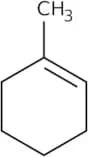
Formule :C6H10ODegré de pureté :Min. 95%Masse moléculaire :98.14 g/mol1-Methyl-1-cyclohexene
CAS :1-Methyl-1-cyclohexene is a methyl tetrahydro, with biological properties. It is synthesized by the reaction of hydrogen and carbon monoxide in a nonpolar solvent. The particle size can be controlled by changing the reaction conditions. 1-Methyl-1-cyclohexene reacts with hydrogen fluoride to form cyclohexene and hydrogen gas. This chemical also has a high reactivity towards fatty acids, which is due to its electron withdrawing ability as well as its unsaturated structure. In addition, this chemical reacts with carbonyl groups in a number of ways, including transfer reactions and chemical reactions.
Formule :C7H12Degré de pureté :Min. 95%Masse moléculaire :96.17 g/molRef: 3D-FM166072
Produit arrêtéEthyl 3-methyl-3-phenylglycidate
CAS :Produit contrôléEthyl 3-methyl-3-phenylglycidate is a fatty acid ester with a melting point of 119°C. It has a boiling point of 168°C and is soluble in organic solvents. The chemical formula for this compound is C10H14O2. Ethyl 3-methyl-3-phenylglycidate has been shown to have anti-oxidant effects due to its ability to inhibit lipid peroxidation, as well as long term toxicity. However, the compound may be toxic because it contains caproic acid and 3-hydroxy-3-methylhexanoic acid.
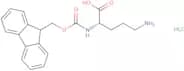
Formule :C12H14O3Degré de pureté :Min. 95%Couleur et forme :Clear LiquidMasse moléculaire :206.24 g/molFmoc-Nd-L-ornithine hydrochloride
CAS :Please enquire for more information about Fmoc-Nd-L-ornithine hydrochloride including the price, delivery time and more detailed product information at the technical inquiry form on this pageFormule :C20H22N2O4•HClDegré de pureté :Min. 95%Couleur et forme :PowderMasse moléculaire :390.86 g/mol1,3-Dipropyl-7-methylxanthine
CAS :Produit contrôlé1,3-Dipropyl-7-methylxanthine is a xanthine compound that is structurally related to caffeine. It has been shown to have an inhibitory effect on the production of reactive oxygen species and cytosolic calcium levels in primary cells, as well as a nonselective adenosine receptor antagonist activity. It has also been shown to antagonize the effects of adenosine receptors, p2 receptors, and p2y receptors. This drug is used for the treatment of basophilic leukemia.
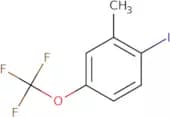
Formule :C12H18N4O2Degré de pureté :Min. 95%Masse moléculaire :250.3 g/mol2-Methyl-4-(trifluoromethoxy)iodobenzene
CAS :Please enquire for more information about 2-Methyl-4-(trifluoromethoxy)iodobenzene including the price, delivery time and more detailed product information at the technical inquiry form on this page
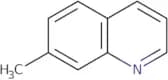
Formule :C8H6F3IODegré de pureté :Min. 95%Masse moléculaire :302.03 g/mol7-Methylquinoline
CAS :7-Methylquinoline is an organic compound that can be used to synthesize antimalarial drugs. It is a quinoline derivative with a methyl group at the 7th position. The structure of 7-methylquinoline contains a nitrogen atom and hydrogen atoms, which are bonded to fluorine, chlorine, and bromine atoms. This molecule has been shown to be stable in the presence of Friedel-Crafts catalysts and chloride ions. The reaction mechanism for 7-methylquinoline is intramolecular hydrogen transfer from the chloroform molecule to the quinoline ring system. The formation rate for this compound is slow because it requires two steps: nucleophilic substitution and electrophilic addition reactions.
Formule :C10H9NDegré de pureté :Min. 95%Masse moléculaire :143.19 g/molRef: 3D-FM40554
Produit arrêtéSodium L-glutamate monohydrate
CAS :L-glutamic acid is a nonessential amino acid that is used as a food additive. L-glutamic acid is found in the form of sodium salt, called monosodium glutamate (MSG), and is used to enhance the flavor of foods. L-glutamic acid has been shown to be essential for the growth of certain bacteria, such as corynebacteria. The l-glutamic acid gene can be found in corynebacteria and corynebacterium glutamicum. It has been shown that l-glutamic acid can be synthesized by these organisms under conditions of low magnesium concentration, high pH, and high temperature.
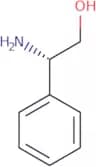
Formule :C5H8NNaO4·H2ODegré de pureté :Min. 95%Couleur et forme :PowderMasse moléculaire :187.13 g/molL-Phenylglycinol
CAS :L-phenylglycinol is a chiral compound that is synthesized by the reaction of phenylglycinol with hydroxide solution in the presence of an asymmetric synthesis catalyst. It is used as a precursor to chiral amides and aziridines, which are important for addressing the need for enantiopure compounds. The reaction mechanism involves nucleophilic substitution at the amino function, which can be catalyzed by copper complexes in solution. This reaction can also be monitored using liquid chromatography methods.
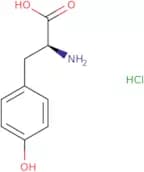
Formule :C8H11NODegré de pureté :Min. 95%Couleur et forme :White PowderMasse moléculaire :137.18 g/molL-Tyrosine hydrochloride
CAS :L-Tyrosine hydrochloride is a pharmaceutical preparation that has been used clinically in the treatment of infectious diseases, cancer, and autoimmune diseases. Tyrosine is an amino acid with a hydroxyl group on its side chain. Tyrosine can be synthesized from phenylalanine by hydroxylation of the phenolic group and decarboxylation of the carboxylic acid group. It is also a precursor to catecholamines and other important biological molecules. L-Tyrosine hydrochloride is used as an intermediate in the production of monoclonal antibodies for use in cancer research. In addition, it has been shown to be an effective inhibitor of virus replication when combined with ester hydrochloride, which prevents the release of progeny virus particles from infected cells.
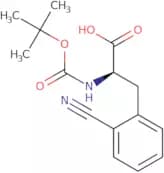
Formule :C9H11NO3·HClDegré de pureté :Min. 95%Masse moléculaire :217.65 g/molBoc-2-cyano-D-phenylalanine
CAS :Please enquire for more information about Boc-2-cyano-D-phenylalanine including the price, delivery time and more detailed product information at the technical inquiry form on this page
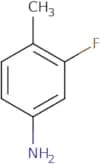
Formule :C15H18N2O4Degré de pureté :Min. 95%Masse moléculaire :290.31 g/mol3-Fluoro-4-methylaniline
CAS :3-Fluoro-4-methylaniline is a synthesized compound that is used to produce anti-cancer agents. It is an amide and has anti-cancer properties. 3-Fluoro-4-methylaniline also binds to DNA and inhibits the synthesis of proteins in cancer cells. The binding constants for ligands are found to be high. 3-Fluoro-4-methylaniline can also bind with DNA through intercalation or hybridization, which prevents transcription of RNA from DNA, thereby inhibiting protein synthesis. This results in cell death by apoptosis.
Formule :C7H8FNDegré de pureté :Min. 95%Couleur et forme :Clear LiquidMasse moléculaire :125.14 g/molZ-NH-PEG5-CH2CH2COOH
Z-NH-PEG5-CH2CH2COOH is a PEG compound with two different functional groups (also known as heterobifunctional). Unlike homobifunctional PEG compounds (same functional group on both ends), this type of compounds are more versatile as have two different anchor points. Z-NH-PEG5-CH2CH2COOH is used as a linker and spacer to add a PEG moiety, via pegylation (a bioconjugation technique) to proteins, peptides, oligonucleotides, small molecules and nanoparticles.
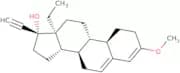
Formule :C21H33NO9Degré de pureté :Min. 95%Masse moléculaire :443.49 g/mol(17a)-13-Ethyl-3-methoxy-18,19-dinorpregna-3,5-dien-20-yn-17-ol
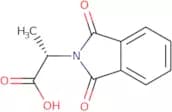
CAS :Produit contrôléPlease enquire for more information about (17a)-13-Ethyl-3-methoxy-18,19-dinorpregna-3,5-dien-20-yn-17-ol including the price, delivery time and more detailed product information at the technical inquiry form on this pageFormule :C22H30O2Degré de pureté :Min. 95%Masse moléculaire :326.47 g/molPhthaloyl-L-alanine
CAS :Phthaloyl-L-alanine is a molecule with a hydrochloric acid group and a carbonyl group. It has been shown to have the ability to bind to peptidyl molecules and immobilize them, leading to an inhibition of the reaction mechanism. This process can be induced by enzymatic inactivation or by hydrogen bonding with chloride. The cisplatin-induced apoptosis of cancer cells has been demonstrated using patch-clamp technique on human erythrocytes. Caspases are proteins that are activated during apoptosis and have been found to interact with Phthaloyl-L-alanine in vitro. Molecular modeling studies suggest that Phthaloyl-L-alanine may inhibit caspases by binding to the enzyme's active site.
Formule :C11H9NO4Degré de pureté :Min. 95%Couleur et forme :PowderMasse moléculaire :219.19 g/molRef: 3D-FP28892
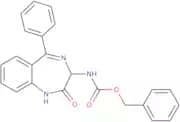
Produit arrêtéZ-(R,S)-3-amino-2-oxo-5-phenyl-1,4-benzodiazepine
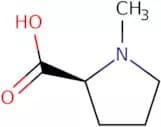
CAS :Produit contrôléPlease enquire for more information about Z-(R,S)-3-amino-2-oxo-5-phenyl-1,4-benzodiazepine including the price, delivery time and more detailed product information at the technical inquiry form on this pageFormule :C23H19N3O3Degré de pureté :Min. 95%Masse moléculaire :385.42 g/molN-Methyl-L-proline
CAS :N-Methyl-L-proline is a choline analog that is used to prepare cell culture media and as a nutrient for microorganisms. It has been shown to have an inhibitory effect on the growth of the bacteria Pseudomonas aeruginosa and Salmonella enterica. N-Methyl-L-proline has also been shown to be taken up by the bacteria and to decrease their bioavailability in low salinity environments.
Formule :C6H11NO2Degré de pureté :Min. 95%Masse moléculaire :129.16 g/molN3-Trp-OH·CHA
CAS :Azido-L-tyrosine CHA salt is a useful azide functionalised amino acid. Provides a handle for click chemistry.
Formule :C11H10N4O2•C6H13NDegré de pureté :Min. 95%Couleur et forme :PowderMasse moléculaire :329.4 g/mol





![N-[1-(4-Fluorophenyl)propan-2-Yl]-N-methylprop-2-Yn-1-amine](/_next/image/?url=https%3A%2Fstatic.cymitquimica.com%2Fproducts%2F3D%2Fthumb-webp%2FFF95966.webp&w=3840&q=75)


![2-[(4-Methylbenzenesulfonyl)oxy]ethan-1-ol](/_next/image/?url=https%3A%2Fstatic.cymitquimica.com%2Fproducts%2F3D%2Fthumb-webp%2FFM171828.webp&w=3840&q=75)