


CAS 215-58-7
:1,2,3,4-Dibenzantracene
- 1,2,3,4-Dibenzanthracene
- 1,2:3,4-Dibenzanthracene
- 1,2:3,4-Dibenzoanthracene
- 2,3-Benzotriphenylene
- Dibenz[A,C]Anthracene
- Dibenz[a,c]anthracen
- Dibenzo[A,C]Antraceno
- Dibenzo[a,c]anthracene
- benzo[f]tetraphene
- 2,3-Benztriphenylene
- Benztriphenylene
Dibenz[a,c]anthracene
CAS:Prodotto controllatoFormula:C22H14Colore e forma:NeatPeso molecolare:278.35Dibenzo[a,c]anthracene
CAS:Prodotto controllatoApplications Dibenzo[a,c]anthracene is a polycyclic aromatic hydrocarbon which are known carcinogens and environmental pollutants.
References Larsson, M. et al.: Env. Tox. Chem., 31, 1149 (2012); Vijayalakshmi, K. et al.: Org. Bio. Chem., 6, 4384 (2008);Formula:C22H14Colore e forma:White To YellowPeso molecolare:278.351,2,3,4-Dibenzanthracene
CAS:1,2,3,4-Dibenzanthracene is a polycyclic aromatic hydrocarbon that is used as a fluorescent probe in fluorescence spectrometry. 1,2,3,4-Dibenzanthracene is a substrate for cytochrome P450 enzymes. The rate of metabolism is dependent on the enzyme concentration and the pH. 1,2,3,4-dibenzanthracene has been shown to inhibit protein synthesis in rat liver microsomes and hamster V79 cells. It also binds to hematopoietic cells through receptor binding and inhibits DNA synthesis by interacting with nitrogen atoms.
Formula:C22H14Purezza:Min. 95%Colore e forma:PowderPeso molecolare:278.35 g/molBenzo[f]tetraphene
CAS:Benzo[f]tetraphene, also known as Dibenz[a,c]anthracene, is a polycyclic aromatic hydrocarbon utilized as a luminescent probe in cellular biology for effective detection of reactive oxygen species. Additionally, it has potential applications as a photosensitizer, demonstrating promising prospects in photodynamic inhibition.Formula:C22H14Colore e forma:SolidPeso molecolare:278.35Dibenzo[a,c]anthracene-13C6
CAS:Prodotto controllatoFormula:C6C16H14Colore e forma:NeatPeso molecolare:284.3
![Benzo[f]tetraphene](/_next/image/?url=https%3A%2Fstatic.cymitquimica.com%2Fproducts%2FIN%2Fthumb%2FDA003O1Y.jpg&w=3840&q=75)


![Dibenz[a,c]anthracene](/_next/image/?url=https%3A%2Fstatic.cymitquimica.com%2Fproducts%2F04%2Fthumb%2FC20695000.jpg&w=3840&q=75)

![Dibenzo[a,c]anthracene](/_next/image/?url=https%3A%2Fstatic.cymitquimica.com%2Fproducts%2FTR%2Fthumb%2FD417045.jpg&w=3840&q=75)
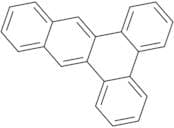

![Benzo[f]tetraphene](/_next/image/?url=https%3A%2Fstatic.cymitquimica.com%2Fproducts%2FTM%2Fthumb%2FT200903.jpg&w=3840&q=75)

![Dibenzo[a,c]anthracene-13C6](/_next/image/?url=https%3A%2Fstatic.cymitquimica.com%2Fproducts%2FTR%2Fthumb%2FD417047.jpg&w=3840&q=75)