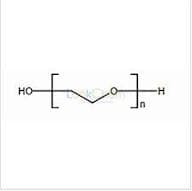
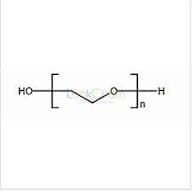
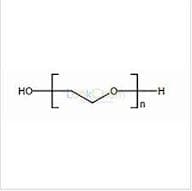
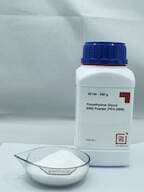
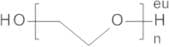
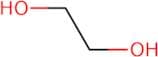
CAS 25322-68-3
:Polietilenglicole
- 1660O
- 1660S
- 3,6,9,12,15,18,21,24,27,30,33,36,39-Tridecaoxahentetracontane-1,41-diol
- 400Dab8
- Alkox
- Aquaffin
- Badimol
- Carbowachs
- Carbowax
- Colonsoft
- Db-Wax
- Duraseal
- FPR
- Forlax
- GlycoLax
- IW
- Isocolan
- KleanPrep
- Macrogol
- MiraLax
- Modopeg
- Muvinlax
- Nosilen
- Nycoline
- OEG
- PEB
- PEG
- PEG-(OH)<sub>2</sub>
- PEG-diol
- PEO
- PER
- Pegorion
- Peo-Pf
- Peo-Pfz
- Peo-Pfzr
- Peopo-A
- Polikol
- Poly(Oxy-1,2-Ethanediyl),A-Hydro-W-Hydroxy
- Poly(oxy-1,2-ethanediyl)
- Polyaethylenglykol
- Polyethox
- Polyethyleneglycol
- Polyetox
- Polygol
- Polyhydroxyethylene
- Polyosm
- Polyox
- Polyoxydin
- Polyoxyethylenediol
- Postonal
- Sed-Fix
- Slovapeg
- Solbase
- SpaceOAR
- Superox
- Ucarfloc
- α-Hydro-ω-hydroxypoly(oxy-1,2-ethanediyl)
- α-Hydro-ω-hydroxypoly(oxyethylene)
- PEG 6000
- Polyethylene glycol
- Polyethylene Glycol
- PEG 6000, MB Grade (1.12033)
- Poly(oxy-1,2-ethanediyl), α-hydro-ω-hydroxy-
- PEG 200
- Poly(ethylene oxide)
- Poly(ethylene glycol)
- Polyethyleneoxidemonomethacryloxymonotrimethylsiloxyterminated
- Poly ethylene glycol
- O-Methacryloxy(polyethyleneoxy)trimethylsilane
- poly(oxyethylene)
- Polyethylene glygcol
- PEG 200-8000
- Polyethylene glycol
- Ethylene oxide, homopolymer
- Polyethylene Glycol 5000000
- PolyethyleneoxideMW
- Aquacide III
- Polyethylene glycol series
- Tri-(2,3-Dibromopropyl) Phosphate
- Glycols, polyethylene
- Polyethylene glycol PEG
- Polyethylene glycol - 6000 grade
- Carmowax
- PEG 8000
- PEG 1000
- Ethylene glycol 8000 polymer
- PEG-400
- polyethylene oxide standard 511000
- Oxide Wax AN
- PEG 400
- Polyethylene Oxide
- PEG 600
- Vedi altri sinonimi
Polyethylene Glycol 400 (PEG 400)
CAS:Colore e forma:Clear, Colourless, Viscous liquidPeso molecolare:380 -420Polyethylene Glycol 20000 Flakes (PEG 20000) ExiPlus, Multi-Compendial
CAS:Colore e forma:White, Powder/Flakes, Clear, ColourlessPolyethylene Glycol 8000 Flakes (PEG 8000) ExiPlus, Multi-Compendial
CAS:Colore e forma:White, Flakes/Powder, Clear, ColourlessPeso molecolare:~8000Polyethylene Glycol 20000 Flakes (PEG 20000)
CAS:Colore e forma:White, Hard Flakes/Powder, Clear, ColourlessPolyethylene Glycol 6000 Flakes (PEG 6000) ExiPlus, Multi-Compendial
CAS:Colore e forma:White, Flakes/Powder, Clear, ColourlessPeso molecolare:5000-7000Polyethylene Glycol 400 (PEG 400) ExiPlus, Multi-Compendial
CAS:Colore e forma:Clear, Colourless, Viscous liquidPeso molecolare:380 -420Polyethylene Glycol 4000 Flakes (PEG 4000) Flakes ExiPlus, Multi-Compendial
CAS:Colore e forma:White, Waxy solid /Flakes, Clear, ColourlessPeso molecolare:3500 - 4500Polyethylene Glycol 6000 Flakes (PEG 6000)
CAS:Colore e forma:White, Flakes/Powder, Clear, ColourlessPeso molecolare:5000 - 7000Polyethylene Glycol 8000 Flakes (PEG 8000) for molecular biology
CAS:Colore e forma:White, Flakes/Powder, Clear, ColourlessPeso molecolare:~8000Polyethylene Glycol 9000 Flakes (PEG 9000) ExiPlus, Multi-Compendial
CAS:Colore e forma:White, Crystalline powder/flakes, Clear, ColourlessPolyethylene Glycol 4000 Flakes (PEG 4000)
CAS:Colore e forma:White, Waxy solid /Flakes, Clear, ColourlessPeso molecolare:3500 - 4500Polyethylene Glycol 3350 Powder (PEG 3350)
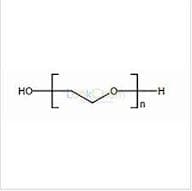
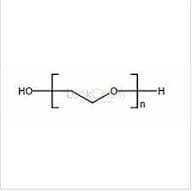
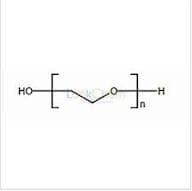
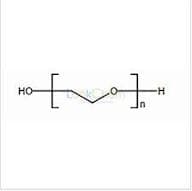
CAS:Formula:H(OCH2CH2)nOHColore e forma:White, Powder, Clear, ColourlessPeso molecolare:3000-3500Polyethylene Glycol 8000 Powder (PEG 8000) for molecular biology
CAS:Colore e forma:White, Powder, Clear, ColourlessPolyethylene Glycol 1000 (PEG 1000)
CAS:Colore e forma:White to almost white, Waxy solid, Clear, ColourlessPolyethylene glycol 600
CAS:Formula:(C2H4O)nH2OColore e forma:Solid, Low Melting SolidPeso molecolare:600Poly(ethylene Glycol) ~30,000
CAS:Prodotto controllatoApplications Poly(ethylene Glycol) molecules of an average molecular mass of 30,000. Poly(ethylene Glycol) is used in various applications from industrial chemistry to biological chemistry. Recent research has shown PEG maintains the ability to aid the spinal cord injury recovery process, helping the nerve impulse conduction process in animals. In rats, it has been shown to aid in the repair of severed sciatic axons, helping with nerve damage recovery. It is industrially produced as a lubricating substance for various surfaces to reduce friction. PEG is also used in the preparation of vesicle transport systems in with application towards diagnostic procedures or drug delivery methods.
References Borgens, R. et al.: J. Neurosci. Res., 66, 1179 (2001); Stavisky, R. et al.: Neurosci. Lett., 376, 98 (2005); Nalam, P. et al.: Tribiol. Lett., 37, 541 (2010); Steinmetz, N. et al.: J. Am. Chem. Soc., 131, 17093 (2009); Li, X. et al.: J. Am. Chem. Soc., 133, 11147 (2011); Li, L. et al.: Int. J. Pharm., 447, 192 (2013);Formula:H2O(C2H4O)nColore e forma:White To Off-WhitePeso molecolare:62.07Poly(ethylene Glycol) ~40,000
CAS:Applications Poly(ethylene Glycol) molecules of an average molecular mass of 40,000. Poly(ethylene Glycol) is used in various applications from industrial chemistry to biological chemistry. Recent research has shown PEG maintains the ability to aid the spinal cord injury recovery process, helping the nerve impulse conduction process in animals. In rats, it has been shown to aid in the repair of severed sciatic axons, helping with nerve damage recovery. It is industrially produced as a lubricating substance for various surfaces to reduce friction. PEG is also used in the preparation of vesicle transport systems in with application towards diagnostic procedures or drug delivery methods.
References Borgens, R. et al.: J. Neurosci. Res., 66, 1179 (2001); Stavisky, R. et al.: Neurosci. Lett., 376, 98 (2005); Nalam, P. et al.: Tribiol. Lett., 37, 541 (2010); Steinmetz, N. et al.: J. Am. Chem. Soc., 131, 17093 (2009); Li, X. et al.: J. Am. Chem. Soc., 133, 11147 (2011); Li, L. et al.: Int. J. Pharm., 447, 192 (2013);Formula:H2O(C2H4O)nColore e forma:White To Off-WhitePeso molecolare:62.07Poly(ethylene Glycol) ~20000
CAS:Prodotto controllatoStability Hygroscopic
Applications Poly(ethylene Glycol) molecules of an average molecular mass of 20000. Poly(ethylene Glycol) is used in various applications from industrial chemistry to biological chemistry. Recent research has shown PEG maintains the ability to aid the spinal cord injury recovery process, helping the nerve impulse conduction process in animals. In rats, it has been shown to aid in the repair of severed sciatic axons, helping with nerve damage recovery. It is industrially produced as a lubricating substance for various surfaces to reduce friction. PEG is also used in the preparation of vesicle transport systems in with application towards diagnostic procedures or drug delivery methods.
References Borgens, R. et al.: J. Neurosci. Res., 66, 1179 (2001); Stavisky, R. et al.: Neurosci. Lett., 376, 98 (2005); Nalam, P. et al.: Tribiol. Lett., 37, 541 (2010); Steinmetz, N. et al.: J. Am. Chem. Soc., 131, 17093 (2009); Li, X. et al.: J. Am. Chem. Soc., 133, 11147 (2011); Li, L. et al.: Int. J. Pharm., 447, 192 (2013);Formula:H2O(C2H4O)nColore e forma:Off-WhitePeso molecolare:62.07Poly(ethylene Glycol) ~9000
CAS:Prodotto controllatoFormula:H2O(C2H4O)nColore e forma:White To Off-WhitePeso molecolare:62.07Poly(ethylene Glycol) ~200
CAS:Prodotto controllatoApplications Poly(ethylene Glycol) molecules of an average molecular mass of 200. Poly(ethylene Glycol) is used in various applications from industrial chemistry to biological chemistry. Recent research has shown PEG maintains the ability to aid the spinal cord injury recovery process, helping the nerve impulse conduction process in animals. In rats, it has been shown to aid in the repair of severed sciatic axons, helping with nerve damage recovery. It is industrially produced as a lubricating substance for various surfaces to reduce friction. PEG is also used in the preparation of vesicle transport systems in with application towards diagnostic procedures or drug delivery methods.
References Borgens, R. et al.: J. Neurosci. Res., 66, 1179 (2001); Stavisky, R. et al.: Neurosci. Lett., 376, 98 (2005); Nalam, P. et al.: Tribiol. Lett., 37, 541 (2010); Steinmetz, N. et al.: J. Am. Chem. Soc., 131, 17093 (2009); Li, X. et al.: J. Am. Chem. Soc., 133, 11147 (2011); Li, L. et al.: Int. J. Pharm., 447, 192 (2013);Formula:H2O(C2H4O)nColore e forma:ColourlessPeso molecolare:62.07Bis-dPEG®5, Half Benzyl Half NHS Ester
CAS:Bis-dPEG®5, Half Benzyl Half NHS Ester is a heterobifunctional cross-linking reagent, which is derived from discrete poly(ethylene glycol) chemistry. It features a benzyl group on one end and an N-hydroxysuccinimide (NHS) ester on the other. The NHS ester is a well-known active ester that facilitates the formation of stable amide bonds with primary amines, commonly found on proteins and peptides. By doing so, it enables the covalent attachment of biomolecules, enhancing solubility, stability, and overall bioavailability.
Formula:C24H50O13Purezza:Min. 95%Peso molecolare:546.65 g/molPEG 3350 - Average Mw approx 3350
CAS:Prodotto controllatoPEG 3350 - Average Mw approx 3350 is a polyethylene glycol polymer used as a linker. It is used to attached PEG to proteins, peptides, oligonucleotides, nanoparticles and small molecules via pegylation, a bioconjugation technique
Formula:(C2H4O)n•H2OPurezza:Min. 95%Colore e forma:White PowderPoly(ethylene oxide) - average Mv 200,000
CAS:Prodotto controllatoPolyethylene oxide is a linear polymer with an average molecular weight of 200,000. It has a viscosity of approximately 8,000-10,000 cps and is soluble in water. Polyethylene oxide can be used as an excipient for pharmaceutical products. This material is not toxic or carcinogenic and does not cause hypersensitivity reactions. It is metabolized by the liver and excreted in the bile. The polyethylene oxide molecule contains hydrophilic ethylene oxide (EO) and hydrophobic oxyethylene (OE) groups that are responsible for its solubility in water and its low toxicity. The EO groups are responsible for the high viscosity of polyethylene oxide, while the OE groups contribute to its low toxicity.Formula:(C2H4O)n•H2OPurezza:Min. 95%PEG 300
CAS:Prodotto controllatoPEG 300 is a polyethylene glycol polymer used as a linker. It is used to attached PEG to proteins, peptides, oligonucleotides, nanoparticles and small molecules via pegylation, a bioconjugation techniqueFormula:(C2H4O)n•H2OPurezza:Min. 95%PEG 3000
CAS:Prodotto controllatoPEG 3000 is a polyethylene glycol polymer used as a linker. It is used to attached PEG to proteins, peptides, oligonucleotides, nanoparticles and small molecules via pegylation, a bioconjugation technique
Formula:H(OCH2CH2)nOHPurezza:Min. 95%Colore e forma:Clear LiquidPEG 8000
CAS:Prodotto controllatoPEG 8000 is a polyethylene glycol polymer used as a linker. It is used to attached PEG to proteins, peptides, oligonucleotides, nanoparticles and small molecules via pegylation, a bioconjugation technique
Formula:(C2H4O)n•H2OColore e forma:White PowderPolyethylene Glycol 8000 (USP-NF, BP, Ph. Eur.) pure
CAS:Polyethylene Glycol 8000 (USP-NF, BP, Ph. Eur.) pure
Purezza:Pharma GradeColore e forma:Solid