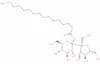
CAS 26446-38-8
:Palmitato di saccarosio
Descrizione:
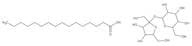
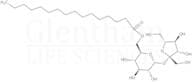
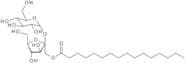
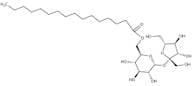
Palmitato di saccarosio, con il numero CAS 26446-38-8, è un tensioattivo non ionico derivato da saccarosio e acido palmico. È caratterizzato dalla sua capacità di agire come emulsionante, stabilizzante e agente addensante in varie formulazioni, in particolare nelle industrie alimentari, cosmetiche e farmaceutiche. Questo composto è noto per le sue eccellenti proprietà emulsionanti, che consentono la miscelazione stabile delle fasi oleosa e acquosa, fondamentale per creare texture coerenti nei prodotti. Palmitato di saccarosio è generalmente riconosciuto come sicuro (GRAS) per l'uso in applicazioni alimentari ed è biodegradabile, rendendolo un'opzione ecologica. Inoltre, presenta bassa tossicità ed è ben tollerato nelle applicazioni topiche, contribuendo alla sua popolarità nelle formulazioni per la cura personale. Il suo valore di equilibrio idrofobico-idrofilo (HLB) indica la sua idoneità per diversi tipi di emulsioni e può migliorare le caratteristiche sensoriali dei prodotti, fornendo una sensazione liscia e cremosa. In generale, Palmitato di saccarosio è apprezzato per le sue proprietà multifunzionali e versatilità in vari settori.
Formula:C28H52O12
InChI:InChI=1/C28H52O12/c1-2-3-4-5-6-7-8-9-10-11-12-13-14-15-21(32)40-28(26(37)24(35)22(33)19(16-29)39-28)27(18-31)25(36)23(34)20(17-30)38-27/h19-20,22-26,29-31,33-37H,2-18H2,1H3/t19-,20-,22-,23-,24+,25+,26-,27+,28+/m1/s1
Sinonimi:- 2,5-anhydro-6-O-hexadecanoyl-5-(hydroxymethyl)-alpha-D-gluco-D-manno-undec-6-ulopyranose
- Habo Monoester P90
- Hexadecanoic Acid - Hex-2-Ulofuranosyl Hexopyranoside (1:1)
- Nitto Ester P 1570
- Nitto Ester P 1670
- Nitto Ester T-1570
- Nsc 192746
- P 1570
- P 1670
- P 1695
- Palmitic acid sucrose monoester
- Palmitic acid, monoester with sucrose
- Palmitic sucrose ester
- Palmitic sucrose monoester
- Ryoto Monoester-P
- Ryoto Sugar Ester MO-C 16
- Ryoto Sugar Ester P 1570
- Ryoto Sugar Ester P 599
- Saccharose monopalmitate
- Sucrapan P
- Sucrodet
- Sucroester WE 15
- Sucrose monohexadecanoate
- Sucrose monopalmitate
- Sucrose palmitate (VAN)
- Sucrose palmitic acid ester
- Sucrose, monopalmitate (8CI)
- Sugar Ester P 1570
- Surfhope D-1615
- Surfhope SE Cosme C 1616
- alpha-D-Glucopyranoside, beta-D-fructofuranosyl, monohexadecanoate
- beta-D-Fructofuranosyl-alpha-D-glucopyranoside monohexadecanoate
- α-<span class="text-smallcaps">D</smallcap>-Glucopyranoside, β-<smallcap>D</span>-fructofuranosyl, monohexadecanoate
- Sucrose palmitate
- Sucrose palmitate
- Vedi altri sinonimi
Ordinare per
Purezza (%)
0
100
|
0
|
50
|
90
|
95
|
100
4 prodotti.
Sucrose palmitate, 90%
CAS:Sucrose palmitate is used as food emulsifier. It is an important raw material and intermediate used in organic synthesis, pharmaceuticals, agrochemicals and dyestuff. This Thermo Scientific Chemicals brand product was originally part of the Alfa Aesar product portfolio. Some documentation and labelFormula:C28H54O13Purezza:90%Colore e forma:Powder, White to off-whitePeso molecolare:598.73Sucrose palmitate
CAS:Formula:C28H52O12Purezza:≥ 98.0%Colore e forma:White to off-white powderPeso molecolare:508.72Sucrose palmitate
CAS:The ‘tallowate’ esters are probably the best known derivatives of sucrose and many attempts have been made to commercialise them in order to exploit their excellent surfactant functionalities. The most functional products are the mono- and diesters of the tallow acids (stearic, palmitic, oleic) with hydrophile-lipophile balance (HLB) values that lend themselves to surfactant applications in foods and cosmetics. They also have other uses, for example in coating fruits with a semipermeable membrane that acts as a preservative. Manufacturing economics have prevented these products from mass production and they remain in niche applications.Formula:C28H52O12Purezza:(%) Min. 90.0%Colore e forma:White PowderPeso molecolare:508.72 g/mol