CAS 38444-93-8
:PCB 40
Descrizione:
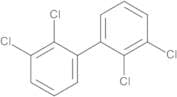
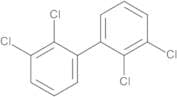
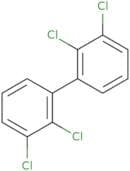
PCB 40, o bifenile policlorato 40, è un membro della famiglia dei bifenili policlorati (PCB), che consiste in sostanze chimiche organiche sintetiche note per le loro applicazioni industriali, in particolare come refrigeranti e fluidi isolanti in apparecchiature elettriche. PCB 40 è caratterizzato dalla sua struttura aromatica clorurata, che contribuisce alla sua stabilità chimica e resistenza alla degradazione. Questo composto presenta tipicamente bassa volatilità e alta lipofilia, portando alla bioaccumulazione nell'ambiente e negli organismi viventi. I PCB, incluso PCB 40, sono noti per i loro potenziali effetti tossici, inclusa l'interruzione endocrina e le proprietà cancerogene. A causa di queste preoccupazioni per la salute e l'ambiente, la produzione e l'uso di PCB sono stati fortemente regolamentati o vietati in molti paesi. PCB 40 può essere trovato in varie applicazioni industriali, ma la sua persistenza nell'ambiente pone sfide significative per la bonifica e la gestione. In generale, sebbene PCB 40 abbia proprietà utili in applicazioni specifiche, i suoi impatti ambientali e sulla salute richiedono un'attenta gestione e regolamentazione.
Formula:C12H6Cl4
InChI:InChI=1S/C12H6Cl4/c13-9-5-1-3-7(11(9)15)8-4-2-6-10(14)12(8)16/h1-6H
InChI key:InChIKey=VTLYHLREPCPDKX-UHFFFAOYSA-N
SMILES:ClC1=C(C=CC=C1Cl)C2=C(Cl)C(Cl)=CC=C2
Sinonimi:- 1,1'-Biphenyl, 2,2',3,3'-Tetrachloro-
- 1,1′-Biphenyl, 2,2′,3,3′-tetrachloro-
- 2,2',3,3'-Pcb
- 2,2',3,3'-Tetrachloro-1,1'-biphenyl
- 2,2′,3,3′-Tetrachloro-1,1′-biphenyl
- 2,2′,3,3′-Tetrachlorobiphenyl
- 38444-93-8
- Pcb 40
Ordinare per
Purezza (%)
0
100
|
0
|
50
|
90
|
95
|
100
3 prodotti.
PCB No. 40 10 µg/mL in Isooctane
CAS:Prodotto controllatoFormula:C12H6Cl4Colore e forma:Single SolutionPeso molecolare:291.992,2',3,3'-Tetrachlorobiphenyl
CAS:Prodotto controllato<p>2,2',3,3'-Tetrachlorobiphenyl is an inhibitor that has been shown to have anticancer properties. It inhibits the growth of tumor cells by blocking the activity of protein kinases, which are enzymes that regulate cell division and proliferation. This compound has been tested in Chinese hamster ovary cells and has been found to induce apoptosis in cancer cells. Additionally, 2,2',3,3'-Tetrachlorobiphenyl has analog inhibitors that have been tested in human urine samples and have shown potential as anticancer agents. These analogs inhibit cyclin-dependent kinases (CDKs), which play a crucial role in regulating the cell cycle. The inhibition of CDKs leads to the suppression of cancer cell growth and division, making this compound a promising candidate for future cancer treatments.</p>Formula:C12H6Cl4Purezza:Min. 95%Peso molecolare:292 g/mol