CAS 4043-59-8
:1,3-Dietossi-2-propanolo
Descrizione:
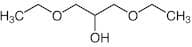
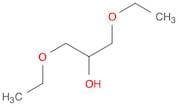
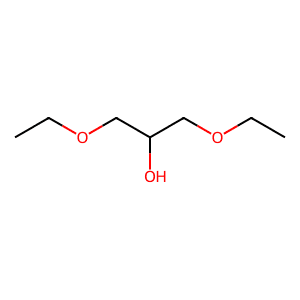
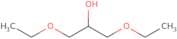
1,3-Dietossi-2-propanolo, con il numero CAS 4043-59-8, è un composto organico caratterizzato dai suoi gruppi funzionali etere e alcol. Presenta una struttura di backbone di propanolo con due gruppi etossido attaccati ai primi e terzi atomi di carbonio. Questa struttura conferisce proprietà sia idrofili che idrofobiche, rendendolo un solvente versatile in varie applicazioni chimiche. Il composto è tipicamente un liquido incolore con un odore lieve ed è solubile in acqua e solventi organici, il che ne aumenta l'utilità nelle formulazioni. Viene spesso utilizzato come intermediario nella sintesi organica, così come nella produzione di rivestimenti, adesivi e altri prodotti chimici. Inoltre, 1,3-Dietossi-2-propanolo può presentare bassa tossicità, ma devono comunque essere osservate le precauzioni di sicurezza quando lo si maneggia, come con qualsiasi sostanza chimica. La sua reattività può essere influenzata dalla presenza dei gruppi etossido, consentendo una potenziale partecipazione in varie reazioni chimiche, inclusa l'esterificazione e l'eterificazione.
Formula:C7H16O3
InChI:InChI=1S/C7H16O3/c1-3-9-5-7(8)6-10-4-2/h7-8H,3-6H2,1-2H3
InChI key:InChIKey=WIHIUTUAHOZVLE-UHFFFAOYSA-N
SMILES:C(COCC)(COCC)O
Sinonimi:- 1,3-Diethoxy-2-propanol~Glycerol 1,3-diethyl ether
- 1,3-Diethoxypropan-2-Ol
- 1,3-Diethyl glycerin ether
- 1,3-Glycerin diethyl ether
- 2-Propanol, 1,3-diethoxy-
- Diethylin
- Glycerol 1,3-bis(ethyl ether)
- Glycerol 1,3-diethyl ether
- Glycerol α,γ-diethyl ether
- NSC 403841
- 1,3-Diethoxy-2-propanol
Ordinare per
Purezza (%)
0
100
|
0
|
50
|
90
|
95
|
100
5 prodotti.
1,3-Diethoxy-2-propanol
CAS:Formula:C7H16O3Purezza:>98.0%(GC)Colore e forma:Colorless to Almost colorless clear liquidPeso molecolare:148.201,3-Diethoxy-2-propanol
CAS:1,3-Diethoxy-2-propanol is a crystalline cellulose derivative that is soluble in water. It has been shown to have synergistic effects with methyl ethyl in the treatment of bowel disease. It also has been shown to inhibit the growth of cervical cancer cells and inflammatory bowel disease. The chemical structure has a basic structure, which may be due to its reaction with p-hydroxybenzoic acid. The reaction mechanism is not well understood, but it may be related to its ability to bind to fluorophores such as fluorescence probe and asymmetric synthesis.
Formula:C7H16O3Purezza:Min. 95%Peso molecolare:148.2 g/mol