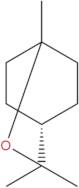
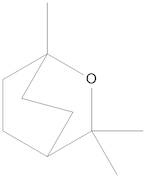
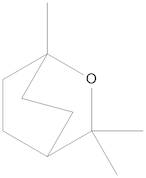
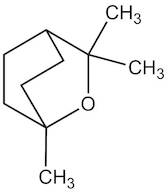
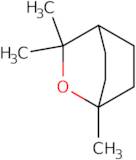
CAS 470-82-6
:1,8-Cineolo
- 1,3,3-Trimethyl-2-oxabicyclo[2.2.2]octane
- 1,8,8-Trimethyl-7-Oxabicyclo[2.2.2]Octane
- 1,8-Cineol
- 1,8-Cineole
- 1,8-Epoxy-p-menthane
- 1,8-Epoxyparamenthane
- 1,8-Eucalyptol
- 1,8-Oxido-p-menthane
- 2-Oxa-1,3,3-trimethylbicyclo[2.2.2]octane
- 2-Oxabicyclo[2.2.2]octane, 1,3,3-trimethyl-
- Bicyclo[2.2.2]Octane, 1,3,3-Trimethyl-2-Oxa-
- Cajeputol
- Cineol
- Eucaliptol
- Eucalyptol
- Eucalyptol(E)
- Eucalyptol, Cineol
- Eucalyptole
- Eucalytol
- Eucapur
- Eukalyptol
- Nsc 6171
- Terpan
- p-Cineole
- p-Menthane, 1,8-epoxy-
- Eucalyrtol
- CINEOLE-1,8
- 1,8-EPOXY-P-METHANE
- 1,8-cineole (Eucalyptol)
- CINEOLUM
- 1,4-AND 1,8-CINEOLES
- FEMA 2465
- LABOTEST-BB LT00440774
- CINEOLE
- CINEOLES
- 1,3,3-Trimethyl-2-oxabicyclo[2,2,2]octan
- 1,3,3-trimethyl-2-oxabicyclo[2.2.2]octan
- 1,8-cineol (eucalyptol)
- Vedi altri sinonimi
- Prezzo più basso
- Prezzo più alto
- Purezza più bassa
- Purezza più alta
- Consegna più veloce
1,8-Cineol
CAS:Applications 1,8-Cineol is the chief constituent of oil of eucalyptus. Used as pharmaceutic aid (flavor).
Not a dangerous good if item is equal to or less than 1g/ml and there is less than 100g/ml in the package
References Jori, et al.: Eur. J. Pharmacol., 9, 362 (1970); Maugh, T.H., Science, 218, 278 (1982),Formula:C10H18OColore e forma:NeatPeso molecolare:154.25Eucalyptol
CAS:Oxygen-heterocyclic compoundFormula:C10H18OPurezza:≥ 95.0 % (GC)Colore e forma:LiquidPeso molecolare:154.25Cineole
CAS:Prodotto controllatoCineole, often referred to as eucalyptol, is a monoterpenoid and a cyclic ether that represents a key constituent of certain essential oils. It is primarily sourced from the leaves of Eucalyptus species, but also found in smaller quantities within other aromatic plants such as rosemary, sage, and tea tree. Cineole exerts its effects through a multifaceted mode of action, acting predominantly as an antimicrobial and anti-inflammatory agent. This is achieved by disrupting the lipid membrane of microbial pathogens, leading to their destabilization and eventual demise. Additionally, cineole modulates inflammatory pathways by inhibiting the production of pro-inflammatory cytokines, thereby ameliorating symptoms associated with inflammation.
Formula:C10H18OPurezza:Min. 95%Colore e forma:Colorless Clear LiquidPeso molecolare:154.25 g/mol