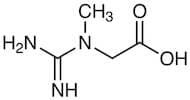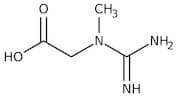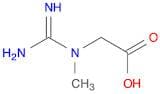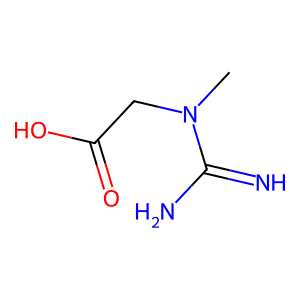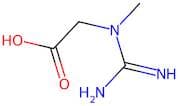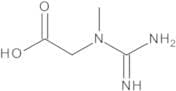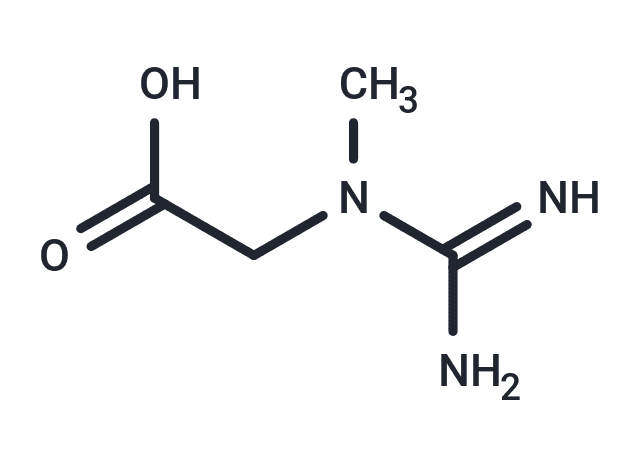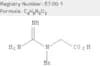
CAS 57-00-1
:Creatina
- (1-Methylguanidino)acetic acid
- (N-Methyl-guanidino)-acetic acid
- 2-(1-Methylguanidino)acetic acid
- 2-(N-Methylcarbamimidamido)acetic acid
- 2-[(C-Azaniumylcarbonimidoyl)-methylamino]acetate
- 5-Chloro-2-Maino Benzotrifluoride
- Cosmocair C 100
- Creatine anhydrous
- Creatine preparation
- Glycine, N-(aminoiminomethyl)-N-methyl-
- Kre-Alkalyn
- Methylguanidoacetic acid
- N-(Aminoiminomethyl)-N-methylglycine
- N-Amidinosarkosin
- N-Methyl-N-guanylglycine
- N-amidinosarcosina
- N-amidinosarcosine
- N-carbamimidoyl-N-methylglycine
- Neotine
- Nsc 8752
- Phosphagen
- Tego Cosmo C 100
- Vitargo
- [N-(Amidino)-N-methylamino]acetic acid
- Vedi altri sinonimi
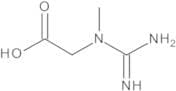
Creatine
CAS:Formula:C4H9N3O2Purezza:>98.0%(T)(HPLC)Colore e forma:White to Almost white powder to crystalPeso molecolare:131.14Creatine, anhydrous, 98%
CAS:Creatine is involved in the rapid production of ATP associated with creatine kinases in skeletal muscle tissue. Creatine may be used as a supplement to study its mechanism of action. It acts as a nutraceutical and a neuroprotective agent. This Thermo Scientific Chemicals brand product was originally
Formula:C4H9N3O2Purezza:98%Colore e forma:White, PowderPeso molecolare:131.14Glycine, N-(aminoiminomethyl)-N-methyl-
CAS:Formula:C4H9N3O2Purezza:95%Colore e forma:SolidPeso molecolare:131.1332Creatine, anhydrous
CAS:Formula:C4H9N3O2Purezza:≥ 98.0%Colore e forma:White to almost white powderPeso molecolare:131.13Ref: 4Z-C-227014
5mgPrezzo su richiesta10mgPrezzo su richiesta25mgPrezzo su richiesta50mgPrezzo su richiesta100mgPrezzo su richiestaRef: 4Z-C-227013
5mgPrezzo su richiesta10mgPrezzo su richiesta25mgPrezzo su richiesta50mgPrezzo su richiesta100mgPrezzo su richiestaCreatine
CAS:Creatine, an amino acid in vertebrates, forms phosphocreatine in muscle, aids energy transfer, is made in the liver, and mainly stored in muscles.
Formula:C4H9N3O2Purezza:99.63% - 99.83%Colore e forma:Colourless To Light Yellow SolidPeso molecolare:131.13Creatine
CAS:Applications Creatine can be used in biological study of high fat diets with different ketogenic ratios on hippocampal accumulation of creatine.
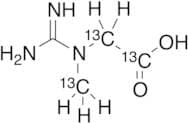
References Skoczen, A., et al.: Spectrochim Acta A, 184, 13 (2017)Formula:C4H9N3O2Colore e forma:NeatPeso molecolare:131.13Creatine, anhydrous
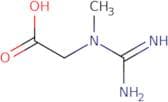
CAS:Creatine is a basic protein that is used in the production of adenosine triphosphate (ATP) in muscle and other tissues. Creatine has been shown to have inhibitory properties against ubiquitin ligases, which are proteins that regulate protein degradation by marking them for cellular destruction. Creatine also has been shown to have protective effects against oxidative injury in the bowel, as well as inhibitory properties against neuronal death induced by anoxia or oxidative stress. Creatine can be found at physiological levels in human serum and mitochondrial membranes and has been shown to increase mitochondrial membrane potential, enzyme activities, and ATP production. Creatine may be involved in transfer reactions such as phosphocreatine synthesis from creatine.Formula:C4H9N3O2Purezza:Min. 95%Colore e forma:PowderPeso molecolare:131.13 g/molCreatine zinc chloride
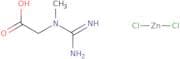
CAS:Creatine zinc chloride is a basic protein that is metabolized to creatinine and guanidinoacetate. Creatine zinc chloride has been shown to inhibit the mitochondrial membrane potential, leading to the inhibition of cardiac muscle contraction and myocardial infarct size. Creatine zinc chloride also has physiological functions in energy metabolism, cytosolic calcium regulation, and glomerular filtration rate. Creatine zinc chloride may be used for the treatment of metabolic disorders, such as obesity and diabetes mellitus type II.
Formula:C4H9N3O2·ZnCl2Purezza:Min. 99%Colore e forma:PowderPeso molecolare:267.43 g/mol