CAS 58-73-1
:Difenidramina
Descrizione:
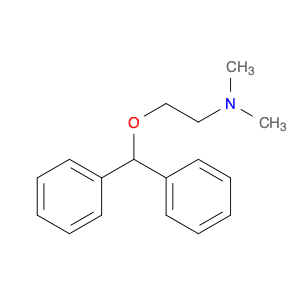
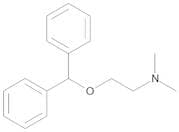
Difenidramina è un antistaminico comunemente usato per alleviare i sintomi di allergia, febbre da fieno e raffreddore comune. È classificato come un antagonista del recettore H1 di prima generazione, il che significa che blocca l'azione dell'istamina, una sostanza nel corpo che causa sintomi allergici. Chimicamente, Difenidramina è caratterizzato dalla sua struttura, che include due anelli fenilici collegati da una catena di etilamina. Questa struttura contribuisce alla sua capacità di attraversare la barriera ematoencefalica, portando a effetti sedativi, motivo per cui viene utilizzato anche come trattamento a breve termine per l'insonnia. Difenidramina ha una solubilità relativamente bassa in acqua, ma è solubile in solventi organici. I suoi effetti farmacologici possono includere sonnolenza, secchezza delle fauci, vertigini e, in alcuni casi, reazioni paradossali come eccitabilità, specialmente nei bambini. A causa delle sue proprietà sedative, si consiglia cautela nell'uso di macchinari o nella guida dopo il consumo. Inoltre, potrebbe interagire con altri farmaci, quindi è importante consultare i professionisti della salute prima dell'uso.
Formula:C17H21NO
InChI:InChI=1/C17H21NO/c1-18(2)13-14-19-17(15-9-5-3-6-10-15)16-11-7-4-8-12-16/h3-12,17H,13-14H2,1-2H3
InChI key:InChIKey=ZZVUWRFHKOJYTH-UHFFFAOYSA-N
SMILES:C(OCCN(C)C)(C1=CC=CC=C1)C2=CC=CC=C2
Sinonimi:- 2-(Benzhydryloxy)-N,N-dimethylethanamine
- 2-(Benzhydryloxy)-N,N-dimethylethylamine
- 2-(Diphenylmethoxy)-N,N-dimethylethanamine
- 2-(Diphenylmethoxy)-N,N-dimethylethylamine
- 2-Benzhydryloxyethyldimethylamine
- Benzhydramine
- DPH
- Difenhidramina
- Dimedrol base
- Diphenhydramin
- Ethanamine, 2-(diphenylmethoxy)-N,N-dimethyl-
- Ethylamine, 2-(diphenylmethoxy)-N,N-dimethyl-
- Far 90X2
- N,N-Dimethyl-2-(diphenylmethoxy)ethylamine
- N-[2-(Diphenylmethoxy)ethyl]-N,N-dimethylamine
- Nsc 665800
- O-Benzhydryldimethylaminoethanol
- Probedryl
- Restamin
- α-(2-Dimethylaminoethoxy)diphenylmethane
- β-Dimethylaminoethanol diphenylmethyl ether
- β-Dimethylaminoethyl benzhydryl ether
- β-Dimethylaminoethylbenzhydrylether
- Diphenylhydramine
- Allergeval
- 2-(Diphenylmethoxy)-N,N-dimethylethanam-ine
- Allergical
- Aleryl
- Allergival
- Allergan B
- 2-(diphenylmethoxy)-n,n-dimethyl-ethanamin
- DIPHENHYDRAMINE BASE
- 2-(Benzohydryloxy)-N,N-dimethylethylamine
- AURORA KA-7664
- 2-(diphenylmethoxy)-n,n-dimethyl-ethylamin
- Alledryl
- DIPHENHYDRAMINE
- Vedi altri sinonimi
Ordinare per
Purezza (%)
0
100
|
0
|
50
|
90
|
95
|
100
11 prodotti.
Diphenhydramine
CAS:Formula:C17H21NOPurezza:>98.0%(GC)(T)Colore e forma:Colorless to Yellow clear liquidPeso molecolare:255.36Ethanamine, 2-(diphenylmethoxy)-N,N-dimethyl-
CAS:Formula:C17H21NOPurezza:98%Colore e forma:LiquidPeso molecolare:255.3547Orphenadrine EP Impurity D (Diphenhydramine)
CAS:Formula:C17H21NOColore e forma:Yellow LiquidPeso molecolare:255.36Diphenhydramine Hydrochloride
CAS:Formula:C17H21NO·HClPurezza:>98.0%(T)(HPLC)Colore e forma:White powder to crystalPeso molecolare:291.82Diphenhydramine
CAS:Diphenhydramine (Syntedril): first-gen antihistamine for allergies, antiemetic, antitussive, anticholinergic, sedative, treats drug-induced parkinsonism.Formula:C17H21NOPurezza:98.07%Colore e forma:SolidPeso molecolare:255.35Diphenhydramine
CAS:Prodotto controllatoApplications Diphenhydramine can be used for improving dry skin with itching.
References Takeshima, H., et.al.: Jpn. Kokai Tokkyo Koho, 12, (2021);Formula:C17H21NOColore e forma:NeatPeso molecolare:255.3612-(Benzhydryloxy)-N,N-dimethylethanamine
CAS:Formula:C17H21NOPurezza:95%Colore e forma:LiquidPeso molecolare:255.361Diphenhydramine
CAS:Prodotto controllatoDiphenhydramine is a drug that belongs to the class of antihistamines, and is used to treat allergic symptoms such as hay fever, urticaria, and other allergic reactions. It has been shown to inhibit the production of hydrogen fluoride in analytical methods for measuring this compound. Diphenhydramine is also known to have potential interactions with other drugs, including α1-adrenergic antagonists (i.e., h1-antagonists), cyclic peptides, and surfactants. In addition, it has been shown to bind to the α1 subunit of G protein receptors within the gastrointestinal tract in a reaction mechanism that is not yet fully understood. This binding inhibits the response of these receptors to certain stimuli from neurotransmitters and hormones, which can lead to bowel disease.Formula:C9H18CINOPurezza:Min. 95%Peso molecolare:295.16 g/mol