CAS 6982-09-8
:4-Esadecene-1,3-diolo, 2-ammino-, (2S,3R,4E)-
Descrizione:
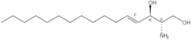
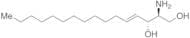
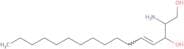
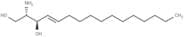
4-Esadecene-1,3-diolo, 2-ammino-, (2S,3R,4E)-, con il numero CAS 6982-09-8, è un composto organico caratterizzato dalla sua lunga catena di idrocarburi e dalla presenza di gruppi funzionali sia idrossile (-OH) che amminico (-NH2). Questo composto presenta un doppio legame nella sua catena di carbonio, specificamente nella posizione 4, il che contribuisce alla sua insaturazione. La stereochimica indicata da (2S,3R,4E) suggerisce disposizioni spaziali specifiche dei sostituenti attorno ai centri chirali, influenzando la sua reattività e interazioni. La presenza di gruppi idrossile generalmente migliora la solubilità in solventi polari e può partecipare a legami idrogeno, mentre il gruppo amminico può conferire basicità e reattività in varie reazioni chimiche. Questo composto può trovare applicazioni in campi come biochimica, farmaceutica o scienza dei materiali, dove i suoi gruppi funzionali unici possono essere utilizzati per sintesi o come intermedi in processi chimici. In generale, le sue caratteristiche strutturali suggeriscono una potenziale versatilità nella reattività chimica e nelle applicazioni.
Formula:C16H33NO2
Ordinare per
Purezza (%)
0
100
|
0
|
50
|
90
|
95
|
100
4 prodotti.
C16-D-erythro-Sphingosine
CAS:Formula:C16H33NO2Purezza:>98%Colore e forma:SolidPeso molecolare:271.44c16-Sphingosine
CAS:Sphingosine is a long-chain fatty acid that is naturally found in the human body. It has been shown to have a role in regulating cellular metabolism and apoptosis, as well as inflammatory responses. Sphingosine is metabolized through the action of hydrochloric acid and hydrogen chloride to form sphinganine, which can then be converted into other metabolites. The metabolism of sphingosine is an important factor for determining its effects on the body. Chronic exposure to sphingosine may result in an accumulation of metabolites in the body, which may lead to metabolic profiles that are similar to those seen in various diseases such as cancer and inflammatory diseases.Formula:C16H33NO2Purezza:Min. 95%Peso molecolare:271.44 g/molSphingosine (d16:1)
CAS:Sphingosine (d16:1), an unconventional sphingolipid, is synthesized through enzymatic reactions starting with the condensation of myristoyl-CoA and serine by serine palmitoyltransferase long-chain base subunit 3 (SPTLC3), which shows a preference for myristoyl-CoA. This compound is found in minute quantities in its free form in human plasma and as a component of various plasma sphingolipids, such as sphingosine-1-phosphate, ceramides, sphingomyelins, and in brain cerebrosides, albeit at lower concentrations than the more common d18:1 sphingoid base. Sphingosine (d16:1) acts as an inhibitor of PKC in mixed micelle assays and diminishes superoxide production triggered by phorbol 12-myristate 13-acetate in isolated human neutrophils, as well as inhibiting the growth of CHO cells with IC50 values of 1 and 3.2 µM, respectively. Additionally, the concentration of sphingolipids containing sphingosine (d16:1) in the plasma is linked to the dietary consumption of saturated fatty acids and protein among ethnic Chinese populations.Formula:C16H33NO2Colore e forma:SolidPeso molecolare:271.4