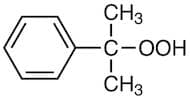
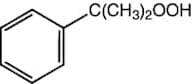
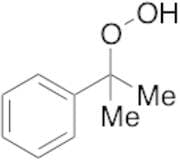
CAS 80-15-9
:Idroperossido di cumene
- 1-Methyl-1-phenylethyl hydroperoxide
- 1-Methyl-1-phenylethylhydroperoxide
- 2-Hydroperoxy-2-phenylpropane
- 2-Phenyl-2-propyl hydroperoxide
- 2-Phenylpropan-2-Yl Hydroperoxide
- 2-Phenylpropyl hydroperoxide
- 7-Cumyl hydroperoxide
- C 109598
- Chp 158
- Chp 5
- Chp 90
- Cu 90
- Cu 90L
- Cumen hydroperoxide
- Cumene hydroperoxide solution
- Cumenehydroperoxide
- Cumenyl hydroperoxide
- Cumol-Hydroperoxid
- Cumyl hydrogen peroxide
- Cumyl hydroperoxide
- H 80
- Hidroperoxido De Α-Α-Dimetilbencilo
- Hydrogen Peroxide - Propan-2-Ylbenzene (1:1)
- Hydroperoxide, 1-Methyl-Phenylethyl-
- Hydroperoxide, 1-methyl-1-phenylethyl
- Hydroperoxide, α,α-dimethylbenzyl
- Hydroperoxyde de α,α-dimethylbenzyle
- Hyperis
- Hyperiz
- Isopropylbenzene hydroperoxide
- Kayacumene H
- Luperox CU 80
- Luperox CU 90
- Norox CHP
- Percumyl H
- Percumyl H 18
- Percumyl H 80
- Percumyl H 90
- Peroxan CU 90L
- Ph 80
- R 239A
- Trigonox K 80
- Trigonox K 90
- Trigonox R 239A
- Trigonox R 239R
- Trigonox?K
- alpha,alpha-Dimethylbenzyl hydroperoxide
- Α,Α-Dimethylbenzyl Hydroperoxide
- α,α-Dimethylbenzylhydroperoxid
- α-Cumene hydroperoxide
- α-Cumyl hydroperoxide
- Vedi altri sinonimi
Cumene Hydroperoxide (contains ca. 20% Aromatic Hydrocarbon)
CAS:Formula:C9H12O2Colore e forma:Colorless to Almost colorless clear liquidPeso molecolare:152.19Cumyl hydroperoxide, tech. 80%
CAS:Cumene hydroperoxide is used in the preparation of polystyrene nanocapsules. It acts as a curing agent for polyester resins and as an oxidizer in organic chemical reactions. It serves as an initiator for radical polymerization especially for acrylate and methacrylate monomers. It also employed as an
Formula:C9H12O2Purezza:80%Colore e forma:Liquid, Clear colorless to pale yellowPeso molecolare:152.19Cumene Hydroperoxide (80%, Technical grade)
CAS:Prodotto controllatoStability Light Sensitive
Applications Cumene Hydroperoxide is an oxidant (1) used in the preparation of polystyrene nanocapsules. Through the study of melatonin it has been observed to promote lipid oxidation and inhibit protein synthesis. Drinking water contaminant candidate list 3 (CCL 3) compound as per United States Environmental Protection Agency (EPA), environmental, and food contaminants.
E0
References 1. Eren, O. et al.: Clin. Biochem. 2005 Dec;38(12):1103-112. Munoz, M. et a/l.: J. Cell. Biochem. 2017 Jan;118(1):182-190.Formula:C9H12O2Colore e forma:NeatPeso molecolare:152.19