CAS 84-66-2
:Dietilftalato
Descrizione:
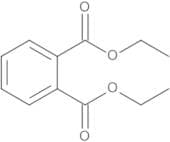
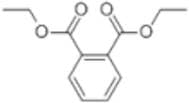
Dietilftalato (DEP) è un composto organico appartenente alla famiglia dei ftalati, caratterizzato dai suoi gruppi funzionali esteri. È un liquido incolore e inodore, solubile in solventi organici ma con solubilità limitata in acqua. Il DEP è principalmente utilizzato come plastificante, migliorando la flessibilità e la durabilità delle materie plastiche, in particolare il cloruro di polivinile (PVC). Inoltre, funge da solvente in varie applicazioni, tra cui cosmetici, fragranze e prodotti farmaceutici. La struttura chimica di Dietilftalato consiste in due gruppi etilici attaccati a una parte di ftalato, che contribuisce alle sue proprietà come plastificante. Sebbene il DEP sia generalmente considerato a bassa tossicità, sono state sollevate preoccupazioni riguardo ai suoi potenziali effetti dirompenti endocrini e alla sua persistenza ambientale. Le agenzie di regolamentazione hanno stabilito linee guida per il suo utilizzo, in particolare nei prodotti di consumo. In generale, Dietilftalato è un importante prodotto chimico industriale con diverse applicazioni, ma la sua sicurezza e il suo impatto ambientale continuano a essere oggetto di ricerca e regolamentazione in corso.
Formula:C12H14O4
InChI:InChI=1S/C12H14O4/c1-3-15-11(13)9-7-5-6-8-10(9)12(14)16-4-2/h5-8H,3-4H2,1-2H3
InChI key:InChIKey=FLKPEMZONWLCSK-UHFFFAOYSA-N
SMILES:C(OCC)(=O)C1=C(C(OCC)=O)C=CC=C1
Sinonimi:- 1,2-Benzenedicarboxylic acid diethyl ester
- 1,2-Benzenedicarboxylic acid, 1,2-diethyl ester
- 1,2-Benzodioic acid diethyl ester
- 1,2-Diethyl benzene-1,2-dicarboxylate
- Anozol
- Benzene-1,2-dicarboxylic acid diethyl ester
- DEP
- Diethyl phthalate, (Phthalic acid diethyl ester)
- Diethyl 1,2-benzenedicarboxylate
- Diethyl Benzene-1,2-Dicarboxylate
- Diethylphtalate
- Diethylphthalat
- Ethyl phthalate
- Ftalato De Dietilo
- Neantine
- Nsc 8905
- Palatinol A
- Phtalate de diethyle
- Phthalate, Diethyl
- Phthalic Acid Diethyl Ester
- Phthalol
- Phthalsaeure-Diaethylester
- Placidol E
- Solvanol
- Unimoll DA
- o-Benzenedicarboxylic acid diethyl ester
- o-Bis(ethoxycarbonyl)benzene
- Diethyl phthalate (DEP)
- PHTHALIC ACID, BIS-ETHYL ESTER
- -Benzenedicarboxylic acid diethyl ester
- 1,2-diethyl phthalate
- RARECHEM AL BI 0044
- diethyl1,2-benzenedioate
- PHTHALIC ACID DIETHYL
- diethyl1,2-benzenedicarboxylate
- DIETHYL PHTHALATE
- Diethyl ester of 1,2-Benzenedicarboxylic acid
- 'LGC' (2000)
- Diethyl-o-phthalate
- 1,2-benzenedioicacid,diethylester
- Vedi altri sinonimi
Ordinare per
Purezza (%)
0
100
|
0
|
50
|
90
|
95
|
100
EPA Method 625 SV Calibration Mixture 660 1000 µg/mL in Benzene:Dichloromethane
CAS:Prodotto controllato- 100-02-7
- 101-55-3
- 103-33-3
- 105-67-9
- 106-46-7
- 108-60-1
- 108-95-2
- 111-44-4
- 111-91-1
- 117-81-7
- 117-84-0
- 118-74-1
- 120-12-7
- 120-82-1
- 120-83-2
- 121-14-2
- 129-00-0
- 131-11-3
- 191-24-2
- 193-39-5
- 205-99-2
- 206-44-0
- 207-08-9
- 208-96-8
- 218-01-9
- 50-32-8
- 51-28-5
- 53-70-3
- 534-52-1
- 541-73-1
- 56-55-3
- 59-50-7
- 606-20-2
- 62-75-9
- 621-64-7
- 67-72-1
- 7005-72-3
- 77-47-4
- 78-59-1
- 83-32-9
- 84-66-2
- 84-74-2
- 85-01-8
- 85-68-7
- 86-73-7
- 86-74-8
- 87-68-3
- 87-86-5
- 88-06-2
- 88-75-5
- 91-20-3
- 91-58-7
- 95-50-1
- 95-57-8
- 98-95-3
Colore e forma:MixtureCLP SVOC Calibration Mixture 512 2000 µg/mL in Dichloromethane
CAS:Prodotto controllato- 100-01-6
- 100-02-7
- 101-55-3
- 103-33-3
- 105-67-9
- 106-44-5
- 106-46-7
- 106-47-8
- 108-60-1
- 108-95-2
- 111-44-4
- 111-91-1
- 117-81-7
- 117-84-0
- 118-74-1
- 120-12-7
- 120-82-1
- 120-83-2
- 121-14-2
- 129-00-0
- 131-11-3
- 132-64-9
- 191-24-2
- 193-39-5
- 205-99-2
- 206-44-0
- 207-08-9
- 208-96-8
- 218-01-9
- 50-32-8
- 51-28-5
- 53-70-3
- 534-52-1
- 541-73-1
- 56-55-3
- 59-50-7
- 606-20-2
- 62-75-9
- 621-64-7
- 67-72-1
- 7005-72-3
- 77-47-4
- 78-59-1
- 83-32-9
- 84-66-2
- 84-74-2
- 85-01-8
- 85-68-7
- 86-73-7
- 86-74-8
- 87-68-3
- 87-86-5
- 88-06-2
- 88-74-4
- 88-75-5
- 91-20-3
- 91-57-6
- 91-58-7
- 95-48-7
- 95-50-1
- 95-57-8
- 95-95-4
- 98-95-3
- 99-09-2
Colore e forma:MixtureDiethyl Phthalate
CAS:Applications A phthalate metabolite with genotoxic effect. This compound is a contaminant of emerging concern (CECs).
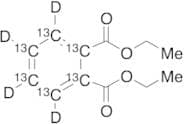
References Reyes, F., et al.: J. Clin. Endocrinol. Metab., 37, 74 (1973), Engel, S., et al.: Neurotoxicology, 30, 522 (2009),Formula:C12H14O4Colore e forma:ColourlessPeso molecolare:222.24Diethyl Phthalate (Phenyl-13C6, D4)
CAS:Prodotto controllatoFormula:C17H13ClN4O·CH4·H2OColore e forma:NeatPeso molecolare:358.822Diethyl Phthalate pure, 99%
CAS:Formula:C12H14O4Purezza:min. 99%Colore e forma:Clear, Colourless, LiquidPeso molecolare:222.24Diethyl phthalate
CAS:Diethyl phthalate is an organic compound that is used in wastewater treatment. It has been shown to have a matrix effect on analytical methods, such as gas chromatography and liquid chromatography. Diethyl phthalate is not commonly found in the environment because it does not hydrolyze readily in water. However, it can be detected in maternal blood and breast milk due to its ability to cross the placenta and mammary gland barrier. Diethyl phthalate has a reactive nature and may be carcinogenic. It has been shown to cause DNA damage in vitro assays with human cells, but not with rat cells or bacteria. Diethyl phthalate may also cause cell lysis when exposed to water, which may lead to death of aquatic organisms.Formula:C12H14O4Purezza:Min. 95%Colore e forma:Clear LiquidPeso molecolare:222.24 g/molEPA Method 8270 B/N Mixture 2 1000 µg/ml in Benz:MeCl2:ACCN 4:4:2
CAS:Prodotto controllato- 101-55-3
- 103-33-3
- 106-46-7
- 108-60-1
- 111-44-4
- 111-91-1
- 117-81-7
- 117-84-0
- 118-74-1
- 120-12-7
- 120-82-1
- 121-14-2
- 129-00-0
- 131-11-3
- 191-24-2
- 193-39-5
- 205-99-2
- 206-44-0
- 207-08-9
- 208-96-8
- 218-01-9
- 50-32-8
- 53-70-3
- 541-73-1
- 56-55-3
- 606-20-2
- 62-75-9
- 621-64-7
- 67-72-1
- 7005-72-3
- 77-47-4
- 78-59-1
- 83-32-9
- 84-66-2
- 84-74-2
- 85-01-8
- 85-68-7
- 86-30-6
- 86-73-7
- 87-68-3
- 91-20-3
- 91-58-7
- 95-50-1
- 98-95-3
Formula:C6H3Cl3Colore e forma:MixturePeso molecolare:181.45EPA Method 8270 Calibration Mixture 500-1000 µg/mL in Dichloromethane
CAS:Prodotto controllato- 100-01-6
- 100-02-7
- 100-25-4
- 100-51-6
- 101-55-3
- 103-23-1
- 103-33-3
- 105-67-9
- 106-44-5
- 106-46-7
- 106-47-8
- 108-39-4
- 108-60-1
- 108-95-2
- 110-86-1
- 111-44-4
- 111-91-1
- 117-81-7
- 117-84-0
- 118-74-1
- 120-12-7
- 120-82-1
- 120-83-2
- 121-14-2
- 122-39-4
- 129-00-0
- 131-11-3
- 132-64-9
- 191-24-2
- 193-39-5
- 205-99-2
- 206-44-0
- 207-08-9
- 208-96-8
- 218-01-9
- 50-32-8
- 51-28-5
- 528-29-0
- 53-70-3
- 534-52-1
- 541-73-1
- 56-55-3
- 58-90-2
- 59-50-7
- 606-20-2
- 62-53-3
- 62-75-9
- 621-64-7
- 67-72-1
- 7005-72-3
- 77-47-4
- 78-59-1
- 83-32-9
- 84-66-2
- 84-74-2
- 85-01-8
- 85-68-7
- 86-73-7
- 86-74-8
- 87-68-3
- 87-86-5
- 88-06-2
- 88-74-4
- 88-75-5
- 90-12-0
- 91-20-3
- 91-57-6
- 91-58-7
- 935-95-5
- 95-48-7
- 95-50-1
- 95-57-8
- 95-95-4
- 98-95-3
- 99-09-2
- 99-65-0
Formula:C6H3Cl3Colore e forma:MixturePeso molecolare:181.45Phthalates Mixture 955 1000 µg/mL in Isooctane
CAS:Formula:C24H38O4Colore e forma:MixturePeso molecolare:390.56EPA Method 8270 Calibration by Class Mixture 4 2000 µg/mL in Dichloromethane
CAS:Prodotto controllato- 100-51-6
- 103-33-3
- 117-81-7
- 117-84-0
- 120-58-1
- 121-14-2
- 130-15-4
- 131-11-3
- 132-64-9
- 56-57-5
- 606-20-2
- 62-44-2
- 62-50-0
- 66-27-3
- 78-59-1
- 84-66-2
- 84-74-2
- 85-68-7
- 94-59-7
- 98-86-2
- 98-95-3
- 99-35-4
Formula:C6H3N3O6Colore e forma:MixturePeso molecolare:213.10