CAS 9012-72-0
:D-Glucano
Descrizione:
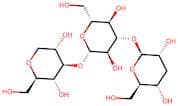
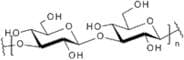
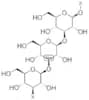
D-Glucano, con il numero CAS 9012-72-0, è un polisaccaride composto da monomeri di glucosio legati principalmente da legami glicosidici β-1,3 e β-1,6. È un componente principale delle pareti cellulari di alcuni funghi, lieviti e batteri, svolgendo un ruolo cruciale nell'integrità strutturale e nella protezione. D-Glucano è noto per le sue proprietà immunomodulatrici, stimolando il sistema immunitario e migliorando i meccanismi di difesa del corpo. Viene spesso utilizzato in varie applicazioni, tra cui additivi alimentari, integratori alimentari e prodotti farmaceutici, grazie ai suoi potenziali benefici per la salute, come promuovere la salute intestinale e agire come un prebiotico. La sostanza è generalmente riconosciuta come sicura (GRAS) quando utilizzata correttamente nei prodotti alimentari. D-Glucano è solubile in acqua, formando una soluzione viscosa, e può essere estratto da fonti come lieviti e funghi. Il suo peso molecolare può variare significativamente a seconda della fonte e del metodo di estrazione, influenzando le sue proprietà funzionali in diverse applicazioni.
Formula:Unspecified
Sinonimi:- <span class="text-smallcaps">D</span>-Glucan
- <span class="text-smallcaps">D</span>-Glucosan
- D-Glucan
- D-Glucane
- D-Glucosan
- D-glucano
- Fit Fiber 80P
- Fit fiber 80
- Glucan
- Glucan from bakers yeast (S. cerevisiae)
- Glucan, D-
- Glucosan
- Poly-<span class="text-smallcaps">D</span>-glucan
- Poly-D-glucan
- Polyglucan
- Polyglucosan
- Vedi altri sinonimi
Ordinare per
Purezza (%)
0
100
|
0
|
50
|
90
|
95
|
100
6 prodotti.
Glucan from Black Yeast,
CAS:Formula:C18H32O14Purezza:96%Colore e forma:SolidPeso molecolare:472.4383β-D-Glucan, from yeast
CAS:Purezza:≥ 80.0% (dried basis)Colore e forma:Off-white to yellow-brown powderPeso molecolare:-b-D-Glucan-from yeast (Saccharomyces cerevisiae)
CAS:In addition to the β-glucans from cereals, another group of β-glucans are found in the cell walls of yeast (Saccharomyces cerevisiae), bacteria and fungi, with significantly differing physicochemical properties dependent on source. Typically these β-glucans form a linear backbone with 1,3 β-glycosidic bonds but vary with respect to molecular mass, solubility, viscosity, branching structure, and gelation properties, causing diverse physiological effects in animals. They are structural components in the cell walls of Saccharomyces cerevisiae and to provide stability, they have a few b-1,6 branch points that lock into other cell wall components (1 in 5 glucose residues). So in any extraction you get a few 1,6 linked glucose residues ~5%. The yeast and fungal β-glucans have been investigated for their ability to modulate the immune system. They are also used in various nutraceutical and cosmetic products, as texturing agents, and as fibre supplements. Their detailed molecular structures are key to the physical properties that they exhibit, such as water solubility, viscosity, gelation properties and physiological functions. The image was kindly provided by Dr. Chris Lawson.Purezza:(%) Min. 80%Colore e forma:Off-White Powder