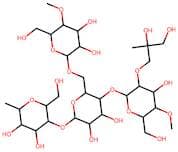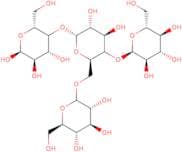
CAS 9049-76-7
:Amido idrossipropilico
Descrizione:
Amido idrossipropilico, identificato dal numero CAS 9049-76-7, è un amido modificato derivato da fonti naturali di amido attraverso un processo chimico che introduce gruppi idrossipropilici. Questa modifica ne migliora la solubilità in acqua fredda e ne aumenta la stabilità in diverse condizioni di pH e temperatura, rendendolo un ingrediente versatile in varie applicazioni. Amido idrossipropilico è comunemente usato come agente addensante, stabilizzante ed emulsionante in prodotti alimentari, farmaceutici e cosmetici. La sua capacità di formare gel e film contribuisce alla sua funzionalità in queste industrie. Inoltre, è generalmente riconosciuto come sicuro (GRAS) per il consumo, il che supporta ulteriormente il suo uso diffuso. La sostanza è caratterizzata dalla sua forma in polvere bianca a bianco sporco, ed è generalmente inodore e insapore. Amido idrossipropilico è anche apprezzato per la sua natura non tossica e compatibilità con altri ingredienti, rendendolo un componente essenziale in formulazioni che richiedono una texture e stabilità migliorate.
Formula:(C6H10O5)n
Sinonimi:- 26Jj1
- C*AraSet
- C*AraTex
- C<sup>*</sup>AraTex
- Ecofilm
- Ecofoam
- Nenchaku-Kun
- Sedia
- Textra
- 2-Hydroxypropyl starch ether
- O-(Hydroxypropyl) starch
- Hydroxypropylstrke
- Starch, 2-hydroxypropyl ether
- Starch 2-hydroxypropyl ether
- Starch hydroxypropyl ether
- Starchhydroxypropylated
- 2-hydroxypropyl starch
- Perfiller 101
- modified starch
- HYDROXYPROPYL STARCH
- Hydroxyl propyl starch
- Vedi altri sinonimi
Ordinare per
Purezza (%)
0
100
|
0
|
50
|
90
|
95
|
100
3 prodotti.
Hydroxypropyl starch
CAS:<p>Hydroxypropyl starch is an amorphous, water-soluble polysaccharide with a molecular weight of about 10,000 Daltons. It contains a mixture of linear and branched polymers of glucose, maltose, and other sugars. Hydroxypropyl starch is used as an excipient in pharmaceutical products to stabilize the active ingredients. This product is prepared by reacting starch with propylene oxide in the presence of hydrochloric acid. The reaction mechanism is thought to be the breaking of glycosidic bonds in starch by hydrochloric acid and the formation of ester bonds between the hydroxyl groups on propylene oxide and those on the carbohydrate chains. Hydroxypropyl starch has been shown to have no long-term toxicity or adverse effects on chemical structures when injected into rats for 18 months.</p>Formula:(C6H10O5)nColore e forma:PowderStarch, 2-hydroxypropyl ether
CAS:Formula:C31H56O22Purezza:97%Colore e forma:SolidPeso molecolare:780.7631400000004