Enzima
Gli inibitori enzimatici sono molecole che si legano agli enzimi e ne diminuiscono l'attività. Questi inibitori sono ampiamente utilizzati nella ricerca per studiare la cinetica enzimatica, la regolazione e il ruolo di specifici enzimi nelle vie metaboliche. Gli inibitori enzimatici sono anche fondamentali nello sviluppo di farmaci, poiché molti agenti terapeutici agiscono inibendo enzimi coinvolti in processi patologici. Mirando agli enzimi, questi inibitori possono modulare le vie biochimiche e offrire potenziali trattamenti per varie malattie. Presso CymitQuimica, offriamo una vasta selezione di inibitori enzimatici di alta qualità per supportare le tue ricerche in biochimica, farmacologia e scoperta di farmaci.
Sottocategorie di "Enzima"
- Anidrasi carbonica(195 prodotti)
- Idrossilasi(35 prodotti)
- MPO(2 prodotti)
- Riduttasi(50 prodotti)
- Tirosinasi(71 prodotti)
Trovati 3616 prodotti di "Enzima"
Ordinare per
Purezza (%)
0
100
|
0
|
50
|
90
|
95
|
100
EUCODIS® Lipase 017, screening grade, recombinant, from microbial sources - EL017
<p>Lipase 17 recombinantly expressed in E. coli comes in a spray-dried formulation. It has its pH optimum at 7-8. Lipases belong to the family of esterases and naturally act on triglycerides at lipid-water interfaces catalyzing hydrolytic reactions, esterifications and transesterification reactions in industrial and food applications. Lipase 17 was shown to hydrolyze p-Nitrophenyl esters of butyrate (2 % activity compared to octanoate), octanoate (100 %), laurate (20 %), palmitate (3 %), stearate (1 %), arachidate (1 %) and behenate (1 %).</p>Glutamic pyruvic transaminase
CAS:<p>Glutamic pyruvic transaminase (also Alanine transaminase, alanine aminotransferase; E.C. 2.6.1.2) is an enzyme that catalyzes the following reaction: L-alanine + α-ketoglutarate ⇌ pyruvate + L-glutamate One unit of Glutamic pyruvic transaminase will catalyze the conversion of 1.0 µmole per minute of L-alanine and α-ketoglutarate to L-glutamate and pyruvate, at 37°C and pH 7.4.</p>Colore e forma:PowderPeso molecolare:272.25 g/molCollagenase
CAS:<p>Collagenase is an enzymes that is responsible for breaking peptide bonds in collagen</p>Formula:C12H18ClNO3Colore e forma:Brown Slightly Yellow PowderPeso molecolare:259.73 g/molXylanase, powder
CAS:Xylanase is an enzymatic product, which is typically derived from microbial sources such as fungi or bacteria. Its primary function involves catalyzing the hydrolysis of xylan, a major hemicellulose component found in plant cell walls. Through breaking down xylan into xylose and other oligosaccharides, xylanase significantly modifies plant material structure.Cellulase, powder
CAS:Cellulase, powder is an enzymatic product derived from microbial fermentation, specifically sourced from fungi or bacteria known for their cellulolytic activity. Cellulase acts by catalyzing the hydrolysis of cellulose, breaking it down into smaller polysaccharides and glucose. This decomposition occurs through synergistic action by three main components: endoglucanases, exoglucanases, and β-glucosidases, each targeting specific bonds in the cellulose structure, resulting in its complete breakdown.PNGaseF, wildtype, liquid, recombinant, from Elizabethkingia miricola
CAS:PNGase F is an endoglycosidase that can remove all N-linked carbohydrates from proteins, which is useful if you are uncertain whether the carbohydrate is N-linked or O-linked to the protein or is a high mannose type. It is also the enzyme of choice when you need to study or use the naked protein in your application. PNGase functions as a glycoamidase and hydrolyzes the amide bond between the innermost GlcNac of mammalian asparagine-linked mannose oligosaccharides, whether they are high, complex or hybrid. Specifically, the glycan is removed from the asparagine residue which through the deamination reactions becomes aspartic acid.This enzyme is available as a large-scale bulk supply of liquid enzyme solution. See our PNGase F available as vials for research applications with pre-defined quantities (>250 kU/vial) of liquid enzyme solution.Also available is our endoH enzymes (EEH01.3 - research quantities and EEH01.7 - large scale bulk supply).Streptodornase
CAS:<p>Streptodornase is a DNase that is often present as in the streptokinase preparations as an impurity.</p>Heat Labile Uracil-DNA Glycosylase, 500 units
Heat Labile Uracil-DNA Glycosylase, 500 units, is an enzyme designed for molecular biology applications, primarily derived from a recombinant bacterial source. This enzyme effectively removes uracil from DNA molecules at temperatures that preserve the integrity of the DNA. With its heat-labile properties, the enzyme can be inactivated at moderately elevated temperatures, making it ideal for processes that require precise control over enzyme activity.EUCODIS® Lipase 068, screening grade, recombinant, from microbial sources - EL068
<p>Lipase 68 recombinantly expressed in E. coli comes in a spray-dried formulation. It has its pH optimum at 7-9 and temp. optimum at 30°C. Lipases belong to the family of esterases and naturally act on triglycerides at lipid-water interfaces catalyzing hydrolytic reactions, esterifications and transesterification reactions in industrial and food applications. Lipase 68 was shown to hydrolyze p-Nitrophenyl esters of butyrate (100 % activity), octanoate (75 %), laurate (8 %), palmitate (1 %) and stearate (0.1 %).</p>PNGaseF, wildtype, liquid, recombinant, from Elizabethkingia miricola
CAS:PNGase F is an endoglycosidase that can remove all N-linked carbohydrates from proteins, which is useful if you are uncertain whether the carbohydrate is N-linked or O-linked to the protein or is a high mannose type. It is also the enzyme of choice when you need to study or use the naked protein in your application. PNGase functions as a glycoamidase and hydrolyzes the amide bond between the innermost GlcNac of mammalian asparagine-linked mannose oligosaccharides, whether they are high, complex or hybrid. Specifically, the glycan is removed from the asparagine residue which through the deamination reactions becomes aspartic acid.This enzyme is available as vials for research applications with pre-defined quantities (>250 kU/vial) of liquid enzyme solution . See our large-scale bulk supply of PNGase F for the deglycosylation of proteins in manufacture.Also available is our endoH enzymes (EEH01.3 - vials for research and EEH01.7 - large scale bulk supply).Xylanase 1, thermostable
CAS:<p>Xylanase (Endo-1,4-β-xylanase, 1,4-β-D-Xylanxylanohydrolase, systematic name 4-β-D-xylan xylanohydrolase; EC 3.2.1.8) is an enzyme that digests polysaccharide xylan by hydrolyzing (1→4)-β-D-xylosidic linkages. One unit of Xylanase will hydrolyze 1.0 μmole of chromogenic substrate mimic per minute (available here) under optimal reaction conditions.</p>Colore e forma:PowderEUCODIS® Lipase 015, screening grade, recombinant, from microbial sources - EL015
<p>Lipase 15 recombinantly expressed in E. coli comes in a spray-dried formulation. It has its pH optimum at 6-8 and temp. optimum at 25°C. Lipases belong to the family of esterases and naturally act on triglycerides at lipid-water interfaces catalyzing hydrolytic reactions, esterifications and transesterification reactions in industrial and food applications. Lipase 15 was shown to hydrolyze p-Nitrophenyl esters of butyrate (100 % activity), octanoate (13 %), laurate (1 %), palmitate (1 %), stearate (<1 %), arachidate (<1 %) and behenate (<1 %).</p>β-Lactamase Kit 01
CAS:Beta-lactamase enzymes demonstrate activity against clinically relevant beta-lactam antibiotics such as penicillins, carbapenems and cephalosporins. This product may be of particular interest for laboratory teams who require the sterility testing of biological specimens or for environmental monitoring applications.Lipase 009
CAS:Lipases belong to the family of esterases and naturally act on triglycerides at lipid-water interfaces. Lipases/esterases can be used as versatile tools in hydrolytic reactions, esterifications and transesterification reactions in industrial and food applications.EndoH, wildtype, liquid, recombinant, from Streptomyces plicatus
CAS:Endoglycosidase H (Endo H) is a highly specific enzyme that cleaves N-linked oligosaccharides from glycoproteins, targeting high-mannose and certain hybrid-type N-glycans. It does not act on complex-type N-glycans, which are typically processed further in the Golgi apparatus. Due to its specificity, Endo H is widely used in research to study intracellular protein trafficking and post-translational modifications, particularly those occurring during glycoprotein maturation.This product is available as vials for research applications with pre-defined quantities (>250 kU/vial) of liquid enzyme solutionSee our EndoH (EEH01.7) available for large-scale bulk supply of liquid enzyme solution for the deglycosylation of proteins in manufacture.For removal of all N-linked carbohydrates from proteins see Cymit Quimica's PNGase F enzymes (PNG01.3 - vials for research and PNG01.7 - large-scale bulk supply)EUCODIS® Lipase 064, screening grade, recombinant, from microbial sources - EL064
<p>Lipase 64 recombinantly expressed in E. coli comes in a spray-dried formulation. It has its pH optimum at 7 and temp. optimum at 40-50°C. Lipases belong to the family of esterases and naturally act on triglycerides at lipid-water interfaces catalyzing hydrolytic reactions, esterifications and transesterification reactions in industrial and food applications. Lipase 64 was shown to hydrolyze p-Nitrophenyl esters of butyrate (100 % activity), octanoate (0.5 %) and laurate (0.1 %).</p>Cocarboxylase tetrahydrate
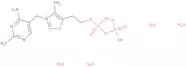
CAS:Cocarboxylase tetrahydrate is a coenzyme form of vitamin B1; cofactor for enzymes involved in carbohydrate catabolismFormula:C12H18N4O7P2S·4H2OPurezza:Min 96%Colore e forma:White PowderPeso molecolare:496.37 g/molFructose-6-phosphate Kinase
CAS:<p>Fructose-6-phosphate kinase (Phosphofructokinase, PFK, EC 2.7.1.11) is an enzyme that catalyzes the following reaction: F6P + ATP ⇌ F1,6BP + ATP One unit of PFK will convert 1.0 μmole of fructose 6-phosphate and ATP to fructose 1,6-diphosphate and ADP per minute at pH 9.0 at 30 °C.</p>Purezza:Min. 95%Glucose oxidase from aspergillus niger - activity > 6000 u/g
CAS:<p>Glucose oxidase is an enzyme thata catalyses the rapid conversion of glucose into non-fermentable gluconic acid in the presence of oxygen (O2). Its used is widely expanded with many applications in the chemical and pharmaceutical industry, food and beverage, clinical studies and biotechnology, among others. It medical diagnosis, glucose oxidase serves as a biosensor for detecting and determining the different levels of glucose in blood samples.</p>Formula:C6H12O6Colore e forma:PowderPeso molecolare:180.16 g/molLipase
CAS:<p>Porcine pancreatic lipase is an enzyme that has been shown to have antioxidative properties. It is used as an additive in biodiesel production, where it prevents the formation of trans fatty acids and reduces the amount of free radicals. This enzyme has been shown to have lipase, protease, and amylase activities by using surface methodology. Porcine pancreatic lipase can be used for the treatment of autoimmune diseases such as multiple sclerosis and rheumatoid arthritis. This enzyme interacts with other enzymes such as lipases, proteases, and amylases to catalyze reactions on surfaces. It can be used for asymmetric synthesis by hydrogen bonding or by forming an intermediate complex with metal ions.</p>Purezza:Min. 95%Colore e forma:SolidAdenosine deaminase, type X, buffered aqueous glycerol solution
CAS:Adenosine deaminase catalyzes deamination of adenosine, converting it to inosine. It happens by the substituting of the amino group by a keto group. One Unit of the enzyme converts one micromole of adenosine to inosine per minute at 25°C, pH 7.4. Adenosine deaminase is also known by names of adenosine aminohydrolase, and ADA, EC 3.5.4.4.Peso molecolare:1,000 g/molLacBuster™ TSA broad range β-lactamase contact plates, 10 plates per pack, barcoded
CAS:<p>A general purpose growth medium supplemented with LacBuster™ to effectively neutralize beta-lactam antibiotics. This product is suitable for the cultivation of a wide variety of microorganisms for environmental monitoring within the pharmaceutical industry and for high performance monitoring of your isolators and clean rooms during beta lactam manufacture</p>LacBuster™ TSA broad range β-lactamase settle plates, 10 plates per pack, barcoded
CAS:<p>A general purpose growth medium supplemented with LacBuster™ to effectively neutralize beta-lactam antibiotics. This product is suitable for the cultivation of a wide variety of microorganisms for environmental monitoring within the pharmaceutical industry and for high performance monitoring of your isolators and clean rooms during beta lactam manufacture</p>Luciferase - from Photinus pyralis (firefly)
CAS:Luciferase enzyme from Photinus pyralis (firefly), which catalyzes the oxidation of firefly luciferin. This reaction depends on the presence of oxygen and ATP and causes the bioluminescence seen in firefliesPurezza:(Gel Electrophoresis) Min. 98%Colore e forma:PowderLacBuster™ TSA broad range β-lactamase contact plates, 10 plates per pack, barcoded
CAS:A general purpose growth medium supplemented with LacBuster™ to effectively neutralize beta-lactam antibiotics. This product is suitable for the cultivation of a wide variety of microorganisms for environmental monitoring within the pharmaceutical industry and for high performance monitoring of your isolators and clean rooms during beta lactam manufactureLipase 014
CAS:Lipases belong to the family of esterases and naturally act on triglycerides at lipid-water interfaces. Lipases/esterases can be used as versatile tools in hydrolytic reactions, esterifications and transesterification reactions in industrial and food applications.LacBuster™ TSA broad range β-lactamase settle plates, 10 plates per pack, barcoded
CAS:A general purpose growth medium supplemented with LacBuster™ to effectively neutralize beta-lactam antibiotics. This product is suitable for the cultivation of a wide variety of microorganisms for environmental monitoring within the pharmaceutical industry and for high performance monitoring of your isolators and clean rooms during beta lactam manufactureEUCODIS® Lipase 044, screening grade, recombinant, from microbial sources - EL044
<p>Lipase 44 recombinantly expressed in E. coli comes in a spray-dried formulation. It has its pH optimum at 7-10 and temp. optimum at 50°C. Lipases belong to the family of esterases and naturally act on triglycerides at lipid-water interfaces catalyzing hydrolytic reactions, esterifications and transesterification reactions in industrial and food applications. Lipase 44 was shown to hydrolyze p-Nitrophenyl esters of butyrate (70 % activity compared to octanoate), octanoate (100 %), laurate (88 %), palmitate (6 %) and stearate (2 %).</p>Phosphoenolpyruvate carboxylase
CAS:<p>Phosphoenolpyruvate carboxylase is an enzyme, often found naturally in the cytosol of plant cells, which is derived primarily from various plant species. It plays a crucial role in the photosynthetic process, particularly in C4 and CAM plants. By catalyzing the irreversible carboxylation of phosphoenolpyruvate (PEP) to oxaloacetate, this enzyme facilitates the fixation of carbon dioxide, a vital step in the conversion of carbon dioxide into organic compounds during photosynthesis.</p>Purezza:Min. 95%Lipase 016
CAS:<p>Lipases belong to the family of esterases and naturally act on triglycerides at lipid-water interfaces. Lipases/esterases can be used as versatile tools in hydrolytic reactions, esterifications and transesterification reactions in industrial and food applications.</p>Lipase 065
CAS:Lipases belong to the family of esterases and naturally act on triglycerides at lipid-water interfaces. Lipases/esterases can be used as versatile tools in hydrolytic reactions, esterifications and transesterification reactions in industrial and food applications.Lipase 038
CAS:Lipases belong to the family of esterases and naturally act on triglycerides at lipid-water interfaces. Lipases/esterases can be used as versatile tools in hydrolytic reactions, esterifications and transesterification reactions in industrial and food applications.Lipase 003
CAS:<p>Lipases belong to the family of esterases and naturally act on triglycerides at lipid-water interfaces. Lipases/esterases can be used as versatile tools in hydrolytic reactions, esterifications and transesterification reactions in industrial and food applications.</p>EUCODIS® Lipase 003, screening grade, recombinant, from microbial sources - EL003
<p>Lipase 03 recombinantly expressed in E. coli comes in a spray-dried formulation. It has its pH optimum at 6-7 and temp. optimum at 20-50°C. Lipases belong to the family of esterases and naturally act on triglycerides at lipid-water interfaces catalyzing hydrolytic reactions, esterifications and transesterification reactions in industrial and food applications. Lipase 03 was shown to hydrolyze p-Nitrophenyl esters of butyrate (100 % activity), octanoate (90 %), laurate (28 %), palmitate (14 %), stearate (9 %), arachidate (2 %) and behenate (3 %).</p>Phytate 1-phosphatase
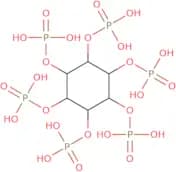
CAS:<p>Phytate 1-phosphatase is a phosphatase enzyme that cleaves orthophosphate groups from phytic acid's inositol ring. This releases inorganic phosphate.</p>Purezza:Min. 95%Colore e forma:Clear LiquidLipase 044
CAS:Lipases belong to the family of esterases and naturally act on triglycerides at lipid-water interfaces. Lipases/esterases can be used as versatile tools in hydrolytic reactions, esterifications and transesterification reactions in industrial and food applications.Dihydrofolate reductase
CAS:<p>Dihydrofolate reductase (DHFR, 1.5.1.3) is a NADP+/NADPH-dependent oxidoreductase, that reduces dihydrofolate to tetrahydrofolate in the following reaction: dihydrofolate + NADPH + H+ ⇌ tetrahydrofolate + NADP+One unit of dihydrofolate reductase will convert 1.0 μmole of dihydrofolic acid into tetrahydrofolic acid in 1 minute at pH 7.5, 22°C and presence of NADPH.</p>Purezza:Min. 95%Lipase 037
CAS:Lipases belong to the family of esterases and naturally act on triglycerides at lipid-water interfaces. Lipases/esterases can be used as versatile tools in hydrolytic reactions, esterifications and transesterification reactions in industrial and food applications.Lipase 030
CAS:Lipases belong to the family of esterases and naturally act on triglycerides at lipid-water interfaces. Lipases/esterases can be used as versatile tools in hydrolytic reactions, esterifications and transesterification reactions in industrial and food applications.LacBuster™-S bulk (β-Lactamase)
CAS:<p>This product shows beta-lactamase activity against clinically relevant beta-lactam antibiotics such as penicillins, carbapenems and cephalosporins. This product may be of particular interest for laboratory teams who require the sterility testing of biological specimens or for environmental monitoring applications.</p>3-Oxo-5β-steroid Δ4-dehydrogenase
CAS:<p>3-Oxo-5β-steroid Δ4-dehydrogenase is an enzyme crucial in the metabolic pathway of steroid hormones, facilitating the conversion of androgens and estrogens. It is predominantly found in the liver, but also in other tissues where steroid biosynthesis occurs. This enzyme catalyzes the dehydrogenation at the Δ4 position of 3-oxo-5β-steroids, playing a significant role in the modulation and regulation of steroid hormone levels within cells.</p>Lipase 001
CAS:<p>Lipases belong to the family of esterases and naturally act on triglycerides at lipid-water interfaces. Lipases/esterases can be used as versatile tools in hydrolytic reactions, esterifications and transesterification reactions in industrial and food applications.</p>Lipase 064
CAS:Lipases belong to the family of esterases and naturally act on triglycerides at lipid-water interfaces. Lipases/esterases can be used as versatile tools in hydrolytic reactions, esterifications and transesterification reactions in industrial and food applications.Sphingomyelinase, freeze-dried
CAS:<p>Sphingomyelinase (SMase, Sphingomyelin phosphodiesterase, systematic name sphingomyelin cholinephosphohydrolase; EC 3.1.4.12) is an enzyme that hydrolyses sphingomyelin into phosphocholine and ceramide. One unit of sphingomyelinase will hydrolyze 1.0 µmole of chromogenic substrate analogue per minute at pH 7.4 and 37 °C.</p>Purezza:> 90%Lipase 008
CAS:<p>Lipases belong to the family of esterases and naturally act on triglycerides at lipid-water interfaces. Lipases/esterases can be used as versatile tools in hydrolytic reactions, esterifications and transesterification reactions in industrial and food applications.</p>Lipase 056
CAS:<p>Lipases belong to the family of esterases and naturally act on triglycerides at lipid-water interfaces. Lipases/esterases can be used as versatile tools in hydrolytic reactions, esterifications and transesterification reactions in industrial and food applications.</p>Lipase 067
CAS:<p>Lipases belong to the family of esterases and naturally act on triglycerides at lipid-water interfaces. Lipases/esterases can be used as versatile tools in hydrolytic reactions, esterifications and transesterification reactions in industrial and food applications.</p>Lipase 020
CAS:Lipases belong to the family of esterases and naturally act on triglycerides at lipid-water interfaces. Lipases/esterases can be used as versatile tools in hydrolytic reactions, esterifications and transesterification reactions in industrial and food applications.EUCODIS® Lipase 030, screening grade, recombinant, from microbial sources - EL030
<p>Lipase 30 recombinantly expressed in E. coli comes in a spray-dried formulation. It has its pH optimum at 5.5-8 and temp. optimum at >55°C. Lipases belong to the family of esterases and naturally act on triglycerides at lipid-water interfaces catalyzing hydrolytic reactions, esterifications and transesterification reactions in industrial and food applications. Lipase 30 was shown to hydrolyze p-Nitrophenyl esters of butyrate (100 % activity), octanoate (72 %), laurate (38 %), palmitate (7 %) and stearate (2 %).</p>Lipase 004
CAS:Lipases belong to the family of esterases and naturally act on triglycerides at lipid-water interfaces. Lipases/esterases can be used as versatile tools in hydrolytic reactions, esterifications and transesterification reactions in industrial and food applications.