Lipasi
Le lipasi sono enzimi che catalizzano l'idrolisi dei trigliceridi in acidi grassi liberi e glicerolo, svolgendo un ruolo cruciale nella digestione, assorbimento e metabolismo dei lipidi. Gli inibitori delle lipasi sono di interesse nel trattamento dell'obesità, della pancreatite e dei disturbi metabolici legati ai lipidi. Presso CymitQuimica, offriamo una varietà di inibitori delle lipasi per supportare la tua ricerca in metabolismo, obesità e salute gastrointestinale.
Trovati 105 prodotti di "Lipasi"
Ordinare per
Purezza (%)
0
100
|
0
|
50
|
90
|
95
|
100
JW 642
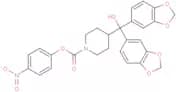
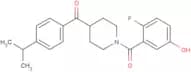
CAS:<p>JW 642 inhibits MAGL in mouse, rat, human brains (IC50: 7.6, 14, 3.7 nM).</p>Formula:C21H20F6N2O3Purezza:99.28%Colore e forma:SolidPeso molecolare:462.39Hi 76-0079
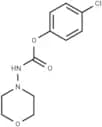
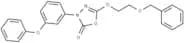
CAS:Hi 76-0079: HSL inhibitor, IC50=184 nM; potential for obesity and diabetes research.Formula:C11H13ClN2O3Purezza:99.9%Colore e forma:SoildPeso molecolare:256.69DDAO
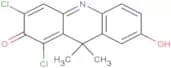
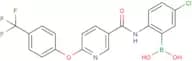
CAS:DDAO: NIR red fluorescent probe, λem 656 nm, excitation 600-650 nm, detects various enzymes.Formula:C15H11Cl2NO2Purezza:>99.99%Colore e forma:SolidPeso molecolare:308.16JZP-430
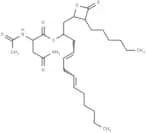
CAS:JZP-430 is an effective, highly selective, irreversible inhibitor of α/β-hydrolase domain 6 (ABHD6) (IC50: 44 nM).Formula:C16H26N4O3SPurezza:99.78%Colore e forma:SolidPeso molecolare:354.47LP-922056
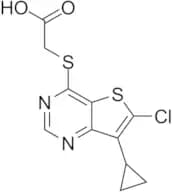
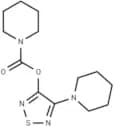
CAS:<p>LP-922056 is an inhibitor of Notum Pectinacetylesterase with EC50 values of 21 nM, 55 nM for human and mouse, respectively.</p>Formula:C11H9ClN2O2S2Purezza:99.84%Colore e forma:SolidPeso molecolare:300.78Lalistat 2
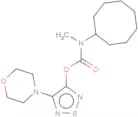
CAS:Lalistat 2: selective lysosomal acid lipase inhibitor, IC50 152 nM, no effect on pancreatic/milk lipase <10 μM.Formula:C13H20N4O2SPurezza:99.84%Colore e forma:SolidPeso molecolare:296.39Ciwujianoside D2
CAS:Ciwujianoside D2 is a useful organic compound for research related to life sciences. The catalog number is T126336 and the CAS number is 114892-57-8.Formula:C54H84O22Colore e forma:SolidPeso molecolare:1085.24Neotheaflavin
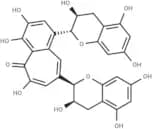
CAS:Neotheaflavin, from black tea, inhibits pancreatic lipase.Formula:C29H24O12Colore e forma:SolidPeso molecolare:564.49hPL-IN-1
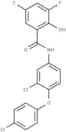
CAS:hPL-IN-1 is a potent reversible pancreatic lipase (PL) inhibitor (IC50=1.86 μM) that can be used to study obesity-related diseases.Formula:C19H11Cl2F2NO3Purezza:98.41%Colore e forma:SoildPeso molecolare:410.2Lipstatin
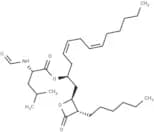
CAS:Lipstatin is a potent inhibitor of the pancreas lipase. It is reported to be useful in the treatment and/or prevention of obesity and related diseases.Formula:C29H49NO5Purezza:98%Colore e forma:SolidPeso molecolare:491.7URB754
CAS:"URB754 inhibits rat MAGL with an IC50 of 200 nM, possibly due to impurity. Weak FAAH and CB1 binding, no COX inhibition. Potential pain management target."Formula:C16H14N2O2Colore e forma:SolidPeso molecolare:266.29hPL-IN-2
CAS:hPL-IN-2 is a potent, reversible and non-competitive inhibitor of Pancreatic lipase (IC50: 1.63 μM) that can be used to investigate obesity-related diseases.Formula:C19H11Cl4NO3Purezza:97.31%Colore e forma:SoildPeso molecolare:443.11Ciwujianoside C2
CAS:Ciwujianoside C2 is a useful organic compound for research related to life sciences. The catalog number is T126337 and the CAS number is 114892-56-7.Formula:C60H94O26Colore e forma:SolidPeso molecolare:1231.39Dilaurylglycerosulfate
CAS:<p>Dilauryl glycerol sulfate is an auxiliary emulsifier for lipase determination.</p>Formula:C27H56O6SPurezza:98%Colore e forma:SolidPeso molecolare:508.8Pancreatic lipase-IN-2
Pancreatic lipase-IN-2 (compound 7r) is a potent inhibitor of pancreatic lipase (PL), with an IC50 value of 2.67 μM, and exhibits anti-obesity effects.Formula:C32H33N3O2SPeso molecolare:523.22935Lipase, triacylglycerol
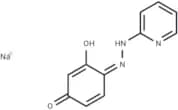
CAS:Lipase, triacylglycerol (Alkaline lipase) is a specific enzyme catabolism of triacylglycerol to glycerol and fatty acids,transfer to various tissues.Formula:C11H9N3NaO2Colore e forma:SolidPeso molecolare:238.201XEN445
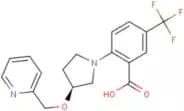
CAS:XEN445, a potent and selective endothelial lipase(EL) inhibitor (IC50=0.237 uM), exhibitis good ADME and PK properties.Formula:C18H17F3N2O3Purezza:99.47% - 99.6%Colore e forma:SolidPeso molecolare:366.33MAGL-IN-4
CAS:<p>MAGL-IN-4 (His121 ARG57) is one of the monoacylglycerol lipase (MAGL) inhibitors in central nervous system-related diseases.</p>Formula:C18H21ClN2O4Purezza:99.79%Colore e forma:SolidPeso molecolare:364.82Ibrolipim
CAS:<p>Ibrolipim (NO-1886) attenuates high glucose-induced endothelial dysfunction in cultured human umbilical vein endothelial cells via PI3K/Akt pathway.</p>Formula:C19H20BrN2O4PPurezza:98.04%Colore e forma:SolidPeso molecolare:451.25Cetilistat
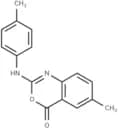
CAS:<p>Cetilistat (ATL-962) is a drug for obesity and type 2 diabetes, blocking pancreatic lipase. Developed by Alizyme.</p>Formula:C25H39NO3Purezza:97.12% - 97.47%Colore e forma:Off-White CrystPeso molecolare:401.58KML29
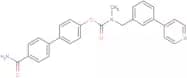
CAS:KML29 is highly selective and effective monoacylglycerol lipase (MAGL) inhibitor.Formula:C24H21F6NO7Purezza:98.65%Colore e forma:SolidPeso molecolare:549.42Atglistatin
CAS:<p>Atglistatin: ATGL inhibitor, IC50 ~0.7 μM, inhibits lipolysis, non-toxic up to 50 μM.</p>Formula:C17H21N3OPurezza:97.2% - 99.01%Colore e forma:SolidPeso molecolare:283.37URB602
CAS:URB602 is a specific monoacylglycerol lipase (MGL) inhibitor, which inhibits rat brain MGL (IC50: 28±4 μM) through a noncompetitive mechanism.Formula:C19H21NO2Purezza:99.64% - 99.9%Colore e forma:Off-White SolidPeso molecolare:295.38WWL70
CAS:<p>WWL70 is a selective alpha/beta hydrolase domain 6 inhibitors (IC50: 70 nM).</p>Formula:C27H23N3O3Purezza:98.38% - 98.53%Colore e forma:SolidPeso molecolare:437.49JZL 184
CAS:JZL 184 is a potent and selective inhibitor of MAGL with IC50 of 8 nM and 4 μM for inhibition of MAGL and FAAH in mouse brain membranes respectively.Formula:C27H24N2O9Purezza:97.56% - 99.31%Colore e forma:SolidPeso molecolare:520.49ABX-1431
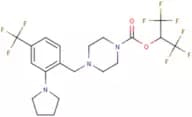
CAS:ABX-1431 (Elcubragistat) is a selective and orally available CNS-penetrant monoacylglycerol lipase (MAGL/MGLL) inhibitor (IC50: 14 nM).Formula:C20H22F9N3O2Purezza:99.8% - 99.96%Colore e forma:SolidPeso molecolare:507.39MJN110
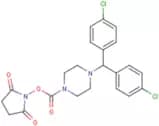
CAS:<p>MJN110 (Cravatt Reagent) is a potent and selective MAGL inhibitor. MJN110 Produces Opioid-Sparing Effects in a Mouse Neuropathic Pain Model.</p>Formula:C22H21Cl2N3O4Purezza:99.406%Colore e forma:SolidPeso molecolare:462.33HSL-IN-3
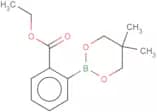
CAS:<p>HSL-IN-3 (HSL inhibitor 3) is a boronic acid derivative that is an inhibitor of hormone-sensitive lipase(HSL).</p>Formula:C14H19BO4Purezza:99.402%Colore e forma:SolidPeso molecolare:262.11RHC 80267
CAS:<p>RHC 80267 (U-57908) is a selective inhibitor of DAGL (IC50 : 4 μM in canine platelets)</p>Formula:C20H34N4O4Purezza:99.54%Colore e forma:White SolidPeso molecolare:394.51Lipase 068
CAS:<p>Lipases belong to the family of esterases and naturally act on triglycerides at lipid-water interfaces. Lipases/esterases can be used as versatile tools in hydrolytic reactions, esterifications and transesterification reactions in industrial and food applications.</p>Lipase 032
CAS:<p>Lipases belong to the family of esterases and naturally act on triglycerides at lipid-water interfaces. Lipases/esterases can be used as versatile tools in hydrolytic reactions, esterifications and transesterification reactions in industrial and food applications.</p>Lipase 065
CAS:<p>Lipases belong to the family of esterases and naturally act on triglycerides at lipid-water interfaces. Lipases/esterases can be used as versatile tools in hydrolytic reactions, esterifications and transesterification reactions in industrial and food applications.</p>Lipase 004
CAS:<p>Lipases belong to the family of esterases and naturally act on triglycerides at lipid-water interfaces. Lipases/esterases can be used as versatile tools in hydrolytic reactions, esterifications and transesterification reactions in industrial and food applications.</p>Lipase 016
CAS:<p>Lipases belong to the family of esterases and naturally act on triglycerides at lipid-water interfaces. Lipases/esterases can be used as versatile tools in hydrolytic reactions, esterifications and transesterification reactions in industrial and food applications.</p>Lipase 020
CAS:Lipases belong to the family of esterases and naturally act on triglycerides at lipid-water interfaces. Lipases/esterases can be used as versatile tools in hydrolytic reactions, esterifications and transesterification reactions in industrial and food applications.EUCODIS® Lipase 038, screening grade, recombinant, from microbial sources - EL038
Lipase 38 recombinantly expressed in E. coli comes in a spray-dried formulation. It has its pH optimum at 6-8 and temp. optimum at >50°C. Lipases belong to the family of esterases and naturally act on triglycerides at lipid-water interfaces catalyzing hydrolytic reactions, esterifications and transesterification reactions in industrial and food applications. Lipase 38 was shown to hydrolyze p-Nitrophenyl esters of acetate (27 % activity compared to butyrate), butyrate (100 %), octanoate (9 %) and caprate (5 %).Lipase 067
CAS:<p>Lipases belong to the family of esterases and naturally act on triglycerides at lipid-water interfaces. Lipases/esterases can be used as versatile tools in hydrolytic reactions, esterifications and transesterification reactions in industrial and food applications.</p>Lipase 056
CAS:<p>Lipases belong to the family of esterases and naturally act on triglycerides at lipid-water interfaces. Lipases/esterases can be used as versatile tools in hydrolytic reactions, esterifications and transesterification reactions in industrial and food applications.</p>EUCODIS® Lipase 014, screening grade, recombinant, from microbial sources - EL014
<p>Lipase 14 recombinantly expressed in E. coli comes in a spray-dried formulation. It has its pH optimum at 6-8 and temp. optimum at 30-40°C. Lipases belong to the family of esterases and naturally act on triglycerides at lipid-water interfaces catalyzing hydrolytic reactions, esterifications and transesterification reactions in industrial and food applications. Lipase 14 was shown to hydrolyze p-Nitrophenyl esters of butyrate (74 % activity compared to octanoate), octanoate (100 %), laurate (8 %), palmitate (5 %), stearate (4 %), arachidate (1 %) and behenate (0.6 %).</p>Lipase 009
CAS:Lipases belong to the family of esterases and naturally act on triglycerides at lipid-water interfaces. Lipases/esterases can be used as versatile tools in hydrolytic reactions, esterifications and transesterification reactions in industrial and food applications.EUCODIS® Lipase 015, screening grade, recombinant, from microbial sources - EL015
<p>Lipase 15 recombinantly expressed in E. coli comes in a spray-dried formulation. It has its pH optimum at 6-8 and temp. optimum at 25°C. Lipases belong to the family of esterases and naturally act on triglycerides at lipid-water interfaces catalyzing hydrolytic reactions, esterifications and transesterification reactions in industrial and food applications. Lipase 15 was shown to hydrolyze p-Nitrophenyl esters of butyrate (100 % activity), octanoate (13 %), laurate (1 %), palmitate (1 %), stearate (<1 %), arachidate (<1 %) and behenate (<1 %).</p>EUCODIS® Lipase 068, screening grade, recombinant, from microbial sources - EL068
<p>Lipase 68 recombinantly expressed in E. coli comes in a spray-dried formulation. It has its pH optimum at 7-9 and temp. optimum at 30°C. Lipases belong to the family of esterases and naturally act on triglycerides at lipid-water interfaces catalyzing hydrolytic reactions, esterifications and transesterification reactions in industrial and food applications. Lipase 68 was shown to hydrolyze p-Nitrophenyl esters of butyrate (100 % activity), octanoate (75 %), laurate (8 %), palmitate (1 %) and stearate (0.1 %).</p>EUCODIS® Lipase 064, screening grade, recombinant, from microbial sources - EL064
<p>Lipase 64 recombinantly expressed in E. coli comes in a spray-dried formulation. It has its pH optimum at 7 and temp. optimum at 40-50°C. Lipases belong to the family of esterases and naturally act on triglycerides at lipid-water interfaces catalyzing hydrolytic reactions, esterifications and transesterification reactions in industrial and food applications. Lipase 64 was shown to hydrolyze p-Nitrophenyl esters of butyrate (100 % activity), octanoate (0.5 %) and laurate (0.1 %).</p>EUCODIS® Lipase 017, screening grade, recombinant, from microbial sources - EL017
<p>Lipase 17 recombinantly expressed in E. coli comes in a spray-dried formulation. It has its pH optimum at 7-8. Lipases belong to the family of esterases and naturally act on triglycerides at lipid-water interfaces catalyzing hydrolytic reactions, esterifications and transesterification reactions in industrial and food applications. Lipase 17 was shown to hydrolyze p-Nitrophenyl esters of butyrate (2 % activity compared to octanoate), octanoate (100 %), laurate (20 %), palmitate (3 %), stearate (1 %), arachidate (1 %) and behenate (1 %).</p>Lipase 008
CAS:<p>Lipases belong to the family of esterases and naturally act on triglycerides at lipid-water interfaces. Lipases/esterases can be used as versatile tools in hydrolytic reactions, esterifications and transesterification reactions in industrial and food applications.</p>EUCODIS® Lipase 016, screening grade, recombinant, from microbial sources - EL016
<p>Lipase 16 recombinantly expressed in E. coli comes in a spray-dried formulation. It has its pH optimum at 7-8 and temp. optimum at >40°C. Lipases belong to the family of esterases and naturally act on triglycerides at lipid-water interfaces catalyzing hydrolytic reactions, esterifications and transesterification reactions in industrial and food applications. Lipase 16 was shown to hydrolyze p-Nitrophenyl esters of butyrate (58 % activity compared to octanoate), octanoate (100 %), laurate (40 %), palmitate (27 %), stearate (13 %), arachidate (2 %) and behenate (0.2 %).</p>EUCODIS® Lipase 001, screening grade, recombinant, from microbial sources - EL001
Lipase 01 recombinantly expressed in E. coli comes in a spray-dried formulation. It has its pH optimum at 6-7 and temp. optimum at 25-45°C. Lipases belong to the family of esterases and naturally act on triglycerides at lipid-water interfaces catalyzing hydrolytic reactions, esterifications and transesterification reactions in industrial and food applications. Lipase 01 was shown to hydrolyze p-Nitrophenyl esters of butyrate (100 % activity), octanoate (57 %), laurate (13 %), palmitate (9 %), stearate (6 %), arachidate (2 %) and behenate (0.1 %).EUCODIS® Lipase 031, screening grade, recombinant, from microbial sources - EL031
<p>Lipase 31 recombinantly expressed in E. coli comes in a spray-dried formulation. It has its pH optimum at 6-8 and temp. optimum at 40-80°C. Lipases belong to the family of esterases and naturally act on triglycerides at lipid-water interfaces catalyzing hydrolytic reactions, esterifications and transesterification reactions in industrial and food applications. Lipase 31 was shown to hydrolyze p-Nitrophenyl esters of acetate (100 % activity) and butyrate (23 %).</p>EUCODIS® Lipase 070, screening grade, recombinant, from microbial sources - EL070
<p>Lipase 70 recombinantly expressed in E. coli comes in a spray-dried formulation. It has its pH optimum at 6-8 and temp. optimum at 35-45°C. Lipases belong to the family of esterases and naturally act on triglycerides at lipid-water interfaces catalyzing hydrolytic reactions, esterifications and transesterification reactions in industrial and food applications. Lipase 70 was shown to hydrolyze p-Nitrophenyl esters of butyrate (100 % activity), octanoate (62 %), laurate (15 %), palmitate (4 %), stearate (3 %), arachidate (2 %) and behenate (0.2 %).</p>EUCODIS® Lipase 056, screening grade, recombinant, from microbial sources - EL056
Lipase 56 recombinantly expressed in E. coli comes in a spray-dried formulation. It has its pH optimum at 8 and temp. optimum at 40-50°C. Lipases belong to the family of esterases and naturally act on triglycerides at lipid-water interfaces catalyzing hydrolytic reactions, esterifications and transesterification reactions in industrial and food applications. Lipase 56 was shown to hydrolyze p-Nitrophenyl esters of butyrate (79 % activity compared to octanoate), octanoate (100 %), laurate (51 %), palmitate (29 %), stearate (15 %), arachidate (0.2 %) and behenate (0.1 %).EUCODIS® Lipase 004, screening grade, recombinant, from microbial sources - EL004
<p>Lipase 04 recombinantly expressed in E. coli comes in a spray-dried formulation. It has its pH optimum at 6-7 and temp. optimum at 60-70°C. Lipases belong to the family of esterases and naturally act on triglycerides at lipid-water interfaces catalyzing hydrolytic reactions, esterifications and transesterification reactions in industrial and food applications. Lipase 04 was shown to hydrolyze p-Nitrophenyl esters of butyrate (100 % activity), octanoate (68 %), laurate (2 %), palmitate (2 %), stearate (2 %), arachidate (2 %) and behenate (2 %).</p>EUCODIS® Lipase 030, screening grade, recombinant, from microbial sources - EL030
<p>Lipase 30 recombinantly expressed in E. coli comes in a spray-dried formulation. It has its pH optimum at 5.5-8 and temp. optimum at >55°C. Lipases belong to the family of esterases and naturally act on triglycerides at lipid-water interfaces catalyzing hydrolytic reactions, esterifications and transesterification reactions in industrial and food applications. Lipase 30 was shown to hydrolyze p-Nitrophenyl esters of butyrate (100 % activity), octanoate (72 %), laurate (38 %), palmitate (7 %) and stearate (2 %).</p>EUCODIS® Lipase 013, screening grade, recombinant, from microbial sources - EL013
<p>Lipase 13 recombinantly expressed in E. coli comes in a spray-dried formulation. It has its pH optimum at 6-8 and temp. optimum at 35-45°C. Lipases belong to the family of esterases and naturally act on triglycerides at lipid-water interfaces catalyzing hydrolytic reactions, esterifications and transesterification reactions in industrial and food applications. Lipase 13 was shown to hydrolyze p-Nitrophenyl esters of butyrate (87 % activity compared to octanoate), octanoate (100 %), palmitate (44 %), stearate (21 %) and arachidate (2 %).</p>EUCODIS® Lipase 067, screening grade, recombinant, from microbial sources - EL067
Lipase 67 recombinantly expressed in E. coli comes in a spray-dried formulation. It has its pH optimum at 7-8 and temp. optimum at 30°C. Lipases belong to the family of esterases and naturally act on triglycerides at lipid-water interfaces catalyzing hydrolytic reactions, esterifications and transesterification reactions in industrial and food applications. Lipase 67 was shown to hydrolyze p-Nitrophenyl esters of butyrate (100 % activity), octanoate (37 %), laurate (3 %) and palmitate (0.2 %).Phospholipase D 040
CAS:<p>Phospholipases D belong to the family of esterases and act on phosphatidylcholine in the plasma membrane to release phosphatidic acid (PA) and choline. Phospholipases D can be used as versatile tools in hydrolysis and transphosphatidylation reactions for industrial, chemical and food applications.</p>EUCODIS® Lipase 012, screening grade, recombinant, from microbial sources - EL012
Lipase 12 recombinantly expressed in E. coli comes in a spray-dried formulation. It has its pH optimum at 6-7.5 and temp. optimum at >60°C. Lipases belong to the family of esterases and naturally act on triglycerides at lipid-water interfaces catalyzing hydrolytic reactions, esterifications and transesterification reactions in industrial and food applications. Lipase 12 was shown to hydrolyze p-Nitrophenyl esters of butyrate (60 % activity compared to octanoate), octanoate (100 %), laurate (51 %), palmitate (30 %), stearate (14 %), arachidate (0.2 %) and behenate (0.2 %).EUCODIS® Lipase 008, screening grade, recombinant, from microbial sources - EL008
<p>Lipase 08 recombinantly expressed in E. coli comes in a spray-dried formulation. It has its pH optimum at 6-8 and temp. optimum at 20-60°C. Lipases belong to the family of esterases and naturally act on triglycerides at lipid-water interfaces catalyzing hydrolytic reactions, esterifications and transesterification reactions in industrial and food applications. Lipase 08 was shown to hydrolyze p-Nitrophenyl esters of butyrate (100 % activity), octanoate (60 %), laurate (7 %), palmitate (0.5 %), stearate (0.2 %), arachidate (0.1 %) and behenate (0.1 %).</p>EUCODIS® Lipase 020, screening grade, recombinant, from microbial sources - EL020
<p>Lipase 20 recombinantly expressed in P. pastoris comes in a spray-dried formulation. It has its pH optimum at 7-8. Lipases belong to the family of esterases and naturally act on triglycerides at lipid-water interfaces catalyzing hydrolytic reactions, esterifications and transesterification reactions in industrial and food applications. Lipase 20 was shown to hydrolyze p-Nitrophenyl esters of butyrate (3 % activity compared to octanoate), octanoate (100 %), laurate (85 %), palmitate (52 %), stearate (29 %), arachidate (22 %) and behenate (8 %).</p>Lipase 070
CAS:<p>Lipases belong to the family of esterases and naturally act on triglycerides at lipid-water interfaces. Lipases/esterases can be used as versatile tools in hydrolytic reactions, esterifications and transesterification reactions in industrial and food applications.</p>EUCODIS® Lipase 006, screening grade, recombinant, from microbial sources - EL006
<p>Lipase 06 recombinantly expressed in E. coli comes in a freeze-dried formulation. It has its pH optimum at 7 and temp. optimum at 30-45°C. Lipases belong to the family of esterases and naturally act on triglycerides at lipid-water interfaces catalyzing hydrolytic reactions, esterifications and transesterification reactions in industrial and food applications. Lipase 06 was shown to hydrolyze p-Nitrophenyl esters of butyrate (91 % activity compared to octanoate), octanoate (100 %), laurate (13 %), palmitate (1 %), stearate (2 %), arachidate (0.3 %) and behenate (1 %).</p>Lipase 001
CAS:<p>Lipases belong to the family of esterases and naturally act on triglycerides at lipid-water interfaces. Lipases/esterases can be used as versatile tools in hydrolytic reactions, esterifications and transesterification reactions in industrial and food applications.</p>Phospholipase D 040 food grade
CAS:<p>Cymit Quimica's Phospholipase D 040 Halal and Kosher Food grade bulk enzyme (EPLD840.6). With one of the most competitive activity rates on the global market and manufactured in Europe, this enzyme is perfect for use in food, diagnostic, therapeutic and nutraceutical industries worldwide. Phospholipase D is an enzyme that is expressed in almost all types of organisms and whose activity can be harnessed to synthesize critical raw materials, for example phosphatidylserine. Phosphatidylserine has shown itself to be an important functional ingredient in reducing cognitive dysfunction and dementia in the field of nutraceuticals. As a Halal and Kosher food grade enzyme, Cymit Quimica's Phospholipase D is an excellent candidate for a diverse variety of food industry applications. Furthermore our enzyme can be used in diagnostic assays, creating first-class drug delivery systems and APIs.</p>Lipase 037
CAS:<p>Lipases belong to the family of esterases and naturally act on triglycerides at lipid-water interfaces. Lipases/esterases can be used as versatile tools in hydrolytic reactions, esterifications and transesterification reactions in industrial and food applications.</p>Lipase 044
CAS:Lipases belong to the family of esterases and naturally act on triglycerides at lipid-water interfaces. Lipases/esterases can be used as versatile tools in hydrolytic reactions, esterifications and transesterification reactions in industrial and food applications.Lipase 015
CAS:<p>Lipases belong to the family of esterases and naturally act on triglycerides at lipid-water interfaces. Lipases/esterases can be used as versatile tools in hydrolytic reactions, esterifications and transesterification reactions in industrial and food applications.</p>Lipase 013
CAS:<p>Lipases belong to the family of esterases and naturally act on triglycerides at lipid-water interfaces. Lipases/esterases can be used as versatile tools in hydrolytic reactions, esterifications and transesterification reactions in industrial and food applications.</p>Lipase 003
CAS:<p>Lipases belong to the family of esterases and naturally act on triglycerides at lipid-water interfaces. Lipases/esterases can be used as versatile tools in hydrolytic reactions, esterifications and transesterification reactions in industrial and food applications.</p>EUCODIS® Lipase 032, screening grade, recombinant, from microbial sources - EL032
<p>Lipase 32 recombinantly expressed in E. coli comes in a spray-dried formulation. It has its pH optimum at 7 and temp. optimum at 50-70°C. Lipases belong to the family of esterases and naturally act on triglycerides at lipid-water interfaces catalyzing hydrolytic reactions, esterifications and transesterification reactions in industrial and food applications. Lipase 32 was shown to hydrolyze p-Nitrophenyl esters of butyrate (100 % activity), octanoate (88 %), laurate (11 %), palmitate (0.3 %) and stearate (0.1 %).</p>Lipase 038
CAS:Lipases belong to the family of esterases and naturally act on triglycerides at lipid-water interfaces. Lipases/esterases can be used as versatile tools in hydrolytic reactions, esterifications and transesterification reactions in industrial and food applications.Lipase 064
CAS:Lipases belong to the family of esterases and naturally act on triglycerides at lipid-water interfaces. Lipases/esterases can be used as versatile tools in hydrolytic reactions, esterifications and transesterification reactions in industrial and food applications.Lipase 014
CAS:<p>Lipases belong to the family of esterases and naturally act on triglycerides at lipid-water interfaces. Lipases/esterases can be used as versatile tools in hydrolytic reactions, esterifications and transesterification reactions in industrial and food applications.</p>Lipase 030
CAS:Lipases belong to the family of esterases and naturally act on triglycerides at lipid-water interfaces. Lipases/esterases can be used as versatile tools in hydrolytic reactions, esterifications and transesterification reactions in industrial and food applications.Lipase 032
CAS:Lipases belong to the family of esterases and naturally act on triglycerides at lipid-water interfaces. Lipases/esterases can be used as versatile tools in hydrolytic reactions, esterifications and transesterification reactions in industrial and food applications.Phospholipase D 040 food grade
CAS:<p>Test sample of Cymit Quimica's Phospholipase D 040 Halal and Kosher Food grade bulk enzyme (EPLD840.6). With one of the most competitive activity rates on the global market and manufactured in Europe, this enzyme is perfect for use in food, diagnostic, therapeutic and nutraceutical industries worldwide. Phospholipase D is an enzyme that is expressed in almost all types of organisms and whose activity can be harnessed to synthesize critical raw materials, for example phosphatidylserine. Phosphatidylserine has shown itself to be an important functional ingredient in reducing cognitive dysfunction and dementia in the field of nutraceuticals. As a Halal and Kosher food grade enzyme, Cymit Quimica's Phospholipase D is an excellent candidate for a diverse variety of food industry applications. Furthermore our enzyme can be used in diagnostic assays, creating first-class drug delivery systems and APIs. Product is a lyopholised solid</p>Phospholipase D 40, from Streptomyces antibioticus, recombinant - EPLD040
CAS:<p>Phospholipases D belong to the family of esterases and act on phosphatidylcholine in the plasma membrane to release phosphatidic acid (PA) and choline. Phospholipases D can be used as versatile tools in hydrolysis and transphosphatidylation reactions for industrial, chemical and food applications.Spray dried version of EPLD840.6_R</p>Colore e forma:PowderEUCODIS® Lipase 003, screening grade, recombinant, from microbial sources - EL003
<p>Lipase 03 recombinantly expressed in E. coli comes in a spray-dried formulation. It has its pH optimum at 6-7 and temp. optimum at 20-50°C. Lipases belong to the family of esterases and naturally act on triglycerides at lipid-water interfaces catalyzing hydrolytic reactions, esterifications and transesterification reactions in industrial and food applications. Lipase 03 was shown to hydrolyze p-Nitrophenyl esters of butyrate (100 % activity), octanoate (90 %), laurate (28 %), palmitate (14 %), stearate (9 %), arachidate (2 %) and behenate (3 %).</p>EUCODIS® Lipase 044, screening grade, recombinant, from microbial sources - EL044
<p>Lipase 44 recombinantly expressed in E. coli comes in a spray-dried formulation. It has its pH optimum at 7-10 and temp. optimum at 50°C. Lipases belong to the family of esterases and naturally act on triglycerides at lipid-water interfaces catalyzing hydrolytic reactions, esterifications and transesterification reactions in industrial and food applications. Lipase 44 was shown to hydrolyze p-Nitrophenyl esters of butyrate (70 % activity compared to octanoate), octanoate (100 %), laurate (88 %), palmitate (6 %) and stearate (2 %).</p>EUCODIS® Lipase 009, screening grade, recombinant, from microbial sources - EL009
<p>Lipase 09 recombinantly expressed in E. coli comes in a spray-dried formulation. It has its pH optimum at 7 and temp. optimum at 35-55°C. Lipases belong to the family of esterases and naturally act on triglycerides at lipid-water interfaces catalyzing hydrolytic reactions, esterifications and transesterification reactions in industrial and food applications. Lipase 09 was shown to hydrolyze p-Nitrophenyl esters of acetate (18 % activity compared to octanoate), butyrate (80 %), octanoate (100 %) and capate (40 %).</p>EUCODIS® Lipase 037, screening grade, recombinant, from microbial sources - EL037
<p>Lipase 37 recombinantly expressed in E. coli comes in a spray-dried formulation. It has its pH optimum at 8-9 and temp. optimum at <50°C. Lipases belong to the family of esterases and naturally act on triglycerides at lipid-water interfaces catalyzing hydrolytic reactions, esterifications and transesterification reactions in industrial and food applications. Lipase 37 was shown to hydrolyze p-Nitrophenyl esters of butyrate (48 % activity), octanoate (100 %), laurate (85 %), palmitate (5 %) and stearate (1 %).</p>EUCODIS® Lipase 065, screening grade, recombinant, from microbial sources - EL065
<p>Lipase 65 recombinantly expressed in E. coli comes in a spray-dried formulation. It has its pH optimum at 7-8 and temp. optimum at 30-40°C. Lipases belong to the family of esterases and naturally act on triglycerides at lipid-water interfaces catalyzing hydrolytic reactions, esterifications and transesterification reactions in industrial and food applications. Lipase 65 was shown to hydrolyze p-Nitrophenyl esters of butyrate (100 % activity), octanoate (87 %), laurate (5 %), palmitate (0.2 %) and stearate (0.1 %).</p>Lipase 017
CAS:Lipases belong to the family of esterases and naturally act on triglycerides at lipid-water interfaces. Lipases/esterases can be used as versatile tools in hydrolytic reactions, esterifications and transesterification reactions in industrial and food applications.Lipase 012
CAS:Lipases belong to the family of esterases and naturally act on triglycerides at lipid-water interfaces. Lipases/esterases can be used as versatile tools in hydrolytic reactions, esterifications and transesterification reactions in industrial and food applications.Lipase 076
CAS:Lipases belong to the family of esterases and naturally act on triglycerides at lipid-water interfaces. Lipases/esterases can be used as versatile tools in hydrolytic reactions, esterifications and transesterification reactions in industrial and food applications.Lipase 006
CAS:<p>Lipases belong to the family of esterases and naturally act on triglycerides at lipid-water interfaces. Lipases/esterases can be used as versatile tools in hydrolytic reactions, esterifications and transesterification reactions in industrial and food applications.</p>Lipase
CAS:<p>Porcine pancreatic lipase is an enzyme that has been shown to have antioxidative properties. It is used as an additive in biodiesel production, where it prevents the formation of trans fatty acids and reduces the amount of free radicals. This enzyme has been shown to have lipase, protease, and amylase activities by using surface methodology. Porcine pancreatic lipase can be used for the treatment of autoimmune diseases such as multiple sclerosis and rheumatoid arthritis. This enzyme interacts with other enzymes such as lipases, proteases, and amylases to catalyze reactions on surfaces. It can be used for asymmetric synthesis by hydrogen bonding or by forming an intermediate complex with metal ions.</p>Purezza:Min. 95%Colore e forma:SolidHSL-IN-5
CAS:<p>HSL-IN-5 (Example 21) is a hormone-sensitive lipase (HSL) inhibitor with an IC₅₀ value of 0.2 μM, suitable for diabetes research.</p>Formula:C18H23F3N2O4Purezza:99.96%Colore e forma:SolidPeso molecolare:388.38Phospholipase D Kit, 4 unique EUCODIS® PLDs, recombinant - EPLD Kit
<p>Phospholipases D belong to the family of esterases and act on phosphatidylcholine in the plasma membrane to release phosphatidic acid (PA) and choline. Phospholipases D can be used as versatile tools in hydrolysis and transphosphatidylation reactions for industrial, chemical and food applications. The Phospholipase D Kit contains 4 enzymes with a broad pH range for transphosphatidylation activity.</p>NF-1819
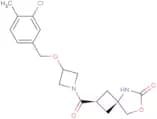
CAS:NF-1819: strong, selective MGL inhibitor; eases MS symptoms; analgesic; penetrates brain with high permeability.Formula:C24H22FN5O4Purezza:99.55%Colore e forma:SolidPeso molecolare:463.46SMP-028
CAS:SMP-028 is a neutral cholesterol esterase (CEase) inhibitor(IC50 : 1.01 μM).Formula:C23H26FN5O2SPurezza:98%Colore e forma:SolidPeso molecolare:455.55BAY 59-9435
CAS:HSL-IN-2 is a selective inhibitor of Hormone Sensitive Lipase (HSL; IC50: 0.023 μM).Formula:C14H22N2O3Purezza:98%Colore e forma:SolidPeso molecolare:266.34MAGL-IN-1
CAS:MAGL-IN-1 is a selective and potent monoacylglycerol lipase (MAGL) inhibitor with an IC50 of 80 nM.Formula:C22H24FNO3Purezza:98%Colore e forma:SolidPeso molecolare:369.43BemPPOX
CAS:BemPPOX is a potent inhibitor of DGL.Formula:C23H20N2O5Colore e forma:SolidPeso molecolare:404.42HSL-IN-1
CAS:HSL-IN-1 is an HSL inhibitor that significantly reduces the reactive metabolite load and reduces the release of free fatty acids from stored fat.Formula:C19H13BClF3N2O4Purezza:>99.99%Colore e forma:SolidPeso molecolare:436.58Esterastin
CAS:Esterastin is an Inhibitor of esterases.Formula:C28H46N2O6Colore e forma:SolidPeso molecolare:506.671,3-Didecanoylglycerol
CAS:1,3-Didecanoylglycerol, a saturated diacylglycerol, has decanoic acids at sn-1,3; used in lipid monolayer and lipase research.Formula:C23H44O5Colore e forma:SolidPeso molecolare:400.59GSK 264220A
CAS:endothelial lipase and lipoprotein lipase inhibitorFormula:C17H21N3O4SPurezza:98%Colore e forma:SolidPeso molecolare:363.43Endothelial lipase inhibitor-1
CAS:Endothelial lipase inhibitor-1 is a potent endothelial lipase inhibitor with an IC50 of 49 nM.Formula:C22H22N4O4Purezza:99.59%Colore e forma:SolidPeso molecolare:406.43JJKK 048
CAS:<p>JJKK 048 is a potent and selective MAGL inhibitor.</p>Formula:C23H22N4O5Purezza:99.77%Colore e forma:SolidPeso molecolare:434.44JNJ-42226314
CAS:<p>JNJ-42226314 is a MAGL inhibitor with anti-injury effects and has shown efficacy in neuropathic pain and inflammatory pain models.</p>Formula:C26H24FN5O2SPurezza:99.62%Colore e forma:SolidPeso molecolare:489.56NG-497
CAS:<p>NG-497, a selective inhibitor of human ATGL, blocks lipolysis in adipocytes and aids cancer research.</p>Formula:C18H21NO4Purezza:99.56%Colore e forma:SolidPeso molecolare:315.361,2-Distearoyl-3-Palmitoyl-rac-glycerol
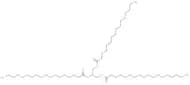
CAS:1,2-Distearoyl-3-palmitoyl-rac-glycerol, a triacylglycerol, features stearic acid at the sn-1 and sn-2 positions and palmitic acid at the sn-3 position. This compound is identified in cocoa butter, lard, and cod liver oil.Formula:C55H106O6Colore e forma:SolidPeso molecolare:863.43ERX-41
CAS:ERX-41 is an orally active, stereospecific small molecule that targets lysosomal acid lipase A (LIPA).Formula:C38H48N4O9Purezza:98%Colore e forma:SolidPeso molecolare:704.81PNPLA3 modifier 1
CAS:<p>PNPLA3 Modifier 1 (Compound 10), a modifier of patatin-like phospholipase domain-containing protein 3 (pnpla3), exhibits a geometric mean EC50 of 4.9 nM.</p>Formula:C16H19ClF2N2O4SColore e forma:SolidPeso molecolare:408.85PF-06795071
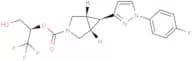
CAS:<p>PF-06795071 is an effective and selective covalent inhibitor of MAGL (IC50: 3 nM).</p>Formula:C18H17F4N3O3Purezza:98%Colore e forma:SolidPeso molecolare:399.34Salacinol
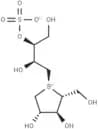
CAS:Salacinol is a naturally occurring alpha-glucosidase inhibitor isolated from an Ayurvedic traditional medicine Salacia reticulata.Formula:C9H18O9S2Colore e forma:SolidPeso molecolare:334.37