Coloranti e metaboliti
Trovati 66 prodotti per "Coloranti e metaboliti".
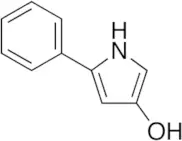
3-Hydroxy-5-phenylpyrrole
CAS:Stability Air Sensitive
Applications Used for detecting the presence of hydrolytic analytes, such as leukocytes, esterase, and protease. The detection of leukocytes is especially important in medical diagnostics.
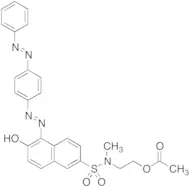
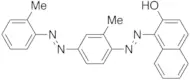
References Jackson, D.S., et al.: Arch. Biochem. Biophys., 20, 323(1), 108 (1995)Formula:C10H9NOColore e forma:NeatPeso molecolare:159.18Disperse Red 151 (>90%)
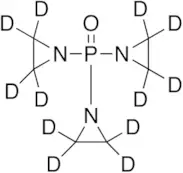
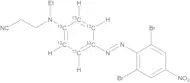
CAS:Prodotto controllatoFormula:C27H25N5O5SPurezza:>90%Colore e forma:NeatPeso molecolare:531.58Triethylenephosphoramide-d12
CAS:Prodotto controllatoApplications Labelled TEPA (T776600). Used as insect chemosterilant; in dyeing. Antineoplastic.
Not a dangerous good if item is equal to or less than 1g/ml and there is less than 100g/ml in the package
References Gaines, et al.: Toxicol. Appl. Pharmacol., 14, 515 (1969), Huitema, A., et al.: Br. J. Clin. Pharmacol., 51, 61 (2001), Jinno, H., et al.: Drug Metab. Dispos., 31, 398 (2003),Formula:C6D12N3OPColore e forma:NeatPeso molecolare:185.23Pigment Yellow 42 (Technical Grade)
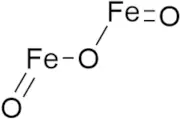
CAS:Applications Pigment Yellow 42 is used in the topical solar composition protecting skin exposed to irradiation of high energy visible light.
References Thorel, J. N.: Fr. Demande 36 pp. (2020)Formula:Fe2O3Colore e forma:NeatPeso molecolare:159.68824-Aminobiphenyl-d9
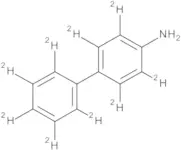
CAS:Prodotto controllatoApplications 4-Aminobiphenyl-d9 (CAS# 344298-96-0) is a useful isotopically labeled research compound.
Formula:C122H9H2NColore e forma:NeatPeso molecolare:178.282-Aminobiphenyl
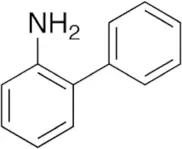
CAS:Applications Has a mutagenic potency.
References Cash, G., et al.: Mutat. Res., 491, 31 (2001), Cash, G., et al.: Environ. Toxicol. Chem., 21, 2095 (2002), Glende, C., et al.: Mutat. Res., 515, 15 (2002),Formula:C12H11NColore e forma:NeatPeso molecolare:169.22Basic Violet 1 (Technical Grade)
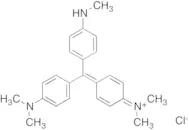
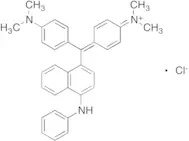
CAS:Prodotto controllatoFormula:C24H28N3·ClColore e forma:NeatPeso molecolare:393.95Basic Blue 26
CAS:Prodotto controllatoStability Hygroscopic, Light Sensitive
Applications Basic Blue 26 is a basic dye used in a variety of applications and industries, including the cosmetic industry where it is found in temporary hair dyes. Basic Blue 26 adsorbs well to activated carbon surfaces.
References Williams, T. N.; et al.: ACS Sustainable Chem. Eng., 6, 2344 (2018); Vieira de Souza, T. N.; et al.: Appl. Surf. Sci., 448, 662 (2018).Formula:C33H32N3·ClColore e forma:NeatPeso molecolare:506.08Basic Green 4 (Technical Grade)
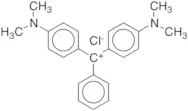
CAS:Stability Light Sensitive
Applications Basic Green 4 (cas# 569-64-2) is a useful research chemical.Formula:C23H25N2·ClColore e forma:NeatPeso molecolare:364.91Benzidine-d8
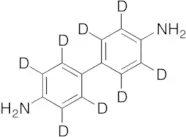
CAS:Prodotto controllatoApplications Benzidine-d8 is involved in the enhancements in ion abundances in high-performance liquid chromatography, thus improving chromatography efficiency and particle-beam process.
Not a dangerous good if item is equal to or less than 1g/ml and there is less than 100g/ml in the package
References Bellar, T. A., et al.: J. Am. Soc. Mass. Spectrom., 1, 92-8 (1990)Formula:C122H8H4N2Colore e forma:NeatPeso molecolare:192.29Curcumin-D6
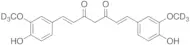
CAS:Prodotto controllatoApplications Labelled Curcumin (C838500). A natural phenolic compound. Potent anti-tumor agent having anti-inflammatory and anti-oxidant properties. Induces apoptosis in cancer cells and inhibits phorbol ester-induced protein kinase C (PKC) activity. Reported to inhibit production of inflammatory cytokines by peripheral blood monocytes and alveolar macrophages. Potent inhibitor of EGFR tyrosine kinase and IκB kinase. Inhibits inducible nitric oxide synthase (iNOS), cycloxygenase and lipoxygenase. Easily penetrates into the cytoplasm of cells, accumulating in membranous structures such as plasma membrane, endoplasmic reticulum and nuclear envelope.
References Srinivasan, et al.: J. Pharm. Pharmacol., 5, 448 (1953), Tu, B., et al.: J .Cell Biol., 164, 341 (2004), Xu, G., et al.: Biochemistry, 44, 9817 (2005), Johnson, J., et al.: Cancer Lett., 255, 170 (2007),Formula:C212H6H14O6Colore e forma:NeatPeso molecolare:374.424-Methylumbelliferyl Phosphocholine
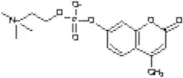
CAS:Prodotto controllatoFormula:C15H20NO6PColore e forma:NeatPeso molecolare:341.3Tartrazine
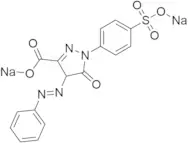
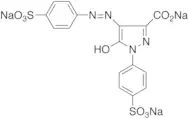
CAS:Applications As a dye for wool and silks; as colorant in food, drugs, and cosmetics. In biochemistry as an adsorption-elution indicator for chloride estimations. Tartrazine (otherwise known as E number E102, C.I. 19140, or FD&C Yellow 5) is a synthetic lemon yellow azo dye used as a food coloring. Tartrazine appears to cause the most allergic and intolerance reactions of all the azo dyes, particularly among asthmatics and those with an aspirin intolerance. Dyes and metabolites, Environmental Testing.A recent report has shown that Tartrazine may be useful in 3D bio-printing of organ-like architectures.
References Rowe, K.S., et al.: J. Pedriatics, 125, 691 (1994), Tanaka, T., et al.: Food Chem. Toxicol., 44, 179 (2006); Chem. and Eng News Page 4 May 6, 2019Formula:C16H9N4O9S2·3NaColore e forma:NeatPeso molecolare:534.36Sudan IV (>80%)
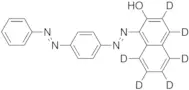
CAS:Prodotto controllatoApplications It has been used to promote wound healing. Biological stain. Dyes and metabolites, Environmental Testing.
References Findlay, J., et al.: J. Pharm. Biomed., Anal., 21, 1249 (2000), Han, D., et al.: J. Agric. Food Chem., 55, 6424 (2007), Jiang, Z;., et al.: J. Environ. Anal. Chem., 88, 649 (2008),Formula:C24H20N4OPurezza:>80%Colore e forma:NeatPeso molecolare:380.44Sudan I-d5
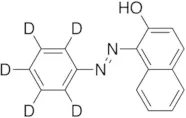
CAS:Prodotto controllatoApplications Labelled Sudan I. A food azo-dye, a liver and urinary bladder carcinogen for rodents and a potent contact allergen and sensitizer for humans. Genotoxic and carcinogenic. Dyes and metabolites, Environmental Testing.
References Skog, K., et al.: Carcinogenesis, 14, 2027 (1993), Slob, W., et al.: Toxicol. Sci., 84, 167 (2005),,, Slob, W; Food and Chemical Toxicology 2006, 44, 933Formula:C162H5H7N2OColore e forma:NeatPeso molecolare:253.31Albendazole Sulfone
CAS:Impurity Albendazole EP Impurity C / Albendazole Sulfone
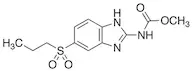
Applications A metabolite of Albendazole, an anthelmintic. Albendazole EP Impurity C
References Dominguez, L., et al.: Farmaco, 50, 697 (1995), De Laurentis, N., et al.: Pharm. Pharmacol. Lett., 6, 2: 51 (1996)Formula:C12H15N3O4SColore e forma:NeatPeso molecolare:297.33