Composti policiclici
I composti policiclici sono molecole organiche che contengono più anelli interconnessi. Questi composti includono idrocarburi aromatici policiclici e altri sistemi ad anello complessi. Sono significativi nella scienza dei materiali, nei prodotti farmaceutici e nell'elettronica organica. Da CymitQuimica, offriamo composti policiclici di alta qualità per supportare le tue ricerche e applicazioni industriali, garantendo risultati affidabili ed efficaci nei tuoi progetti.
Sottocategorie di "Composti policiclici"
- Acridine(97 prodotti)
- Antrachinoni(533 prodotti)
- Acidi antrachinonici solfonici(16 prodotti)
- Azobenzeni(270 prodotti)
- Azonaftalene(98 prodotti)
- Azoxybenzeni(12 prodotti)
- Azuleni(11 prodotti)
- Benzimidazoli(1.475 prodotti)
- Benzodiossani(27 prodotti)
- Benzofurani(924 prodotti)
- Benzotiofeni(700 prodotti)
- Benzotriazoli(438 prodotti)
- Binaphthyl(133 prodotti)
- Carbazoli(462 prodotti)
- Cromani, cromeni(480 prodotti)
- Cumarine(1.122 prodotti)
- Ciclofani(11 prodotti)
- Fluorene e Fluorenoni(381 prodotti)
- Imidazopiridine(10 prodotti)
- Indan(118 prodotti)
- Indazoli(2.037 prodotti)
- Indeni(22 prodotti)
- Indoli(3.988 prodotti)
- Indoline(119 prodotti)
- Isatine(234 prodotti)
- Isobenzofurani(17 prodotti)
- Ftalimmidi N-sostituiti(153 prodotti)
- Naftaleni(2.436 prodotti)
- Naftiridina(17 prodotti)
- Naftochinone(2 prodotti)
- Perilene(36 prodotti)
- Fenazine(25 prodotti)
- Ftalazine(33 prodotti)
- Ftalimmide(153 prodotti)
- Idrocarburi policiclici aromatici (PAH)(270 prodotti)
- Polifenolo(261 prodotti)
- Pteridine(52 prodotti)
- Pireni(87 prodotti)
- Chinuclidina(1 prodotti)
- Tetraceni(7 prodotti)
Mostrare 32 più sottocategorie
Trovati 4574 prodotti di "Composti policiclici"
Ordinare per
Purezza (%)
0
100
|
0
|
50
|
90
|
95
|
100
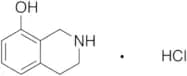
1,2,3,4-Tetrahydro-8-isoquinolinol Hydrochloride
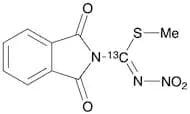
CAS:Prodotto controllato<p>Applications Used in the synthesis of tetrahydroisoquinoline derivatives.<br></p>Formula:C9H12ClNOColore e forma:NeatPeso molecolare:185.651,3-Dihydro-N-nitro-1,3-dioxo-2H-isoindole-2-carboximidothioic acid Methyl Ester-13C
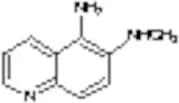
CAS:Prodotto controllato<p>Applications 1,3-Dihydro-N-nitro-1,3-dioxo-2H-isoindole-2-carboximidothioic acid Methyl Ester-13C is an intermediate used in the synthesis of Clothianidin-d3,13C1 (C588502), which is the isotope labelled analog of Clothianidin. Clothianidin is a neonicotinoid insecticide for use in food crops.<br>References Kamel, A., et al.: J. Agric. Food Chem., 58, 5926 (2010), Lynd, L., et al.: Energy Environ. Sci., 3, 1150 (2010), Cresswell, J., et al.: Ecotoxicology, 20, 149 (2011),<br></p>Formula:CC9H7N3O4SColore e forma:NeatPeso molecolare:266.2385-Amino-6-(methylamino)quinoline
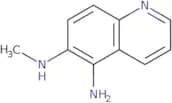
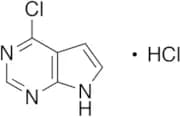
CAS:Prodotto controllato<p>Stability Store in freezer at -20°C<br>Applications 5-Amino-6-(methylamino)quinoline (cas# 14204-98-9) is a compound useful in organic synthesis.<br></p>Formula:C10H11N3Colore e forma:NeatPeso molecolare:173.216-Chloro-7-deazapurine Hydrochloride
CAS:Prodotto controllato<p>Applications 6-Chloro-7-deazapurine Hydrochloride (cas# 1243346-92-0) is a compound useful in organic synthesis.<br></p>Formula:C6H5Cl2N3Colore e forma:NeatPeso molecolare:190.034-Methylisoquinoline
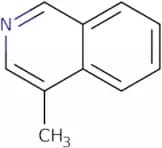
CAS:Isomeric 4-methylisoquinoline is a molecule that is structurally similar to protopine and berberine chloride. It has been shown to be an effective photosensitizer for the production of reactive oxygen species (ROS) in cells, which can lead to DNA damage and cell death. The functional groups on this molecule are the chloro group, which is a halogen, and the isoquinoline ring system with two methyl groups. The chemistry of this compound involves alkylation, yielding a new compound with one less methyl group than the original molecule. This process is called enamine formation.Formula:C10H9NPurezza:Min. 95%Colore e forma:Yellow PowderPeso molecolare:143.19 g/mol3-Quinuclidinone hydrochloride
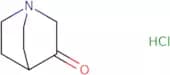
CAS:Prodotto controllato<p>3-Quinuclidinone hydrochloride is an organic compound that is used as a reagent in organic synthesis. It is synthesized by the acylation of 3-quinuclidinol with ethyl bromoacetate in the presence of a base. This reaction occurs in an isolated yield, and the product can be purified by rotary evaporation. 3-Quinuclidinone hydrochloride has a high affinity for GABA receptors, which are found on nerve cells in the brain and inhibitory neurons throughout the body. The binding of 3-quinuclidinone hydrochloride to these receptors leads to a decrease in neuronal excitability. This drug also has been shown to have effects on motor function, including a positive effect on motor performance when tested using a rotarod test. The rate of this reaction can be increased by adding chloride or sodium carbonate as a catalyst and by increasing the reaction time. Substrate binding plays an important</p>Formula:C7H12CINOPurezza:Min. 95%Colore e forma:White PowderPeso molecolare:161.63 g/molXanthene
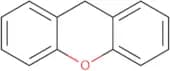
CAS:<p>Yellow dye used in food industry</p>Formula:C13H10OPurezza:Min. 95%Colore e forma:White PowderPeso molecolare:182.22 g/mol2-Nitroimidazole
CAS:2-Nitroimidazole is a compound that has been shown to have significant cytotoxicity against tumor cells. It is also an anti-cancer drug with a matrix effect on solid tumours, and has been shown to inhibit the synthesis of DNA, RNA, and proteins in vitro. 2-Nitroimidazole is also active against infectious diseases such as HIV, herpes simplex virus type 1, and influenza A virus. The biological properties of this compound are currently being studied by analytical methods such as LC/MS and HPLC/UV.Formula:C3H3N3O2Purezza:Min. 95%Colore e forma:PowderPeso molecolare:113.07 g/mol5-Acetoxy-6-methoxyindole
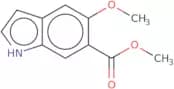
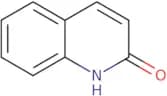
CAS:<p>5-Acetoxy-6-methoxyindole is a fine chemical, useful building block, and research chemical with CAS No. 112919-69-4. It is a versatile building block and reaction component that can be used as a reagent or speciality chemical in the synthesis of other complex compounds. 5-Acetoxy-6-methoxyindole is also used as an intermediate in the synthesis of drugs and pharmaceuticals. This compound has high purity, making it a high quality product with many uses.</p>Formula:C11H11NO3Purezza:Min. 95%Peso molecolare:205.21 g/mol2-Hydroxyquinoline
CAS:<p>2-Hydroxyquinoline is a coumarin derivative that has inhibitory properties against a variety of human pathogens, including the causative agent of malaria. It binds to the active site of the enzyme xanthine oxidase, which catalyzes the oxidation of hypoxanthine to xanthine and then to uric acid. 2-Hydroxyquinoline inhibits this reaction, preventing the accumulation of uric acid in the blood and urine. This compound also has potential anticancer activity due to its ability to inhibit tumor cell proliferation in human prostate cancer cells. 2-Hydroxyquinoline is metabolized by cytochrome P450 enzymes and has pharmacokinetic properties that include an inhibitory dose (ID50) of 1mg/kg.</p>Formula:C9H7NOPurezza:Min. 95%Colore e forma:White To Light (Or Pale) Yellow To Light (Or Pale) Green To Purple Brown SolidPeso molecolare:145.16 g/mol2-Bromomethylquinoline
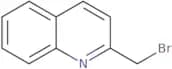
CAS:<p>2-Bromomethylquinoline is a quinoline derivative that has been synthesized to study the interaction between metal ions, such as copper and zinc, and chelate rings. The reaction products formed by 2-bromomethylquinoline have been shown to have antifungal activity in vitro. It has been found that the addition of a fluorescent probe can be used to detect quinoline derivatives, which fluoresce when excited with light. This makes them useful as fluorescent probes for reactions involving metal ions.</p>Formula:C10H8BrNPurezza:Min. 95%Colore e forma:SolidPeso molecolare:222.08 g/mol[2,3'-Bipyridin]-6'-amine
CAS:<p>2,3'-Bipyridin-6'-amine is a chemical compound that is used as a building block for more complex molecules. It has high quality and can be used to make many different compounds. 2,3'-Bipyridin-6'-amine is versatile and can be used in the synthesis of a variety of compounds. It is also an intermediate in a number of reactions, including the formation of pyrimidine analogs. This chemical has been shown to be useful in the creation of new drugs for cancer treatment and other diseases.</p>Formula:C10H9N3Purezza:Min. 95%Colore e forma:Off-White PowderPeso molecolare:171.2 g/molSuberosin
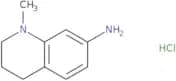
CAS:<p>Suberosin is a naturally occurring sesquiterpene lactone, which is isolated from members of the Rutaceae family, such as the plant Feronia limonia. The compound exhibits diverse biological activities, primarily attributed to its complex structure that facilitates interaction with various biological targets. Suberosin's mode of action involves disrupting microbial cell membranes and interfering with critical biochemical pathways, effectively inhibiting microbial growth and propagation.</p>Formula:C15H16O3Purezza:Min. 95%Peso molecolare:244.29 g/mol1-Methyl-1,2,3,4-tetrahydroquinolin-7-amine hydrochloride
CAS:<p>1-Methyl-1,2,3,4-tetrahydroquinolin-7-amine hydrochloride (MQ) is a fluorescent probe that has been used to study the photostability of cisplatin in real time. MQ was synthesized by reacting 3-(2'-bromoacetyl)-7-methoxy-1,2,3,4-tetrahydroquinolin with 7-aminoquinaldine. The emission spectrum of MQ peaks at 615 nm and has an extinction coefficient at 615 nm of 12.5 mM/cm. This probe has been shown to be photostable for long periods of time and can be used to visualize DNA polymerase activity in living cells.</p>Formula:C10H15ClN2Purezza:Min. 95%Colore e forma:Off-White PowderPeso molecolare:198.69 g/mol2-Phenylindole-5-sulfonic acid monosodium salt
CAS:2-Phenylindole-5-sulfonic acid monosodium salt is a fine chemical that can be used as a building block for research chemicals, reagents, and speciality chemicals. It is also used as a reaction component for the synthesis of various complex compounds, such as pharmaceuticals and dyes. 2-Phenylindole-5-sulfonic acid monosodium salt is a versatile building block that can be used in the synthesis of useful scaffolds. The CAS number for this compound is 119205-39-9.Formula:C14H10NO3S·NaPurezza:Min. 95%Colore e forma:White PowderPeso molecolare:295.29 g/mol3-Aminoquinuclidine dihydrochloride
CAS:<p>3-Aminoquinuclidine dihydrochloride (3-AQDH) is a chiral quinuclidine derivative that is an acetylcholine receptor agonist. It has been shown to bind to the α7 nicotinic acetylcholine receptor with high affinity and selectivity. 3-AQDH has also been shown to crosslink the cholinergic receptor, which may lead to increased sensitivity of the receptor. The binding constants between 3-AQDH and the α7 nicotinic acetylcholine receptors are very high and it has been shown to be enantiopure in its synthesis. 3-AQDH also has a hydrophilic interaction chromatography profile, which separates it from other compounds. This agent may have potential use as a drug for treating Alzheimer's disease and Parkinson's disease due to its ability to inhibit acetylcholinesterase activity.</p>Purezza:Min. 95%Colore e forma:PowderPeso molecolare:199.12 g/mol1-Benzyl-3-[3-(dimethylamino)propoxy]-1H-indazole hydrochloride
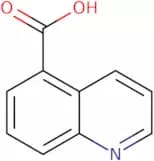
CAS:Prodotto controllato1-Benzyl-3-[3-(dimethylamino)propoxy]-1H-indazole hydrochloride is an intubation agent that belongs to the group of benzydamine. It has been shown to have anti-inflammatory properties and may be used for the treatment of throat inflammation, including sore throat caused by squamous cell carcinoma, as well as for other inflammatory conditions such as mucositis, which is a complication from radiation therapy or chemotherapy. This drug can also be used with nonsteroidal anti-inflammatory drugs (NSAIDs) to treat pain and inflammation associated with osteoarthritis. 1-Benzyl-3-[3-(dimethylamino)propoxy]-1H-indazole hydrochloride has been shown to inhibit polymerization reactions by intramolecular hydrogen transfer and may have analytical applications in polymer compositions.Formula:C19H24ClN3OPurezza:Min. 95%Colore e forma:White PowderPeso molecolare:345.87 g/molQuinoline-5-carboxylic acid
CAS:<p>Quinoline-5-carboxylic acid is a peroxide that is produced by the oxidation of quinoline derivatives. Quinoline-5-carboxylic acid has been shown to have antibacterial activity, and it also has affinity values for chloride ions. The chemical isomers of quinoline-5-carboxylic acid are called quninolines, which are produced by the hydrolysis of quinoline-5-carboxylic acid. Quinolines can be obtained by the oxidation of aniline. Quinolines have been shown to catalyze reactions with carbonyl groups in organic molecules, such as the reaction between an alkoxycarbonyl group and a hydroxyl group to form an aldehyde or ketone. Kinetic data for this reaction was obtained using titration calorimetry.</p>Formula:C10H7NO2Purezza:Min. 95%Colore e forma:White To Beige To Light Brown To Grey SolidPeso molecolare:173.17 g/mol4-Chloro-6-methoxyquinolin-7-ol
CAS:4-Chloro-6-methoxyquinolin-7-ol (CMQ) is an alkali metal that inhibits the sodium/potassium ATPase pump, which is responsible for maintaining the cell's intracellular ion balance. It was discovered in a search for compounds that inhibit this enzyme and show promise in the treatment of heart diseases. CMQ has been shown to inhibit the sodium concentration in rat hearts with no effect on potassium concentrations, which may be due to its ability to bind to sodium ions but not potassium ions. The long-term effects of CMQ on human populations are unknown, as well as its effects on genotype and parameters. CMQ also has been shown to cause drug resistance mutations in bacteria, such as methicillin resistant Staphylococcus aureus (MRSA), by increasing the mutation rate. This is due to the fact that it inhibits DNA replication and protein synthesis in bacteria cells.Formula:C10H8ClNO2Purezza:Min. 95%Colore e forma:Yellow PowderPeso molecolare:209.63 g/mol2-(2-Butoxyethyl)-1H-isoindole-1,3(2H)-dione
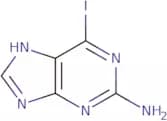
CAS:<p>2-(2-Butoxyethyl)-1H-isoindole-1,3(2H)-dione is a versatile building block and intermediate with a range of chemical properties. It is a useful scaffold for the synthesis of complex compounds with different functional groups. 2-(2-Butoxyethyl)-1H-isoindole-1,3(2H)-dione can be used as an organic solvent and reaction component in organic synthesis as well as being an effective catalyst or reagent in reactions involving other chemicals. This compound has been selected by the Chemical Abstracts Service (CAS) as one of their high quality products.</p>Formula:C14H17NO3Purezza:Min. 95%Colore e forma:PowderPeso molecolare:247.29 g/mol2-Amino-6-iodopurine
CAS:<p>2-Amino-6-iodopurine is an analog of the purine nucleoside guanine, which has been used to synthesize a variety of boronic acids. The most common use for 2-amino-6-iodopurine is in the synthesis of benzylboronic acid, which can be used as an organometallic reagent in organic synthesis. This compound also has dehydrogenase activity and has been shown to catalyze the conversion of benzoic acid to benzaldehyde, mediated by NADH. 2-Amino-6-iodopurine is found in the biosynthesis of ribonucleotides and deoxyribonucleotides, where it reacts with chloride ions and phosphate groups to form adenylate and xanthosine monophosphates.</p>Formula:C5H4IN5Purezza:Min. 95%Colore e forma:PowderPeso molecolare:261.02 g/mol2,3,3-Trimethyl-3H-benzo[e]indole
CAS:<p>2,3,3-Trimethyl-3H-benzo[e]indole is a reactive molecule that has been shown to be an effective treatment for cervical cancer. It can be used in conjunction with monoclonal antibodies that have been designed to target the acidic protonation sites on the surface of cervical cancer cells. This active form binds to the site and emits fluorescence when illuminated with a laser, which can then be detected by a confocal microscope. This technique can also be used for the diagnosis of other cancers. 2,3,3-Trimethyl-3H-benzo[e]indole is not toxic to human serum as it does not react with this type of tissue.</p>Formula:C15H15NPurezza:Min. 98 Area-%Colore e forma:PowderPeso molecolare:209.29 g/molMethyl 5-methoxy-2-methylindole-3-acetate
CAS:<p>Methyl 5-methoxy-2-methylindole-3-acetate is a versatile building block that can be used as a research chemical, reagent, or speciality chemical. It is also an intermediate in the synthesis of other compounds and has been shown to be useful in reactions involving nucleophilic substitution and electrophilic addition. This compound can be used as a scaffold for complex organic molecules. CAS No. 7588-36-5</p>Formula:C13H15NO3Purezza:Min. 95%Colore e forma:Beige SolidPeso molecolare:233.26 g/mol7-Methylisatin
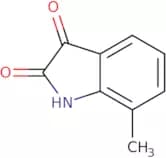
CAS:7-Methylisatin is a natural product that is used in clinical settings as an acridone. It has been shown to have potent antifungal and insecticidal activities. 7-Methylisatin is also a potent antagonist of the nicotinic acetylcholine receptor (nAChR) and binds to the receptor with high affinity. It also inhibits the production of nitric oxide (NO), which is important for maintaining vascular homeostasis and inhibiting pain. 7-Methylisatin has been shown to be an efficient method for plutella xylostella larvae, which can lead to significant reductions in caterpillar populations. This natural product can be synthesized by a number of methods, including ammonolysis, reaction system, or mass spectrometry assays.Formula:C9H7NO2Purezza:Min. 95%Peso molecolare:161.16 g/mol2-Methylimidazole
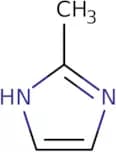
CAS:<p>2-Methylimidazole is a crystalline solid that has been used in the preparation of coordination compounds. The compound is prepared by reacting 2-methylimidazole with an appropriate metal cyanide, such as copper cyanide or nickel cyanide. The crystal structure of 2-methylimidazole shows strong hydrogen bonding interaction between the nitrogen atoms and the carboxylate groups. This compound has been used in clinical pathology to detect increased levels of ammonia, uric acid, and lactic acid in the blood. 2-Methylimidazole is not toxic to humans but has shown some toxicity to mice when injected intravenously at high concentrations. It can be used as an analytical method for determining trace amounts of chlorine in chemical compounds by way of electrochemical impedance spectroscopy (EIS).</p>Formula:C4H6N2Purezza:Min. 95%Colore e forma:White Clear LiquidPeso molecolare:82.1 g/mol3-Methyl-2-hydroxy-3H-imidazo[4,5-f]quinoline
CAS:<p>3-Methyl-2-hydroxy-3H-imidazo[4,5-f]quinoline is a high quality reagent that can be used as an intermediate or building block in the synthesis of other compounds. It is a fine chemical with CAS No. 144486-08-8 and can be used as a speciality chemical in research. This compound has versatile building blocks that are useful in reactions and have been shown to be a reaction component in the synthesis of various compounds.</p>Formula:C11H9N3OPurezza:Min. 95%Colore e forma:Yellow PowderPeso molecolare:199.21 g/mol2,2'-Bipyridine-3,3'-dicarboxylic acid
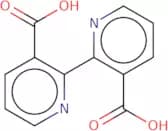
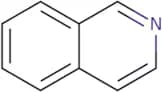
CAS:<p>2,2'-Bipyridine-3,3'-dicarboxylic acid is a coordination compound that contains two carboxylic acid groups. It forms a dihydrate in water and is orthorhombic in crystal form. The molecule can be represented by the following chemical structure:</p>Formula:C12H8N2O4Purezza:Min. 95%Colore e forma:SolidPeso molecolare:244.2 g/molIsoquinoline
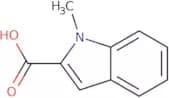
CAS:<p>Isoquinoline is a heterocyclic organic compound that can be synthesized by the asymmetric addition of hydrochloric acid to an isoquinol. It has been shown to inhibit the enzyme DPP-IV, which is involved in the degradation of glucagon-like peptide-1 (GLP-1). Isoquinoline is also a potent antagonist of the NMDA receptor, and has been shown to have anti-inflammatory properties in HLA-60 cells. This drug is soluble in organic solvents and forms crystalline polymorphs. Isoquinoline has been used in polymerase chain reactions as a hydrogen bond donor.</p>Formula:C9H7NPurezza:Min. 95%Colore e forma:PowderPeso molecolare:129.16 g/mol1-Methylindole-2-Carboxylic Acid
CAS:<p>1-Methylindole-2-Carboxylic Acid is a chemical that belongs to the group of phenylacetic acid compounds. It has been shown to inhibit lymphocyte activation and t-cell proliferation in vitro, which may be due to its ability to interfere with the production of interleukin. 1-Methylindole-2-Carboxylic Acid also has an antitumor effect on animals and can reduce the tumor burden by inhibiting DNA synthesis, protein synthesis, and mineralization. The molecular modeling studies have shown that 1-Methylindole-2-Carboxylic Acid binds in the active site of protein kinase C as a competitive inhibitor and prevents ATP from binding to the enzyme.</p>Formula:C10H9NO2Purezza:Min. 95%Colore e forma:PowderPeso molecolare:175.18 g/mol6-Methoxy-1-methyl-1H-indole-3-carbaldehyde
CAS:6-Methoxy-1-methyl-1H-indole-3-carbaldehyde is a high quality chemical that is used as a reagent, complex compound, useful intermediate, and speciality chemical. It is a fine chemical that has been shown to be useful as a building block in the synthesis of many other compounds. 6-Methoxy-1-methyl-1H-indole-3-carbaldehyde is also versatile and can be used in reactions involving nucleophilic substitution, reductive amination, and oxidative coupling.Formula:C11H11NO2Purezza:Min. 95%Colore e forma:White PowderPeso molecolare:189.21 g/molXanthine
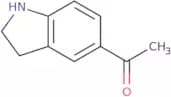
CAS:<p>Xanthine is a reactive, oxidized form of purine. It is found in the human body as a product of xanthine oxidase (XO) metabolism of xanthine and hypoxanthine. Xanthine is known to have antioxidant properties and has been shown to inhibit the activity of xanthine oxidase in vitro. Xanthine, when combined with other anticancer drugs such as doxorubicin, can be used as an anticancer agent. This drug has been shown to cause oxidative injury in humans and animal models at physiological levels.</p>Formula:C5H4N4O2Purezza:Min. 98 Area-%Colore e forma:Off-White PowderPeso molecolare:152.11 g/mol5-Acetylindoline
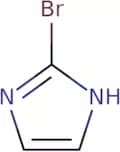
CAS:5-Acetylindoline is a tetracyclic compound that belongs to the family of phenanthridones. It has been synthesized by rationalizing the tetrahydropyridine, tetrahydroquinoline, and amine coupling reaction. The 5-acetylindoline molecule contains a phenolic group and is related to sulphones or diazonium salts. This compound can be made into a cyclization product by reacting with diazonium salts.Formula:C10H11NOPurezza:Min. 95%Colore e forma:PowderPeso molecolare:161.2 g/mol2-Bromo-1H-imidazole
CAS:<p>2-Bromo-1H-imidazole is an environmental pollutant that has been detected in the atmosphere, water, and soil. It is used as a pesticide and has been found to be an impurity in biphenyl. 2-Bromo-1H-imidazole can be used as a substrate for the Suzuki coupling reaction or as a starting material for the synthesis of imidazole derivatives. The compound spontaneously fragments under acidic conditions to form nitric acid and hydrogen bromide. 2-Bromo-1H-imidazole has been shown to inhibit hepatitis C virus (HCV) replication and induce cancer cell apoptosis in vitro.<br>2-Bromo-1H-imidazole is also known to cause DNA fragmentation in cells through oxidation by reactive oxygen species or through spontaneous decomposition of the molecule into acid, bromine radicals, and ammonia.</p>Formula:C3H3BrN2Purezza:Min. 95%Colore e forma:PowderPeso molecolare:146.97 g/mol4-Chloro-1H-imidazole
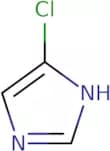
CAS:<p>4-Chloro-1H-imidazole is an organic chemical compound that contains a heterocyclic ring with one nitrogen and three carbons. It is classified as a weak acid. 4-Chloro-1H-imidazole can be found in hydrochloric acid, methyl ketones, and the acid conjugates of pyrazole rings. It has minimal toxicity. 4-Chloro-1H-imidazole binds to receptors in the body, which may account for its effects on blood pressure and heart rate. This drug also reacts with diazonium salts to form an intermediate that is then oxidized by chloride ions to form a reactive intermediate that can react with histidine or flavin (a type of vitamin B2) to form a fluorescent product that can be detected by light absorption or fluorescence emission spectroscopy.</p>Formula:C3H3ClN2Purezza:Min. 95%Colore e forma:White PowderPeso molecolare:102.52 g/mol4,4'-Bis(ethoxycarbonyl)-2,2'-bipyridine
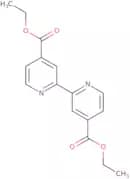
CAS:4,4'-Bis(ethoxycarbonyl)-2,2'-bipyridine (BEBCP) is a dithiolate chromophore. BEBCP has a redox potential of 1.3 volts and the electronic interaction of the carbonyl groups with the electron cloud of the bipyridine nucleus is responsible for this property. The photochemical properties of BEBCP can be systematically studied by using electrochemical data such as voltammetry and cyclic voltammetry. These methods are useful in determining the nature and constant of BEBCP as well as its interaction with ligands.Formula:C16H16N2O4Purezza:Min. 95%Colore e forma:PowderPeso molecolare:300.31 g/mol5-Hydroxy-3,4-dihydro-2(1H)-quinolinone
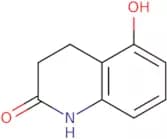
CAS:<p>5-Hydroxy-3,4-dihydro-2(1H)-quinolinone is a high quality reagent with a CAS number of 30389-33-4. It has been shown to be a useful intermediate in the synthesis of complex compounds. This compound can also be used as an important building block for the synthesis of speciality chemicals and research chemicals. 5-Hydroxy-3,4-dihydro-2(1H)-quinolinone is versatile and can be used as a reaction component in many reactions that require the introduction of oxygen into molecules.</p>Formula:C9H9NO2Purezza:Min. 95%Colore e forma:White PowderPeso molecolare:163.17 g/mol2,9-Diphenyl-1,10-phenanthroline
CAS:<p>2,9-Diphenyl-1,10-phenanthroline is a yellow crystalline compound. This molecule has been shown to be an effective anticancer drug and is used in the study of ultrafast electron reduction. It exhibits photophysical properties that are dependent on its coordination geometry and the surrounding environment.<br>2,9-Diphenyl-1,10-phenanthroline is a coordination complex that can be synthesized by electropolymerization of copper complexes with phenanthrolines. The polymer film has been shown to have high stability constants and is resistant to water or organic solvents.</p>Formula:C24H16N2Purezza:Min. 95%Colore e forma:White PowderPeso molecolare:332.4 g/mol1-Cyclopropyl-6,7-difluoro-1,4-dihydro-8-methoxy-4-oxo-3-quinolinecarboxylic acid
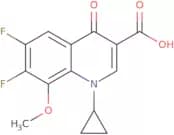
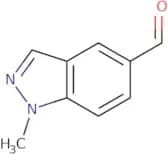
CAS:<p>Moxifloxacin is an analog of the antibiotic quinolone. It is a prodrug that is hydrolyzed in vivo to its active form, moxifloxacin. Moxifloxacin has been shown to be effective against a variety of bacteria, including methicillin-resistant Staphylococcus aureus (MRSA), Mycobacterium tuberculosis and Mycobacterium avium complex. The reaction yield for the synthesis of moxifloxacin is very high, with an industrial production capacity in excess of 500 tons per year. Impurities are not usually found in the final product due to the use of methyl alcohol as a solvent during the reaction process. The drug has discoloring properties and deuterium atoms are often substituted for hydrogen atoms on the molecule to make it more stable. Deuterium atoms can be easily identified by mass spectrometry analysis. Moxifloxac</p>Formula:C14H11F2NO4Purezza:Min. 95%Colore e forma:PowderPeso molecolare:295.24 g/mol1-Methyl-1H-indazole-5-carbaldehyde
CAS:<p>1-Methyl-1H-indazole-5-carbaldehyde is a selective inhibitor of the enzyme lysine acetyltransferase (KAT). KAT inhibitors are a new class of compounds that have been shown to be effective in inhibiting the growth of acute myeloid leukaemia cells, with little effect on other cells. 1-Methyl-1H-indazole-5-carbaldehyde has potent inhibitory activity against human myeloid leukemia cells and does not affect the viability of normal human erythrocytes or peripheral blood mononuclear cells. This compound is reversible, meaning it can be turned off when it is no longer needed. 1-Methyl-1H-indazole-5-carbaldehyde has also been shown to inhibit maoA and thymidine phosphorylase in vitro.</p>Formula:C9H8N2OPurezza:Min. 95%Colore e forma:PowderPeso molecolare:160.17 g/mol2,2,4-Trimethyl-1,2-dihydroquinolin-6-ol
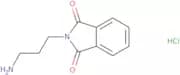
CAS:<p>2,2,4-Trimethyl-1,2-dihydroquinolin-6-ol (TQ) is a naturally occurring phenolic compound that has been shown to inhibit lipid peroxidation in animal and human cells. TQ is an antioxidant that protects against oxidative damage by scavenging free radicals. This compound can act as a nitroxyl radical trap and inhibits the dimerization of quinones and other reactive oxygen species. TQ also has been found to have anti-inflammatory effects, which may be due to its ability to reduce the production of inflammatory cytokines.<br>A new study shows that TQ can inhibit the production of reactive oxygen species in quantum yields up to 10%. It is thought that this effect may be due to TQ’s ability to stabilize different forms of reduced glutathione.</p>Formula:C12H15NOPurezza:Min. 95%Colore e forma:PowderPeso molecolare:189.25 g/mol2-(3-Aminopropyl)isoindole-1,3(2H)-dione hydrochloride
CAS:<p>2-(3-Aminopropyl)isoindole-1,3(2H)-dione hydrochloride is a versatile building block and useful intermediate. It has been used as a reagent in organic synthesis, and also as a reaction component for the preparation of high quality research chemicals. 2-(3-Aminopropyl)isoindole-1,3(2H)-dione hydrochloride is an important building block for complex compounds with potential uses in medical research or as speciality chemicals. It can be used to prepare fine chemicals such as pharmaceuticals, agrochemicals, or dyes.</p>Formula:C11H12N2O2·HClPurezza:Min. 95%Colore e forma:White PowderPeso molecolare:240.69 g/mol6'-Dehydromarmin
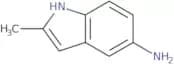
CAS:<p>6'-Dehydromarmin is a natural product, classified as a coumarin derivative, which is primarily sourced from certain plant species, notably within the Rutaceae family. This compound arises through the biochemical transformation of secondary metabolites in plants, typically involving oxidation processes that occur under specific enzymatic conditions.</p>Formula:C19H22O5Purezza:Min. 95%Peso molecolare:330.37 g/mol5-Amino-2-methylindole
CAS:<p>5-Amino-2-methylindole is a hyaluronic acid inhibitor that has been shown to have an inhibitory effect on the growth of some bacteria. It inhibits the synthesis of bacterial enzymes and growth factors, which are required for bacterial cell division. 5-Amino-2-methylindole also inhibits the production of a number of important enzymes in bacteria, including benzofuran derivatives, as well as p. aeruginosa. This drug is used as a topical treatment in cases where there is tissue damage or inflammation. 5-Amino-2-methylindole has been shown to be effective against gram positive bacteria such as Streptococcus pyogenes and Enterococcus faecalis, but not against gram negative bacteria such as Pseudomonas aeruginosa or Escherichia coli.</p>Formula:C9H10N2Purezza:Min. 95%Colore e forma:Yellow To Dark Brown SolidPeso molecolare:146.19 g/mol(1R,3S,5S)-3-(3-Isopropyl-5-methyl-4H-1,2,4-triazol-4-yl)-8-azabicyclo[3.2.1]octane
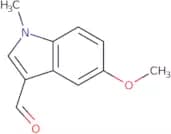
CAS:<p>(1R,3S,5S)-3-(3-Isopropyl-5-methyl-4H-1,2,4-triazol-4-yl)-8-azabicyclo[3.2.1]octane is a versatile building block that can be used in the synthesis of complex compounds. It is a reagent and speciality chemical with applications in research or as a useful intermediate in the synthesis of other chemicals. (1R,3S,5S)-3-(3-Isopropyl-5-methyl-4H-1,2,4-triazol-4-yl)-8-azabicyclo[3.2.1]octane is also a useful scaffold for the synthesis of other compounds with specific properties such as high quality and usefulness as reaction components.</p>Formula:C13H22N4Purezza:Min. 95%Colore e forma:White PowderPeso molecolare:234.34 g/mol5-Methoxy-1-methyl-1H-indole-3-carbaldehyde
CAS:<p>5-Methoxy-1-methyl-1H-indole-3-carbaldehyde is a synthetic compound that has been shown to inhibit the growth of human tumour cells in vitro. This compound is a regioisomeric mixture of two enantiomers, with the (S) isomer being the more potent inhibitor. The (R) isomer was found to be less active against human tumour cells and may have an antimicrobial activity. 5-Methoxy-1-methyl-1H-indole-3-carbaldehyde has been shown to be bioreductive towards electron donors such as NADPH and glutathione. It also inhibits dt diaphorase and aerobic metabolism in human tumour cells.</p>Formula:C11H11NO2Purezza:Min. 95%Colore e forma:Off-White PowderPeso molecolare:189.21 g/mol2-Methyl-5-nitroimidazole-1-propanol
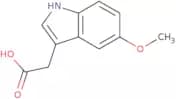
CAS:<p>2-Methyl-5-nitroimidazole-1-propanol (2MI) is a matrix effect correction reagent that can be used to reconstitute the original concentrations of drugs in plasma and urine samples. It is also used for sample preparation, validation and quality control. 2MI has been shown to bind with cervical cancer cells, which may be due to its ability to bind with drug receptors on the surface of these cells. A liquid chromatography-mass spectrometry (LC-MS/MS) method was developed to measure 2MI in plasma and urine samples. The method was validated using test samples and showed good agreement with the target concentration.</p>Formula:C7H11N3O3Purezza:Min. 95%Colore e forma:PowderPeso molecolare:185.18 g/mol5-Methoxyindole-3-acetic acid
CAS:5-Methoxyindole-3-acetic acid (5MI) is an endogenous indole and metabolite of melatonin that is found in high concentrations in the human serum. 5MI has been shown to inhibit the activity of cyclase enzymes and may be a specific inhibitor of the type I form of estrone sulfate, which is involved in estrogen production. This agent also inhibits matrix metalloproteinases and aminotransferases, which are enzymes that play a role in oxidative injury. 5MI also has a fluorescent derivative that can be used as a probe for biological samples or to study the target enzyme.Formula:C11H11NO3Purezza:Min. 97.5 Area-%Colore e forma:PowderPeso molecolare:205.21 g/mol3-(2-Chlorophenyl)-2-phenyl-3H-indole
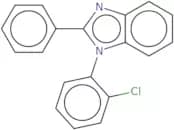
CAS:3-(2-Chlorophenyl)-2-phenyl-3H-indole is a versatile building block that can be used as a precursor in the synthesis of a wide range of complex compounds. 3-(2-Chlorophenyl)-2-phenyl-3H-indole has been shown to be an effective reagent for the synthesis of heterocycles and useful for the preparation of diverse speciality chemicals. 3-(2-Chlorophenyl)-2-phenyl-3H-indole is also an important intermediate in the synthesis of pharmaceuticals, agrochemicals, dyes, and perfumes. It is also a useful scaffold for organic chemistry reactions and can serve as a reaction component because it contains two reactive groups.Formula:C19H13ClN2Purezza:Min. 95%Peso molecolare:304.77 g/molXanthotoxol
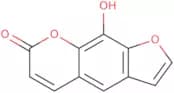
CAS:<p>Xanthotoxol is a naturally occurring furanocoumarin, which is derived from various plant species, primarily within the Apiaceae family. This compound exhibits its biological activity through several mechanisms, including the inhibition of enzyme pathways, modulation of signaling pathways, and interaction with cellular proteins, impacting various physiological processes.</p>Formula:C11H6O4Purezza:Min. 95%Colore e forma:Brown PowderPeso molecolare:202.16 g/mol2-But-3-yn-1-yl-1H-isoindole-1,3(2H)-dione
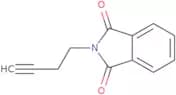
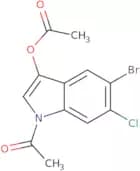
CAS:<p>2-But-3-yn-1-yl-1H-isoindole-1,3(2H)-dione is a heterobicyclic compound that has antiviral properties. It is an inhibitor of the viral enzyme RNA polymerase and can be used to treat viral infections such as HIV, influenza, or herpes. 2-But-3-yn-1yl-1H-isoindole 1,3(2H)-dione has been shown to be effective in vitro against HIV and influenza viruses. It also inhibits the replication of other viruses by binding to their RNA polymerase enzymes. This drug is fluorescent and can emit light when excited with a laser or UV light. 2B3YNIDIO has been shown to fluoresce at 477 nm when irradiated with blue light.</p>Formula:C12H9NO2Purezza:Min. 95%Colore e forma:White PowderPeso molecolare:199.21 g/mol5-Bromo-6-chloroindolyl 1,3-diacetate
CAS:5-Bromo-6-chloroindolyl 1,3-diacetate is a versatile building block that can be used in the synthesis of complex compounds. It is a useful intermediate for the synthesis of speciality chemicals with high quality. 5-Bromo-6-chloroindolyl 1,3-diacetate is a reagent and reaction component for research chemicals with CAS No. 108847-96-7. It has a variety of applications in the manufacture of fine chemicals and pharmaceuticals, as well as being a useful scaffold for the production of new compounds.Formula:C12H9BrClNO3Purezza:Min. 95%Colore e forma:Off-White PowderPeso molecolare:330.57 g/mol4,4'-Bis(methoxycarbonyl)-2,2'-bipyridine
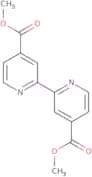
CAS:<p>4,4'-Bis(methoxycarbonyl)-2,2'-bipyridine is a ligand that can be used in cross-coupling reactions. It has been shown to bind to metal ions and form complexes with the ligands. 4,4'-Bis(methoxycarbonyl)-2,2'-bipyridine has a constant value for maximizing the yield of the reaction and is luminescent. This product also has photophysical properties that allow it to be utilized in voltammetry studies. The transfer of this product can be optimized by using chromophores or catalysis. 4,4'-Bis(methoxycarbonyl)-2,2'-bipyridine provides a means for cross-coupling reactions using electrochemical studies and dichroism.</p>Formula:C14H12N2O4Purezza:Min. 95%Colore e forma:PowderPeso molecolare:272.26 g/mol1-Isoquinolin-1-ylmethanamine dihydrochloride
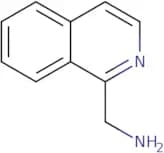
CAS:1-Isoquinolin-1-ylmethanamine dihydrochloride is a versatile building block that can be used for the synthesis of a wide variety of compounds. It is a reagent and speciality chemical, as well as an intermediate or reaction component in the production of pharmaceuticals, agrochemicals, plastics, dyes and other chemicals. 1-Isoquinolin-1-ylmethanamine dihydrochloride has been shown to have high purity and quality.Formula:C10H10N2·2HClPurezza:Min. 95%Colore e forma:Light Blue SolidPeso molecolare:231.12 g/mol5,6-Diaminobenzimidazole dihydrochloride
CAS:Please enquire for more information about 5,6-Diaminobenzimidazole dihydrochloride including the price, delivery time and more detailed product information at the technical inquiry form on this pageFormula:C7H10Cl2N4Purezza:Min. 95%Colore e forma:Off-white to pale brown solid.Peso molecolare:221.09 g/mol5-(1,3-Benzodioxol-5-yl)-4,5-dihydro-1,3-diphenylpyrazole
CAS:<p>5-(1,3-Benzodioxol-5-yl)-4,5-dihydro-1,3-diphenylpyrazole is a chemical compound with the molecular formula C12H10O4. It is an aromatic compound that is used as a reagent and research chemical. This chemical is soluble in ethanol and ether, but insoluble in water. 5-(1,3-Benzodioxol-5-yl)-4,5-dihydro-1,3-diphenylpyrazole has been used as a building block for other organic compounds. It can be synthesized from benzaldehyde and phenylhydrazine by the method of condensation reaction.</p>Formula:C17H14N2O2Purezza:Min. 95%Colore e forma:White to pale yellow solid.Peso molecolare:278.31 g/mol2-Boc-6-hydroxy-1,2,3,4-tetrahydroisoquinoline-1-carboxylic acid
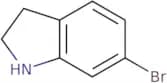
CAS:<p>2-Boc-6-hydroxy-1,2,3,4-tetrahydroisoquinoline-1-carboxylic acid is a useful scaffold with a high quality. It can be used as a building block in the synthesis of complex compounds and fine chemicals. 2-Boc-6-hydroxy-1,2,3,4-tetrahydroisoquinoline-1-carboxylic acid is also a useful intermediate and reagent in organic synthesis. This compound has CAS number 362492-00-0.</p>Formula:C15H19NO5Purezza:Min. 95%Colore e forma:PowderPeso molecolare:293.32 g/mol6-Bromo-2,3-dihydro-1H-indole
CAS:<p>6-Bromo-2,3-dihydro-1H-indole is a natural product that has been shown to inhibit cancer cell growth in vitro. In the presence of 6-bromoindole, cells are unable to proliferate and undergo apoptosis. This compound also shows anti-cancer activity against human leukemia cells. The mechanism of action for this molecule is not yet known but may be related to its ability to activate the caspase enzyme family or its ability to bind to DNA. 6-Bromoindole has been shown to have anti-inflammatory properties through inhibition of prostaglandin synthesis in animal models.</p>Formula:C8H8BrNPurezza:Min. 95%Colore e forma:Off-White PowderPeso molecolare:198.06 g/mol1-Phenyl-3-oxabicyclo[3.1.0]hexan-2-one
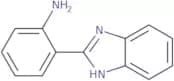
CAS:<p>1-Phenyl-3-oxabicyclo[3.1.0]hexan-2-one (1POX) is a monomer that belongs to the class of cyclopropane compounds and can be used in the synthesis of polymers. It has been shown to react with benzene, irradiation, monoxide, oxiranyl, acetonitrile and trimeric dyes to form reactive intermediates such as ketones and carboxylic acids. These intermediates can undergo photolysis to produce products such as ketones and carboxylic acids. The wavelength of the light used for photolysis can influence the product formation. 1POX is also a substrate for cyclopropane ring formation reactions, which are known for their high reactivity due to the stability of this ring system. The carbonyl group on 1POX is electron withdrawing and stabilizes the planar geometry of 1POX.</p>Formula:C11H10O2Purezza:Min. 95%Colore e forma:PowderPeso molecolare:174.2 g/mol2-(2-Aminophenyl)benzimidazole
CAS:<p>2-(2-Aminophenyl)benzimidazole is a synthetic compound with the chemical formula C8H6N2. It has an intramolecular hydrogen bond and reacts with salicylaldehyde to form 2-aminobenzimidazole, which is a reaction product. 2-(2-Aminophenyl)benzimidazole may be used as an antimicrobial agent, but it also has other uses such as a reagent in organic synthesis. It is soluble in water and can be obtained through liquid chromatography.</p>Formula:C13H11N3Purezza:Min. 95%Colore e forma:Off-White PowderPeso molecolare:209.25 g/mol7-Aminoquinoline
CAS:7-Aminoquinoline is a nucleophilic compound that is involved in the catalysis of bond cleavage. It has been shown to react with organic molecules and produce an oxygenative interaction. 7-Aminoquinoline has been shown to produce anti-inflammatory properties by inhibiting prostaglandin synthesis, which occurs through the inhibition of cyclooxygenase activity.Formula:C9H8N2Purezza:Min. 95%Colore e forma:Yellow PowderPeso molecolare:144.17 g/mol1-Methyl-N-(9-methyl-9-azabicyclo[3.3.1]non-3-yl)-indazole-3-carboxamide
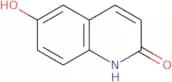
CAS:Prodotto controllato1-Methyl-N-(9-methyl-9-azabicyclo[3.3.1]non-3-yl)-indazole-3-carboxamide is a chemical inhibitor of the 5HT2 receptor, which is responsible for regulating nausea and vomiting. It has been shown to have antiemetic properties, and can be used in chemotherapy to control nausea and vomiting. The 5HT2 receptor is coupled to Gs proteins and inhibits adenylyl cyclase activity, while 1MMAI binds to the 5HT2A receptor and blocks serotonin from binding. This prevents serotonin from activating Gq protein receptors, which are involved in the generation of intracellular calcium concentrations that lead to neurotransmitter release. 1MMAI also inhibits the activation of phospholipase C by serotonin, resulting in decreased levels of diacylglycerol (DAG) and inositol triphosphate (IP3). These changes inhibit plateFormula:C18H24N4OPurezza:Min. 95%Colore e forma:White Off-White PowderPeso molecolare:312.41 g/mol6-Hydroxyquinoline-(1H)-2-one
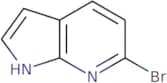
CAS:<p>6-Hydroxyquinoline-(1H)-2-one is an organic compound that has been shown to inhibit the uptake of carbostyril by bacterial cells. This inhibition causes increased uptake of xanthurenic acid and anthranilic acid, which are two compounds that are found in wastewater treatment. 6-Hydroxyquinoline-(1H)-2-one may be a potential anticancer agent, as it inhibits the growth of astroglia cells and bladder cancer cells. It also reacts with acylation reactions to form quinolinic acid, which has been shown to have anticancer effects.</p>Formula:C9H7NO2Purezza:Min. 95%Colore e forma:White SolidPeso molecolare:161.16 g/mol6-Bromo-7-azaindole
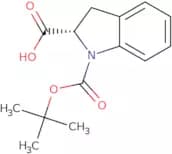
CAS:<p>6-Bromo-7-azaindole is a homologous molecule. It is an electron deficient compound with a piperidine moiety at the 6 position and a nitrogen atom at the 7 position. The nitrogen atom substitutes for an oxygen atom, making this molecule reactive. The electron deficient nature of this molecule makes it suitable for use in transistors and other physicochemical devices. 6-Bromo-7-azaindole has been shown to be effective against carcinoma cells in vitro, as well as to inhibit tumor growth in vivo. This drug also causes homologous recombination by interacting with DNA in mammalian cells. 6-Bromo-7-azaindole binds to DNA, forming a covalent bond with the guanine base of DNA through the nitrogen atom, which is electron deficient.</p>Formula:C7H5BrN2Purezza:Min. 95%Colore e forma:Off-White To Beige To Yellow SolidPeso molecolare:197.03 g/molBoc-L-indoline-2-carboxylic acid
CAS:<p>Boc-L-indoline-2-carboxylic acid is a high quality, versatile building block that can be used as a reagent or intermediate in organic synthesis. It is used as a research chemical and has potential applications in the development of new drugs. Boc-L-indoline-2-carboxylic acid is a complex compound that reacts with nucleophiles to form valuable products. It also has the ability to bind to metal ions such as copper, zinc, and nickel. This product can be used in reactions involving amines, alcohols, amides, phenols, carboxylic acids, sulfonic acids, and other compounds.</p>Formula:C14H17NO4Purezza:Min. 95%Colore e forma:White PowderPeso molecolare:263.29 g/mol2,2'-Bipyridine-6-carboxylic acid
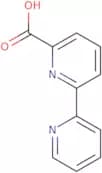
CAS:<p>2,2'-Bipyridine-6-carboxylic acid is a reagent that is used in organic synthesis as a reaction component and building block for the synthesis of heterocyclic compounds. 2,2'-Bipyridine-6-carboxylic acid is also used as a precursor to produce other compounds. 2,2'-Bipyridine-6-carboxylic acid has been shown to be useful in the synthesis of complex compounds with diverse structures, making it a versatile building block. It can also be used as an intermediate in the synthesis of various drugs and speciality chemicals.</p>Formula:C11H8N2O2Purezza:Min. 95%Colore e forma:Off-White PowderPeso molecolare:200.19 g/mol1,1'-Di-n-octyl-4,4'-bipyridinium Dibromide
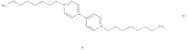
CAS:1,1'-Di-n-octyl-4,4'-bipyridinium Dibromide is a bifunctional organometallic compound. It is used as a catalyst in the reduction of nitro groups or other electron-deficient centers and in the transfer process with azides. This chemical has shown selectivity for aliphatic substrates over aromatic ones. The catalytic activity of 1,1'-Di-n-octyl-4,4'-bipyridinium Dibromide can be enhanced by replacing the hydrogen atom on the nitrogen atom with an alkene group. 1,1'-Di-n-octyl-4,4'-bipyridinium Dibromide is also a radical cation that can be reduced by electron donors to form radicals.Formula:C26H42Br2N2Purezza:Min. 95%Colore e forma:Slightly Yellow PowderPeso molecolare:542.43 g/moltert-Butyl 3-bromo-1H-indole-1-carboxylate
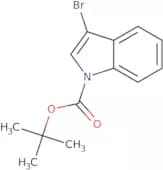
CAS:<p>Tert-Butyl 3-bromo-1H-indole-1-carboxylate is a versatile building block that can be used in the synthesis of complex compounds. It is a useful reagent and speciality chemical, as well as a useful intermediate in the production of research chemicals. Tert-Butyl 3-bromo-1H-indole-1-carboxylate has been found to be a useful scaffold for drug design and development, with potential applications in cancer treatment.</p>Formula:C13H14BrNO2Purezza:Min. 95%Colore e forma:White To Off-White SolidPeso molecolare:296.16 g/mol6-Iodoisatin
CAS:<p>6-Iodoisatin is a potential anticancer agent that has been shown to inhibit the growth of murine melanoma cells in vitro. The mechanism of action is not yet fully understood, but it seems that 6-iodoisatin may inhibit the synthesis of melanin and its cross-coupling reaction. This compound also exhibits affinity for tumour cells and can be radiolabeled with a radionuclide such as iodine-131 (I) or iodine-123 (I). 6-Iodoisatin has been shown to have a high biodistribution profile in mice. It accumulates in melanoma tumours at an amount that is ten times higher than that observed in other tissues.</p>Formula:C8H4INO2Purezza:Min. 95%Colore e forma:Orange PowderPeso molecolare:273.03 g/mol5-Methoxy-3-(1,2,5,6-tetrahydro-4-pyridinyl)-1H-indole hemisuccinate
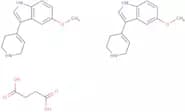
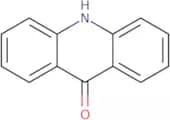
CAS:<p>5-Methoxy-3-(1,2,5,6-tetrahydro-4-pyridinyl)-1H-indole hemisuccinate is a serotonin receptor agonist that has been shown to stimulate the 5HT1A receptor. It stimulates insulin secretion and glucose uptake in rats and inhibits feeding behavior in mice. It has also been shown to have antihypertensive effects on rats by blocking the 5HT2 receptors. In addition, it stimulates regeneration of injured nerve cells. This drug has potential uses as a treatment for neurological diseases such as Parkinson's disease and depression.</p>Formula:C14H16N2O•(C4H6O4)0Purezza:Min. 95%Colore e forma:Yellow solid.Peso molecolare:287.33 g/molAcridone
CAS:<p>Acridone is a potent antimicrobial agent that inhibits bacteria by binding to the duplex DNA. Acridone has been shown to have inhibitory properties against wastewater treatment, which may be due to its ability to bind with the bacterial dna and inhibit the replication of bacterial cells. Acridone also has genotoxic activity, as it has been shown to react with nuclei in carcinoma cell lines and cause DNA strand breakage. Acridone is a fluorescent probe that can be used for electrochemical impedance spectroscopy (EIS). It binds to the complementary sequence of double-stranded DNA and causes an increase in the impedance of a solution when exposed to an electric current. This property can be used for analytical methods such as gel electrophoresis or chromatography.</p>Formula:C13H9NOPurezza:Min. 95%Colore e forma:PowderPeso molecolare:195.22 g/mol6-(4,4,5,5-Tetramethyl-[1,3,2]dioxaborolan-2-yl)-isoquinoline
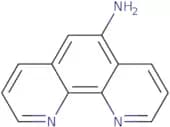
CAS:<p>6-(4,4,5,5-Tetramethyl-[1,3,2]dioxaborolan-2-yl)-isoquinoline is a versatile building block for the synthesis of complex compounds. This product is a reagent that can be used in organic synthesis as a reaction component or as a reagent to form new compounds. 6-(4,4,5,5-Tetramethyl-[1,3,2]dioxaborolan-2-yl)-isoquinoline has shown high quality in research and is useful for the synthesis of fine chemicals and speciality chemicals.</p>Formula:C15H18BNO2Purezza:Min. 95%Colore e forma:White To Beige SolidPeso molecolare:255.12 g/mol(1,10)Phenanthrolin-5-ylamine
CAS:<p>(1,10)Phenanthrolin-5-ylamine is a sample preparation reagent that has been used in the production of polymers with redox potentials below 0.2 V. This compound is also an antimicrobial agent that has shown to be effective against bacteria and fungi. The detection sensitivity of (1,10)phenanthrolin-5-ylamine is high, making it suitable for use in human serum samples. It can be protonated by a base such as sodium hydroxide or ammonia to form its cationic form, which can then react with nucleophiles such as thiols and amines to produce an alkylating agent. It has been used in the synthesis of l1210 murine leukemia cells and has been observed to have photophysical properties that are sensitive to neutral pH levels. <br>(1,10)Phenanthrolin-5-ylamine can be used for process optimization</p>Formula:C12H9N3Purezza:Min. 95%Colore e forma:Off-White PowderPeso molecolare:195.22 g/mol6-Bromo-2-(4-bromophenyl)-indole
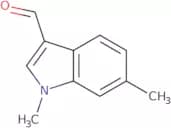
CAS:<p>6-Bromo-2-(4-bromophenyl)-indole is a fine chemical with CAS No. 28718-96-9 that can be used as a versatile building block for the synthesis of complex compounds, useful scaffold for research chemicals, and reaction component for speciality chemicals. This compound has high quality and is a reagent in the synthesis of other compounds.</p>Formula:C14H9Br2NPurezza:Min. 95%Colore e forma:Off white to pale yellow powder.Peso molecolare:351.04 g/mol1,6-Dimethyl-1H-indole-3-carbaldehyde
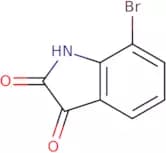
CAS:<p>1,6-Dimethyl-1H-indole-3-carbaldehyde is a compound that can be used in the synthesis of many organic and pharmaceutical compounds. It is also an intermediate for the production of other chemicals. 1,6-Dimethyl-1H-indole-3-carboxylic acid has been shown to be useful as a building block in organic synthesis, due to its versatility and reactivity. The compound is also a reagent and can be used as part of research studies. This chemical has CAS number 202584-14-3.</p>Formula:C11H11NOPurezza:Min. 95%Colore e forma:PowderPeso molecolare:173.21 g/mol7-Bromo-2,3-dioxoindoline
CAS:<p>7-Bromo-2,3-dioxoindoline is a synthetic compound with a vibrational frequency of 249.2 cm−1. It is an inhibitor of the enzyme synthetase and has been shown to have an inhibitory effect on cancer cell viability in vitro. 7-Bromo-2,3-dioxoindoline inhibits the production of cancerous cells by interfering with their ability to synthesize DNA, which is necessary for cell division. This inhibition may be due to its ability to form intermolecular hydrogen bonding interactions with the amine group on the enzyme synthetase. 7-Bromo-2,3-dioxoindoline has also been shown to block the synthesis of 5-chloroisatin, one of its reaction products. The bioassay was carried out by measuring the amount of granulosa cells that were able to produce estrogen after treatment with this compound.</p>Formula:C8H4BrNO2Purezza:Min. 98 Area-%Colore e forma:PowderPeso molecolare:226.03 g/mol6-Fluoroindole-3-acetic acid
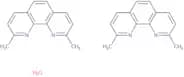
CAS:<p>6-Fluoroindole-3-acetic acid is a molecule that has been synthesized by the reaction of 6-fluoroindole with acetic anhydride. When mixed with acetonitrile, the fluorescence of 6-fluoroindole-3-acetic acid can be seen in the solution. The fluorescence intensity is proportional to the concentration of this molecule. 6-Fluoroindole-3-acetic acid is used as a template molecule for fluorescence labeling experiments. It interacts with hormones and can be used to identify their conformations and interactions. This compound has been shown to have anticancer properties in mice, and it may also be effective against cancer cells in humans. It has also been shown to inhibit the growth of pisum sativum (pea).</p>Formula:C10H8FNO2Purezza:Min. 95%Colore e forma:PowderPeso molecolare:193.17 g/mol2,9-Dimethyl-1,10-phenanthroline hemihydrate
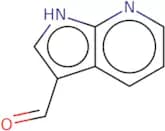
CAS:<p>Chelating agent used to detect aqueous copper ions by electrochemiluminescence</p>Formula:C14H12N2•(H2O)0Purezza:Min. 95%Colore e forma:PowderPeso molecolare:217.27 g/mol7-Azaindole-3-carboxaldehyde
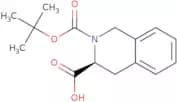
CAS:<p>7-Azaindole-3-carboxaldehyde is a molecule that belongs to the class of indoles. It has been shown to have cytotoxic activity in vitro against cancer cells and isomers have been identified. 7-Azaindole-3-carboxaldehyde has been investigated for its ability to bind to CB2 receptors, which are located on the surface of immune cells, and may be used as a lead compound for the development of novel anti-cancer drugs. 7-Azaindole-3-carboxaldehyde also binds to chloride ions, which may be important in understanding how it interacts with other compounds or proteins.</p>Formula:C8H6N2OPurezza:Min. 95%Colore e forma:PowderPeso molecolare:146.15 g/molBoc-(3S)-1,2,3,4-Tetrahydroisoquinoline-3-carboxylic acid
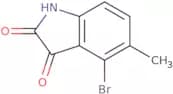
CAS:<p>Boc-(3S)-1,2,3,4-Tetrahydroisoquinoline-3-carboxylic acid is an amino acid that has the δ-opioid receptor antagonist activity. It can be synthesized by a stepwise synthesis with an asymmetric center. The δ-opioid receptor antagonist activity of Boc-(3S)-1,2,3,4-Tetrahydroisoquinoline-3-carboxylic acid was found to be comparable to naloxone in terms of affinity constants and functional groups.</p>Formula:C15H19NO4Purezza:Min. 95%Colore e forma:SolidPeso molecolare:277.32 g/mol4-Bromo-5-methyl-1H-indole-2,3-dione
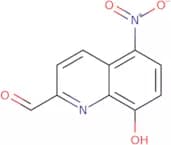
CAS:<p>4-Bromo-5-methyl-1H-indole-2,3-dione is a synthetic molecule that has been shown to have neuroprotective effects. It inhibits the production of proinflammatory cytokines, such as tnf-α and il-6, by binding to survivin. 4Bromo-5 methyl 1Hindole 2,3 dione also binds to the viral capsid protein and blocks virus infection. This compound has been shown to inhibit viral replication in vitro as well as provide protection against alphavirus infection in mice.</p>Formula:C9H6BrNO2Purezza:Min. 95%Peso molecolare:240.05 g/mol8-Hydroxy-5-nitroquinoline-2-carbaldehyde
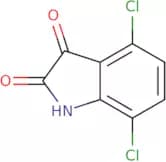
CAS:8-Hydroxy-5-nitroquinoline-2-carbaldehyde is a high quality, versatile building block that can be used as a reaction intermediate or to synthesize heterocycles. It is also a useful scaffold for the synthesis of complex compounds. The CAS number of this chemical is 884497-63-6.Formula:C10H6N2O4Purezza:Min. 95%Colore e forma:PowderPeso molecolare:218.17 g/mol4,7-Dichloroisatin
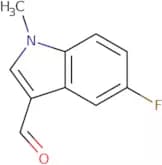
CAS:<p>4,7-Dichloroisatin is an organic compound that is synthesized by ring-opening of oxindole. It is a bifunctional molecule that can be used for the synthesis of other organic compounds. 4,7-Dichloroisatin has been found to be an efficient method for the synthesis of thiazolidinedione derivatives and can be used as a control experiment for this type of reaction. The mechanism for the reaction includes nitroaldol addition to the C=O group, followed by nucleophilic attack on the carbonyl group to form a tetrahedral intermediate. The intermediate then collapses to form a new C=N bond and release acetonitrile.</p>Formula:C8H3Cl2NO2Purezza:Min. 95%Colore e forma:SolidPeso molecolare:216.02 g/mol5-Fluoro-1-Methyl-1H-Indole-3-Carbaldehyde
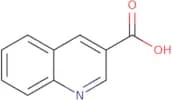
CAS:<p>5-Fluoro-1-Methyl-1H-Indole-3-Carbaldehyde is a high quality chemical that is used as a reagent, an intermediate for the synthesis of pharmaceuticals, and in the production of fine chemicals. 5FMICA is also a useful scaffold for developing valuable building blocks. This chemical has been shown to be a versatile building block for the synthesis of complex compounds. 5FMICA can be used as a reaction component for the preparation of speciality chemicals and research chemicals.</p>Formula:C10H8FNOPurezza:Min. 95%Colore e forma:PowderPeso molecolare:177.18 g/mol3-Quinolinecarboxylic acid
CAS:<p>3-Quinolinecarboxylic acid is a water-soluble drug that is soluble in both organic solvents and water. It is reactive, which limits its therapeutic use. 3-Quinolinecarboxylic acid is used to treat inflammatory disease by inhibiting the production of prostaglandins and leukotrienes in the body. 3-Quinolinecarboxylic acid has been shown to have genotoxic effects on primary cells, as well as an antiinflammatory effect. It also has been shown to be effective for treating rheumatoid arthritis in animal models, but not humans.</p>Formula:C10H7NO2Purezza:Min. 95%Colore e forma:PowderPeso molecolare:173.17 g/mol(S,S,S)-2-Azabicyclo[3.3.0]octane-3-carboxylic acid benzyl ester hydrochloride
CAS:<p>(S,S,S)-2-Azabicyclo[3.3.0]octane-3-carboxylic acid benzyl ester hydrochloride is a research chemical that can be used as a reaction component or reagent in organic synthesis. This compound is also useful in the construction of complex compounds and fine chemicals with applications including drug discovery, pharmaceuticals, agrochemicals, and polymer chemistry.</p>Formula:C15H20ClNO2Purezza:Min. 95 Area-%Colore e forma:White Off-White PowderPeso molecolare:281.78 g/mol2,4-Dichloroquinoline
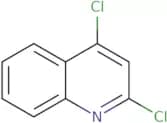
CAS:<p>2,4-Dichloroquinoline is a chlorinated heterocyclic chemical compound. This drug is used as a monosubstituted palladium complex in organic synthesis. It can be obtained by refluxing 2,4-dichloroquinoline with hydrochloric acid, phosphorus oxychloride, and a terminal alkene in the presence of an excess of dichloromethane. The resulting chloroquine can be converted to the corresponding dichloroquinolines by treatment with acetonitrile in the presence of malonic acid. The final step is the demethylation of the quinoline ring using sodium methoxide in methanol. 2,4-Dichloroquinoline has been shown to exhibit antibacterial activity against gram-negative organisms such as Escherichia coli and Pseudomonas aeruginosa. Magnetic resonance analysis (NMR) has also been used to study its properties.</p>Formula:C9H5Cl2NPurezza:Min. 95%Colore e forma:SolidPeso molecolare:198.05 g/mol2,2'-Bipyridine-6,6'-(1H,1'H)dione
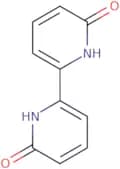
CAS:2,2'-Bipyridine-6,6'-(1H,1'H)dione is a high-quality compound that is used as a reagent to provide a variety of useful compounds. This compound can be used as a building block for various chemical syntheses or as a component in many reactions. It is also a versatile building block and can be used in the synthesis of other compounds. 2,2'-Bipyridine-6,6'-(1H,1'H)dione has been shown to be an effective intermediate for organic synthesis.Formula:C10H8N2O2Purezza:Min. 95%Colore e forma:Off-White To Light Brown SolidPeso molecolare:188.18 g/mol7-Deaza-6-hydroxypurine
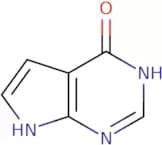
CAS:<p>7-Deaza-6-hydroxypurine is a skeleton of nucleosides that inhibits enzymes. It has been shown to inhibit the activity of hydrochloric acid, a tumor metastasis promoter. The constant for this drug was determined using molecular modeling and inhibition constants. 7-Deaza-6-hydroxypurine has anticancer activity and can be used for the treatment of cancer. This drug is used as a noncompetitive inhibitor in which it binds to two different sites on the enzyme. It has also been shown to bind to subunits, which are parts of a protein that make up its structure, in biological studies.br><br>7-Deaza-6-hydroxypurine is an inhibitor that binds to two different sites on an enzyme. It has been shown to have anticancer activity and can be used for the treatment of cancer. This drug is used as a noncompetitive inhibitor in which it binds to two different sites on the enzyme. It</p>Formula:C6H5N3OPurezza:Min. 95%Colore e forma:PowderPeso molecolare:135.12 g/mol5-Chloroindole-3-acetonitrile
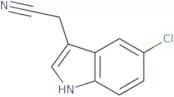
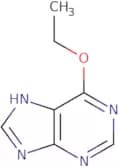
CAS:5-Chloroindole-3-acetonitrile is a chemical compound that can be used as a reaction component, reagent, or useful scaffold in the synthesis of complex compounds. 5-Chloroindole-3-acetonitrile is also a fine chemical with many uses as a high quality research chemical and versatile building block. It is commercially available from various suppliers and its CAS number is 81630-83-3.Formula:C10H7ClN2Purezza:Min. 95%Colore e forma:Yellow PowderPeso molecolare:190.63 g/mol6-Ethoxypurine
CAS:6-Ethoxypurine is a nucleoside analog that inhibits the enzyme ribonucleotide reductase, which converts ribonucleotides to deoxyribonucleotides. It is used in cell culture to measure the effects of radiation and hydrochloric acid on the production of ATP. 6-Ethoxypurine has been shown to inhibit influenza virus replication with an IC50 of 10 μM. This compound has reactive hydroxyl groups that allow it to participate in hydrogen bonding, which can be beneficial for interactions with other molecules. 6-Ethoxypurine also exhibits nucleophilic properties, which allows it to react with other chemical species and can be useful for generating new chemical compounds.Formula:C7H8N4OPurezza:Min. 95%Colore e forma:PowderPeso molecolare:164.16 g/mol5,6-Dimethyl-1,10-phenanthroline
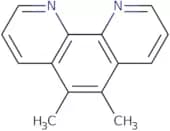
CAS:<p>5,6-Dimethyl-1,10-phenanthroline (DMPA) is a molecule with the chemical formula H2C8N4O2. It has been shown to have antioxidant and anticancer properties. DMPA binds to DNA to form an adduct that denatures the DNA. This prevents DNA from being transcribed into RNA, which prevents gene expression and cell division. The anticancer activity of DMPA may be due to its ability to increase oxidative dna damage in cancer cells, leading to apoptosis. DMPA has also been shown to bind redox potentials of metals such as copper, iron and nickel that are found in the environment or in cancer cells. This binding alters the electron transfer reactions involving these metals and leads to a change in the viscosity of the solution. The molecular modeling studies have shown that DMPA binds with nitrogen atoms in coordination geometry with oxygen atoms on two sites on one molecule (see Figure 1). This binding is characterized by</p>Formula:C14H12N2Purezza:Min. 95%Colore e forma:PowderPeso molecolare:208.26 g/mol4-Bromoisatin
CAS:<p>4-Bromoisatin is a synthetic compound that reversibly inhibits the activity of telomerase and has been shown to be effective against a broad range of bacterial species. It binds to the catalytic site on telomerase and prevents the synthesis of ribonucleotides, which are necessary for DNA replication. 4-Bromoisatin is synthesized by humans, but can also be found in plants such as coffee beans and black tea leaves. The antibacterial properties of 4-bromoisatin may be due to its ability to inhibit the biosynthesis of purine, an essential component in bacterial DNA synthesis.</p>Formula:C8H4BrNO2Purezza:Min. 95%Colore e forma:Orange PowderPeso molecolare:226.03 g/mol2,3-Dimethyl-1H-indole-5-carbaldehyde
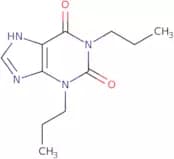
CAS:<p>2,3-Dimethyl-1H-indole-5-carbaldehyde is a high quality reagent that is used as a complex compound. It has been shown to be a useful intermediate and building block in the production of fine chemicals. 2,3-Dimethyl-1H-indole-5-carbaldehyde is also useful as a research chemical. This compound is versatile and can be used in reactions as an intermediate or building block. As a speciality chemical, it has various applications and is not limited to any specific area of research.</p>Formula:C11H11NOPurezza:Min. 95%Colore e forma:PowderPeso molecolare:173.21 g/mol1,3-Dipropylxanthine
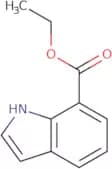
CAS:Prodotto controllato<p>1,3-Dipropylxanthine is a congener of caffeine. It is a nonselective adenosine receptor antagonist that binds to the adenosine receptors in the kidney. 1,3-Dipropylxanthine has been shown to increase renal blood flow and increase urine output. This drug may be used as a mobilisation agent for patients who are bedridden or have limited mobility. It should not be given to patients with heart disease or high blood pressure. 1,3-Dipropylxanthine has also been shown to inhibit the binding of pyrimido [1,2-a]benzimidazole (PPIM) and furyl derivatives to the adenosine receptor.</p>Formula:C11H16N4O2Purezza:Min. 95%Colore e forma:PowderPeso molecolare:236.27 g/molEthyl indole-7-carboxylate
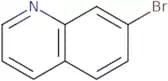
CAS:<p>Ethyl indole-7-carboxylate is a fine chemical that is used as a versatile building block for the synthesis of complex compounds. It can act as a research chemical, reagent, or specialty chemical. This compound has been used to prepare various useful intermediates and reaction components, such as 4-chloro-3-nitrobenzaldehyde and 3-(2,6-dimethoxyphenyl)acrylonitrile. The CAS number for ethyl indole-7-carboxylate is 205873-58-1.</p>Purezza:Min. 95%7-Bromoquinoline
CAS:<p>7-Bromoquinoline is a synthetic molecule that was first synthesized in the early 1980s. It is an analog of 7-bromoquinoline, which has been shown to have cytotoxic properties against cancer cells. The synthesis of 7-bromoquinoline involves a cross-coupling reaction with chloroacetonitrile and N-methylformamide. The nmr spectra for this compound are very similar to those for 7-bromoquinoine, but it lacks the secondary amine peak at δ 10.7 ppm. Primary culture cells were used to test the bioactivity of 7-bromoquinoline, and these cells were disrupted by adding trypsin after incubation with various concentrations of 7-bromoquinoline. This study showed that the quinoline derivatives had cytotoxic effects on cultured cells at low concentrations, suggesting that they may be useful as anticancer agents. Molecular modeling studies show that</p>Formula:C9H6BrNPurezza:Min. 95%Colore e forma:PowderPeso molecolare:208.05 g/mol5-Amino-6-(methylamino)quinoline
CAS:<p>5-Amino-6-(methylamino)quinoline is a molecule that inhibits the enzymatic activity of tyrosine phosphatases and has been shown to inhibit the growth of typhimurium ta98, which is resistant to quinoxaline. It has also been shown to be mutagenic in vitro. 5-Amino-6-(methylamino)quinoline has an imidazole ring and is synthesized from 2-methylbenzothiazole and N,N'-dimethylethylenediamine. The synthesis of this compound takes place in two steps with the first step being an oxidative cyclization followed by a reductive amination.</p>Formula:C10H11N3Purezza:Min. 95%Colore e forma:Green Brown To Brown SolidPeso molecolare:173.21 g/mol5-Methoxy-3(2-aminopropyl)indole hydrochloride
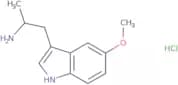
CAS:Prodotto controllato5-Methoxy-3(2-aminopropyl)indole hydrochloride is a useful reagent for the synthesis of complex compounds and a versatile building block for the preparation of speciality chemicals. It is used in the production of fine chemicals, such as reagents and intermediates. This compound also has potential use as a research chemical or as a reaction component in organic syntheses.Formula:C12H16N2O·HClPurezza:Min. 95%Peso molecolare:240.73 g/mol1-Methylindole-6-carboxylic acid
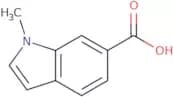
CAS:<p>1-Methylindole-6-carboxylic acid is a versatile building block that is used in the synthesis of more complex compounds. It can be used as a reagent, speciality chemical, and useful building block for pharmaceuticals and other research chemicals. 1-Methylindole-6-carboxylic acid has been shown to be an effective intermediate for the production of a number of different compounds. The compound can also act as a reaction component or scaffold for chemical reactions.</p>Formula:C10H9NO2Purezza:Min. 95%Colore e forma:PowderPeso molecolare:175.18 g/mol2-Bromoquinoline
CAS:<p>2-Bromoquinoline is an antimicrobial agent that binds to bacterial receptors. It is a bifunctional molecule with two reactive groups: a hydroxyl group and a nitrogen atom. 2-Bromoquinoline has been shown to inhibit the growth of various bacteria, including Mycobacterium tuberculosis, Staphylococcus epidermidis and Streptococcus pyogenes, by preventing the formation of a proton gradient across the bacterial membrane. 2-Bromoquinoline also inhibits hyperproliferative diseases such as amyloidosis in mice by binding to amyloid fibrils. This drug has been shown to cause DNA damage in mammalian cells, which may be due to its ability to form hydrogen bonds with methyl ethyl groups on DNA bases.</p>Formula:C9H6BrNPurezza:Min. 95%Colore e forma:White To Yellow To Pink SolidPeso molecolare:208.05 g/mol



![[2,3'-Bipyridin]-6'-amine](/_next/image/?url=https%3A%2Fstatic.cymitquimica.com%2Fproducts%2F3D%2Fthumb-webp%2FFB141123.webp&w=3840&q=75)



![1-Benzyl-3-[3-(dimethylamino)propoxy]-1H-indazole hydrochloride](/_next/image/?url=https%3A%2Fstatic.cymitquimica.com%2Fproducts%2F3D%2Fthumb-webp%2FFB18262.webp&w=3840&q=75)


![2,3,3-Trimethyl-3H-benzo[e]indole](/_next/image/?url=https%3A%2Fstatic.cymitquimica.com%2Fproducts%2F3D%2Fthumb-webp%2FFT29018.webp&w=3840&q=75)

![3-Methyl-2-hydroxy-3H-imidazo[4,5-f]quinoline](/_next/image/?url=https%3A%2Fstatic.cymitquimica.com%2Fproducts%2F3D%2Fthumb-webp%2FFM25639.webp&w=3840&q=75)





![(1R,3S,5S)-3-(3-Isopropyl-5-methyl-4H-1,2,4-triazol-4-yl)-8-azabicyclo[3.2.1]octane](/_next/image/?url=https%3A%2Fstatic.cymitquimica.com%2Fproducts%2F3D%2Fthumb-webp%2FFI21099.webp&w=3840&q=75)



![1-Phenyl-3-oxabicyclo[3.1.0]hexan-2-one](/_next/image/?url=https%3A%2Fstatic.cymitquimica.com%2Fproducts%2F3D%2Fthumb-webp%2FFP16068.webp&w=3840&q=75)

![1-Methyl-N-(9-methyl-9-azabicyclo[3.3.1]non-3-yl)-indazole-3-carboxamide](/_next/image/?url=https%3A%2Fstatic.cymitquimica.com%2Fproducts%2F3D%2Fthumb-webp%2FFM137557.webp&w=3840&q=75)

![6-(4,4,5,5-Tetramethyl-[1,3,2]dioxaborolan-2-yl)-isoquinoline](/_next/image/?url=https%3A%2Fstatic.cymitquimica.com%2Fproducts%2F3D%2Fthumb-webp%2FFT76191.webp&w=3840&q=75)


![(S,S,S)-2-Azabicyclo[3.3.0]octane-3-carboxylic acid benzyl ester hydrochloride](/_next/image/?url=https%3A%2Fstatic.cymitquimica.com%2Fproducts%2F3D%2Fthumb-webp%2FFA18053.webp&w=3840&q=75)