Composti policiclici
I composti policiclici sono molecole organiche che contengono più anelli interconnessi. Questi composti includono idrocarburi aromatici policiclici e altri sistemi ad anello complessi. Sono significativi nella scienza dei materiali, nei prodotti farmaceutici e nell'elettronica organica. Da CymitQuimica, offriamo composti policiclici di alta qualità per supportare le tue ricerche e applicazioni industriali, garantendo risultati affidabili ed efficaci nei tuoi progetti.
Sottocategorie di "Composti policiclici"
- Acridine(97 prodotti)
- Antrachinoni(533 prodotti)
- Acidi antrachinonici solfonici(16 prodotti)
- Azobenzeni(270 prodotti)
- Azonaftalene(98 prodotti)
- Azoxybenzeni(12 prodotti)
- Azuleni(11 prodotti)
- Benzimidazoli(1.475 prodotti)
- Benzodiossani(27 prodotti)
- Benzofurani(924 prodotti)
- Benzotiofeni(700 prodotti)
- Benzotriazoli(438 prodotti)
- Binaphthyl(133 prodotti)
- Carbazoli(462 prodotti)
- Cromani, cromeni(480 prodotti)
- Cumarine(1.122 prodotti)
- Ciclofani(11 prodotti)
- Fluorene e Fluorenoni(381 prodotti)
- Imidazopiridine(10 prodotti)
- Indan(118 prodotti)
- Indazoli(2.037 prodotti)
- Indeni(22 prodotti)
- Indoli(3.988 prodotti)
- Indoline(119 prodotti)
- Isatine(234 prodotti)
- Isobenzofurani(17 prodotti)
- Ftalimmidi N-sostituiti(153 prodotti)
- Naftaleni(2.436 prodotti)
- Naftiridina(17 prodotti)
- Naftochinone(2 prodotti)
- Perilene(36 prodotti)
- Fenazine(25 prodotti)
- Ftalazine(33 prodotti)
- Ftalimmide(153 prodotti)
- Idrocarburi policiclici aromatici (PAH)(270 prodotti)
- Polifenolo(261 prodotti)
- Pteridine(52 prodotti)
- Pireni(87 prodotti)
- Chinuclidina(1 prodotti)
- Tetraceni(7 prodotti)
Mostrare 32 più sottocategorie
Trovati 4574 prodotti di "Composti policiclici"
Ordinare per
Purezza (%)
0
100
|
0
|
50
|
90
|
95
|
100
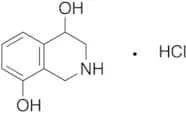
1,2,3,4-Tetrahydro-4,8-isoquinolinediol Hydrochloride
CAS:Prodotto controllatoFormula:C9H11NO2·ClHColore e forma:NeatPeso molecolare:201.65Ethyl 5,6-Dihydro-7,8-dimethyl-4,5-dioxo-4H-pyrano[3,2-c]quinoline-2-carboxylic Acid Ester
CAS:Prodotto controllatoFormula:C17H15NO5Colore e forma:NeatPeso molecolare:313.3052-(3-Oxobutyl)-2-azaspiro[4.5]decan-3-one-d6
CAS:Prodotto controllatoFormula:C13H15D6NO2Colore e forma:NeatPeso molecolare:229.352-(1-Cyanoethyl)indole
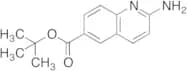
CAS:Prodotto controllato<p>Applications A useful intermediate for the synthesis of pharmaceutical actives, intermediates and fine chemicals.<br>References Pezzuto, J.M., et al.: Biochem., 20, 298 (1981), Takeda, K., et al.: Chem. Pharm. Bull., 29, 1280 (1981),<br></p>Formula:C11H10N2Colore e forma:NeatPeso molecolare:170.212-Aminoquinoline-6-carboxylic Acid tert-Butyl ester
CAS:Prodotto controllato<p>Applications 2-Aminoquinoline-6-carboxylic Acid tert-Butyl ester is a substituted quinoline used in pharmaceuticals for treatment of obesity and related conditions.<br>References Bertinato, P., et al.:PCT Int. Appl. (2005), WO 2005080373 A1 20050901<br></p>Formula:C14H16N2O2Colore e forma:NeatPeso molecolare:244.289(1S,2S,3R,4R)-rel-3-((tert-Butoxycarbonyl)amino)bicyclo[2.2.1]heptane-2-carboxylic Acid
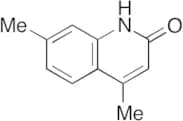
CAS:Prodotto controllatoFormula:C13H21NO4Colore e forma:NeatPeso molecolare:255.314,7-Dimethylquinolin-2(1H)-one
CAS:Prodotto controllato<p>Applications 4,7-Dimethylquinolin-2(1H)-one is a reagent in the preparartion of citralidene hydrazido quinolinones which has antibacterial activity.<br>References Piste, P. B., et al.: J. Chem. Biol. Phy. Sci., 3, 1746 (2013);<br></p>Formula:C11H11NOColore e forma:NeatPeso molecolare:173.083-(2-Deoxy-5-O-phosphono-β-D-erythro-pentofuranosyl)-3,4-dihydro-5H-imidazo[2,1-i]purine-5-thione
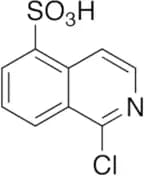
CAS:Prodotto controllato<p>Applications 3-(2-Deoxy-5-O-phosphono-β-D-erythro-pentofuranosyl)-3,4-dihydro-5H-imidazo[2,1-i]purine-5-thione is used in the synthesis of azidoetheno analogs of deoxyadenosine as nucleotide photo-affinity probes.<br>References Flaherty, D. et al.: Nucleos. Nucleot., 14, 65 (1995);<br></p>Formula:C12H14N5O6PSColore e forma:NeatPeso molecolare:387.311-Chloro-5-isoquinolinesulfonic Acid
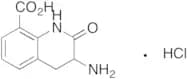
CAS:Prodotto controllato<p>Applications 1-Chloro-5-isoquinolinesulfonic Acid (cas# 105627-80-3) is a compound useful in organic synthesis.<br></p>Formula:C9H6ClNO3SColore e forma:NeatPeso molecolare:243.673-Amino-1,2,3,4-tetrahydro-2-oxo-8-quinolinecarboxylic Acid Monohydrochloride
CAS:Prodotto controllatoFormula:C10H10N2O3·HClColore e forma:NeatPeso molecolare:242.6595-[[(2,6-Dichlorophenyl)methyl]amino]-1H-isoindole-1,3(2H)-dione
CAS:Prodotto controllatoFormula:C15H10Cl2N2O2Colore e forma:NeatPeso molecolare:321.1581-Oxo-1,2,3,4-tetrahydroisoquinoline-7-carbonitrile
CAS:Prodotto controllatoFormula:C10H8N2OColore e forma:NeatPeso molecolare:172.1831,4-Diazabicyclo[2.2.2]octane bis(Sulfur Dioxide) Adduct
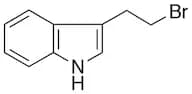
CAS:Prodotto controllato<p>Applications 1,4-Diazabicyclo[2.2.2]octane bis(sulfur dioxide) adduct (cas# 119752-83-9) is a useful research chemical.<br></p>Formula:C6H12N2O4S2Colore e forma:NeatPeso molecolare:240.3Indolyl-3-(ethyl-β-bromide)
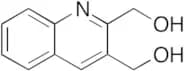
CAS:Prodotto controllato<p>Applications Indolyl-3-(ethyl-β-bromide) (cas# 3389-21-7) is a compound useful in organic synthesis.<br></p>Formula:C10H10BrNColore e forma:NeatPeso molecolare:224.102,3-Quinolinedimethanol
CAS:Prodotto controllatoFormula:C11H11NO2Colore e forma:NeatPeso molecolare:189.216-Bromopurine-d
CAS:Prodotto controllato<p>Applications Isotope labelled 6-Bromopurine is a brominated derivative of purine used in various organic syntheses. Used in the synthesis of several benzo-fused scaffolds with purine or pyrimidine moietes which display antitumor and anticancer properties.<br>References Morales, F. et al.: Eur, J. Med. Chem., 76, 118 (2014); Cushing, T. et al.: J. Med. Chem., 58, 480 (2015); Jansen, R., et al.: Clin. Biochem., 38, 362 (2005),<br></p>Formula:C5DH2BrN4Colore e forma:NeatPeso molecolare:200.0147-(phenylmethyl)-, 2-(1,1-dimethylethyl) 9-ethyl Ester 2,7-Diazaspiro[4.4]nonane-2,9-dicarboxylic Acid
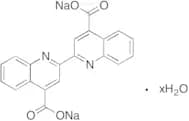
CAS:Prodotto controllatoFormula:C22H32N2O4Colore e forma:NeatPeso molecolare:388.52,2'-Biquinoline-4,4-dicarboxylic Acid Disodium Salt Hydrate
CAS:Prodotto controllato<p>Stability Hygrscopic<br>Applications 2,2'-Biquinoline-4,4-dicarboxylic acid disodium salt<br></p>Formula:C20H10N2Na2O4·xH2OColore e forma:NeatPeso molecolare:388.28 + x(18.02)Ethyl 6-Cyano-1H-indole-2-carboxylate
CAS:Prodotto controllato<p>Applications Ethyl 6-Cyano-1H-indole-2-carboxylate is a chemical reagent used in the synthesis of benzofuran inhibitors for mitogen-activated protein kinase phosphatase-1. Applications towards diabetes, obesity and insulin-resistant metabolic disorders. Also a reagent in the preparation of platelet receptor glycoprotein (Gp) IIb/IIIa antagonists used as ati-thrombotic agents.<br>References Lazo, J. et al.: Bioorg. Med. Chem., 14, 5643 (2006); Ono, S. et al.: Chem. Pharm. Bull.,<br></p>Formula:C12H10N2O2Colore e forma:NeatPeso molecolare:214.224,9-Bis(5-bromo-2-thienyl)-2,7-bis(2-octyldodecyl)-benzo[lmn][3,8]phenanthroline-1,3,6,8(2H,7H)-tetrone
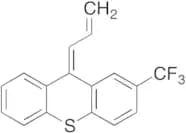
CAS:Prodotto controllatoFormula:C62H88Br2N2O4S2Colore e forma:NeatPeso molecolare:1149.32(Z)-9-(2-Propen-1-ylidene)-2-(trifluoromethyl)-9H-thioxanthene
Prodotto controllato<p>Applications (Z)-9-(2-Propen-1-ylidene)-2-(trifluoromethyl)-9H-thioxanthene is an intermediate used in the synthesis of (E/Z)-Flupentixol-d4 Dihydrochloride (F597982), which is a neuroleptic agent related structurally to thiothixene. Antipsychotic; neuroleptic agent; dopamine receptor antagonist.<br>References Nielsen, et al.: Acta Pharmacol. Toxicol., 32, 363 (1973), Post, M.L., et al.: Nature, 256, 342 (1975), Peuch, et al.: Neuropharmacology, 20, 1279 (1981),<br></p>Formula:C17H11F3SColore e forma:NeatPeso molecolare:304.3292,4-Dichloro-5,6,7,8-tetrahydro-pyrido[3,2-d]pyrimidine
CAS:Prodotto controllatoFormula:C7H7Cl2N3Colore e forma:NeatPeso molecolare:285.255-Chloroquinoline-8-sulfonic Acid
CAS:Prodotto controllato<p>Applications Used in the synthesis of 5-chloro-8-mercaptoquinoline and its salts.<br></p>Formula:C9H6ClNO3SColore e forma:NeatPeso molecolare:243.673-Azabicyclo[3.3.0]octane Hydrochloride
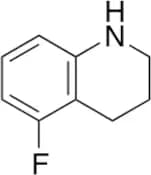
CAS:Prodotto controllato<p>Applications 3-Azabicyclo[3.3.0]octane Hydrochloride is a reactant in the preparation of substituted pyrimidines derivatives as novel hedgehog signaling pathway inhibitors.<br>References Xin, M. et al.: Med. Chem. Res., 23, 3784 (2014); Xin, M. et al.: Bioorg. Med. Chem. Lett., 24, 983 (2014);<br></p>Formula:C7H13N·ClHColore e forma:White To Light YellowPeso molecolare:147.655-Fluoro-1,2,3,4-tetrahydroquinoline
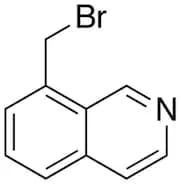
CAS:Prodotto controllatoFormula:C9H10FNColore e forma:NeatPeso molecolare:151.1818-(Bromomethyl)isoquinoline
CAS:Prodotto controllatoFormula:C10H8BrNColore e forma:NeatPeso molecolare:222.081Methyl 2-(1-(5-Fluoropentyl)-1H-indole-3-carboxamido)-3-phenylpropanoate
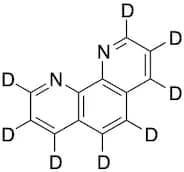
Prodotto controllato<p>Applications Methyl 2-(1-(5-Fluoropentyl)-1H-indole-3-carboxamido)-3-phenylpropanoate is a useful intermediate for organic synthesis. It is a derivative of I-AMB (I110000(M)), which is an analog of 5-fluoro AMB that was developed on an indole base instead of the indazole base typically associated with AB-PINACA.<br>References Shevyrin, V., et al.: Chem. Heterocyclic Comp., 50, 583 (2014)<br></p>Formula:C24H27FN2O3Colore e forma:NeatPeso molecolare:410.4811,10-Phenanthroline-d8
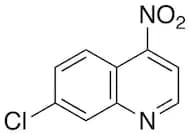
CAS:Prodotto controllato<p>Applications 1,10-Phenanthroline-d8 (CAS# 90412-47-8) is a useful isotopically labeled research compound.<br></p>Formula:C12D8N2Colore e forma:NeatPeso molecolare:188.267-Chloro-4-nitroquinoline
CAS:Prodotto controllato<p>Applications 7-Chloro-4-nitroquinoline is used in the synthesis of aminonitropyridine.<br></p>Formula:C9H5ClN2O2Colore e forma:NeatPeso molecolare:208.60(3S)-Aminoquinuclidine
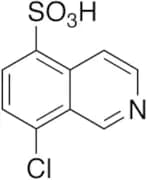
CAS:Prodotto controllato<p>Applications (3S)-Aminoquinuclidine is an intermediate used in the synthesis of Palonosetron-3-ene Hydrochloride (P165825), which is an impurity of Palonosetron (P165800), a serotonin 5-HT3 receptor antagonist used in the prevention and treatment of chemotherapy-induced nausea and vomiting (CINV). Antiemetic.<br>References Clark, R.D., et al.: J. Med. Chem., 36, 2645 (1993); Wong, E.H.F., et al.: Br. J. Pharmacol., 114, 851 (1995); Grunberg, S.M., et al.: Expert. Opin. Pharmacother., 4, 2297 (2003); Eisenberg, P., et al.: Ann. Oncol., 15, 330 (2004); Siddiqui, M.A.A., et al.: Drugs, 64, 1125 (2004)<br></p>Formula:C7H14N2Colore e forma:NeatPeso molecolare:126.28-Chloro-5-isoquinolinesulfonic Acid
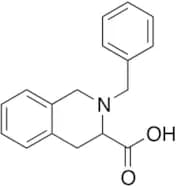
CAS:Prodotto controllato<p>Applications 8-Chloro-5-isoquinolinesulfonic Acid (cas# 1246816-17-0) is a compound useful in organic synthesis.<br></p>Formula:C9H6ClNO3SColore e forma:NeatPeso molecolare:243.672-Benzyl-1,2,3,4-Tetrahydroisoquinoline-3-Carboxylic Acid
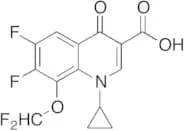
CAS:Prodotto controllato<p>Applications 2-Benzyl-1,2,3,4-Tetrahydroisoquinoline-3-Carboxylic Acid (cas# 54329-48-5) is a useful research chemical.<br></p>Formula:C17H17NO2Colore e forma:NeatPeso molecolare:267.321-Cyclopropyl-8-(difluoromethoxy)-6,7-difluoro-1,4-dihydro-4-oxo-3-quinolinecarboxylic Acid
CAS:Prodotto controllatoFormula:C14H9F4NO4Colore e forma:NeatPeso molecolare:331.219Methyl-2-aminoquinoline-6-carboxylate
CAS:Prodotto controllato<p>Applications Methyl-2-aminoquinoline-6-carboxylate is an organic building block of ester and amine category.<br>References Li, L., et al.: PCT Int. Appl. (2018), WO 2018196823 A1 20181101<br></p>Formula:C11H10N2O2Colore e forma:NeatPeso molecolare:202.2094,7,7-Trimethyl-3-oxobicyclo[2.2.1]heptane-1-carboxylic Acid
CAS:Prodotto controllatoFormula:C11H16O3Colore e forma:NeatPeso molecolare:196.2431-Azabicyclo[2.2.1]heptane-4-carboxylic Acid Hydrochloride
CAS:Prodotto controllatoFormula:C7H11NO2·HClColore e forma:NeatPeso molecolare:177.632,3-Dihydro-1H-benz[e]indole
CAS:Prodotto controllatoFormula:C12H11NColore e forma:NeatPeso molecolare:169.2227-Amino-4-(methoxymethyl)coumarin
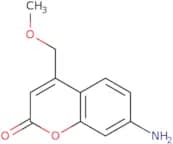
CAS:<p>7-Amino-4-(methoxymethyl)coumarin is a fluorogenic compound, which is synthesized chemically for bioanalytical applications. This compound serves as a substrate in enzyme assays and is particularly valuable in studying enzymatic activity due to its fluorescent properties.</p>Formula:C11H11NO3Purezza:Min. 95%Peso molecolare:205.21 g/mol6-Methoxy-2-methylquinolin-4(1H)-one
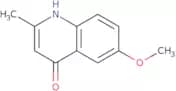
CAS:<p>6-Methoxy-2-methylquinolin-4(1H)-one is a heterocyclic molecule that has the ability to undergo oxidation reactions. It is an intermediate in the synthesis of other molecules, such as 4-hydroxyquinoline and 4-hydroxybenzaldehyde. The acidity of 6-methoxy-2-methylquinolin-4(1H)-one can be increased by adding alkali, which will cause it to react with hydroxyl and form a phenylhydrazine. When heated with hydrazine, 6-methoxy-2-methylquinolin-4(1H)-one undergoes tautomerism and forms 2-(phenylhydrazinyl) quinoline. The chemical structure of 6-methoxy-2 methylquinolin 4(1H)-one can be detected by analyzing its spectrum (i.e., absorption or emission spectra). This chemical shows bands</p>Formula:C11H11NO2Purezza:Min. 95%Peso molecolare:189.21 g/mol7-methoxy-8-hydroxy-4-phenylcoumarin
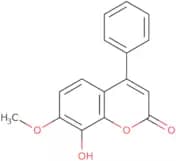
CAS:<p>7-Methoxy-8-hydroxy-4-phenylcoumarin is a coumarin derivative, a type of organic compound characterized by a benzopyrone structure. This compound is typically derived from natural plant sources or synthesized in laboratory settings. Its structural features, such as the methoxy and hydroxy groups, are integral to its potential biological activity.</p>Formula:C16H12O4Purezza:Min. 95%Peso molecolare:268.26 g/molAnomelin
<p>Anomelin is a synthetic anticancer compound, which is derived from complex organic synthesis methodologies. This compound is typically produced through careful laboratory processes due to its intricate chemical structure, which is crafted to target specific molecular pathways involved in cancer cell proliferation.</p>Purezza:Min. 95%Neobyakangelicol
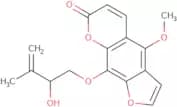
CAS:<p>Neobyakangelicol is a phytochemical compound, which is a natural product derived from various plant species. Its source is predominantly the roots of certain medicinal plants that are known for their array of bioactive constituents. The mode of action of Neobyakangelicol primarily involves interacting with specific biochemical pathways, potentially including modulation of enzyme activity or receptor binding, which could result in diverse pharmacological effects.</p>Formula:C17H16O6Purezza:Min. 95%Peso molecolare:316.31 g/mol5,6-Dimethoxy-1H-indazole
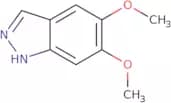
CAS:<p>5,6-Dimethoxy-1H-indazole is a phosphite that has been used as an intermediate in the synthesis of some pharmaceuticals. It has been shown to have hypotensive effects in rats and depressant effects in mice. The nitro group on 5,6-dimethoxy-1H-indazole can be reduced to an aminopropyl group by reaction with chloride and methyl alcohol or piperazine. This reaction produces two products: 1) a chloro compound that is not pharmacologically active and 2) a methylated product that retains all the original activity of 5,6-dimethoxy-1H-indazole. 5,6-Dimethoxy-1H-indazole also interacts with DNA by binding to nitrous oxide (N2O), which is present at high levels in clinical settings such as dentists' offices. Nitrous oxide reacts with 5,6-dimethoxy-1H</p>Formula:C9H10N2O2Purezza:Min. 95%Colore e forma:PowderPeso molecolare:178.19 g/molMethyl 4-(benzyloxy)-1-methyl-1H-indole-2-carboxylate
CAS:Prodotto controllato<p>Please enquire for more information about Methyl 4-(benzyloxy)-1-methyl-1H-indole-2-carboxylate including the price, delivery time and more detailed product information at the technical inquiry form on this page</p>Formula:C18H17NO3Purezza:Min. 95%Peso molecolare:295.33 g/mol8-Methoxymethyl-1-methyl-3-(2-methylpropyl) xanthine
CAS:Prodotto controllato<p>8-Methoxymethyl-1-methyl-3-(2-methylpropyl) xanthine (8MMX) is an intracellular calcium ion chelator that inhibits enzyme activity in the cyclic nucleotide phosphodiesterase enzyme family. 8MMX has been shown to be a potent inhibitor of both cyclic nucleotide phosphodiesterases and cyclic nucleotide phosphodiesterase isoenzymes. 8MMX has been shown to inhibit bladder contractility and improve bladder function in animal models. It also reduces the incidence of papillary muscle rupture, which can lead to heart failure, and improves ventricular function by increasing the rate of relaxation of the left ventricle.<br>8MMX is a potential treatment for pulmonary hypertension, which is caused by increased concentrations of intracellular calcium ions.</p>Formula:C12H18N4O3Purezza:Min. 95%Peso molecolare:266.3 g/mol8-Hydroxyquinoline copper(II)
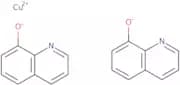
CAS:<p>8-Hydroxyquinoline copper(II) salt is a metal chelate that can be used as an analytical reagent. It is prepared by the reaction of ethylene diamine with 8-hydroxyquinoline and copper(II) chloride. The product has been found to emit light when irradiated with UV light. This product is also used as a substrate for methyl transferase, which is an enzyme involved in the metabolism of drugs. 8-Hydroxyquinoline copper(II) salt has been shown to inhibit the activity of P-glycoprotein (Pgp), which is a drug transporter protein found in mammalian cells that functions to pump xenobiotics from the inside of cells out into the bloodstream. When Pgp is inhibited, it causes cellular accumulation of certain drugs, such as cyclosporin A and tacrolimus.</p>Formula:C18H12CuN2O2Purezza:Min. 95%Colore e forma:PowderPeso molecolare:351.85 g/mol1,3,7,8-Tetramethylpurine-2,6-dione
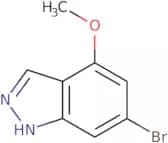
CAS:Prodotto controllato<p>1,3,7,8-Tetramethylpurine-2,6-dione is a synthetic compound that has been identified as a possible dietary supplement. It is found in human urine and has been shown to inhibit the growth of fungi such as tebuconazole. The compound has been used as a substitute for theophylline in bovine serum albumin and caffeine in imidazoles. This specific molecule also interacts with some other molecules such as photodecomposition of peroxides or acid solutions.</p>Formula:C9H12N4O2Purezza:Min. 95%Colore e forma:PowderPeso molecolare:208.22 g/mol6-Bromo-4-methoxy-1H-indazole
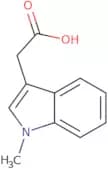
CAS:<p>Please enquire for more information about 6-Bromo-4-methoxy-1H-indazole including the price, delivery time and more detailed product information at the technical inquiry form on this page</p>Formula:C8H7BrN2OPurezza:Min. 95%Peso molecolare:227.06 g/mol1-Methylindole-3-acetic acid
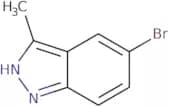
CAS:Prodotto controllato<p>1-Methylindole-3-acetic acid is a biologically active compound that has been used as a medicine. It can be synthesized by the oxidation of 1-methylindole with trifluoroacetic acid and 3-bromopropylamine hydrobromide. The reaction produces a radical species that reacts with dioxetanes to form linear plots. 1-Methylindole-3-acetic acid is also susceptible to light, which leads to the formation of peroxy dioxetanes, amides, and protonated derivatives. The biological relevance is not yet known.</p>Formula:C11H11NO2Purezza:Min. 95%Colore e forma:PowderPeso molecolare:189.21 g/mol5-Bromo-3-methyl-1H-indazole
CAS:<p>5-Bromo-3-methyl-1H-indazole is an organic compound that is synthesized from lithium diisopropylamide and lithium. 5-Bromo-3-methyl-1H-indazole is a white solid with a melting point of 151°C. It reacts with anhydrous hydrogen bromide to form 5,5'-dibromoindazole. The molecular weight of this compound is 202.2 g/mol.</p>Formula:C8H7BrN2Purezza:Min. 95%Peso molecolare:211.06 g/mol4-Bromoisoquinoline
CAS:4-Bromoisoquinoline is an aryl halide that can be used in the cross-coupling reaction with other aryl halides. It has been shown to have anticancer activity and to inhibit the growth of tumour cell lines in vitro. This compound is also efficient for inhibiting leukemia cells. 4-Bromoisoquinoline has been shown to have an inhibitory effect on cancer cells through the inhibition of DNA synthesis and RNA transcription, as well as by inducing apoptosis. The mechanism of action may be due to its ability to bind to aromatic hydrocarbons and halides, which leads to thermodynamic changes and vibrational energy transfer.Formula:C9H6BrNPurezza:Min. 95%Peso molecolare:208.05 g/mol1,2,3,4-Tetrahydroquinoline-3-carboxylic acid
CAS:<p>Tetrahydroquinoline-3-carboxylic acid is a crystalline, water-soluble compound. It is an intermediate in the synthesis of l-phenylalanine, paraformaldehyde and formaldehyde. Tetrahydroquinoline-3-carboxylic acid can be hydrolyzed to produce formic acid and hydrogen chloride. This product is also optically active and can be used as an indicator for hydroiodic acid.</p>Formula:C10H11NO2Purezza:Min. 95%Peso molecolare:177.2 g/molcis-Isokhellactone
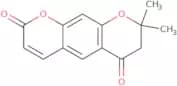
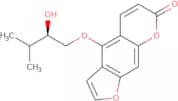
CAS:<p>cis-Isokhellactone is a bioactive compound that belongs to the class of sesquiterpene lactones, which is isolated from plants in the genus Khella. With a well-characterized molecular structure, this compound exhibits significant binding affinity for cellular targets that are crucial in the regulation of cell proliferation and apoptosis. The mode of action involves the modulation of signaling pathways involved in cell cycle regulation and the induction of apoptosis in neoplastic cells.</p>Formula:C14H14O5Purezza:Min. 95%Peso molecolare:262.26 g/molPhellopterin
CAS:Phellopterin is a bioactive compound belonging to the class of furanocoumarins. It is extracted from various plants within the Apiaceae family, notably Angelica and Peucedanum species. These plants are found in diverse geographical regions and have been used in traditional medicine for centuries.Purezza:Min. 95%Bis(tricyclohexylphosphine)palladium(II) Dichloride
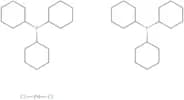
CAS:Prodotto controllato<p>Bis(tricyclohexylphosphine)palladium(II) Dichloride is a cross-coupling agent that is used for the synthesis of organic and organometallic compounds. It reacts with terminal alkynes to form a phosphine oxide, which can then be converted into an arylated product. The reaction proceeds by the formation of a palladium-carbon bond and subsequent cleavage of the carbon-palladium bond in the presence of ammonium formate. Bis(tricyclohexylphosphine)palladium(II) Dichloride is insoluble in water, but soluble in organic solvents such as dichloromethane, 1,2-dichloroethane, or chloroform. This reagent has been shown to enhance the rate of transfer reactions between monomers.</p>Formula:C36H66Cl2P2PdPurezza:Min. 95%Peso molecolare:738.18 g/molTimapiprant
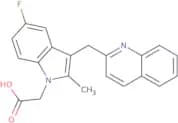
CAS:Prodotto controllatoTimapiprant is an amide that acts as a selective inhibitor of the prostanoid receptor CRTH2, which is involved in regulating the inflammatory response. Timapiprant inhibits skin eosinophilia, which is associated with inflammatory skin diseases such as atopic dermatitis and psoriasis. It has been shown to be safe in clinical trials and has a good safety profile. The drug's mechanism of action may be due to its ability to inhibit the production of IL-4 and IL-13 by Th2 cells and its ability to inhibit lung function. Timapiprant has shown efficacy in treating allergic rhinitis, asthma, chronic obstructive pulmonary disease, erythema multiforme, pyoderma gangrenosum, and other types of inflammatory skin diseases.Formula:C21H17FN2O2Purezza:Min. 95%Peso molecolare:348.37 g/mol4-Methylquinoline
CAS:<p>4-Methylquinoline is a natural compound that is structurally related to coumarin. It serves as an enzyme substrate for various types of enzymes, and has been shown to inhibit the activity of enzymes such as N-acetyltransferase, indoleamine 2,3-dioxygenase, and tryptophan 2,3-dioxygenase. 4-Methylquinoline has also been shown to be effective against infectious diseases such as toxoplasmosis and leishmaniasis. Furthermore, 4-methylquinoline has been shown to have anti-inflammatory properties in autoimmune diseases such as multiple sclerosis. The mechanism of action of 4-methylquinoline is not fully understood but it may interfere with the production of nitric oxide by inhibiting the enzyme nitric oxide synthase.</p>Formula:C10H9NPurezza:Min. 95%Peso molecolare:143.19 g/mol3-(α-Acetonylbenzyl)-4-hydroxycoumarin sodium
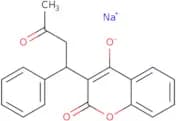
CAS:<p>3-(α-Acetonylbenzyl)-4-hydroxycoumarin sodium is an anticoagulant compound, which is a synthetic derivative of coumarin. It is primarily sourced via chemical synthesis in laboratory settings. Its mode of action involves inhibiting the synthesis of vitamin K-dependent clotting factors, specifically factors II, VII, IX, and X. This inhibition impairs blood coagulation, leading to uncontrolled bleeding.</p>Formula:C19H15NaO4Purezza:Min. 95%Colore e forma:White PowderPeso molecolare:330.31 g/mol4,4'-Dithio-2,2'-bipyridine
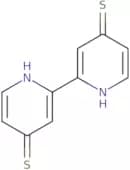
CAS:Please enquire for more information about 4,4'-Dithio-2,2'-bipyridine including the price, delivery time and more detailed product information at the technical inquiry form on this pageFormula:C10H8N2S2Purezza:Min. 95%Colore e forma:PowderPeso molecolare:220.32 g/molArnottinin
CAS:<p>Arnottinin is a bioactive compound, which is derived from natural plant sources. It functions primarily through modulation of specific cellular pathways, targeting key receptors that regulate physiological responses. This compound exhibits its mode of action by influencing signal transduction pathways, effectively altering cellular activities at the molecular level.</p>Formula:C14H14O4Purezza:Min. 95%Peso molecolare:246.26 g/mol1-Methylindole-3-boronic acid pinacol ester
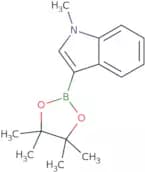
CAS:<p>Please enquire for more information about 1-Methylindole-3-boronic acid pinacol ester including the price, delivery time and more detailed product information at the technical inquiry form on this page</p>Formula:C15H20BNO2Purezza:Min. 95%Peso molecolare:257.14 g/mol7-Benzyl-1H-Purine-2,6(3H,7H)-Dione
CAS:Prodotto controllato<p>Please enquire for more information about 7-Benzyl-1H-Purine-2,6(3H,7H)-Dione including the price, delivery time and more detailed product information at the technical inquiry form on this page</p>Formula:C12H10N4O2Purezza:Min. 95%Peso molecolare:242.23 g/mol4',5'-Dihydrobergapten
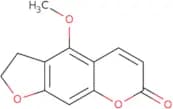
CAS:<p>4',5'-Dihydrobergapten is a naturally occurring furanocoumarin, which is sourced primarily from various plant species, including members of the Rutaceae family. This compound is a derivative of psoralen and structurally categorized as a linear furanocoumarin. Its mode of action primarily involves intercalation into DNA, leading to photoactivation upon UVA exposure, which induces DNA cross-linking and inhibition of nucleic acid synthesis. Such mechanisms are pivotal for its biological properties.</p>Formula:C12H10O4Purezza:Min. 95%Peso molecolare:218.21 g/molGraveolone
CAS:<p>Graveolone is a bioactive compound that functions as a plant defense enhancer, which is derived from certain plant species known for their antimicrobial properties. Its mode of action involves the activation of multiple signaling pathways that bolster the plant's innate immune response. By enhancing the synthesis of defensive proteins and secondary metabolites, Graveolone effectively fortifies plants against pathogenic challenges and abiotic stresses.</p>Formula:C21H22O7Purezza:Min. 95%Peso molecolare:386.4 g/molEthyl5-acetyloxy-1,2-dimethylindole-3-carboxylate
CAS:Prodotto controllato<p>Please enquire for more information about Ethyl5-acetyloxy-1,2-dimethylindole-3-carboxylate including the price, delivery time and more detailed product information at the technical inquiry form on this page</p>Formula:C15H17NO4Purezza:Min. 95%Peso molecolare:275.3 g/molDaphnetin-8-methyl ether
CAS:<p>Daphnetin-8-methyl ether is a naturally derived coumarin compound, which is predominantly sourced from the Daphne genus of plants, among other botanical species known for their therapeutic potential. This compound is recognized for its biochemical interaction with key cellular pathways, particularly through the modulation of enzymes and receptors associated with inflammatory and oxidative stress responses.</p>Formula:C10H8O4Purezza:Min. 95%Peso molecolare:192.17 g/mol1,3-Diethyl-8-phenylxanthine
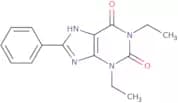
CAS:Prodotto controllato<p>1,3-Diethyl-8-phenylxanthine is a p2y receptor antagonist that inhibits bacterial growth by interfering with the energy metabolism of the cell. It is an analytical reagent that can be used to measure specific DNA sequences and has been shown to have genotoxic effects on cultured human cells. 1,3-Diethyl-8-phenylxanthine has also been shown to inhibit the growth of infectious bacteria such as staphylococcus aureus and Mycobacterium tuberculosis in vitro. This compound may be used as a potential biomarker for the identification of antimicrobial peptides that are active against Mycobacterium tuberculosis in humans.</p>Formula:C15H16N4O2Purezza:Min. 95%Peso molecolare:284.31 g/molOstruthin
CAS:<p>Ostruthin is a naturally occurring coumarin derivative, which is isolated from plants such as *Peucedanum ostruthium* and other species within the Apiaceae family. It functions as an enzyme inhibitor, acting primarily through its interference with various cellular processes, including the inhibition of specific enzyme pathways that contribute to its bioactivity. Ostruthin exhibits a range of biological activities, making it of significant interest in pharmacological research.</p>Formula:C19H22O3Purezza:Min. 95%Peso molecolare:298.38 g/mol2,2,4-Trimethyl-1,2-dihydroquinolin-6-yl phenylacetate
CAS:Prodotto controllato<p>Please enquire for more information about 2,2,4-Trimethyl-1,2-dihydroquinolin-6-yl phenylacetate including the price, delivery time and more detailed product information at the technical inquiry form on this page</p>Formula:C20H21NO2Purezza:Min. 95%Peso molecolare:307.39 g/mol4-Iodo-1-tritylimidazole
CAS:<p>4-Iodo-1-tritylimidazole is an organic molecule that has a chemical stability comparable to that of a nucleophile. It is a molecule with a heterocycle and accepts electrons from carbinol compounds, halides, and other functional groups. 4-Iodo-1-tritylimidazole can be synthesized by the palladium-catalyzed coupling reaction between organometallic reagents and histidine. This compound has been shown to have properties that are similar to those of biomimetic molecules, such as cross-coupling.</p>Formula:C22H17IN2Purezza:Min. 95%Colore e forma:PowderPeso molecolare:436.29 g/mol2-Iodo-1H-imidazole
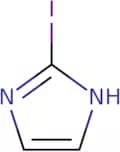
CAS:2-Iodo-1H-imidazole is an asymmetric molecule that is synthesized by a Suzuki coupling reaction between malonic acid and tautomers of 2-iodo-1H-imidazole. This molecule inhibits the activity of inhibitor molecules, such as nitrogen atoms, which are used in pesticide production. It also has pesticidal activity and can be used to treat cancer or autoimmune diseases. 2-Iodo-1H-imidazole is metabolized through a number of metabolic transformations, including hydrolysis by esterases or glucuronidases, oxidation by cytochrome P450 enzymes, reduction by glutathione reductase, or conjugation with glucuronic acid.Formula:C3H3IN2Purezza:Min. 95%Colore e forma:White PowderPeso molecolare:193.97 g/mol1-Methyl-1H-indole-3-carbohydrazide
CAS:Prodotto controllato<p>1-Methyl-1H-indole-3-carbohydrazide (MZ) is a potential anticancer drug that inhibits the growth of cancer cells. It binds to the colchicine binding site on the DNA, which prevents doxorubicin from binding and causing damage to the DNA. MZ has been shown to be effective against breast cancer and has been shown to inhibit tumor growth in mice by targeting cancer cells lines. MZ also inhibits proliferation of MDA-MB-231 cells in culture, as well as inhibiting cell cycle progression, leading to apoptosis. The molecular docking studies show that 1MZ binds to colchicine site on DNA with high affinity and specificity.</p>Formula:C10H11N3OPurezza:Min. 95%Peso molecolare:189.21 g/mol3-Chloro-7-nitro-1H-indole
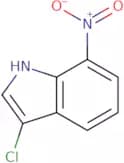
CAS:3-Chloro-7-nitro-1H-indole is a chemical compound that has been shown to have antitumor activity in clinical trials. It is catalysed by the addition of chloride ions to the nitro group, yielding an aminocarbonyl intermediate. This intermediate reacts with hydrogen chloride to form a chlorinating agent that can react with DNA and protein bases. The chlorinating agent has been shown to be efficient in screening for anticancer drugs. 3-Chloro-7-nitro-1H-indole is currently being tested for efficacy against colon carcinoma cells and human colon carcinoma xenografts.Formula:C8H5ClN2O2Purezza:Min. 95%Peso molecolare:196.59 g/molPranferol
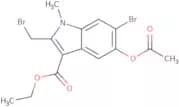
CAS:<p>Pranferol is a phytochemical compound, which is derived from natural plant sources. It possesses unique immunomodulatory properties, affecting cellular pathways that regulate immune responses. The bioactive components in Pranferol interact with specific receptors on immune cells, modulating signaling cascades and gene expression to enhance or suppress specific immune functions depending on the physiological context.</p>Formula:C16H16O5Purezza:Min. 95%Peso molecolare:288.3 g/molEthyl5-acetoxy-6-bromo-2-(bromomethyl)-1-methyl-1H-indole-3-carboxylate
CAS:Prodotto controllato<p>Ethyl 5-acetoxy-6-bromo-2-(bromomethyl)-1-methyl-1H-indole-3-carboxylate is a chemical compound that has been shown to have anti viral activity in vitro. The structure of the compound suggests that it may inhibit the production of inflammatory cytokines. This drug inhibits the activity of enzymes such as hydroxylases and lipases, which are important for the inflammatory process. Ethyl 5-acetoxy-6-bromo-2-(bromomethyl)-1-methyl-1H-indole-3 carboxylate may be an effective treatment for bowel disease and other inflammatory conditions.</p>Formula:C15H15Br2NO4Purezza:Min. 95%Peso molecolare:433.09 g/moltert-Butyl 4-hydroxy-1-oxa-9-azaspiro[5.5]undecane-9-carboxylate
CAS:<p>Please enquire for more information about tert-Butyl 4-hydroxy-1-oxa-9-azaspiro[5.5]undecane-9-carboxylate including the price, delivery time and more detailed product information at the technical inquiry form on this page</p>Formula:C14H25NO4Purezza:Min. 95%Peso molecolare:271.35 g/molMethyl 4,5-dimethoxy-1-methyl-1H-indole-2-carboxylate
CAS:Prodotto controllato<p>Please enquire for more information about Methyl 4,5-dimethoxy-1-methyl-1H-indole-2-carboxylate including the price, delivery time and more detailed product information at the technical inquiry form on this page</p>Formula:C13H15NO4Purezza:Min. 95%Peso molecolare:249.26 g/mol6-Chloroindole-2-carboxylic acid
CAS:<p>6-Chloroindole-2-carboxylicacid is a potent inhibitor of β-lactamase enzymes. It has been shown to act as a competitive inhibitor with an affinity for the β-lactamase enzyme in the nanomolar range. 6-Chloroindole-2-carboxylicacid is also a potent compound that can be used in experiments and screening. It has been shown to bind to the β-lactamase enzyme, which inhibits its activity, leading to a decrease in fluorescence. 6-Chloroindole-2-carboxylicacid has also been shown to have an inhibitory effect on bacterial cells by inhibiting protein synthesis, DNA replication, and RNA transcription.</p>Formula:C9H6ClNO2Purezza:95%NmrPeso molecolare:195.6 g/mol3-Azabicyclo[3,3,0]octane HCl
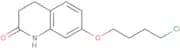
CAS:<p>3-Azabicyclo[3,3,0]octane HCl is an inorganic base that is used as a catalyst for organic reactions. It is often used to convert ester hydrochlorides into chiral esters. 3-Azabicyclo[3,3,0]octane HCl has been shown to be a suitable reducing agent for the reduction of various substances. The reaction proceeds via an intramolecular process and can be used with various parameters. 3-Azabicyclo[3,3,0]octane HCl is crystalline and has a melting point of 179 degrees Celsius. It also has optical activity due to its chirality.</p>Formula:C7H14ClNPurezza:Min. 98 Area-%Colore e forma:White Off-White PowderPeso molecolare:147.65 g/mol3,4-Dihydro-7-(4-chlorobutoxy)-2(1H)-Quinolinone
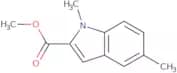
CAS:3,4-Dihydro-7-(4-chlorobutoxy)-2(1H)-Quinolinone is a crystalline organic base. It is used as an intermediate in the synthesis of piperazine derivatives. 3,4-Dihydro-7-(4-chlorobutoxy)-2(1H)-Quinolinone can be used to acetylate phenols and amines. This compound also has been shown to be useful in the industrial production of carbostyril and other pharmaceuticals. 3,4-Dihydro-7-(4-chlorobutoxy)-2(1H)-Quinolinone is also a high yield coupling agent for the production of heterocyclic compounds such as 1,5,6,8-tetrahydropyrimidines and benzimidazoles.Purezza:Min. 95%Methyl 1,5-dimethyl-1H-indole-2-carboxylate
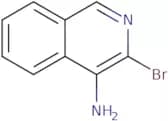
CAS:Prodotto controllato<p>Please enquire for more information about Methyl 1,5-dimethyl-1H-indole-2-carboxylate including the price, delivery time and more detailed product information at the technical inquiry form on this page</p>Formula:C12H13NO2Purezza:Min. 95%Peso molecolare:203.24 g/mol4-Amino-3-bromoisoquinoline
CAS:<p>4-Amino-3-bromoisoquinoline is an isocyanide that reacts with nucleophilic heteroatoms such as the amino group. It also reacts with bromine to form a bromopyridine. The nitrile group of 4-amino-3-bromoisoquinoline can be reduced with sodium borohydride to produce 4-aminoquinoline. This compound has shown potential for use in chemotherapy and treating bacterial infections.</p>Purezza:Min. 95%Tert-butyl(8-anti)-3-azabicyclo[3.2.1]oct-8-ylcarbamate
CAS:<p>Tert-butyl(8-anti)-3-azabicyclo[3.2.1]oct-8-ylcarbamate (tBAA) is a heterocycle that has been modified to enhance its pharmacokinetic properties. Tert-butyl(8-anti)-3-azabicyclo[3.2.1]oct-8-ylcarbamate was designed to be metabolically stable and have a high bioavailability and isosteric properties with phosphatidylinositol, which it uses as a substrate in the catalytic cycle. This modification also increased tBAA's stability in vivo, leading to an increase in efficacy. The covalent attachment of the phenyl ring on the tertiary amine nitrogen of tBAA provides additional protection against hepatic metabolism by CYP450 enzymes, making it more potent than other compounds with similar structures that are not covalently attached to the amine group.</p>Formula:C12H22N2O2Purezza:Min. 95%Peso molecolare:226.32 g/mol2,3-Dihydro-1-(3-hydroxypropyl)-5-[(2R)-2-[[2-[2-(2,2,2-trifluoroethoxy)phenoxy]ethyl]amino]propyl]-1H-indole-7-carbonitrile
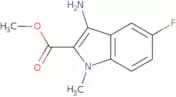
CAS:<p>Please enquire for more information about 2,3-Dihydro-1-(3-hydroxypropyl)-5-[(2R)-2-[[2-[2-(2,2,2-trifluoroethoxy)phenoxy]ethyl]amino]propyl]-1H-indole-7-carbonitrile including the price, delivery time and more detailed product information at the technical inquiry form on this page</p>Formula:C25H30F3N3O3Purezza:Min. 95%Peso molecolare:477.52 g/molMethyl 3-amino-5-fluoro-1-methyl-1H-indole-2-carboxylate
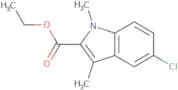
CAS:Prodotto controllatoPlease enquire for more information about Methyl 3-amino-5-fluoro-1-methyl-1H-indole-2-carboxylate including the price, delivery time and more detailed product information at the technical inquiry form on this pageFormula:C11H11FN2O2Purezza:Min. 95%Peso molecolare:222.22 g/molEthyl 5-chloro-1,3-dimethyl-1H-indole-2-carboxylate
CAS:Prodotto controllato<p>Please enquire for more information about Ethyl 5-chloro-1,3-dimethyl-1H-indole-2-carboxylate including the price, delivery time and more detailed product information at the technical inquiry form on this page</p>Formula:C13H14ClNO2Purezza:Min. 95%Peso molecolare:251.71 g/mol1-(3-Methoxybenzyl)-1H-indole-3-carbaldehyde
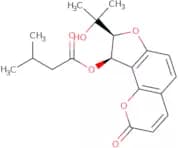
CAS:Prodotto controllatoPlease enquire for more information about 1-(3-Methoxybenzyl)-1H-indole-3-carbaldehyde including the price, delivery time and more detailed product information at the technical inquiry form on this pageFormula:C17H15NO2Purezza:Min. 95%Peso molecolare:265.31 g/molVaginidin
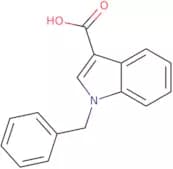
CAS:<p>Please enquire for more information about Vaginidin including the price, delivery time and more detailed product information at the technical inquiry form on this page</p>Formula:C19H22O6Purezza:Min. 95%Peso molecolare:346.37 g/mol1-Benzylindole-3-Carboxylic Acid
CAS:Prodotto controllato<p>1-Benzylindole-3-carboxylic acid is a bioactive molecule that has been shown to inhibit the activity of histamine, which is a neurotransmitter involved in inflammatory reactions. 1-Benzylindole-3-carboxylic acid has an affinity ligand for binding to the H1 receptor and can be used as an antihistaminic agent. It also has antihistaminic effects by inhibiting the release of histamine from mast cells and basophils, which are two types of white blood cells that are involved in allergic reactions. The pharmacophore model for 1-benzylindole-3-carboxylic acid suggests that it could be used as an antihistamine or anticholinergic.</p>Formula:C16H13NO2Purezza:Min. 95%Peso molecolare:251.28 g/mol2-[2-(1H-Indol-3-yl)ethyl]-1,3-dioxoisoindoline-5-carboxylic acid
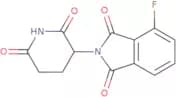
CAS:Prodotto controllato<p>Please enquire for more information about 2-[2-(1H-Indol-3-yl)ethyl]-1,3-dioxoisoindoline-5-carboxylic acid including the price, delivery time and more detailed product information at the technical inquiry form on this page</p>Formula:C19H14N2O4Purezza:Min. 95%Peso molecolare:334.33 g/mol2-(2,6-Dioxo-piperidin-3-yl)-4-fluoroisoindoline-1,3-dione
CAS:<p>2-(2,6-Dioxo-piperidin-3-yl)-4-fluoroisoindoline-1,3-dione (2,6DPI) is a synthetic chemical compound that has been shown to inhibit NF-κB activation in vitro. 2,6DPI is a competitive inhibitor of the p65 subunit of NF-κB and functions by binding to the cysteine residue on the p65 subunit. It has been shown to be effective against inflammatory diseases such as pulmonary disease and inflammation. This drug also inhibits deacetylases, which are enzymes involved in regulating gene expression. 2,6DPI may have therapeutic potential for the treatment of inflammatory diseases and cancer.</p>Formula:C13H9FN2O4Purezza:Min. 95%Colore e forma:Violet To Grey SolidPeso molecolare:276.22 g/molRef: 3D-FD163674
10gPrezzo su richiesta25gPrezzo su richiesta50gPrezzo su richiesta100gPrezzo su richiesta250gPrezzo su richiestaIsobergapten
CAS:<p>Isobergapten is a naturally occurring furanocoumarin, which is primarily derived from plants in the Apiaceae family, such as celery and parsley. The compound is structurally characterized by its fused furan and coumarin rings. It exerts its effects through its ability to interact with cellular enzymes and DNA, often influencing photodynamic processes. This interaction can result in modifications to DNA replication and transcription, making it a compound of interest in photochemotherapy and photobiology.</p>Formula:C12H8O4Purezza:Min. 95%Colore e forma:PowderPeso molecolare:216.19 g/mol1-Cyclopropyl-7-(2,8-diazabicyclo[4.3.0]non-8-yl)-6-fluoro-8-methoxy-4-oxoquinoline-3-carboxylic acid
CAS:<p>This is a broad-spectrum antibacterial agent that inhibits bacterial DNA gyrase. It is active against atypical bacterial species, such as Chlamydia and Mycoplasma, and has been shown to be effective against certain strains of the methicillin-resistant Staphylococcus aureus (MRSA) bacteria. This drug also inhibits the growth of other bacteria by binding to their DNA. The drug is used in combination with other antibiotics to treat infections caused by Clostridium difficile, Helicobacter pylori, Borrelia burgdorferi, and Salmonella enterica. However, this drug does not work against Pseudomonas aeruginosa or Enterobacteriaceae infections.</p>Formula:C21H24FN3O4Purezza:Min. 95%Colore e forma:PowderPeso molecolare:401.43 g/mol4-Aminobicyclo[2.2.2]octane-1-carboxylic acid methyl ester
CAS:<p>Please enquire for more information about 4-Aminobicyclo[2.2.2]octane-1-carboxylic acid methyl ester including the price, delivery time and more detailed product information at the technical inquiry form on this page</p>Formula:C10H17NO2Purezza:Min. 95%Peso molecolare:183.25 g/molFraxinol
CAS:<p>Fraxinol is a natural lignan, which is a small class of polyphenols, derived from the inner bark of the Ash tree (Fraxinus species). Its primary action is believed to involve antioxidant and anti-inflammatory pathways, where it scavenages reactive oxygen species and modulates cytokine production. This activity suggests potential modulation of cellular oxidative stress responses, contributing to its therapeutic interest.</p>Purezza:Min. 95%1-Benzyl-3-[3-(diethylamino)propoxy]-1H-indazole
CAS:Prodotto controllato<p>Please enquire for more information about 1-Benzyl-3-[3-(diethylamino)propoxy]-1H-indazole including the price, delivery time and more detailed product information at the technical inquiry form on this page</p>Formula:C21H27N3OPurezza:Min. 98 Area-%Colore e forma:Clear LiquidPeso molecolare:337.46 g/mol9-[(5-Amino-1,3,4-thiadiazol-2-yl)methyl]-1,3-dimethyl-3,9-dihydro-1H-purine-2,6-dione
CAS:Prodotto controllatoPlease enquire for more information about 9-[(5-Amino-1,3,4-thiadiazol-2-yl)methyl]-1,3-dimethyl-3,9-dihydro-1H-purine-2,6-dione including the price, delivery time and more detailed product information at the technical inquiry form on this pageFormula:C10H11N7O2SPurezza:Min. 95%Peso molecolare:293.31 g/mol7-Prenyloxyumbelliferone
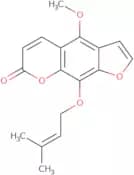
<p>7-Prenyloxyumbelliferone is a natural coumarin derivative, which is primarily sourced from plants belonging to the Rutaceae and Apiaceae families. This compound exhibits a range of biological activities, including anti-inflammatory, antioxidant, and antimicrobial properties. The mode of action of 7-Prenyloxyumbelliferone involves the modulation of specific enzymes and signaling pathways, such as the inhibition of cyclooxygenase and lipoxygenase, and the scavenging of free radicals, which collectively contribute to its pharmacological effects.</p>Purezza:Min. 95%

![Ethyl 5,6-Dihydro-7,8-dimethyl-4,5-dioxo-4H-pyrano[3,2-c]quinoline-2-carboxylic Acid Ester](/_next/image/?url=https%3A%2Fstatic.cymitquimica.com%2Fproducts%2FTR%2Fthumb-webp%2FE932410.webp&w=3840&q=75)
![2-(3-Oxobutyl)-2-azaspiro[4.5]decan-3-one-d6](/_next/image/?url=https%3A%2Fstatic.cymitquimica.com%2Fproducts%2FTR%2Fthumb-webp%2FO848402.webp&w=3840&q=75)

![(1S,2S,3R,4R)-rel-3-((tert-Butoxycarbonyl)amino)bicyclo[2.2.1]heptane-2-carboxylic Acid](/_next/image/?url=https%3A%2Fstatic.cymitquimica.com%2Fproducts%2FTR%2Fthumb-webp%2FB692730.webp&w=3840&q=75)
![3-(2-Deoxy-5-O-phosphono-β-D-erythro-pentofuranosyl)-3,4-dihydro-5H-imidazo[2,1-i]purine-5-thione](/_next/image/?url=https%3A%2Fstatic.cymitquimica.com%2Fproducts%2FTR%2Fthumb-webp%2FD248500.webp&w=3840&q=75)
![5-[[(2,6-Dichlorophenyl)methyl]amino]-1H-isoindole-1,3(2H)-dione](/_next/image/?url=https%3A%2Fstatic.cymitquimica.com%2Fproducts%2FTR%2Fthumb-webp%2FD438775.webp&w=3840&q=75)

![1,4-Diazabicyclo[2.2.2]octane bis(Sulfur Dioxide) Adduct](/_next/image/?url=https%3A%2Fstatic.cymitquimica.com%2Fproducts%2FTR%2Fthumb-webp%2FD417603.webp&w=3840&q=75)

![7-(phenylmethyl)-, 2-(1,1-dimethylethyl) 9-ethyl Ester 2,7-Diazaspiro[4.4]nonane-2,9-…](/_next/image/?url=https%3A%2Fstatic.cymitquimica.com%2Fproducts%2FTR%2Fthumb-webp%2FT205781.webp&w=3840&q=75)

![4,9-Bis(5-bromo-2-thienyl)-2,7-bis(2-octyldodecyl)-benzo[lmn][3,8]phenanthroline-1,3,6,8(2H,7H)-te…](/_next/image/?url=https%3A%2Fstatic.cymitquimica.com%2Fproducts%2FTR%2Fthumb-webp%2FB415075.webp&w=3840&q=75)
![2,4-Dichloro-5,6,7,8-tetrahydro-pyrido[3,2-d]pyrimidine](/_next/image/?url=https%3A%2Fstatic.cymitquimica.com%2Fproducts%2FTR%2Fthumb-webp%2FD436815.webp&w=3840&q=75)

![3-Azabicyclo[3.3.0]octane Hydrochloride](/_next/image/?url=https%3A%2Fstatic.cymitquimica.com%2Fproducts%2FTR%2Fthumb-webp%2FA795340.webp&w=3840&q=75)




![4,7,7-Trimethyl-3-oxobicyclo[2.2.1]heptane-1-carboxylic Acid](/_next/image/?url=https%3A%2Fstatic.cymitquimica.com%2Fproducts%2FTR%2Fthumb-webp%2FB537008.webp&w=3840&q=75)
![1-Azabicyclo[2.2.1]heptane-4-carboxylic Acid Hydrochloride](/_next/image/?url=https%3A%2Fstatic.cymitquimica.com%2Fproducts%2FTR%2Fthumb-webp%2FB407790.webp&w=3840&q=75)
![2,3-Dihydro-1H-benz[e]indole](/_next/image/?url=https%3A%2Fstatic.cymitquimica.com%2Fproducts%2FTR%2Fthumb-webp%2FD447820.webp&w=3840&q=75)














![tert-Butyl 4-hydroxy-1-oxa-9-azaspiro[5.5]undecane-9-carboxylate](/_next/image/?url=https%3A%2Fstatic.cymitquimica.com%2Fproducts%2F3D%2Fthumb-webp%2FFB125443.webp&w=3840&q=75)


![3-Azabicyclo[3,3,0]octane HCl](/_next/image/?url=https%3A%2Fstatic.cymitquimica.com%2Fproducts%2F3D%2Fthumb-webp%2FFA38235.webp&w=3840&q=75)
![Tert-butyl(8-anti)-3-azabicyclo[3.2.1]oct-8-ylcarbamate](/_next/image/?url=https%3A%2Fstatic.cymitquimica.com%2Fproducts%2F3D%2Fthumb-webp%2FFT167890.webp&w=3840&q=75)
![2,3-Dihydro-1-(3-hydroxypropyl)-5-[(2R)-2-[[2-[2-(2,2,2-trifluoroethoxy)phenoxy]ethyl]amino]propyl…](/_next/image/?url=https%3A%2Fstatic.cymitquimica.com%2Fproducts%2F3D%2Fthumb-webp%2FFD103483.webp&w=3840&q=75)

![2-[2-(1H-Indol-3-yl)ethyl]-1,3-dioxoisoindoline-5-carboxylic acid](/_next/image/?url=https%3A%2Fstatic.cymitquimica.com%2Fproducts%2F3D%2Fthumb-webp%2FFI124769.webp&w=3840&q=75)

![1-Cyclopropyl-7-(2,8-diazabicyclo[4.3.0]non-8-yl)-6-fluoro-8-methoxy-4-oxoquinoline-3-carboxylic a…](/_next/image/?url=https%3A%2Fstatic.cymitquimica.com%2Fproducts%2F3D%2Fthumb-webp%2FFC102529.webp&w=3840&q=75)
![4-Aminobicyclo[2.2.2]octane-1-carboxylic acid methyl ester](/_next/image/?url=https%3A%2Fstatic.cymitquimica.com%2Fproducts%2F3D%2Fthumb-webp%2FFA44258.webp&w=3840&q=75)

![1-Benzyl-3-[3-(diethylamino)propoxy]-1H-indazole](/_next/image/?url=https%3A%2Fstatic.cymitquimica.com%2Fproducts%2F3D%2Fthumb-webp%2FFB162091.webp&w=3840&q=75)
![9-[(5-Amino-1,3,4-thiadiazol-2-yl)methyl]-1,3-dimethyl-3,9-dihydro-1H-purine-2,6-dione](/_next/image/?url=https%3A%2Fstatic.cymitquimica.com%2Fproducts%2F3D%2Fthumb-webp%2FFA125300.webp&w=3840&q=75)