Composti policiclici
Sottocategorie di "Composti policiclici"
- Acridine(97 prodotti)
- Antrachinoni(533 prodotti)
- Acidi antrachinonici solfonici(16 prodotti)
- Azobenzeni(270 prodotti)
- Azonaftalene(98 prodotti)
- Azoxybenzeni(12 prodotti)
- Azuleni(11 prodotti)
- Benzimidazoli(1.475 prodotti)
- Benzodiossani(27 prodotti)
- Benzofurani(924 prodotti)
- Benzotiofeni(700 prodotti)
- Benzotriazoli(438 prodotti)
- Binaphthyl(133 prodotti)
- Carbazoli(462 prodotti)
- Cromani, cromeni(480 prodotti)
- Cumarine(1.122 prodotti)
- Ciclofani(11 prodotti)
- Fluorene e Fluorenoni(381 prodotti)
- Imidazopiridine(10 prodotti)
- Indan(118 prodotti)
- Indazoli(2.037 prodotti)
- Indeni(22 prodotti)
- Indoli(3.988 prodotti)
- Indoline(119 prodotti)
- Isatine(234 prodotti)
- Isobenzofurani(17 prodotti)
- Ftalimmidi N-sostituiti(153 prodotti)
- Naftaleni(2.437 prodotti)
- Naftiridina(17 prodotti)
- Naftochinone(2 prodotti)
- Perilene(36 prodotti)
- Fenazine(25 prodotti)
- Ftalazine(33 prodotti)
- Ftalimmide(153 prodotti)
- Idrocarburi policiclici aromatici (PAH)(270 prodotti)
- Polifenolo(261 prodotti)
- Pteridine(52 prodotti)
- Pireni(87 prodotti)
- Chinuclidina(1 prodotti)
- Tetraceni(7 prodotti)
Trovati 4574 prodotti di "Composti policiclici"
3-(4-ethoxyphenyl)spiro[1,3-thiazolidine-2,3'-indoline]-4,7-dione
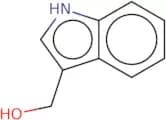
CAS:Please enquire for more information about 3-(4-ethoxyphenyl)spiro[1,3-thiazolidine-2,3'-indoline]-4,7-dione including the price, delivery time and more detailed product information at the technical inquiry form on this pagePurezza:Min. 95%3-Indolemethanol
CAS:3-Indolemethanol is a chemical compound that is used for chemiluminescent reaction. It can be used as an experimental model for studying the effects of 3-indolemethanol on murine hepatoma and human osteosarcoma cells in vitro. This compound has been shown to have oral hypoglycemic activity and to inhibit cancer cell growth. 3-Indolemethanol has also been shown to modulate signal pathways, such as the MAPK pathway, which may lead to pro-apoptotic protein activation or inhibition of physiological effects.
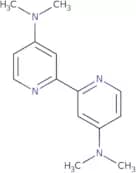
Formula:C9H9NOPurezza:Min. 95%Colore e forma:White PowderPeso molecolare:147.18 g/mol4,4' -Bis(N,N-dimethylamino)-2,2' -bipyridine
CAS:4,4' -Bis(N,N-dimethylamino)-2,2' -bipyridine (DMAB) is a ligand that is used in electrochemical studies. It has been shown to have ancillary properties, which means that it does not interact directly with the substrate but modifies its environment. DMAB can form a complex with the proton at the electrode surface and x-ray crystal structures have been obtained for this interaction. These structures demonstrate that DMAB binds to the tetrazole ring of pyridine and stabilizes the molecule by increasing its redox potentials.Formula:C14H18N4Purezza:Min. 95%Colore e forma:PowderPeso molecolare:242.32 g/mol8-Methoxypsoralen
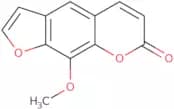
CAS:8-Methoxypsoralen is a furocoumarin compound, which is derived from natural plant sources such as the seeds of the Ammi majus plant. Its primary mode of action involves intercalation into DNA strands and the formation of covalent bonds with pyrimidine bases upon exposure to ultraviolet A (UVA) light. This interaction results in the inhibition of DNA synthesis and cell proliferation.Formula:C12H8O4Purezza:Min. 95%Colore e forma:White PowderPeso molecolare:216.19 g/molMethyl quinuclidine-3-carboxylate hydrochloride
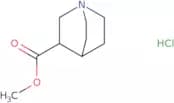
CAS:Methyl quinuclidine-3-carboxylate hydrochloride is a versatile building block that can be used to synthesize a variety of compounds. It is an intermediate in the production of high quality research chemicals and reagents. This compound has been shown to be useful as a scaffold for reactions that produce complex compounds with interesting biological activity. Methyl quinuclidine-3-carboxylate hydrochloride is a fine chemical that can be used as a reaction component or for other purposes.Formula:C9H15NO2·HClPurezza:Min. 95%Peso molecolare:205.68 g/mol1-Benzyl-1H-indole-2-carboxylic acid
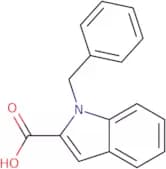
CAS:1-Benzyl-1H-indole-2-carboxylic acid is a molecule that binds to chemokine receptors and has been used in screening assays as a chemical probe of chemokine receptor binding. It has been shown to be an antagonist of the CXCR3 receptor, with high affinity and selectivity. 1-Benzyl-1H-indole-2-carboxylic acid is also an antagonist of the CCR5 receptor, with low affinity. This compound was discovered by screening for novel antagonists of chemokines.Formula:C16H13NO2Purezza:Min. 95 Area-%Colore e forma:PowderPeso molecolare:251.28 g/molImperatorin
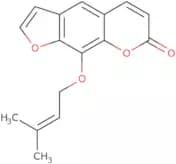
CAS:Imperatorin is a furanocoumarin compound, which is a natural product primarily isolated from plants in the Apiaceae family, such as Angelica dahurica and Citrus species. This compound is characterized by its unique chemical structure that includes a furan ring fused to a coumarin backbone. Imperatorin exerts its biological activities through multiple modes of action, including the modulation of enzymatic activity, interference with cellular signaling pathways, and binding to specific biological targets.Formula:C16H14O4Purezza:Min. 98 Area-%Colore e forma:White PowderPeso molecolare:270.28 g/molIndoline-2-carboxylic acid
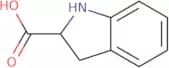
CAS:Indoline-2-carboxylic acid is a photophysical molecule with an absorption maximum at 518 nm. It has been shown to inhibit the activity of enzymes such as cyclooxygenase, lipoxygenase, and monoamine oxidases. This compound has been found to be effective in the treatment of cancer cells. Indoline-2-carboxylic acid is also used in pharmaceutical preparations, where it binds to enantiomers of other molecules and inhibits their biological activity. Indoline-2-carboxylic acid reacts with hydrochloric acid to form allyl carbonate and amide.
Formula:C9H9NO2Purezza:Min. 97 Area-%Colore e forma:PowderPeso molecolare:163.17 g/mol4-Hydroxy-2-methylindole
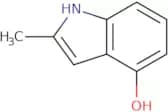
CAS:4-Hydroxy-2-methylindole is an organic compound that belongs to the class of metal salts. It can be obtained as a white solid by reacting indole with alkali metal hydroxide or alkali metal carbonate in the presence of water at high temperatures. The reaction yields 4-hydroxy-2-methylindole and hydrogen chloride gas, which are removed by distillation. 4-Hydroxy-2-methylindole is used in the production of epichlorohydrin, which is a raw material for polyurethane resins and olefins.Formula:C9H9NOPurezza:Min. 95%Colore e forma:PowderPeso molecolare:147.17 g/mol4-Nitrobenzyl (4R,5R,6S)-3-[(diphenylphosphono)oxy]-6-[(R)-1-hydroxyethyl]-4-methyl-7-oxo-1-azabicyclo[3.2.0]hept-2-ene-2-carboxylat e
CAS:4-Nitrobenzyl (4R,5R,6S)-3-[(diphenylphosphono)oxy]-6-[(R)-1-hydroxyethyl]-4-methyl-7-oxo-1-azabicyclo[3.2.0]hept-2-ene-2-carboxylat e is a synthetic compound that is used as an alkalizer and impurity scavenger in the manufacture of pesticides and other organic chemicals. It has been shown to be a stereoselective herbicide with acetonitrile as its primary degradation product. The compound has also been found to be a potent inhibitor of the enzyme carbapenemase, which may lead to increased resistance to antibiotics such as monosodium salt of ertapenem.Formula:C29H27N2O10PPurezza:Min. 98 Area-%Colore e forma:White PowderPeso molecolare:594.51 g/molFraxin
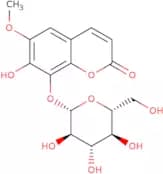
CAS:Fraxin is a naturally occurring anticoagulant, which is derived from the bark of certain species of the Fraxinus tree. It functions by inhibiting thrombin and other key enzymes in the coagulation cascade, thus preventing the formation of blood clots. This mode of action makes it particularly valuable in research settings focused on cardiovascular diseases, as well as in the development of therapeutic agents targeting coagulopathies.Formula:C16H18O10Purezza:Min. 95%Colore e forma:PowderPeso molecolare:370.31 g/molQuinoline 2,4-dicarboxylic acid
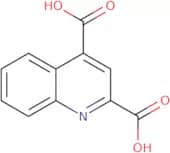
CAS:Quinoline 2,4-dicarboxylic acid (QDA) is a novel cytotoxic agent that targets cervical cancer cells. It inhibits the uptake of glucose and other nutrients by cervical cancer cells, leading to cell death through apoptosis. QDA also inhibits the expression of genes involved in cross-linking reactions, which are important for the structural integrity of proteins. This agent has been shown to inhibit the growth of aniline-induced breast cancer cells and glutamate-stimulated PC12 cells. QDA binds to DNA and forms covalent bonds with nucleotide bases, inhibiting DNA synthesis, as well as interfering with protein synthesis and cell division. The QDA mechanism is similar to that of benzoquinolines and estrone sulfate.
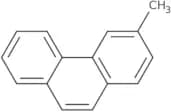
Formula:C11H7NO4Purezza:Min. 95%Colore e forma:White PowderPeso molecolare:217.18 g/mol3-Methylphenanthrene
CAS:3-Methylphenanthrene is a compound that inhibits the reductase activity of aromatic hydrocarbons. 3-Methylphenanthrene has been shown to inhibit both bacterial and mammalian reductases, with interactive effects on the enzyme's substrate molecule. It also shows an inhibitory effect on axonal growth, which may be due to its ability to reduce fatty acid uptake, as well as its ability to interact with the aromatic hydrocarbon uptake system. 3-Methylphenanthrene is easily detected by spectrometry analyses and can be used as a substrate molecule for bacterial enzymes.Formula:C15H12Purezza:Min. 98%Colore e forma:White PowderPeso molecolare:192.26 g/mol4-Imidazoleacetic acid HCl
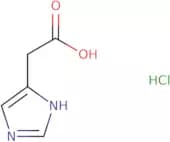
CAS:4-Imidazoleacetic acid HCl is a fluorescent probe that binds to the α1 subunit of the dinucleotide phosphate (NADH) oxidoreductase. It has been shown to inhibit mitochondrial functions, which may be due to its ability to inhibit the pentose phosphate pathway and reduce reactive oxygen species levels. 4-Imidazoleacetic acid HCl has also shown inhibitory properties against congestive heart failure by acting on the mitochondria and inhibiting energy metabolism. It can also be used as a chemical biology tool for studying protein interactions with NADH dehydrogenase. The x-ray crystal structures have revealed that 4-imidazoleacetic acid HCl binds to the active site of NADH oxidoreductase with an orientation that mimics a substrate molecule. This allows it to bind tightly and disrupt enzyme activity.
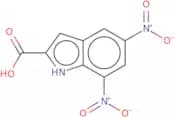
Formula:C5H6N2O2·HClPurezza:Min. 95%Colore e forma:PowderPeso molecolare:162.57 g/mol5,7-Dinitroindole-2-carboxylic acid
CAS:5,7-Dinitroindole-2-carboxylic acid is a versatile building block that has been used as a reagent in organic synthesis. It has also been shown to be an intermediate in the preparation of 5,7-dichloroindole and other complex compounds. This compound is a reaction component for the synthesis of many useful compounds, including research chemicals and speciality chemicals. 5,7-Dinitroindole-2-carboxylic acid is soluble in most solvents and can be purified by recrystallization or chromatography. The purity can be determined by elemental analysis or nuclear magnetic resonance spectroscopy.Formula:C9H5N3O6Purezza:Min. 95%Colore e forma:PowderPeso molecolare:251.15 g/mol5-Bromoisatin
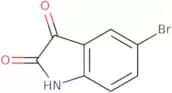
CAS:5-Bromoisatoic anhydride is a potential anticancer agent that contains nitrogen atoms. It inhibits the growth of cancer cells by binding to the enzyme acetylcholine, which is involved in the production of growth factors. The compound also inhibits the production of malonic acid, which is a metabolic disorder. 5-Bromoisatoic anhydride forms stable complexes with malonic acid and does not cause any adverse effects on normal cells.
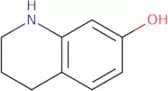
Formula:C8H4BrNO2Purezza:Min. 95%Colore e forma:PowderPeso molecolare:226.03 g/mol7-Hydroxy-1,2,3,4-tetrahydroquinoline
CAS:7-Hydroxy-1,2,3,4-tetrahydroquinoline (7OH-THQ) is a fluorophore that can be used to detect the presence of cancer cells. It is a linker and labile and can be synthesized from the lactam 7-hydroxypyrazolo-[4,3-a]pyridin-5(6H)-one. The synthesis of 7OH-THQ is possible by reacting 4-(dimethylamino)benzenesulfonyl chloride with 2,2'-dithiolethane in the presence of sodium hydroxide. 7OH-THQ has been shown to be effective as an anticancer drug in vitro assays for colon and breast cancer cells. It also has fluorescence properties that are sensitive to acidic conditions and pH levels.Formula:C9H11NOPurezza:Min. 96 Area-%Colore e forma:PowderPeso molecolare:149.19 g/molBenzo[c]phenanthrene
CAS:Benzo[c]phenanthrene is a polycyclic aromatic hydrocarbon that has been shown to have carcinogenic properties in rats. It is also a potential mutagen and can cause DNA damage by forming intramolecular hydrogen bonds with guanine residues in DNA duplexes. These adducts are detected in tumor cells of rats treated with benzo[c]phenanthrene, as well as in human liver cells and mouse liver tumor cells. Benzo[c]phenanthrene can be activated by cytochrome P450 enzymes to form reactive metabolites, which bind covalently to DNA, proteins, and other cellular macromolecules. Benzo[c]phenanthrene has been shown to cause cancer in mice when given orally or injected into the peritoneal cavity. This chemical has also been found to cause liver cell necrosis in rats, at doses of 25 mg/kg body weight.
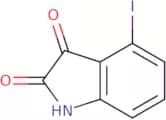
Formula:C18H12Purezza:Min. 95%Colore e forma:PowderPeso molecolare:228.29 g/mol4-Iodoisatin
CAS:4-Iodoisatin is a heterocyclic compound that can be synthesized by cross-coupling reactions. It has been shown to inhibit the production of prostaglandin E2, COX-2 protein, and tumor necrosis factor in mouse macrophages. 4-Iodoisatin also inhibits the production of protein kinase C (PKC) in these cells. 4-Iodoisatin can be modified into a dimer form with many different substitutions on the ring structure and this modification increases its potency as an inhibitor of PKC. Irradiation can decompose the compound into a single isomer that is more potent than either of the two isomers. This drug may have therapeutic potential for treatment of cancer, arthritis, and other inflammatory disorders.
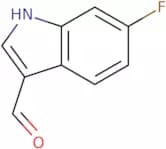
Formula:C8H4INO2Purezza:Min. 95%Colore e forma:PowderPeso molecolare:273.03 g/mol6-Fluoroindole-3-carboxaldehyde
CAS:6-Fluoroindole-3-carboxaldehyde (6FLA) is a synthetic compound that inhibits biosynthesis of the phytoalexins salicylic acid and lignin in plants. It also inhibits the β-glucuronidase enzyme, which hydrolyzes the glucuronide conjugates of phenolic compounds and xenobiotics. 6FLA has been shown to cause mild liver damage in rats, but its effects on humans are unknown. 6FLA may be used as a detectable substance for assays.
Formula:C9H6FNOPurezza:Min. 95%Peso molecolare:163.15 g/mol
![3-(4-ethoxyphenyl)spiro[1,3-thiazolidine-2,3'-indoline]-4,7-dione](/_next/image/?url=https%3A%2Fstatic.cymitquimica.com%2Fproducts%2F3D%2Fthumb-webp%2FFE169782.webp&w=3840&q=75)

![4-Nitrobenzyl (4R,5R,6S)-3-[(diphenylphosphono)oxy]-6-[(R)-1-hydroxyethyl]-4-methyl-7-oxo-1-azabic…](/_next/image/?url=https%3A%2Fstatic.cymitquimica.com%2Fproducts%2F3D%2Fthumb-webp%2FFM140061.webp&w=3840&q=75)
![Benzo[c]phenanthrene](/_next/image/?url=https%3A%2Fstatic.cymitquimica.com%2Fproducts%2F3D%2Fthumb-webp%2FFB18203.webp&w=3840&q=75)