Composti policiclici
Sottocategorie di "Composti policiclici"
- Acridine(97 prodotti)
- Antrachinoni(533 prodotti)
- Acidi antrachinonici solfonici(16 prodotti)
- Azobenzeni(270 prodotti)
- Azonaftalene(98 prodotti)
- Azoxybenzeni(12 prodotti)
- Azuleni(11 prodotti)
- Benzimidazoli(1.475 prodotti)
- Benzodiossani(27 prodotti)
- Benzofurani(924 prodotti)
- Benzotiofeni(700 prodotti)
- Benzotriazoli(438 prodotti)
- Binaphthyl(133 prodotti)
- Carbazoli(462 prodotti)
- Cromani, cromeni(480 prodotti)
- Cumarine(1.122 prodotti)
- Ciclofani(11 prodotti)
- Fluorene e Fluorenoni(381 prodotti)
- Imidazopiridine(10 prodotti)
- Indan(118 prodotti)
- Indazoli(2.037 prodotti)
- Indeni(22 prodotti)
- Indoli(3.988 prodotti)
- Indoline(119 prodotti)
- Isatine(234 prodotti)
- Isobenzofurani(17 prodotti)
- Ftalimmidi N-sostituiti(153 prodotti)
- Naftaleni(2.436 prodotti)
- Naftiridina(17 prodotti)
- Naftochinone(2 prodotti)
- Perilene(36 prodotti)
- Fenazine(25 prodotti)
- Ftalazine(33 prodotti)
- Ftalimmide(153 prodotti)
- Idrocarburi policiclici aromatici (PAH)(270 prodotti)
- Polifenolo(261 prodotti)
- Pteridine(52 prodotti)
- Pireni(87 prodotti)
- Chinuclidina(1 prodotti)
- Tetraceni(7 prodotti)
Trovati 4574 prodotti di "Composti policiclici"
1,2-Diazabicyclo[2.2.2]octan-3-one
CAS:Prodotto controllatoApplications 1,2-Diazabicyclo[2.2.2]octan-3-one is an intermediate used in the synthesis of Bicyclo Risperidone (B382800), which is an impurity of Risperidone (R525000); a combined serotonin (5-HT2) and dopamine (D2) receptor antagonist.
References Jannssen, P.A.J., et al.: J. Pharmacol. Exp. Ther., 244, 685 (1988); Gelders, Y.G., et al.: Pharmacopsychiatry, 23, 206 (1990); Green, B.: Curr. Med. Res. Opin., 16, 57 (2000)Formula:C6H10N2OColore e forma:NeatPeso molecolare:126.165-Amino Isoquinoline
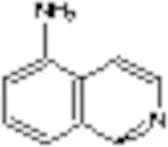
CAS:Prodotto controllatoApplications Used for synthesis of Rho kinase inhibitors.
References Biggadike, K., et al.: J. Med. Chem., 50, 6519 (2007), Cheng, Y., et al.: Bioorg. Med. Chem., 16, 4617 (2008),Formula:C9H8N2Colore e forma:NeatPeso molecolare:144.175-Amino-6-(methylamino)quinoline
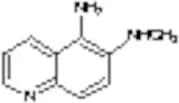
CAS:Prodotto controllatoStability Store in freezer at -20°C
Applications 5-Amino-6-(methylamino)quinoline (cas# 14204-98-9) is a compound useful in organic synthesis.Formula:C10H11N3Colore e forma:NeatPeso molecolare:173.212-phenyl-quinoline
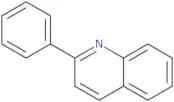
CAS:2-Phenyl-quinoline is a naturally occurring compound that exhibits antimicrobial activity. It has been shown to inhibit the growth of bacteria by interfering with the synthesis of ATP, which is necessary for bacterial cell division. 2-Phenyl-quinoline also possesses antioxidative properties and has been shown to have inhibitory effects on a number of bacterial strains. 2-Phenyl-quinoline has been shown to induce necrotic cell death in S. aureus strains, as well as anti-inflammatory and antinociceptive properties.Formula:C15H11NPurezza:Min. 98 Area-%Colore e forma:PowderPeso molecolare:205.25 g/mol2-Nitroimidazole
CAS:2-Nitroimidazole is a compound that has been shown to have significant cytotoxicity against tumor cells. It is also an anti-cancer drug with a matrix effect on solid tumours, and has been shown to inhibit the synthesis of DNA, RNA, and proteins in vitro. 2-Nitroimidazole is also active against infectious diseases such as HIV, herpes simplex virus type 1, and influenza A virus. The biological properties of this compound are currently being studied by analytical methods such as LC/MS and HPLC/UV.Formula:C3H3N3O2Purezza:Min. 95%Colore e forma:PowderPeso molecolare:113.07 g/mol3-Chloroisoquinoline
CAS:3-Chloroisoquinoline is a thiolate, which is a reactive chemical group. 3-Chloroisoquinoline has been shown to react with trifluoromethanesulfonic acid to form a compound with biological properties. The amide and palladium complexes of 3-chloroisoquinoline have been prepared in the past. Additionally, the two isomers of 3-chloroisoquinoline are known as the halides and magnetic resonance spectroscopy of this compound has been studied. Structural isomers and functional groups of 3-chloroisoquinoline have also been studied in detail. Tautomers and lactams are structural isomers of 3-chloroisoquinoline that have also been researched extensively. Finally, trifluoroacetic acid reacts with 3-chloroisoquinoline to form an ester product.Formula:C9H6ClNPurezza:Min. 95%Peso molecolare:163.6 g/mol7-(Trifluoromethyl)1H-indole-2,3-dione
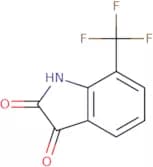
CAS:Trifluoromethyl-substituted 7-(trifluoromethyl)1H-indole-2,3-dione is a trifluoromethyl analogue of indole-2,3-dione that has been shown to have antimalarial activity. It has been shown to be active against plasmodium and cancer cells in vitro. Trifluoromethyl group can be replaced by other substituents such as methoxy, ethoxy, or nitro groups. The compound has centrosymmetric structures and an elemental composition of C8H4F3N.
Formula:C9H4F3NO2Purezza:Min. 95%Colore e forma:PowderPeso molecolare:215.13 g/molSuberosin
CAS:Suberosin is a naturally occurring sesquiterpene lactone, which is isolated from members of the Rutaceae family, such as the plant Feronia limonia. The compound exhibits diverse biological activities, primarily attributed to its complex structure that facilitates interaction with various biological targets. Suberosin's mode of action involves disrupting microbial cell membranes and interfering with critical biochemical pathways, effectively inhibiting microbial growth and propagation.
Formula:C15H16O3Purezza:Min. 95%Peso molecolare:244.29 g/mol6-Iodoisatin
CAS:6-Iodoisatin is a potential anticancer agent that has been shown to inhibit the growth of murine melanoma cells in vitro. The mechanism of action is not yet fully understood, but it seems that 6-iodoisatin may inhibit the synthesis of melanin and its cross-coupling reaction. This compound also exhibits affinity for tumour cells and can be radiolabeled with a radionuclide such as iodine-131 (I) or iodine-123 (I). 6-Iodoisatin has been shown to have a high biodistribution profile in mice. It accumulates in melanoma tumours at an amount that is ten times higher than that observed in other tissues.
Formula:C8H4INO2Purezza:Min. 95%Colore e forma:Orange PowderPeso molecolare:273.03 g/mol4-Bromo-5-methyl-1H-indole-2,3-dione
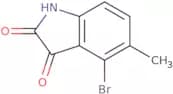
CAS:4-Bromo-5-methyl-1H-indole-2,3-dione is a synthetic molecule that has been shown to have neuroprotective effects. It inhibits the production of proinflammatory cytokines, such as tnf-α and il-6, by binding to survivin. 4Bromo-5 methyl 1Hindole 2,3 dione also binds to the viral capsid protein and blocks virus infection. This compound has been shown to inhibit viral replication in vitro as well as provide protection against alphavirus infection in mice.Formula:C9H6BrNO2Purezza:Min. 95%Peso molecolare:240.05 g/mol4-Chloro-5-ethylisatin
CAS:4-Chloro-5-ethylisatin is a fine chemical that can be used as a versatile building block in the synthesis of complex compounds. It has been shown to be a useful intermediate and reaction component for the preparation of high quality reagents. 4-Chloro-5-ethylisatin is commercially available from Sigma Aldrich, catalog number 1379340-45-0.
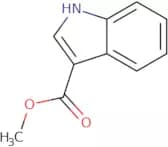
Formula:C10H8ClNO2Purezza:Min. 95%Peso molecolare:209.63 g/molIndole-3-carboxylic acid methyl ester
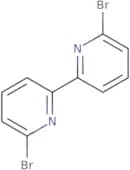
CAS:Prodotto controllatoIndole-3-carboxylic acid methyl ester is a quinoline derivative that is structurally related to the well-known antibiotic, ciprofloxacin. It has been shown to be cytotoxic against a variety of bacterial strains including Pseudomonas aeruginosa and Staphylococcus aureus. The mechanism of action for this compound is not yet fully understood, but it has been shown to inhibit collagen production in cell cultures and induce neuronal death in mice. Indole-3-carboxylic acid methyl ester also possesses anti-cancer properties and inhibits fatty acid synthesis. This compound also has antifungal effects against Candida albicans and other fungi.Formula:C10H9NO2Purezza:Min. 98 Area-%Colore e forma:PowderPeso molecolare:175.18 g/mol6,6'-Dibromo-2,2'-bipyridine
CAS:6,6'-Dibromo-2,2'-bipyridine is a synthetic molecule that is used to produce amines. It can be synthesized in a cross-coupling reaction involving the reaction of an amine with bromine and a palladium catalyst. 6,6'-Dibromo-2,2'-bipyridine reacts with formaldehyde to form 2,4-diaminobiphenyls. This reaction is catalyzed by acid or base. 6,6'-Dibromo-2,2'-bipyridine has been shown to be reactive and photoexcited. Its photophysical properties make it a useful synthetic intermediate for the production of amines.Formula:C10H6Br2N2Purezza:Min. 95%Colore e forma:PowderPeso molecolare:313.98 g/mol2-Azabicyclo[2.2.1]heptane
CAS:2-Azabicyclo[2.2.1]heptane is a lactam that has been synthesized in the laboratory. The compound exhibits significant antiproliferative activity and is shown to have a stereoselective, stereogenic, nucleophilic attack on amides. 2-Azabicyclo[2.2.1]heptane has been used to study the mechanisms of neurodegenerative diseases such as Parkinson's disease and Alzheimer's disease. The conformational properties of this compound can be determined by NMR spectra, which show that it has a skeleton with significant conformational flexibility.Formula:C6H11NPurezza:Min. 95%Colore e forma:Red PowderPeso molecolare:97.16 g/mol2-Dimethylamino-6-hydroxypurine
CAS:2-Dimethylamino-6-hydroxypurine is a biochemical that belongs to the group of purines. It is a methylated form of 2,6-diaminopurine and has been shown to be an antigenic product in wheat germ. 2,6-Diaminopurine is involved in the synthesis of protein and other biomolecules by transferring methyl groups from S-adenosyl methionine to amino acid side chains. This gene product is also involved in enzyme preparations and reactions that are related to the biochemical properties of mammalian cells. The methyltransferase enzyme catalyzes the reaction mechanism for 2,6-dimethylamino-purine. 2,6-Dimethylamino-purine has been shown to have anticancer effects on various types of cancer cells with modifications on their DNA.
Formula:C7H9N5OPurezza:Min. 95%Colore e forma:Off-white to yellow solid.Peso molecolare:179.18 g/molcis-Bicyclo[3.3.0]octane-3,7-dione
CAS:cis-Bicyclo[3.3.0]octane-3,7-dione (1) is a diketone that belongs to the group of epoxides. It has two functional groups, an epoxy and a ketone, which are in the trans configuration. cis-Bicyclo[3.3.0]octane-3,7-dione (1) is a reactive molecule that can form glyoxal when heated at high temperatures. cis-Bicyclo[3.3.0]octane-3,7-dione (1) can be prepared synthetically by an asymmetric synthesis with L-(+)-tartaric acid as the chiral auxiliary and glyoxal as the substrate. The reaction has been shown to proceed through an aldol cyclization and subsequent amide formation with l-(+)-tartaric acid as the chiral auxiliary and glyoxal asFormula:C8H10O2Purezza:Min. 95%Colore e forma:White PowderPeso molecolare:138.16 g/mol2-Bromoquinoline
CAS:2-Bromoquinoline is an antimicrobial agent that binds to bacterial receptors. It is a bifunctional molecule with two reactive groups: a hydroxyl group and a nitrogen atom. 2-Bromoquinoline has been shown to inhibit the growth of various bacteria, including Mycobacterium tuberculosis, Staphylococcus epidermidis and Streptococcus pyogenes, by preventing the formation of a proton gradient across the bacterial membrane. 2-Bromoquinoline also inhibits hyperproliferative diseases such as amyloidosis in mice by binding to amyloid fibrils. This drug has been shown to cause DNA damage in mammalian cells, which may be due to its ability to form hydrogen bonds with methyl ethyl groups on DNA bases.Formula:C9H6BrNPurezza:Min. 95%Colore e forma:White To Yellow To Pink SolidPeso molecolare:208.05 g/molOxythiamine chloride
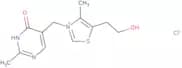
CAS:Oxythiamine chloride is a compound that binds to DNA in the nucleus of cells. It has been shown to inhibit cell growth and induce apoptosis by binding to a number of cellular molecules, including hydrogen bonding interactions with enzymes. Oxythiamine chloride also inhibits energy metabolism by inhibiting mitochondrial respiration and mitochondrial ATP production, and is toxic to cells. This drug has potent inducers, such as cell factor, which are necessary for the production of new cells. It also inhibits thiamine-dependent enzymes, such as pyruvate dehydrogenase kinase (PDK) and pyruvate dehydrogenase (PDH). The wild-type strain of Escherichia coli was used for these studies.
Formula:C12H15N3O2S·HClPurezza:Min. 95%Colore e forma:White to off-white solid.Peso molecolare:301.79 g/molXanthene
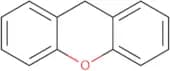
CAS:Yellow dye used in food industry
Formula:C13H10OPurezza:Min. 95%Colore e forma:White PowderPeso molecolare:182.22 g/mol5-Nitroquinoline
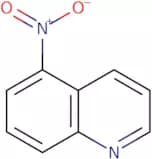
CAS:5-Nitroquinoline is a nitrogen-containing heterocyclic organic compound. It is a white solid that has a melting point of 104 °C and a boiling point of 212 °C. 5-Nitroquinoline can be synthesized by the addition of sodium carbonate to 6-nitroquinoline in hydrochloric acid. The product is then purified by vacuum distillation and recrystallization from nitric acid and acetic acid. 5-Nitroquinoline can be used as an intermediate in the synthesis of other molecules, such as quinolones, which are used in pharmaceuticals. This compound has been shown to cause metastatic colorectal cancer in mice, but not in human liver cells or human lymphocytes.Formula:C9H6N2O2Purezza:Min. 95%Colore e forma:Light (Or Pale) Yellow To Dark Yellow SolidPeso molecolare:174.16 g/mol
![1,2-Diazabicyclo[2.2.2]octan-3-one](/_next/image/?url=https%3A%2Fstatic.cymitquimica.com%2Fproducts%2FTR%2Fthumb-webp%2FD417148.webp&w=3840&q=75)






![2-Azabicyclo[2.2.1]heptane](/_next/image/?url=https%3A%2Fstatic.cymitquimica.com%2Fproducts%2F3D%2Fthumb-webp%2FFA116876.webp&w=3840&q=75)

![cis-Bicyclo[3.3.0]octane-3,7-dione](/_next/image/?url=https%3A%2Fstatic.cymitquimica.com%2Fproducts%2F3D%2Fthumb-webp%2FFB153670.webp&w=3840&q=75)