Composti policiclici
I composti policiclici sono molecole organiche che contengono più anelli interconnessi. Questi composti includono idrocarburi aromatici policiclici e altri sistemi ad anello complessi. Sono significativi nella scienza dei materiali, nei prodotti farmaceutici e nell'elettronica organica. Da CymitQuimica, offriamo composti policiclici di alta qualità per supportare le tue ricerche e applicazioni industriali, garantendo risultati affidabili ed efficaci nei tuoi progetti.
Sottocategorie di "Composti policiclici"
- Acridine(97 prodotti)
- Antrachinoni(533 prodotti)
- Acidi antrachinonici solfonici(16 prodotti)
- Azobenzeni(270 prodotti)
- Azonaftalene(98 prodotti)
- Azoxybenzeni(12 prodotti)
- Azuleni(11 prodotti)
- Benzimidazoli(1.475 prodotti)
- Benzodiossani(27 prodotti)
- Benzofurani(924 prodotti)
- Benzotiofeni(700 prodotti)
- Benzotriazoli(438 prodotti)
- Binaphthyl(133 prodotti)
- Carbazoli(462 prodotti)
- Cromani, cromeni(480 prodotti)
- Cumarine(1.122 prodotti)
- Ciclofani(11 prodotti)
- Fluorene e Fluorenoni(381 prodotti)
- Imidazopiridine(10 prodotti)
- Indan(118 prodotti)
- Indazoli(2.037 prodotti)
- Indeni(22 prodotti)
- Indoli(3.988 prodotti)
- Indoline(119 prodotti)
- Isatine(234 prodotti)
- Isobenzofurani(17 prodotti)
- Ftalimmidi N-sostituiti(153 prodotti)
- Naftaleni(2.436 prodotti)
- Naftiridina(17 prodotti)
- Naftochinone(2 prodotti)
- Perilene(36 prodotti)
- Fenazine(25 prodotti)
- Ftalazine(33 prodotti)
- Ftalimmide(153 prodotti)
- Idrocarburi policiclici aromatici (PAH)(270 prodotti)
- Polifenolo(261 prodotti)
- Pteridine(52 prodotti)
- Pireni(87 prodotti)
- Chinuclidina(1 prodotti)
- Tetraceni(7 prodotti)
Mostrare 32 più sottocategorie
Trovati 4574 prodotti di "Composti policiclici"
Ordinare per
Purezza (%)
0
100
|
0
|
50
|
90
|
95
|
100
Thiamine monophosphate chloride dihydrate
CAS:<p>Thiamine monophosphate chloride dihydrate is a form of the vitamin thiamine. It has been used in control analysis to measure the activity of enzymes that require thiamine as a cofactor, such as transketolase and pyruvate kinase. Thiamine monophosphate chloride dihydrate has also been studied in biochemical properties, where it was found that this compound can be cleaved by picolinic acid to form thiazole phosphate. The matrix effect is an important factor in polymerase chain reactions and has been shown to be dependent on the presence of dinucleotide phosphate. This compound is an essential component of energy metabolism and plays a role in protein synthesis. Thiamine monophosphate chloride dihydrate also has toxicological studies, including a model system using wild-type strains of yeast. These studies have shown that this compound leads to physiological effects such as inhibition of glycolysis and lactic acid production.</p>Formula:C12H18N4O4PS•Cl•(H2O)2Purezza:Min. 99 Area-%Colore e forma:PowderPeso molecolare:416.82 g/mol6-Hydroxy-3,4-dihydro-1H-quinoline-2-one
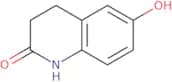
CAS:This is a quinoline derivative that has been shown to have inotropic and cardioprotective effects. It has been shown to increase the duration of action potentials and contractions in isolated heart muscle, as well as to improve the function of the heart by reducing the rate of myocardial oxygen consumption. 6-Hydroxy-3,4-dihydro-1H-quinoline-2-one has been shown to have anti-inflammatory properties and may be useful for treating respiratory diseases such as asthma. This compound is also used as a precursor for some pharmaceutical drugs, including chloroquine, mefloquine, amodiaquine, and primaquine. The compound is metabolized into conjugates that are recycled back into the body or excreted in human urine; this process is regulated by the balance between conjugation reactions and hydrolysis reactions.Formula:C9H9NO2Purezza:Min. 95%Peso molecolare:163.17 g/mol(1R,4R)-tert-Butyl 2,5-diazabicyclo[2.2.1]heptane-2-carboxylate hydrochloride
CAS:<p>Tert-Butyl 2,5-diazabicyclo[2.2.1]heptane-2-carboxylate hydrochloride (TBDAHC) is a fine chemical that is an intermediate for the synthesis of other compounds. TBDAHC is a versatile building block that can be used in research chemicals, reaction components, and specialty chemicals. It is also a useful scaffold for making complex compounds and useful building blocks. The compound has high quality and can be used as a reagent in organic chemistry.</p>Formula:C10H18N2O2·HClPurezza:Min. 95%Colore e forma:White PowderPeso molecolare:234.72 g/mol2-Mercapto-1H-imidazole
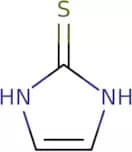
CAS:<p>2-Mercapto-1H-imidazole is an irreversible inhibitor of xanthine oxidase. It binds to the nitrogen atoms of the enzyme's active site and forms a strong hydrogen bond with the oxygen atom of the xanthine substrate. The steric interactions between 2-mercapto-1H-imidazole and the substrate prevent binding and catalysis. The crystal structures of 2-mercapto-1H-imidazole in complex with xanthine oxidase have been determined using X-ray crystallography. FTIR spectroscopy has shown that 2-mercapto-1H-imidazole coordinates in a geometry similar to that of the reactant, hydrochloric acid. Electrochemical impedance spectroscopy (EIS) has revealed that proton transfer takes place when 2-mercapto-1H imidazole binds to xanthine oxidase, which is consistent with reaction mechanism involving elect</p>Formula:C3H4N2SPurezza:Min. 95%Colore e forma:PowderPeso molecolare:100.14 g/molcis-Bicyclo[3.3.0]octane-3,7-dione
CAS:cis-Bicyclo[3.3.0]octane-3,7-dione (1) is a diketone that belongs to the group of epoxides. It has two functional groups, an epoxy and a ketone, which are in the trans configuration. cis-Bicyclo[3.3.0]octane-3,7-dione (1) is a reactive molecule that can form glyoxal when heated at high temperatures. cis-Bicyclo[3.3.0]octane-3,7-dione (1) can be prepared synthetically by an asymmetric synthesis with L-(+)-tartaric acid as the chiral auxiliary and glyoxal as the substrate. The reaction has been shown to proceed through an aldol cyclization and subsequent amide formation with l-(+)-tartaric acid as the chiral auxiliary and glyoxal asFormula:C8H10O2Purezza:Min. 95%Colore e forma:White PowderPeso molecolare:138.16 g/mol5-Methoxy-3-(1,2,5,6-tetrahydro-4-pyridinyl)-1H-indole hemisuccinate
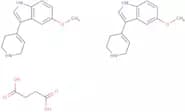
CAS:5-Methoxy-3-(1,2,5,6-tetrahydro-4-pyridinyl)-1H-indole hemisuccinate is a serotonin receptor agonist that has been shown to stimulate the 5HT1A receptor. It stimulates insulin secretion and glucose uptake in rats and inhibits feeding behavior in mice. It has also been shown to have antihypertensive effects on rats by blocking the 5HT2 receptors. In addition, it stimulates regeneration of injured nerve cells. This drug has potential uses as a treatment for neurological diseases such as Parkinson's disease and depression.Formula:C14H16N2O•(C4H6O4)0Purezza:Min. 95%Colore e forma:Yellow solid.Peso molecolare:287.33 g/mol1-Methylindole-2-Carboxylic Acid
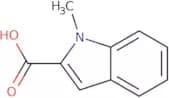
CAS:<p>1-Methylindole-2-Carboxylic Acid is a chemical that belongs to the group of phenylacetic acid compounds. It has been shown to inhibit lymphocyte activation and t-cell proliferation in vitro, which may be due to its ability to interfere with the production of interleukin. 1-Methylindole-2-Carboxylic Acid also has an antitumor effect on animals and can reduce the tumor burden by inhibiting DNA synthesis, protein synthesis, and mineralization. The molecular modeling studies have shown that 1-Methylindole-2-Carboxylic Acid binds in the active site of protein kinase C as a competitive inhibitor and prevents ATP from binding to the enzyme.</p>Formula:C10H9NO2Purezza:Min. 95%Colore e forma:PowderPeso molecolare:175.18 g/molBoc-(3S)-1,2,3,4-Tetrahydroisoquinoline-3-carboxylic acid
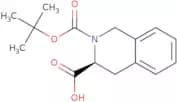
CAS:Boc-(3S)-1,2,3,4-Tetrahydroisoquinoline-3-carboxylic acid is an amino acid that has the δ-opioid receptor antagonist activity. It can be synthesized by a stepwise synthesis with an asymmetric center. The δ-opioid receptor antagonist activity of Boc-(3S)-1,2,3,4-Tetrahydroisoquinoline-3-carboxylic acid was found to be comparable to naloxone in terms of affinity constants and functional groups.Formula:C15H19NO4Purezza:Min. 95%Colore e forma:SolidPeso molecolare:277.32 g/mol2-Chlorobenzimidazole
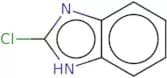
CAS:2-Chlorobenzimidazole is an analog of benzimidazole that has been synthesized by Langmuir adsorption isotherm. It is a white crystalline solid that can be dissolved in water and hydrochloric acid. 2-Chlorobenzimidazole inhibits the growth of herpes simplex virus by acting as a competitive inhibitor for the viral enzyme thymidine kinase, which catalyzes the conversion of thymine to thymidine. 2-Chlorobenzimidazole also binds to monoclonal antibodies, inhibiting their binding to their corresponding antigens. This activity may be due to its ability to bind covalently with amino groups on proteins and other molecules. Magnetic resonance spectroscopy has shown that 2-chlorobenzimidazole binds tightly with protonated (positively charged) phosphorous atoms within cells.Formula:C7H5ClN2Purezza:Min. 95%Colore e forma:White PowderPeso molecolare:152.58 g/mol2-(2-Butoxyethyl)-1H-isoindole-1,3(2H)-dione
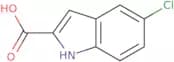
CAS:<p>2-(2-Butoxyethyl)-1H-isoindole-1,3(2H)-dione is a versatile building block and intermediate with a range of chemical properties. It is a useful scaffold for the synthesis of complex compounds with different functional groups. 2-(2-Butoxyethyl)-1H-isoindole-1,3(2H)-dione can be used as an organic solvent and reaction component in organic synthesis as well as being an effective catalyst or reagent in reactions involving other chemicals. This compound has been selected by the Chemical Abstracts Service (CAS) as one of their high quality products.</p>Formula:C14H17NO3Purezza:Min. 95%Colore e forma:PowderPeso molecolare:247.29 g/mol5-Chloroindole-2-carboxylic acid
CAS:<p>5-Chloroindole-2-carboxylic acid is a fatty acid that is synthesized from glucose. It has been shown to have inhibitory properties against the enzyme cyclooxygenase-2 (COX-2), which may be due to its ability to suppress prostaglandin synthesis. 5-Chloroindole-2-carboxylic acid also has been shown to have anticancer properties and can inhibit cancer cell growth in vitro. The drug may also play a role in the central nervous system, as it has been shown to cause neuronal death. 5-Chloroindole-2-carboxylic acid is not water soluble, so it must be dissolved in organic solvents such as cyclohexane or chloroform before being used for chemical reactions. This drug can be used with other drugs that are coxib sensitive, such as aspirin, acetaminophen, and ibuprofen.</p>Formula:C9H6ClNO2Colore e forma:PowderPeso molecolare:195.6 g/mol4-Chloro-6-methoxyquinolin-7-ol
CAS:4-Chloro-6-methoxyquinolin-7-ol (CMQ) is an alkali metal that inhibits the sodium/potassium ATPase pump, which is responsible for maintaining the cell's intracellular ion balance. It was discovered in a search for compounds that inhibit this enzyme and show promise in the treatment of heart diseases. CMQ has been shown to inhibit the sodium concentration in rat hearts with no effect on potassium concentrations, which may be due to its ability to bind to sodium ions but not potassium ions. The long-term effects of CMQ on human populations are unknown, as well as its effects on genotype and parameters. CMQ also has been shown to cause drug resistance mutations in bacteria, such as methicillin resistant Staphylococcus aureus (MRSA), by increasing the mutation rate. This is due to the fact that it inhibits DNA replication and protein synthesis in bacteria cells.Formula:C10H8ClNO2Purezza:Min. 95%Colore e forma:Yellow PowderPeso molecolare:209.63 g/molSuberosin
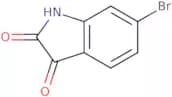
CAS:<p>Suberosin is a naturally occurring sesquiterpene lactone, which is isolated from members of the Rutaceae family, such as the plant Feronia limonia. The compound exhibits diverse biological activities, primarily attributed to its complex structure that facilitates interaction with various biological targets. Suberosin's mode of action involves disrupting microbial cell membranes and interfering with critical biochemical pathways, effectively inhibiting microbial growth and propagation.</p>Formula:C15H16O3Purezza:Min. 95%Peso molecolare:244.29 g/mol6-Bromoisatin
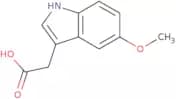
CAS:<p>6-Bromoisatin is an antimicrobial agent that belongs to the group of ethylene diamines. It has been shown to be a potent inhibitor of cancer cell viability in vivo and can be used as a potential chemotherapy agent. 6-Bromoisatin is active against human pathogens, such as Staphylococcus aureus and Streptococcus pyogenes. This compound has also been shown to inhibit the growth of LPS-stimulated RAW264.7 macrophages, which are used in vitro for studying innate immunity. The mechanism of action involves inhibition of cyclic AMP production, which leads to cell death in cancer cells. 6-Bromoisatin also inhibits the proliferation and viability of granulosa cells and carcinoma cells, with IC50 values in the range of 0.5 - 2 µM.END>></p>Formula:C8H4BrNO2Purezza:Min. 95%Colore e forma:Yellow PowderPeso molecolare:226.03 g/mol5-Methoxyindole-3-acetic acid
CAS:5-Methoxyindole-3-acetic acid (5MI) is an endogenous indole and metabolite of melatonin that is found in high concentrations in the human serum. 5MI has been shown to inhibit the activity of cyclase enzymes and may be a specific inhibitor of the type I form of estrone sulfate, which is involved in estrogen production. This agent also inhibits matrix metalloproteinases and aminotransferases, which are enzymes that play a role in oxidative injury. 5MI also has a fluorescent derivative that can be used as a probe for biological samples or to study the target enzyme.Formula:C11H11NO3Purezza:Min. 97.5 Area-%Colore e forma:PowderPeso molecolare:205.21 g/mol2-Boc-6-hydroxy-1,2,3,4-tetrahydroisoquinoline-1-carboxylic acid
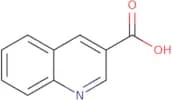
CAS:<p>2-Boc-6-hydroxy-1,2,3,4-tetrahydroisoquinoline-1-carboxylic acid is a useful scaffold with a high quality. It can be used as a building block in the synthesis of complex compounds and fine chemicals. 2-Boc-6-hydroxy-1,2,3,4-tetrahydroisoquinoline-1-carboxylic acid is also a useful intermediate and reagent in organic synthesis. This compound has CAS number 362492-00-0.</p>Formula:C15H19NO5Purezza:Min. 95%Colore e forma:PowderPeso molecolare:293.32 g/mol3-Quinolinecarboxylic acid
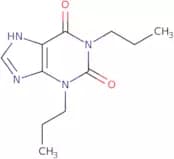
CAS:<p>3-Quinolinecarboxylic acid is a water-soluble drug that is soluble in both organic solvents and water. It is reactive, which limits its therapeutic use. 3-Quinolinecarboxylic acid is used to treat inflammatory disease by inhibiting the production of prostaglandins and leukotrienes in the body. 3-Quinolinecarboxylic acid has been shown to have genotoxic effects on primary cells, as well as an antiinflammatory effect. It also has been shown to be effective for treating rheumatoid arthritis in animal models, but not humans.</p>Formula:C10H7NO2Purezza:Min. 95%Colore e forma:PowderPeso molecolare:173.17 g/mol1,3-Dipropylxanthine
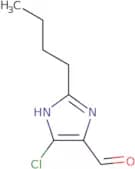
CAS:Prodotto controllato<p>1,3-Dipropylxanthine is a congener of caffeine. It is a nonselective adenosine receptor antagonist that binds to the adenosine receptors in the kidney. 1,3-Dipropylxanthine has been shown to increase renal blood flow and increase urine output. This drug may be used as a mobilisation agent for patients who are bedridden or have limited mobility. It should not be given to patients with heart disease or high blood pressure. 1,3-Dipropylxanthine has also been shown to inhibit the binding of pyrimido [1,2-a]benzimidazole (PPIM) and furyl derivatives to the adenosine receptor.</p>Formula:C11H16N4O2Purezza:Min. 95%Colore e forma:PowderPeso molecolare:236.27 g/mol2-Butyl-4-chloro-1H-imidazole-5-carboxaldehyde
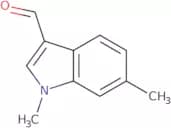
CAS:Glyoxal is a chemical compound that has shown to have bactericidal activity against human pathogens such as Mycobacterium tuberculosis, Helicobacter pylori, and Staphylococcus aureus. It is used in the synthesis of heterocyclic amines and can be found as an impurity in imidazole derivatives. Glyoxal is a broad-spectrum antimicrobial that has been shown to inhibit the growth of fungi and bacteria by reacting with functional groups on the microorganisms' cell walls. It reacts with bacterial cell walls by forming an intermediate molecule, which reacts with other molecules present in the microorganism's environment to form carbon dioxide, water, and glyoxal. The reaction time for glyoxal depends on temperature; higher temperatures will result in faster reactions. Techniques used to synthesize glyoxal include dehydration of oximes or by reaction with phosphorus oxychloride.Formula:C8H11ClN2OPurezza:Min. 95%Colore e forma:PowderPeso molecolare:186.64 g/mol1,6-Dimethyl-1H-indole-3-carbaldehyde
CAS:1,6-Dimethyl-1H-indole-3-carbaldehyde is a compound that can be used in the synthesis of many organic and pharmaceutical compounds. It is also an intermediate for the production of other chemicals. 1,6-Dimethyl-1H-indole-3-carboxylic acid has been shown to be useful as a building block in organic synthesis, due to its versatility and reactivity. The compound is also a reagent and can be used as part of research studies. This chemical has CAS number 202584-14-3.Formula:C11H11NOPurezza:Min. 95%Colore e forma:PowderPeso molecolare:173.21 g/mol


![(1R,4R)-tert-Butyl 2,5-diazabicyclo[2.2.1]heptane-2-carboxylate hydrochloride](/_next/image/?url=https%3A%2Fstatic.cymitquimica.com%2Fproducts%2F3D%2Fthumb-webp%2FFB15223.webp&w=3840&q=75)
![cis-Bicyclo[3.3.0]octane-3,7-dione](/_next/image/?url=https%3A%2Fstatic.cymitquimica.com%2Fproducts%2F3D%2Fthumb-webp%2FFB153670.webp&w=3840&q=75)