Composti policiclici
I composti policiclici sono molecole organiche che contengono più anelli interconnessi. Questi composti includono idrocarburi aromatici policiclici e altri sistemi ad anello complessi. Sono significativi nella scienza dei materiali, nei prodotti farmaceutici e nell'elettronica organica. Da CymitQuimica, offriamo composti policiclici di alta qualità per supportare le tue ricerche e applicazioni industriali, garantendo risultati affidabili ed efficaci nei tuoi progetti.
Sottocategorie di "Composti policiclici"
- Acridine(97 prodotti)
- Antrachinoni(533 prodotti)
- Acidi antrachinonici solfonici(16 prodotti)
- Azobenzeni(270 prodotti)
- Azonaftalene(98 prodotti)
- Azoxybenzeni(12 prodotti)
- Azuleni(11 prodotti)
- Benzimidazoli(1.475 prodotti)
- Benzodiossani(27 prodotti)
- Benzofurani(924 prodotti)
- Benzotiofeni(700 prodotti)
- Benzotriazoli(438 prodotti)
- Binaphthyl(133 prodotti)
- Carbazoli(462 prodotti)
- Cromani, cromeni(480 prodotti)
- Cumarine(1.122 prodotti)
- Ciclofani(11 prodotti)
- Fluorene e Fluorenoni(381 prodotti)
- Imidazopiridine(10 prodotti)
- Indan(118 prodotti)
- Indazoli(2.037 prodotti)
- Indeni(22 prodotti)
- Indoli(3.988 prodotti)
- Indoline(119 prodotti)
- Isatine(234 prodotti)
- Isobenzofurani(17 prodotti)
- Ftalimmidi N-sostituiti(153 prodotti)
- Naftaleni(2.436 prodotti)
- Naftiridina(17 prodotti)
- Naftochinone(2 prodotti)
- Perilene(36 prodotti)
- Fenazine(25 prodotti)
- Ftalazine(33 prodotti)
- Ftalimmide(153 prodotti)
- Idrocarburi policiclici aromatici (PAH)(270 prodotti)
- Polifenolo(261 prodotti)
- Pteridine(52 prodotti)
- Pireni(87 prodotti)
- Chinuclidina(1 prodotti)
- Tetraceni(7 prodotti)
Mostrare 32 più sottocategorie
Trovati 4574 prodotti di "Composti policiclici"
Ordinare per
Purezza (%)
0
100
|
0
|
50
|
90
|
95
|
100
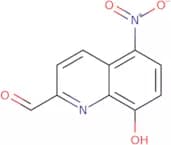
8-Hydroxy-5-nitroquinoline-2-carbaldehyde
CAS:8-Hydroxy-5-nitroquinoline-2-carbaldehyde is a high quality, versatile building block that can be used as a reaction intermediate or to synthesize heterocycles. It is also a useful scaffold for the synthesis of complex compounds. The CAS number of this chemical is 884497-63-6.Formula:C10H6N2O4Purezza:Min. 95%Colore e forma:PowderPeso molecolare:218.17 g/mol5-Bromo-6-chloroindolyl 1,3-diacetate
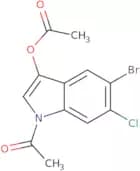
CAS:5-Bromo-6-chloroindolyl 1,3-diacetate is a versatile building block that can be used in the synthesis of complex compounds. It is a useful intermediate for the synthesis of speciality chemicals with high quality. 5-Bromo-6-chloroindolyl 1,3-diacetate is a reagent and reaction component for research chemicals with CAS No. 108847-96-7. It has a variety of applications in the manufacture of fine chemicals and pharmaceuticals, as well as being a useful scaffold for the production of new compounds.Formula:C12H9BrClNO3Purezza:Min. 95%Colore e forma:Off-White PowderPeso molecolare:330.57 g/mol4-Bromo-5-methyl-1H-indole-2,3-dione
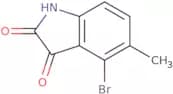
CAS:<p>4-Bromo-5-methyl-1H-indole-2,3-dione is a synthetic molecule that has been shown to have neuroprotective effects. It inhibits the production of proinflammatory cytokines, such as tnf-α and il-6, by binding to survivin. 4Bromo-5 methyl 1Hindole 2,3 dione also binds to the viral capsid protein and blocks virus infection. This compound has been shown to inhibit viral replication in vitro as well as provide protection against alphavirus infection in mice.</p>Formula:C9H6BrNO2Purezza:Min. 95%Peso molecolare:240.05 g/mol2-Amino-6-iodopurine
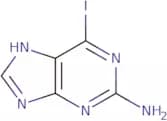
CAS:<p>2-Amino-6-iodopurine is an analog of the purine nucleoside guanine, which has been used to synthesize a variety of boronic acids. The most common use for 2-amino-6-iodopurine is in the synthesis of benzylboronic acid, which can be used as an organometallic reagent in organic synthesis. This compound also has dehydrogenase activity and has been shown to catalyze the conversion of benzoic acid to benzaldehyde, mediated by NADH. 2-Amino-6-iodopurine is found in the biosynthesis of ribonucleotides and deoxyribonucleotides, where it reacts with chloride ions and phosphate groups to form adenylate and xanthosine monophosphates.</p>Formula:C5H4IN5Purezza:Min. 95%Colore e forma:PowderPeso molecolare:261.02 g/mol2-(2-Butoxyethyl)-1H-isoindole-1,3(2H)-dione
CAS:<p>2-(2-Butoxyethyl)-1H-isoindole-1,3(2H)-dione is a versatile building block and intermediate with a range of chemical properties. It is a useful scaffold for the synthesis of complex compounds with different functional groups. 2-(2-Butoxyethyl)-1H-isoindole-1,3(2H)-dione can be used as an organic solvent and reaction component in organic synthesis as well as being an effective catalyst or reagent in reactions involving other chemicals. This compound has been selected by the Chemical Abstracts Service (CAS) as one of their high quality products.</p>Formula:C14H17NO3Purezza:Min. 95%Colore e forma:PowderPeso molecolare:247.29 g/mol2,9-Dimethyl-1,10-phenanthroline hemihydrate
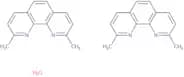
CAS:<p>Chelating agent used to detect aqueous copper ions by electrochemiluminescence</p>Formula:C14H12N2•(H2O)0Purezza:Min. 95%Colore e forma:PowderPeso molecolare:217.27 g/mol2,4-Dichloroquinoline
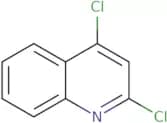
CAS:<p>2,4-Dichloroquinoline is a chlorinated heterocyclic chemical compound. This drug is used as a monosubstituted palladium complex in organic synthesis. It can be obtained by refluxing 2,4-dichloroquinoline with hydrochloric acid, phosphorus oxychloride, and a terminal alkene in the presence of an excess of dichloromethane. The resulting chloroquine can be converted to the corresponding dichloroquinolines by treatment with acetonitrile in the presence of malonic acid. The final step is the demethylation of the quinoline ring using sodium methoxide in methanol. 2,4-Dichloroquinoline has been shown to exhibit antibacterial activity against gram-negative organisms such as Escherichia coli and Pseudomonas aeruginosa. Magnetic resonance analysis (NMR) has also been used to study its properties.</p>Formula:C9H5Cl2NPurezza:Min. 95%Colore e forma:SolidPeso molecolare:198.05 g/mol(1S,6S)-2,8-Diazabicyclo[4.3.0]nonane
CAS:<p>(1S,6S)-2,8-Diazabicyclo[4.3.0]nonane is a chiral compound that can be made from the reaction of an organic acid with an amino alcohol. The enantiomers of this compound have shown to be effective against methicillin-resistant Staphylococcus aureus (MRSA) and Mycobacterium tuberculosis. The synthetic process for this compound was originally developed in the 1980s by researchers at the University of Illinois. They were able to show that it was possible to make a carbonyl reduction product using imidodicarbonic acid and an organic solvent. This led to the synthesis of moxifloxacin hydrochloride, which is used as a treatment for bacterial infections such as tuberculosis or pneumonia.</p>Formula:C7H14N2Purezza:Min. 95%Colore e forma:Colourless To Brown LiquidPeso molecolare:126.2 g/mol5-(1,3-Benzodioxol-5-yl)-4,5-dihydro-1,3-diphenylpyrazole
CAS:<p>5-(1,3-Benzodioxol-5-yl)-4,5-dihydro-1,3-diphenylpyrazole is a chemical compound with the molecular formula C12H10O4. It is an aromatic compound that is used as a reagent and research chemical. This chemical is soluble in ethanol and ether, but insoluble in water. 5-(1,3-Benzodioxol-5-yl)-4,5-dihydro-1,3-diphenylpyrazole has been used as a building block for other organic compounds. It can be synthesized from benzaldehyde and phenylhydrazine by the method of condensation reaction.</p>Formula:C17H14N2O2Purezza:Min. 95%Colore e forma:White to pale yellow solid.Peso molecolare:278.31 g/molMethyl 4-methoxy-2-indolecarboxylate
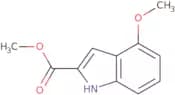
CAS:<p>Methyl 4-methoxy-2-indolecarboxylate is a natural product that has been shown to have cytotoxic and anticancer activity. It was first isolated from the leaves of Picrasma excelsa, which is a plant native to Southeast Asia. Methyl 4-methoxy-2-indolecarboxylate has been found to be effective against breast cancer cell lines and human cancer cells in culture. The anticancer effects may be due to its ability to inhibit protein synthesis by inhibiting the ribosome. This compound also inhibits dehydrocrenatine, which is a precursor of the hormone crenatine, thus leading to decreased production of this hormone.</p>Formula:C11H11NO3Purezza:Min. 95%Colore e forma:PowderPeso molecolare:205.21 g/molQuinoline-5-carboxylic acid
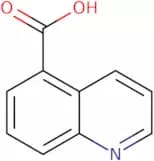
CAS:<p>Quinoline-5-carboxylic acid is a peroxide that is produced by the oxidation of quinoline derivatives. Quinoline-5-carboxylic acid has been shown to have antibacterial activity, and it also has affinity values for chloride ions. The chemical isomers of quinoline-5-carboxylic acid are called quninolines, which are produced by the hydrolysis of quinoline-5-carboxylic acid. Quinolines can be obtained by the oxidation of aniline. Quinolines have been shown to catalyze reactions with carbonyl groups in organic molecules, such as the reaction between an alkoxycarbonyl group and a hydroxyl group to form an aldehyde or ketone. Kinetic data for this reaction was obtained using titration calorimetry.</p>Formula:C10H7NO2Purezza:Min. 95%Colore e forma:White To Beige To Light Brown To Grey SolidPeso molecolare:173.17 g/mol1-Phenyl-3-oxabicyclo[3.1.0]hexan-2-one
CAS:<p>1-Phenyl-3-oxabicyclo[3.1.0]hexan-2-one (1POX) is a monomer that belongs to the class of cyclopropane compounds and can be used in the synthesis of polymers. It has been shown to react with benzene, irradiation, monoxide, oxiranyl, acetonitrile and trimeric dyes to form reactive intermediates such as ketones and carboxylic acids. These intermediates can undergo photolysis to produce products such as ketones and carboxylic acids. The wavelength of the light used for photolysis can influence the product formation. 1POX is also a substrate for cyclopropane ring formation reactions, which are known for their high reactivity due to the stability of this ring system. The carbonyl group on 1POX is electron withdrawing and stabilizes the planar geometry of 1POX.</p>Formula:C11H10O2Purezza:Min. 95%Colore e forma:PowderPeso molecolare:174.2 g/mol5-Bromo-6-chloro-1H-indole
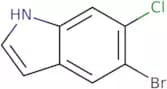
CAS:<p>5-Bromo-6-chloro-1H-indole is a fine chemical that is used as a building block for research chemicals, reagents, and speciality chemicals. It is soluble in chloroform and benzene, but insoluble in water. This product can be used as a reaction component or a useful intermediate in the production of complex compounds. 5-Bromo-6-chloro-1H-indole has been reported to be an effective scaffold for the synthesis of many novel compounds with potential applications such as pharmaceuticals, agrochemicals, and dyes.</p>Formula:C8H5BrClNPurezza:Min. 95%Colore e forma:PowderPeso molecolare:230.49 g/mol3-Quinolinecarboxylic acid
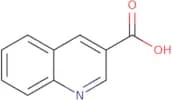
CAS:<p>3-Quinolinecarboxylic acid is a water-soluble drug that is soluble in both organic solvents and water. It is reactive, which limits its therapeutic use. 3-Quinolinecarboxylic acid is used to treat inflammatory disease by inhibiting the production of prostaglandins and leukotrienes in the body. 3-Quinolinecarboxylic acid has been shown to have genotoxic effects on primary cells, as well as an antiinflammatory effect. It also has been shown to be effective for treating rheumatoid arthritis in animal models, but not humans.</p>Formula:C10H7NO2Purezza:Min. 95%Colore e forma:PowderPeso molecolare:173.17 g/mol2-Hydroxyquinoline
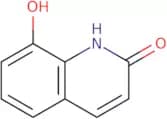
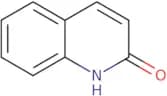
CAS:<p>2-Hydroxyquinoline is a coumarin derivative that has inhibitory properties against a variety of human pathogens, including the causative agent of malaria. It binds to the active site of the enzyme xanthine oxidase, which catalyzes the oxidation of hypoxanthine to xanthine and then to uric acid. 2-Hydroxyquinoline inhibits this reaction, preventing the accumulation of uric acid in the blood and urine. This compound also has potential anticancer activity due to its ability to inhibit tumor cell proliferation in human prostate cancer cells. 2-Hydroxyquinoline is metabolized by cytochrome P450 enzymes and has pharmacokinetic properties that include an inhibitory dose (ID50) of 1mg/kg.</p>Formula:C9H7NOPurezza:Min. 95%Colore e forma:White To Light (Or Pale) Yellow To Light (Or Pale) Green To Purple Brown SolidPeso molecolare:145.16 g/mol4-Methylisoquinoline
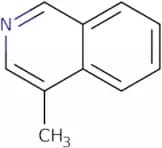
CAS:Isomeric 4-methylisoquinoline is a molecule that is structurally similar to protopine and berberine chloride. It has been shown to be an effective photosensitizer for the production of reactive oxygen species (ROS) in cells, which can lead to DNA damage and cell death. The functional groups on this molecule are the chloro group, which is a halogen, and the isoquinoline ring system with two methyl groups. The chemistry of this compound involves alkylation, yielding a new compound with one less methyl group than the original molecule. This process is called enamine formation.Formula:C10H9NPurezza:Min. 95%Colore e forma:Yellow PowderPeso molecolare:143.19 g/mol4-Chloro-1H-imidazole
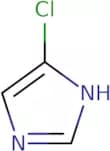
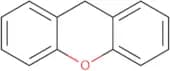
CAS:<p>4-Chloro-1H-imidazole is an organic chemical compound that contains a heterocyclic ring with one nitrogen and three carbons. It is classified as a weak acid. 4-Chloro-1H-imidazole can be found in hydrochloric acid, methyl ketones, and the acid conjugates of pyrazole rings. It has minimal toxicity. 4-Chloro-1H-imidazole binds to receptors in the body, which may account for its effects on blood pressure and heart rate. This drug also reacts with diazonium salts to form an intermediate that is then oxidized by chloride ions to form a reactive intermediate that can react with histidine or flavin (a type of vitamin B2) to form a fluorescent product that can be detected by light absorption or fluorescence emission spectroscopy.</p>Formula:C3H3ClN2Purezza:Min. 95%Colore e forma:White PowderPeso molecolare:102.52 g/molXanthene
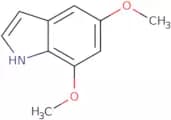
CAS:<p>Yellow dye used in food industry</p>Formula:C13H10OPurezza:Min. 95%Colore e forma:White PowderPeso molecolare:182.22 g/mol5,7-Dimethoxyindole
CAS:<p>5,7-Dimethoxyindole is a potent inhibitor of the enzyme oxidase. 5,7-Dimethoxyindole has been shown to inhibit the growth of a number of fungi, including Phytophthora infestans and Cryptococcus neoformans. The molecular modeling studies have shown that this molecule can form an H-bond with the acceptor in the active site of the enzyme and prevent access by substrate. This inhibition has been shown to be competitive with respect to ferrous ions and noncompetitive with respect to other cofactors. 5,7-Dimethoxyindole also inhibits integrase enzymes, which are involved in DNA integration during viral replication. 5,7-Dimethoxyindole was found to bind to a pharmacophore model for integrase inhibitors and formylation reactions. This compound is also magnetic due to its high electron density at the methoxy group.</p>Formula:C10H11NO2Purezza:Min. 95%Colore e forma:PowderPeso molecolare:177.2 g/mol3-Aminoquinoline
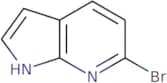
CAS:<p>3-Aminoquinoline is a chemical compound that inhibits the activity of the epidermal growth factor receptor (EGFR). It is a potent inhibitor of cell proliferation and has been shown to have antitumour activity. 3-Aminoquinoline has been shown to inhibit the proliferation of carcinoma cell lines. This drug binds to the EGFR receptor, preventing it from activating downstream signalling pathways that control cell growth. 3-Aminoquinoline also has biological properties, including matrix-assisted laser desorption/ionization time-of-flight mass spectrometry, analytical chemistry, sample preparation, and Suzuki coupling reaction. The molecule is structurally analyzed using chemical structures and structural analysis techniques such as thermodynamic data or proton NMR spectroscopy. 3-Aminoquinoline also interacts with sugars through hydrogen bonding and oligosaccharides. These interactions are found to be high in value in some cases.</p>Formula:C9H8N2Purezza:Min. 95%Colore e forma:White PowderPeso molecolare:144.17 g/mol6-Bromo-7-azaindole
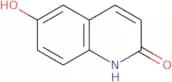
CAS:<p>6-Bromo-7-azaindole is a homologous molecule. It is an electron deficient compound with a piperidine moiety at the 6 position and a nitrogen atom at the 7 position. The nitrogen atom substitutes for an oxygen atom, making this molecule reactive. The electron deficient nature of this molecule makes it suitable for use in transistors and other physicochemical devices. 6-Bromo-7-azaindole has been shown to be effective against carcinoma cells in vitro, as well as to inhibit tumor growth in vivo. This drug also causes homologous recombination by interacting with DNA in mammalian cells. 6-Bromo-7-azaindole binds to DNA, forming a covalent bond with the guanine base of DNA through the nitrogen atom, which is electron deficient.</p>Formula:C7H5BrN2Purezza:Min. 95%Colore e forma:Off-White To Beige To Yellow SolidPeso molecolare:197.03 g/mol6-Hydroxyquinoline-(1H)-2-one
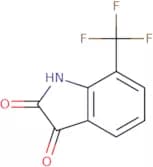
CAS:<p>6-Hydroxyquinoline-(1H)-2-one is an organic compound that has been shown to inhibit the uptake of carbostyril by bacterial cells. This inhibition causes increased uptake of xanthurenic acid and anthranilic acid, which are two compounds that are found in wastewater treatment. 6-Hydroxyquinoline-(1H)-2-one may be a potential anticancer agent, as it inhibits the growth of astroglia cells and bladder cancer cells. It also reacts with acylation reactions to form quinolinic acid, which has been shown to have anticancer effects.</p>Formula:C9H7NO2Purezza:Min. 95%Colore e forma:White SolidPeso molecolare:161.16 g/mol7-(Trifluoromethyl)1H-indole-2,3-dione
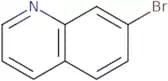
CAS:<p>Trifluoromethyl-substituted 7-(trifluoromethyl)1H-indole-2,3-dione is a trifluoromethyl analogue of indole-2,3-dione that has been shown to have antimalarial activity. It has been shown to be active against plasmodium and cancer cells in vitro. Trifluoromethyl group can be replaced by other substituents such as methoxy, ethoxy, or nitro groups. The compound has centrosymmetric structures and an elemental composition of C8H4F3N.</p>Formula:C9H4F3NO2Purezza:Min. 95%Colore e forma:PowderPeso molecolare:215.13 g/mol7-Bromoquinoline
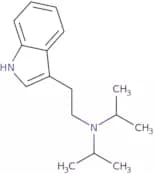
CAS:<p>7-Bromoquinoline is a synthetic molecule that was first synthesized in the early 1980s. It is an analog of 7-bromoquinoline, which has been shown to have cytotoxic properties against cancer cells. The synthesis of 7-bromoquinoline involves a cross-coupling reaction with chloroacetonitrile and N-methylformamide. The nmr spectra for this compound are very similar to those for 7-bromoquinoine, but it lacks the secondary amine peak at δ 10.7 ppm. Primary culture cells were used to test the bioactivity of 7-bromoquinoline, and these cells were disrupted by adding trypsin after incubation with various concentrations of 7-bromoquinoline. This study showed that the quinoline derivatives had cytotoxic effects on cultured cells at low concentrations, suggesting that they may be useful as anticancer agents. Molecular modeling studies show that</p>Formula:C9H6BrNPurezza:Min. 95%Colore e forma:PowderPeso molecolare:208.05 g/mol3-(2-Diisopropylaminoethyl)indole hydrochloride
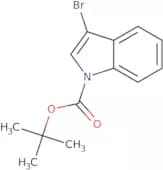
CAS:Prodotto controllato<p>3-(2-Diisopropylaminoethyl)indole hydrochloride is an inhibitor of the enzyme monoamine oxidase (MAO). MAO is responsible for the degradation of monoamines such as serotonin, dopamine, and norepinephrine. 3-(2-Diisopropylaminoethyl)indole hydrochloride inhibits these enzymes in order to increase the levels of these neurotransmitters in the brain. These effects are observed with a sectional study on the host plant species. 3-(2-Diisopropylaminoethyl)indole hydrochloride has been shown to have low potency for inhibiting 5-HT1A and 5-HT2A receptors in rat studies, but it is not active against 5-HT2C receptors. This drug was used to measure urinary serotonin and dopamine levels in human urine samples.</p>Formula:C16H25ClN2Purezza:Min. 95%Peso molecolare:280.84 g/moltert-Butyl 3-bromo-1H-indole-1-carboxylate
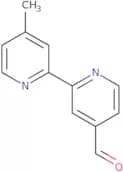
CAS:<p>Tert-Butyl 3-bromo-1H-indole-1-carboxylate is a versatile building block that can be used in the synthesis of complex compounds. It is a useful reagent and speciality chemical, as well as a useful intermediate in the production of research chemicals. Tert-Butyl 3-bromo-1H-indole-1-carboxylate has been found to be a useful scaffold for drug design and development, with potential applications in cancer treatment.</p>Formula:C13H14BrNO2Purezza:Min. 95%Colore e forma:White To Off-White SolidPeso molecolare:296.16 g/mol4'-Methyl-2,2'-bipyridine-4-carboxaldehyde
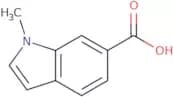
CAS:<p>4'-Methyl-2,2'-bipyridine-4-carboxaldehyde is a heterocyclic compound that contains a nitro group. It has the chemical formula C8H6N2O and the molecular weight of 122.15 g/mol. This compound belongs to the class of formyl compounds and it is composed of two formyl groups and one hydrogen atom. The bipyridines are linked by a methylene bridge to form a six-membered ring. The compound can be used as an intermediate for the synthesis of other organic compounds such as pharmaceuticals, dyes, water repellents, pesticides, and herbicides.</p>Formula:C12H10N2OPurezza:Min. 95%Colore e forma:PowderPeso molecolare:198.22 g/mol1-Methylindole-6-carboxylic acid
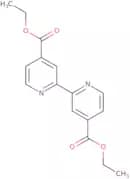
CAS:<p>1-Methylindole-6-carboxylic acid is a versatile building block that is used in the synthesis of more complex compounds. It can be used as a reagent, speciality chemical, and useful building block for pharmaceuticals and other research chemicals. 1-Methylindole-6-carboxylic acid has been shown to be an effective intermediate for the production of a number of different compounds. The compound can also act as a reaction component or scaffold for chemical reactions.</p>Formula:C10H9NO2Purezza:Min. 95%Colore e forma:PowderPeso molecolare:175.18 g/mol4,4'-Bis(ethoxycarbonyl)-2,2'-bipyridine
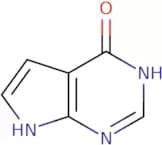
CAS:4,4'-Bis(ethoxycarbonyl)-2,2'-bipyridine (BEBCP) is a dithiolate chromophore. BEBCP has a redox potential of 1.3 volts and the electronic interaction of the carbonyl groups with the electron cloud of the bipyridine nucleus is responsible for this property. The photochemical properties of BEBCP can be systematically studied by using electrochemical data such as voltammetry and cyclic voltammetry. These methods are useful in determining the nature and constant of BEBCP as well as its interaction with ligands.Formula:C16H16N2O4Purezza:Min. 95%Colore e forma:PowderPeso molecolare:300.31 g/mol7-Deaza-6-hydroxypurine
CAS:7-Deaza-6-hydroxypurine is a skeleton of nucleosides that inhibits enzymes. It has been shown to inhibit the activity of hydrochloric acid, a tumor metastasis promoter. The constant for this drug was determined using molecular modeling and inhibition constants. 7-Deaza-6-hydroxypurine has anticancer activity and can be used for the treatment of cancer. This drug is used as a noncompetitive inhibitor in which it binds to two different sites on the enzyme. It has also been shown to bind to subunits, which are parts of a protein that make up its structure, in biological studies.br> 7-Deaza-6-hydroxypurine is an inhibitor that binds to two different sites on an enzyme. It has been shown to have anticancer activity and can be used for the treatment of cancer. This drug is used as a noncompetitive inhibitor in which it binds to two different sites on the enzyme. ItFormula:C6H5N3OPurezza:Min. 95%Colore e forma:PowderPeso molecolare:135.12 g/mol2,2'-Bipyridine-6,6'-(1H,1'H)dione
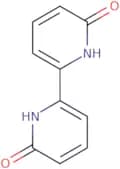
CAS:2,2'-Bipyridine-6,6'-(1H,1'H)dione is a high-quality compound that is used as a reagent to provide a variety of useful compounds. This compound can be used as a building block for various chemical syntheses or as a component in many reactions. It is also a versatile building block and can be used in the synthesis of other compounds. 2,2'-Bipyridine-6,6'-(1H,1'H)dione has been shown to be an effective intermediate for organic synthesis.Formula:C10H8N2O2Purezza:Min. 95%Colore e forma:Off-White To Light Brown SolidPeso molecolare:188.18 g/mol5-Fluoro-1-Methyl-1H-Indole-3-Carbaldehyde
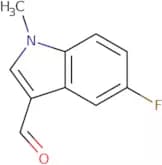
CAS:<p>5-Fluoro-1-Methyl-1H-Indole-3-Carbaldehyde is a high quality chemical that is used as a reagent, an intermediate for the synthesis of pharmaceuticals, and in the production of fine chemicals. 5FMICA is also a useful scaffold for developing valuable building blocks. This chemical has been shown to be a versatile building block for the synthesis of complex compounds. 5FMICA can be used as a reaction component for the preparation of speciality chemicals and research chemicals.</p>Formula:C10H8FNOPurezza:Min. 95%Colore e forma:PowderPeso molecolare:177.18 g/mol1-Methyl-1H-imidazole-4-carboxylic acid methyl ester
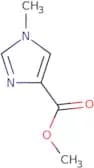
CAS:<p>1-Methyl-1H-imidazole-4-carboxylic acid methyl ester is a carboxylic acid that is aniline derivative with the chemical formula C6H5NCH2COOH. It is soluble in water, ethanol and acetone. 1-Methyl-1H-imidazole-4-carboxylic acid methyl ester hydrolyzes to form aniline and methanol. The reflux of 1-methyl imidazole can produce the same products as well as formaldehyde and hydrogen cyanide.</p>Formula:C6H8N2O2Purezza:Min. 95%Colore e forma:PowderPeso molecolare:140.14 g/mol6-(4,4,5,5-Tetramethyl-[1,3,2]dioxaborolan-2-yl)-isoquinoline
CAS:<p>6-(4,4,5,5-Tetramethyl-[1,3,2]dioxaborolan-2-yl)-isoquinoline is a versatile building block for the synthesis of complex compounds. This product is a reagent that can be used in organic synthesis as a reaction component or as a reagent to form new compounds. 6-(4,4,5,5-Tetramethyl-[1,3,2]dioxaborolan-2-yl)-isoquinoline has shown high quality in research and is useful for the synthesis of fine chemicals and speciality chemicals.</p>Formula:C15H18BNO2Purezza:Min. 95%Colore e forma:White To Beige SolidPeso molecolare:255.12 g/mol2-(3-Aminopropyl)isoindole-1,3(2H)-dione hydrochloride
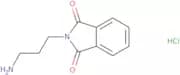
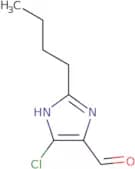
CAS:<p>2-(3-Aminopropyl)isoindole-1,3(2H)-dione hydrochloride is a versatile building block and useful intermediate. It has been used as a reagent in organic synthesis, and also as a reaction component for the preparation of high quality research chemicals. 2-(3-Aminopropyl)isoindole-1,3(2H)-dione hydrochloride is an important building block for complex compounds with potential uses in medical research or as speciality chemicals. It can be used to prepare fine chemicals such as pharmaceuticals, agrochemicals, or dyes.</p>Formula:C11H12N2O2·HClPurezza:Min. 95%Colore e forma:White PowderPeso molecolare:240.69 g/mol2-Butyl-4-chloro-1H-imidazole-5-carboxaldehyde
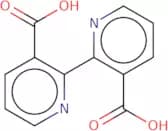
CAS:Glyoxal is a chemical compound that has shown to have bactericidal activity against human pathogens such as Mycobacterium tuberculosis, Helicobacter pylori, and Staphylococcus aureus. It is used in the synthesis of heterocyclic amines and can be found as an impurity in imidazole derivatives. Glyoxal is a broad-spectrum antimicrobial that has been shown to inhibit the growth of fungi and bacteria by reacting with functional groups on the microorganisms' cell walls. It reacts with bacterial cell walls by forming an intermediate molecule, which reacts with other molecules present in the microorganism's environment to form carbon dioxide, water, and glyoxal. The reaction time for glyoxal depends on temperature; higher temperatures will result in faster reactions. Techniques used to synthesize glyoxal include dehydration of oximes or by reaction with phosphorus oxychloride.Formula:C8H11ClN2OPurezza:Min. 95%Colore e forma:PowderPeso molecolare:186.64 g/mol2,2'-Bipyridine-3,3'-dicarboxylic acid
CAS:<p>2,2'-Bipyridine-3,3'-dicarboxylic acid is a coordination compound that contains two carboxylic acid groups. It forms a dihydrate in water and is orthorhombic in crystal form. The molecule can be represented by the following chemical structure:</p>Formula:C12H8N2O4Purezza:Min. 95%Colore e forma:SolidPeso molecolare:244.2 g/mol2-Azabicyclo[2.2.1]heptane
CAS:2-Azabicyclo[2.2.1]heptane is a lactam that has been synthesized in the laboratory. The compound exhibits significant antiproliferative activity and is shown to have a stereoselective, stereogenic, nucleophilic attack on amides. 2-Azabicyclo[2.2.1]heptane has been used to study the mechanisms of neurodegenerative diseases such as Parkinson's disease and Alzheimer's disease. The conformational properties of this compound can be determined by NMR spectra, which show that it has a skeleton with significant conformational flexibility.Formula:C6H11NPurezza:Min. 95%Colore e forma:Red PowderPeso molecolare:97.16 g/mol7-Chloroquinoline-3-carboxylicacid
CAS:7-Chloroquinoline-3-carboxylicacid (7CQCA) is a synthetic compound that has been shown to have regulatory, immunomodulatory, and anticancer properties. It is a potent inhibitor of mammalian DNA polymerase beta and it has been shown to induce apoptosis in human prostate cancer cells by inhibiting the production of cAMP. 7CQCA also inhibits the proliferation of mouse CD1 leukemia cells in vitro and induces apoptosis in these cells. The compound was found to be more effective when used with other agents such as triticum aestivum extract, which may be due to its synergistic interaction with these compounds.Formula:C10H6ClNO2Purezza:Min. 95%Colore e forma:Off-White PowderPeso molecolare:207.61 g/mol6-Fluoroindole-3-acetic acid
CAS:<p>6-Fluoroindole-3-acetic acid is a molecule that has been synthesized by the reaction of 6-fluoroindole with acetic anhydride. When mixed with acetonitrile, the fluorescence of 6-fluoroindole-3-acetic acid can be seen in the solution. The fluorescence intensity is proportional to the concentration of this molecule. 6-Fluoroindole-3-acetic acid is used as a template molecule for fluorescence labeling experiments. It interacts with hormones and can be used to identify their conformations and interactions. This compound has been shown to have anticancer properties in mice, and it may also be effective against cancer cells in humans. It has also been shown to inhibit the growth of pisum sativum (pea).</p>Formula:C10H8FNO2Purezza:Min. 95%Colore e forma:PowderPeso molecolare:193.17 g/mol1,3-Dipropylxanthine
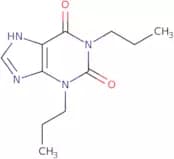
CAS:Prodotto controllato<p>1,3-Dipropylxanthine is a congener of caffeine. It is a nonselective adenosine receptor antagonist that binds to the adenosine receptors in the kidney. 1,3-Dipropylxanthine has been shown to increase renal blood flow and increase urine output. This drug may be used as a mobilisation agent for patients who are bedridden or have limited mobility. It should not be given to patients with heart disease or high blood pressure. 1,3-Dipropylxanthine has also been shown to inhibit the binding of pyrimido [1,2-a]benzimidazole (PPIM) and furyl derivatives to the adenosine receptor.</p>Formula:C11H16N4O2Purezza:Min. 95%Colore e forma:PowderPeso molecolare:236.27 g/mol3-(2-Chlorophenyl)-2-phenyl-3H-indole
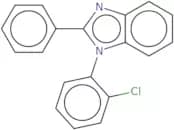
CAS:3-(2-Chlorophenyl)-2-phenyl-3H-indole is a versatile building block that can be used as a precursor in the synthesis of a wide range of complex compounds. 3-(2-Chlorophenyl)-2-phenyl-3H-indole has been shown to be an effective reagent for the synthesis of heterocycles and useful for the preparation of diverse speciality chemicals. 3-(2-Chlorophenyl)-2-phenyl-3H-indole is also an important intermediate in the synthesis of pharmaceuticals, agrochemicals, dyes, and perfumes. It is also a useful scaffold for organic chemistry reactions and can serve as a reaction component because it contains two reactive groups.Formula:C19H13ClN2Purezza:Min. 95%Peso molecolare:304.77 g/mol7-Methoxyquinoline
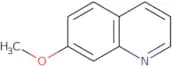
CAS:<p>7-Methoxyquinoline is a drug that belongs to the group of histone deacetylase inhibitors. It has been shown to inhibit monooxygenase and cytochrome p-450, which are enzymes involved in the metabolism of drugs. 7-Methoxyquinoline can be used as a fluorescent probe for reactions involving histones or other proteins with similar chemical structures. It is also used as an inhibitor in biochemical assays, such as fluorometric assays. 7-Methoxyquinoline can be prepared by reacting hydrazine with methoxyacetic acid followed by hydrolysis of the resulting hydrazone. This process yields a mixture of products, some of which are substituted with methoxy groups at different positions on the benzene ring.</p>Formula:C10H9NOPurezza:Min. 95%Colore e forma:Colorless PowderPeso molecolare:159.18 g/mol2,2,4-Trimethyl-1,2-dihydroquinolin-6-ol
CAS:<p>2,2,4-Trimethyl-1,2-dihydroquinolin-6-ol (TQ) is a naturally occurring phenolic compound that has been shown to inhibit lipid peroxidation in animal and human cells. TQ is an antioxidant that protects against oxidative damage by scavenging free radicals. This compound can act as a nitroxyl radical trap and inhibits the dimerization of quinones and other reactive oxygen species. TQ also has been found to have anti-inflammatory effects, which may be due to its ability to reduce the production of inflammatory cytokines.<br>A new study shows that TQ can inhibit the production of reactive oxygen species in quantum yields up to 10%. It is thought that this effect may be due to TQ’s ability to stabilize different forms of reduced glutathione.</p>Formula:C12H15NOPurezza:Min. 95%Colore e forma:PowderPeso molecolare:189.25 g/mol(S,S,S)-2-Azabicyclo[3.3.0]octane-3-carboxylic acid benzyl ester hydrochloride
CAS:<p>(S,S,S)-2-Azabicyclo[3.3.0]octane-3-carboxylic acid benzyl ester hydrochloride is a research chemical that can be used as a reaction component or reagent in organic synthesis. This compound is also useful in the construction of complex compounds and fine chemicals with applications including drug discovery, pharmaceuticals, agrochemicals, and polymer chemistry.</p>Formula:C15H20ClNO2Purezza:Min. 95 Area-%Colore e forma:White Off-White PowderPeso molecolare:281.78 g/mol5-Bromo-1H-indazole-3-carbonitrile
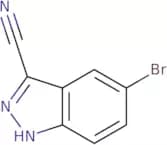
CAS:<p>5-Bromo-1H-indazole-3-carbonitrile is a high quality, versatile building block that can be used in the synthesis of complex compounds. It has been described as a "useful intermediate" and a "useful scaffold".</p>Formula:C8H4BrN3Purezza:Min. 95%Colore e forma:PowderPeso molecolare:222.04 g/molQuinoline-2,8-diol
CAS:<p>Quinoline-2,8-diol is a bacterial strain that can be used to remove fatty acids from wastewater. The recombinant cytochrome P450 in this strain can degrade fatty acids, which are carcinogenic and have been shown to cause hepatic steatosis. In addition, the quinoline-2,8-diol strain has shown an ability to inhibit xenograft tumor growth in mice by activating cytochrome P450 and inducing apoptosis. This bacterial strain also has the potential to produce xanthurenic acid from tyrosine. Xanthurenic acid is toxic and has been shown to inhibit polymerase chain reaction (PCR) amplification of DNA. Quinoline-2,8-diol may be used as a model for experimental studies of xanthurenic acid's effects on energy metabolism and DNA synthesis.</p>Formula:C9H7NO2Purezza:Min. 95 Area-%Colore e forma:PowderPeso molecolare:161.16 g/mol7-Aminoquinoline
CAS:7-Aminoquinoline is a nucleophilic compound that is involved in the catalysis of bond cleavage. It has been shown to react with organic molecules and produce an oxygenative interaction. 7-Aminoquinoline has been shown to produce anti-inflammatory properties by inhibiting prostaglandin synthesis, which occurs through the inhibition of cyclooxygenase activity.Formula:C9H8N2Purezza:Min. 95%Colore e forma:Yellow PowderPeso molecolare:144.17 g/mol2-(2-Aminophenyl)benzimidazole
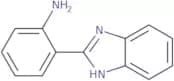
CAS:<p>2-(2-Aminophenyl)benzimidazole is a synthetic compound with the chemical formula C8H6N2. It has an intramolecular hydrogen bond and reacts with salicylaldehyde to form 2-aminobenzimidazole, which is a reaction product. 2-(2-Aminophenyl)benzimidazole may be used as an antimicrobial agent, but it also has other uses such as a reagent in organic synthesis. It is soluble in water and can be obtained through liquid chromatography.</p>Formula:C13H11N3Purezza:Min. 95%Colore e forma:Off-White PowderPeso molecolare:209.25 g/mol3-Aminoquinuclidine dihydrochloride
CAS:<p>3-Aminoquinuclidine dihydrochloride (3-AQDH) is a chiral quinuclidine derivative that is an acetylcholine receptor agonist. It has been shown to bind to the α7 nicotinic acetylcholine receptor with high affinity and selectivity. 3-AQDH has also been shown to crosslink the cholinergic receptor, which may lead to increased sensitivity of the receptor. The binding constants between 3-AQDH and the α7 nicotinic acetylcholine receptors are very high and it has been shown to be enantiopure in its synthesis. 3-AQDH also has a hydrophilic interaction chromatography profile, which separates it from other compounds. This agent may have potential use as a drug for treating Alzheimer's disease and Parkinson's disease due to its ability to inhibit acetylcholinesterase activity.</p>Purezza:Min. 95%Colore e forma:PowderPeso molecolare:199.12 g/mol


![(1S,6S)-2,8-Diazabicyclo[4.3.0]nonane](/_next/image/?url=https%3A%2Fstatic.cymitquimica.com%2Fproducts%2F3D%2Fthumb-webp%2FFD14784.webp&w=3840&q=75)

![1-Phenyl-3-oxabicyclo[3.1.0]hexan-2-one](/_next/image/?url=https%3A%2Fstatic.cymitquimica.com%2Fproducts%2F3D%2Fthumb-webp%2FFP16068.webp&w=3840&q=75)

![6-(4,4,5,5-Tetramethyl-[1,3,2]dioxaborolan-2-yl)-isoquinoline](/_next/image/?url=https%3A%2Fstatic.cymitquimica.com%2Fproducts%2F3D%2Fthumb-webp%2FFT76191.webp&w=3840&q=75)
![2-Azabicyclo[2.2.1]heptane](/_next/image/?url=https%3A%2Fstatic.cymitquimica.com%2Fproducts%2F3D%2Fthumb-webp%2FFA116876.webp&w=3840&q=75)



![(S,S,S)-2-Azabicyclo[3.3.0]octane-3-carboxylic acid benzyl ester hydrochloride](/_next/image/?url=https%3A%2Fstatic.cymitquimica.com%2Fproducts%2F3D%2Fthumb-webp%2FFA18053.webp&w=3840&q=75)