Composti policiclici
Sottocategorie di "Composti policiclici"
- Acridine(98 prodotti)
- Antrachinoni(533 prodotti)
- Acidi antrachinonici solfonici(16 prodotti)
- Azobenzeni(270 prodotti)
- Azonaftalene(98 prodotti)
- Azoxybenzeni(12 prodotti)
- Azuleni(11 prodotti)
- Benzimidazoli(1.476 prodotti)
- Benzodiossani(27 prodotti)
- Benzofurani(928 prodotti)
- Benzotiofeni(701 prodotti)
- Benzotriazoli(438 prodotti)
- Binaphthyl(133 prodotti)
- Carbazoli(464 prodotti)
- Cromani, cromeni(480 prodotti)
- Cumarine(1.125 prodotti)
- Ciclofani(11 prodotti)
- Fluorene e Fluorenoni(384 prodotti)
- Imidazopiridine(10 prodotti)
- Indan(118 prodotti)
- Indazoli(2.038 prodotti)
- Indeni(22 prodotti)
- Indoli(3.986 prodotti)
- Indoline(119 prodotti)
- Isatine(234 prodotti)
- Isobenzofurani(17 prodotti)
- Ftalimmidi N-sostituiti(153 prodotti)
- Naftaleni(2.438 prodotti)
- Naftiridina(17 prodotti)
- Naftochinone(2 prodotti)
- Perilene(36 prodotti)
- Fenazine(25 prodotti)
- Ftalazine(33 prodotti)
- Ftalimmide(153 prodotti)
- Idrocarburi policiclici aromatici (PAH)(284 prodotti)
- Polifenolo(270 prodotti)
- Pteridine(52 prodotti)
- Pireni(87 prodotti)
- Chinuclidina(1 prodotti)
- Tetraceni(7 prodotti)
Trovati 4575 prodotti di "Composti policiclici"
2-Thioxanthine
CAS:2-Thioxanthine is a hydrated form of xanthine, which is a purine base that occurs in all living cells. This compound has been shown to be able to inhibit the growth of resistant mutants and the formation of atherosclerotic lesions in mice. 2-Thioxanthine also inhibits the transfer reactions that are required for bacterial DNA synthesis. The stability of 2-thioxanthine can be increased by forming stable complexes with hydrochloric acid and by reducing the pH to less than 7. 2-Thioxanthine has been shown to have genotoxic effects on mouse liver cells and human fibroblasts, as well as pharmacological properties against cardiovascular disease.Formula:C5H4N4OSPurezza:Min. 95%Colore e forma:PowderPeso molecolare:168.18 g/molIndole-3-acetyl-L-aspartic acid
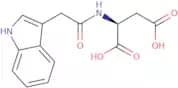
CAS:Indole-3-acetyl-L-aspartic acid, also known as 3IAA or IAA, is a naturally occurring amino acid. It is used in the study of plant physiology and serves as a substrate for ATP synthesis. 3IAA is synthesized from tryptophan by the enzyme indole acetyltransferase. The kinetic data obtained with 3IAA can be used to compare the effects of light exposure on ATP levels in plants. Indole-3-acetyl-L-aspartic acid inhibits cell growth and induces apoptosis, which may be due to its ability to inhibit protein synthesis by preventing RNA and DNA synthesis. This compound has been shown to have surface membrane inhibiting properties, which may be due to its ability to cross the plasma membrane.Formula:C14H14N2O5Purezza:Min. 95%Colore e forma:White PowderPeso molecolare:290.27 g/mol3-Indolemethanol
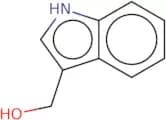
CAS:3-Indolemethanol is a chemical compound that is used for chemiluminescent reaction. It can be used as an experimental model for studying the effects of 3-indolemethanol on murine hepatoma and human osteosarcoma cells in vitro. This compound has been shown to have oral hypoglycemic activity and to inhibit cancer cell growth. 3-Indolemethanol has also been shown to modulate signal pathways, such as the MAPK pathway, which may lead to pro-apoptotic protein activation or inhibition of physiological effects.
Formula:C9H9NOPurezza:Min. 95%Colore e forma:White PowderPeso molecolare:147.18 g/molOsthole
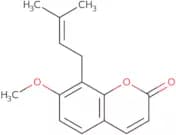
CAS:Osthole is a coumarin derivative, which is a type of natural compound. It is predominantly sourced from the Cnidium monnieri plant, as well as other Apiaceae family members. Osthole exerts its effects primarily through modulation of various molecular pathways, including the suppression of inflammatory mediators and the modulation of calcium channels, which results in vasodilation and various other physiological effects.Formula:C15H16O3Purezza:Min. 95%Colore e forma:PowderPeso molecolare:244.29 g/molN-(4-Hydroxyphenyl)-5-methyl-2-1H-pyridone
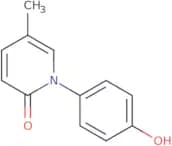
CAS:N-(4-Hydroxyphenyl)-5-methyl-2-1H-pyridone is a molecule that is found in plasma samples and has been shown to inhibit the growth of cells. It is a potent inhibitor of tubulointerstitial injury, which is the most common type of kidney disease. The mechanism of this drug has been shown to involve the inhibition of primary amino acid uptake. This compound also inhibits urea synthesis and decreases plasma concentrations by increasing the rate of elimination. In addition, it has been shown to have an inhibitory effect on growth factors such as EGF, bFGF, IGF-1, and PDGF. N-(4-Hydroxyphenyl)-5-methyl-2-1H-pyridone can be synthesized by heating at high temperatures (thermally activated).Formula:C12H11NO2Purezza:Min. 95%Colore e forma:Off-White PowderPeso molecolare:201.22 g/mol1H-Indazole-3-carboxylic acid
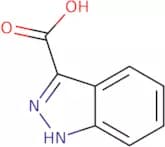
CAS:1H-Indazole-3-carboxylic acid is an organic compound with a molecular formula of C9H6N2O2. It is a colorless solid, but appears yellow in solution. This compound has been shown to inhibit protein synthesis by binding to the apical site of the ribosome, preventing the peptide bond from forming between amino acids. It also inhibits carboxylate metabolism and cellular glycolysis by inhibiting ATP production. 1H-Indazole-3-carboxylic acid has been shown to be effective against cancer cells and can be used as a potential anti-cancer drug.Formula:C8H6N2O2Purezza:Min. 98 Area-%Colore e forma:PowderPeso molecolare:162.15 g/molXanthine sodium salt monohydrate
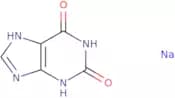
CAS:Xanthine sodium salt monohydrate is a dietary supplement that is used to treat metabolic disorders such as hyperuricemia and gout. It also has antiviral effects against herpes simplex virus-1 (HSV-1) and type-2 (HSV-2). Xanthine sodium salt monohydrate inhibits the production of viral DNA polymerase, which causes cell death by inhibiting the synthesis of proteins vital for cell division. Xanthine sodium salt monohydrate can be used to inhibit the growth of cancer cells in vitro. The mechanism of action is not yet fully understood, but it is thought that xanthine may inhibit phosphodiesterase activity or have a direct effect on the cell membrane.Formula:C5H3N4NaO2•H2OPurezza:Min. 95 Area-%Colore e forma:PowderPeso molecolare:192.11 g/molIndole-5-carboxylic acid ethyl ester
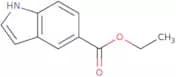
CAS:Indole-5-carboxylic acid ethyl ester is a formamide activated analog of piperidine. It is an effective antibacterial agent against Staphylococcus aureus. Indole-5-carboxylic acid ethyl ester inhibits the growth of bacteria by binding to the extracellular surface and interfering with cell membrane permeability. The compound also has anti-cancer properties, and may be used in pharmaceuticals as a pyrazole derivative.Formula:C11H11NO2Purezza:Min. 95%Colore e forma:PowderPeso molecolare:189.21 g/molRutaretin
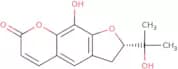
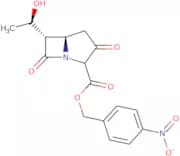
CAS:Rutaretin is a polyphenolic compound, which is a derivative of natural flavonoids extracted from plant sources. It functions primarily as an antioxidant by scavenging free radicals and inhibiting oxidative stress at the cellular level. Its molecular structure allows it to interact with reactive oxygen species, mitigating the damaging effects on cellular components such as DNA, proteins, and lipids.Formula:C14H14O5Purezza:Min. 98 Area-%Colore e forma:PowderPeso molecolare:262.26 g/molp-Nitrobenzyl 6-(1'-hydroxyethyl)-azabicyclo(3.2.0)heptane-3,7-dione-2-carboxylate
CAS:p-Nitrobenzyl 6-(1'-hydroxyethyl)-azabicyclo(3.2.0)heptane-3,7-dione-2-carboxylate is a drug substance that is used in the manufacture of carbapenem antibiotics. It can be detected by a chloride ion chromatographic method, and the detection limit is 0.5 mg/L in the presence of zinc powder as a modifier. This material is used to prepare carbapenems using an analytical method that includes reaction monitoring by optical rotation, diastereomer chromatography, and transfer.Formula:C16H16N2O7Purezza:Min. 95%Colore e forma:PowderPeso molecolare:348.31 g/mol6-Bromo-2-oxindole
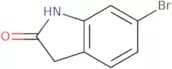
CAS:6-Bromo-2-oxindole is a crystalline compound with a molecular formula of C10H6BrO. It has been shown to have a high efficiency in the production of butyric acid and other organic acids. 6-Bromo-2-oxindole is also used in electron microscopy studies as an electron acceptor, and can be used for producing polymers with crystalline structures and dihedral angles. The compound has been shown to inhibit the growth of breast cancer cells by preventing the synthesis of mda-mb-231 breast cancer cells. It also has been shown to inhibit the production of isoindigo and morphology.
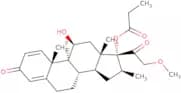
Formula:C8H6BrNOPurezza:Min. 98 Area-%Colore e forma:PowderPeso molecolare:212.04 g/mol[(8S,9R,10S,11S,13S,14S,16S,17R)-9-Fluoro-11-Hydroxy-17-(2-Methoxyacetyl)-10,13,16-Trimethyl-3-Oxo-6,7,8,11,12,14,15,16-Octahydrocyc lopenta[a]Phenanthren-17-Yl] Propanoate
CAS:Prodotto controllatoBetamethasone is a corticosteroid that is used to treat inflammation, ankylosing spondylitis, and rheumatoid arthritis. It has been shown to have efficacy in the treatment of pediatric patients with asthma, as well as animal models of cardiac arrest and stroke. Betamethasone has also been shown to be effective in the treatment of potassium ion-associated death due to cardiac arrhythmia or repolarization abnormalities. This drug can be administered orally or topically; it binds to the glucocorticoid receptor on cells and modulates gene transcription. The primary mechanism of action for betamethasone is not fully understood but may involve inhibition of protein synthesis and suppression of inflammatory cells.Formula:C26H35FO6Purezza:Min. 95%Peso molecolare:462.55 g/molEpoxybergamottin
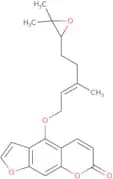
CAS:Epoxybergamottin is a furanocoumarin derivative, which is a natural bioactive compound. It is primarily sourced from citrus fruits, particularly grapefruit. The primary mode of action of epoxybergamottin is the inhibition of cytochrome P450 enzymes, specifically CYP3A4. This enzyme is a major player in the metabolism of many pharmaceuticals, and its inhibition can lead to increased bioavailability and prolonged effects of drugs metabolized by this pathway.
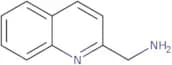
Formula:C21H22O5Purezza:Min. 95 Area-%Colore e forma:PowderPeso molecolare:354.40 g/molQuinolin-2-yl-methylamine
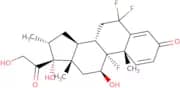
CAS:Quinolin-2-yl-methylamine is an amine that is used in the synthesis of other compounds. It can be prepared by protonation of quinoline with methylamine, followed by crystallization. The yield of this reaction is dependent on the purity of the starting materials and the reaction conditions. This compound has a molecular weight of 169.07 g/mol and a melting point at 217 °C. The infrared spectrum for Quinolin-2-yl-methylamine shows peaks at 2900 cm−1, 1670 cm−1, and 1590 cm−1. It also has x-ray crystallography data (space group P21/c).Formula:C10H10N2Purezza:Min. 96 Area-%Colore e forma:PowderPeso molecolare:158.2 g/mol(9R,11S,14S,16R,17R)-6,6,9-Trifluoro-11,17-Dihydroxy-17-(2-Hydroxyacetyl)-10,13,16-Trimethyl-8,11,12,14,15,16-Hexahydro-7H-Cyclopent a[a]Phenanthren-3-One
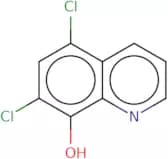
CAS:Prodotto controllato(9R,11S,14S,16R,17R)-6,6,9-Trifluoro-11,17-dihydroxy-17-(2-hydroxyacetyl)-10,13,16-trimethyl-8,11,12,14,15,16-hexahydro-7H-cyclopenta[a]phenanthrene 3-one is a congestive heart failure drug that belongs to the group of cardiotonic drugs. It has high resistance to elution and is used in the diagnosis of autoimmune diseases. (9R,11S) 6-(1′Hexahydrocyclohexa[b]pyrrolo[2′1′b]indolizinium bromide) is a nitrogenous compound that has been employed as a pharmaceutical preparation for the treatment of cardiac disorders. The biological properties of (9R) 11-(2′HydroxyacetylFormula:C22H27F3O5Purezza:Min. 95%Peso molecolare:428.44 g/molHalquinol, mixture of 5,7-Dichloro-8-quinolinol, 5-Chloro-8-quinolinol, 7-Chloro-8-quinolinol and 8-Hydroxyquinoline
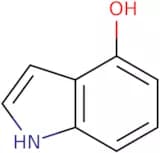
CAS:Halquinol, a mixture of 5,7-dichloro-8-quinolinol, 5-chloro-8-quinolinol, 7-chloro-8-quinolinol and 8-hydroxyquinoline, is an important intermediate in organic synthesis. It has been used as a reagent in the synthesis of a variety of complex compounds. Halquinol has also been used as a building block for the synthesis of many other chemical products. The CAS number for halquinol is 806769-4.Formula:C18H11Cl3N2O2Purezza:Min. 95%Colore e forma:Off-White PowderPeso molecolare:393.65 g/mol4-Hydroxyindole
CAS:4-Hydroxyindole is an inorganic acid that is produced by the oxidation of 4-hydroxyphenylacetic acid. It is a metabolite of the synthetic cannabinoids, JWH-018 and JWH-073. The production of 4-hydroxyindole has been shown to be dependent on the presence of a nucleophilic attack on the diazonium salt, which leads to protonation. The fluorescence properties of this molecule are dependent on its hydroxyl group, which allows for detection using magnetic resonance spectroscopy. Hydrochloric acid can be used as an alternate solvent to produce 4-hydroxyindole from 4-hydroxyphenylacetic acid. 4-Hydroxyindole has been shown to have pharmacokinetic properties that are similar to those of THC, but it does not bind well to cannabinoid receptors or activate them.br> br> The structure of this molecule can be seen belowFormula:C8H7NOColore e forma:White PowderPeso molecolare:133.15 g/mol[2-[(8S,10S,11S,13S,14S,16R,17S)-9-Fluoro-11,16,17-Trihydroxy-10,13-Dimethyl-3-Oxo-1,2,6,7,8,11,12,14,15,16-Decahydrocyclopenta[a]Ph enanthren-17-Yl]-2-Oxoethyl] Propanoate
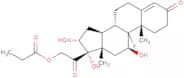
CAS:Prodotto controllato(8S,10S,11S,13S,14S,16R,17S)-9-fluoro-11,16,17-trihydroxy-10,13-dimethyl-3-oxo-1,2,6,7,8,11,12,14,-15,-16-decahydrocyclopenta[a]phenanthren-17-yl]-2-oxoethyl propanoate is a pesticide that is classified as a pyrethroid. It has been shown to be an insecticide that binds to cholinergic receptors in the nerve synapses of insects and disrupts transmission of nerve impulses. This allows the insect's nervous system to recover from the initial attack. The molecule has also been shown to bind to other proteins that have been identified as targets for pesticide interaction.Formula:C24H33FO7Purezza:Min. 95%Peso molecolare:452.51 g/molPiperacillin
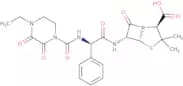
CAS:Piperacillin is a β-lactam antibiotic that inhibits the synthesis of bacterial cell walls by binding to penicillin-binding proteins. It is used for the treatment of serious infections caused by gram-negative organisms such as Aerogenes, Enterobacter, and Klebsiella. Piperacillin has a high MIC90 value against Staphylococcus and other gram-positive bacteria, but it is not active against β-lactamase producing strains of bacteria such as E. coli or Klebsiella pneumoniae. The MIC90 values are determined through an analytical method on different strains of bacteria and validated with a sample preparation before use in clinical trials.Formula:C23H27N5O7SPurezza:Min. 95 Area-%Colore e forma:White PowderPeso molecolare:517.56 g/mol5,7-Dinitroindole-2-carboxylic acid
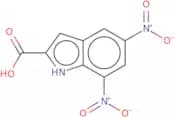
CAS:5,7-Dinitroindole-2-carboxylic acid is a versatile building block that has been used as a reagent in organic synthesis. It has also been shown to be an intermediate in the preparation of 5,7-dichloroindole and other complex compounds. This compound is a reaction component for the synthesis of many useful compounds, including research chemicals and speciality chemicals. 5,7-Dinitroindole-2-carboxylic acid is soluble in most solvents and can be purified by recrystallization or chromatography. The purity can be determined by elemental analysis or nuclear magnetic resonance spectroscopy.Formula:C9H5N3O6Purezza:Min. 95%Colore e forma:PowderPeso molecolare:251.15 g/mol