Composti policiclici
Sottocategorie di "Composti policiclici"
- Acridine(97 prodotti)
- Antrachinoni(533 prodotti)
- Acidi antrachinonici solfonici(16 prodotti)
- Azobenzeni(270 prodotti)
- Azonaftalene(98 prodotti)
- Azoxybenzeni(12 prodotti)
- Azuleni(11 prodotti)
- Benzimidazoli(1.475 prodotti)
- Benzodiossani(27 prodotti)
- Benzofurani(924 prodotti)
- Benzotiofeni(700 prodotti)
- Benzotriazoli(438 prodotti)
- Binaphthyl(133 prodotti)
- Carbazoli(462 prodotti)
- Cromani, cromeni(480 prodotti)
- Cumarine(1.120 prodotti)
- Ciclofani(11 prodotti)
- Fluorene e Fluorenoni(381 prodotti)
- Imidazopiridine(10 prodotti)
- Indan(118 prodotti)
- Indazoli(2.038 prodotti)
- Indeni(22 prodotti)
- Indoli(3.984 prodotti)
- Indoline(119 prodotti)
- Isatine(234 prodotti)
- Isobenzofurani(17 prodotti)
- Ftalimmidi N-sostituiti(153 prodotti)
- Naftaleni(2.437 prodotti)
- Naftiridina(17 prodotti)
- Naftochinone(2 prodotti)
- Perilene(36 prodotti)
- Fenazine(25 prodotti)
- Ftalazine(33 prodotti)
- Ftalimmide(153 prodotti)
- Idrocarburi policiclici aromatici (PAH)(301 prodotti)
- Polifenolo(261 prodotti)
- Pteridine(52 prodotti)
- Pireni(87 prodotti)
- Chinuclidina(1 prodotti)
- Tetraceni(7 prodotti)
Trovati 4573 prodotti di "Composti policiclici"
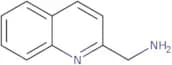
Quinolin-2-yl-methylamine
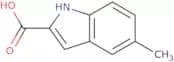
CAS:Quinolin-2-yl-methylamine is an amine that is used in the synthesis of other compounds. It can be prepared by protonation of quinoline with methylamine, followed by crystallization. The yield of this reaction is dependent on the purity of the starting materials and the reaction conditions. This compound has a molecular weight of 169.07 g/mol and a melting point at 217 °C. The infrared spectrum for Quinolin-2-yl-methylamine shows peaks at 2900 cm−1, 1670 cm−1, and 1590 cm−1. It also has x-ray crystallography data (space group P21/c).Formula:C10H10N2Purezza:Min. 96 Area-%Colore e forma:PowderPeso molecolare:158.2 g/mol5-Methylindole-2-carboxylic acid
CAS:5-Methylindole-2-carboxylic acid (5MICA) is a synthetic compound that has been shown to be cytotoxic in vitro. It has been shown to inhibit the growth of multiple cancer cell lines, including hepatoma cells, and is currently being studied as a potential anticancer drug. 5MICA inhibits the synthesis of protein and RNA by binding to the ribosome. This inhibition leads to cell death by apoptosis. 5MICA also exhibits an antimicrobial effect against opportunistic fungal pathogens such as Candida albicans, Aspergillus fumigatus, and Cryptococcus neoformans. The mechanism for this inhibition is unknown but may involve inhibition of protein synthesis or other cellular processes.
Formula:C10H9NO2Purezza:Min. 95%Colore e forma:PowderPeso molecolare:175.18 g/mol3-Amino-5-nitroindazole
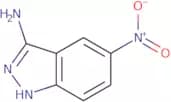
CAS:3-Amino-5-nitroindazole is an anticancer drug that inhibits the growth of cancer cells. It has been shown to inhibit the growth of cancer cells by blocking the synthesis and repair of DNA, leading to cell death. 3-Amino-5-nitroindazole also blocks the production of new proteins, which are needed for cell division. This drug also acts on pathways that are important for tumor development and progression, such as signaling pathways and transcription factors. This compound has been shown to be selective against human squamous cell carcinoma cells and has been studied in combination with other anticancer drugs in clinical trials.
Formula:C7H6N4O2Purezza:Min. 95%Colore e forma:SolidPeso molecolare:178.15 g/molFuril
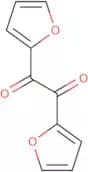
CAS:Furil is a pharmaceutical preparation used for the treatment of metabolic disorders, such as hypertension and diabetes. Furil is an inhibitor of the enzyme acyl coenzyme A: diacylglycerol acyltransferase-2 (DGAT-2) which catalyses the formation of triacylglycerols from diacylglycerol and free fatty acids. Furil has been shown to have potent inhibitory activity against DGAT-2, with an IC50 value of 0.5 μM. Furil also inhibits the enzyme phosphodiesterase 4B (PDE4B), which plays a role in signal transduction and inflammation. Furil can be synthesized by reacting hydrogen chloride with 2-bromoacetophenone in a nonpolar solvent to form 2,4-dichlorobenzoyl chloride, followed by reaction with 3-furancarboxylic acid in methanol to produce furil. FurilFormula:C10H6O4Purezza:Min. 95%Colore e forma:Beige PowderPeso molecolare:190.15 g/molHalquinol, mixture of 5,7-Dichloro-8-quinolinol, 5-Chloro-8-quinolinol, 7-Chloro-8-quinolinol and 8-Hydroxyquinoline
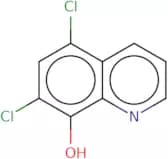
CAS:Halquinol, a mixture of 5,7-dichloro-8-quinolinol, 5-chloro-8-quinolinol, 7-chloro-8-quinolinol and 8-hydroxyquinoline, is an important intermediate in organic synthesis. It has been used as a reagent in the synthesis of a variety of complex compounds. Halquinol has also been used as a building block for the synthesis of many other chemical products. The CAS number for halquinol is 806769-4.Formula:C18H11Cl3N2O2Purezza:Min. 95%Colore e forma:Off-White PowderPeso molecolare:393.65 g/mol5-Chloroindole-3-acetic acid
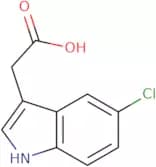
CAS:5-Chloroindole-3-acetic acid (5CI3A) is a compound that belongs to the indole class of compounds. It is structurally similar to the amino acid tryptophan, which makes it a good template molecule for the synthesis of other indoles. 5CI3A is mainly found in plants and bacteria, where it acts as an auxin. In plants, 5CI3A stimulates cell elongation and leaf growth by interacting with plant hormones such as auxins and gibberellins. This compound also binds to serum albumin, which may be responsible for its low toxicity in humans. 5CI3A has been shown to inhibit the activity of human serum albumin by forming hydrogen bonds with it. This inhibition reduces the binding affinity of 5CI3A for other proteins in serum, making it less likely to interact with them than if there were no binding competition.Formula:C10H8ClNO2Colore e forma:PowderPeso molecolare:209.63 g/mol6,7,8-Trimethoxycoumarin
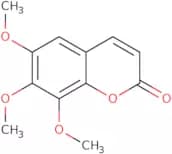
CAS:6,7,8-Trimethoxycoumarin is a methoxylated coumarin compound, which is a derivative of the natural product coumarin. It is primarily sourced from certain plant species where methoxylation occurs naturally as part of plant secondary metabolism. The compound exhibits interesting properties due to its structural modifications, particularly in its potential interactions with biological molecules.Formula:C12H12O5Purezza:Min. 95%Colore e forma:PowderPeso molecolare:236.22 g/mol5-Chloro-4-hydroxy-1-methyl-2-oxo-1,2-dihydro-quinoline-3-carboxylic acid ethyl-phenyl-amide
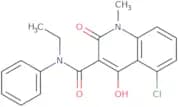
CAS:Laquinimod is an immunomodulator drug that inhibits the activity of the immune system. It binds to toll-like receptor 7, which is a protein on the surface of certain cells that responds to infection and inflammation. Laquinimod has been shown to inhibit neurodegeneration in vitro, which may be due to its ability to bind with neuronal death receptors and block the inflammatory response. Laquinimod also inhibits bowel disease by reducing inflammation and controlling immunity in the intestinal tract. Laquinimod has been shown to have long-term efficacy when administered at physiological levels. This drug is chemically stable, even after exposure to light.Formula:C19H17ClN2O3Purezza:Min. 95%Colore e forma:White PowderPeso molecolare:356.8 g/mol4,4'-Bis(bromomethyl)-2,2'-bipyridine
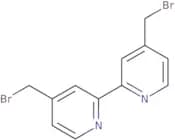
CAS:4,4'-Bis(bromomethyl)-2,2'-bipyridine is a cyclic molecule that can be synthesized by the reaction of 4-bromo-2,2'-bipyridine with a brominating agent. It is used as a precursor to ruthenium catalysts in organic synthesis, and as an additive in dendrimers. The compound has been shown to have light absorption properties and can be used in photovoltaics and electropolymerization.Formula:C12H10N2Br2Purezza:Min. 95%Colore e forma:PowderPeso molecolare:342.03 g/mol5-Methoxyindole-3-acetonitrile
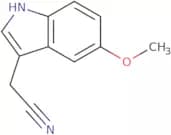
CAS:5-Methoxyindole-3-acetonitrile is a synthetic compound used as a reference for the synthesis of melatonin. It is produced by the addition of magnesium to 5-methoxyindole, followed by reaction with cyanide and nitrile. The synthesis of this compound was first published in 1938 and has since been used as a reference for many other studies. It has been shown that 5-methoxyindole-3-acetonitrile has high performance liquid chromatography properties, with a linear range from 0.5 to 50 mg/mL and an ultraviolet spectrum that falls within the region between 220 nm and 400 nm. A molecular modeling study was conducted on this compound, which showed that it conforms with 4-hydroxy indole ring systems found in natural products such as tryptophan and serotonin. This product also has fluorescent properties, which are caused by its electron withdrawing group (cyano).Formula:C11H10N2OPurezza:Min. 95%Colore e forma:PowderPeso molecolare:186.21 g/molBergaptol
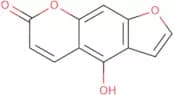
CAS:Bergaptol is a naturally occurring furanocoumarin, which is a compound derived from plants, particularly from the Rutaceae family such as bergamot and other citrus species. It is primarily characterized by its chemical structure containing a furan ring fused to a coumarin moiety. Bergaptol acts primarily through its interaction with biological systems by inhibiting certain enzymatic activities and interfering with the biological pathways that involve reactive oxygen species. This compound exhibits antioxidant properties, reducing oxidative stress by scavenging free radicals and thereby protecting cells from damage.Formula:C11H6O4Purezza:Min. 95%Colore e forma:Off-White PowderPeso molecolare:202.16 g/molD,L-3-Indolylglycine
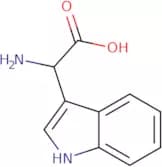
CAS:D,L-3-Indolylglycine is a fine chemical that is a versatile building block in organic synthesis. It is used as a reagent and reaction component in the manufacture of pharmaceuticals and other useful compounds. D,L-3-Indolylglycine has been shown to be useful for the synthesis of beta-carbolines, indole alkaloids and cyclic peptides. This compound has also been found to have anti-inflammatory properties.Formula:C10H10N2O2Purezza:Min. 95%Colore e forma:PowderPeso molecolare:190.2 g/mol6-Benzoylamino-9H-purine-9-acetic acid
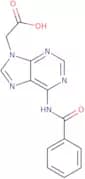
CAS:6-Benzoylamino-9H-purine-9-acetic acid (BAPAA) is a high quality reagent that is used in the synthesis of complex compounds. It is also a useful intermediate in the preparation of fine chemicals, speciality chemicals, and research chemicals. 6-Benzoylamino-9H-purine-9-acetic acid is a versatile building block for the synthesis of novel compounds with desired biological activity. This compound is an excellent reaction component because it can be used to synthesize various chemical structures.Formula:C14H11N5O3Purezza:Min. 95%Colore e forma:PowderPeso molecolare:297.27 g/mol4-Aminoindole
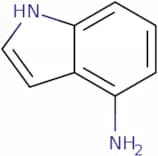
CAS:4-Aminoindole is a heterocycle with a carboxy group and four nitrogen atoms. It can be synthesized by reacting hydrochloric acid with nitrobenzene. 4-Aminoindole has shown potential as a drug target, which may be due to its ability to inhibit the enzyme carboxamidase. The compound is also acidic in water, making it an ideal candidate for use as an acid catalyst. Electropolymerization of 4-aminoindole has been achieved using Pt electrodes in the presence of an acidic environment. This reaction results in the formation of functional groups on the metal surface that are not found in most other electropolymerization reactions.
Formula:C8H8N2Colore e forma:PowderPeso molecolare:132.16 g/molIndole-3-acetamide
CAS:Indole-3-acetamide is an organic compound that is a component of the natural amino acid tryptophan. Indole-3-acetamide has been shown to be a potential anti-cancer drug. It inhibits prostate cancer cells and wild-type strains by inhibiting fatty acid synthase, which is an enzyme that catalyzes the synthesis of fatty acids. Indole-3-acetamide is also able to increase the production of monoclonal antibodies in mice with antigenic stimulation.
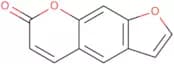
Formula:C10H10N2OPurezza:Min. 98 Area-%Colore e forma:PowderPeso molecolare:174.2 g/molPsoralen
CAS:Psoralen is a naturally occurring furocoumarin compound, which is derived from various plants, including those in the Apiaceae family, such as parsley and celery. Its mode of action involves intercalating into DNA and forming covalent cross-links when activated by ultraviolet A (UVA) light. This photoreactivity enables it to modify the biological activity of nucleic acids, making it a valuable tool in both therapeutic and experimental settings.
Formula:C11H6O3Purezza:Min. 98 Area-%Colore e forma:White PowderPeso molecolare:186.16 g/mol(S)-(-)-3-Aminoquinuclidine 2HCl
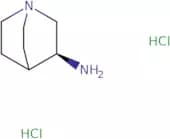
CAS:(S)-(-)-3-Aminoquinuclidine 2HCl is a cholinergic agonist that has been shown to be effective in inducing the release of acetylcholine from brain synaptosomes. This drug binds to the nicotinic acetylcholine receptor (nAChR) and inhibits the action of the enzyme acetylcholinesterase, thereby increasing the concentration of acetylcholine in the synaptic cleft. The drug is also able to cross the blood-brain barrier and bind to receptors on neurons. It has been shown that this drug can be used as an imaging agent for molecular magnetic resonance tomography (MRT), with high sensitivity and specificity.
Formula:C7H16Cl2N2Purezza:Min. 95%Colore e forma:White PowderPeso molecolare:199.12 g/mol5-Methyl-4,5-dihydro-1,2,4-triazino[5,6-b]indole-3-thione
CAS:Please enquire for more information about 5-Methyl-4,5-dihydro-1,2,4-triazino[5,6-b]indole-3-thione including the price, delivery time and more detailed product information at the technical inquiry form on this pageFormula:C10H8N4SPurezza:Min. 95%Colore e forma:PowderPeso molecolare:216.26 g/molOxypeucedanin hydrate acetate
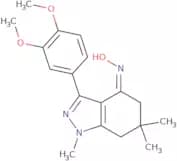
Oxypeucedanin hydrate acetate is a furanocoumarin, primarily classified as a phytochemical. It is derived from various plant sources, particularly from species in the Apiaceae family, such as Peucedanum and Angelica. These compounds are typically isolated through advanced extraction and chromatographic techniques.Purezza:Min. 95%3-(3,4-dimethoxyphenyl)-4-(hydroxyimino)-1,6,6-trimethyl-5,6,7-trihydro1H-indazole
CAS:Please enquire for more information about 3-(3,4-dimethoxyphenyl)-4-(hydroxyimino)-1,6,6-trimethyl-5,6,7-trihydro1H-indazole including the price, delivery time and more detailed product information at the technical inquiry form on this pagePurezza:Min. 90%


![5-Methyl-4,5-dihydro-1,2,4-triazino[5,6-b]indole-3-thione](/_next/image/?url=https%3A%2Fstatic.cymitquimica.com%2Fproducts%2F3D%2Fthumb-webp%2FFM169526.webp&w=3840&q=75)