Cumarine
Trovati 1122 prodotti di "Cumarine"
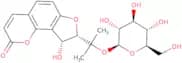
Oxypeucedanin hydrate acetate
Oxypeucedanin hydrate acetate is a furanocoumarin, primarily classified as a phytochemical. It is derived from various plant sources, particularly from species in the Apiaceae family, such as Peucedanum and Angelica. These compounds are typically isolated through advanced extraction and chromatographic techniques.
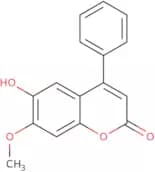
Purezza:Min. 95%6-Hydroxy-7-methoxy-4-phenylcoumarin
CAS:6-Hydroxy-7-methoxy-4-phenylcoumarin is a synthetic chemical compound classified as a coumarin derivative. Derived from natural coumarin structures, this compound is often synthesized through organic chemistry techniques involving the hydroxylation and methoxylation of coumarin backbones, with the addition of a phenyl group.Formula:C16H12O4Purezza:Min. 95%Colore e forma:PowderPeso molecolare:268.26 g/molDecursinol angelate
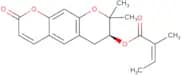
CAS:Decursinol angelate is a bioactive compound, which is derived from the roots of plants such as Angelica gigas, a species commonly used in traditional Asian medicine. This compound is a coumarin derivative, known for its potential pharmacological properties. Decursinol angelate’s mode of action involves the modulation of inflammatory pathways, particularly through the inhibition of key enzymes and cytokines involved in inflammatory responses, such as COX-2 and TNF-alpha. This modulation leads to a reduction in the synthesis of pro-inflammatory mediators, which can be beneficial in managing inflammation-related conditions.Formula:C19H20O5Purezza:Min. 95%Colore e forma:PowderPeso molecolare:328.36 g/molDecursin
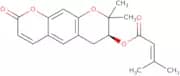
CAS:MAO inhibitor; neuro-protective and cognitive enhancement effects
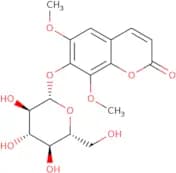
Formula:C19H20O5Purezza:Min. 98 Area-%Colore e forma:White PowderPeso molecolare:328.36 g/molCalycanthoside
CAS:Calycanthoside is a phenolic glycoside, which is a type of natural compound characterized by a glycosidic bond linking a phenolic moiety. It is derived from the plant Calycanthus chinensis, known for its rich array of bioactive compounds. The extraction and isolation processes of Calycanthoside involve sophisticated chromatographic techniques to ensure its purity and activity.Formula:C17H20O10Purezza:Min. 95%Colore e forma:PowderPeso molecolare:384.33 g/molOsthole
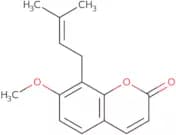
CAS:Osthole is a coumarin derivative, which is a type of natural compound. It is predominantly sourced from the Cnidium monnieri plant, as well as other Apiaceae family members. Osthole exerts its effects primarily through modulation of various molecular pathways, including the suppression of inflammatory mediators and the modulation of calcium channels, which results in vasodilation and various other physiological effects.Formula:C15H16O3Purezza:Min. 95%Colore e forma:PowderPeso molecolare:244.29 g/mol5,7-Dihydroxy-4-methylcoumarin monohydrate
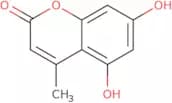
CAS:5,7-Dihydroxy-4-methylcoumarin monohydrate is an organic chemical compound, specifically a type of coumarin derivative. Coumarins are a class of naturally occurring aromatic compounds that are found in various plant sources, such as tonka beans, sweet clover, and other botanicals. This particular compound, with its distinct hydroxyl and methyl groups, falls under the broader category of hydroxycoumarins, which are of significant interest in biochemical research due to their various functional properties.Formula:C10H8O4•H2OPurezza:Min. 95%Colore e forma:Off-White Yellow PowderPeso molecolare:210.18 g/molIsosibiricin
CAS:Isosibiricin is a naturally occurring lignan, which is extracted from certain plant sources. This compound is derived from the genus Daphne, traditionally known for its diverse range of biologically active constituents. Its mode of action is primarily through the modulation of key signaling pathways involved in cell proliferation and apoptosis. Isosibiricin exhibits notable inhibitory effects on specific enzymes and receptors implicated in oncogenic processes, making it a subject of interest for cancer research.
Formula:C16H18O5Purezza:Min. 95%Colore e forma:PowderPeso molecolare:290.31 g/molApterin
CAS:Apterin is a naturally occurring compound, classified as a coumarin derivative, which is isolated from members of the Apiaceae family. Its source is primarily derived from plant species known for their therapeutic properties.Formula:C20H24O10Purezza:Min. 95 Area-%Colore e forma:White PowderPeso molecolare:424.4 g/molEsculin hydrate
CAS:Fluorescent dye used in diagnostic culture media
Formula:C15H16O9·xH2OPurezza:Min. 98 Area-%Colore e forma:White PowderPeso molecolare:340.28 g/molGeiparvarin
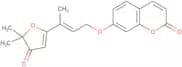
CAS:Geiparvarin is a cytotoxic compound, which is a plant-derived chemical with notable bioactivity. It is sourced from the roots of the Daflon plant, known for various natural compounds with potential therapeutic effects. Geiparvarin acts by interfering with cellular processes, leading to apoptosis in malignant cells. This mode of action is particularly significant in the study and development of anticancer therapies.Purezza:Min. 95%8-Hydroxy-7-methoxycoumarin
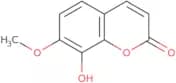
CAS:8-Hydroxy-7-methoxycoumarin is a fluorescent compound, which is a derivative of the coumarin family. This compound is typically sourced through synthetic organic chemistry processes involving the modification of natural coumarin compounds. Its mode of action involves the ability to absorb ultraviolet light and re-emit it as visible light, a characteristic feature of fluorescent molecules. This property makes it particularly useful in scientific research.
Formula:C10H8O4Purezza:Min. 95%Colore e forma:PowderPeso molecolare:192.17 g/molScopolin
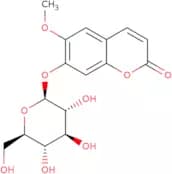
CAS:Scopolin is a coumarin glucoside, which is derived from the plant secondary metabolism. It originates predominantly from species within the Solanaceae family, including tobacco and potato plants. Its biosynthesis involves the conversion of scopoline, a precursor molecule, through glucosylation. This process is catalyzed by glucosyltransferases, which facilitate the attachment of a glucose moiety.
Formula:C16H18O9Purezza:Min. 98 Area-%Colore e forma:White PowderPeso molecolare:354.31 g/mol5-Geranyloxy-7-methoxycoumarin
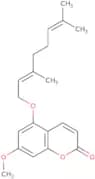
CAS:5-Geranyloxy-7-methoxycoumarin is a naturally occurring compound known as a coumarin derivative, which is primarily sourced from specific plant species such as those within the Rutaceae family. This compound is characterized by its unique chemical structure that incorporates both geranyloxy and methoxy functional groups, conferring specific biological activities.Formula:C20H24O4Purezza:Min. 95%Colore e forma:PowderPeso molecolare:328.4 g/molGlycocoumarin - Glycyrrhiza uralensis (liquorice)
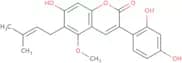
CAS:Glycocoumarin is a phytochemical compound that is primarily categorized as a bioactive flavonoid. It is derived from Glycyrrhiza uralensis, commonly known as liquorice, a plant renowned for its diverse pharmacological properties. The mode of action of glycocoumarin involves the modulation of various biological pathways, including its potential to influence inflammatory responses and antioxidant activity. This compound is known to interact with cellular signaling mechanisms, which could mediate its effects on immune modulation and cellular protection.Formula:C21H20O6Purezza:Min. 98 Area-%Colore e forma:PowderPeso molecolare:368.38 g/molBergaptol
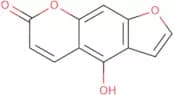
CAS:Bergaptol is a naturally occurring furanocoumarin, which is a compound derived from plants, particularly from the Rutaceae family such as bergamot and other citrus species. It is primarily characterized by its chemical structure containing a furan ring fused to a coumarin moiety. Bergaptol acts primarily through its interaction with biological systems by inhibiting certain enzymatic activities and interfering with the biological pathways that involve reactive oxygen species. This compound exhibits antioxidant properties, reducing oxidative stress by scavenging free radicals and thereby protecting cells from damage.Formula:C11H6O4Purezza:Min. 95%Colore e forma:Off-White PowderPeso molecolare:202.16 g/molFraxetin
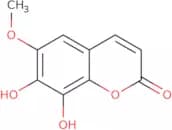
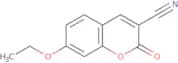
CAS:Fraxetin is a coumarin compound, which is a type of secondary metabolite commonly found in plants. It is principally derived from sources such as Fraxinus rhynchophylla and other related species. Fraxetin functions through various biological mechanisms, including antioxidant, anti-inflammatory, and neuroprotective activities. It accomplishes this by scavenging free radicals, modulating inflammatory pathways, and inhibiting specific enzymes associated with oxidative stress.Formula:C10H8O5Purezza:Min. 95%Colore e forma:PowderPeso molecolare:208.17 g/mol3-Cyano-7-ethoxycoumarin
CAS:3-Cyano-7-ethoxycoumarin is a specialized fluorescent probe, which is a synthetic organic compound designed for use in biochemical assays. This compound is sourced from the broader family of coumarins, which are known for their versatile fluorescence properties. The mode of action of 3-Cyano-7-ethoxycoumarin involves its ability to exhibit strong fluorescent emission when excited by specific wavelengths of light, making it a valuable tool for monitoring biochemical reactions and interactions.
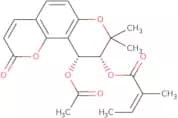
Formula:C12H9NO3Purezza:Min. 95%Colore e forma:PowderPeso molecolare:215.2 g/molIsopteryxin
CAS:Isopteryxin is a natural compound classified as a furanocoumarin, which is primarily derived from plants in the Apiaceae family, such as various species of Angelica. It is synthetically produced or extracted from these botanical sources using advanced chromatographic techniques. The mode of action of Isopteryxin involves interactions with cellular and molecular targets through its capability to intercalate with DNA and modulate enzyme activity. This confers notable biological activities, including antimicrobial, antifungal, and potentially anticancer effects. It may inhibit certain cell signaling pathways, thus influencing cellular processes such as apoptosis and proliferation.Formula:C21H22O7Purezza:Min. 95%Colore e forma:PowderPeso molecolare:386.4 g/molAngelicin
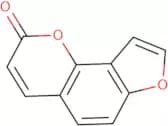
CAS:Angelicin is a furanocoumarin compound, which is derived from various plant sources, particularly within the Apiaceae family. The source of angelicin is often linked to traditional medicinal plants, where it is extracted and subsequently isolated for scientific investigation. Angelicin's mode of action involves intercalating within DNA strands, thereby affecting transcription and replication processes. This action is understood to be primarily photoactivated, leading to the formation of covalent bonds with DNA upon exposure to ultraviolet light, which can result in cross-linking.
Formula:C11H6O3Purezza:Min. 95%Colore e forma:PowderPeso molecolare:186.16 g/mol