Prodotti biochimici e reagenti
I biochimici e i reagenti sono sostanze fondamentali per la ricerca e lo sviluppo in campi come la biotecnologia, la biologia molecolare, la farmacologia e la medicina. Questi prodotti sono essenziali per una varietà di applicazioni, tra cui la sintesi di composti, l'analisi di campioni biologici, la ricerca sui processi metabolici e la produzione di farmaci. Presso CymitQuimica offriamo un'ampia selezione di biochimici e reagenti di alta qualità e purezza, adatti a diverse esigenze scientifiche e industriali. Il nostro catalogo include enzimi, anticorpi, acidi nucleici, amminoacidi e molti altri prodotti, tutti progettati per supportare i ricercatori e i professionisti nei loro progetti di ricerca e sviluppo, garantendo risultati affidabili e riproducibili.
Sottocategorie di "Prodotti biochimici e reagenti"
- Biomolecole(99.197 prodotti)
- Per obiettivo biologico(100.313 prodotti)
- Per uso/effetti farmacologici(6.790 prodotti)
- Composti relativi alla crioconservazione e crioconservanti(21 prodotti)
- Disinfettanti, additivi per fluidi per bagni di riscaldamento e composti correlati(28 prodotti)
- Ormoni(346 prodotti)
- Biologia vegetale(6.835 prodotti)
- Metaboliti secondari(14.348 prodotti)
Trovati 130603 prodotti di "Prodotti biochimici e reagenti"
Ordinare per
Purezza (%)
0
100
|
0
|
50
|
90
|
95
|
100
Dextromethorphan antibody
<p>Dextromethorphan antibody is an antibody that specifically targets and binds to dextromethorphan, a commonly used cough suppressant. This antibody has been shown to have various effects on adipocytes, including modulation of glycosylation and regulation of E-cadherin expression. Additionally, it has been found to interact with insulin antibodies and impact superoxide production. Both polyclonal and monoclonal forms of this antibody are available, allowing for different applications and research needs. The use of dextromethorphan antibody can provide valuable insights into the mechanisms underlying the effects of this cough suppressant on cellular processes such as fatty acid metabolism and immune responses mediated by IFN-gamma.</p>Purezza:Min. 95%DU 6857
CAS:DU 6857 is a potent, broad-spectrum fluoroquinolone antibiotic that inhibits bacterial DNA gyrase and topoisomerase IV. It has been shown to be effective against multidrug-resistant strains of bacteria, such as methicillin-resistant Staphylococcus aureus (MRSA) and Mycobacterium tuberculosis. DU 6857 binds to the enzyme DNA gyrase to inhibit the production of proteins vital for cell division. The drug has been shown to have no significant toxicity in humans in clinical trials. However, it should not be used in patients with hypersensitivity reactions or renal dysfunction due to its potential for adverse effects on the kidneys.Formula:C19H18ClF2N3O3Purezza:Min. 95%Peso molecolare:409.8 g/molS6 antibody
<p>The S6 antibody is a powerful tool used in various research applications. It is a cholinergic growth factor that has been extensively studied in the context of breast cancer, particularly in the MCF-7 cell line. This antibody targets acetyltransferase, an enzyme involved in the synthesis of acetylcholine, a neurotransmitter implicated in cell growth and proliferation.</p>Nutlin carboxylic acid
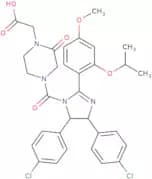
CAS:<p>Nutlin carboxylic acid is a small molecule inhibitor, which is derived from synthetic sources targeting the p53-MDM2 interaction with high specificity and efficacy. It functions by binding to the MDM2 protein, effectively preventing it from interacting with the tumor suppressor protein p53. This inhibition stabilizes and activates p53, leading to cell cycle arrest and apoptosis in cancerous cells.</p>Formula:C32H32Cl2N4O6Purezza:Min. 95%Peso molecolare:639.5 g/molBenpyrine
CAS:<p>Benpyrine is a non-selective inhibitor of sodium channels, which are ion channels that maintain the membrane potential of cells. It has been shown to inhibit neuronal activation and increase the threshold for pain perception in animal studies. Benpyrine is used as a research tool in cell biology and pharmacology due to its ability to inhibit sodium channels.</p>Formula:C16H16N6OPurezza:Min. 95%Peso molecolare:308.34 g/mol7-Chloro-3-(4-methyl-1-piperazinyl)-4H-1,2,4-benzothiadiazine-1,1-dioxide
CAS:7-Chloro-3-(4-methyl-1-piperazinyl)-4H-1,2,4-benzothiadiazine-1,1-dioxide is a peptide that is used as a research tool to study protein interactions. It is an inhibitor of ion channels and ligand for GABAA receptors. 7CMTPD inhibits the GABA receptor by acting as a competitive antagonist at the benzodiazepine binding site on the alpha subunit of the GABAA receptor. This inhibition causes chloride ions to flow into the cell and hyperpolarize it. This drug also inhibits ligand binding to GABAA receptors and can be used to identify other ligands for this receptor.Formula:C12H15ClN4O2SPurezza:Min. 95%Peso molecolare:314.79 g/molTriethylamine-d15
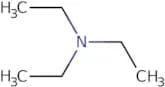
CAS:Prodotto controllato<p>Please enquire for more information about Triethylamine-d15 including the price, delivery time and more detailed product information at the technical inquiry form on this page</p>Formula:C6H15NPurezza:Min. 95%Peso molecolare:116.28 g/molGlyhexamide
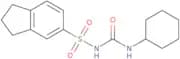
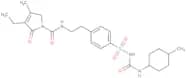
CAS:<p>Glyhexamide is a drug that was first used in the 1950s as a metabolic agent for patients with diabetes. It is an analog of meglitinide and has been shown to have antidiabetic and insulin sensitizing properties. Glyhexamide also has the ability to bind to magnesium ions, which may be important in its mechanisms of action. This drug has been shown to improve insulin sensitivity and decrease blood glucose levels in patients with type 2 diabetes mellitus and can be used in combination with other drugs, such as serotonin reuptake inhibitors, for this purpose. Glyhexamide also increases coronary heart disease risk factors by enhancing the effects of insulin on lipids and by increasing the risk of congestive heart failure.</p>Formula:C16H22N2O3SPurezza:Min. 95%Peso molecolare:322.4 g/molARL6IP2 antibody
<p>ARL6IP2 antibody was raised using the C terminal of ARL6IP2 corresponding to a region with amino acids MEQVCGGDKPYIAPSDLERKHLDLKEVAIKQFRSVKKMGGDEFCRRYQDQ</p>Purezza:Min. 95%ISG15 antibody
<p>ISG15 antibody was raised in rabbit using the middle region of ISG15 as the immunogen</p>Purezza:Min. 95%Ra-9 ups inhibitor
CAS:Ra-9 is a peptide inhibitor that binds to the alpha subunits of voltage-gated sodium channels. It has been shown to inhibit the activity of these channels, which may be due to its ability to block ion conduction. Ra-9 is a research tool with high purity and can be used in pharmacology, cell biology, and protein interactions. Ra-9 also acts as an activator or ligand for various receptors.Formula:C19H15N3O5Purezza:Min. 95%Peso molecolare:365.3 g/molGoat anti Human IgG (biotin)
<p>This antibody reacts with heavy chains on human IgG (gamma chain).</p>Purezza:Min. 95%DB1976 (dihydrochloride)
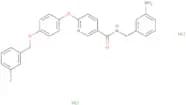
CAS:<p>DB1976 is a Research Tool that belongs to the group of Activators. It activates the receptor by binding to it, which leads to a change in the cell's behavior. DB1976 has been shown to inhibit ion channels and is used as an inhibitor in pharmacology. DB1976 binds to specific receptors on cells, which triggers changes in the cell's behavior. This drug is also used as an antibody for research purposes and can be used as a ligand or receptor for many types of proteins such as ion channels or enzymes. DB1976 has high purity and is suitable for use in Cell Biology or Life Science experiments.</p>Formula:C20H18Cl2N8SePurezza:Min. 95%Peso molecolare:520.3 g/molLGALS3BP antibody
<p>LGALS3BP antibody was raised using the middle region of LGALS3BP corresponding to a region with amino acids NLSLYWSHEALFQKKTLQALEFHTVPFQLLARYKGLNLTEDTYKPRIYTS</p>Purezza:Min. 95%Anti-heart failure agent 1
CAS:<p>Anti-heart failure agent 1 is a peptide that is used as a research tool to study the role of ion channels in heart cells. It has been shown to activate an ion channel called TRPC3, which regulates calcium ions and potassium ions. This peptide has also been shown to inhibit the receptor for angiotensin II, which is involved in blood pressure regulation. This peptide can be used as an inhibitor for other peptides or proteins.</p>Formula:C11H11FN2O3SPurezza:Min. 95%Peso molecolare:270.28 g/molOTS 167
CAS:<p>Inhibitor of maternal embryonic leucine zipper kinase MELK</p>Formula:C25H28Cl2N4O2Purezza:Min. 95%Peso molecolare:487.42 g/molTenovin-2
CAS:<p>Tenovin-2 is a cell-permeable, functionalized dendrimer with significant anticancer activity. Tenovin-2 stabilizes DNA and functions as an inactivated cytotoxic agent by inhibiting tumor suppressor protein p53. This drug has been shown to be effective against cervical cancer cells, which are resistant to other chemotherapeutic agents. Tenovin-2 has also been shown to inhibit the growth of myeloid leukemia cells and induce apoptosis in these cells. The mechanism of action for this drug is not yet known.</p>Formula:C22H27N3O2SPurezza:Min. 95%Peso molecolare:397.54 g/molCHRM3 antibody
<p>CHRM3 antibody was raised in rabbit using a synthetic peptide conjugated to KLH as the immunogen.</p>Purezza:Min. 95%GRI918013
CAS:<p>GRI918013 is a peptide that activates the bradykinin receptor. It inhibits the release of inflammatory mediators, such as prostaglandins, histamine, and leukotrienes from mast cells and other immune cells. GRI918013 has also been shown to inhibit ion channels, such as P/Q-type calcium channels.</p>Formula:C17H15Cl2FN2O4SPurezza:Min. 95%Peso molecolare:433.3 g/molNTSR1 antibody
<p>NTSR1 antibody was raised using a synthetic peptide corresponding to a region with amino acids FGNASGNASERVLAAPSSELDVNTDIYSKVLVTAVYLALFVVGTVGNTVT</p>Purezza:Min. 95%DBeQ
CAS:<p>DBeQ is a small molecule that has been shown to inhibit autophagy. It binds to the hydroxyl group of the ATP synthase and inhibits ATP synthesis, leading to an accumulation of adenosine monophosphate (AMP). DBeQ also affects protein transport by inhibiting the function of certain proteins involved in vesicle trafficking. It has been shown to have clinical relevance in treating hyperproliferative diseases, such as lung damage, and infectious diseases. This drug may be used as a chemical inhibitor or a chemical biology tool for drug repositioning.</p>Formula:C22H20N4Purezza:Min. 95%Peso molecolare:340.42 g/molCasein Kinase 1 alpha antibody
<p>Casein Kinase 1 alpha antibody was raised in mouse using recombinant human Casein Kinase 1 alpha (1-337aa) purified from E. coli as the immunogen.</p>TPD52 antibody
<p>TPD52 antibody was raised using the middle region of TPD52 corresponding to a region with amino acids AGQKASAAFSSVGSVITKKLEDVKNSPTFKSFEEKVENLKSKVGGTKPAG</p>SF3A3 Blocking Peptide
<p>A synthetic peptide for use as a blocking control in assays to test for specificity of SF3A3 antibody, catalog no. 70R-4856</p>Purezza:Min. 95%UBTD2 antibody
<p>UBTD2 antibody was raised in rabbit using the C terminal of UBTD2 as the immunogen</p>RHOC antibody
The RHOC antibody is a highly specialized product used in the field of Life Sciences. This antibody specifically targets the basic protein RHOC, which plays a crucial role in various cellular processes. The RHOC antibody is available as both polyclonal and monoclonal antibodies, providing researchers with options for their specific experimental needs.RPA4 antibody
<p>RPA4 antibody was raised using the C terminal of RPA4 corresponding to a region with amino acids HQEGKSIHELRAQLCDLSVKAIKEAIDYLTVEGHIYPTVDREHFKSAD</p>Purezza:Min. 95%CER11-2′S(d9)
CAS:Prodotto controllato<p>CER11-2′S(d9) is a peptide that is an inhibitor of protein interactions. It binds to the receptor and activates it. CER11-2′S(d9) can be used as a research tool in cell biology, pharmacology, and other life sciences. It has high purity with a CAS number of 2260670-22-0.</p>Formula:C34H60D9NO4Purezza:Min. 95%Peso molecolare:564.97 g/mol1-Boc-2-isobutyl-piperazine
CAS:<p>1-Boc-2-isobutyl-piperazine is a high purity chemical that is used as a research tool and cell biology reagent. It is an ion channel activator that binds to receptor sites on the membrane surface. 1-Boc-2-isobutyl-piperazine has been shown to inhibit ligand binding, protein synthesis, and ion channel activity in vitro. This chemical has also been shown to have an antibody response in vivo.</p>Formula:C13H26N2O2Purezza:Min. 95%Peso molecolare:242.36 g/molHomomazindol
CAS:<p>Homomazindol is a benzodiazepine that binds to the benzodiazepine receptor, which is found in the central nervous system. It has been shown to have strong affinity for the striatal region of the rat brain, and it can be used as an in vitro assay for ligands. In vivo assays have also shown that homomazindol binds to dopamine receptors, and it has been suggested that this may be related to its anticonvulsant effects. Homomazindol's chemical structure is similar to cocaine, and it has been shown to have similar effects on dopamine release in rat striatal membranes. This drug can exist as two tautomers: one with a hydroxyl group and one without. In addition, homomazindol hydrochloride (HOM) is related to methoxyhomomazindol (MOM), which has been shown to bind more tightly than HOM does.</p>Formula:C17H15ClN2OPurezza:Min. 95%Peso molecolare:298.8 g/molThioredoxin 2 antibody
Thioredoxin 2 antibody was raised using the middle region of TXN2 corresponding to a region with amino acids QHGKVVMAKVDIDDHTDLAIEYEVSAVPTVLAMKNGDVVDKFVGIKDEDQGSK-LSD1 dihydrochloride
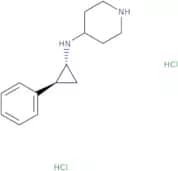
CAS:<p>GSK-LSD1 is a potential drug for the treatment of cervical cancer and myeloid leukemia. GSK-LSD1 has been shown to induce autophagy, which is a process by which cells break down and recycle their own cellular components. This process also plays a key role in the development of bowel disease, as well as inflammatory bowel disease and leukemias. GSK-LSD1 was shown to inhibit the growth of human myeloid leukemia cells (THP-1) in vitro and reduced the number of leukemic mice with leukemia. The mechanism by which GSK-LSD1 inhibits tumor cell proliferation is unclear, but may be related to its ability to inhibit cell factor or stem cell factor expression.</p>Formula:C14H22Cl2N2Purezza:Min. 95%Peso molecolare:289.24 g/molYM-01
CAS:<p>YM-01 is a chaperone protein that regulates the stability of other proteins. It has been shown to have potential as a drug target for amyloid protein aggregation and cancer. YM-01 is a molecular chaperone that binds to the unfolded or misfolded proteins and prevents them from aggregating. This protein also interacts with other proteins, which may be involved in regulating the amount of mutant proteins in cells. YM-01 is known to interact with many different protein targets, including the amyloid beta protein and the cytoskeleton, which are involved in cancer and viral life cycle respectively.</p>Formula:C20H20ClN3OS2Purezza:Min. 95%Peso molecolare:418 g/molABT 263-d8
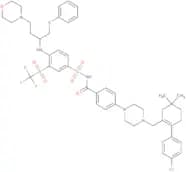
CAS:<p>Please enquire for more information about ABT 263-d8 including the price, delivery time and more detailed product information at the technical inquiry form on this page</p>Formula:C47H55ClF3N5O6S3Purezza:Min. 95%Peso molecolare:982.7 g/molEstrogen-Related Receptor Gamma Blocking Peptide
<p>A synthetic peptide for use as a blocking control in assays to test for specificity of ESRRG antibody, catalog no. 70R-2648</p>Purezza:Min. 95%IL10 antibody
<p>IL10 antibody was raised in rabbit using highly pure recombinant rat IL-10 as the immunogen.</p>Purezza:Min. 95%(S)-Montelukast
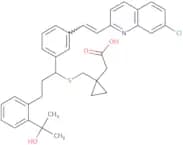
CAS:(S)-Montelukast is a medicinal compound that acts as an inhibitor of various kinases. It is an analog of the well-known drug Montelukast, which is used to treat asthma and allergies. (S)-Montelukast has been shown to have anticancer properties by inducing apoptosis and cell cycle arrest in cancer cells. This compound inhibits the activity of proteins that are involved in cancer cell growth and proliferation, making it a promising candidate for cancer treatment. Studies have demonstrated its efficacy in human cancer cell lines, including Chinese hamster ovary cells and tumor cells from various cancer types. (S)-Montelukast may be a valuable tool for developing new anticancer therapies in the future.Formula:C35H36ClNO3SPurezza:Min. 95%Peso molecolare:586.2 g/molRWJ 52353
CAS:<p>RWJ 52353 is a synthetic small molecule, which is an investigational drug developed through medicinal chemistry techniques aimed at targeting metabolic pathways. With a specific mode of action that involves inhibiting key enzymes involved in metabolic processes, it modulates biological pathways associated with energy homeostasis.</p>Formula:C11H10N2SPurezza:Min. 95%Peso molecolare:202.28 g/molLamin A antibody
<p>The Lamin A antibody is a cytotoxic monoclonal antibody that targets elastase, autoantibodies, lectins, insulin, fibronectin, and collagen. It is commonly used in Life Sciences research to detect and study the expression of Lamin A protein. This antibody specifically binds to Lamin A and can be used in various applications such as immunofluorescence, immunohistochemistry, and Western blotting. Additionally, it has been shown to have anti-VEGF (vascular endothelial growth factor) activity and can be used in the development of therapeutic treatments for angiogenesis-related diseases. The Lamin A antibody is an essential tool for researchers studying cellular processes and protein interactions involved in various biological pathways.</p>CD235a antibody
<p>The CD235a antibody is a neutralizing monoclonal antibody that is used in Life Sciences research. It has been shown to have natriuretic effects and can be used to study amyloid plaque formation in the brain. This antibody specifically targets activated chimeric proteins and can be used in various applications, such as electrode coating for enhanced signal detection. Additionally, the CD235a antibody has cytotoxic properties and can be conjugated with drugs or toxins for targeted therapy. It also binds to tissue transglutaminase and brain natriuretic peptide, making it a valuable tool for studying these proteins in different biological systems.</p>1,4-Bis[(4-chlorophenyl)phenylmethyl]piperazine
CAS:Please enquire for more information about 1,4-Bis[(4-chlorophenyl)phenylmethyl]piperazine including the price, delivery time and more detailed product information at the technical inquiry form on this pageFormula:C30H28Cl2N2Purezza:Min. 95%Peso molecolare:487.5 g/molMKRN2 antibody
<p>MKRN2 antibody was raised using the C terminal of MKRN2 corresponding to a region with amino acids ACKYFEQGKGTCPFGSKCLYRHAYPDGRLAEPEKPRKQLSSQGTVRFFNS</p>GNMT antibody
<p>The GNMT antibody is a highly specialized monoclonal antibody that targets the growth factor, epidermal growth factor (EGF). It has been developed for use in Life Sciences research and is particularly useful for studying biomolecules and their interactions. The GNMT antibody can be immobilized on various surfaces such as colloidal electrodes or used in assays to detect the presence of EGF in samples like human serum or liver microsomes. This antibody exhibits cytotoxic effects, making it an excellent tool for investigating cellular responses to EGF stimulation. Additionally, the GNMT antibody has shown potential applications in cancer research, as it specifically recognizes alpha-fetoprotein (AFP), a biomarker associated with certain types of tumors. It is important to note that this antibody should be handled with care due to its nephrotoxic properties.</p>BVES antibody
<p>BVES antibody was raised using the middle region of BVES corresponding to a region with amino acids YLIGKDITNKLYSLNDPTLNDKKAKKLEHQLSLCTQISMLEMRNSIASSS</p>Purezza:Min. 95%PBTTT-c12
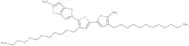
CAS:<p>PBTTT-c12 is a dodecyl unipolar semiconductor that can be used as a material for electronic devices. PBTTT-c12 has low molecular weight, high solubility, and transport properties. This material crystallizes at room temperature and exhibits a hexagonal crystal structure with a lattice constant of 1.8 Å. It is also soluble in organic solvents such as chloroform or acetone. The optical absorption spectrum shows two bands in the visible region: one near 400 nm, which corresponds to the π* orbital; and another at 600 nm, which corresponds to the π* orbital and the σ* orbital. In addition, PBTTT-c12 semiconductors have been shown to exhibit diffraction patterns at low temperatures (below -200°C).</p>Formula:(C38H54S4)nPurezza:Min. 95%Dihydroeponemycin
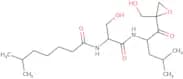
CAS:<p>Dihydroeponemycin is a natural product that has been found to be useful in the treatment of prostate cancer. It inhibits the activity of the proteasome, which is responsible for degrading proteins in cells. Dihydroeponemycin also has anti-inflammatory properties, inhibiting pro-inflammatory cytokine production and inhibiting the production of reactive oxygen species. Dihydroeponemycin also has been shown to have significant inhibitory effects on hepatitis B virus (HBV) replication, as well as on other viruses such as HIV. This compound has also been found to have biological properties that make it a potential drug target for cancer therapy.</p>Formula:C20H36N2O6Purezza:Min. 95%Peso molecolare:400.5 g/molGlimepiride-d5
CAS:<p>Glimepiride-d5 is a human medicinal analog that acts as an inhibitor of kinases. It has been shown to have anticancer properties, specifically in Chinese tumor cell lines. Glimepiride-d5 inhibits the activity of certain kinases involved in cancer cell growth and induces apoptosis (programmed cell death) in these cells. This compound can be detected in urine and has potential as a protein kinase inhibitor for cancer treatment.</p>Formula:C24H34N4O5SPurezza:Min. 95%Peso molecolare:495.6 g/molRGS16 antibody
<p>The RGS16 antibody is a highly specialized chemokine that plays a crucial role in various biological processes. It has been extensively studied in the field of Life Sciences and has shown promising results in different applications. This monoclonal antibody specifically targets alpha-fetoprotein, an important protein found in human serum. It has also demonstrated remarkable anti-mesothelin activity, making it a potential therapeutic option for mesothelioma treatment.</p>ICK antibody
<p>The ICK antibody is a highly specialized antibody that targets the tyrosine kinase receptor, which plays a crucial role in growth factor signaling. This antibody is designed to specifically bind to the receptor and inhibit its activity, thereby blocking the downstream signaling pathways involved in cell growth and proliferation.</p>AC 186
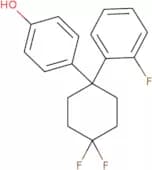
CAS:<p>AC 186 is a synthetic small-molecule inhibitor, which is derived from targeted chemical synthesis with specificity for protein modulation. The compound acts by competitively binding to the active site of the target protein, disrupting its interaction with other biomolecules, and thereby inhibiting its biological activity. This mechanism of action allows for the selective modulation of signaling pathways and cellular processes, making AC 186 a valuable tool for in-depth biochemical studies.</p>Formula:C18H17F3OPurezza:Min. 95%Peso molecolare:306.3 g/molGentamicin-BSA
<p>Gentamicin-BSA is a medicament used in Life Sciences research. It is a Hapten Conjugate that consists of Gentamicin, a broad-spectrum antibiotic, and BSA (Bovine Serum Albumin), a protein commonly used as an antigen carrier. This conjugate is designed to target specific molecules or proteins of interest in various biological studies.</p>Purezza:Min. 95%Ro 67-7476
CAS:<p>Ro 67-7476 is a synthetic compound that functions as a potent, non-peptide antagonist for the cholecystokinin-A (CCK-A) receptor. The source of this compound is chemical synthesis, utilizing advanced organic chemistry techniques to specifically target the CCK-A receptor with high affinity and selectivity. The mode of action involves the competitive inhibition of the natural ligand binding to the CCK-A receptor, thereby modulating the physiological responses mediated through this receptor pathway.</p>Formula:C17H18FNO2SPurezza:Min. 95%Peso molecolare:319.39 g/molEtravirine N-oxide
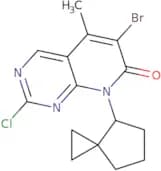
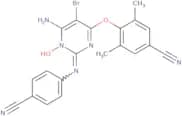
CAS:Please enquire for more information about Etravirine N-oxide including the price, delivery time and more detailed product information at the technical inquiry form on this pageFormula:C20H15BrN6O2Purezza:Min. 95%Peso molecolare:451.3 g/molZNF551 antibody
<p>ZNF551 antibody was raised in rabbit using the N terminal of ZNF551 as the immunogen</p>Purezza:Min. 95%SSTC3
CAS:<p>SSTC3 is a recombinant protein that inhibits the PI3K/Akt pathway. This pathway, which is involved in regulating cell proliferation, is often activated by cancer stem cells. The inhibition of this pathway leads to the death of cancer cells and can be used for the treatment of cancers, such as brain cancer. SSTC3 has been shown to be effective against human tumor cells in vitro and in vivo. In addition, SSTC3 has also been shown to reduce the incidence of diabetes mellitus type 2 in diabetic patients by its ability to inhibit insulin resistance. Clinical data on SSTC3 is limited but promising.</p>Formula:C23H17F3N4O3S2Purezza:Min. 95%Peso molecolare:518.5 g/molPPP2R3A antibody
<p>PPP2R3A antibody was raised using a synthetic peptide corresponding to a region with amino acids SSSVEEKPLSHRNSLDTNLTSMFLQNFSEEDLVTQILEKHKIDNFSSGTD</p>Dog RBC antibody (Texas Red)
<p>Canine RBC antibody (Texas Red) was raised in rabbit using canine erythrocytes as the immunogen.</p>TAMRA antibody
<p>The TAMRA antibody is a cytotoxic monoclonal antibody that specifically targets and neutralizes tumor necrosis factor-alpha (TNF-α). It has been extensively studied in the field of Life Sciences for its potential therapeutic applications. The TAMRA antibody binds to TNF-α, preventing it from binding to its receptors and exerting its pro-inflammatory effects. This inhibition of TNF-α activity can help reduce inflammation and alleviate symptoms associated with various inflammatory conditions.</p>Donkey anti Chicken IgY (H + L) (12 nm Gold Colloid)
Donkey anti-chicken IgY (H + L) (12 nm Gold Colloid) was raised in donkey using chicken IgG (H & L) as the immunogen.Purezza:Min. 95%(8-Methyl-8-azabicyclo[3.2.1]octan-3-yl) 3-(4-acetyloxyphenyl)-2-phenylpropanoate
CAS:<p>Azapropazone is a non-steroidal anti-inflammatory drug (NSAID) that inhibits the production of pro-inflammatory cytokines and mitochondrial superoxide. Azapropazone has been shown to inhibit the growth of cholinergic neurons in the central nervous system and to selectively inhibit the release of histamine from mast cells. The drug also has an inhibitory effect on inflammatory reactions in animals. It is used for the treatment of pain and inflammation in animals, especially those with excretory organs or ganglia problems. Azapropazone was first synthesized by scientists at Janssen Pharmaceutica in 1961.</p>Formula:C25H29NO4Purezza:Min. 95%Peso molecolare:407.5 g/molInsulin Receptor alpha antibody
<p>The Insulin Receptor alpha antibody is a monoclonal antibody that specifically targets the insulin receptor alpha subunit. It plays a crucial role in regulating glucose metabolism and is involved in various cellular processes such as growth, differentiation, and survival. This antibody has been extensively studied in the field of Life Sciences and has shown promising results in inhibiting insulin signaling pathways.</p>MAP3K7IP1 antibody
<p>MAP3K7IP1 antibody was raised using the N terminal of MAP3K7IP1 corresponding to a region with amino acids MAAQRRSLLQSEQQPSWTDDLPLCHLSGVGSASNRSYSADGKGTESHPPE</p>Purezza:Min. 95%Upcdc30245
CAS:Upcdc30245 is a human monoclonal antibody that binds to the nuclear factor kappa-light-chain-enhancer of activated B cells (NF-κB) and inhibits its activity. Upcdc30245 has been shown to inhibit the production of proinflammatory cytokines, such as the epidermal growth factor, by binding to NF-κB. NF-κB is a transcription factor that regulates the expression of genes involved in inflammation and cell proliferation. Upcdc30245 has been shown to be effective against resistant mutants in tissue culture and has high values for protease activity and transport rate. The disulfide bond in Upcdc30245 may contribute to its stability.Formula:C28H38FN5Purezza:Min. 95%Peso molecolare:463.6 g/mol26S Proteasome P52 Subunit antibody
<p>26S Proteasome P52 Subunit antibody was raised in mouse using 26S proteasomes purified from Xenopus laevis ovary as the immunogen.</p>ASF1A protein (His tag)
<p>1-204 amino acids: MRGSHHHHHH GMASMTGGQQ MGRDLYDDDD KDRWGSMAKV QVNNVVVLDN PSPFYNPFQF EITFECIEDL SEDLEWKIIY VGSAESEEYD QVLDSVLVGP VPAGRHMFVF QADAPNPGLI PDADAVGVTV VLITCTYRGQ EFIRVGYYVN NEYTETELRE NPPVKPDFSK LQRNILASNP RVTRFHINWE DNTEKLEDAE SSNPNLQSLL STDALPSASK GWSTSENSLN VMLESHMDCM</p>FHIT antibody
<p>The 6-Fluoro-3-indoxyl-beta-D-galactopyranoside is a powerful antituberculosis drug belonging to the class of rifamycins. It is highly effective in treating tuberculosis infections and contains active compounds that exhibit bactericidal activity. This drug works by binding to DNA-dependent RNA polymerase, inhibiting bacterial growth by preventing transcription and replication. Its potency has been demonstrated through extensive research using the patch-clamp technique on human erythrocytes. Metabolically, it undergoes various transformations such as hydrolysis, oxidation, reduction, and conjugation with glucuronic acid. Additionally, it specifically targets markers expressed in Mycobacterium tuberculosis strains and inhibits cell growth in culture.</p>Hepatitis C Virus antibody
<p>Hepatitis C virus antibody was raised in mouse using highly pure HCV NS5a as the immunogen.</p>Carbonic Anhydrase VIII Blocking Peptide
<p>A synthetic peptide for use as a blocking control in assays to test for specificity of CA8 antibody, catalog no. 70R-2586</p>Purezza:Min. 95%NVS ZP7 4
CAS:<p>Inhibitor of ZIP7, a member of the zinc transport family</p>Formula:C28H28FN5OSPurezza:Min. 95%Peso molecolare:501.62 g/molCD3 antibody
<p>The CD3 antibody is a highly effective and versatile tool used in Life Sciences. It is a monoclonal antibody that specifically targets CD3, a protein found on the surface of T cells. This antibody is widely used in research and diagnostic applications.</p>YM 244769
CAS:<p>YM 244769 is a novel compound that is a selective inhibitor of the cytosolic calcium-ATPase (SERCA) pump. The SERCA pump plays an important role in maintaining the intracellular calcium concentration and removing Ca2+ from the cytosol to the extracellular space, which is required for nerve transmission. YM 244769 blocks this pump and inhibits Ca2+ reuptake by the endoplasmic reticulum, which leads to increased levels of cytosolic Ca2+. This compound has been shown to reduce chronic pain in animal models induced by nerve injury.</p>Formula:C26H24Cl2FN3O3Purezza:Min. 95%Peso molecolare:516.4 g/molBMS-986142
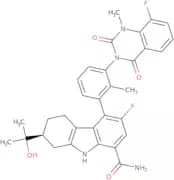
CAS:<p>Inhibitor of Bruton's tyrosine kinase (BTK)</p>Formula:C32H30F2N4O4Purezza:Min. 95%Peso molecolare:572.6 g/molC1ORF184 antibody
<p>C1ORF184 antibody was raised using the C terminal Of C1Orf184 corresponding to a region with amino acids NVAREGCILDLSDSSVTRDMDILRSLIRKSGLVVLGQEKQDGFPEQCIPV</p>IMT1
CAS:IMT1 is a research tool that is used to study the activation of cells and receptors. It has been shown to bind to a variety of ligands, including calmodulin, protein kinase C, ion channels, and eukaryotic translation initiation factor 4E. IMT1 may be used as an inhibitor in pharmacology studies to determine the effects of a drug on various proteins. IMT1 is also used in cell biology research to study protein interactions and the effect of peptides on cellular function. The high purity of IMT1 makes it suitable for use in antibody production.Formula:C21H21NO4Purezza:Min. 95%Peso molecolare:351.4 g/mol






















![1,4-Bis[(4-chlorophenyl)phenylmethyl]piperazine](/_next/image/?url=https%3A%2Fstatic.cymitquimica.com%2Fproducts%2F3D%2Fthumb-webp%2FWNA45115.webp&w=3840&q=75)












![(8-Methyl-8-azabicyclo[3.2.1]octan-3-yl) 3-(4-acetyloxyphenyl)-2-phenylpropanoate](/_next/image/?url=https%3A%2Fstatic.cymitquimica.com%2Fproducts%2F3D%2Fthumb-webp%2FQAA79002.webp&w=3840&q=75)