Prodotti biochimici e reagenti
I biochimici e i reagenti sono sostanze fondamentali per la ricerca e lo sviluppo in campi come la biotecnologia, la biologia molecolare, la farmacologia e la medicina. Questi prodotti sono essenziali per una varietà di applicazioni, tra cui la sintesi di composti, l'analisi di campioni biologici, la ricerca sui processi metabolici e la produzione di farmaci. Presso CymitQuimica offriamo un'ampia selezione di biochimici e reagenti di alta qualità e purezza, adatti a diverse esigenze scientifiche e industriali. Il nostro catalogo include enzimi, anticorpi, acidi nucleici, amminoacidi e molti altri prodotti, tutti progettati per supportare i ricercatori e i professionisti nei loro progetti di ricerca e sviluppo, garantendo risultati affidabili e riproducibili.
Sottocategorie di "Prodotti biochimici e reagenti"
- Biomolecole(99.205 prodotti)
- Per obiettivo biologico(99.900 prodotti)
- Per uso/effetti farmacologici(6.790 prodotti)
- Composti relativi alla crioconservazione e crioconservanti(21 prodotti)
- Disinfettanti, additivi per fluidi per bagni di riscaldamento e composti correlati(28 prodotti)
- Ormoni(346 prodotti)
- Biologia vegetale(6.835 prodotti)
- Metaboliti secondari(14.345 prodotti)
Trovati 130607 prodotti di "Prodotti biochimici e reagenti"
Ordinare per
Purezza (%)
0
100
|
0
|
50
|
90
|
95
|
100
IQCE antibody
<p>IQCE antibody was raised using the middle region of IQCE corresponding to a region with amino acids KKMGSALLSLSRSVQELTEENQSLKEDLDRVLSTSPTISKTQGYVEWSKP</p>Septin 2 antibody
<p>Septin 2 antibody was raised using the N terminal of 40423 corresponding to a region with amino acids MSKQQPTQFINPETPGYVGFANLPNQVHRKSVKKGFEFTLMVVGESGLGK</p>Purezza:Min. 95%USP10 antibody
<p>The USP10 antibody is a growth factor that belongs to the class of antibodies. It is specifically designed to target and neutralize dinitrophenyl (DNP) antigens. This monoclonal antibody has been extensively tested and validated for its high specificity and affinity towards DNP antigens. It can be used in various applications, including immunoassays, Western blotting, ELISA, and flow cytometry.</p>SSB protein
SSB protein is a cytotoxic monoclonal antibody that neutralizes the activity of the SSB protein in human serum. This protein is involved in various biological processes, including DNA replication and repair. In Life Sciences, SSB protein plays a crucial role in the binding and stabilization of single-stranded DNA during DNA synthesis. Additionally, it interacts with other proteins such as calmodulin and a1 protein to regulate cellular functions.Purezza:Min. 95%MCL1 antibody
<p>The MCL1 antibody is a highly specialized tool used in various assays and research applications. It is designed to specifically target and inhibit the activity of MCL1, a protein involved in cell survival and apoptosis regulation. This monoclonal antibody works by binding to MCL1 and neutralizing its function, allowing researchers to investigate its role in different cellular processes.</p>SERP1 antibody
<p>The SERP1 antibody is a highly specialized monoclonal antibody that targets and neutralizes the growth factor epidermal growth factor (EGF). This antibody is derived from histidine-rich polyclonal antibodies, making it highly effective in inhibiting the activity of EGF. It specifically binds to EGF and prevents its interaction with cell surface receptors, thus blocking downstream signaling pathways involved in cell proliferation and survival.</p>KRT2A antibody
<p>KRT2A antibody was raised using the middle region of Krt2A corresponding to a region with amino acids EVKAQYEEIAQRSKEEAEALYHSKYEELQVTVGRHGDSLKEIKIEISELN</p>TAK1 antibody
<p>The TAK1 antibody is a highly specialized growth factor protein used in Life Sciences research. It acts as an anti-MERTK antibody, targeting the MERTK receptor involved in cell signaling pathways. This antibody can be used in various applications such as Western blotting, immunohistochemistry, and flow cytometry. It specifically binds to transferrin and stimulates the growth of colonies of cells in vitro. The TAK1 antibody also plays a crucial role in regulating actin filaments and colony-stimulating factors. It is available as both polyclonal and monoclonal antibodies, providing researchers with versatile options for their experiments. Additionally, this antibody has shown potential effects on adipose tissue and steroid metabolism, as well as its interaction with transforming growth factor-beta 1 (TGF-β1).</p>HER2 antibody
<p>The HER2 antibody is a monoclonal antibody that specifically targets the HER2 protein, which is overexpressed in certain types of cancer cells. This antibody inhibits the growth and proliferation of cancer cells by blocking the interaction between HER2 and other growth factors, such as epidermal growth factor and hepatocyte growth factor. Additionally, the HER2 antibody has been shown to have anti-angiogenic properties by inhibiting the production of vascular endothelial growth factor (VEGF) and VEGF-C, which are essential for the formation of new blood vessels. This antibody can be used as a targeted therapy for patients with HER2-positive cancers, such as breast and gastric cancer.</p>CYB561 antibody
<p>CYB561 antibody was raised using the middle region of CYB561 corresponding to a region with amino acids LFPGASFSLRSRYRPQHIFFGATIFLLSVGTALLGLKEALLFNLGGKYSA</p>Purezza:Min. 95%Synaptobrevin 2 antibody
<p>Synaptobrevin 2 antibody was raised in mouse using recombinant human Synaptobrevin 2 (1-89aa) purified from E. coli as the immunogen.</p>RASL10A antibody
<p>RASL10A antibody was raised using the N terminal of RASL10A corresponding to a region with amino acids PTDGPRLYRPAVLLDGAVYDLSIRDGDVAGPGSSPGGPEEWPDAKDWSLQ</p>Purezza:Min. 95%PIGO antibody
<p>PIGO antibody was raised using the N terminal of PIGO corresponding to a region with amino acids LIDALRFDFAQPQHSHVPREPPVSLPFLGKLSSLQRILEIQPHHARLYRS</p>Purezza:Min. 95%B4GALNT1 antibody
<p>B4GALNT1 antibody was raised using the N terminal of B4GALNT1 corresponding to a region with amino acids APWAPPQSPRRPELPDLAPEPRYAHIPVRIKEQVVGLLAWNNCSCESSGG</p>Purezza:Min. 95%Insulin protein
<p>Insulin protein is a vital hormone that plays a crucial role in regulating blood sugar levels. It acts as an oncogene homolog and growth factor, promoting cell growth and development. Insulin is responsible for the uptake of glucose into cells, where it is used for energy production. Additionally, insulin has methylating properties and can regulate insulin secretory function and β-cell proliferation.</p>Purezza:>98% By HplcMMAB antibody
<p>The MMAB antibody is a glycoprotein that plays a crucial role in pluripotent stem cell differentiation. It acts as an activator of dopamine and acetylcholine, which are important neurotransmitters involved in various physiological processes. The MMAB antibody can be used as a serum marker to detect the presence of certain diseases and monitor their progression.</p>SLC12A5 antibody
<p>SLC12A5 antibody was raised using a synthetic peptide corresponding to a region with amino acids VQLIHDQSAPSCPSSSPSPGEEPEGEGETDPEKVHLTWTKDKSVAEKNKG</p>Purezza:Min. 95%NOTCH2 antibody
<p>The NOTCH2 antibody is a highly specialized product used in the field of Life Sciences. It is an essential tool for researchers and scientists studying the NOTCH2 protein and its role in various biological processes. This antibody is designed to specifically target and neutralize the NOTCH2 protein, allowing for detailed analysis and investigation.</p>DUT antibody
DUT antibody was raised using the N terminal of DUT corresponding to a region with amino acids AAVLSGPGPPLGRAAQHGIPRPLSSAGRLSQGCRGASTVGAAGWKGELPKH-ALVDQVIGSR-OH
Peptide H-ALVDQVIGSR-OH is a Research Peptide with significant interest within the field academic and medical research. This peptide is available for purchase at Cymit Quimica in multiple sizes and with a specification of your choice.Purezza:Min. 95%IL7 antibody
<p>IL7 antibody was raised in rabbit using highly pure recombinant murine IL-7 as the immunogen.</p>Purezza:Min. 95%ACAA2 antibody
<p>ACAA2 antibody was raised using the N terminal of ACAA2 corresponding to a region with amino acids ALLRGVFVVAAKRTPFGAYGGLLKDFTATDLSEFAAKAALSAGKVSPETV</p>PIWIL1 antibody
<p>PIWIL1 antibody was raised using a synthetic peptide corresponding to a region with amino acids FQELSLAERGGRRRDFHDLGVNTRQNLDHVKESKTGSSGIIVRLSTNHFR</p>PPAR alpha antibody
<p>The PPAR alpha antibody is a highly specialized product in the field of Life Sciences. This antibody is designed to target and bind to the peroxisome proliferator-activated receptor alpha (PPAR alpha), a key protein involved in various cellular processes. The antibody is produced using streptavidin-conjugated bovine γ-globulin, ensuring high specificity and sensitivity.</p>IL18 antibody
<p>The IL18 antibody is a growth factor that plays a crucial role in immune responses and inflammation. It is an anti-Mertk antibody that targets the Mertk receptor, which is involved in glycation and cytotoxicity. This antibody has been widely used in Life Sciences research as a tool to study various cellular processes. It is available as both monoclonal and polyclonal antibodies.</p>Eotaxin 2 antibody
<p>Eotaxin 2 antibody was raised in mouse using highly pure recombinant human eotaxin-2 as the immunogen.</p>ALDH6A1 antibody
<p>ALDH6A1 antibody was raised using the middle region of ALDH6A1 corresponding to a region with amino acids GQVGVNVPIPVPLPMFSFTGSRSSFRGDTNFYGKQGIQFYTQLKTITSQW</p>Purezza:Min. 95%L1CAM antibody
<p>The L1CAM antibody is a highly specific monoclonal antibody used in various applications in the field of life sciences. It is commonly used in immunoassays and colloidal gold-based techniques. This antibody has been extensively researched and proven to be effective in targeting L1 cell adhesion molecule (L1CAM), which plays a crucial role in cell adhesion, migration, and signaling.</p>V alpha 2 TCR antibody (allophycocyanin)
<p>Rat monoclonal V alpha 2 TCR antibody (allophycocyanin)</p>PXN antibody
<p>The PXN antibody is a neutralizing antibody that is used in the field of Life Sciences. It is commonly found in blood plasma and is used to study the emission of autoantibodies. The PXN antibody specifically targets alpha-synuclein, a protein associated with neurodegenerative diseases such as Parkinson's disease. This antibody is available as both polyclonal and monoclonal antibodies, allowing researchers to choose the best option for their specific experiment. The PXN antibody can be detected using particle chemiluminescence, providing accurate and reliable results. Additionally, studies have shown that this antibody has an impact on mesenchymal stem cells, promoting their growth and differentiation. Furthermore, it has been observed that the PXN antibody can influence microvessel density by acting as a growth factor. Researchers in the field of Life Sciences rely on the PXN antibody to gain valuable insights into various cellular processes and diseases related to alpha-synuclein.</p>GPC4 antibody
GPC4 antibody was raised in mouse using recombinant human GPC4 (401-529aa) purified from E. coli as the immunogen.A2BP1 antibody
<p>A2BP1 antibody was raised using the N terminal of A2BP1 corresponding to a region with amino acids NCEREQLRGNQEAAAAPDTMAQPYASAQFAPPQNGIPAEYTAPHPHPAPE</p>PAX5 antibody
<p>The PAX5 antibody is a highly effective tool for research purposes. It is available in both polyclonal and monoclonal forms, allowing researchers to choose the best option for their specific needs. This antibody has been extensively tested and proven to be reliable in various applications.</p>HSP60 antibody
<p>The HSP60 antibody is a monoclonal antibody that specifically targets heat shock protein 60 (HSP60). HSP60 is involved in various cellular processes, including protein folding and transport. This antibody has been shown to neutralize the activity of HSP60 and inhibit its function. It can be used in research and diagnostic applications to study the role of HSP60 in different biological systems. The HSP60 antibody has also been used to investigate the effects of HSP60 on cell signaling pathways, such as TGF-beta and epidermal growth factor, as well as its interaction with other proteins like transferrin. With its high specificity and affinity, this monoclonal antibody is a valuable tool for researchers in the life sciences field.</p>BRWD1 antibody
<p>BRWD1 antibody was raised using the N terminal of BRWD1 corresponding to a region with amino acids MAEPSSARRPVPLIESELYFLIARYLSAGPCRRAAQVLVQELEQYQLLPK</p>Tropomyosin 1 antibody
<p>Tropomyosin 1 antibody was raised using a synthetic peptide corresponding to a region with amino acids LKEAETRAEFAERSVTKLEKSIDDLEDQLYQQLEQNRRLTNELKLALNED</p>SPDYA antibody
<p>SPDYA antibody was raised using a synthetic peptide corresponding to a region with amino acids MRHNQMCCETPPTVTVYVKSGSNRSHQPKKPITLKRPICKDNWQAFEKNT</p>Troponin I protein (Cardiac) (Rat)
<p>Purified native Rat Troponin I protein (Cardiac)</p>Purezza:Min. 95%SLC39A4 antibody
<p>SLC39A4 antibody was raised using a synthetic peptide corresponding to a region with amino acids ASLVSLELGLLLAVLVVTATASPPAGLLSLLTSGQGALDQEALGGLLNTL</p>Purezza:Min. 95%WAS antibody
<p>The WAS antibody is a polyclonal antibody used in life sciences research. It specifically targets the antigen-binding domain of the Wiskott-Aldrich syndrome (WAS) protein. This antibody is commonly used to detect protein carbonyls and has been extensively validated for use in various experimental settings. The WAS antibody is available as both monoclonal and polyclonal preparations, with the polyclonal form being particularly useful for neutralizing experiments. It can be used in a range of applications, including Western blotting, immunohistochemistry, and immunofluorescence. Additionally, this antibody has shown potential in studies involving polypeptide expression, anti-dnp antibodies, growth factors, caspase-9 signaling pathways, cholinergic systems, and bioassays. Researchers can rely on the high quality and specificity of the WAS antibody to advance their scientific investigations.</p>gamma delta TCR antibody
<p>The gamma delta TCR antibody is a powerful cytotoxic agent that targets and eliminates cells expressing the gamma delta T-cell receptor. It works by binding to the receptor and triggering a series of immune responses, including the release of interleukin-6, steroids, chemokines, and mitogen-activated proteins. This monoclonal antibody is highly specific and has been extensively tested for its efficacy in various preclinical and clinical studies.</p>PLAC9 antibody
<p>PLAC9 antibody was raised using the middle region of PLAC9 corresponding to a region with amino acids RRLDVMEEMVEKTVDHLGTEVKGLLGLLEELAWNLPPGPFSPAPDLLGDG</p>HPT antibody
<p>The HPT antibody is a glycoprotein that belongs to the class of Monoclonal Antibodies. It exhibits cytotoxic properties and has been extensively studied in the field of Life Sciences. The HPT antibody specifically targets glutamate receptors and serine proteases, inhibiting their activity and preventing cell damage. In addition, it forms dimers that can be easily detected using colloidal gold labeling techniques. The HPT antibody has been shown to enhance the production of interferon-gamma (IFN-gamma), an important cytokine involved in immune responses. This antibody can also be used as an anti-prlr antibody, targeting the prolactin receptor and blocking its signaling pathway. Furthermore, the HPT antibody has been found to scavenge superoxide radicals, reducing oxidative stress in cells. Overall, this versatile antibody offers a wide range of applications in research and diagnostics within the field of Life Sciences.</p>KNG1 antibody
<p>The KNG1 antibody is a high-quality polyclonal antibody that specifically targets the glycoprotein known as KNG1. This antibody is derived from a mixture of different antibodies, making it highly effective in neutralizing the activity of KNG1. It has been extensively tested and proven to have a strong affinity for this surface glycoprotein.</p>Synaptophysin antibody
<p>The Synaptophysin antibody is a highly specialized antibody that targets the synaptophysin protein, which is involved in synaptic vesicle exocytosis. This antibody has been extensively studied and shown to have various applications in research and diagnostics.</p>PDCD4 antibody
PDCD4 antibody was raised in mouse using recombinant human PDCD4 (1-469aa) purified from E. coli as the immunogen.LCP1 antibody
<p>LCP1 antibody was raised using a synthetic peptide corresponding to a region with amino acids FIKIFHGLKSTDVAKTFRKAINKKEGICAIGGTSEQSSVGTQHSYSEEEK</p>Prohibitin 2 antibody
<p>Prohibitin 2 antibody was raised using the C terminal of PHB2 corresponding to a region with amino acids KLRKIRAAQNISKTIATSQNRIYLTADNLVLNLQDESFTRGSDSLIKGKK</p>STING antibody
<p>The STING antibody is a polyclonal antibody that targets the Stimulator of Interferon Genes (STING) protein. This protein plays a crucial role in the immune response by activating the production of interferon and other cytokines. The STING antibody can be used in various life science applications, including immunohistochemistry, western blotting, and flow cytometry.</p>Purezza:Min. 95%CXCR4 antibody
<p>The CXCR4 antibody is a monoclonal antibody that specifically targets the CXCR4 protein. This protein is involved in various cellular processes, including cell migration, immune response, and tumor metastasis. The CXCR4 antibody can be used in life sciences research to study the function of CXCR4 and its role in different diseases.</p>TLR5 antibody
<p>The TLR5 antibody is a highly specialized polyclonal antibody that targets Toll-like receptor 5 (TLR5). It has been extensively studied in the field of Life Sciences and has shown promising results in various applications. This antibody specifically recognizes TLR5, which is a primary amino acid sequence receptor involved in innate immune responses.</p>FRK antibody
<p>The FRK antibody is a highly specialized monoclonal antibody that has a trifunctional mechanism of action. It is designed to target and neutralize specific proteins in the human serum, such as transforming growth factor-beta (TGF-beta), transferrin, and epidermal growth factor (EGF). The FRK antibody contains unique amino acid residues that enable it to bind to these proteins with high affinity, effectively inhibiting their biological activity.</p>ASPH antibody
<p>ASPH antibody was raised using the N terminal of ASPH corresponding to a region with amino acids MAEDKETKHGGHKNGRKGGLSGTSFFTWFMVIALLGVWTSVAVVWFDLVD</p>Purezza:Min. 95%OR6C68 antibody
<p>OR6C68 antibody was raised using the N terminal of OR6C68 corresponding to a region with amino acids MQKSVMRKHTAITTFILLGLTEDPQLQVLLFMFLFITYMLSVTGKLTIIA</p>Purezza:Min. 95%SNAPC1 antibody
<p>SNAPC1 antibody was raised in mouse using recombinant Human Small Nuclear Rna Activating Complex, Polypeptide 1, 43Kda</p>LMBR1 antibody
<p>LMBR1 antibody was raised using a synthetic peptide corresponding to a region with amino acids MEGQDEVSAREQHFHSQVRESTICFLLFAILYVVSYFIITRYKRKSDEQE</p>Purezza:Min. 95%AZD5991
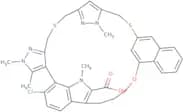
CAS:<p>AZD5991 is a gossypol derivative that has potent antitumor activity and is an inhibitor of the apoptosis pathway. AZD5991 inhibits the expression of MCL-1, which plays a key role in the regulation of mitochondrial membrane depolarization. It also inhibits cyclin D2, which is important for cell cycle progression, and pd-l1, which regulates T cell activation. These activities indicate that AZD5991 may be a potential anticancer agent for treatment of myeloid leukemia cells or T-cell lymphomas. The enantiomer form of AZD5991 has been shown to be more potent than the racemic mixture in inducing apoptosis in cancerous cells.</p>Formula:C35H34ClN5O3S2Purezza:Min. 95%Peso molecolare:672.3 g/molHMGCS1 antibody
<p>HMGCS1 antibody was raised using a synthetic peptide corresponding to a region with amino acids KDFTLNDFGFMIFHSPYCKLVQKSLARMLLNDFLNDQNRDKNSIYSGLEA</p>CLN8 antibody
<p>CLN8 antibody was raised using a synthetic peptide corresponding to a region with amino acids MNPASDGGTSESIFDLDYASWGIRSTLMVAGFVFYLGVFVVCHQLSSSLN</p>Purezza:Min. 95%HSV2 protein
The HSV2 protein is a recombinant protein that falls under the category of Recombinant Proteins & Antigens. It is a mitogen-activated protein that activates protein tyrosine kinases in various cellular processes. This protein has been extensively studied and is commonly used in research laboratories and life sciences.Purezza:Min. 95%FGG antibody
<p>FGG antibody was raised using the middle region of FGG corresponding to a region with amino acids GWTVFQKRLDGSVDFKKNWIQYKEGFGHLSPTGTTEFWLGNEKIHLISTQ</p>Purezza:Min. 95%Hdac3 antibody
<p>Hdac3 antibody was raised in rabbit using the C terminal of Hdac3 as the immunogen</p>Purezza:Min. 95%SLC25A28 antibody
<p>SLC25A28 antibody was raised using the C terminal of SLC25A28 corresponding to a region with amino acids NTQESLALNSHITGHITGMASAFRTVYQVGGVTAYFRGVQARVIYQIPST</p>Purezza:Min. 95%