Prodotti biochimici e reagenti
I biochimici e i reagenti sono sostanze fondamentali per la ricerca e lo sviluppo in campi come la biotecnologia, la biologia molecolare, la farmacologia e la medicina. Questi prodotti sono essenziali per una varietà di applicazioni, tra cui la sintesi di composti, l'analisi di campioni biologici, la ricerca sui processi metabolici e la produzione di farmaci. Presso CymitQuimica offriamo un'ampia selezione di biochimici e reagenti di alta qualità e purezza, adatti a diverse esigenze scientifiche e industriali. Il nostro catalogo include enzimi, anticorpi, acidi nucleici, amminoacidi e molti altri prodotti, tutti progettati per supportare i ricercatori e i professionisti nei loro progetti di ricerca e sviluppo, garantendo risultati affidabili e riproducibili.
Sottocategorie di "Prodotti biochimici e reagenti"
- Biomolecole(99.118 prodotti)
- Per obiettivo biologico(99.156 prodotti)
- Per uso/effetti farmacologici(6.788 prodotti)
- Composti relativi alla crioconservazione e crioconservanti(21 prodotti)
- Disinfettanti, additivi per fluidi per bagni di riscaldamento e composti correlati(28 prodotti)
- Ormoni(346 prodotti)
- Biologia vegetale(6.748 prodotti)
- Metaboliti secondari(14.233 prodotti)
Trovati 130579 prodotti di "Prodotti biochimici e reagenti"
Ordinare per
Purezza (%)
0
100
|
0
|
50
|
90
|
95
|
100
cRAF antibody
<p>The cRAF antibody is a powerful tool used in the field of Life Sciences. It is a polyclonal antibody that specifically targets cRAF, a protein involved in the mitogen-activated protein kinase (MAPK) pathway. This pathway plays a crucial role in cell proliferation, differentiation, and survival. The cRAF antibody has been extensively studied and shown to have neutralizing effects on various factors such as TNF-α, hepcidin, and parathyroid hormone-related peptide.</p>ITGA7 antibody
<p>The ITGA7 antibody is a highly specialized monoclonal antibody designed to target and inhibit the activity of the protein kinase CDK4/6. It is commonly used in antiestrogen therapy and has been shown to effectively block the growth factor signaling pathway. This antibody specifically binds to the bromodomain of the target protein, preventing its interaction with fatty acids and disrupting downstream signaling cascades. In addition, the ITGA7 antibody has natriuretic properties, further contributing to its therapeutic potential. This high-quality antibody is widely used in Life Sciences research and is available in both polyclonal and monoclonal forms. With its exceptional specificity and potency, the ITGA7 antibody is a valuable tool for studying protein-protein interactions and developing novel therapeutic strategies.</p>Mioflazine
CAS:<p>Mioflazine is a ligand that binds to the ion channels and induces a conformational change in the protein. It has been used as a pharmacological tool in the study of ion channels, a research tool in cell biology, and as an inhibitor of peptide-mediated reactions. Mioflazine is a high-purity product that is supplied at > 99% purity.</p>Formula:C29H30Cl2F2N4O2Purezza:Min. 95%Peso molecolare:575.5 g/mol4-(2-(1H-Imidazol-1-yl)ethoxy)benzoic acid hydrochloride
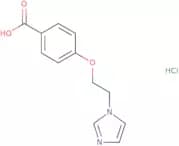
CAS:<p>4-(2-(1H-Imidazol-1-yl)ethoxy)benzoic acid hydrochloride is a synthetic chemical compound, which is typically sourced through organic synthesis methods. This compound is characterized by its unique structure featuring an imidazole group linked to a benzoic acid moiety via an ethoxy bridge. The mode of action of this compound predominantly involves interactions at a molecular level with various biological targets, potentially influencing biochemical pathways by mimicking or inhibiting natural biological molecules.</p>Formula:C12H13ClN2O3Purezza:Min. 95%Peso molecolare:268.69 g/molAZD 5597
CAS:<p>Inhibitor of cyclin-dependent kinases CDK1 and CDK2</p>Formula:C23H28FN7OPurezza:Min. 95%Peso molecolare:437.51 g/molHJC0152 Hydrochloride
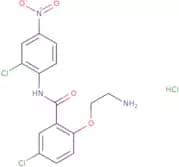
CAS:<p>HJC0152 Hydrochloride is a research compound that acts as a selective agonist of the sphingosine-1-phosphate receptor 5 (S1P5). This compound originates from synthetic chemical sources, where it is meticulously crafted to interact specifically with the S1P5 receptor. Through binding to this receptor, HJC0152 Hydrochloride modulates signaling pathways involved in cellular processes, particularly within the central nervous system.</p>Formula:C15H13Cl2N3O4·HClPurezza:Min. 95%Peso molecolare:370.19 g/molGlutamate, caged hydrate
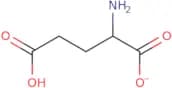
CAS:<p>Glutamate is an amino acid that is the major excitatory neurotransmitter in the central nervous system. It is found in many foods and dietary supplements. Glutamic acid may be converted to glutamine by the enzyme glutaminase, and then converted to glutamate again by the enzyme glutaminase. Glutamate is a metabolic intermediate in various biochemical reactions, including synthesis of proteins, lipids, and nucleic acids. Glutamic acid is also used as a food additive and has antimicrobial properties.</p>Formula:C5H8NO4Purezza:Min. 95%Peso molecolare:146.12 g/molCiwujianoside A1
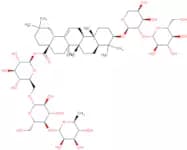
CAS:<p>Ciwujianoside A1 is a saponin compound, which is isolated from the roots of the Eleutherococcus senticosus plant, commonly known as Siberian ginseng. This compound belongs to the family of triterpenoid saponins, which are notable for their diverse biological activities. Ciwujianoside A1 primarily acts by interacting with specific cellular pathways, including modulating immune responses and exerting antioxidative effects.</p>Formula:C59H96O26Purezza:Min. 95%Peso molecolare:1,221.38 g/mol1V209
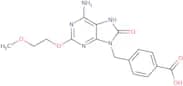
CAS:<p>1V209 is a vaccine adjuvant that has been shown to stimulate an antitumor response. It is a molecule that binds to toll-like receptor 4 (TLR4) on tumor cells, stimulating TLR4-mediated signaling pathways, which induces the production of death proteins. 1V209 also upregulates PD-L1 expression in tumor cells and activates the immune system to target and kill cancer cells. 1V209 may be used as a cancer therapy or as a vaccine adjuvant against infectious diseases such as hepatitis B, hepatitis C, and human immunodeficiency virus.</p>Formula:C16H17N5O5Purezza:Min. 95%Peso molecolare:359.34 g/molConcanamycin A
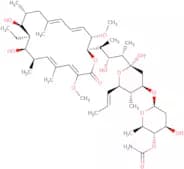
CAS:<p>Inhibitor of vacuolar ATP-ases</p>Formula:C46H75NO14Purezza:Min. 95%Colore e forma:PowderPeso molecolare:866.09 g/molMurraxocin
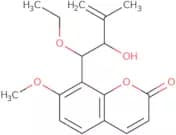
CAS:<p>Murraxocin is an anxiolytic drug that belongs to the class of enantiomer. It has been shown to have a strong effect on the central nervous system, and is used in the treatment of anxiety disorders. Murraxocin has been shown to be effective against viruses such as albiflora and murralongin, which cause symptoms such as skin care, s. aureus, and cell culture. Murraxocin also inhibits the production of prostaglandins and other inflammatory mediators in cells. This inhibition can lead to cell apoptosis by preventing cellular proliferation. Murraxocin is not active against bacteria or fungi.</p>Formula:C17H20O5Purezza:Min. 95%Peso molecolare:304.34 g/mol(2S,4S)-Argatroban
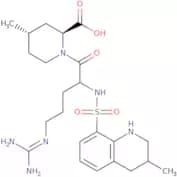
CAS:<p>Direct inhibitor of thrombin</p>Formula:C23H36N6O5SPurezza:Min. 95%Peso molecolare:508.64 g/mol(R)-Telaprevir
CAS:<p>Telaprevir is a small molecule that binds to the cytoplasmic domain of the human immunodeficiency virus type 1 (HIV-1) envelope protein, blocking its fusion with host cells. Telaprevir is also an inhibitor of hepatitis C virus (HCV) NS3 protease. The binding of telaprevir to HIV-1 and HCV is selective and reversible. This drug has been shown to be effective in inhibiting the replication of HIV-1 and HCV in vitro, as well as in clinical trials. Telaprevir binds to the active site of the protease, preventing cleavage of a polyprotein into three parts: p7, p2, and p6.<br>Telaprevir is an ion channel blocker that inhibits potassium channels. It can be used as a research tool for studying ligand-receptor interactions or protein interactions with peptides. Telaprevir is a high purity product with CAS No.</p>Formula:C36H53N7O6Purezza:Min. 95%Peso molecolare:679.8 g/molE-7766
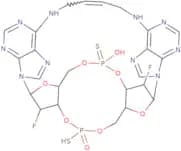
CAS:<p>E-7766 is a potent anticancer drug that is derived from urine and has been used in medicinal practices for its kinase inhibitory properties. It is an analog of indirubin, a natural compound found in Chinese herbal medicine. E-7766 induces apoptosis in cancer cells by targeting specific protein kinases, which are essential for cell survival and proliferation. This drug has shown promising results in preclinical studies as an inhibitor of various types of cancer, including breast, lung, and prostate cancer. E-7766 has the potential to be a highly effective therapy for the treatment of multiple cancers due to its ability to selectively target cancer cells while sparing healthy cells. Its unique mechanism of action makes it a valuable addition to the arsenal of anticancer drugs available today.</p>Formula:C24H26F2N10O8P2S2Purezza:Min. 95%Peso molecolare:746.6 g/molTriazadodecanoic acid methyl ester
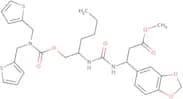
CAS:<p>Please enquire for more information about Triazadodecanoic acid methyl ester including the price, delivery time and more detailed product information at the technical inquiry form on this page</p>Formula:C29H35N3O7S2Purezza:Min. 95%Peso molecolare:601.7 g/molPoly(vinyl sulfate) potassium
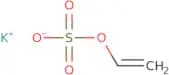
CAS:<p>Polyvinyl sulfate potassium (PVS) is a polymer that is soluble in water and organic solvents. It has been shown to be an effective inhibitor of the ryanodine receptor, which is responsible for calcium release from the sarcoplasmic reticulum of skeletal and cardiac muscle cells. PVS has also been found to decrease viral life by binding to the surface glycoprotein of HIV-1. This polymer can be used as a cholesterol-lowering agent by binding with cholesterol at high concentrations and preventing its absorption into the bloodstream. PVS has also been shown to have a high resistance to chemical degradation, making it an excellent candidate for use in biomedical devices such as catheters, vascular grafts, and implants.</p>Formula:C2H3KO4SPurezza:Min. 95%Peso molecolare:162.21 g/molOATD-01
CAS:<p>OATD-01 is a small molecule that has been shown to activate the Ligand-Gated Ion Channel (LGIC) receptor. This receptor regulates the flow of ions and regulates cell membrane potential, which is important in maintaining cell homeostasis. OATD-01 has been shown to be a potent activator of LGIC receptors, inducing ion flux and membrane depolarization.</p>Formula:C19H27ClN6OPurezza:Min. 95%Peso molecolare:390.9 g/molJNK Inhibitor XVI
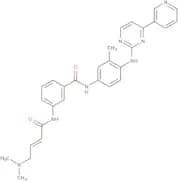
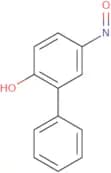
CAS:<p>JNK inhibitor XVI is an inhibitor drug that inhibits the JNK protein kinase, which is a member of the MAPK family. It has been shown to inhibit the growth of breast cancer cells in vitro. JNK inhibitor XVI also inhibits autophagy and reactive oxygen species production in these cells, leading to cell death. This drug may be a potential treatment for colorectal adenocarcinoma and epidermal growth factor receptor (EGFR) -positive cancer.</p>Formula:C29H29N7O2Purezza:Min. 95%Peso molecolare:507.59 g/mol2-Phenyl-4-nitrosophenol
CAS:<p>Please enquire for more information about 2-Phenyl-4-nitrosophenol including the price, delivery time and more detailed product information at the technical inquiry form on this page</p>Formula:C12H9NO2Purezza:Min. 95%Peso molecolare:199.2 g/molBrilliant Cresyl Blue ALD
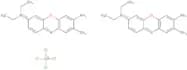
CAS:<p>Brilliant Cresyl Blue ALD is a model system for the study of oocyte maturation and fertilization. The sensor is a bovine capillary blood cell that has been genetically modified to express the protein cresyl. The sensor is used in conjunction with an electrode to measure changes in electrochemical impedance as the oocytes mature, which can be used to predict when eggs are ready for fertilization. The injection solution contains cresyl blue dye and is injected into blastocysts to stain mitochondria, which can be observed using optical sensors.</p>Formula:C17H20N3OClZnCl2Purezza:Min. 95%Peso molecolare:385.96 g/molICG 001
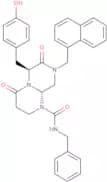
CAS:<p>ICG-001 is a small molecule inhibitor that specifically targets the Wnt/β-catenin signaling pathway. This compound is derived from a rational drug design approach aimed at disrupting the interaction between β-catenin and its coactivator cyclic AMP response element-binding protein (CBP). By selectively inhibiting this interaction, ICG-001 effectively downregulates the transcriptional activity mediated by β-catenin without affecting its structural role in cell adhesion.</p>Formula:C33H32N4O4Purezza:Min. 95%Peso molecolare:548.63 g/molO,o-Dimethyl malathion
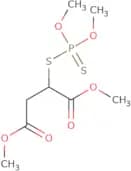
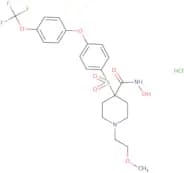
CAS:<p>Please enquire for more information about O,o-Dimethyl malathion including the price, delivery time and more detailed product information at the technical inquiry form on this page</p>Formula:C8H15O6PS2Purezza:Min. 95%Peso molecolare:302.3 g/molSD 2590 hydrochloride
CAS:<p>SD 2590 is a research tool used in Cell Biology, Pharmacology, and Ion channels. SD 2590 is an inhibitor that reacts with peptides, receptors, and ion channels. It also has the ability to activate ligand-gated ion channels. SD 2590 is a high-purity product that is available in quantities of 100mg or 1g.</p>Formula:C22H26ClF3N2O7SPurezza:Min. 95%Peso molecolare:555 g/molVonoprazan fumarate
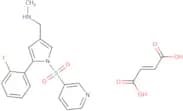
CAS:<p>Vonoprazan fumarate is a pharmaceutical compound that functions as a potassium-competitive acid blocker (PCAB), which is derived from synthetic sources. It acts by selectively inhibiting the gastric hydrogen-potassium ATPase enzyme, commonly known as the proton pump, located in the stomach lining. This mode of action results in a significant reduction in gastric acid secretion, offering a therapeutic alternative to traditional proton pump inhibitors (PPIs).</p>Formula:C17H16FN3O2S•C4H4O4Purezza:Min. 95%Colore e forma:PowderPeso molecolare:461.46 g/molKPR-2579
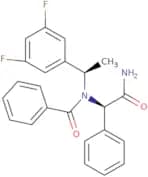
CAS:<p>KPR-2579 is a chemical substance that has been shown to be effective in the treatment of bladder hyperactivity. It is a potent inhibitor of the enzyme adenylyl cyclase, which leads to a reduction in the levels of cyclic AMP. This compound also suppresses the activity of afferent nerves and prevents structural changes in the bladder. KPR-2579 was also shown to have an effective dose for reducing blood pressure in Sprague-Dawley rats. Cryo-electron microscopy revealed that it causes infarction at high doses, but does not cause any damage at lower doses.</p>Formula:C23H20F2N2O2Purezza:Min. 95%Peso molecolare:394.41 g/molCH5183284
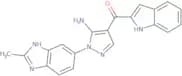
CAS:<p>CH5183284 is a monoclonal antibody that binds to the tyrosine kinase domain of the HER2 protein. It has been shown to inhibit angiogenesis in vitro, which may be due to its ability to block epidermal growth factor (EGF) signalling. This drug also inhibits EGF-induced migration of prostate cancer cells and skin cancer cells in vitro. CH5183284 has potential as a biomarker for tumours that overexpress HER2, as well as being a potential target for cancer therapy.</p>Formula:C20H16N6OPurezza:Min. 95%Peso molecolare:356.38 g/molLifirafenib
CAS:<p>Lifirafenib is a potent and selective kinase inhibitor, which is synthetically derived. It operates by targeting and inhibiting specific pathways involving the RAF kinases within the MAPK/ERK signaling cascade. This interruption is critical in the control of cellular proliferation and survival, pathways often dysregulated in various cancers. Lifirafenib is particularly effective against BRAF-mutant cancers, including melanoma and certain types of thyroid and colorectal cancers.</p>Formula:C25H17F3N4O3Purezza:Min. 95%Peso molecolare:478.42 g/molCW 008
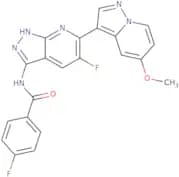
CAS:<p>CW 008 is a pharmaceutical compound that has shown to be an inhibitor of cancer stem cells and their ability to induce apoptosis. It also prevents autophagy, which is a process of self-eating that cancer cells use to survive. CW 008 has been shown to inhibit activin, which are proteins that are known for their teratogenic effects on the ovary and other tissues. CW 008's effect on meiotic cells is not yet clear, but it does not seem to have any effect on culturing human embryonic stem cells.<br>CW 008 was first discovered in the 1990s when it was found to be a potent inhibitor of leukemia cells in mice. This discovery led to further investigation into its properties as an anticancer agent and its potential applications in chemotherapy.</p>Formula:C21H14F2N6O2Purezza:Min. 95%Peso molecolare:420.4 g/molc8 Ceramide (d17:1/8:0)
CAS:<p>C8 Ceramide (d17:1/8:0) is a synthetic analog of natural ceramide, which is a type of sphingolipid. It is derived through chemical synthesis, mimicking the structure of naturally occurring ceramides found in cell membranes and the stratum corneum of the skin. The product incorporates a short acyl chain, which affects its solubility and facilitates specific experimental applications.</p>Formula:C25H49NO3Purezza:Min. 95%Peso molecolare:411.66 g/mol(R)-Prilocaine
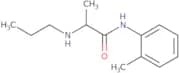
CAS:<p>(R)-Prilocaine is a potent anticancer agent that has been shown to inhibit the growth of tumor cells in humans. It acts as an inhibitor of cancer cell kinases, which are enzymes that play a critical role in the development of cancer. (R)-Prilocaine induces apoptosis in cancer cells by inhibiting protein synthesis and promoting cell death. This drug also shows potential for use in combination with other anticancer agents, such as linezolid or other kinase inhibitors. In addition to its anticancer properties, (R)-Prilocaine has been used to treat pain and discomfort during medical procedures. It is excreted primarily in the urine and is rapidly metabolized into inactive analogs by various enzymes in the body.</p>Formula:C13H20N2OPurezza:Min. 95%Peso molecolare:220.31 g/molU 89843a
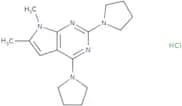
CAS:<p>U 89843a is a GABA receptor modulator that is used as an adjunct therapy for the treatment of epilepsy. It has been shown to increase the number of GABA receptors in the brain and reduce seizures in animal models. U 89843a is also used to study the physiology and function of gamma-aminobutyric acid (GABA) receptors, which are found in most parts of the body including the central nervous system. The drug activates GABA receptors by binding to its subunit, which results in a decrease in neuronal excitability and an increase in inhibitory neurotransmission. This agent has also been shown to have a specific effect on acid-sensitive GABAA receptor sites and may be useful for treating conditions such as peptic ulcers and gastroesophageal reflux disease.</p>Formula:C16H24ClN5Purezza:Min. 95%Peso molecolare:321.8 g/molArvanil
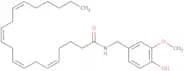
CAS:<p>Agonist of cannabinoid CB1 receptor and vanilloid receptor type 1 (TRPV1), which is a hybrid of capsaicin and anandamide. Induces apoptosis by FADD-mediated activation of caspase-3, 7 and 8. Has vasodilatory, analgesic and anti-inflammatory properties. Anti-seizure effect of arvanil has been demonstrated in animal seizure models.</p>Formula:C28H41NO3Purezza:Min. 95%Peso molecolare:439.63 g/molLinatine
CAS:<p>Linatine is a peptide with molecular weight of 699 Da. It inhibits the activation of protein kinase C and protein tyrosine phosphatase. Linatine can also activate protein kinase A, but not as much as for protein kinase C. This is due to its high affinity for the substrate site on protein kinase A. Linatine has been shown to be a good research tool for studying ion channels and receptors in cell biology studies.</p>Formula:C10H17N3O5Purezza:Min. 95%Peso molecolare:259.26 g/molHdhodh-in-1
CAS:<p>Hdhodh-in-1 is an advanced analytical tool designed for conducting multidimensional data analysis, which is sourced from integrative computational methodologies. With a focus on high-dimensional datasets, it operates through a sophisticated algorithm that efficiently processes and integrates various data types, including genomic, proteomic, and metabolomic information.</p>Formula:C17H14N2O2Purezza:Min. 95%Peso molecolare:278.31 g/molPARP Inhibitor XIV
CAS:<p>PARP Inhibitor XIV is a small molecule that inhibits the enzyme poly (ADP-ribose) polymerase (PARP). PARP is involved in DNA repair and cell proliferation, so inhibiting its activity can lead to apoptosis. PARP inhibitor XIV has been shown to cause tumor regression in animal models and has been shown to be effective against hyperproliferative diseases such as cancer. It has also been shown to increase pluripotent cells, which are cells that can differentiate into any type of cell. The effective dose of PARP inhibitor XIV is unknown, but it increases cytotoxicity when used with fatty acids.</p>Formula:C15H12N2O2Purezza:Min. 95%Peso molecolare:252.27 g/molCSGLCA-T antibody
<p>CSGLCA-T antibody was raised using the N terminal Of Csglca-T corresponding to a region with amino acids SLLRVSWIQGEGEDPCVEAVGERGGPQNPDSRARLDQSDEDFKPRIVPYY</p>DPP3 antibody
<p>The 6-Fluoro-3-indoxyl-beta-D-galactopyranoside is a powerful antituberculosis drug belonging to the rifamycins class. It is specifically designed to combat tuberculosis infections by targeting active compounds and exhibiting strong bactericidal activity. This drug works by binding to DNA-dependent RNA polymerase, preventing transcription and replication of the bacteria. Extensive research has demonstrated its high efficacy through patch-clamp techniques on human erythrocytes. Metabolically, it undergoes various transformations such as hydrolysis, oxidation, reduction, or conjugation with glucuronic acid. Additionally, it selectively binds to markers expressed in Mycobacterium tuberculosis strains, inhibiting their growth in culture.</p>POLR2G antibody
<p>POLR2G antibody was raised in mouse using recombinant Human Polymerase (Rna) Ii (Dna Directed) Polypeptide G (Polr2G)</p>CD50 antibody
<p>The CD50 antibody is a monoclonal antibody used in Life Sciences research. It specifically targets the necrosis factor-related apoptosis-inducing ligand (TRAIL) receptor CD50, also known as TNFRSF10B. This antibody has been widely utilized in studies investigating the role of TRAIL-mediated apoptosis in various cellular processes.</p>ZNF618 Blocking Peptide
<p>A synthetic peptide for use as a blocking control in assays to test for specificity of ZNF618 antibody, catalog no. 70R-8984</p>Purezza:Min. 95%SLC7A4 antibody
<p>SLC7A4 antibody was raised using a synthetic peptide corresponding to a region with amino acids GAYILVSTVLTLMVPWHSLDPDSALADAFYQRGYRWAGFIVAAGSICAMN</p>Purezza:Min. 95%PIM1 antibody
<p>PIM1 antibody was raised using the N terminal of PIM1 corresponding to a region with amino acids MLLSKINSLAHLRAAPCNDLHATKLAPGKEKEPLESQYQVGPLLGSGGFG</p>EGF antibody
<p>EGF antibody was raised using a synthetic peptide corresponding to a region with amino acids ITIDFLTDKLYWCDAKQSVIEMANLDGSKRRRLTQNDVGHPFAVAVFEDY</p>Purezza:Min. 95%Cytokeratin 8 +18 antibody
<p>Cytokeratin 8/8 antibody was raised in guinea pig using cytokeratin 8/18 filaments, reconstituted from purified bovine cytokeratins 8 and 18 as the immunogen.</p>α 1 Microglobulin protein
<p>Alpha 1 Microglobulin protein is a glycoprotein that plays an important role in various biological processes. It can be used in Life Sciences research as a neutralizing agent or as a target for monoclonal antibodies. This protein can also be immobilized on electrodes for applications such as biosensors or diagnostic tests. Additionally, alpha 1 Microglobulin has antiviral properties and has been shown to inhibit the activity of autoantibodies and interferon. It is also being investigated for its potential use as a cytotoxic agent in the development of anticancer drugs. This Native Protein & Antigen is commonly used in research laboratories and is available for purchase for use in various applications related to human serum analysis and multidrug studies.</p>Purezza:Min. 95%KIF23 antibody
<p>KIF23 antibody was raised using the middle region of KIF23 corresponding to a region with amino acids HMQGKLNEKEKMISGQKLEIERLEKKNKTLEYKIEILEKTTTIYEEDKRN</p>Purezza:Min. 95%Complement C8b antibody
<p>Complement C8b antibody was raised using the C terminal of C8B corresponding to a region with amino acids SGSTTTTRRSCSKTVTKTVIGPDGHKEVTKEVVTSEDGSDCPEAMDLGTL</p>Purezza:Min. 95%TRMT11 antibody
<p>TRMT11 antibody was raised using a synthetic peptide corresponding to a region with amino acids IKIHTFNKTLTQEEKIKRIDALEFLPFEGKVNLKKPQHVFSVLEDYGLDP</p>FAM119A antibody
<p>FAM119A antibody was raised using the N terminal of FAM119A corresponding to a region with amino acids ALVPYEETTEFGLQKFHKPLATFSFANHTIQIRQDWRHLGVAAVVWDAAI</p>ICOS antibody
<p>ICOS antibody is a test substance that belongs to the class of monoclonal antibodies. It is used in Life Sciences for various applications, including immunohistochemical detection and serum marker analysis. ICOS antibody specifically targets the oncogene homolog known as Inducible T-cell CO-Stimulator (ICOS), which plays a crucial role in immune responses and acts as a co-stimulatory molecule for T-cell activation. By blocking ICOS, this monoclonal antibody inhibits the interaction between ICOS and its ligand, preventing downstream signaling events that promote T-cell proliferation and cytokine production. This makes ICOS antibody a potential medicament for modulating immune responses in diseases such as cancer or autoimmune disorders. Additionally, ICOS antibody can be used in research settings to study the expression and function of ICOS in different cell types and tissues. Its high specificity and affinity make it a valuable tool for scientists working with human serum samples or studying the role of growth factors like epidermal growth</p>PNPLA3 antibody
<p>PNPLA3 antibody was raised using the C terminal of PNPLA3 corresponding to a region with amino acids CSPKGCPAETKAEATPRSILRSSLNFFLGNKVPAGAEGLSTFPSFSLEKS</p>HERC4 antibody
<p>HERC4 antibody was raised using the N terminal of HERC4 corresponding to a region with amino acids MLCWGNASFGQLGLGGIDEEIVLEPRKSDFFINKRVRDVGCGLRHTVFVL</p>CD205 antibody
<p>CD205 antibody is a monoclonal antibody that specifically targets CD205, a protein expressed on the surface of certain carcinoma cell lines. This antibody is highly reactive and has been extensively studied in the field of Life Sciences. It has been shown to have a synergistic effect when used in combination with other pathway antagonists, enhancing their therapeutic efficacy. CD205 antibody is derived from bovine γ-globulin and is available as an ester hydrochloride formulation. It can be used for various applications, including immunohistochemistry, flow cytometry, and western blotting. Additionally, this monoclonal antibody exhibits high affinity for human serum proteins and can be used for the detection and quantification of CD205 in blood plasma samples. Its magnetic iron oxide conjugate allows for easy purification and isolation of CD205-positive cells. CD205 antibody is a valuable tool for researchers studying the role of CD205 in cancer biology and its potential as a therapeutic target.</p>Desmin antibody
<p>Desmin antibody is a protein that specifically targets desmin, a structural protein found in muscle cells. It is commonly used in research and diagnostic applications to detect the presence and distribution of desmin in various tissues. This antibody can be used for immunohistochemistry, immunofluorescence, and Western blotting techniques. Desmin antibody is available as both polyclonal antibodies, which are produced from multiple clones of B cells, and monoclonal antibodies, which are derived from a single clone of B cells. The use of desmin antibody can provide valuable insights into the structure and function of muscle cells and their involvement in various physiological processes.</p>CD3 antibody (FITC)
<p>CD3 antibody (FITC) was raised in mouse using the epsilon chain of CD3/T-cell antigen receptor complex as the immunogen.</p>Tyrosine Hydroxylase antibody
<p>Tyrosine hydroxylase antibody was raised in mouse using mouse monoclonal as the immunogen.</p>FUCA1 antibody
<p>FUCA1 antibody was raised using the N terminal of FUCA1 corresponding to a region with amino acids PSPVSWNWNSKDVGPHRDLVGELGTALRKRNIRYGLYHSLLEWFHPLYLL</p>Purezza:Min. 95%ARSE antibody
<p>ARSE antibody was raised using a synthetic peptide corresponding to a region with amino acids KVVHHDPPLLFDLSRDPSETHILTPASEPVFYQVMERVQQAVWEHQRTLS</p>Purezza:Min. 95%SP1 antibody
<p>The SP1 antibody is a monoclonal antibody that specifically targets tissue transglutaminase. It is used in Life Sciences research to study the role of this enzyme in various biological processes. The SP1 antibody has been shown to have neutralizing effects on chemokines, fibronectin, and collagen, making it a valuable tool for investigating their functions. Additionally, this antibody can be used to detect the presence of activated nuclear proteins and has been found to inhibit the activity of natriuretic peptides. With its high specificity and versatility, the SP1 antibody is an essential component in many scientific studies.</p>EFEMP1 antibody
<p>EFEMP1 antibody was raised using the middle region of EFEMP1 corresponding to a region with amino acids GNENGEFYLRQTSPVSAMLVLVKSLSGPREHIVDLEMLTVSSIGTFRTSS</p>Purezza:Min. 95%SLAIN2 antibody
<p>SLAIN2 antibody was raised using the N terminal of SLAIN2 corresponding to a region with amino acids LSAKSGGGPGSGPRRTSSEELRDATSLLAAGEGGLLDEVEPLRPDELERL</p>Progesterone 11 α-Hemisuccinate-BSA
<p>Conjugated Progesterone 11 alpha-Hemisuccinate-BSA hapten</p>Purezza:Min. 95%Chondroitin 4 Sulfate antibody
<p>Chondroitin-4 sulfate antibody was raised in mouse using mouse proteoglycan as the immunogen.</p>Goat RBC antibody
<p>Goat RBC antibody was raised in rabbit using goat erythrocytes as the immunogen.</p>Purezza:Min. 95%CDKL3 antibody
<p>CDKL3 antibody is a monoclonal antibody that targets the CDKL3 protein, which is involved in various growth factor signaling pathways. It has been extensively studied in the field of Life Sciences and has shown promising results. The CDKL3 antibody specifically binds to the amino-terminal region of the CDKL3 protein and inhibits its activity.</p>Purezza:Min. 95%Plasminogen antibody
<p>Plasminogen antibody was raised against Human Plasminogen.</p>Purezza:Min. 95%SerpinA3 antibody
<p>The SerpinA3 antibody is a highly specialized antibody that has various characteristics and applications in the field of Life Sciences. This antibody plays a crucial role in regulating microvessel density, acting as an anticoagulant, and modulating the activity of growth factors. It specifically targets nuclear fatty acids and exhibits high specificity for SerpinA3.</p>Donkey anti Rabbit IgG (H + L) (Alk Phos)
<p>This antibody reacts with heavy (gamma) chains on rabbit IgG and light chains on all rabbit immunoglobulins.</p>Purezza:Min. 95%YF-2
CAS:Prodotto controllato<p>YF-2 is a chemical substance that has been shown to inhibit the production of alpha-synuclein and other proteins in neuro2a cells. It also inhibits the activity of certain enzymes and reduces the thermal expansion of solanum tuberosum, which is a plant that belongs to the family Solanaceae. YF-2 has been found to be an efficient method for inhibiting chemical reactions in vivo studies involving stent implantation, culture supernatant, fetal heart rate, and cancer. The optical system can detect YF-2 using fluorescent or chemiluminescent methods.</p>Formula:C20H22ClF3N2O3Purezza:Min. 95%Peso molecolare:430.85 g/molKaryopherin α 2 antibody
<p>Karyopherin Alpha 2 antibody was raised using a synthetic peptide corresponding to a region with amino acids GTDEQTQVVIDAGALAVFPSLLTNPKTNIQKEATWTMSNITAGRQDQIQQ</p>Purezza:Min. 95%Merlin antibody
<p>The Merlin antibody is a potent antiviral agent that belongs to the class of polyclonal antibodies. It has been extensively studied in Life Sciences and has shown remarkable efficacy in neutralizing various viruses. The antibody specifically targets activated fibrinogen, which plays a crucial role in viral replication and spread. By binding to fibrinogen, the Merlin antibody inhibits its interaction with viral proteins, thereby preventing viral entry into host cells. Additionally, this antibody has been found to modulate chemokine signaling pathways and inhibit protein kinase activity, further enhancing its antiviral effects. Mass spectrometric methods have been used to characterize the structure and composition of the Merlin antibody, confirming its specificity and potency. Clinical studies have demonstrated that this antibody can effectively inhibit viral replication and reduce viral load in infected individuals. With its broad-spectrum antiviral activity and high neutralizing capacity, the Merlin antibody holds great promise for the development of novel therapeutic strategies against viral infections.</p>Purezza:Min. 95%Rhotekin antibody
<p>Rhotekin antibody was raised using the middle region of RTKN corresponding to a region with amino acids IETPAPRKPPQALAKQGSLYHEMAIEPLDDIAAVTDILTQREGARLETPP</p>PON1 antibody
<p>The PON1 antibody is a highly specialized antibody used in the field of Life Sciences. It has been extensively studied for its cytotoxic properties and its ability to interfere with cellular processes. This antibody specifically targets sn-38, a potent DNA damaging agent, and neutralizes its effects. The PON1 antibody has also shown promising results in inhibiting the activity of tyrosinase, an enzyme involved in melanin production. This makes it a potential candidate for the development of anti-pigmentation treatments. Additionally, this monoclonal antibody can be used in various research applications, such as protein isoform analysis and detection using colloidal gold or enzyme-linked immunosorbent assays (ELISA). Its reactive nature makes it suitable for use on various platforms, including electrode-based biosensors. With its diverse applications and potential therapeutic uses, the PON1 antibody is a valuable tool in the field of biomedical research.</p>Sepiapterin reductase protein (His tag)
<p>Purified recombinant Human Sepiapterin reductase protein</p>Purezza:Min. 95%TEX2 antibody
<p>TEX2 antibody was raised using the N terminal of TEX2 corresponding to a region with amino acids KSLSTEVEPKESPHPARHRHLMKTLVKSLSTDTSRQESDTVSYKPPDSKL</p>Purezza:Min. 95%