Prodotti biochimici e reagenti
I biochimici e i reagenti sono sostanze fondamentali per la ricerca e lo sviluppo in campi come la biotecnologia, la biologia molecolare, la farmacologia e la medicina. Questi prodotti sono essenziali per una varietà di applicazioni, tra cui la sintesi di composti, l'analisi di campioni biologici, la ricerca sui processi metabolici e la produzione di farmaci. Presso CymitQuimica offriamo un'ampia selezione di biochimici e reagenti di alta qualità e purezza, adatti a diverse esigenze scientifiche e industriali. Il nostro catalogo include enzimi, anticorpi, acidi nucleici, amminoacidi e molti altri prodotti, tutti progettati per supportare i ricercatori e i professionisti nei loro progetti di ricerca e sviluppo, garantendo risultati affidabili e riproducibili.
Sottocategorie di "Prodotti biochimici e reagenti"
- Biomolecole(99.205 prodotti)
- Per obiettivo biologico(99.900 prodotti)
- Per uso/effetti farmacologici(6.790 prodotti)
- Composti relativi alla crioconservazione e crioconservanti(21 prodotti)
- Disinfettanti, additivi per fluidi per bagni di riscaldamento e composti correlati(28 prodotti)
- Ormoni(346 prodotti)
- Biologia vegetale(6.835 prodotti)
- Metaboliti secondari(14.345 prodotti)
Trovati 130607 prodotti di "Prodotti biochimici e reagenti"
Ordinare per
Purezza (%)
0
100
|
0
|
50
|
90
|
95
|
100
RBBP9 antibody
<p>The RBBP9 antibody is a highly specialized monoclonal antibody that has been developed for use in various applications within the field of Life Sciences. This antibody specifically targets RBBP9, a protein that has been found to play a crucial role in several cellular processes.</p>CD4 antibody
<p>The CD4 antibody is a growth factor that belongs to the class of monoclonal antibodies. It is used in various fields, including life sciences, to study and detect specific proteins or cells. The CD4 antibody specifically targets and binds to the CD4 antigen, which is expressed on the surface of certain immune cells. This binding can be visualized using techniques such as immunohistochemistry or flow cytometry.</p>VEGFA antibody
<p>The 6-Fluoro-3-indoxyl-beta-D-galactopyranoside is a powerful antituberculosis drug that falls under the class of rifamycins. It is highly effective in treating tuberculosis infections due to its bactericidal activity. This compound works by binding to DNA-dependent RNA polymerase, preventing transcription and replication, thereby inhibiting bacterial growth. Its potency has been confirmed through extensive testing using the patch-clamp technique on human erythrocytes. The active form of this drug undergoes various metabolic transformations, including hydrolysis by esterases or glucuronidases, oxidation by cytochrome P450 enzymes, reduction by glutathione reductase, or conjugation with glucuronic acid. Additionally, it specifically targets markers expressed at high levels in Mycobacterium tuberculosis strains and inhibits cell growth in culture.</p>TRAIL antibody
<p>The TRAIL antibody is a monoclonal antibody that specifically targets TNF-related apoptosis-inducing ligand (TRAIL). It binds to TRAIL and its binding proteins to form a protein complex, which plays a crucial role in regulating cell growth and survival. The TRAIL antibody has been shown to have cholinergic effects on neuronal cells, enhancing their electrical activity when applied through an electrode. This antibody is widely used in the field of Life Sciences for research purposes and has also shown potential therapeutic applications. It can be used as an antagonist to interfere with the activity of TRAIL or as an agonist to activate TRAIL-mediated signaling pathways. The TRAIL antibody is available in both monoclonal and polyclonal forms, allowing researchers to choose the most suitable option based on their specific experimental needs.</p>UCP2 antibody
<p>The UCP2 antibody is a monoclonal antibody that specifically targets hyaluronic acid, a molecule involved in various biological processes. This antibody is commonly used in Life Sciences research and has shown promising results as an anti-mesothelin therapy. It works by binding to mesothelin, a protein highly expressed in certain types of cancer cells, inhibiting their growth and promoting cell death. Additionally, the UCP2 antibody has been found to have inhibitory effects on thrombocytopenia and urokinase plasminogen activator activity in human serum. Its binding to collagen also suggests potential applications in wound healing and tissue regeneration. Furthermore, this antibody has been studied for its role in autoimmune diseases, as it has shown efficacy against autoantibodies and anti-ICOS antibodies. Overall, the UCP2 antibody exhibits cytotoxic properties that make it a valuable tool for researchers and potentially a promising therapeutic option in the future.</p>LSM6 antibody
<p>LSM6 antibody was raised using a synthetic peptide corresponding to a region with amino acids MSLRKQTPSDFLKQIIGRPVVVKLNSGVDYRGVLACLDGYMNIALEQTEE</p>LIMK1 antibody
<p>The LIMK1 antibody is a powerful tool for research and diagnostics. This monoclonal antibody specifically targets and detects activated LIMK1, an important protein involved in cell signaling pathways. It has been extensively validated and is highly specific for human serum samples.</p>Tektin 4 Blocking Peptide
<p>A synthetic peptide for use as a blocking control in assays to test for specificity of TEKT4 antibody, catalog no. 70R-3712</p>Purezza:Min. 95%Pleiotrophin antibody
<p>Pleiotrophin antibody was raised using a synthetic peptide corresponding to a region with amino acids LNTALKTRTGSLKRALHNAECQKTVTISKPCGKLTKPKPQAESKKKKKEG</p>Purezza:Min. 95%SMC1 antibody
<p>The SMC1 antibody is a monoclonal antibody used in Life Sciences research. It specifically targets myostatin, a protein that regulates muscle growth and development. By binding to myostatin, the SMC1 antibody inhibits its activity, allowing for increased muscle mass and strength. Additionally, this antibody has been shown to have natriuretic effects, promoting the excretion of sodium and water from the body. The SMC1 antibody also interacts with other proteins such as hemoglobin, glp-1, lipoprotein lipase, α-synuclein, elastase protein, and circumsporozoite protein. Its versatility makes it a valuable tool in various fields of research, including molecular biology and immunology.</p>TRAM2 antibody
<p>TRAM2 antibody was raised using the N terminal of TRAM2 corresponding to a region with amino acids MFEVTAKTAFLFILPQYNISVPTADSETVHYHYGPKDLVTILFYIFITII</p>Purezza:Min. 95%MMP10 antibody
<p>The MMP10 antibody is a molecular marker used in Life Sciences research. It is an adeno-associated antibody that specifically targets and inhibits the activity of matrix metalloproteinase 10 (MMP10). MMP10 is involved in various physiological processes, including tissue remodeling, wound healing, and inflammation. By inhibiting MMP10, this antibody can help researchers study the role of this enzyme in different biological systems. It can also be used as a serum marker to monitor MMP10 levels in clinical settings. The MMP10 antibody exhibits high specificity and inhibitory activity against MMP10, making it a valuable tool for studying and understanding the functions of this enzyme.</p>BAD antibody
<p>The BAD antibody is a highly effective neutralizing agent used in Life Sciences research. It belongs to the class of inhibitors known as antibodies and has been specifically designed to target c-myc and androgen receptors. This monoclonal antibody has the ability to bind to nuclear proteins and inhibit their activity, making it a valuable tool for studying epidermal growth factor signaling pathways. Additionally, the BAD antibody can be used in protein complex studies, as it can effectively disrupt the interaction between growth factors and their receptors. Whether you're conducting basic research or developing therapeutic strategies, this high-quality antibody is an essential tool for your laboratory.</p>E. coli antibody
<p>E. coli antibody was raised in mouse using a pool of E. coli serotypes O18, O44, O112 , and O125, as the immunogen.</p>Artemin antibody
<p>Artemin antibody was raised in rabbit using N terminus of Artemin. as the immunogen.</p>Purezza:Min. 95%SMAD1 antibody
The SMAD1 antibody is a highly specific monoclonal antibody that is used in Life Sciences research. It targets the SMAD1 protein, which plays a crucial role in cell signaling pathways and gene expression regulation. This antibody has been extensively tested and validated for use in various applications, including Western blotting, immunohistochemistry, and flow cytometry.Pneumolysin antibody
<p>Pneumolysin antibody is a polyclonal antibody that is used in Life Sciences research. It specifically targets pneumolysin, a protein produced by Streptococcus pneumoniae, which is responsible for causing pneumonia and other respiratory infections. This antibody has been shown to neutralize the activity of pneumolysin, preventing its damaging effects on host cells. Pneumolysin antibody can be used in various applications such as immunohistochemistry, ELISA, and Western blotting to study the role of pneumolysin in disease progression and to develop new therapeutic strategies. With its high specificity and affinity for pneumolysin, this antibody is a valuable tool for researchers in the field of infectious diseases.</p>Purezza:Min. 95%BRS3 antibody
<p>BRS3 antibody is a monoclonal antibody that specifically targets the BRS3 receptor. This receptor is found on various cells in the human body, including erythropoietin receptor-expressing cells. By binding to the BRS3 receptor, this antibody can modulate the activity of erythropoietin and its downstream signaling pathways.</p>GGPS1 antibody
<p>GGPS1 antibody was raised using the middle region of GGPS1 corresponding to a region with amino acids LGLFFQIRDDYANLHSKEYSENKSFCEDLTEGKFSFPTIHAIWSRPESTQ</p>DERL3 antibody
<p>DERL3 antibody was raised using the middle region of DERL3 corresponding to a region with amino acids FFFNMLFVFRYCRMLEEGSFRGRTADFVFMFLFGGVLMTLLGLLGSLFFL</p>Purezza:Min. 95%RCHY1 antibody
<p>RCHY1 antibody was raised using the N terminal of RCHY1 corresponding to a region with amino acids KLYTCRLCHDNNEDHQLDRFKVKEVQCINCEKIQHAQQTCEECSTLFGEY</p>GFAP antibody
<p>GFAP antibody is a highly specific monoclonal antibody that targets the glial fibrillary acidic protein (GFAP), which is primarily found in the cytoplasm of astrocytes in the central nervous system. This antibody has low density and high affinity for GFAP, making it an ideal tool for detecting and quantifying GFAP expression in various tissues and cell types. It can be used in immunohistochemistry, immunofluorescence, Western blotting, and other applications to study the role of GFAP in neurodegenerative diseases, brain injury, and other neurological disorders. The GFAP antibody is produced using advanced techniques and undergoes rigorous quality control to ensure its specificity and reliability. With its exceptional performance and neutralizing properties, this monoclonal antibody is an indispensable tool for researchers studying astrocyte biology and related fields.</p>alpha Crystallin B antibody
<p>alpha Crystallin B antibody was raised in mouse using recombinant human Crystallin alpha B (1-175 aa) purified from E. coli as the immunogen.</p>PF-06471553
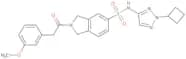
CAS:<p>PF-06471553 is a peptide that binds to the erythropoietin receptor, which is a member of the cytokine receptor family. It is an inhibitor of protein interactions with the erythropoietin receptor, and thus has therapeutic potential to treat chronic kidney disease and related conditions.</p>Formula:C23H25N5O4SPurezza:Min. 95%Peso molecolare:467.5 g/molCTNNB1 antibody
<p>The CTNNB1 antibody is a specific antibody used in Life Sciences research. It is commonly used to study pluripotent stem cells and their differentiation. This antibody binds to the CTNNB1 protein, also known as beta-catenin, which plays a crucial role in cell adhesion and signaling pathways. The CTNNB1 antibody can be used for various applications such as immunofluorescence, Western blotting, and immunohistochemistry. It has been shown to be effective in detecting CTNNB1 expression in different cell types and tissues. Researchers use this antibody to investigate the function of CTNNB1 in development, disease progression, and therapeutic targets. With its high specificity and sensitivity, the CTNNB1 antibody is an essential tool for studying cellular processes and identifying potential biomarkers.</p>Factor XIII antibody
<p>Factor XIII antibody is a monoclonal antibody that specifically targets and inhibits the activity of Factor XIII, an enzyme involved in blood clot formation. This antibody has been shown to neutralize the activated form of Factor XIII, preventing its ability to cross-link fibrin molecules and stabilize blood clots. Additionally, Factor XIII antibody has cytotoxic effects on certain cancer cells, making it a potential therapeutic option for cancer treatment. This antibody can also be used in research settings to study the role of Factor XIII in various biological processes. With its high specificity and potency, Factor XIII antibody is a valuable tool for scientists and researchers in the field of life sciences.</p>FCRL6 antibody
<p>FCRL6 antibody was raised using the middle region of FCRL6 corresponding to a region with amino acids LRLLFSFHKDGHTLQDRGPHPELCIPGAKEGDSGLYWCEVAPEGGQVQKQ</p>Purezza:Min. 95%FCGRT antibody
<p>FCGRT antibody was raised using the N terminal of FCGRT corresponding to a region with amino acids GWLGPQQYLSYNSLRGEAEPCGAWVWENQVSWYWEKETTDLRIKEKLFLE</p>Purezza:Min. 95%ATG16L1 antibody
<p>ATG16L1 antibody was raised using a synthetic peptide corresponding to a region with amino acids QYNKLLEKSDLHSVLAQKLQAEKHDVPNRHEISPGHDGTWNDNQLQEMAQ</p>Tektin 2 antibody
<p>Tektin 2 antibody was raised using a synthetic peptide corresponding to a region with amino acids RTKLLSLKLSHTRLEARTYRPNVELCRDQAQYGLTDEVHQLEATIAALKQ</p>Cytokeratin 8 antibody
<p>The Cytokeratin 8 antibody is a highly specific and sensitive monoclonal antibody used in Life Sciences research. It is designed for the quantitation and detection of activated cytokeratin 8 in various applications, including immunoblotting, immunohistochemistry, and immunofluorescence.</p>Calnexin antibody
<p>The Calnexin antibody is a growth factor that has various applications in the field of Life Sciences. It can be used in research studies involving trastuzumab, insulin, and anti-HER2 antibodies. This antibody specifically targets the thymidylate amino group in proteins and is commonly used for detecting and quantifying specific proteins of interest. The Calnexin antibody is a monoclonal antibody that recognizes the carbonyl group on proteins and can be utilized in various assays such as Western blotting, immunohistochemistry, and enzyme-linked immunosorbent assays (ELISA). It is also used to detect autoantibodies or Polyclonal Antibodies against specific proteins. With its wide range of applications, the Calnexin antibody is an essential tool for researchers in the Life Sciences field.</p>CUGBP2 Blocking Peptide
<p>A synthetic peptide for use as a blocking control in assays to test for specificity of CUGBP2 antibody, catalog no. 70R-4886</p>Purezza:Min. 95%ERK1/2 antibody
ERK 1/2 antibody was raised in Mouse using a purified recombinant fragment of human MAPK1 expressed in E. coli as the immunogen.KCNK4 antibody
<p>KCNK4 antibody was raised using the N terminal of KCNK4 corresponding to a region with amino acids ELGEVREKFLRAHPCVSDQELGLLIKEVADALGGGADPETNSTSNSSHSA</p>Purezza:Min. 95%SIRT5 antibody
<p>The SIRT5 antibody is a highly specialized monoclonal antibody that plays a crucial role in endothelial growth and blood plasma regulation. This antibody, developed by Life Sciences, is specifically designed to target α-synuclein, a protein associated with neurodegenerative diseases such as Parkinson's disease.</p>CDYL antibody
<p>CDYL antibody was raised using the N terminal of CDYL corresponding to a region with amino acids YIHDFNRRHTEKQKESTLTRTNRTSPNNARKQISRSTNSNFSKTSPKALV</p>PHLDA1 antibody
<p>PHLDA1 antibody was raised using the middle region of PHLDA1 corresponding to a region with amino acids PAVASLEPPVKLKELHFSNMKTVDCVERKGKYMYFTVVMAEGKEIDFRCP</p>CA 19-9 protein
<p>CA 19-9 protein is a biomarker that is found in human serum. It can be detected using monoclonal antibodies and has various applications in research and diagnostics. The immobilization of CA 19-9 protein on an electrode surface allows for the development of cytotoxic or neutralizing assays, making it a valuable tool in studying immune responses. Additionally, CA 19-9 protein has antiangiogenic properties, which means it can inhibit the growth of new blood vessels. This makes it relevant in the field of cancer research, where angiogenesis plays a crucial role in tumor growth and metastasis. Furthermore, CA 19-9 protein can be used as a target for drug delivery systems or as a diagnostic marker for diseases such as pancreatic cancer. Its ability to induce lysis of certain cell types also makes it useful in studying cell death pathways and apoptotic processes involving caspase-9. Overall, CA 19-9 protein is an important molecule in the field of life sciences</p>Purezza:Highly PurifiedTMEM30A antibody
<p>TMEM30A antibody was raised using the N terminal of TMEM30A corresponding to a region with amino acids FTLEKSFEGNVFMYYGLSNFYQNHRRYVKSRDDSQLNGDSSALLNPSKEC</p>Purezza:Min. 95%Hemoglobin protein
<p>Haemoglobin protein is a biochemical compound that plays a crucial role in the transport of oxygen in the bloodstream. It consists of four subunits, each containing an iron-containing heme group that binds to oxygen molecules. Haemoglobin protein is responsible for carrying oxygen from the lungs to various tissues and organs in the body.</p>Purezza:Min. 95%CTNNB1 antibody
<p>The CTNNB1 antibody is a monoclonal antibody that specifically targets the CTNNB1 protein. This protein, also known as β-catenin, plays a crucial role in various cellular processes such as cell adhesion, gene transcription, and signal transduction. The CTNNB1 antibody is widely used in Life Sciences research to study the function and regulation of this important protein.</p>RAP1GAP Blocking Peptide
<p>A synthetic peptide for use as a blocking control in assays to test for specificity of RAP1GAP antibody, catalog no. 70R-9406</p>Purezza:Min. 95%HOXB7 antibody
<p>The HOXB7 antibody is a monoclonal antibody that targets the HOXB7 protein, which is involved in regulating microvessel density and promoting angiogenesis. This antibody specifically binds to extracellular epitopes of the HOXB7 protein and inhibits its activity. It has been shown to reduce microvessel density in tumor tissues and inhibit the growth of blood vessels. The HOXB7 antibody can be used for research purposes, such as studying the role of HOXB7 in cancer progression or as a potential therapeutic agent for inhibiting angiogenesis. Additionally, this antibody can be conjugated with auristatin, a cytotoxic compound, to specifically target and kill cells expressing high levels of HOXB7, such as mesenchymal stem cells or tumor cells.</p>SPO11 antibody
<p>SPO11 antibody was raised using a synthetic peptide corresponding to a region with amino acids KFSLILKILSMIYKLVQSNTYATKRDIYYTDSQLFGNQTVVDNIINDISC</p>Purezza:Min. 95%ABCD2 antibody
<p>ABCD2 antibody was raised in rabbit using the N terminal of ABCD2 as the immunogen</p>Purezza:Min. 95%Mkx antibody
<p>Mkx antibody was raised in rabbit using the C terminal of Mkx as the immunogen</p>Purezza:Min. 95%DYSF antibody
<p>DYSF antibody was raised using a synthetic peptide corresponding to a region with amino acids IVRAFGLQPKDPNGKCDPYIKISIGKKSVSDQDNYIPCTLEPVFGKMFEL</p>Purezza:Min. 95%ACTN2 antibody
<p>The ACTN2 antibody is a pluripotent stem cell serum marker that is used to detect autoantibodies in the blood. It plays a crucial role in various biological processes, including muscle contraction and cell adhesion. This antibody specifically targets ACTN2, a protein involved in the organization of the cytoskeleton and the regulation of gene expression. By binding to ACTN2, the antibody can help researchers study its function and identify potential therapeutic applications. Additionally, this antibody has been shown to have an activated transmembrane conductance effect, making it a valuable tool for studying ion channel activity. With its specificity and versatility, the ACTN2 antibody is an essential component in many research studies and clinical applications related to pluripotent stem cells and cellular signaling pathways.</p>CD80 antibody
<p>The CD80 antibody is a monoclonal antibody that specifically targets the CD80 molecule. It is widely used in Life Sciences research and diagnostics. CD80 is a co-stimulatory molecule expressed on antigen-presenting cells, and its interaction with T cells plays a crucial role in immune responses. The CD80 antibody can be used to detect the presence of CD80 in various samples, such as human serum or cell lysates. It is also commonly used in assays to study the function of CD80 and its role in diseases like autoimmunity and cancer. Additionally, the CD80 antibody has been shown to have cytotoxic effects on certain cancer cells and may be a potential therapeutic agent for diseases such as mesothelioma.</p>C20ORF30 antibody
<p>C20ORF30 antibody was raised using the C terminal Of C20Orf30 corresponding to a region with amino acids KGGADRAVPVLIIGILVFLPGFYHLRIAYYASKGYRGYSYDDIPDFDD</p>Purezza:Min. 95%GPR32 antibody
<p>The GPR32 antibody is a highly specialized antibody that targets the G-protein coupled receptor 32 (GPR32). This receptor plays a crucial role in various biological processes, including endothelial growth and angiogenesis. The GPR32 antibody is designed to specifically bind to GPR32 and inhibit its activity, making it a valuable tool for studying the function of this receptor.</p>LDH5 protein
<p>Purified native Human Lactate Dehydrogenase 5 protein</p>Purezza:≥ 95%. Consistent With Control (Helena Quickgel® Ld Isoenzyme Kit)GTF2IRD1 antibody
<p>GTF2IRD1 antibody was raised in mouse using recombinant Gtf2I Repeat Domain Containing 1 (Gtf2Ird1)</p>Transferrin antibody
<p>Transferrin antibody was raised in rabbit using rat transferrin as the immunogen.</p>Purezza:Min. 95%TMEM24 antibody
<p>TMEM24 antibody was raised using the C terminal Of Tmem24 corresponding to a region with amino acids SGGPSSPPSDPPAMSPGPLDALSSPTSVQEADETTRSDISERPSVDDIES</p>Purezza:Min. 95%Influenza A antibody
<p>Influenza A antibody was raised in mouse using Influenza A as the immunogen.</p>PLSCR3 antibody
<p>PLSCR3 antibody was raised using the middle region of PLSCR3 corresponding to a region with amino acids GCGTDTNFEVKTRDESRSVGRISKQWGGLVREALTDADDFGLQFPLDLDV</p>