Eterocicli con azoto (N)
In questa categoria troverete un'ampia varietà di eterocicli contenenti azoto. Gli eterocicli sono catene di carbonio che formano un ciclo in cui almeno una posizione è occupata da un eteroatomo, in questo caso l'azoto. Questi composti sono fondamentali nella sintesi di prodotti farmaceutici, agrochimici e coloranti, offrendo una reattività e una stabilità uniche. Presso CymitQuimica, offriamo un'ampia selezione di eterocicli contenenti azoto di alta qualità per supportare le vostre ricerche e applicazioni industriali.
Sottocategorie di "Eterocicli con azoto (N)"
- Azepan(434 prodotti)
- Benzotriazoli(436 prodotti)
- Diazepine(331 prodotti)
- Imidazoli(4.006 prodotti)
- Imidazoline(385 prodotti)
- Isossazolo(1.077 prodotti)
- Piperazine(3.735 prodotti)
- Piperidine(8.398 prodotti)
- Pirazine(1.299 prodotti)
- Pirazolo(5.919 prodotti)
- Pirazolidina(21 prodotti)
- Pirazolina(142 prodotti)
- Piridazina(856 prodotti)
- Piridine(21.911 prodotti)
- Pirimidina(6.038 prodotti)
- Pirroli(2.440 prodotti)
- Pirrolidine(5.814 prodotti)
- Pirrolina(48 prodotti)
- Pirrolo[1,2-b]piridazina(10 prodotti)
- Tetrazolo(510 prodotti)
- Triazine(462 prodotti)
- Triazoli(1.679 prodotti)
Mostrare 14 più sottocategorie
Trovati 17855 prodotti di "Eterocicli con azoto (N)"
Ordinare per
Purezza (%)
0
100
|
0
|
50
|
90
|
95
|
100
2-Amino-3-nitropyridine
CAS:<p>2-Amino-3-nitropyridine is a synthetic molecule that has the chemical formula C6H7N5O2. It can exist in four different forms, three of which are isomers. These three isomers have different properties, such as melting point and solubility. The synthesis of 2-amino-3-nitropyridine can be achieved through a solid phase synthesis using sodium periodate as the acid catalyst. The reaction mechanism involves nitration of 2-amino pyridine with hydrogen peroxide to produce 3-nitro pyridine followed by hydrolysis to form 2-amino-3 nitropyridine. This reaction produces two dihedral angles in the molecule, one between the nitrogen and oxygen atoms and another between the nitrogen atom and carbon atom bonded to it. The functional groups present on this molecule are an amino group, a nitro group, and an amide group.</p>Purezza:Min. 98 Area-%Colore e forma:Yellow SolidPeso molecolare:139.11 g/mol4-Chloropyrimidine
CAS:<p>4-Chloropyrimidine is a nucleophilic compound that is synthesized by the reaction of acetone with hydrogen chloride. The proton NMR spectrum of 4-chloropyrimidine has been determined and it has been shown to be active against herpes simplex virus in clinical studies. The synthesis of this compound is accomplished using a flow system. It can be prepared from trifluoroacetic acid and carbon disulphide or from sodium hydroxide and amines. The structure of 4-chloropyrimidine was determined by X-ray crystallography. It reacts with organic compounds to form new compounds, such as fluorine, which are often toxic to humans or animals.</p>Formula:C4H3ClN2Purezza:90%MinColore e forma:Off-White PowderPeso molecolare:114.53 g/moltert-Butyl 1-piperazinecarboxylate
CAS:<p>tert-Butyl 1-piperazinecarboxylate is an antimicrobial agent that belongs to the group of aryl halides. It has been shown to have high affinity for the 5-HT1A receptor and inhibit its function. Tert-butyl 1-piperazinecarboxylate inhibits the kinase activity of protein tyrosine phosphatase 1B (PTP1B) and prevents the activation of this enzyme, which is involved in a number of cellular processes. This compound has been shown to inhibit the growth factor amines, such as NGF, IGF-1, PDGF and GHRH. Hydrogen bonds are formed between tert-butyl 1-piperazinecarboxylate molecules through hydrophobic interactions with aromatic rings, which may account for its potency against resistant mutants.</p>Formula:C9H18N2O2Purezza:Min. 95%Colore e forma:PowderPeso molecolare:186.25 g/mol4-Hydroxyindole
CAS:<p>4-Hydroxyindole is an inorganic acid that is produced by the oxidation of 4-hydroxyphenylacetic acid. It is a metabolite of the synthetic cannabinoids, JWH-018 and JWH-073. The production of 4-hydroxyindole has been shown to be dependent on the presence of a nucleophilic attack on the diazonium salt, which leads to protonation. The fluorescence properties of this molecule are dependent on its hydroxyl group, which allows for detection using magnetic resonance spectroscopy. Hydrochloric acid can be used as an alternate solvent to produce 4-hydroxyindole from 4-hydroxyphenylacetic acid. 4-Hydroxyindole has been shown to have pharmacokinetic properties that are similar to those of THC, but it does not bind well to cannabinoid receptors or activate them.br> br> The structure of this molecule can be seen below</p>Formula:C8H7NOColore e forma:White PowderPeso molecolare:133.15 g/mol2,6-Di-tert-butyl-4-methylpyridine
CAS:<p>2,6-Di-tert-butyl-4-methylpyridine (2,6-DBMP) is a thianthrene derivative that has been used in asymmetric synthesis and transfer reactions. 2,6-DBMP is synthesized by reacting the appropriate carbonyl chloride with the corresponding 2,6-di-tert butylpyridine. It can also be prepared by the palladium catalyzed coupling of a benzyl halide and an allyl bromide. The compound's stereoselectivity depends on the reactants' configuration at C2. This property makes it useful for the preparation of chiral molecule such as oligosaccharides and methyl glycosides. 2,6-DBMP has shown to have immunomodulatory activity against mutant strains of human erythrocytes in vitro.</p>Formula:C14H23NPurezza:Min. 97%Colore e forma:Solidified MassPeso molecolare:205.34 g/mol2-Mercapto-5-benzimidazole sulfonic acid sodium salt dihydrate
CAS:<p>2-Mercapto-5-benzimidazole sulfonic acid sodium salt dihydrate is a molecule that can be used in devices. It has been shown to reversibly change the morphology of a monolayer and to generate asymmetric structures. 2-Mercapto-5-benzimidazole sulfonic acid sodium salt dihydrate can be used to generate fluorescent emulsions, which are systems where the magnetic particles are suspended in an oil droplet and illuminated by light of an appropriate wavelength. The molecules that make up 2-Mercapto-5-benzimidazole sulfonic acid sodium salt dihydrate have been shown to function as acceptors for molecular orbitals, which are wave functions that describe electron distribution around the atomic nucleus. These properties make it a promising candidate for use in microscopy techniques, such as scanning tunneling microscopy (STM) or atomic force microscopy (AFM).</p>Formula:C7H5N2NaO3S2·2H2OPurezza:Min. 95%Colore e forma:PowderPeso molecolare:288.28 g/mol4,4'-Dicyano-2,2'-bipyridine
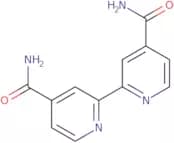
CAS:<p>4,4'-Dicyano-2,2'-bipyridine is a ligand that binds to molybdenum and has been used in the diagnosis of mitochondrial DNA. It has been shown to be an effective treatment for tropical diseases such as malaria. This drug binds to the molybdenum cofactor in the enzyme ribonucleotide reductase, thereby inhibiting the production of ATP. 4,4'-Dicyano-2,2'-bipyridine also reacts with formic acid and ruthenium to produce a redshifted product that can be detected by electron paramagnetic resonance spectroscopy.</p>Formula:C12H6N4Purezza:Min. 98 Area-%Colore e forma:PowderPeso molecolare:206.2 g/molBis(2,2'-bipyridine)-4'-methyl-4-carboxybipyridine-ruthenium N-succinimidyl ester-bis(hexafluorophosphate)
CAS:<p>Bis(2,2'-bipyridine)-4'-methyl-4-carboxybipyridine-ruthenium N-succinimidyl ester-bis(hexafluorophosphate) is a molecule that inhibits the activity of matrix metalloproteinases. It binds to the active site of the enzyme and blocks its activity. This drug has been shown to be effective in inhibiting the activity of MMPs in cells, but not in tissue culture because it does not cross cell membranes. Bis(2,2'-bipyridine)-4'-methyl-4-carboxybipyridine-ruthenium N-succinimidyl ester-bis(hexafluorophosphate) has also been shown to have a low detection limit and can detect low levels of matrix metalloproteinase activity in cells.</p>Formula:C36H29F12N7O4P2RuPurezza:Min. 95%Colore e forma:PowderPeso molecolare:1,014.66 g/molPyridin-3-Yl-[4-[3-(Trifluoromethyl)Phenyl]Piperazin-1-Yl]Methanone Dihydrochloride
CAS:Prodotto controllato<p>This polymer is a high efficiency, low cost particle that can be used to store electricity at temperatures of up to 300 degrees Celsius. It has a cycle life of more than 10,000 cycles and can be recharged in less than one minute. This polymer has been shown to have excellent structural stability and structural reversibility with lithium ion insertion/extraction. The coulombic efficiency is greater than 99%.</p>Formula:C17H18Cl2F3N3OPurezza:Min. 95%Peso molecolare:408.25 g/molL(+)-Amethopterin hydrate
CAS:<p>L(+)-Amethopterin hydrate is an immunosuppressant that suppresses the immune system by inhibiting RNA synthesis. It is a structural analogue of folic acid and has been shown to be effective in treating autoimmune diseases, such as rheumatoid arthritis. L(+)-Amethopterin hydrate is a neutral compound that is soluble in water and microsomal membranes, making it more easily absorbed through the gut than other compounds of this class. It also has been shown to have no toxic effects on cardiac cells at therapeutic concentrations. These properties make L(+)-Amethopterin hydrate an attractive candidate for treating autoimmune diseases when other treatments have failed.</p>Formula:C20H22N8O5·xH2OPurezza:Min. 98 Area-%Colore e forma:Yellow PowderPeso molecolare:454.44 g/mol1-(4-Iodobenzyl)piperazine
CAS:Prodotto controllato<p>1-(4-Iodobenzyl)piperazine is a molecule that acts on the localization, interaction, and uptake of other molecules. It has been shown to interact with murine melanoma cells and inhibit their growth. The mechanism of action is not yet known. 1-(4-Iodobenzyl)piperazine also inhibits the uptake of radioiodinated benzylpiperazine, which is a molecule used as a tracer to study the kidney's function. The drug has been shown to be taken up by malignant tumor cells in mice, but not by normal tissues. This may be due to its ability to interfere with the cell membrane or its ability to transport water across the membrane.</p>Formula:C11H15IN2Purezza:Min. 95%Colore e forma:PowderPeso molecolare:302.15 g/mol4,6-Dihydroxy-2-methylpyrimidine
CAS:<p>4,6-Dihydroxy-2-methylpyrimidine is an organic compound that is synthesized by the reaction of 2-chloroethanol with ethyl chloroformate and nitroethane in the presence of a magnesium salt. The synthesis can be done systematically or by chance. 4,6-Dihydroxy-2-methylpyrimidine can be formed by the hydrolysis of ethyl esters with a metallacycle. Its acidic properties are due to its electron withdrawing groups. The systematic synthesis is carried out in two steps: 1) formation of the monomers from ethyl chloroformate and nitroethane; 2) condensation of the monomers to form 4,6-dihydroxy-2-methylpyrimidine. This synthesis requires hydroxide solution and chloroformate as well as a base such as sodium hydroxide or potassium hydroxide. The chemical reaction mechanism is based</p>Formula:C5H6N2O2Purezza:Min. 95%Peso molecolare:126.11 g/mol5-Amino-1-phenylpyrazole-4-carboxamide
CAS:<p>5-Amino-1-phenylpyrazole-4-carboxamide (APC) is a synthetic compound that has been shown to have potential as an antitumor agent. This compound has been shown to inhibit the growth of cancer cells in vitro, with cytometric analysis showing that it inhibits DNA synthesis and cell proliferation. It also has antibacterial activity, which may be due to its ability to inhibit bacterial DNA gyrase and topoisomerase IV. APC has been found in wastewater at concentrations of 2.6 μg/L, indicating that it is currently being produced and used for industrial purposes. APC can be synthesized by reacting 1-(3-aminopropyl)piperazine with 3-(2H)-furanone and triethylamine to form 5-amino-1-[(2H)-pyridin-2-yl]pyrazole-4-- carboxylic acid chloride, which can then</p>Formula:C10H10N4OPurezza:Min. 95%Colore e forma:PowderPeso molecolare:202.21 g/mol1-Acetyl-4-(2-hydroxyethyl)piperazine
CAS:<p>1-Acetyl-4-(2-hydroxyethyl)piperazine is a fine chemical that can be used as a reagent in research. It is a versatile building block and reaction component that is also useful for the synthesis of complex compounds. The CAS number for 1-acetyl-4-(2-hydroxyethyl)piperazine is 83502-55-0.</p>Formula:C8H16N2O2Purezza:Min. 95%Colore e forma:Clear LiquidPeso molecolare:172.22 g/mol7,8,9,10-Tetrahydro-8-(trifluoroacetyl)-6,10-methano-6H-pyrazino[2,3-h][3]benzazepine
CAS:<p>7,8,9,10-Tetrahydro-8-(trifluoroacetyl)-6,10-methano-6H-pyrazino[2,3-h][3]benzazepine is a chemical compound that is used as a reagent in the synthesis of other compounds. It is an intermediate for the production of fine chemicals and useful scaffolds. This compound has been shown to be a versatile building block for a variety of reactions. 7,8,9,10-Tetrahydro-8-(trifluoroacetyl)-6,10-methano-6H-pyrazino[2,3-h][3]benzazepine also has CAS number 230615-70-0 and can be found on the Chemical Abstracts Service Registry Number.</p>Formula:C15H12F3N3OPurezza:Min. 98 Area-%Colore e forma:Slightly Yellow PowderPeso molecolare:307.27 g/mol2-Chloro-5-nitropyridine
CAS:<p>2-Chloro-5-nitropyridine is a chemical compound with the molecular formula CHClNO. It is a white solid that is soluble in water and has a melting point of 132.2 °C. The molecule consists of two chlorine atoms bonded to an oxygen atom, with two nitro groups bonded to carbon atoms. 2-Chloro-5-nitropyridine was synthesized by reacting sodium carbonate with hydrochloric acid and then adding trifluoroacetic acid to the solution. This reaction produces 2-chloro-5-nitropyridine, hydrogen chloride gas, and sodium chloride crystals as byproducts. The product can be purified using column chromatography or recrystallization methods.</p>Formula:C5H3ClN2O2Purezza:Min. 95%Colore e forma:White PowderPeso molecolare:158.54 g/mol3-Amino-6-chloropyridazine
CAS:<p>3-Amino-6-chloropyridazine is a synthetic compound that is soluble in hydrochloric acid. It has been shown to inhibit the proliferation of cells and induce apoptosis, which may be due to its inhibition of the growth factor receptor, factor. 3-Amino-6-chloropyridazine also inhibits bcr-abl kinase, an enzyme that is involved in the development of chronic myelogenous leukemia (CML). This chemical can be synthesized by coupling amino acids with chloropyridazine using cross coupling reactions. 3-Amino-6-chloropyridazine is a synthetic analogue of pyridoxal phosphate and may have use as an antiinflammatory agent.</p>Formula:C4H4ClN3Purezza:Min. 95%Colore e forma:PowderPeso molecolare:129.55 g/molQuinoline 2,4-dicarboxylic acid
CAS:<p>Quinoline 2,4-dicarboxylic acid (QDA) is a novel cytotoxic agent that targets cervical cancer cells. It inhibits the uptake of glucose and other nutrients by cervical cancer cells, leading to cell death through apoptosis. QDA also inhibits the expression of genes involved in cross-linking reactions, which are important for the structural integrity of proteins. This agent has been shown to inhibit the growth of aniline-induced breast cancer cells and glutamate-stimulated PC12 cells. QDA binds to DNA and forms covalent bonds with nucleotide bases, inhibiting DNA synthesis, as well as interfering with protein synthesis and cell division. The QDA mechanism is similar to that of benzoquinolines and estrone sulfate.</p>Formula:C11H7NO4Purezza:Min. 95%Colore e forma:White PowderPeso molecolare:217.18 g/molIndole-3-butyric acid, potassium salt
CAS:<p>Plant hormone; auxin; inducer of root development; used in plant rooting</p>Formula:C12H12KNO2Colore e forma:White Yellow PowderPeso molecolare:241.33 g/mol(2-Amino-6-methylpyrimidin-4-ylthio)(diethylamino)methane-1-thione
CAS:<p>Please enquire for more information about (2-Amino-6-methylpyrimidin-4-ylthio)(diethylamino)methane-1-thione including the price, delivery time and more detailed product information at the technical inquiry form on this page</p>Formula:C10H16N4S2Purezza:Min. 95%Colore e forma:PowderPeso molecolare:256.39 g/mol1-(2-Chloroethyl)-4-[3-(Trifluoromethyl)Phenyl]Piperazine Dihydrochloride
CAS:Prodotto controllato<p>Please enquire for more information about 1-(2-Chloroethyl)-4-[3-(Trifluoromethyl)Phenyl]Piperazine Dihydrochloride including the price, delivery time and more detailed product information at the technical inquiry form on this page</p>Formula:C13H18Cl3F3N2Purezza:Min. 95%Peso molecolare:365.65 g/mol5-Methoxyindole-2-carboxylic acid
CAS:<p>5-Methoxyindole-2-carboxylic acid is a molecule that belongs to the class of diazonium salts. It is a potent inhibitor of mitochondrial membrane potential and has been shown to have anti-diabetic effects in animal models. 5-Methoxyindole-2-carboxylic acid also inhibits sperm motility, which may be due to its ability to inhibit uv absorption. This compound has been shown to be an effective agent in the treatment of brain infarctions when administered chronically orally. The mechanism of action is not known, but it may involve inhibition of potassium ion uptake or hydrogen bond formation with fatty acids.</p>Formula:C10H9NO3Colore e forma:PowderPeso molecolare:191.18 g/mol5-Fluoroorotic acid potassium salt
CAS:<p>Please enquire for more information about 5-Fluoroorotic acid potassium salt including the price, delivery time and more detailed product information at the technical inquiry form on this page</p>Formula:C5H2FN2O4KPurezza:(Free Base) Min. 98.0 Area-%Colore e forma:White PowderPeso molecolare:212.18 g/mol2-Bromo-5-acetylpyridine
CAS:<p>2-Bromo-5-acetylpyridine is a chemical compound that belongs to the amide class. It has been shown to have an inhibitory effect on amines, which are compounds that are important in the production of urea and other substances. 2-Bromo-5-acetylpyridine can be used as an analog for imatinib, a kinase inhibitor. This compound may also be used as a chloride ion scavenger, which could be useful in the treatment of cancer. 2-Bromo-5-acetylpyridine has been shown to have anticancer activity in molecular modeling studies, but further research needs to be done to see if it is effective against cancer cells.</p>Formula:C7H6BrNOPurezza:Min. 95%Colore e forma:PowderPeso molecolare:200.03 g/mol(5-Methylpyridin-2-yl)methanamine
CAS:<p>5-Methylpyridin-2-yl)methanamine is a high quality reagent that is used as a building block in the synthesis of complex compounds. It can be used as an intermediate, useful for the preparation of fine chemicals and useful scaffolds. It can also be used as a speciality chemical and is often used as a reaction component in research chemicals.</p>Formula:C7H10N2Purezza:Min. 98 Area-%Colore e forma:Clear LiquidPeso molecolare:122.17 g/mol5-Fluoroindole-3-acetic acid
CAS:<p>5-Fluoroindole-3-acetic acid is a fluorine-containing drug that inhibits the transport of indoleacetic acid (IAA), an auxin, in the peo-iaa system. It has been shown to inhibit cancer cell growth and induce apoptosis in a variety of tumour cells. 5-Fluoroindole-3-acetic acid can be used as a chemotherapeutic agent for cancers such as bladder, breast, and prostate cancers. This drug also activates enzymatic reactions by introducing fluorine atoms into reaction sites.</p>Formula:C10H8FNO2Colore e forma:PowderPeso molecolare:193.17 g/mol5-Fluoro-2-(trifluoromethyl)pyridin-4-amine
CAS:<p>5-Fluoro-2-(trifluoromethyl)pyridin-4-amine is a fine chemical that is used to create other organic compounds. This compound is an intermediate in the production of pharmaceuticals, pesticides, and herbicides. It can also be used as a reagent or a speciality chemical in research. 5-Fluoro-2-(trifluoromethyl)pyridin-4-amine can be used as a reaction component to synthesize other compounds and has been shown to have versatile functions as a building block for complex molecules. This compound is not classified by the Chemical Abstract Service (CAS) and does not have any reported toxic effects on humans.</p>Formula:C6H4F4N2Purezza:Min. 95 Area-%Colore e forma:PowderPeso molecolare:180.1 g/mol2-Methyl-5-nitropyridine
CAS:<p>2-Methyl-5-nitropyridine is an enamine that can be synthesized by the reaction of a primary amine with nitrous acid. It has been shown to react with hydrazines to form 2-methyl-5-nitropyridinium hydrazones, which are useful in organic synthesis. The reaction of 2-methyl-5-nitropyridine with acid anhydrides yields protonated carboxylic acids, which can be used as nucleophiles in the presence of metal ions. This amino acid also forms aliphatic amines and anions and reacts with aldehydes to form nitroalkenes.</p>Formula:C6H6N2O2Purezza:Min. 95%Colore e forma:Beige PowderPeso molecolare:138.12 g/mol6-Acetyl-7-methylpyrazolo[1,5-α]pyrimidine-3-carboxylic acid
CAS:<p>The 6-Acetyl-7-methylpyrazolo[1,5-α]pyrimidine-3-carboxylic acid is a fine chemical that belongs to the group of speciality chemicals. It is an intermediate that can be used in research or as a building block for more complex compounds. This compound has been shown to have many useful properties, including its versatility as a scaffold and its ability to react with other compounds. The 6-Acetyl-7-methylpyrazolo[1,5-α]pyrimidine-3-carboxylic acid is also considered high quality and can be used in reactions related to the production of pharmaceuticals, agrochemicals, polymers and dyes.</p>Formula:C10H9N3O3Purezza:Min. 95%Colore e forma:PowderPeso molecolare:219.2 g/mol5-Bromo-6-chloropyrazin-2-amine
CAS:<p>5-Bromo-6-chloropyrazin-2-amine is a high quality, versatile building block for the synthesis of a variety of chemical compounds. It is also a reagent used in organic chemistry for the conversion of alcohols to alkyl chlorides and bromides. It can be used as an intermediate for the preparation of various complex compounds with potential use as pharmaceuticals or fine chemicals. This compound has been shown to have potential as a useful scaffold for the development of novel drugs which could be used to treat bacterial infections such as tuberculosis. 5-Bromo-6-chloropyrazin-2-amine has also been shown to be an excellent starting material for the synthesis of research chemicals and speciality chemicals.</p>Formula:C4H3BrClN3Purezza:Min. 95%Peso molecolare:208.44 g/mol5,6-Difluoroindole
CAS:<p>5,6-Difluoroindole is a chemical compound that has been studied in biological and chemical research. It is an analog of the neurotransmitter serotonin, which binds to the 5-HT2C receptor and activates phospholipase C (PLC) to produce inositol triphosphate (IP3). This compound may be useful for the treatment of neurodegenerative diseases such as Alzheimer's disease. 5,6-Difluoroindole has been shown to block the activity of acetylcholinesterase (AChE), which is an enzyme that breaks down acetylcholine. This leads to an increase in acetylcholine levels and a decrease in AChE activity. The reaction mechanism for this process is not known.</p>Formula:C8H5NF2Colore e forma:PowderPeso molecolare:153.13 g/mol5-Ethylindole
CAS:<p>5-Ethylindole is a granulatimide that is synthesized by the cross-coupling of ethylene and copper chromite in the presence of solvents and magnesium. The chemical reactions are performed at temperatures between room temperature and 50°C, depending on the desired product. 5-Ethylindole is used as an intermediate for other chemicals such as pharmaceuticals, fungicides, dyes, and pesticides. It can be used to produce chloroethanol, which is used in the synthesis of numerous compounds including pharmaceuticals and plastics. Chromatographic techniques are often used to isolate 5-Ethylindole from mixtures with other chemicals.</p>Formula:C10H11NPurezza:Min. 95%Peso molecolare:145.2 g/molKojic acid dipalmitate
CAS:<p>Tyrosinase inhibitor; skin whitener</p>Formula:C38H66O6Purezza:(Hplc) Min. 98.5%Colore e forma:White Off-White PowderPeso molecolare:618.93 g/mol2-Chloro-1-methylpyridinium iodide
CAS:<p>2-Chloro-1-methylpyridinium iodide (2CMPI) is a water-soluble, colorless, and odorless substance that is used as an analytical reagent. 2CMPI reacts with amines and pyridines to form chloromethylpyridine and hydroxymethylpyridine respectively, which can be analyzed by FTIR spectroscopy. The sensitivity of this reaction is affected by the matrix, but can be increased by adding dibutyltin oxide or amide. 2CMPI has been shown to have physiological activities in some animal models of metabolic disorders such as diabetes mellitus.</p>Formula:C6H7ClINPurezza:Min. 97 Area-%Colore e forma:Yellow PowderPeso molecolare:255.48 g/molPiperidin-1-yl-acetic acid
CAS:<p>Piperidin-1-yl-acetic acid is a nitrogen-containing organic compound, which is an alkanoic acid. It has a molecular weight of 104.09 and empirical formula C6H11NO2. Piperidin-1-yl-acetic acid is not soluble in cold water, but it dissolves in boiling water to form a white solid. This compound can be used as an enzyme inhibitor or as a pharmacological agent.<br>Piperidin-1-yl-acetic acid has been shown to inhibit the transcriptional regulation of enzymes that are involved in the production of porphyrins and other heme protein cofactors such as cytochrome c. The compound also inhibits the synthesis of these enzymes by binding to their active sites and inhibiting their function.</p>Formula:C7H13NO2Purezza:Min. 95 Area-%Colore e forma:PowderPeso molecolare:143.18 g/mol2-Chloro-5-nitropyrimidine
CAS:<p>2-Chloro-5-nitropyrimidine is a molecule that can be used as a model system for studying hydrogen bonds. It has been shown to react with methoxy groups and amines. The reaction mechanism is thought to involve nucleophilic attack by the hydroxyl group of the pyrimidine, which leads to a stepwise reaction. 2-Chloro-5-nitropyrimidine has also been shown to inhibit 5HT2c receptors in vitro, suggesting it may be useful for the treatment of schizophrenia.</p>Formula:C4H2ClN3O2Purezza:Min. 95%Colore e forma:Yellow PowderPeso molecolare:159.53 g/mol4-Oxo-4-(4-benzylpiperazinyl)but-2-enoic acid
CAS:Prodotto controllato<p>Please enquire for more information about 4-Oxo-4-(4-benzylpiperazinyl)but-2-enoic acid including the price, delivery time and more detailed product information at the technical inquiry form on this page</p>Formula:C15H18N2O3Purezza:Min. 95%Colore e forma:PowderPeso molecolare:274.32 g/mol4-Amino-1-benzylpiperidine
CAS:Prodotto controllato<p>4-Amino-1-benzylpiperidine is a molecule that has potent inhibitory activity against bladder cancer cells. It also has inhibitory effects on tyrosinase and histone lysine methyltransferase activities, which are enzymes important in the production of melanin and amyloid proteins. 4-Amino-1-benzylpiperidine is a benzyl derivative with radical scavenging activities, which may be due to its ability to react with free radicals. This drug is being researched for its potential use as a therapeutic agent for the treatment of bladder cancer, Alzheimer's disease, and other conditions.</p>Formula:C12H18N2Purezza:Min. 97.5 Area-%Colore e forma:Clear LiquidPeso molecolare:190.28 g/mol3-Amino-2-bromo-4,6-dimethylpyridine
CAS:<p>3-Amino-2-bromo-4,6-dimethylpyridine is a fine chemical that can be used as a versatile building block in the synthesis of other compounds. It is also an intermediate for the production of organic compounds and research chemicals. 3-Amino-2-bromo-4,6-dimethylpyridine is listed on the Chemical Abstracts Service (CAS) registry with the number 104829-98-3. This compound has a complex structure and is high quality and stable.</p>Purezza:Min. 95%Colore e forma:PowderPeso molecolare:201.06 g/mol1,2,4-Triazole
CAS:<p>1,2,4-Triazole is a heterocyclic compound that is used as an intermediate in the synthesis of many other organic compounds. It can be obtained by reacting trifluoroacetic acid with nitrobenzene in the presence of ammonia. This reaction yields a protonated 1,2,4-triazole and ammonium chloride as byproducts. The thermodynamic data for this compound has been determined using an electrochemical impedance spectroscopy method and it was found that the protonation state of 1,2,4-triazole depends on pH. <br>1,2,4-Triazole has been shown to cause genotoxic effects in carcinoma cell lines. It is also capable of inhibiting the growth of bacteria by binding to nitrogen atoms present on their surface. This leads to a decrease in bacterial activity and may be useful for biological treatment purposes. Nitro groups are able to react with 1,2,4</p>Formula:C2H3N3Purezza:Min. 95%Colore e forma:PowderPeso molecolare:69.07 g/mol5-Fluoro-4-hydroxy-2-methoxypyrimidine
CAS:<p>5-Fluoro-4-hydroxy-2-methoxypyrimidine (5FMMP) is a chemical intermediate that is used in the synthesis of various pharmaceuticals, including antibiotics. It can be obtained by reacting phosphorus oxychloride with activated 2-methoxybenzaldehyde. This chemical intermediate is highly reactive and has been shown to be virulent against some strains of bacteria, such as E. coli and Proteus mirabilis. 5FMMP binds to the bacterial cell wall using its primary amine group, which prevents the formation of an antibiotic-inhibitor complex with the enzyme cell wall synthesis that is required for cell wall biosynthesis, inhibiting protein synthesis and cell division. The chlorinating reaction between 5FMMP and sodium hypochlorite results in hydrochloric acid generation. This chemical intermediate can also be synthesized from recycled chemicals such as ethyl chloride or chloroform.</p>Formula:C5H5FN2O2Purezza:Min. 95%Colore e forma:PowderPeso molecolare:144.1 g/molHypoxanthine
CAS:<p>Hypoxanthine is a nucleoside that is found in human cells. It is synthesized from guanine by the enzyme, xanthine oxidoreductase. Hypoxanthine is also produced from xanthine by adenosine deaminase and converted back to xanthine, which can then be reused for DNA synthesis. Hypoxanthine has been shown to inhibit the growth of photosynthetic bacteria, such as Rhodopseudomonas viridis and Rhodobacter sphaeroides. This inhibition may be due to an equilibrative nucleotide effect on the folate receptor. The x-ray diffraction data collected from the chrysanthemum flower (a source of hypoxanthine) showed that hypoxanthine has a calcium salt structure.</p>Formula:C5H4N4OPurezza:Min. 95%Colore e forma:White PowderPeso molecolare:136.11 g/mol5-Methoxy-2-methylindole
CAS:<p>5-Methoxy-2-methylindole is an organic solvent that has been shown to have a wide range of bioactive properties. It is used in the production of acetylcholine, which is an important neurotransmitter. 5-Methoxy-2-methylindole also reacts with chloride ions, which may be an important factor when considering the life cycles and bioactive substances of this molecule. The reaction yield depends on the pH of the solution. 5-Methoxy-2-methylindole can undergo chlorination reactions to form polychlorinated derivatives, which are used as petrochemicals. This molecule also has retinoid properties and can act as a proton donor or acceptor depending on whether it is protonated or deprotonated.</p>Formula:C10H11NOColore e forma:PowderPeso molecolare:161.2 g/mol5-Aminoindole
CAS:<p>5-Aminoindole is a hydrogen bond acid. It has been shown to have an optimum concentration of 0.1 mM in the presence of 0.2 mM potassium chloride and 2 mM magnesium chloride, which is similar to the pH range for biological systems. 5-Aminoindole also acts as a competitive inhibitor of quinoline derivatives, such as chloroquine and hydroxychloroquine, which are used in the treatment of malaria and rheumatoid arthritis. The compound has been shown to be active against primary cells grown in culture, including mouse erythrocytes and human hepatocytes. When used with agarose gel electrophoresis or electrochemical impedance spectroscopy, 5-aminoindole shows excellent selectivity for kinases over other enzymes. 5-Aminoindole is not reactive under physiological conditions because it does not have any redox potentials that can be measured by Langmuir adsorption isother</p>Formula:C8H8N2Purezza:Min. 97%Colore e forma:Brown PowderPeso molecolare:132.16 g/mol5-Bromoindole
CAS:<p>The optimal reaction conditions for the acylation of 5-bromoindole with 2,2,2-trichloroethyl chloroformate are a mixture of methanol and sodium hydroxide solution. Reaction products include 2-chloro-5-(trichloromethyl)quinoline and the quinoline derivative 1-(2,2,2-trichloroethyl)-1H-imidazole. UV absorption spectra of these products have been recorded in the range of 200 to 400 nm. The reaction is successfully monitored by following changes in the NMR spectrum. The liquid chromatography method is based on a reverse phase column and detection at 220 nm.</p>Formula:C8H6BrNColore e forma:Slightly Yellow PowderPeso molecolare:196.04 g/mol7-Amino-2-(4-methoxyphenyl)[1,2,4]triazolo[1,5-a]pyrimidin-5(4H)-one
CAS:<p>7-Amino-2-(4-methoxyphenyl)[1,2,4]triazolo[1,5-a]pyrimidin-5(4H)-one is a fine chemical that belongs to the category of versatile building blocks. It can be used as a reagent for research purposes and as a speciality chemical for the production of complex compounds. This compound is also an important building block for the synthesis of compounds with high quality and useful scaffolds.</p>Formula:C12H11N5O2Purezza:Min. 95%Colore e forma:PowderPeso molecolare:257.25 g/mol[2,2':6',2''- Terpyridine]-4'-methanol
CAS:<p>2,2':6',2''- Terpyridine-4'-methanol is a high quality reagent that is used as an intermediate in the synthesis of other fine chemicals. It has been shown to be a useful scaffold for synthesis of complex compounds with interesting biological and chemical properties. 2,2':6',2''- Terpyridine-4'-methanol has also been found to be a versatile building block for the preparation of new speciality chemicals. This compound can be used as a reaction component in many organic reactions.</p>Formula:C16H13N3OPurezza:Min. 95%Colore e forma:PowderPeso molecolare:263.29 g/mol7-[4-(4-Fluorophenyl)-6-(1-methylethyl)-2-(N-methyl-N-methylsulfonyl-amino)-pyrimidin-5-yl]-3,5-dihydroxy-hept-6-enoic acid ethyl es ter
CAS:<p>Rosuvastatin is a statin drug that inhibits cholesterol synthesis by inhibiting the enzyme HMG-CoA reductase. Rosuvastatin has been shown to reduce high-sensitivity C-reactive protein (hsCRP) and low-density lipoprotein cholesterol (LDL-C), which are risk factors for cardiovascular disease, in patients with hypercholesterolemia. Rosuvastatin also has a high degree of potency and specificity for the HMG-CoA reductase enzyme and shows no significant cross-reactivity with other HMG-CoA reductase inhibitors. Rosuvastatin is metabolized by CYP3A4 and CYP2C9. Drugs that inhibit these enzymes may increase the plasma levels of rosuvastatin, while drugs that induce these enzymes may decrease the plasma levels of rosuvastatin.</p>Formula:C24H32FN3O6SPurezza:Min. 95%Colore e forma:PowderPeso molecolare:509.59 g/molMethyl 3-amino-5,6-dichloro-2-pyrazine carboxylate
CAS:<p>Methyl 3-amino-5,6-dichloro-2-pyrazine carboxylate is a synthetic molecule that has been synthesized from dimethylamiloride. This chemical has been labeled and used for a variety of homologous and synthetic modifications. It may be used in labeling experiments to identify an unknown compound or to determine the structure of a known compound. The methyl 3-amino-5,6-dichloro-2-pyrazine carboxylate can also be used as a ligand to bind with subunits of proteins or nucleic acids. Photolabile methyl 3-amino-5,6-dichloro-2-pyrazine carboxylate can be synthesized by using light energy to cleave the ester bonds in the chemical. This chemical is useful for assays and techniques such as spectroscopy and nuclear magnetic resonance (NMR).</p>Formula:C6H5Cl2N3O2Purezza:Min. 96.5 Area-%Colore e forma:PowderPeso molecolare:222.03 g/mol1-Methyl-4-pyrrolidin-3-ylpiperazine
CAS:<p>1-Methyl-4-pyrrolidin-3-ylpiperazine is a versatile building block that has been used as a reagent, speciality chemical, and intermediate. It is a complex compound that has been shown to be useful in the synthesis of other compounds. 1-Methyl-4-pyrrolidin-3-ylpiperazine is also a precursor to many pharmaceuticals. The National Institute for Occupational Safety and Health (NIOSH) lists this chemical as "reasonably anticipated to be a human carcinogen."</p>Formula:C9H19N3Purezza:Min. 95%Colore e forma:Clear LiquidPeso molecolare:169.27 g/mol1,3,5-Triazine
CAS:<p>1,3,5-Triazine is a nitrogen-containing heterocyclic compound that is used as a precursor for the synthesis of other compounds. It has been shown to inhibit the polymerase chain reaction and to bind to the enzyme DNA polymerase. This binding prevents the formation of an enzyme-substrate complex required for DNA replication. 1,3,5-Triazine also inhibits oxidative injury in experimental models and inhibits cellular physiology by decreasing the production of growth factor-β1. 1,3,5-Triazine has been shown to be a natural compound with inhibitory properties against growth factors and cell proliferation. This chemical also exhibits antioxidant effects by scavenging reactive oxygen species or inhibiting lipid peroxidation.END></p>Formula:C3H3N3Purezza:Min. 95%Colore e forma:White PowderPeso molecolare:81.08 g/molN, N-Dimethylpyridin-4-amine 4-methylbenzenesulfonate
CAS:<p>N,N-Dimethylpyridin-4-amine 4-methylbenzenesulfonate is an integrating agent used in polymer chemistry. It can be used to study the effects of chromophores on both linear and nonlinear optical properties in polymers. N,N-Dimethylpyridin-4-amine 4-methylbenzenesulfonate has been shown to be a good 1,3-dipolar cycloadductor for the synthesis of polymers with polarizable hyperbranched structures.</p>Formula:C7H10N2·C7H8O3SPurezza:Min. 95%Colore e forma:White PowderPeso molecolare:294.37 g/mol2-Hydroxy-5-nitropyridine
CAS:<p>2-Hydroxy-5-nitropyridine is a chemical compound that is used in the synthesis of other compounds. It can be used to synthesize nicotinic acetylcholine, which is an amine that binds to nicotinic acetylcholine receptors. 2-Hydroxy-5-nitropyridine has been shown to react with halides and hydroxy groups to form new compounds. 2-Hydroxypyridine can also be used to synthesize trifluoroacetic acid from chloroacetic acid and nitrous acid. This chemical has been used in the study of replicon cells, which are cells that contain a circular piece of DNA called a plasmid. Replicon cells are often found in bacteria, such as Trichomonas vaginalis, and viruses such as HPV.<br>2-Hydroxypyridine has been shown to cause high blood levels in humans when ingested orally or injected intravenously.</p>Formula:C5H4N2O3Purezza:Min. 98 Area-%Colore e forma:Brown PowderPeso molecolare:140.1 g/mol1-Hydroxyisoquinoline
CAS:<p>1-Hydroxyisoquinoline is a molecule with a carbonyl group and is found in heart tissue. It has been proposed as a treatment for herpes simplex virus, but no studies have been done to confirm this. 1-Hydroxyisoquinoline can be prepared by reacting hydrochloric acid with sodium salts. This molecule also has the ability to inhibit cancer cells and may have potential as an anticancer agent. It also has anti-inflammatory properties, which may be due to its inhibition of prostaglandin synthesis. The mechanism of action for 1-hydroxyisoquinoline is not yet fully understood, but it inhibits the replication of DNA and RNA in cancer cells.</p>Formula:C9H7NOPurezza:Min. 98 Area-%Colore e forma:White PowderPeso molecolare:145.16 g/mol5-Chloro-2-methylindole
CAS:<p>5-Chloro-2-methylindole is an antimicrobial agent that is used to treat bacterial infections. It binds to the enzyme acetylacetone hydrazide, which prevents it from forming acetoacetate and 5-chloroindole. This leads to a decrease in the formation of serotonin, which may contribute to the alleviation of symptoms in patients with cerebral escherichia coli infection. 5-Chloro-2-methylindole has been shown to have antimicrobial effects against a number of bacteria, including E. coli and Staphylococcus aureus. The drug is injected intraperitoneally as a magnetic resonance imaging contrast agent for myelography, angiography, and other medical imaging procedures.</p>Formula:C9H8ClNPurezza:Min. 95%Peso molecolare:165.62 g/mol4,4'-Diethyl-2,2'-bipyridine
CAS:<p>Please enquire for more information about 4,4'-Diethyl-2,2'-bipyridine including the price, delivery time and more detailed product information at the technical inquiry form on this page</p>Formula:C14H16N2Purezza:Min. 95%Colore e forma:PowderPeso molecolare:212.29 g/mol6-Benzyloxyindole
CAS:<p>6-Benzyloxyindole is an isomer of indole with a kinetic, acidic, and synthetic process. It reacts with acetyl derivatives to form hydrogen bond and has binding activities. 6-Benzyloxyindole is an indole alkaloid that can be used as a biomimetic additive or in the synthesis of 5-methoxyindole which has been shown to inhibit the 5-ht4 receptor.</p>Formula:C15H13NOPurezza:Min. 95%Colore e forma:PowderPeso molecolare:223.27 g/mol2-Phenyl-2-(2-piperidy)acetic acid
CAS:Prodotto controllato<p>Methylphenidate is a psychostimulant drug used to treat attention deficit hyperactivity disorder (ADHD) and narcolepsy. It is a prodrug of the active compound, 2-phenyl-2-(2-piperidin)acetic acid (Ritalinic acid), which inhibits the reuptake of dopamine and norepinephrine into the presynaptic neuron. Methylphenidate can be detected by LC-MS/MS in wastewater, providing an analytical method for predicting the presence of this substance in wastewater treatment plants. This drug has minimal toxicity in model organisms and can be metabolized by methylation to form a glucuronide conjugate. Methylphenidate has been shown to increase locomotor activity when administered at low doses, but not at high doses. At high doses, it increases locomotor activity up to 3 hours after administration and decreases locomotor activity 1 hour after administration.</p>Formula:C13H17NO2Purezza:Min 98%Colore e forma:White PowderPeso molecolare:219.28 g/mol1,2,4-Triazole-3-carboxylic acid
CAS:<p>1,2,4-Triazole-3-carboxylic acid is a functional group that has been studied extensively in supramolecular chemistry for its ability to form a variety of tautomers. 1,2,4-Triazole-3-carboxylic acid can also be used to synthesize heterocycles and polymers. It has been shown to inhibit the reaction vessel of influenza virus by binding with the carboxylate groups on the viral surface. The functional group's nitrogen atoms are responsible for this type of inhibition by forming hydrogen bonds with the carboxylate groups. This type of inhibition is reversible because it is caused by an acid catalyst that can be regenerated. The vibrational spectra of 1,2,4-triazole-3-carboxylic acid have been determined using FTIR spectroscopy. The dominant vibrations are found in the region corresponding to 1028 cm−1 and 784 cm−1</p>Formula:C3H3N3O2Purezza:Min. 95%Colore e forma:White PowderPeso molecolare:113.07 g/molSuccinimidyl 3-(bromoacetamido)propionate
CAS:<p>Succinimidyl 3-(bromoacetamido)propionate (SBAP) is a reactive chemical that can be used to synthesize a variety of polymers. SBAP is used in the treatment of inflammatory bowel disease, where it acts as an immunosuppressant by suppressing antibody response to the bowel. SBAP has also been shown to increase collagen production and glycoconjugates, which are compounds found on the surface of cells that act as receptors for many types of bacteria and viruses. The polymerase chain reaction (PCR), which is used in DNA analysis, uses SBAP as a way to separate DNA fragments. For this reason, SBAP is often found in wastewater treatment plants. It has been shown that exposure to SBAP can cause infectious diseases in humans, such as tuberculosis and leprosy. This compound has also been studied for its effects on growth factor-β1 and body mass index, which may help with autoimmune diseases such as multiple</p>Formula:C9H11N2O5BrPurezza:Min. 98 Area-%Colore e forma:White PowderPeso molecolare:307.1 g/mol6-Chloro-2-cyano-3-nitropyridine
CAS:<p>6-Chloro-2-cyano-3-nitropyridine is a modified pyridine derivative that has been shown to be an antagonist of the adenosine receptors. 6-Chloro-2-cyano-3-nitropyridine blocks the binding of adenosine to A1 and A2A receptors, which leads to increased levels of cyclic AMP in cells. This compound can be used as an antiviral agent or as a component in the development of a new generation of drugs for the treatment of malaria. 6-Chloro-2-cyano-3-nitropyridine has also been shown to be active against HIV, inhibiting its replication and preventing viral assembly. The drug’s mechanism of action is not yet fully understood, but it may involve interference with viral replication by binding to sulfinyl groups on proteins required for virus assembly.</p>Formula:C6H2ClN3O2Purezza:Min. 95%Colore e forma:PowderPeso molecolare:183.55 g/mol6-Methyl-2,2':6',2''-terpyridine
CAS:<p>6-Methyl-2,2':6',2''-terpyridine is a versatile building block that can be used in the synthesis of complex compounds. It is a fine chemical and is sold for research purposes only. 6-Methyl-2,2':6',2''-terpyridine has been used as a reagent or speciality chemical in the manufacture of pharmaceuticals, agrochemicals, and other organic compounds. This compound also has potential use as an intermediate in the synthesis of other useful compounds or scaffolds.</p>Formula:C16H13N3Purezza:Min. 85 Area-%Colore e forma:PowderPeso molecolare:247.29 g/mol4,4',4'',4'''-(21H,23H-Porphine-5,10,15,20-tetrayl)tetrakis[benzaldehyde]
CAS:<p>Please enquire for more information about 4,4',4'',4'''-(21H,23H-Porphine-5,10,15,20-tetrayl)tetrakis[benzaldehyde] including the price, delivery time and more detailed product information at the technical inquiry form on this page</p>Formula:C48H30N4O4Purezza:Min. 95%Colore e forma:PowderPeso molecolare:726.8 g/molDiethyl 2,6-pyridinedicarboxylate
CAS:<p>Diethyl 2,6-pyridinedicarboxylate is a methyl ketone with an unsymmetrical structure. It is used in the synthesis of fatty acids and optical properties. Diethyl 2,6-pyridinedicarboxylate reacts with trifluoroacetic acid and chlorine to form an active methylene. The presence of this active methylene allows for the synthesis of new molecules that are not possible with other reagents. Magnetic resonance spectroscopy has been used to identify the binding constants for diethyl 2,6-pyridinedicarboxylate and fatty acids. This molecule can be studied using MALDI-TOF mass spectrometry, which generates a molecular weight spectrum from 1,000 to 100,000 Da. Diethyl 2,6-pyridinedicarboxylate has been shown to react with water molecules to form hydrogen peroxide.</p>Formula:C11H13NO4Purezza:Min. 95%Peso molecolare:223.23 g/mol4-Chloro-7-azaindole
CAS:<p>4-Chloro-7-azaindole (4CA) is a molecule that has been shown to have significant cytotoxicity against cancer cells in vitro. 4CA inhibits the growth of cancer cells by binding to their DNA, preventing the synthesis of new DNA strands and leading to cell death. The inhibitory effect of 4CA on cancer cells can be attributed to its ability to bind to nitrogen atoms in the molecule's skeleton. This binding prevents the formation of hydrogen bonds between the molecule and other molecules or proteins, which are necessary for the synthesis of new DNA strands. 4CA has been shown to be active against human ovarian carcinoma and carcinoma cell lines in vitro.</p>Formula:C7H5N2ClPurezza:Min. 95 Area-%Colore e forma:PowderPeso molecolare:152.58 g/mol3-Hydroxyindole
CAS:<p>A building block research chemical</p>Formula:C8H7NOPurezza:(¹H-Nmr) Min. 95 Area-%Colore e forma:PowderPeso molecolare:133.15 g/mol1-[4-(Pyridin-3-yloxy)phenyl]methanamine dihydrochloride
CAS:<p>1-[4-(Pyridin-3-yloxy)phenyl]methanamine dihydrochloride (1-PPM) is a fine chemical, versatile building block and complex compound with research chemical applications. 1-PPM is a reagent, speciality chemical and useful building block for the synthesis of high quality organic compounds. The CAS number for 1-PPM is 1185300-26-8. 1-PPM has been used as a reaction component in the synthesis of substituted piperazines and substituted pyrrolidines, which are useful scaffolds for further modifications.</p>Formula:C12H12N2O·2HClPurezza:Min. 95%Colore e forma:PowderPeso molecolare:273.16 g/mol1-Boc-4-methylpiperazine
CAS:<p>1-Boc-4-methylpiperazine is an inhibitor of the enzyme hydrolase. It has been shown to have a dose-dependent effect on inflammatory pain and can be used for the treatment of neuropathic pain. 1-Boc-4-methylpiperazine also has potent inhibitory activity against fatty acid amide hydrolase (FAAH) and fatty acid amide hydrolase (FAAH). It is orally administered and has been shown to have analgesic effects in animal studies. 1-Boc-4-methylpiperazine also inhibits the enzymatic activity of other hydrolases, such as cyclooxygenase 2 (COX2) and acetylcholinesterase (AChE), which are involved in inflammation, pain, and memory.</p>Formula:C10H20N2O2Purezza:Min. 95%Colore e forma:Clear LiquidPeso molecolare:200.28 g/molIndole-3-carboxaldehyde
CAS:<p>Indole-3-carboxaldehyde is a chemical compound that is used as an antimicrobial agent. The biological properties of this compound are not well studied, but it has been shown to be effective against bacteria and fungi. Indole-3-carboxaldehyde has been shown to inhibit the enzyme activity of sodium carbonate, which is involved in the production of lactic acid in bacteria. This effect may contribute to its antibacterial activity. Indole-3-carboxaldehyde is also a potential anticancer agent because it can bind to toll-like receptor 4 (TLR4). Indole-3-carboxaldehyde reacts with sulfa drugs through a mechanism similar to the reaction between hydrogen peroxide and potassium permanganate. It has been shown that indole-3-carboxaldehyde can be used as a pesticide for plants and as an electrochemical impedance spectroscopy probe for histological analysis.</p>Formula:C9H7NOColore e forma:PowderPeso molecolare:145.16 g/mol2-Chloro-6-(trichloromethyl)pyridine
CAS:<p>2-Chloro-6-(trichloromethyl)pyridine (2CTCP) is an inorganic acid that is used as a synthetic reagent in the synthesis of pharmaceuticals, such as antihistamines, vasodilators and antipsychotics. 2CTCP inhibits the process of nitrification by competing with nitrite for the enzyme nitrate reductase. It also inhibits plant metabolism by inhibiting nitrogen fixation and hydrogen production. 2CTCP is not toxic to humans or animals under normal conditions; however, it may be hazardous if inhaled or ingested. 2CTCP can be synthesized by reacting sodium carbonate with chloroacetyl chloride followed by hydrolysis of the resulting intermediate. The analytical method for 2CTCP involves gas chromatography with electron capture detection (GC-ECD). The compound can also be analyzed using high performance liquid chromatography (HPLC).</p>Formula:C6H3Cl4NPurezza:Min. 95%Peso molecolare:230.91 g/mol5-Methoxyindole-3-acetic acid
CAS:<p>5-Methoxyindole-3-acetic acid is a chemical that can be used to synthesize a variety of compounds. It is a versatile building block that has been used in the synthesis of complex compounds, as well as an intermediate for the production of other chemicals. 5-Methoxyindole-3-acetic acid is also an important reaction component and reagent for organic synthesis. This substance is not currently on the list of speciality chemicals, but it has shown high quality and usefulness in research.</p>Formula:C11H11NO3Peso molecolare:205.22 g/molRef: 3D-M-3474
5gPrezzo su richiesta10gPrezzo su richiesta25gPrezzo su richiesta50gPrezzo su richiesta2500mgPrezzo su richiesta-Unit-ggPrezzo su richiesta2-Pyridinecarboxylic acid
CAS:<p>2-Pyridinecarboxylic acid is a chemical compound that has been shown to have minimal toxicity. It is a potent inducer of various enzymes, including c-jun phosphorylation and enzyme activities. This compound has also been shown to bind to picolinic acid and picolinate, which are chemical compounds that have been associated with many physiological effects. 2-Pyridinecarboxylic acid may also be able to regulate the activity of growth factor-β1, which plays an important role in energy metabolism. Molecular docking analysis has shown that 2-pyridinecarboxylic acid may bind to chromium picolinate, a form of chromium with antioxidant properties.</p>Formula:C6H5NO2Purezza:Min. 95%Colore e forma:PowderPeso molecolare:123.11 g/mol3,4-Dimethoxy-2-hydroxymethylpyridine
CAS:<p>Pantoprazole is a proton pump inhibitor (PPI) that blocks the production of stomach acid by inhibiting the H+/K+-ATPase enzyme in gastric parietal cells. The chemical compound 3,4-Dimethoxy-2-hydroxymethylpyridine is a sodium salt of pantoprazole. It is commercially available as the anhydrous form, which is a white crystalline powder. This chemical has been used to regulate the amount of water in industrial processes and to salify materials such as lead oxide. Pantoprazole sodium chloride can be prepared by evaporating and drying with anhydrous sodium chloride or by heating an aqueous solution of pantoprazole sulfate.</p>Formula:C8H11NO3Purezza:Min. 95%Colore e forma:PowderPeso molecolare:169.18 g/mol2-Chloromethyl-3,5-dimethyl-4-methoxypyridine
CAS:<p>2-Chloromethyl-3,5-dimethyl-4-methoxypyridine is a drug substance that is used as a pump inhibitor. The optimal reaction conditions for the synthesis of this molecule are a Grignard reagent, chlorinating agent, and magnesium salt. Impurities may arise during the synthetic process due to chloride or inorganic acid catalyst. This drug substance is not soluble in water but can be dissolved in organic solvents such as ethers, chloroform, or benzene. It reacts with magnesium to form a chelate ring with an organic molecule.</p>Formula:C9H12ClNOPurezza:Min. 95%Colore e forma:PowderPeso molecolare:185.65 g/mol5-Bromo-2-methoxypyridine
CAS:<p>5-Bromo-2-methoxypyridine is a synthetic organic chemical that is used in organic chemistry. It is a precursor to the HIV integrase inhibitor, PSC 833, and has been shown to be effective in treating idiopathic pulmonary fibrosis. 5-Bromo-2-methoxypyridine is synthesized by reacting phosphorus oxychloride with 2-bromomethoxybenzene. This reaction produces a mixture of products that are then separated using column chromatography. The desired product can be purified by recrystallization or distillation. 5-Bromo-2-methoxypyridine has three pairs of asymmetric carbon atoms and four different functional groups: halides, sulfur trifluoride, bromine, and methoxy groups.</p>Formula:C6H6BrNOPurezza:Min. 95%Colore e forma:Clear LiquidPeso molecolare:188.02 g/mol2,6-Dichloropyrimidine-4-carboxylic acid
CAS:<p>2,6-Dichloropyrimidine-4-carboxylic acid is a pyrimidine that can be used as a starting material for the synthesis of other compounds. It is an intermediate in the manufacture of anilines and pyrimidines. 2,6-Dichloropyrimidine-4-carboxylic acid is also used in the production of dyes and agrochemicals.</p>Formula:C5H2Cl2N2O2Purezza:Min. 95%Colore e forma:White PowderPeso molecolare:192.99 g/mol7-Azaindole
CAS:<p>7-Azaindole is a chemical compound that can be used as a building block in organic synthesis. It can be used as a reactant in the preparation of other chemicals, such as dyes, rubber accelerators, and pharmaceuticals. 7-Azaindole is also useful as an intermediate in the production of polymers, such as polyurethanes and polyesters. This chemical is soluble in water and alcohols, but insoluble in ethers and chloroform. 7-Azaindole has been classified by the International Agency for Research on Cancer (IARC) as Group 3: Not Classifiable as to its Carcinogenicity to Humans.</p>Formula:C7H6N2Purezza:Min. 98.0 Area-%Peso molecolare:118.14 g/molRef: 3D-A-9500
1kgPrezzo su richiesta5kgPrezzo su richiesta250gPrezzo su richiesta500gPrezzo su richiesta2500gPrezzo su richiesta-Unit-kgkgPrezzo su richiesta4,4'-Bis(bromomethyl)-2,2'-bipyridine
CAS:<p>4,4'-Bis(bromomethyl)-2,2'-bipyridine is a cyclic molecule that can be synthesized by the reaction of 4-bromo-2,2'-bipyridine with a brominating agent. It is used as a precursor to ruthenium catalysts in organic synthesis, and as an additive in dendrimers. The compound has been shown to have light absorption properties and can be used in photovoltaics and electropolymerization.</p>Formula:C12H10N2Br2Purezza:Min. 95%Colore e forma:PowderPeso molecolare:342.03 g/mol6-Amino-2-methylthio-4(3H)pyrimidinone
CAS:<p>6-Amino-2-methylthio-4(3H)pyrimidinone is a potential antitumor drug with a radical mechanism of action. It inhibits the activity of the NS5B polymerase, an enzyme in the virus's RNA replication complex. The drug has been shown to inhibit proliferation of cancer cells in vitro and to have antiviral effects against a number of viruses, including influenza A and B. 6-Amino-2-methylthio-4(3H)pyrimidinone inhibits tyrosine kinases and also inhibits erythrocyte progenitors from differentiating into megakaryocytes. This drug is not metabolized by cytochrome P450 enzymes and does not bind to plasma proteins.</p>Formula:C5H7N3OSPurezza:Min. 95%Colore e forma:White PowderPeso molecolare:157.19 g/mol5-Formylindole
CAS:<p>5-Formylindole is a non-selective and irreversible inhibitor of protein α, which is the catalytic subunit of the enzyme AMP-activated protein kinase. It binds to the hydroxyl group at position Cys177 in the ATP binding pocket of protein α, thereby inhibiting its activity. 5-Formylindole has been shown to inhibit tumor growth in xenografts and also inhibits fat accumulation in 3T3-L1 preadipocytes by inhibition of fatty acid synthesis. This compound has also been used to study molecular modeling in order to understand hydrogen bond interactions between aldehyde groups and intramolecular hydrogen. The genus that this compound belongs to is stilbene derivatives.</p>Formula:C9H7NOPurezza:Min. 95%Colore e forma:PowderPeso molecolare:145.16 g/mol6-Amino-2-chloropurine
CAS:<p>6-Amino-2-chloropurine (6AC) is a nucleoside analogue that inhibits the synthesis of DNA, RNA, and protein by inhibiting the activity of polymerase chain reaction. It has been used to study the molecular mechanisms of pandemic influenza A virus and HIV infection. 6AC has also been shown to be effective in treating solid tumours and metastatic colorectal cancer in mice. This drug is also used as a competitive inhibitor for measuring endonuclease activity in polymerase chain reactions. 6AC binds to the enzyme's active site and prevents it from cleaving the DNA strands during replication, resulting in incomplete replication of the viral genome.</p>Formula:C5H4ClN5Purezza:Min. 95%Colore e forma:PowderPeso molecolare:169.57 g/mol5-Chloroindole
CAS:<p>5-Chloroindole is a molecule that can bind to the CB2 cannabinoid receptor. It has been shown in experiments to be an allosteric modulator of this receptor. 5-Chloroindole has been found to have an inhibitory effect on degenerative diseases, such as Huntington's disease and Alzheimer's disease, and may have therapeutic potential for these disorders. 5-Chloroindole binds to a metal surface by forming hydrogen bonds with the oxygen atom of its carboxyl group and the metal surface. The nucleophilic nature of 5-chloroindole allows it to react with chloride ions present in solution. 5-Chloroindole reacts with the carbon source in tissue culture, which leads to receptor activity and inhibition of cell proliferation.</p>Formula:C8H6ClNColore e forma:White PowderPeso molecolare:151.59 g/molIndole-3-propionamide
CAS:<p>Indole-3-propionamide is a synthetic molecule that has been shown to have preventative effects against autoimmune diseases. It inhibits the production of IL-2, an important cytokine in the immune system, and also has an inhibitory effect on energy metabolism. Indole-3-propionamide has been shown to be neuroprotective in animal models and clinical studies have shown it to be safe for use in humans. Studies have also revealed its ability to bind to the IL2 receptor and inhibit cell proliferation.</p>Formula:C11H12N2OPurezza:Min. 98 Area-%Colore e forma:PowderPeso molecolare:188.23 g/mol5-Fluoroorotic acid
CAS:<p>Selection reagent for orotidine 5'-phosphate decarboxylase mutants</p>Formula:C5H3FN2O4Purezza:Min. 98 Area-%Colore e forma:PowderPeso molecolare:174.09 g/mol3-Fluoro-5-methylpyridine
CAS:<p>3-Fluoro-5-methylpyridine is a fine chemical, useful building block and research chemical. It is a versatile building block that can be used as a reaction component or as an intermediate in the synthesis of various other organic compounds. 3-Fluoro-5-methylpyridine is also a reagent for the preparation of pharmaceuticals and agrochemicals. This compound can be used in the synthesis of complex compounds with high quality and purity, such as inorganic salts, metal complexes and organometallic compounds. 3-Fluoro-5-methylpyridine has CAS No. 407-21-6 and has been assigned to category 1B by the European Union's classification system (EU CLP).</p>Formula:C6H6FNPurezza:Min. 95%Peso molecolare:111.12 g/mol2,5,6-Triaminopyrimidin-4-ol sulphate
CAS:<p>2,5,6-Triaminopyrimidin-4-ol sulphate is a fine chemical that is used as a reagent in the synthesis of other compounds. It can be used as a building block for research chemicals and speciality chemicals such as pesticides. This compound is also useful in the manufacture of pharmaceuticals and agrochemicals. 2,5,6-Triaminopyrimidin-4-ol sulphate has been shown to react with aniline derivatives to produce a variety of products including pyrrolidine and piperidine derivatives. This versatile compound can also be used as a scaffold in the synthesis of complex molecules.</p>Formula:C4H7N5O4SPurezza:Min. 95%Colore e forma:Yellow PowderPeso molecolare:221.2 g/mol3-(4-Morpholinyl)-1-(4-nitrophenyl)-5,6-dihydro-2(1H)-pyridinone
CAS:<p>3-(4-Morpholinyl)-1-(4-nitrophenyl)-5,6-dihydro-2(1H)-pyridinone is a synthetic coagulation factor that has been shown to be cost-effective and to have a high yield. It is an inhibitor of blood coagulation, which is detectable by x-ray powder diffraction. 3-(4-Morpholinyl)-1-(4-nitrophenyl)-5,6-dihydro-2(1H)-pyridinone has been synthetically prepared from 3,5,6,7,8,9,10,-hexahydro-[2]benzo[e][1]pyridinone and 4-morpholinecarboxylic acid.</p>Formula:C15H17N3O4Purezza:Min. 98 Area-%Colore e forma:Yellow PowderPeso molecolare:303.31 g/mol4,4'-Dinonyl-2,2'-bipyridine
CAS:<p>4,4'-Dinonyl-2,2'-bipyridine is a high-yield transfer reagent that is used in organic synthesis. It can be used to transfer aryl or alkyl groups from ancillary to the functional group on the substrate. 4,4'-Dinonyl-2,2'-bipyridine is also used for the production of polymers and organic semiconductors. In addition, this compound has been shown to be useful in the production of silicon solar cells and as a catalyst for photovoltaic devices. 4,4'-Dinonyl-2,2'-bipyridine has been shown to be thermostable and can be used in temperatures up to 200°C. This compound is also a ligand with ruthenium complex properties and can be used as an electron acceptor in radiation therapy procedures.</p>Formula:C28H44N2Purezza:Min. 98 Area-%Colore e forma:White PowderPeso molecolare:408.68 g/molPiperacillin
CAS:<p>Piperacillin is a β-lactam antibiotic that inhibits the synthesis of bacterial cell walls by binding to penicillin-binding proteins. It is used for the treatment of serious infections caused by gram-negative organisms such as Aerogenes, Enterobacter, and Klebsiella. Piperacillin has a high MIC90 value against Staphylococcus and other gram-positive bacteria, but it is not active against β-lactamase producing strains of bacteria such as E. coli or Klebsiella pneumoniae. The MIC90 values are determined through an analytical method on different strains of bacteria and validated with a sample preparation before use in clinical trials.</p>Formula:C23H27N5O7SPurezza:Min. 95 Area-%Colore e forma:White PowderPeso molecolare:517.56 g/mol6-Chloro-imidazo[1,2-b]pyridazine
CAS:<p>6-Chloro-imidazo[1,2-b]pyridazine (6CI) is a potent inhibitor of the VEGF pathway. It inhibits the production of TNF-α and other inflammatory mediators by targeting the tumor necrosis factor receptor type 1 (TNFR1). 6CI has been shown to inhibit factor receptor activation in vitro, suggesting that it may also have an inhibitory effect on other receptors. These results suggest that 6CI can be used to treat inflammatory diseases such as rheumatoid arthritis.<br>6CI has been shown to bind to various halides, which may be due to the presence of hydrogen bonds. The molecular modeling studies show that the hydrogen bond stabilizes the binding between 6CI and TNFR1 and prevents this interaction from occurring with its natural ligand, VEGF.</p>Formula:C6H4ClN3Purezza:Min. 95%Colore e forma:White to off white crystalline powderPeso molecolare:153.57 g/mol4,6-Dichloro-1H-pyrrolo[2,3-b]pyridine
CAS:<p>4,6-Dichloro-1H-pyrrolo[2,3-b]pyridine is a nucleophilic reagent that can be used in the synthesis of 7-azaindole derivatives. It has been shown to react efficiently with phenolates and other nucleophiles. 4,6-Dichloro-1H-pyrrolo[2,3-b]pyridine reacts with activated methylene compounds by forming a three membered ring. This reaction is efficient and produces high yields.</p>Formula:C7H4Cl2N2Purezza:Min. 95%Colore e forma:White To Yellow SolidPeso molecolare:187.03 g/mol2,3-Dihydroxypyridine
CAS:<p>2,3-Dihydroxypyridine is a chemical compound that is a metabolite of the amino acid histidine. It is an important hydrogen bond donor in biological systems. 2,3-Dihydroxypyridine has been shown to have anti-pandemic influenza activity against influenza A (H1N1) and B. The mechanism of this activity may be due to its ability to inhibit the synthesis and release of proinflammatory cytokines such as IL-6 and TNF-α. 2,3-Dihydroxypyridine also has potent anti-fungal activity against Candida albicans. This activity is due to its ability to bind to amine groups on proteins and disrupt hydrogen bonding interactions within the cell membrane. 2,3-Dihydroxypyridine has been shown to have transcriptional regulatory properties in vitro by binding to DNA at specific sequences near promoters or enhancers and inhibiting binding of other transcription factors</p>Formula:C5H5NO2Purezza:Min. 95%Colore e forma:White PowderPeso molecolare:111.1 g/molN-Hydroxysuccinimide
CAS:<p>An additive in carbodiimide peptide coupling</p>Formula:C4H5NO3Colore e forma:White PowderPeso molecolare:115.09 g/molPyridine-3-acetonitrile
CAS:<p>Pyridine-3-acetonitrile is a coordination complex that can be used for the treatment of diabetes. It has been shown to have a high affinity for plasma glucose and to be selective for biological samples containing amino acids, such as proteins. The molecule is able to bind with carbon disulphide in order to form the active methylene, which has been shown to be an effective bifunctional ligand. The compound has also been shown to have a ph optimum of 9.8 - 10.2 and exhibits an atomic orbital with a molecular electrostatic potential of 0.5 eV. Pyridine-3-acetonitrile binds strongly to nucleophilic groups, such as amines and hydroxyls, making it suitable for use as a ligand in metal complexes. This compound may also have some interesting properties related to its morphology, which can be further investigated using functional theory and molecular electrostatic potential.br>br> br>br></p>Formula:C7H6N2Purezza:Min. 95%Colore e forma:Clear LiquidPeso molecolare:118.14 g/mol5-Bromo-2-fluoro-3-methylpyridine
CAS:<p>5-Bromo-2-fluoro-3-methylpyridine is a fine chemical that is used as a scaffold for building more complex compounds. This chemical can be used in the synthesis of sulfonamides, thiocarbamates, and other organic compounds. 5-Bromo-2-fluoro-3-methylpyridine is also a versatile intermediate that can be used in the production of research chemicals and speciality chemicals. The purity of this compound is high and it has been shown to be a useful reagent in various reactions.</p>Formula:C6H5BrFNPurezza:Min. 95%Peso molecolare:190.02 g/mol4,5-Dicyanoimidazole
CAS:<p>Please enquire for more information about 4,5-Dicyanoimidazole including the price, delivery time and more detailed product information at the technical inquiry form on this page</p>Formula:C5H2N4Purezza:Min. 98 Area-%Colore e forma:White Off-White PowderPeso molecolare:118.1 g/molDisopyramid
CAS:Prodotto controllato<p>a-[2-(Diisopropylamino)ethyl]-a-phenyl-2-pyridineacetamide is a hydrogen bond donor. It has been shown to have cytotoxicity in vitro, with parameters that can be used for accurate prediction of descriptors. These descriptors are informative and insightful, which can be used for regression analyses and linear regression methods. The pharmacokinetic properties of a-[2-(Diisopropylamino)ethyl]-a-phenyl-2-pyridineacetamide have been studied in humans and have shown linearity between dose and plasma concentration.</p>Formula:C21H29N3OColore e forma:White PowderPeso molecolare:339.47 g/mol6-Azaindole
CAS:<p>6-Azaindole is a drug that inhibits the activity of the enzyme aromatase, which is responsible for the conversion of testosterone to estrogen. 6-Azaindole has shown potent inhibitory activity against cancer cells in vitro and in vivo. It also has an inhibitory effect on pain relief mechanisms at low doses, but not at high doses. The mechanism of action is complex and multifactorial; it may involve inhibition of proton transfer, receptor activity, and/or inhibition of nitrogen atoms. The synthesis of 6-azaindoles can be carried out using a variety of methods and starting materials, including asymmetric synthesis or reduction of an n-oxide moiety.</p>Formula:C7H6N2Purezza:Min. 95%Colore e forma:PowderPeso molecolare:118.14 g/mol1-(3-Chloropropyl)-4-methylpiperazine
CAS:<p>1-(3-Chloropropyl)-4-methylpiperazine is an analog of chlorpromazine. It has been shown to be a transactivator, which causes the activation of genes in response to a variety of stimuli and plays a role in the pathogenesis of infections. 1-(3-Chloropropyl)-4-methylpiperazine also interacts with chloride ions, causing an increase in intracellular chloride concentrations. This increased concentration leads to an increase in transcription and replication rates. The structures of viral RNA were determined using 1-(3-chloropropyl)-4-methylpiperazine as a fluorescent probe.</p>Formula:C8H17ClN2Purezza:Min. 95%Colore e forma:Clear LiquidPeso molecolare:176.69 g/mol2-Amino-4,6-dimethylpyridine
CAS:<p>2-Amino-4,6-dimethylpyridine is a nonsteroidal anti-inflammatory drug that inhibits the production of prostaglandins and leukotrienes. 2-Amino-4,6-dimethylpyridine binds to the cyclooxygenase enzyme and blocks its conversion of arachidonic acid to prostaglandin H2. This compound has been shown to have potent inhibitory effects against Leishmania, with high values in reactive compounds. The molecular modeling of this compound shows that it has an unpaired amino function and an amide.</p>Formula:C7H10N2Purezza:Min. 97%Colore e forma:PowderPeso molecolare:122.17 g/molN-[6-Chloro-5-(2-methoxyphenoxy)-(2,2-bipyrimidine)4-4-yl]-(1,1-dimethylethyl)-benzenesulfonamide
CAS:<p>N-[6-Chloro-5-(2-methoxyphenoxy)-(2,2-bipyrimidine)4-4-yl]-(1,1-dimethylethyl)-benzenesulfonamide is a reagent that can be used as a reaction component in the synthesis of complex compounds. It has high quality and is a versatile building block for the synthesis of speciality chemicals. N-[6-Chloro-5-(2-methoxyphenoxy)-(2,2-bipyrimidine)4-4-yl]-(1,1-dimethylethyl)-benzenesulfonamide is also a useful intermediate in the synthesis of fine chemicals.</p>Formula:C25H24ClN5O4SPurezza:Min. 95%Colore e forma:White PowderPeso molecolare:526.01 g/mol1-(5-Isoquinolinesulfonyl)piperazine hydrochloride
CAS:<p>1-(5-Isoquinolinesulfonyl)piperazine hydrochloride (1-ISOQ-PIP) is a chemical compound that has been shown to inhibit the growth of leukemia cells. It inhibits the expression of leukemia inhibitory factor, which may be due to its ability to introduce modifications into the sequence of DNA. 1-ISOQ-PIP also inhibits pluripotent stem cells and induces adipocyte differentiation. This substance can be used for cancer treatment by inhibiting the growth of leukemia cells and inducing differentiation.</p>Formula:C13H16ClN3O2SPurezza:Min. 95%Colore e forma:PowderPeso molecolare:313.8 g/mol6-Amino-4-hydroxy-2-mercaptopyrimidine monohydrate
CAS:<p>6-Amino-4-hydroxy-2-mercaptopyrimidine monohydrate (6AP) is a chemical compound that has been shown to have potent antibacterial activity against Gram-positive bacteria. It is also effective at inhibiting the growth of S. aureus, both in vitro and in vivo. 6AP can be used as an alternative treatment for cancer, where it inhibits the growth of tumor cells by blocking ferrocene, which plays an important role in cancer cell proliferation and survival. The efficacy of 6AP against bacterial infections has been demonstrated in vitro with a variety of Gram-positive pathogens, including S. aureus, Streptococcus pneumoniae, Enterococcus faecalis, and Bacillus anthracis.</p>Formula:C4H5N3OS•H2OPurezza:Min. 95%Colore e forma:PowderPeso molecolare:161.18 g/molN-Cyanopiperidine
CAS:<p>N-Cyanopiperidine is a cyclohexane ring with a trifluoroacetic acid group. It is used in the synthesis of pharmaceutical preparations and has been shown to be stable in low-energy environments, such as when mixed with glycol ethers or chlorides. N-Cyanopiperidine is also used as an intermediate for the preparation of other compounds, such as metal carbonyl complexes and derivatives. N-Cyanopiperidine can be synthesized by reacting anhydrous hydrogen cyanide with piperidinium chloride in the presence of metal hydroxides. This reaction mechanism is known to produce two products: 1) a stable complex with a metal ion, and 2) a reaction product that contains the desired product and hydrogen cyanide.</p>Formula:C6H10N2Purezza:Min. 95%Colore e forma:PowderPeso molecolare:110.16 g/mol2-Chloro-3-nitropyridine
CAS:<p>2-Chloro-3-nitropyridine is a reagent, which is used as a building block for the synthesis of other chemicals. It is a complex compound that can be used to synthesize pharmaceuticals and pesticides. 2-Chloro-3-nitropyridine is also an intermediate that can be used in the synthesis of pesticides, pharmaceuticals, and specialty chemicals. It has been shown to have useful activity as a building block in the synthesis of antibacterial agents and antiviral drugs. This product has been identified by the US Drug Enforcement Administration (DEA) as a chemical of interest.</p>Formula:C5H3ClN2O2Peso molecolare:158.54 g/molEthyl (1,3,6-trimethyl-2,4-dioxo-2,3,4,7-tetrahydro-1H-pyrrolo[2,3-d]pyrimidin-5-yl)acetate
CAS:Prodotto controllato<p>Please enquire for more information about Ethyl (1,3,6-trimethyl-2,4-dioxo-2,3,4,7-tetrahydro-1H-pyrrolo[2,3-d]pyrimidin-5-yl)acetate including the price, delivery time and more detailed product information at the technical inquiry form on this page</p>Formula:C13H17N3O4Purezza:Min. 95%Peso molecolare:279.29 g/mol2,4,6-Tri(4-pyridyl)-1,3,5-triazine (purified by sublimation)
CAS:<p>2,4,6-Tri(4-pyridyl)-1,3,5-triazine (TPTZ) is a diamagnetic molecule. It has been shown to have anticancer activity in vitro and in vivo. TPTZ is luminescent when exposed to UV light and its emission spectrum is dependent on the environment. TPTZ has been synthesized by organic solution chemistry and by transfer from inorganic materials. The organic solution synthesis involves the formation of TPTZ from an organic ligand and triazine. The transfer mechanism occurs when an azo compound reacts with an amine precursor to form an iminium salt intermediate that reacts with triazine to form TPTZ.</p>Formula:C18H12N6Purezza:Min. 95%Colore e forma:PowderPeso molecolare:312.33 g/molCyclo-Val-Pro-diketopiperazine
CAS:<p>Cyclo-Val-Pro-diketopiperazine is a drug that inhibits the growth of colon cancer cells by inducing apoptosis. It has been shown to have an inhibitory effect on the proliferation of p. aeruginosa and other bacteria, which may be due to its ability to interfere with DNA replication. Cyclo-Val-Pro-diketopiperazine also induces tumor cell apoptosis in vitro. The mechanism for this is not yet known, but it may involve interference with mitochondrial membrane potential or inhibition of acetate extraction from colonic cells. In addition, this drug has been shown to induce apoptosis in colorectal adenocarcinoma cells by causing an increase in reactive oxygen species and a decrease in mitochondrial membrane potential. Cyclo-Val-Pro-diketopiperazine can cause an increase in the levels of acetate extractable from caco2 cells as well as a decrease in mitochondrial membrane potential, which are both</p>Formula:C10H16N2O2Purezza:Min. 95%Colore e forma:PowderPeso molecolare:196.25 g/mol2,4-Diamino-6-hydroxypyrimidine
CAS:<p>2,4-Diamino-6-hydroxypyrimidine is a potent antitumor agent that has been shown to have potent cytotoxicity against tubule cells in the kidney. It binds to DNA and inhibits transcription by interfering with polymerase chain reaction. This drug also inhibits protein synthesis and has been shown to be effective in treating diabetic patients. 2,4-Diamino-6-hydroxypyrimidine has been found to be useful in detecting high levels of c-reactive protein (CRP) in serum, which can help diagnose inflammation or myocardial infarct. 2,4-Diamino-6-hydroxypyrimidine is also used as a fluorescent probe for determining low levels of hydrogen bonds between polymers or proteins.</p>Formula:C4H6N4OPurezza:Min. 95%Colore e forma:White PowderPeso molecolare:126.12 g/mol1-(o-Tolyl)piperazine
CAS:Prodotto controllato<p>1-(o-Tolyl)piperazine is a potent antagonist of the acetylcholine and serotonin receptors. It has been shown to inhibit the uptake of neurotransmitters in rat brain synaptosomes. 1-(o-Tolyl)piperazine has also been found to be a potent antimicrobial agent that inhibits bacterial growth by binding to bacterial cell walls and blocking the synthesis of essential cell components. Molecular modeling studies have revealed that 1-(o-tolyl)piperazine binds to the receptor site on the oxytocin receptor, which may provide an explanation for its effects on reproductive function.</p>Formula:C11H16N2Purezza:Min. 95%Peso molecolare:176.26 g/molBoc-4-hydroxypiperidine-2-carboxylic acid
CAS:<p>Boc-4-hydroxypiperidine-2-carboxylic acid is a high quality, reagent, and complex compound. It has CAS No. 917835-93-9 and can be used as an intermediate or building block in synthesis of other chemicals. In addition, Boc-4-hydroxypiperidine-2-carboxylic acid is a versatile building block that is used in the manufacture of speciality chemicals and research chemicals.</p>Formula:C11H19NO5Purezza:Min. 95%Colore e forma:PowderPeso molecolare:245.27 g/mol6-Bromoindole
CAS:<p>6-Bromoindole is a synthetic compound that has been shown to have significant anticancer activity in animals. 6-Bromoindole shows cytotoxicity against cervical cancer cells and has been shown to be active against leukemia cells, with the potential for use as a therapeutic agent for both solid tumor cancers and hematological malignancies. The synthesis of 6-bromoindole is based on an asymmetric Friedel-Crafts reaction, which uses hydrochloric acid as a catalyst. This product also shows significant antibacterial activity and has been found to be effective against LPS-stimulated RAW264.7 cells.</p>Formula:C8H6BrNPurezza:Min. 95%Colore e forma:PowderPeso molecolare:196.04 g/mol6-Chloro-5-fluoroindole
CAS:<p>6-Chloro-5-fluoroindole is a chemical compound that belongs to the class of fine chemicals. It can be used as a versatile building block for the synthesis of complex compounds.</p>Formula:C8H5ClFNPeso molecolare:169.59 g/mol3-[[(2S,4S)-4-[4-(3-Methyl-1-phenyl-1H-pyrazol-5-yl)-1-piperazinyl]-2-pyrrolidinyl]carbonyl]-thiazolidine hydrobromide(2:5)
CAS:<p>Canagliflozin is a pharmaceutical drug that is used to treat type 2 diabetes. It is an oral medication that works by blocking the absorption of glucose in the intestine, which lowers blood sugar levels and improves insulin sensitivity. Canagliflozin has been shown to have a number of effects on metabolism, including increased bile acid production and decreased fat absorption. This drug also has a number of side effects, including diarrhea, nausea, and vomiting. Canagliflozin is used in combination with metformin or insulin for the treatment of type 2 diabetes. The drug's most common side effect is diarrhea, which can be managed by eating more fiber-rich foods and drinking plenty of fluids.</p>Formula:(C22H30N6OS)2•(HBr)5Purezza:Min. 95%Colore e forma:White/Off-White SolidPeso molecolare:1,257.72 g/mol4-Cyanopyridine
CAS:<p>4-Cyanopyridine is an organic compound with the chemical formula (CN)N. It is a white solid that is soluble in water and polar solvents. When exposed to hydrochloric acid, 4-cyanopyridine undergoes a reaction that converts it to picolinic acid. This reaction proceeds through a mechanism in which the nucleophilic hydroxyl group of 4-cyanopyridine attacks the protonated nitrogen atom of hydrochloric acid. The resulting intermediate then loses a proton and becomes picolinic acid. Kinetic data on this reaction has been obtained from UV-vis spectroscopy, X-ray diffraction, and mass spectrometry experiments. The crystal structures of the bound form of 4-cyanopyridine and its quinoline derivatives have also been determined by x-ray crystallography.</p>Formula:C6H4N2Purezza:Min. 95%Colore e forma:PowderPeso molecolare:104.11 g/mol2-Quinolinecarboxylic acid
CAS:<p>2-Quinolinecarboxylic acid is an antibiotic that is used in the treatment of bacterial infections and has inhibitory properties. It has been shown to be a competitive inhibitor of the enzyme quinolinate phosphoribosyltransferase, which catalyzes the conversion of quinolinic acid to nicotinic acid. 2-Quinolinecarboxylic acid binds to the active site of the enzyme and prevents substrate binding, thereby blocking the production of nicotinic acid. This drug also inhibits bacterial growth by binding to DNA-dependent RNA polymerase, thereby preventing transcription and replication. The high frequency of human activity has been shown using a patch-clamp technique on human erythrocytes. This active form is metabolized through a number of metabolic transformations, including hydrolysis by esterases or glucuronidases, oxidation by cytochrome P450 enzymes, reduction by glutathione reductase, or conjugation with glucur</p>Formula:C10H7NO2Purezza:Min. 98 Area-%Colore e forma:PowderPeso molecolare:173.17 g/mol2-Bromo-5-chloropyridine
CAS:<p>2-Bromo-5-chloropyridine is a synthetic compound that acts as an inhibitor of tyrosine kinase. It binds to the active site of the enzyme and blocks its activity. This inhibits protein phosphorylation, which is essential for cell signaling. The mechanism of this inhibition is similar to that of piperidine and diethanolamine, which are competitive inhibitors of the enzyme. 2-Bromo-5-chloropyridine also reacts with chloride ion to give bipyridines, which have been shown to inhibit cholesterol ester transfer protein (CETP) by binding covalently to the enzyme's active site. 2-Bromo-5-chloropyridine has been shown to be effective in inhibiting tumor growth in mice when given orally at doses ranging from 10 mg/kg to 30 mg/kg daily.<br>2-Bromo-5-chloropyridine can also be used as a starting material for</p>Formula:C5H3BrClNPurezza:Min. 98 Area-%Colore e forma:White PowderPeso molecolare:192.44 g/mol2,4-Diiodo-6-{[methyl(1-methylpiperidin-4-yl)amino]methyl}phenol oxalate
CAS:<p>2,4-Diiodo-6-[(methyl(1-methylpiperidin-4-yl)amino]methyl}phenol oxalate is a high quality chemical reagent. It is a useful intermediate for the preparation of complex compounds and has been used as a fine chemical. 2,4-Diiodo-6-[(methyl(1-methylpiperidin-4-yl)amino]methyl}phenol oxalate can be used as a building block for the synthesis of speciality chemicals. This compound can also be used as a reaction component in the synthesis of versatile chemicals.</p>Formula:C14H20I2N2O•C2H2O4Purezza:Min. 95%Colore e forma:PowderPeso molecolare:574.16 g/mol2-Methylindole
CAS:<p>2-Methylindole is a reactive molecule that can undergo electrophilic substitution at the 2-position. It reacts with a variety of nitrogen nucleophiles, acylating them at the 2-position. These reactions are catalyzed by enzymes such as carbonyl reductase and methyl ketone reductase. The reaction mechanism is not yet fully understood, but it has been proposed that it proceeds through an acylation reaction between two molecules of 2-methylindole to form a linear product. The regiospecificity of this reaction has been demonstrated in vivo using a model system.</p>Formula:C9H9NColore e forma:PowderPeso molecolare:131.17 g/mol5-Bromoindole-2-carboxylic acid ethyl ester
CAS:<p>5-Bromoindole-2-carboxylic acid ethyl ester (5-BIEC) is a carboxamide antibiotic that inhibits the growth of gram-negative bacteria, including pneumoniae. 5-BIEC has been shown to have an inhibitory concentration (IC50) of 0.9 μM against Escherichia coli and other gram negative bacteria. It also has anti-proliferative effects on cancer cells, which may be due to its ability to inhibit DNA replication by binding to the beta subunit of DNA gyrase. 5-BIEC is currently being studied as a potential anticancer drug for the treatment of breast cancer, colon cancer, and leukemia.</p>Formula:C11H10BrNO2Purezza:Min. 98 Area-%Colore e forma:PowderPeso molecolare:268.11 g/mol2-(((4,6-dimethylpyrimidin-2-yl)amino)ethylidene)indane-1,3-dione
CAS:<p>Please enquire for more information about 2-(((4,6-dimethylpyrimidin-2-yl)amino)ethylidene)indane-1,3-dione including the price, delivery time and more detailed product information at the technical inquiry form on this page</p>Purezza:Min. 95%6-Chloro-3-methyluracil
CAS:<p>Intermediate in the synthesis of alogliptin</p>Formula:C5H5ClN2O2Purezza:Min. 98 Area-%Colore e forma:Off-White PowderPeso molecolare:160.56 g/molNd-Pyrazinylcarbonyl-L-ornithine
CAS:<p>Nd-Pyrazinylcarbonyl-L-ornithine is a versatile building block for the synthesis of complex compounds. This compound is used as a reagent for research and as a speciality chemical. It has been shown to be an intermediate in organic chemistry and as a reaction component in organic synthesis. Nd-Pyrazinylcarbonyl-L-ornithine is also useful as a scaffold in drug development, with its applications including antiviral agents, antibiotics, anticancer drugs, and antifungal drugs.</p>Formula:C10H14N4O3Purezza:Min. 95%Colore e forma:SolidPeso molecolare:238.24 g/mol3-Amino-2,4-dimethylpyridine
CAS:<p>Building block</p>Formula:C7H10N2Purezza:Min. 95%Colore e forma:Clear Viscous LiquidPeso molecolare:122.17 g/molDodecylpyridinium bromide
CAS:<p>Dodecylpyridinium bromide is a glycol ether surfactant that is used as an inhibitor molecule. It inhibits multidrug efflux pumps, which are proteins in the membrane of cells that pump drugs out of the cell. Dodecylpyridinium bromide is also used as a surfactant in water-based paints and coatings, as well as in printing ink formulations. This chemical has been shown to have amoebicidal activity by interacting with the phospholipids on the surface of the amoeba, causing it to go into spore formation. Dodecylpyridinium bromide is also used for its ability to inhibit the growth of bacteria such as Staphylococcus epidermidis and Pseudomonas aeruginosa, which can cause infection in burn patients.<br>Dodecylpyridinium bromide can be synthesized from benzalkon</p>Formula:C17H30BrNPurezza:Min. 95%Colore e forma:PowderPeso molecolare:328.33 g/mol2-Amino-6-chloro-3-nitropyridine
CAS:<p>2-Amino-6-chloro-3-nitropyridine is a cytotoxic drug that has been shown to have anti-viral potency, as well as antiviral activity in an activity test. It is synthesized by reacting hydrogen tartrate with oxadiazole, and then hydrolyzing the resulting product with chloride. 2-Amino-6-chloro-3-nitropyridine has also been shown to inhibit human immunodeficiency virus type 1 (HIV) replication in vitro and to be effective against other viruses such as type 2 influenza. This drug can bind to the viral envelope and inhibit fusion of the viral membrane with host cells by preventing the release of viral contents into the cytoplasm. The binding affinity of 2-amino 6-chloro 3 nitropyridine for chloride may be due to hydrogen bonding interactions.<br>2AMINO 6 CHLORO 3 NITROPYRIDINE CAN</p>Purezza:Min. 95%Colore e forma:PowderPeso molecolare:173.56 g/mol8-Bromoadenine
CAS:<p>8-Bromoadenine is a nucleophile that reacts with electrophiles to form adducts. 8-Bromoadenine has been shown to induce DNA strand breaks and oxidative damage in vitro, which may be due to its ability to react with DNA bases and form intramolecular hydrogen bonds. 8-Bromoadenine has also been shown to cause inflammatory bowel disease in mice by increasing the production of proinflammatory cytokines. 8-Bromoadenine induces Toll-like receptor 4 (TLR4) signaling, which leads to enhancement of radiation response. This drug can also be used as the monosodium salt for treating cancer, although it only has a limited number of sequences that can be synthesized.</p>Formula:C5H4BrN5Purezza:Min. 95%Colore e forma:White PowderPeso molecolare:214.02 g/mol2,2'-Bipyridine-5,5'-dicarboxylic acid
CAS:<p>2,2'-Bipyridine-5,5'-dicarboxylic acid is an algal metabolite that has been shown to have a glucose sensor function. It is synthesized by Chlorella and other green algae in response to light and high concentrations of glucose. This compound can be used as a linker for the immobilization of fluorescent probes or luminescent probes. It also has a catalytic subunit that can be used in oxidation reactions at low temperatures with chloride as the oxidant. 2,2'-Bipyridine-5,5'-dicarboxylic acid is chemically stable and does not react with chloride or ligands. It can also be used as an oxidation catalyst for reactions at high temperatures.</p>Formula:C12H8N2O4Colore e forma:White PowderPeso molecolare:244.2 g/mol2-Chloro-5-cyanopyrazine
CAS:<p>2-Chloro-5-cyanopyrazine is a synthetic compound that has been shown to have anti-cancer properties. It is an acceptor molecule that has a nucleophilic character and can react with electrophiles to form covalent bonds. This compound has been shown to selectively inhibit the growth of cancer cells in vitro. The mechanism of action is not yet clear, but it may be due to its ability to induce apoptosis and arrest cell cycle progression at the G1 phase. 2-Chloro-5-cyanopyrazine also has the potential for use as an analytical reagent because of its high solubility in organic solvents. In addition, this compound can be used as a copper donor in reactions involving carboxylic acids or other nucleophiles. <br>2-Chloro-5-cyanopyrazine can be synthesized from benzene and chloropicrin in the presence of copper(II)</p>Formula:C5H2ClN3Purezza:Min. 95%Colore e forma:Off-White To Yellow SolidPeso molecolare:139.54 g/mol7-Methylindole
CAS:<p>7-Methylindole is a biochemical substance that is synthesized in the body. It is produced in the liver, and it can be found in the brain, heart, and kidney. 7-Methylindole has been shown to have cancer-fighting properties. 7-Methylindole binds to DNA by methylating nucleic acid bases, which causes a change in the genetic code. This leads to tumor cells being more sensitive to treatment with other substances that inhibit DNA synthesis or repair, such as anthranilate and 5-methoxyindole.</p>Formula:C9H9NPurezza:Min 98%Colore e forma:PowderPeso molecolare:131.17 g/mol1-Benzyl-4-(chloromethyl)piperidine hydrochloride
CAS:<p>1-Benzyl-4-(chloromethyl)piperidine hydrochloride is a research chemical that is a versatile building block for the synthesis of complex compounds. It is an intermediate in the preparation of other useful compounds, and has been used as a reagent for organic synthesis. 1-Benzyl-4-(chloromethyl)piperidine hydrochloride has shown to be a useful scaffold for the synthesis of fine chemicals, and can be used as a speciality chemical in many different reactions.</p>Formula:C13H18ClN·HClPurezza:Min. 95 Area-%Colore e forma:White PowderPeso molecolare:260.2 g/mol2,4-Dihydroxypyrimidine-5-carboxylic acid anhydrous
CAS:<p>2,4-Dihydroxypyrimidine-5-carboxylic acid anhydrous (2,4DPA) is a metabolite of the drug 2,4-diaminopyrimidine. It inhibits protein synthesis in cells through hydrogen bonding interactions with dna duplexes and has been shown to be toxic to bacteria by inhibiting fatty acid biosynthesis. 2,4DPA is used as a standard in biological assays to measure uptake and light exposure. The analytical method for measuring 2,4DPA relies on hydrochloric acid (HCl) as a solvent that converts the material into its dimethyl ester derivative. This derivative can be quantified by gas chromatography/mass spectrometry (GCMS).</p>Formula:C5H4N2O4Purezza:Min. 94.0 Area-%Colore e forma:White Off-White PowderPeso molecolare:156.1 g/mol8-Hydroxy-2-quinolinecarbonitrile
CAS:<p>8-Hydroxy-2-quinolinecarbonitrile is an uncomplexed ligand that can be used for the synthesis of metal complexes. 8-Hydroxy-2-quinolinecarbonitrile is insoluble in most solvents, including water, and has a high melting point. This compound can be synthesized from acetonitrile and primary amines by condensing with formaldehyde. It is not possible to catalyze this reaction, as it does not undergo homolysis or heterolysis reactions. The uncomplexed ligand has been shown to bind to metal ions such as copper and silver. Its diffraction pattern was found to have a polynuclear nature with a number of diffraction peaks within the range of 5–9 Å.</p>Formula:C10H6N2OPurezza:Min. 95%Colore e forma:PowderPeso molecolare:170.17 g/mol2,5-Diketopiperazine
CAS:<p>2,5-Diketopiperazine is a trifluoroacetic acid derivative that has been shown to inhibit the growth of prostate cancer cells. The molecular docking analysis revealed that 2,5-Diketopiperazine binds to epidermal growth factor (EGF) and intermolecular hydrogen bonding may be involved in its interaction with EGF. 2,5-Diketopiperazine also inhibits the activity of fatty acid synthase by binding to the acyl carrier protein and blocking the formation of malonyl coenzyme A. This compound can be found in plants and some marine invertebrates as well as in etoac extract. It has been shown to have anti-inflammatory properties due to its ability to inhibit cyclic peptide production from arachidonic acid.</p>Formula:C4H6N2O2Purezza:Min. 98 Area-%Colore e forma:PowderPeso molecolare:114.1 g/mol3-Formylindole-5-carboxylic acid methyl ester
CAS:<p>3-Formylindole-5-carboxylic acid methyl ester is a chemical compound that can be used as a building block or intermediate for the synthesis of more complex compounds. 3-Formylindole-5-carboxylic acid methyl ester has a high purity and is an excellent reagent for use in research. This chemical may also be used as a starting material for the synthesis of speciality chemicals and fine chemicals.</p>Formula:C11H9NO3Purezza:Min. 98.0 Area-%Peso molecolare:203.20 g/molEthyl 5-chloropyrazolo[1,5-a]pyrimidine-3-carboxylate
CAS:<p>Please enquire for more information about Ethyl 5-chloropyrazolo[1,5-a]pyrimidine-3-carboxylate including the price, delivery time and more detailed product information at the technical inquiry form on this page</p>Formula:C9H8ClN3O2Purezza:Min. 95%Colore e forma:PowderPeso molecolare:225.63 g/molN-((4-(2-Furylcarbonyl)piperazinyl)thioxomethyl)benzamide
CAS:<p>Please enquire for more information about N-((4-(2-Furylcarbonyl)piperazinyl)thioxomethyl)benzamide including the price, delivery time and more detailed product information at the technical inquiry form on this page</p>Formula:C17H17N3O3SPurezza:Min. 95%Colore e forma:PowderPeso molecolare:343.4 g/mol3-Chloro-N-methyl-5-(trifluoromethyl)-2-pyridinamine
CAS:<p>3-Chloro-N-methyl-5-(trifluoromethyl)-2-pyridinamine is a fine chemical that is used as a versatile building block for the synthesis of other chemical compounds. 3-Chloro-N-methyl-5-(trifluoromethyl)-2-pyridinamine is also useful as an intermediate in research and development, and can be used to produce speciality chemicals. This compound has shown to be a useful reagent and is of high quality.</p>Formula:C7H6ClF3N2Purezza:Min. 95%Peso molecolare:210.58 g/molN-Acetyl-3-hydroxyindole
CAS:<p>N-Acetyl-3-hydroxyindole is a colorless liquid that inhibits the activity of enzymes such as butyric acid, active methylene, and acyl halides. It is also used to inhibit the enzyme eosinophil peroxidase in clinical tests. N-Acetyl-3-hydroxyindole has been shown to be an efficient method for high-throughput analysis of enzymatic reactions. This chemical can be immobilized on porous supports and used to measure enzyme activities. N-Acetyl-3-hydroxyindole has been shown to have therapeutic effects in clinical data with a potent inhibitor of eosinophil peroxidase.</p>Formula:C10H9NO2Purezza:Min. 95%Colore e forma:Orange PowderPeso molecolare:175.18 g/molIndole-5-carboxylic acid ethyl ester
CAS:<p>Indole-5-carboxylic acid ethyl ester is a formamide activated analog of piperidine. It is an effective antibacterial agent against Staphylococcus aureus. Indole-5-carboxylic acid ethyl ester inhibits the growth of bacteria by binding to the extracellular surface and interfering with cell membrane permeability. The compound also has anti-cancer properties, and may be used in pharmaceuticals as a pyrazole derivative.</p>Formula:C11H11NO2Purezza:Min. 95%Colore e forma:PowderPeso molecolare:189.21 g/mol3-Amino-2-pyrazinecarboxylic acid methyl ester
CAS:<p>3-Amino-2-pyrazinecarboxylic acid methyl ester (3APCME) is a potent anti-mycobacterial agent that inhibits the growth of Mycobacterium tuberculosis by inhibiting the synthesis of amines, which are necessary for its survival. 3APCME has also been shown to have an inhibitory effect on other bacteria that require amines for their survival, such as Escherichia coli. This agent binds to the receptor and inhibits the enzyme pyrazinase in the reaction of phenoxy with dimethylformamide. The molecular modeling studies show that 3APCME is able to bind to a hydrophobic region on the enzyme's surface and form a covalent bond through nucleophilic attack. The asymmetric synthesis results in the production of one enantiomer of 3APCME and allows for greater efficacy against mycobacteria than other agents.</p>Formula:C6H7N3O2Purezza:Min. 95%Colore e forma:PowderPeso molecolare:153.14 g/mol8-Hydroxyquinoline
CAS:<p>8-HQ, liberated by enzymatic activity, is a strong metal chelator and forms insoluble, grey precipitates with several metal cations such as Fe3+</p>Formula:C9H7NOColore e forma:PowderPeso molecolare:145.16 g/mol(aS,2S)-α-Phenyl-2-piperidineacetic acid Ethyl ester hydrochloride
CAS:Prodotto controllato<p>Please enquire for more information about (aS,2S)-alpha-Phenyl-2-piperidineacetic acid Ethyl ester hydrochloride including the price, delivery time and more detailed product information at the technical inquiry form on this page</p>Formula:C15H21NO2·HClPurezza:Min. 95%Peso molecolare:283.79 g/mol1H-Pyrrolo[3,2-b]pyridine-7-carboxylic acid
CAS:<p>1H-Pyrrolo[3,2-b]pyridine-7-carboxylic acid is a chemical compound that belongs to the group of organic compounds. The spatial property of 1H-pyrrolo[3,2-b]pyridine-7-carboxylic acid is protrusion. It has a molecular weight of 293.1 g/mol and optical properties of module and positioning. The actuator module position can be used as an on/off switch for the molecule's optical properties.</p>Formula:C8H6N2O2Purezza:Min. 95 Area-%Colore e forma:PowderPeso molecolare:162.15 g/mol7-Methylindole technical grade
CAS:<p>7-Methylidole is a heterocyclic chemical compound that is used as a precursor in the synthesis of many pharmaceuticals. It has been shown to have an inhibitory effect on the growth of cancer cells in tissue cultures and can be used as a marker for cancer cells. 7-Methylidole is also a virulence factor, which can be seen through assays on bacterial strains. This compound has been proven to be reactive with Polygonum cuspidatum. The reaction produces indirubin, which is a red pigment that is found in some species of Polygonum and other plants.</p>Formula:C9H9NPurezza:Min. 95%Colore e forma:PowderPeso molecolare:131.17 g/mol(1R)-(1S,2S,3R,5S)-Pinanediol-N-(N-pyrazinylphenylalaninoyl)-1-amino-3-methyl-butane-1-boronate
CAS:<p>(1R)-(1S,2S,3R,5S)-Pinanediol-N-(N-pyrazinylphenylalaninoyl)-1-amino-3-methyl-butane-1-boronate is a boronic acid derivative that has been shown to have an antiproliferative effect on cancer cells. It is a biodegradable, water soluble drug with a low toxicity profile. The maximum tolerated dose has been established in vivo studies and it can be used as an imaging agent for diagnosis. (1R)-(1S,2S,3R,5S)-Pinanediol-N-(N-pyrazinylphenylalaninoyl)-1-amino-3-methyl-butane-1-boronate may be used to treat cancers such as breast cancer or leukemia. This drug targets the proteasome and inhibits its activity by binding to the active site of the 20s</p>Formula:C29H39BN4O4Purezza:Min. 95%Colore e forma:SolidPeso molecolare:518.46 g/mol4-Chloroindole
CAS:<p>Please enquire for more information about 4-Chloroindole including the price, delivery time and more detailed product information at the technical inquiry form on this page</p>Formula:C8H6ClNPurezza:Min. 99.0 Area-%Peso molecolare:151.60 g/molThymine
CAS:<p>Pyrimidine nucleobase; component of nucleic acids</p>Formula:C5H6N2O2Purezza:Min. 99 Area-%Colore e forma:White PowderPeso molecolare:126.11 g/molPentathiodiphosphorus(V) acid P,P'bis(pyridinium betaine)
CAS:<p>Please enquire for more information about Pentathiodiphosphorus(V) acid P,P'bis(pyridinium betaine) including the price, delivery time and more detailed product information at the technical inquiry form on this page</p>Formula:C10H10N2P2S5Colore e forma:PowderPeso molecolare:380.48 g/molPyridine-2-carboxamidine
CAS:<p>Pyridine-2-carboxamidine is an organic compound that is used as a pharmaceutical drug. It is a vasodilator that is used to treat congestive heart failure and eye disorders. Pyridine-2-carboxamidine can also be used to treat muscle diseases and has been shown to reduce insulin resistance in people with type 2 diabetes. This drug is also known for its anti-inflammatory properties, which may be due to the hydroxyl group on the carboxylic acid moiety.</p>Formula:C6H7N3Purezza:Min. 97 Area-%Colore e forma:PowderPeso molecolare:121.14 g/mol6-Benzyladenine
CAS:<p>Plant growth regulator. Member of the cytokinin family. Stimulates cell division.</p>Formula:C12H11N5Purezza:Min. 98.0 Area-%Peso molecolare:225.25 g/mol4-Fluoro-1-(1-(2-Thienyl)Cyclohexyl)Piperidine
CAS:Prodotto controllato<p>Fluoxetine is a selective serotonin reuptake inhibitor that has been used clinically to treat depression. This drug inhibits the reuptake of serotonin, which leads to an increase in the concentration of serotonin in the synaptic cleft and an enhancement of serotonergic neurotransmission. Fluoxetine has been shown to be effective at treating insulin resistance and obesity in clinical studies. The linear calibration curve for fluoxetine was found using confocal microscopy and sequence analysis on human adipose tissue. Fluoxetine treatment increased insulin sensitivity and decreased food intake in rats with metabolic syndrome. Logistic regression was used to establish statistical significance between fluoxetine treatment and weight loss as well as insulin sensitivity. Fluoxetine was also found to increase the mitochondrial membrane potential through regulation of voltage-dependent anion channels, leading to antidepressant activity.</p>Formula:C15H22FNSPurezza:Min. 95%Peso molecolare:267.41 g/mol6-Benzyloxyindole
CAS:<p>6-Benzyloxyindole is a high quality chemical compound that can be used as a research chemical, speciality chemical, or versatile building block.</p>Formula:C15H13NOPurezza:Min. 98.0 Area-%Peso molecolare:223.28 g/molRef: 3D-B-1640
1kgPrezzo su richiesta50gPrezzo su richiesta100gPrezzo su richiesta250gPrezzo su richiesta500gPrezzo su richiesta-Unit-ggPrezzo su richiestaTetradecyl pyridinium chloride
CAS:<p>Tetradecyl pyridinium chloride is a cationic surfactant that is used in toothpaste, mouthwash and other oral hygiene products. Tetradecyl pyridinium chloride is an antimicrobial agent which can be found in cosmetics, household cleaning products, and various other personal care items. It is effective against bacterial strains such as Streptococcus mutans and Staphylococcus aureus by disrupting the cell membrane. Tetradecyl pyridinium chloride has also been shown to be active against fungi such as Candida albicans, but not against viruses or parasites.</p>Formula:C19H34ClNPurezza:Min. 98 Area-%Colore e forma:White PowderPeso molecolare:311.93 g/mol4-Hydroxyquinoline
CAS:<p>4-Hydroxyquinoline is a chemical compound that has been shown to have anticancer, anti-inflammatory, and antiviral properties. It is an inhibitor of the enzyme tyrosinase, which is required for the production of melanin. 4-Hydroxyquinoline has also been shown to suppress bowel inflammation by inhibiting the synthesis of 3-hydroxyanthranilic acid in cells. 4-Hydroxyquinoline has been found to be effective against Herpes Simplex Virus Type 1 (HSV1) in cell culture and in vitro assays. <br>4-Hydroxyquinoline's photochemical properties make it a useful precursor for the synthesis of other biologically active compounds. This chemical undergoes a reaction with trifluoroacetic acid to form diazonium salt intermediate, which then reacts with hydrogen peroxide to form an active oxygen species that damages DNA and kills cells.</p>Formula:C9H7NOPurezza:Min. 95%Colore e forma:White PowderPeso molecolare:145.16 g/mol1-(2-Chloropropanoyl)-4-(2-fluorophenyl)piperazine
CAS:Prodotto controllato<p>Please enquire for more information about 1-(2-Chloropropanoyl)-4-(2-fluorophenyl)piperazine including the price, delivery time and more detailed product information at the technical inquiry form on this page</p>Formula:C13H16ClFN2OPurezza:Min. 95%Peso molecolare:270.73 g/mol4-(5-Methyl-1,3,4-oxadiazol-2-yl)piperidine dihydrochloride
CAS:<p>4-(5-Methyl-1,3,4-oxadiazol-2-yl)piperidine dihydrochloride is a fine chemical that is a useful building block for research chemicals and speciality chemicals. It is also a versatile intermediate for the synthesis of complex compounds with diverse structures. In addition, 4-(5-methyl-1,3,4-oxadiazol-2-yl)piperidine dihydrochloride can be used as a reagent in the synthesis of pharmaceuticals or other organic compounds. This compound has been assigned CAS No. 1993195-75-7 and its molecular formula is C9H12N2O2.</p>Formula:C8H13N3O·2HClPurezza:Min. 95 Area-%Colore e forma:PowderPeso molecolare:240.13 g/molImidazo[1,2-α]pyridin-3-yl-boronic acid pinacol ester
CAS:<p>Imidazo[1,2-a]pyridin-3-yl-boronic acid pinacol ester is a reagent that is used as an intermediate in the synthesis of complex compounds. The compound has been shown to be useful for research purposes and can be used as a building block in the synthesis of chemical compounds. Imidazo[1,2-a]pyridin-3-yl-boronic acid pinacol ester has an CAS number of 1238337-02-4 and is a versatile building block that can be used to synthesize speciality chemicals.</p>Formula:C13H17BN2O2Purezza:Min. 95%Colore e forma:PowderPeso molecolare:244.1 g/mol7-Ethylindole
CAS:<p>7-Ethylindole is a fatty acid with a cationic surfactant that belongs to the group of mesoporous materials. It has been synthesized by using chromatographic method and sample preparation techniques. The synthetic process is based on the protonation of 7-ethylindole. It undergoes dehydrogenation and activation energy, which is programmed in copper chromite. The chemical compositions are chloride, hydrogenated, and activated 7-ethylindole.</p>Formula:C10H11NPurezza:Min. 95%Peso molecolare:145.2 g/mol4-Hydroxy-2-mercapto-6-methy1-pyrimidine
CAS:<p>4-Hydroxy-2-mercapto-6-methylpyrimidine is a structural analysis of the molecule. It is a pyrimidine compound that has been found to be effective against human bowel disease and congestive heart failure, as well as in a model system of infectious diseases. 4-Hydroxy-2-mercapto-6-methylpyrimidine inhibits the activity of cyclin D2 by binding to it and preventing its attachment to the G1/S phase checkpoint. This compound also inhibits the activity of c. glabrata polymerase chain reaction (PCR) and human leukemia cells HL60 cells. 4-Hydroxy-2-mercapto-6-methylpyrimidine is an analytical method for xray diffraction data, which has been shown to have antibacterial properties due to its ability to inhibit methylthiouracil from being converted into thyroxine in the body.</p>Formula:C5H6N2OSPurezza:Min. 95%Colore e forma:White Clear LiquidPeso molecolare:142.18 g/mol4-Iodopyridine
CAS:<p>4-Iodopyridine is a synthetic compound that can be used as an intermediate in organic synthesis. It can be used in cross-coupling reactions to form amides by converting the chloride to the corresponding sulfoxide, which can then undergo nucleophilic substitution with ethyl bromoacetate. 4-Iodopyridine is also used for analytical methods such as mass spectrometry and gas chromatography. The reaction solution of 4-iodopyridine has been shown to have a hydrogen bond with aryl boronic acids. This compound is also able to react with asymmetric reagents such as phenylboronic acid and 3,5-dimethylpyrazole.</p>Formula:C5H4INPurezza:Min. 95%Colore e forma:PowderPeso molecolare:205 g/molAvanafil
CAS:<p>Avanafil is a drug that can be used as a treatment for male erectile dysfunction. It works by inhibiting the production of PDE5, which is an enzyme that regulates the levels of cGMP in the penis. Avanafil has been shown to be effective when taken at a dose of 100 mg; this is because it takes about 30 minutes for avanafil to reach its peak level. Avanafil has a chemical stability that is greater than 12 hours, with an average lifespan of 24 hours. The drug also has no major drug interactions and does not inhibit any other drugs from working.</p>Formula:C23H26ClN7O3Purezza:Min. 98 Area-%Colore e forma:White PowderPeso molecolare:483.95 g/mol1-Cyano-4-(dimethylamino)pyridinium tetrafluoroborate
CAS:<p>1-Cyano-4-(dimethylamino)pyridinium tetrafluoroborate (CDAP) is an organic cyanylating agent. It is reactive under acidic conditions giving CDAP an advantage over other sulfhydryl labeling agents, as it can avoid potential thiol-disulfide exchange.</p>Formula:C8H10N3BF4Purezza:Min. 98 Area-%Colore e forma:PowderPeso molecolare:234.99 g/molGlycine anhydride
CAS:<p>Glycine anhydride is a fine chemical that is used as a building block in the synthesis of many other compounds. It is also used as a reagent, and can be found in research chemicals, speciality chemicals, or high-quality products. Glycine anhydride is also used as a reaction component to make other molecules. It is versatile and can be used as a scaffold for complex compounds. Glycine anhydride has CAS No. 106-57-0 and can be found in the following chemical name: 3-(2-Aminoethyl)glycine anhydride</p>Formula:C4H6N2O2Peso molecolare:114.1 g/molRef: 3D-G-4600
1kgPrezzo su richiesta5kgPrezzo su richiesta10kgPrezzo su richiesta25kgPrezzo su richiesta2500gPrezzo su richiesta-Unit-kgkgPrezzo su richiestaChloro-7-deazapurine
CAS:<p>Intermediate in the synthesis of baricitinib</p>Formula:C6H4ClN3Purezza:Min. 95%Colore e forma:Off-White PowderPeso molecolare:153.57 g/mol5-Bromo-7-azaindole
CAS:<p>5-Bromo-7-azaindole is a nitrogen heterocycle that has shown promising anti-cancer properties. This compound is synthesized by the reaction of sodium azide and 5-bromo-2,4,6-trinitrobenzene in anhydrous conditions. 5-Bromo-7-azaindole displays significant cytotoxicity against human ovarian carcinoma cells in vivo and inhibits the proliferation of cancer cells by binding to ATP synthase. The anticancer activity of this compound is due to its ability to inhibit the synthesis of DNA and RNA, which are vital for cell division. 5-Bromo-7-azaindole also shows an increase in hydrogen bonding, which can be used to explain its structural analysis.</p>Formula:C7H5BrN2Purezza:Min. 98 Area-%Colore e forma:PowderPeso molecolare:197.03 g/molL-(2S,3aS,7aS)-Octahydroindole-2-carboxylic acid
CAS:<p>L-Octahydroindole-2-carboxylic acid is a basic structure that is used in the industrial preparation of a number of chemical compounds. It is also used for the synthesis of L-(2S,3aS,7aS)-octahydroindole-2-carboxylic acid (LOTSC) and its ester hydrochloride salt. The kinetic energy of this molecule has been studied by measuring it's rate of reaction with cyclohexane ring. The inhibition study was done on lung cells to study the effects of LOTSC on growth factors and showed that this molecule inhibited the release of bradykinin B2, which is a peptide secreted by lungs. The pharmacokinetic properties have been studied in rats and shows that it has higher bioavailability than other molecules in this class.</p>Formula:C9H15NO2Purezza:Min. 95%Colore e forma:PowderPeso molecolare:169.22 g/mol1-(3-Sulfopropyl)pyridinium inner salt
CAS:<p>1-(3-Sulfopropyl)pyridinium inner salt (1SP) is a molecule that has been shown to bind to DNA. It is a potential drug target for the treatment of cancer, as it can cause cell lysis. 1SP binds to dsDNA and prevents the formation of stable base pairs, which leads to the lysis of cells. 1SP also has an effector protein activity that stimulates colony-stimulating factor production and induces apoptosis in human cells. This molecule has been shown to be effective against antimicrobial resistance bacteria such as methicillin resistant Staphylococcus aureus (MRSA). 1SP is capable of lysing bacterial cells in a process identical to that seen with mammalian cells. The mechanism by which this occurs is not yet clear but may involve surface methodology or sample preparation, both factors that have yet to be determined.</p>Formula:C8H11NO3SPurezza:(N) Min. 97%Colore e forma:White Off-White PowderPeso molecolare:201.24 g/mol3-(3-Piperidinopropoxy)-1-[3-(Trifluoromethyl)Phenyl]-1H-Indazole
CAS:Prodotto controllato<p>3-(3-Piperidinopropoxy)-1-[3-(Trifluoromethyl)Phenyl]-1H-Indazole is a compound that functions as an actuator. It can be used to implement force, such as controlling a change in the position of a control or actuation, and it can also be used to shift control. 3-(3-Piperidinopropoxy)-1-[3-(Trifluoromethyl)Phenyl]-1H-Indazole is an actuation method that can be controlled by implementing force.</p>Formula:C22H24F3N3OPurezza:Min. 95%Peso molecolare:403.44 g/mol4-Bromopyrimidine hydrobromide
CAS:<p>4-Bromopyrimidine hydrobromide is a synthetic analog of phenylpyrimidine. It has been shown in vivo to lower the blood glucose levels of diabetic patients by inhibiting the activity of phosphoenolpyruvate carboxykinase, which is involved in the conversion of glucose to pyruvate. 4-Bromopyrimidine hydrobromide also inhibits the synthesis of glycogen and lowers serum triglycerides in both db/db mice and normal mice. The drug has not been evaluated for its effects on other metabolic parameters such as cholesterol or insulin resistance. 4-Bromopyrimidine hydrobromide may have potential as an anti-obesity drug because it reduces food intake and weight gain in db/db mice.</p>Formula:C4H3BrN2•HBrPurezza:Min. 95 Area-%Colore e forma:Slightly Yellow PowderPeso molecolare:239.9 g/mol2-Benzoylpyridine
CAS:<p>2-Benzoylpyridine is a novel, potent antimicrobial compound that kills bacteria by targeting the bacterial membrane. 2-Benzoylpyridine binds to the bacterial membrane and causes leakage of ions and other molecules that disrupts the cell's redox potential. It has been shown to be active against human colon adenocarcinoma cells in vitro, with significant cytotoxicity observed. 2-Benzoylpyridine also has a coordination geometry that allows for intermolecular hydrogen bonding, which may contribute to its high potency as an antimicrobial agent.</p>Formula:C12H9NOPurezza:Min. 99.0 Area-%Colore e forma:Slightly Yellow PowderPeso molecolare:183.21 g/mol6-(3-(Trifluoromethyl)phenoxy)picolinic acid
CAS:<p>6-(3-(Trifluoromethyl)phenoxy)picolinic acid is a fine chemical that is used as a building block for complex compounds or as an intermediate for the synthesis of other compounds. It has been used in the synthesis of several pharmaceuticals, such as tamoxifen, and also has been used in research studies. 6-(3-(Trifluoromethyl)phenoxy)picolinic acid can be used to synthesize many different types of compounds, making it a versatile building block with many useful applications.</p>Formula:C13H8F3NO3Purezza:Min. 95%Colore e forma:PowderPeso molecolare:283.2 g/mol4-(Methylamino)pyridine
CAS:<p>4-(Methylamino)pyridine (4-MAP) is an anticancer drug that belongs to the class of aromatic heterocyclic compounds. It has been shown to have a broad spectrum of anticancer activity with no toxic effects on normal cells. 4-MAP is immobilized on the surface of nanotubes and has demonstrated a high degree of stability in acidic and alkaline solutions. 4-MAP can be used as a carrier for transfection experiments and for the immobilization of enzymes, proteins, or other biomolecules. The most significant limitation with this material is its relatively low solubility in water.</p>Formula:C6H8N2Purezza:Min. 95%Colore e forma:PowderPeso molecolare:108.14 g/mol2-Methoxy-1-((2-(trimethylsilyl)ethoxy)methyl)-1H-imidazole-5-carbaldehyde
<p>Please enquire for more information about 2-Methoxy-1-((2-(trimethylsilyl)ethoxy)methyl)-1H-imidazole-5-carbaldehyde including the price, delivery time and more detailed product information at the technical inquiry form on this page</p>Formula:C11H20N2O3SiPurezza:Min. 95%Colore e forma:PowderPeso molecolare:256.37 g/mol4-(Bromomethyl)-4'-methyl-2,2'-bipyridyl
CAS:<p>4-(Bromomethyl)-4'-methyl-2,2'-bipyridyl is a high quality reagent with versatile applications. It is a complex compound that can be used as an intermediate or building block in the synthesis of other compounds. 4-(Bromomethyl)-4'-methyl-2,2'-bipyridyl has been shown to be useful in the synthesis of speciality chemicals and research chemicals. This product is a versatile building block that can be used as a reaction component in many organic syntheses.</p>Formula:C12H11BrN2Purezza:Min. 95%Colore e forma:PowderPeso molecolare:263.13 g/mol4-Amino-2,2,6,6-tetramethylpiperidine-1-oxyl free radical
CAS:<p>4-Amino-2,2,6,6-tetramethylpiperidine-1-oxyl free radical (ATMPO) is a hydroxyl radical that has been used as a diagnostic agent for oxidative injury. ATMPO reacts with the amino groups on proteins to form an adduct and changes their color from red to blue. This reaction can be used to identify the type of oxidative injury and the degree of injury in cells. ATMPO also interacts with integrin receptors on cell surfaces and causes neuronal death. This effect is reversible when ATMPO is removed from the cells. The molecular weight of this compound is 614 g/mol and it has biocompatible properties because of its long ester linkages and fatty acid chains.</p>Formula:C9H19N2OPurezza:Min. 95 Area-%Colore e forma:Red PowderPeso molecolare:171.26 g/molIndole-4-carboxaldehyde
CAS:<p>Indole-4-carboxaldehyde is a natural compound that can be found in the acetate extract of the roots of Scopolia japonica. It has been shown to have an inhibitory effect on locomotor activity and may also have an inhibitory effect on protein synthesis. The mechanism of this inhibition is not yet known, but it may be due to an intramolecular hydrogen bond or other interactions with proteins. Indole-4-carboxaldehyde has also been shown to induce apoptotic cell death in 3T3-L1 preadipocytes by inducing mitochondrial dysfunction and oxidative stress.</p>Formula:C9H7NOColore e forma:Off-White PowderPeso molecolare:145.16 g/mol6-Aminoindole
CAS:<p>6-Aminoindole is a model complex that can be used for studying the interactions of primary amines with acidic molecules in bioinorganic chemistry. The molecule was synthesized by electropolymerization, which involves the oxidation of aniline with bifunctional oxidases. 6-Aminoindole has been shown to have protonation and salicylaldehyde properties. It reacts with metal surfaces to form a molecular target.</p>Formula:C8H8N2Purezza:Min. 97 Area-%Colore e forma:PowderPeso molecolare:132.16 g/molcis-5,6-Tetramethylen-1,4-diallyloxypiperazine-2,3-dione
CAS:<p>cis-5,6-Tetramethylen-1,4-diallyloxypiperazine-2,3-dione is a versatile building block and useful scaffold for the synthesis of pharmaceuticals. It has been shown to be an excellent reaction component in organic synthesis and as a speciality chemical. cis-5,6-Tetramethylen-1,4-diallyloxypiperazine-2,3-dione is a high quality reagent that can be used in research work.</p>Formula:C14H20N2O4Purezza:Min. 95%Peso molecolare:280.32 g/mol(5-Pyridin-2-yl-2H-tetrazol-2-yl)acetic acid
CAS:<p>5-Pyridin-2-yl-2H-tetrazol-2-yl)acetic acid is a chemical compound that can be used as a research chemical, reagent, or speciality chemical in the synthesis of pharmaceuticals, pesticides, and other organic compounds. It is also an intermediate for the production of other compounds and has been shown to have antioxidant properties. 5-(pyridin-2-yl)-2H tetrazole is a useful building block in the synthesis of complex compounds and scaffolds.</p>Formula:C8H7N5O2Purezza:Min. 95%Colore e forma:PowderPeso molecolare:205.17 g/mol2-Bromo-5-iodopyridine
CAS:<p>2-Bromo-5-iodopyridine is a compound that has been studied for its potential use in the treatment of neurodegenerative diseases. It inhibits nicotinic acetylcholine receptors, which are involved in the transmission of nerve impulses to the muscles. 2-Bromo-5-iodopyridine binds to acetylcholine receptors, blocking the uptake of acetylcholine and preventing it from binding with the receptor. This leads to an increase in acetylcholine levels, which increases muscle contraction and improves brain function. The crystal structure of 2-bromo-5-iodopyridine has been determined by x-ray diffraction studies. The molecule contains two bromine atoms and five iodine atoms, which are arranged such that they form a square planar geometry around a central metal ion (hydrochloric acid). Nitrogen atoms are found on opposite corners of this square plane. These nitrogen atoms can be substituted with chloride</p>Formula:C5H3BrINPurezza:Min. 95%Colore e forma:Off-White PowderPeso molecolare:283.89 g/mol4-Amino-2-mercaptopyrimidine
CAS:<p>4-Amino-2-mercaptopyrimidine is a model system for coordination geometry and the hydroxyl group. It has been shown to have an x-ray crystal structure that can be used to study human serum, activated viruses, and other biological properties. 4-Amino-2-mercaptopyrimidine has been synthesized using a flow system and kinetic energy. The protonation state of 4-amino-2-mercaptopyrimidine is dependent on the pH of the solution and it can exist as two tautomers.</p>Formula:C4H5N3SPurezza:Min. 97 Area-%Colore e forma:White PowderPeso molecolare:127.17 g/molN-4-Boc-2-piperazine carboxylic acid
CAS:<p>N-4-Boc-2-piperazine carboxylic acid is an organic acid that functions in the metabolism of purine and bile acids. It is also involved in the metabolic pathway of the kidney, which is important for the elimination of waste products from the body. N-4-Boc-2-piperazine carboxylic acid has been shown to be useful as a marker for distinguishing between different types of kidney disease. It is a metabolite found in urine and can be used as an analytical tool for detecting renal function. This compound has also been shown to have long term effects on bile acid metabolism.</p>Formula:C10H18N2O4Purezza:Min. 95%Colore e forma:White PowderPeso molecolare:230.26 g/mol2,6-Dichloropyridine-3-carboxylic acid
CAS:<p>2,6-Dichloropyridine-3-carboxylic acid is an inhibitor of histone deacetylase (HDAC), and it has been shown to be effective in treating autoimmune diseases, cancer, inflammatory diseases, and other disorders. This drug binds to the catalytic site of HDACs and blocks the removal of acetyl groups from lysine residues on histones. 2,6-Dichloropyridine-3-carboxylic acid has been shown to inhibit the glutamate receptor subtype that is responsible for pain transmission in mice. This drug also has anti-inflammatory properties due to its alkylthio group that can disrupt protein–protein interactions. 2,6-Dichloropyridine-3-carboxylic acid is a cavity inhibitor that binds to a cavity formed by two amides on proteins.</p>Formula:C6H3Cl2NO2Purezza:Min. 95%Colore e forma:PowderPeso molecolare:192 g/molPyrazine-2-carbaldehyde
CAS:<p>Pyrazine-2-carbaldehyde is a synthetic compound that has been shown to have reactive properties. It is used as a model system in x-ray crystallography and structural studies of heart disease. Pyrazine-2-carbaldehyde can be prepared from an ethylbenzimidazole derivative substituted with substituents such as C1-6 alkyl, N, or NH groups. The nitrogen atoms in this molecule form hydrogen bonds with the carbonyl group and the C=O bond in its structure. This compound also has metabolic disorders including neurosis and benzimidazole derivatives. It reacts with alkynyl groups with the loss of HCl to form dihydropyridine derivatives.</p>Formula:C5H4N2OPurezza:Min. 95%Colore e forma:PowderPeso molecolare:108.1 g/mol2,6-Dichloropyridine-1-oxide
CAS:<p>2,6-Dichloropyridine-1-oxide is a reactive compound that has been synthesized by the reaction of ethyl diazoacetate and trifluoroacetic acid. The synthesis is scalable and can be immobilized in a ruthenium complex. The reactivity of this compound has been studied in kinetic experiments and molecular modeling simulations. 2,6-Dichloropyridine-1-oxide can form an epoxide with ethyl diazoacetate, which is used as the control experiment.</p>Formula:C5H3Cl2NOPurezza:Min. 95%Colore e forma:White PowderPeso molecolare:163.99 g/mol2-Methoxy-5-nitropyridine
CAS:<p>2-Methoxy-5-nitropyridine is an experimental model for the study of nucleophilic substitution reactions. It has been shown to catalyze a variety of nucleophilic substitutions, such as the reaction between dimethylformamide and methoxide. The uptake of 2-methoxy-5-nitropyridine in human cells has been studied using the mitochondrial cytochrome P450 (mt2) receptors, where it has been found that this compound binds to mt2 receptors with high affinity. The optical properties of 2-methoxy-5-nitropyridine have been determined by spectroscopic analysis and found to be similar to those of nitro compounds. Toxicity studies have also demonstrated that 2-methoxy-5-nitropyridine can cause liver damage at high doses, but there is no evidence that it causes cancer or causes reproductive toxicity.</p>Formula:C6H6N2O3Purezza:Min. 95%Colore e forma:PowderPeso molecolare:154.12 g/mol3,4-Diaminopyridine
CAS:<p>3,4-Diaminopyridine is a drug that can be used to treat some diseases. It is an aminopyridine with pharmacological effects on the central nervous system, cardiovascular system, and other organ systems. 3,4-Diaminopyridine has been shown to have potent antitumor activity against various tumor cells in vitro and in vivo. The drug also inhibits ATP-sensitive potassium channels and has been shown to prevent the development of autoimmune diseases by inhibiting the production of cytokines. 3,4-Diaminopyridine is a glycosidic compound that can exist as either a zwitterion or a monoanion depending on pH. The zwitterion form of 3,4-diaminopyridine binds with high affinity to the atp-sensitive K+ channel and causes cell death by increasing intracellular calcium concentration.</p>Formula:C5H7N3Purezza:Min. 95%Colore e forma:PowderPeso molecolare:109.13 g/mol4,4'-Bis(diethylmethylphosphonate)-2,2'-bipyridine
CAS:<p>4,4'-Bis(diethylmethylphosphonate)-2,2'-bipyridine is a molecule that is covalently tethered to the copper oxide surface. The coordination of the 4,4'-bis(diethylmethylphosphonate)-2,2'-bipyridine ligand with the copper oxide surface is catalytic and bifunctional. This molecule has been shown to be able to coordinate with two different metal ions as well as act as a ligand for other metal ions. It can also be functionalized in order to create new molecules with different properties.</p>Formula:C20H30N2O6P2Purezza:Min. 96 Area-%Colore e forma:White PowderPeso molecolare:456.41 g/mol2,2,2-Trifluoro-N-(4-piperidinyl)acetamide
CAS:<p>2,2,2-Trifluoro-N-(4-piperidinyl)acetamide (TFAPA) is a nucleic acid analog that binds to the target nucleic acid. TFAPA is a morpholino compound with an amide linkage between the morpholine ring and the acetic acid group. TFAPA is a sequence-specific DNA analog that inhibits protein synthesis by binding to the target nucleic acid. TFAPA can also be used as a probe for the detection of abnormal sequences in RNA.</p>Formula:C7H11F3N2OPurezza:Min. 95%Colore e forma:White PowderPeso molecolare:196.17 g/mol9-Ethylguanine
CAS:<p>9-Ethylguanine is a protonated guanine derivative that has significant cytotoxicity. It is an analog of the natural nucleobase guanosine and is structurally similar to the group P2 purine base, hypoxanthine. 9-Ethylguanine specifically binds with nitrogen atoms in DNA, forming hydrogen bonds with adjacent bases. The compound has low potency and therefore must be administered at high doses for it to be effective. 9-Ethylguanine has been shown to have anticancer activity against cervical cancer cells in cell cultures, but no biological studies have been conducted on other cancer types.</p>Formula:C7H9N5OPurezza:Min. 95%Colore e forma:PowderPeso molecolare:179.18 g/mol6-Methyl-1H-indole-2,3-dione
CAS:<p>6-Methyl-1H-indole-2,3-dione is a synthetic molecule that has an amide orientation. The molecule is a crystalline solid and can be found in the form of a white powder. This product also contains impurities such as amino acids, transport molecules, and formic acid. 6-Methyl-1H-indole-2,3-dione is soluble in solvents like formic acid and water. It has been shown to have transport properties for electrons and aldehydes.</p>Formula:C9H7NO2Purezza:Min. 95%Colore e forma:PowderPeso molecolare:161.16 g/mol(2R)-1-(Phenylmethyl)-N-[3-(spiro[isobenzofuran-1(3H),4'-piperidin]-1-yl)propyl-2-pyrrolidinecarboxamide HCl
CAS:<p>(2R)-1-(Phenylmethyl)-N-[3-(spiro[isobenzofuran-1(3H),4'-piperidin]-1-yl)propyl-2-pyrrolidinecarboxamide HCl is an endogenous opioid that has been shown to have antidepressant-like effects. It can bind to γ-aminobutyric acid (GABA) receptors, catecholamine receptors, and nociceptin receptors. This drug also has anti-cancer properties and may be used for the treatment of autoimmune diseases. The interaction of this drug with other drugs is not well understood, but it has been shown to modulate the effects of opioids and increase the aversive nature of some substances.</p>Formula:C27H35N3O2Purezza:Min. 95%Colore e forma:PowderPeso molecolare:433.59 g/mol1-Benzylpiperazine
CAS:Prodotto controllato<p>1-Benzylpiperazine is an analytical method for measuring the levels of monoamine neurotransmitters, such as dopamine and serotonin, in wastewater. It is used for the treatment of wastewater because it has been shown to be effective at removing nitrogen from wastewater. 1-Benzylpiperazine is also a metabolite of benzylpiperazine, which has been shown to have physiological effects on locomotor activity and the production of lc-ms/ms. The physiological effects are probably due to its ability to increase dopamine levels in the brain by inhibiting its reuptake by monoamine transporters. 1-Benzylpiperazine can also form a glucuronide conjugate with dopamine, hydroxyl group.</p>Formula:C11H16N2Purezza:Min. 95%Colore e forma:Colorless Slightly Yellow Clear LiquidPeso molecolare:176.26 g/mol(4-Benzylpiperazinyl)-N-propylformamide
CAS:Prodotto controllato<p>Please enquire for more information about (4-Benzylpiperazinyl)-N-propylformamide including the price, delivery time and more detailed product information at the technical inquiry form on this page</p>Formula:C15H23N3OPurezza:Min. 95%Colore e forma:PowderPeso molecolare:261.36 g/mol6-Mercaptopurine hydrate
CAS:<p>6-Mercaptopurine is a purine analog that suppresses the production of white blood cells by inhibiting the enzyme thiopurine methyltransferase. It has been used to treat bowel disease and also for long-term suppression of the immune system in patients with autoimmune diseases. 6-Mercaptopurine is metabolized to 6-mercaptopurine, which is then converted to dinucleotide phosphate (dNTP) by group P2 enzymes. This conversion allows 6-mercaptopurine to inhibit dNTP synthesis and cell division. The effects of 6-mercaptopurine are potentiated when given in conjunction with azathioprine, another drug that inhibits purine metabolism. 6-Mercaptopurine is not active against human serum albumin or erythrocytes because it cannot be cleaved into an active form by these proteins. However, it does inhibit enzyme activities such as DNA polymerase, RNA polymerase, and protein</p>Formula:C5H4N4S•H2OPurezza:Min. 97 Area-%Colore e forma:Yellow PowderPeso molecolare:152.18 g/mol8-Bromoguanine
CAS:<p>8-Bromoguanine is a nucleoside analog drug that is used as an antileukemic agent. It is a synthetic derivative of guanine and has been shown to inhibit the growth of leukemic cells by interfering with the synthesis of DNA. 8-Bromoguanine has also been shown to be reactive with eosinophil peroxidase and other electron-rich substances, which may be due to its hydroxyl group. The analytical method for 8-bromoguanine includes fluorescence spectroscopy, high pressure liquid chromatography (HPLC), and thin layer chromatography (TLC). Chemical diversity studies have shown that 8-bromoguanine can react with glycosylase or hydroxy groups, forming reaction products.</p>Formula:C5H4BrN5OPurezza:Min. 97 Area-%Colore e forma:PowderPeso molecolare:230.02 g/mol4-Nitroindole
CAS:<p>4-Nitroindole is a chemical compound that is used to synthesize 5-hydroxytryptamine (5-HT) and also has been used as a substitute for tryptophan in the synthesis of serotonin. It can be prepared by reacting sodium nitrite with an organic acid such as acetic acid or propionic acid. The reaction proceeds through a diazonium salt intermediate, which is hydrolyzed with hydrochloric acid to give 4-nitroindole. 4-Nitroindole can also be prepared by the Friedel-Crafts reaction between an aromatic nitro compound and an alkyl halide. The hydrogen bond between the hydroxyl group and nitrogen atom in the molecule makes it soluble in organic solvents. In addition, the constant boiling point of the compound allows it to be analyzed using gas chromatography.</p>Formula:C8H6N2O2Purezza:Min. 95%Colore e forma:PowderPeso molecolare:162.15 g/mol1-{[1-(2-Chloropyridin-3-yl)-1H-pyrrol-2-yl]carbonyl}-4-(4-fluorophenyl)piperazine
CAS:Prodotto controllato<p>Please enquire for more information about 1-{[1-(2-Chloropyridin-3-yl)-1H-pyrrol-2-yl]carbonyl}-4-(4-fluorophenyl)piperazine including the price, delivery time and more detailed product information at the technical inquiry form on this page</p>Formula:C20H18ClFN4OPurezza:Min. 95%Peso molecolare:384.83 g/mol2,2'-Bipyridine-4,4'-dicarboxamide
CAS:<p>2,2'-Bipyridine-4,4'-dicarboxamide is a catalyst that can be used in a variety of reactions. It has been used as an additive to increase yields and to accelerate catalytic reactions. The compound also has the ability to oxidize picolinic acid and form formic acid. This product can be used in glycerol synthesis or hydrogen peroxide production. 2,2'-Bipyridine-4,4'-dicarboxamide is a ligand that binds to picolinic acid and peroxide ions, forming an ion pair with the peroxide ion. This complex increases the efficiency of hydrogen peroxide evolution from water by up to 100%.</p>Formula:C12H10N4O2Purezza:Min. 95%Colore e forma:PowderPeso molecolare:242.23 g/mol
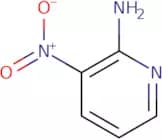

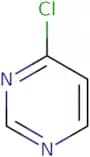
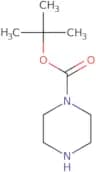
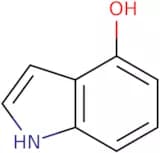
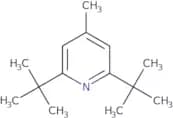
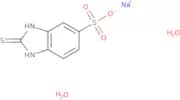
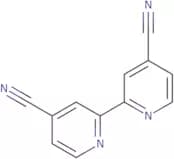
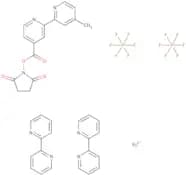
![Pyridin-3-Yl-[4-[3-(Trifluoromethyl)Phenyl]Piperazin-1-Yl]Methanone Dihydrochloride](/_next/image/?url=https%3A%2Fstatic.cymitquimica.com%2Fproducts%2F3D%2Fthumb-webp%2FFP100969.webp&w=3840&q=75)
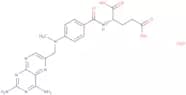
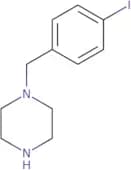
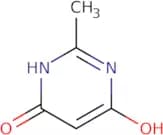
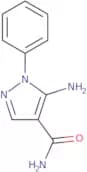
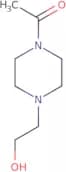
![7,8,9,10-Tetrahydro-8-(trifluoroacetyl)-6,10-methano-6H-pyrazino[2,3-h][3]benzazepine](/_next/image/?url=https%3A%2Fstatic.cymitquimica.com%2Fproducts%2F3D%2Fthumb-webp%2FFT11986.webp&w=3840&q=75)
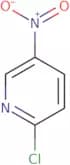
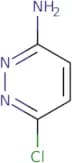
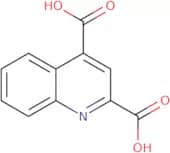
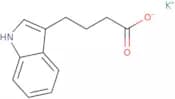
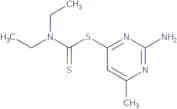
![1-(2-Chloroethyl)-4-[3-(Trifluoromethyl)Phenyl]Piperazine Dihydrochloride](/_next/image/?url=https%3A%2Fstatic.cymitquimica.com%2Fproducts%2F3D%2Fthumb-webp%2FFC29221.webp&w=3840&q=75)
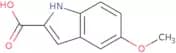

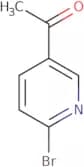
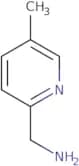
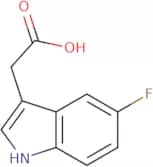

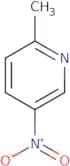
![6-Acetyl-7-methylpyrazolo[1,5-α]pyrimidine-3-carboxylic acid](/_next/image/?url=https%3A%2Fstatic.cymitquimica.com%2Fproducts%2F3D%2Fthumb-webp%2FFA119841.webp&w=3840&q=75)
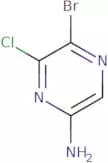
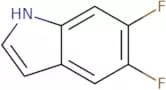
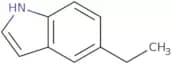
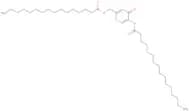
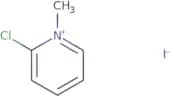
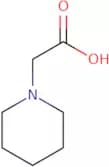
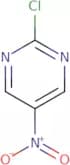
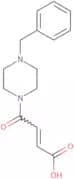
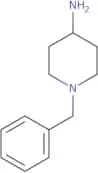

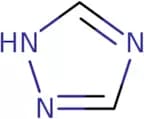
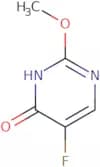
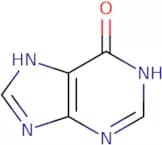
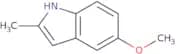
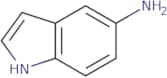
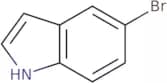
![7-Amino-2-(4-methoxyphenyl)[1,2,4]triazolo[1,5-a]pyrimidin-5(4H)-one](/_next/image/?url=https%3A%2Fstatic.cymitquimica.com%2Fproducts%2F3D%2Fthumb-webp%2FFA134729.webp&w=3840&q=75)
![[2,2':6',2''- Terpyridine]-4'-methanol](/_next/image/?url=https%3A%2Fstatic.cymitquimica.com%2Fproducts%2F3D%2Fthumb-webp%2FFT171190.webp&w=3840&q=75)
![7-[4-(4-Fluorophenyl)-6-(1-methylethyl)-2-(N-methyl-N-methylsulfonyl-amino)-pyrimidin-5-yl]-3,5-di…](/_next/image/?url=https%3A%2Fstatic.cymitquimica.com%2Fproducts%2F3D%2Fthumb-webp%2FFF35383.webp&w=3840&q=75)
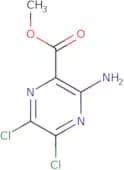

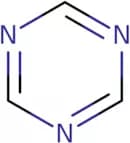
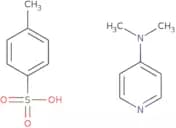
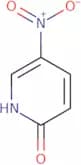

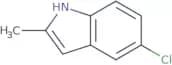
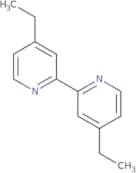
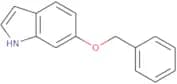
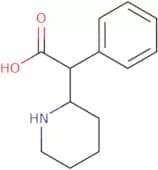
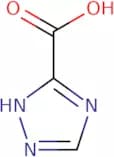
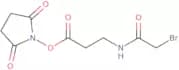

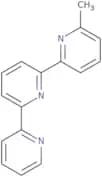
![4,4',4'',4'''-(21H,23H-Porphine-5,10,15,20-tetrayl)tetrakis[benzaldehyde]](/_next/image/?url=https%3A%2Fstatic.cymitquimica.com%2Fproducts%2F3D%2Fthumb-webp%2FFH180948.webp&w=3840&q=75)
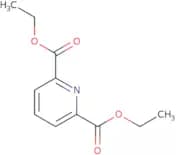

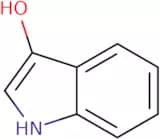
![1-[4-(Pyridin-3-yloxy)phenyl]methanamine dihydrochloride](/_next/image/?url=https%3A%2Fstatic.cymitquimica.com%2Fproducts%2F3D%2Fthumb-webp%2FFP116871.webp&w=3840&q=75)
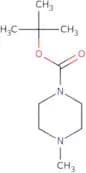
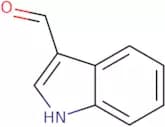


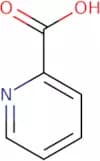

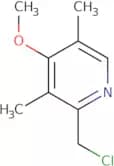
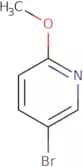
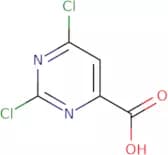

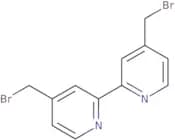
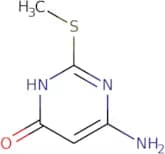
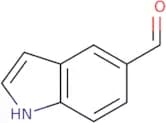
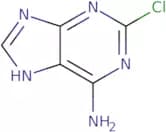
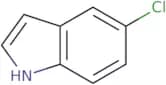
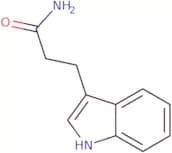
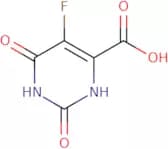
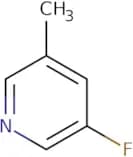
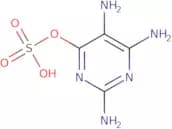
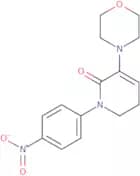
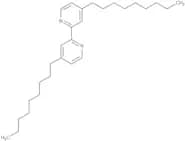
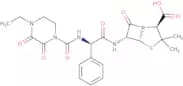
![6-Chloro-imidazo[1,2-b]pyridazine](/_next/image/?url=https%3A%2Fstatic.cymitquimica.com%2Fproducts%2F3D%2Fthumb-webp%2FFC11286.webp&w=3840&q=75)
![4,6-Dichloro-1H-pyrrolo[2,3-b]pyridine](/_next/image/?url=https%3A%2Fstatic.cymitquimica.com%2Fproducts%2F3D%2Fthumb-webp%2FFD144171.webp&w=3840&q=75)


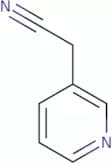
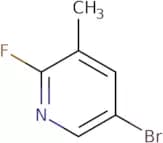
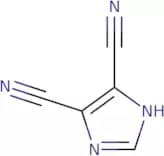
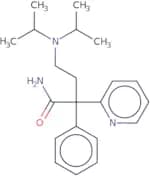

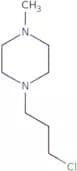
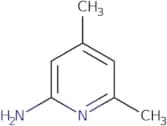
![N-[6-Chloro-5-(2-methoxyphenoxy)-(2,2-bipyrimidine)4-4-yl]-(1,1-dimethylethyl)-benzenesulfonamide](/_next/image/?url=https%3A%2Fstatic.cymitquimica.com%2Fproducts%2F3D%2Fthumb-webp%2FFC20113.webp&w=3840&q=75)
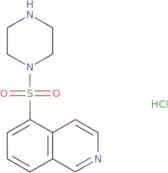
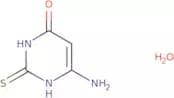
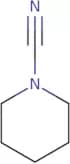

![Ethyl (1,3,6-trimethyl-2,4-dioxo-2,3,4,7-tetrahydro-1H-pyrrolo[2,3-d]pyrimidin-5-yl)acetate](/_next/image/?url=https%3A%2Fstatic.cymitquimica.com%2Fproducts%2F3D%2Fthumb-webp%2FFE128012.webp&w=3840&q=75)
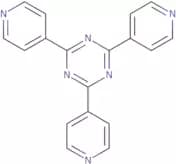
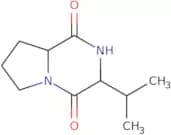

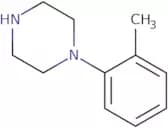
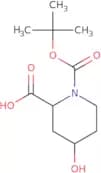
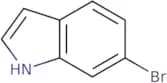
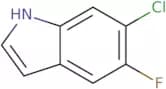
![3-[[(2S,4S)-4-[4-(3-Methyl-1-phenyl-1H-pyrazol-5-yl)-1-piperazinyl]-2-pyrrolidinyl]carbonyl]-thiaz…](/_next/image/?url=https%3A%2Fstatic.cymitquimica.com%2Fproducts%2F3D%2Fthumb-webp%2FFM61598.webp&w=3840&q=75)
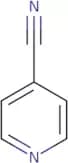
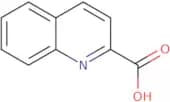
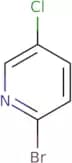
![2,4-Diiodo-6-{[methyl(1-methylpiperidin-4-yl)amino]methyl}phenol oxalate](/_next/image/?url=https%3A%2Fstatic.cymitquimica.com%2Fproducts%2F3D%2Fthumb-webp%2FFD181210.webp&w=3840&q=75)
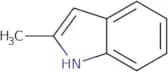
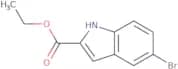
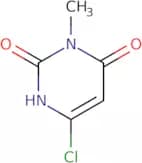



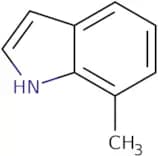
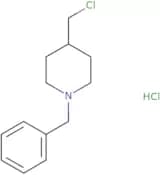
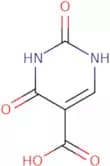
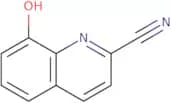
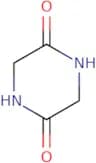

![Ethyl 5-chloropyrazolo[1,5-a]pyrimidine-3-carboxylate](/_next/image/?url=https%3A%2Fstatic.cymitquimica.com%2Fproducts%2F3D%2Fthumb-webp%2FFE44325.webp&w=3840&q=75)

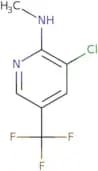
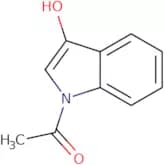
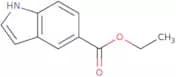
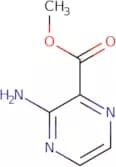
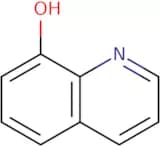
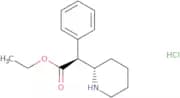
![1H-Pyrrolo[3,2-b]pyridine-7-carboxylic acid](/_next/image/?url=https%3A%2Fstatic.cymitquimica.com%2Fproducts%2F3D%2Fthumb-webp%2FFP167590.webp&w=3840&q=75)
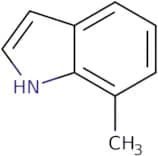
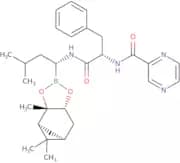

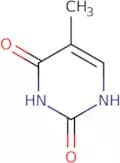
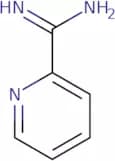
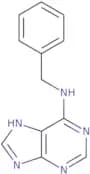
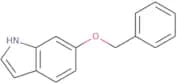

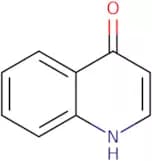

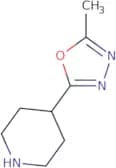
![Imidazo[1,2-α]pyridin-3-yl-boronic acid pinacol ester](/_next/image/?url=https%3A%2Fstatic.cymitquimica.com%2Fproducts%2F3D%2Fthumb-webp%2FFI51745.webp&w=3840&q=75)
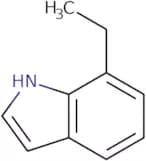
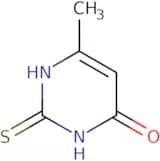
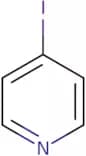

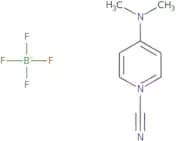
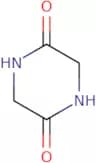
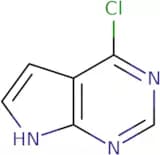
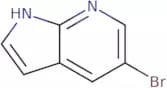
![3-(3-Piperidinopropoxy)-1-[3-(Trifluoromethyl)Phenyl]-1H-Indazole](/_next/image/?url=https%3A%2Fstatic.cymitquimica.com%2Fproducts%2F3D%2Fthumb-webp%2FFP97740.webp&w=3840&q=75)
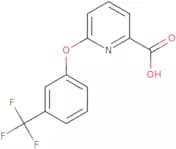
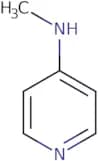

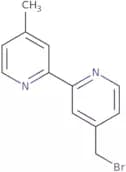

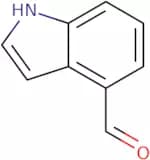
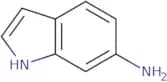
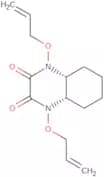
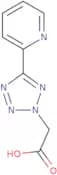
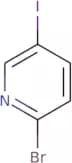
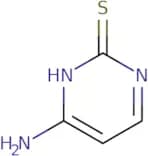
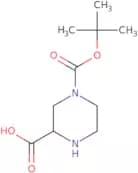
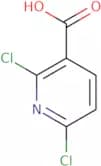
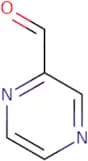


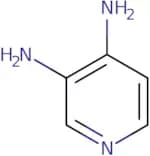
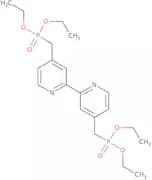
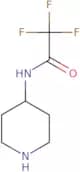
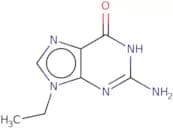
![(2R)-1-(Phenylmethyl)-N-[3-(spiro[isobenzofuran-1(3H),4'-piperidin]-1-yl)propyl-2-pyrrolidinecarbo…](/_next/image/?url=https%3A%2Fstatic.cymitquimica.com%2Fproducts%2F3D%2Fthumb-webp%2FFP73252.webp&w=3840&q=75)

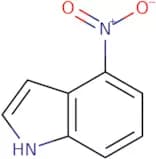
![1-{[1-(2-Chloropyridin-3-yl)-1H-pyrrol-2-yl]carbonyl}-4-(4-fluorophenyl)piperazine](/_next/image/?url=https%3A%2Fstatic.cymitquimica.com%2Fproducts%2F3D%2Fthumb-webp%2FFC128678.webp&w=3840&q=75)