


Eterocicli con azoto (N)
In questa categoria troverete un'ampia varietà di eterocicli contenenti azoto. Gli eterocicli sono catene di carbonio che formano un ciclo in cui almeno una posizione è occupata da un eteroatomo, in questo caso l'azoto. Questi composti sono fondamentali nella sintesi di prodotti farmaceutici, agrochimici e coloranti, offrendo una reattività e una stabilità uniche. Presso CymitQuimica, offriamo un'ampia selezione di eterocicli contenenti azoto di alta qualità per supportare le vostre ricerche e applicazioni industriali.
Sottocategorie di "Eterocicli con azoto (N)"
- Azepan(434 prodotti)
- Benzotriazoli(436 prodotti)
- Diazepine(331 prodotti)
- Imidazoli(4.006 prodotti)
- Imidazoline(385 prodotti)
- Isossazolo(1.077 prodotti)
- Piperazine(3.735 prodotti)
- Piperidine(8.398 prodotti)
- Pirazine(1.299 prodotti)
- Pirazolo(5.919 prodotti)
- Pirazolidina(21 prodotti)
- Pirazolina(142 prodotti)
- Piridazina(856 prodotti)
- Piridine(21.911 prodotti)
- Pirimidina(6.038 prodotti)
- Pirroli(2.440 prodotti)
- Pirrolidine(5.814 prodotti)
- Pirrolina(48 prodotti)
- Pirrolo[1,2-b]piridazina(10 prodotti)
- Tetrazolo(510 prodotti)
- Triazine(462 prodotti)
- Triazoli(1.679 prodotti)
Mostrare 14 più sottocategorie
Trovati 17855 prodotti di "Eterocicli con azoto (N)"
Ordinare per
Purezza (%)
0
100
|
0
|
50
|
90
|
95
|
100
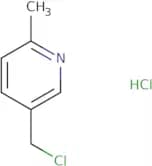
2-Methyl-5-chloromethylpyridineHydrochloride
CAS:<p>Please enquire for more information about 2-Methyl-5-chloromethylpyridineHydrochloride including the price, delivery time and more detailed product information at the technical inquiry form on this page</p>Formula:C7H9Cl2NPurezza:Min. 95%Peso molecolare:178.06 g/molDeschloro amlodipine maleate
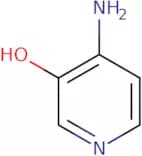
CAS:<p>Please enquire for more information about Deschloro amlodipine maleate including the price, delivery time and more detailed product information at the technical inquiry form on this page</p>Formula:C20H26N2O5•C4H4O4Purezza:Min. 95%Peso molecolare:490.5 g/mol4-Amino-3-hydroxypyridine
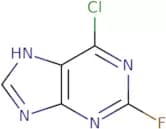
CAS:<p>4-Amino-3-hydroxypyridine is a cholinergic drug that has a dose-proportional profile. This drug has been shown to be clinically relevant in humans, and the clinical studies have demonstrated a clear pharmacokinetic profile. 4-Amino-3-hydroxypyridine is metabolized by carbamic acid to form an active metabolite, which binds acetylcholine receptors on cells. This binding results in increased levels of acetylcholine, which can lead to muscle contraction. The drug also inhibits plasma concentrations of other drugs such as warfarin and phenytoin, which may lead to adverse effects or reduced therapeutic efficacy. 4-Amino-3-hydroxypyridine also has functional groups that make it soluble in water and able to cross the blood–brain barrier. In cell culture experiments, 4-amino-3-hydroxypyridine inhibited the growth of rat striatal neurons.</p>Formula:C5H6N2OPurezza:Min. 95%Colore e forma:Off-White PowderPeso molecolare:110.11 g/mol6-Chloro-2-fluoropurine
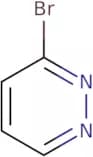
CAS:<p>6-Chloro-2-fluoropurine is an analytical reagent with a monoclonal antibody that binds to the nucleic acid of HL-60 cells and can be used for optical analysis. 6-Chloro-2-fluoropurine has been shown to have significant cytotoxicity against HL-60 cells, which may be due to its ability to bind to intracellular targets. 6-Chloro-2-fluoropurine has also been shown to inhibit the growth of HL-60 cells in a fluorescein angiography study and is used as a diagnostic agent for diagnosis of cancer.</p>Formula:C5H2ClFN4Purezza:Min. 98 Area-%Colore e forma:Off-White PowderPeso molecolare:172.55 g/mol3-Bromopyridazine
CAS:<p>3-Bromopyridazine is a dechlorinated derivative of pyridazine that has been used as an agrochemical. 3-Bromopyridazine can be synthesized by aminocarbonylation at the 3-position, which is a nucleophilic substitution reaction. It has been shown to yield high yields and to react with nucleophiles such as chlorine or heterocycles such as cinnoline. 3-Bromopyridazine can also be obtained by cross coupling of 2-bromoacetophenone with benzaldehyde and pyridine in the presence of copper. The resulting product is then reacted with sodium nitrite in hydrochloric acid to produce 3-bromopyridazine. This compound may have potential use as a chemical intermediate for other compounds, due to its chemical stability and its ability to undergo cross coupling reactions.</p>Formula:C4H3BrN2Purezza:Min. 95%Peso molecolare:158.98 g/mol4-Chloro-N-[2-(1,2-dihydro-2-oxo-4-quinolinyl)ethyl]benzamide
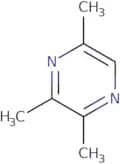
CAS:<p>Please enquire for more information about 4-Chloro-N-[2-(1,2-dihydro-2-oxo-4-quinolinyl)ethyl]benzamide including the price, delivery time and more detailed product information at the technical inquiry form on this page</p>Formula:C18H15ClN2O2Purezza:Min. 95%Peso molecolare:326.78 g/mol2,3,5-Trimethylpyrazine
CAS:<p>2,3,5-Trimethylpyrazine is a volatile organic compound that is used as an aroma to impart a roasted coffee flavor. It has been shown to be synthesized from the reaction of trimethyl and pyruvic acid in an enzymatic reaction using glutamate pyruvate transaminase. 2,3,5-Trimethylpyrazine can be analyzed by capillary gas chromatography with mass spectrometric detection (GC-MS) or high performance liquid chromatography with mass spectrometric detection (HPLC-MS). This compound can also be identified by its synchronous fluorescence emission spectrum. Analysis of this compound's chemical structure revealed a hydroxyl group on the methyl group and a protocatechuic acid moiety on the pyrazine ring. The presence of these functional groups provides evidence for the model system proposed for this molecule. Solid phase microextraction was used to extract 2,3,5-trimethylpyraz</p>Formula:C7H10N2Purezza:Min. 95%Colore e forma:Clear LiquidPeso molecolare:122.17 g/molD-Carnosine trifluoroacetate
CAS:<p>Please enquire for more information about D-Carnosine trifluoroacetate including the price, delivery time and more detailed product information at the technical inquiry form on this page</p>Formula:C9H14N4O3•(C2HF3O2)xPurezza:Min. 95%N-α-Fmoc-β-(1-boc-piperidin-4-yl)-dl-alanine
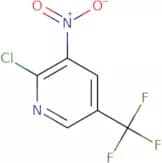
CAS:<p>Please enquire for more information about N-alpha-Fmoc-beta-(1-boc-piperidin-4-yl)-dl-alanine including the price, delivery time and more detailed product information at the technical inquiry form on this page</p>Formula:C28H34N2O6Purezza:Min. 95%Peso molecolare:494.58 g/mol2-chloro-3-nitro-5-(trifluoromethyl)pyridine
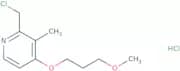
CAS:<p>Please enquire for more information about 2-chloro-3-nitro-5-(trifluoromethyl)pyridine including the price, delivery time and more detailed product information at the technical inquiry form on this page</p>Formula:C6H2ClF3N2O2Purezza:Min. 95%Peso molecolare:226.54 g/mol2-Chloromethyl-4-(3-methoxypropoxy)-3-methylpyridine hydrochloride
CAS:<p>Please enquire for more information about 2-Chloromethyl-4-(3-methoxypropoxy)-3-methylpyridine hydrochloride including the price, delivery time and more detailed product information at the technical inquiry form on this page</p>Formula:C11H17Cl2NO2Purezza:Min. 95%Peso molecolare:266.16 g/mol4-Amino-N-(4-methylpyrimidin-2-yl)benzenesulfonamide
CAS:<p>4-Amino-N-(4-methylpyrimidin-2-yl)benzenesulfonamide (AMBPS) is a sulfonamide antimicrobial agent that belongs to the group of sulfa drugs. It is a potent inhibitor of tetracycline resistance in bacterial cells, and has been shown to be effective against infectious diseases such as tuberculosis, leprosy and pneumonia. AMBPS has also been used in wastewater treatment and biological studies with high values. This drug binds to sulfamerazine, which inhibits bacterial growth by inhibiting RNA synthesis. The hydrogen bonding interactions between AMBPS and sulfadiazine are thought to be responsible for the effects on congestive heart failure.</p>Formula:C11H12N4O2SPurezza:Min. 95%Peso molecolare:264.3 g/mol3-(cis-4-(2-(4-(2,3-Dichlorophenyl)piperazin-1-yl)ethyl)cyclohexyl)-1,1-dimethylurea
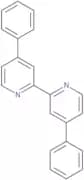
CAS:<p>Please enquire for more information about 3-(cis-4-(2-(4-(2,3-Dichlorophenyl)piperazin-1-yl)ethyl)cyclohexyl)-1,1-dimethylurea including the price, delivery time and more detailed product information at the technical inquiry form on this page</p>Formula:C21H32Cl2N4OPurezza:Min. 95%Peso molecolare:427.41 g/mol4,4'-Diphenyl-2,2'-bipyridine
CAS:<p>4,4'-Diphenyl-2,2'-bipyridine is a ligand that can be used to produce more efficient magnesium peroxide catalysts. The efficiency of the catalyst was found to increase with increasing concentrations of the ligand. 4,4'-Diphenyl-2,2'-bipyridine has been shown to bind strongly to chloride ions and may have potential applications in animal health as a supplement. This compound is also useful in electrochemical data studies because it has a relatively high oxidation potential and electrochemical stability. It can also be used for photophysical studies due to its strong fluorescence. 4,4'-Diphenyl-2,2'-bipyridine can be synthesized by reacting carbon tetrachloride with an animal or vegetable oil or fat.</p>Formula:C22H16N2Purezza:Min. 95 Area-%Colore e forma:PowderPeso molecolare:308.38 g/mol3-Pyridineboronic acid
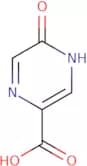
CAS:<p>3-Pyridineboronic acid is an antimicrobial agent that is used to treat bacterial and fungal infections. 3-Pyridineboronic acid is a prodrug that is metabolized to its active form, pyridinium boronate. This drug has been shown to be effective in the treatment of hypoxic tumors in mice, which are resistant to other anticancer drugs. 3-Pyridineboronic acid also has acidic properties and can be used as an antiseptic for the treatment of skin and eye infections. It can also be used as a hydrogen bonding partner when combined with halides, such as chloride or bromide ions. The drug binds to human serum proteins and forms an acidic complex that prevents bacterial growth by inhibiting protein synthesis. 3-Pyridineboronic acid also inhibits prostate cancer cells by competitively inhibiting the enzyme 4-pyridinylboronic acid reductase (4PBAR).</p>Formula:C5H6BNO2Purezza:Min. 95%Peso molecolare:122.92 g/mol5-Hydroxypyrazine-2-carboxylic acid
CAS:<p>5-Hydroxypyrazine-2-carboxylic acid is a drug that inhibits the activation of proteins involved in cell signaling pathways. It has been shown to have an inhibitory effect on the activation of protein kinase C, which plays a key role in the proliferation and differentiation of cells. 5-Hydroxypyrazine-2-carboxylic acid also inhibits sorafenib, a drug used for the treatment of cancer. Sorafenib is metabolized in rats by cytochrome P450 (CYP) enzymes, which are found in human liver tissue as well. The metabolism rate of sorafenib can be reduced by coadministration with caffeine or other substances that induce CYP activity. 5-Hydroxypyrazine-2-carboxylic acid is not active against pyrazinoic acid and pyrazine-2 carboxylate, which are metabolites produced by CYP enzymes.</p>Formula:C5H4N2O3Purezza:Min. 98 Area-%Colore e forma:Brown PowderPeso molecolare:140.1 g/mol2,5-Dibromopyridine
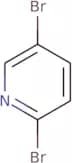
CAS:<p>2,5-Dibromopyridine is a chemical compound that can be used as a coupling agent in palladium-catalyzed cross-coupling reactions. It is used on the surface of metal particles to increase the efficiency of the reaction, and has been shown to react with substrates such as sodium hydroxide solution, sodium carbonate, halides and hydroxides. 2,5-Dibromopyridine also reacts with benzoate to form a palladium complex. 2,5-Dibromopyridine can be used as an oxidant or reductant depending on the type of reaction it is being used in. It has redox potentials at -0.6 volts for oxidation and +0.6 volts for reduction.</p>Formula:C5H3Br2NPurezza:Min. 95%Colore e forma:PowderPeso molecolare:236.89 g/mol4-Cbz-(R)-2-methylpiperazine
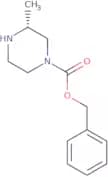
CAS:<p>Please enquire for more information about 4-Cbz-(R)-2-methylpiperazine including the price, delivery time and more detailed product information at the technical inquiry form on this page</p>Formula:C13H18N2O2Purezza:Min. 95%Peso molecolare:234.29 g/mol1,1',1''-(1,3,5-Triazinane-1,3,5-triyl)tris(2-bromoethan-1-one)
CAS:<p>Please enquire for more information about 1,1',1''-(1,3,5-Triazinane-1,3,5-triyl)tris(2-bromoethan-1-one) including the price, delivery time and more detailed product information at the technical inquiry form on this page</p>Formula:C9H12Br3N3O3Purezza:Min. 95%Colore e forma:PowderPeso molecolare:449.82 g/molPiperazinoacetic acid anilide dihydrochloride
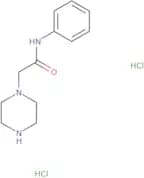
CAS:<p>Piperazinoacetic acid anilide dihydrochloride is a high quality, reagent compound which can be used as a useful intermediate or a speciality chemical. Piperazinoacetic acid anilide dihydrochloride is a complex compound that has been shown to have a number of useful properties, such as being an effective building block for the synthesis of other compounds. It can also be used as a reaction component in the preparation of fine chemicals and research chemicals. This product is also versatile, allowing it to be built into different scaffolds to create new compounds.</p>Formula:C12H17N3O•(HCl)2Purezza:Min. 95%Peso molecolare:292.2 g/molN-Methyl-4-oxo-4,5-dihydropyridine-3-carboxamide
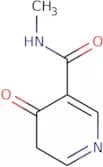
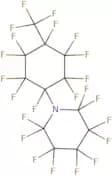
CAS:<p>N-Methyl-4-oxo-4,5-dihydropyridine-3-carboxamide is a fine chemical that can be used as a reagent or intermediate. It is a versatile building block that can be used in the production of useful scaffolds or useful intermediates. This compound has been shown to react with many different types of chemicals, including alcohols and amines. N-Methyl-4-oxo-4,5-dihydropyridine-3-carboxamide can also be used as a reaction component in the synthesis of diverse compounds.</p>Formula:C7H8N2O2Purezza:Min. 95%Colore e forma:White to grey solid.Peso molecolare:152.15 g/molPerfluoro-N-(4-methylcyclohexyl)piperidine
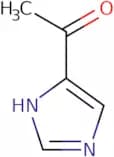
CAS:Prodotto controllato<p>Perfluoro-N-(4-methylcyclohexyl)piperidine (4-FPP) is a fluorine compound that has been shown to inhibit the enzymatic activity of tyrosine kinases. It is a potent inhibitor of both human and murine tyrosine kinases, but it does not bind to bacterial tyrosine kinase domains. 4-FPP has been used in clinical studies as an anti-cancer drug, although it's clinical relevance remains unclear. It has also been shown to be effective against the influenza virus by inhibiting the synthesis of viral proteins that are involved in replication. The chemical structure of 4-FPP contains a carbonyl group that can react with other compounds through a photochemical process. This reaction is thought to result in the development of new drugs with similar biochemical properties to 4-FPP.</p>Formula:C12F23NPurezza:Min. 95%Colore e forma:Clear LiquidPeso molecolare:595.1 g/mol4-Acetylimidazole
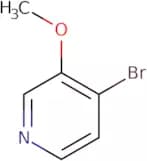
CAS:<p>4-Acetylimidazole is a histidine analogue that has been shown to have anticancer activity in breast cancer cells. It can react with amines and form imidazoles. The hydroxyl group on the 4-position of the imidazole ring is able to undergo dehydration, which leads to the formation of a chloride ion. This reaction mechanism is reversible and can be used in organic synthesis. 4-Acetylimidazole can also act as an h2 receptor antagonist, although it does not bind to the zwitterionic site of the h2 receptor. NMR spectra show that 4-acetylimidazole exists as a zwitterion in water solution, but becomes a monovalent ion when dissolved in an organic solvent such as methanol or acetone. 4-Acetylimidazole is chemically stable and does not react with poloxamer.</p>Formula:C5H6N2OPurezza:Min. 95%Colore e forma:Yellow PowderPeso molecolare:110.11 g/mol4-Bromo-3-methoxypyridine
CAS:<p>Please enquire for more information about 4-Bromo-3-methoxypyridine including the price, delivery time and more detailed product information at the technical inquiry form on this page</p>Formula:C6H6BrNOPurezza:Min. 95%Peso molecolare:188.02 g/mol4-Hydroxy-6-mercaptopyrazolo[3,4-d]pyrimidine
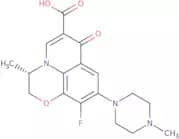
CAS:<p>4-Hydroxy-6-mercaptopyrazolo[3,4-d]pyrimidine is a pyrimidine compound that is a competitive inhibitor of xanthine oxidase (XO) with an IC50 of 0.5 μM. It binds reversibly to the XO enzyme and reverses the effect of the enzyme, thereby inhibiting the production of uric acid. 4-Hydroxy-6-mercaptopyrazolo[3,4-d]pyrimidine does not bind to any other enzymes in the body or affect serum protein levels, which makes it an ideal drug for patients with gout who are at risk for developing renal failure. The drug has been shown to be effective in animal models and is currently undergoing clinical trials in humans.</p>Formula:C5H4N4OSPurezza:Min. 95%Colore e forma:PowderPeso molecolare:168.18 g/mol9-Piperazino levofloxacin
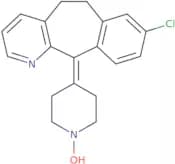
CAS:<p>Please enquire for more information about 9-Piperazino levofloxacin including the price, delivery time and more detailed product information at the technical inquiry form on this page</p>Formula:C18H20FN3O4Purezza:Min. 95%Peso molecolare:361.37 g/molDesloratadine N-hydroxypiperidine
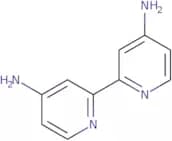
CAS:<p>Desloratadine N-hydroxypiperidine is a drug that is used to treat allergic rhinitis and urticaria. It belongs to the class of antihistamines, which block the activity of histamine in the body. Desloratadine N-hydroxypiperidine is a prodrug that has a piperidine moiety attached to its side chain. This prodrug is metabolized into desloratadine, its active form, by esterase enzymes in the liver and blood plasma. The onset of action is rapid after oral administration and the duration of action is 12 hours or more. Desloratadine N-hydroxypiperidine has shown linearity over a wide range of pH values (pH 1 to 10) and ionic strengths (0.1 M to 0.5 M). Optimization was achieved by adjusting elution time, ion-pairing agent, mobile phase composition, organic modifier concentration and column particle</p>Formula:C19H19ClN2OPurezza:Min. 95%Peso molecolare:326.82 g/mol4,4'-Diamino-2,2'-bipyridine
CAS:<p>4,4'-Diamino-2,2'-bipyridine (DABP) is a redox-active compound that is synthesized to be used as a single-stranded DNA probe. It has been shown to have high affinity for nucleic acids and can be used in many applications including the detection of mutations in human ovarian carcinoma cells. DABP can also be used as a model protein for studying interactions with other biomolecules. The immobilization of DABP on an electrode surface allows for the study of its electrochemical properties. This includes the correlation between the redox potential and luminescence intensity and the dependence on pH or ionic strength. DABP can also be used to detect oxygen concentration or ATP levels in mitochondria through its ability to absorb light at wavelengths from 400 nm to 800 nm which is then converted into light at lower wavelengths by uv irradiation.</p>Formula:C10H10N4Purezza:Min. 97 Area-%Colore e forma:White PowderPeso molecolare:186.21 g/mol11-(1-Piperazinyl)-dibenzo[b,f][1,4]thiazepine dihydrochloride
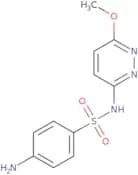
CAS:<p>11-(1-Piperazinyl)-dibenzo[b,f][1,4]thiazepine dihydrochloride is a long-acting drug that has been synthesized as an analog of diazepam. The compound is characterized by high diffraction, interaction and evaporation constants and low molecular weight. It is soluble in water and methanol. 11-(1-Piperazinyl)-dibenzo[b,f][1,4]thiazepine dihydrochloride has been shown to have a constant pharmacokinetic profile and high chemical stability in vivo.</p>Formula:C17H17N3S·2HClPurezza:Min. 98 Area-%Colore e forma:White Off-White PowderPeso molecolare:368.32 g/molSulfamethoxypyridazine
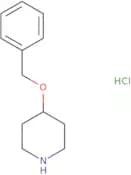
CAS:<p>Sulfamethoxypyridazine is a sulfa drug that inhibits bacterial growth by inhibiting the synthesis of folic acid, which is essential for DNA and RNA production. It has been shown to be effective in the treatment of urinary infections and infectious diseases. Sulfamethoxypyridazine interacts with other drugs, such as oral contraceptives, to increase their blood levels. This drug also has a matrix effect on urine samples, which can be used to detect the presence of bacteria. The matrix effect is due to its hydrophobic nature and ability to form aggregates with other compounds. Sulfamethoxypyridazine is used in wastewater treatment plants as an analytical method for nitrogen atoms.</p>Formula:C11H12N4O3SPurezza:Min. 95%Peso molecolare:280.3 g/mol4-(Benzyloxy)piperidine HCl
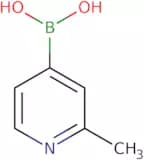
CAS:<p>4-(Benzyloxy)piperidine HCl is a versatile building block that is used in the synthesis of complex compounds such as research chemicals, reagents and speciality chemicals. 4-(Benzyloxy)piperidine HCl is also a useful intermediate in organic synthesis and can be used as a reaction component. 4-(Benzyloxy)piperidine HCl has CAS number 81151-68-0 and is a useful scaffold for chemical syntheses.</p>Formula:C12H17NOHClPurezza:Min. 95%Colore e forma:White PowderPeso molecolare:227.73 g/mol2-Methylpyridine-4-boronic acid
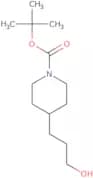
CAS:<p>2-Methylpyridine-4-boronic acid is a reactive molecule that has been used in post-column derivatization and vivo studies. It has been shown to be reactive with mass spectrometric analysis, cancer assays, proteomics, and tumorigenic sample preparation. It also has been shown to have a molecular target of the cytochrome P450 reductase (CPR), which is involved in the metabolism of drugs and other xenobiotics. 2-Methylpyridine-4-boronic acid binds to CPR and inhibits its enzymatic activity, thereby affecting the metabolism of xenobiotics.</p>Formula:C6H8BNO2Purezza:Min. 95%Colore e forma:White PowderPeso molecolare:136.94 g/molTert-butyl 4-(3-hydroxypropyl)tetrahydro-1(2H)-pyridinecarboxylate
CAS:<p>Please enquire for more information about Tert-butyl 4-(3-hydroxypropyl)tetrahydro-1(2H)-pyridinecarboxylate including the price, delivery time and more detailed product information at the technical inquiry form on this page</p>Formula:C13H25NO3Purezza:Min. 95%Peso molecolare:243.34 g/mol4-[(4-Methylpiperazin-1-yl)methyl]benzoic acid
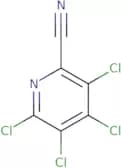
CAS:<p>4-[(4-Methylpiperazin-1-yl)methyl]benzoic acid is an organic compound. It is a white solid that is insoluble in water but soluble in organic solvents. The molecule has a molecular weight of 224.8 g/mol and contains a carbonyl group and amine functional groups. 4-[(4-Methylpiperazin-1-yl)methyl]benzoic acid can be prepared by the acylation of 4-(aminomethyl)-benzoic acid with imidazole hydrochloride in the presence of sodium carbonate as a base.</p>Formula:C13H18N2O2Purezza:Min. 95%Peso molecolare:234.29 g/mol2-Cyano-3,4,5,6-tetrachloropyridine
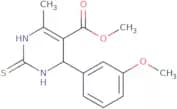
CAS:<p>2-Cyano-3,4,5,6-tetrachloropyridine is a genotoxic compound that is used for the preparation of picolinic acid. It has been shown to induce DNA damage and cytotoxicity in vitro. The reaction products of this compound have also been found to be genotoxic in vitro and in vivo. This chemical has been shown to inhibit the growth of cells in culture as well as cause cell death by releasing hydrogen chloride gas. 2-Cyano-3,4,5,6-tetrachloropyridine is a potent mutagen and carcinogen that can be activated by fluorine or chlorine compounds. This chemical can also form chlorinated derivatives with chlorine. 2-Cyano-3,4,5,6-tetrachloropyridine reacts with phosphorus pentachloride to produce hydrogen chloride gas and other reaction products such as chloride (Cl) or sublimed (P</p>Formula:C6Cl4N2Purezza:Min. 95%Peso molecolare:241.89 g/molMethyl 4-(3-methoxyphenyl)-6-methyl-2-thioxo-1,2,3,4-tetrahydropyrimidine-5-carboxylate
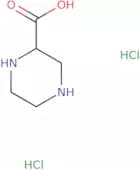
CAS:<p>Please enquire for more information about Methyl 4-(3-methoxyphenyl)-6-methyl-2-thioxo-1,2,3,4-tetrahydropyrimidine-5-carboxylate including the price, delivery time and more detailed product information at the technical inquiry form on this page</p>Formula:C14H16N2O3SPurezza:85%MinPeso molecolare:292.35 g/molPiperazine-2-carboxylic acid dihydrochloride
CAS:<p>Piperazine-2-carboxylic acid dihydrochloride (PZC) is an aminopyrimidine antibiotic that binds to the amine groups of plasma proteins and hydroxyapatite. It has been shown to have a specific interaction with Gram-negative bacteria, such as Escherichia coli and Salmonella typhimurium, as well as cancer cells. PZC can be used as a modifier in the treatment of staphylococcal infections and has been shown to inhibit protein synthesis in mammalian cells. PZC interacts with histidine residues on the surface of bacterial cells and inhibits their growth by binding to sites on DNA called triplexes. This drug also specifically binds to primary amines and reacts with other molecules containing amines such as polyamines, amides, or thiols.</p>Formula:C5H12Cl2N2O2Purezza:Min. 95%Colore e forma:PowderPeso molecolare:203.07 g/moltert-Butyl2-bromo-6,7-dihydrothiazolo[5,4-c]pyridine-5(4H)-carboxylate
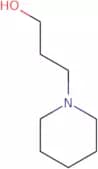
CAS:<p>Please enquire for more information about tert-Butyl2-bromo-6,7-dihydrothiazolo[5,4-c]pyridine-5(4H)-carboxylate including the price, delivery time and more detailed product information at the technical inquiry form on this page</p>Formula:C11H15BrN2O2SPurezza:Min. 95%Peso molecolare:319.22 g/mol3-Piperidin-1-ylpropan-1-ol
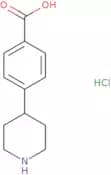
CAS:<p>3-Piperidin-1-ylpropan-1-ol is a substance that is structurally related to biperiden and has affinity for the H3 receptor. It has been shown to have a high affinity for the H3 receptor, which is found in high concentration in the rat brain. 3-Piperidin-1-ylpropan-1-ol has been shown to have antagonistic activity against neuropathic pain in rats, by inhibiting the release of norepinephrine from nerve endings. This substance also has antihistaminic properties, which may be due to its ability to inhibit histamine release. 3-Piperidin-1-ylpropan-1-ol is an enantiomer of piperidine, with a slightly higher affinity for the H3 receptor than its mirror image. The racemic mixture isomeric form (i.e., both enantiomers) inhibits the H3 receptor with an equal potency,</p>Formula:C8H17NOPurezza:Min. 95%Colore e forma:Colorless Clear LiquidPeso molecolare:143.23 g/mol4-(Piperidin-4-yl)benzoic acid hydrochloride
CAS:<p>Please enquire for more information about 4-(Piperidin-4-yl)benzoic acid hydrochloride including the price, delivery time and more detailed product information at the technical inquiry form on this page</p>Formula:C12H16ClNO2Purezza:Min. 95%Peso molecolare:241.71 g/mol1-t-Boc-piperidine-4-spiro-5'-[1',3'-bis-t-boc]-hydantoin
CAS:<p>Please enquire for more information about 1-t-Boc-piperidine-4-spiro-5'-[1',3'-bis-t-boc]-hydantoin including the price, delivery time and more detailed product information at the technical inquiry form on this page</p>Formula:C22H35N3O8Purezza:Min. 95%Peso molecolare:469.53 g/mol2-[(3,5,6-Trichloro-2-pyridinyl)oxy]acetic acid
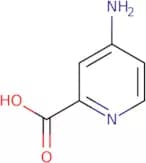
CAS:<p>Carbaryl is a broad-spectrum insecticide that has been used to control pests in homes, gardens, and agricultural fields. It can be found in many products for use around the home, including flea collars and ant traps. Carbaryl is absorbed by plants through their leaves and roots and can affect photosynthetic activity. Carbaryl also affects plant metabolism by inhibiting proximal tubule function, which leads to an increase in urea nitrogen and urine production. Carbaryl can be toxic to humans when ingested or inhaled. The toxicity of carbaryl depends on its route of exposure (oral, inhalation, or skin). Carbaryl is metabolized through a number of metabolic reactions that include oxidation by cytochrome P450 enzymes, reduction by glutathione reductase, or conjugation with glucuronic acid.</p>Formula:C7H4Cl3NO3Purezza:Min. 95%Colore e forma:PowderPeso molecolare:256.47 g/mol4-Aminopicolinic acid
CAS:<p>4-Aminopicolinic acid is a synthetic amine that has been shown to activate plant science. 4-Aminopicolinic acid is a cyclic peptide with two subunits, one of which is 4-amino-3-pyridinecarboxylic acid. This compound has been synthesized from picolinic acid, an agriculturally important compound that is found in plant and animal tissues. The synthesis of 4-aminopicolinic acid involves the reaction of picolinic acid with nitrous oxide, followed by hydrolysis and oxidation to form the desired product. Hplc analyses have confirmed the presence of picolinic acid in extracts from various plants containing this compound.</p>Formula:C6H6N2O2Purezza:Min. 95%Colore e forma:White To Beige Or Pink To Light Brown SolidPeso molecolare:138.12 g/molRC-3095 trifluoroacetate
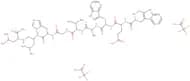
CAS:<p>Please enquire for more information about RC-3095 trifluoroacetate including the price, delivery time and more detailed product information at the technical inquiry form on this page</p>Formula:C56H79N15O9•C2HF3O2Purezza:Min. 95%Peso molecolare:1,220.35 g/mol2,3-Dimethylpyrazine
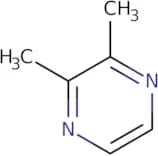
CAS:<p>2,3-Dimethylpyrazine (DMPA) is a compound that belongs to the group of fatty acid derivatives. It has been shown to enhance the transfer of hydrocarbons from water to organic solvents by reducing the surface tension. DMPA also produces hydrogen bonding interactions with ethylene diamine, which leads to increased phase equilibrium and a more efficient transfer mechanism. These interactions may be due to its structural analysis and x-ray crystal structures. The molecule is at a distance of 0.7 Å from the oxygen atoms in ethylene diamine and 2.6 Å from the hydrogen atoms in ethyl decanoate, which are both within hydrogen bond range. This proximity suggests that it will have an increased chance of interacting with these molecules compared to other compounds that do not have this ability.</p>Formula:C6H8N2Purezza:Min. 95%Peso molecolare:108.14 g/mol3-Morpholino-1-(4-(2-oxopiperidin-1-yl)phenyl)-5,6-dihydropyridin-2(1H)-one
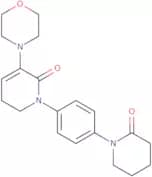
CAS:<p>3-Morpholino-1-(4-(2-oxopiperidin-1-yl)phenyl)-5,6-dihydropyridin-2(1H)-one is a synthetic compound that has been shown to have potent antiplatelet activity. It was developed as a new drug for the prevention of thrombosis and embolism, and was recently approved by the FDA in 2010. The molecular weight of this compound is 459.3 g/mol with an impurity level of 1.2%. 3-Morpholino-1-(4-(2-oxopiperidin-1-yl)phenyl)-5,6-dihydropyridin-2(1H)-one is used in the pulping process for paper production.</p>Formula:C20H25O3N3Purezza:Min. 95%Peso molecolare:355.43 g/mol(R)-4-N-Boc-2-hydroxymethyl-piperazine
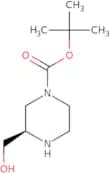
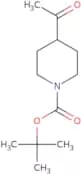
CAS:<p>Please enquire for more information about (R)-4-N-Boc-2-hydroxymethyl-piperazine including the price, delivery time and more detailed product information at the technical inquiry form on this page</p>Formula:C10H20N2O3Purezza:Min. 95%Peso molecolare:216.28 g/mol4-Acetyl-piperidine-1-carboxylic acid tert-butyl ester
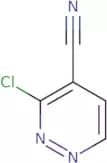
CAS:<p>4-Acetylpiperidine-1-carboxylic acid tert-butyl ester is a tert-butyl ester of 4-acetylpiperidine. It can be prepared by the reaction of sodium azide with chloroform and tert-butyl alcohol. The resulting product is a white solid that can be used as an intermediate in organic synthesis.</p>Formula:C12H21NO3Purezza:Min. 95%Peso molecolare:227.3 g/mol3-Chloropyridazine-4-carbonitrile
CAS:<p>3-Chloropyridazine-4-carbonitrile is an acridone that has been shown to be an effective antibacterial agent. It was synthesized by the intramolecular Diels-Alder reaction of pyridine and 1,3-butadiene, followed by a sequence of reactions involving thioxanthones. 3-Chloropyridazine-4-carbonitrile binds to the bacterial enzyme 50S ribosomal subunit by competitive inhibition and prevents the formation of an antibiotic inhibitor complex with the enzyme cell wall synthesis that is required for cell wall biosynthesis, inhibiting protein synthesis and cell division. 3-Chloropyridazine-4-carbonitrile also has shown activity against methicillin resistant Staphylococcus aureus strains.</p>Formula:C5H2ClN3Purezza:Min. 95%Peso molecolare:139.54 g/mol4,6-Dichloro-1H-pyrazolo[4,3-c]pyridine
CAS:<p>4,6-Dichloro-1H-pyrazolo[4,3-c]pyridine is a reagent that has been used as a building block for the synthesis of other compounds. It is also used in the preparation of a variety of organic compounds. 4,6-Dichloro-1H-pyrazolo[4,3-c]pyridine is soluble in organic solvents such as chloroform and ethanol, and can be stored at room temperature. This compound reacts with acids to produce an acid chloride that are useful for the formation of amides and esters. This product has been shown to have a high quality and is suitable for use in research or development.</p>Formula:C6H3Cl2N3Purezza:Min. 95%Colore e forma:Yellow to beige solid.Peso molecolare:188.01 g/mol

![4-Chloro-N-[2-(1,2-dihydro-2-oxo-4-quinolinyl)ethyl]benzamide](/_next/image/?url=https%3A%2Fstatic.cymitquimica.com%2Fproducts%2F3D%2Fthumb-webp%2FFC184071.webp&w=3840&q=75)




![4-Hydroxy-6-mercaptopyrazolo[3,4-d]pyrimidine](/_next/image/?url=https%3A%2Fstatic.cymitquimica.com%2Fproducts%2F3D%2Fthumb-webp%2FFH09751.webp&w=3840&q=75)
![11-(1-Piperazinyl)-dibenzo[b,f][1,4]thiazepine dihydrochloride](/_next/image/?url=https%3A%2Fstatic.cymitquimica.com%2Fproducts%2F3D%2Fthumb-webp%2FFP32447.webp&w=3840&q=75)
![4-[(4-Methylpiperazin-1-yl)methyl]benzoic acid](/_next/image/?url=https%3A%2Fstatic.cymitquimica.com%2Fproducts%2F3D%2Fthumb-webp%2FFM136767.webp&w=3840&q=75)
![tert-Butyl2-bromo-6,7-dihydrothiazolo[5,4-c]pyridine-5(4H)-carboxylate](/_next/image/?url=https%3A%2Fstatic.cymitquimica.com%2Fproducts%2F3D%2Fthumb-webp%2FFB148706.webp&w=3840&q=75)
![1-t-Boc-piperidine-4-spiro-5'-[1',3'-bis-t-boc]-hydantoin](/_next/image/?url=https%3A%2Fstatic.cymitquimica.com%2Fproducts%2F3D%2Fthumb-webp%2FFB18981.webp&w=3840&q=75)
![2-[(3,5,6-Trichloro-2-pyridinyl)oxy]acetic acid](/_next/image/?url=https%3A%2Fstatic.cymitquimica.com%2Fproducts%2F3D%2Fthumb-webp%2FFT28420.webp&w=3840&q=75)
![4,6-Dichloro-1H-pyrazolo[4,3-c]pyridine](/_next/image/?url=https%3A%2Fstatic.cymitquimica.com%2Fproducts%2F3D%2Fthumb-webp%2FFD35292.webp&w=3840&q=75)