


Building Blocks
Sottocategorie di "Building Blocks"
- Acidi boronici e derivati dell'acido boronico(5.778 prodotti)
- Building Blocks Chirali(1.243 prodotti)
- Building Blocks Idrocarburici(6.099 prodotti)
- Building Blocks organici(61.038 prodotti)
Trovati 205376 prodotti di "Building Blocks"
1-(Pyridin-3-yl)-1H-pyrazole-4-carboxylic acid hydrochloride
CAS:Versatile small molecule scaffold
Formula:C9H8ClN3O2Purezza:Min. 95%Peso molecolare:225.63 g/mol2-(5,6-Difluoro-1H-indol-3-yl)ethan-1-amine hydrochloride
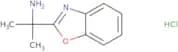
CAS:Prodotto controllatoVersatile small molecule scaffoldFormula:C10H11ClF2N2Purezza:Min. 95%Peso molecolare:232.66 g/mol2-(1,3-Benzoxazol-2-yl)propan-2-amine hydrochloride
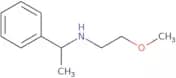
CAS:Versatile small molecule scaffoldFormula:C10H13ClN2OPurezza:Min. 95%Peso molecolare:212.67 g/mol(2-Methoxyethyl)(1-phenylethyl)amine
CAS:Versatile small molecule scaffold
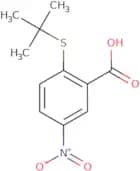
Formula:C11H17NOPurezza:Min. 95%Peso molecolare:179.26 g/mol2-(tert-Butylsulfanyl)-5-nitrobenzoic acid
CAS:Versatile small molecule scaffold
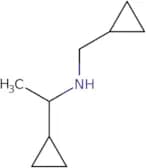
Formula:C11H13NO4SPurezza:Min. 95%Peso molecolare:255.29 g/mol(1-Cyclopropylethyl)(cyclopropylmethyl)amine
CAS:Versatile small molecule scaffold
Formula:C9H17NPurezza:Min. 95%Peso molecolare:139.24 g/mol2-Cyclopropylbenzaldehyde
CAS:Versatile small molecule scaffold
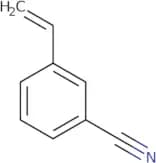
Formula:C10H10OPurezza:Min. 95%Peso molecolare:146.19 g/mol3-Ethenylbenzonitrile
CAS:3-Ethenylbenzonitrile is an organic compound that can be prepared by photolysis of 2-bromobenzonitrile in the presence of a nonpolar solvent. It is also synthesized by laser induced exciplex reaction between benzene and ethylene. 3-Ethenylbenzonitrile has a conformation that is dependent on the polarity of the solvent. In polar solvents, it adopts a bent structure while in nonpolar solvents, it adopts a linear structure. The molecule undergoes cyclobutane formation and then reacts with electron acceptors such as cations to form intermediates. These intermediates react with other molecules to form products.
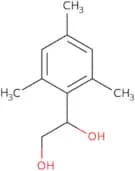
Formula:C9H7NPurezza:Min. 95%Peso molecolare:129.16 g/mol1-(2,4,6-Trimethylphenyl)ethane-1,2-diol
CAS:Versatile small molecule scaffoldFormula:C11H16O2Purezza:Min. 95%Peso molecolare:180.24 g/molrac-(2R,3S)-1-{[(9H-Fluoren-9-yl)methoxy]carbonyl}-3-phenylpyrrolidine-2-carboxylic acid
CAS:Rac-1-{[(9H-fluoren-9-yl)methoxy]carbonyl}-3-phenylpyrrolidine-2-carboxylic acid is a chiral, stereospecific, cyclic sulfate that is synthetized by the reaction of glycol with lactam. It has been found to be effective against various types of cancer cells. Rac-1-{[(9H-fluoren-9-yl)methoxy]carbonyl}-3-phenylpyrrolidine 2 carboxylic acid is an enantiopure compound that can be used as an intermediate in the synthesis of antiinflammatory drugs such as kainic acid.
Formula:C26H23NO4Purezza:Min. 95%Peso molecolare:413.5 g/mol6-bromoimidazo[1,2-a]pyrazin-2-amine
CAS:Versatile small molecule scaffold
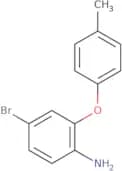
Formula:C6H5BrN4Purezza:Min. 95%Peso molecolare:213 g/mol4-Bromo-2-(4-methylphenoxy)aniline
CAS:Versatile small molecule scaffold
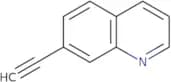
Formula:C13H12BrNOPurezza:Min. 95%Peso molecolare:278.14 g/mol7-Ethynylquinoline
CAS:Versatile small molecule scaffold
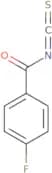
Formula:C11H7NPurezza:Min. 95%Peso molecolare:153.18 g/mol4-Fluorobenzoyl isothiocyanate
CAS:4-Fluorobenzoyl isothiocyanate (FBITC) is a fluorescent molecule that binds to the glutamate receptor. The binding of FBITC to the GluN2B subunit of the NMDA receptor leads to conformational changes in the receptor and decreases its ability to bind glutamate. This process has been shown using x-ray diffraction data, which also showed that FBITC was able to chelate with magnesium ions, indicating a possible allosteric modulator for these receptors.
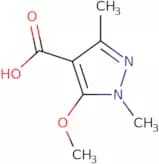
Formula:C8H4FNOSPurezza:Min. 95%Peso molecolare:181.19 g/mol5-Methoxy-1,3-dimethyl-1H-pyrazole-4-carboxylic acid
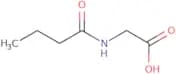
CAS:Versatile small molecule scaffoldFormula:C7H10N2O3Purezza:Min. 95%Peso molecolare:170.17 g/moln-Butyrylglycine
CAS:n-Butyrylglycine is a compound that was first identified in human urine as a metabolite of the amino acid glycine. It is an intermediate in the conversion of glycine to succinic acid, which is required for the production of energy in mitochondria. Deficiency of this enzyme causes mitochondrial dysfunction and leads to various metabolic disorders including fatty acid oxidation disorders and homocysteine metabolism defects. n-Butyrylglycine can be detected by gas chromatography or liquid chromatography with mass spectrometry detection.
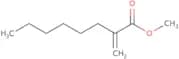
Formula:C6H11NO3Purezza:Min. 95%Peso molecolare:145.16 g/molMethyl 2-methylideneoctanoate
CAS:Versatile small molecule scaffold
Formula:C10H18O2Purezza:Min. 95%Peso molecolare:170.25 g/mol2-(2-Hydroxy-5-methoxyphenyl)-2-oxoacetic acid
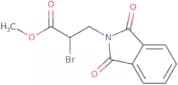
CAS:Versatile small molecule scaffoldFormula:C9H8O5Purezza:Min. 95%Peso molecolare:196.2 g/molMethyl 2-bromo-3-(1,3-dioxo-2,3-dihydro-1H-isoindol-2-yl)propanoate
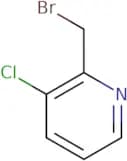
CAS:Versatile small molecule scaffoldFormula:C12H10BrNO4Purezza:Min. 95%Peso molecolare:312.12 g/mol2-(bromomethyl)-3-chloropyridine
CAS:Versatile small molecule scaffold
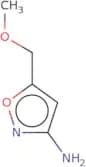
Formula:C6H5BrClNPurezza:Min. 95%Peso molecolare:206.47 g/mol5-(Methoxymethyl)-1,2-oxazol-3-amine
CAS:Versatile small molecule scaffold
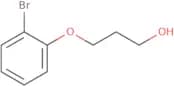
Formula:C5H8N2O2Purezza:Min. 95%Peso molecolare:128.1 g/mol3-(2-Bromophenoxy)propan-1-ol
CAS:Versatile small molecule scaffold
Formula:C9H11BrO2Purezza:Min. 95%Peso molecolare:231.09 g/mol3-(Methylsulfonyl)benzyl alcohol
CAS:3-(Methylsulfonyl)benzyl alcohol is a ketone that inhibits the catalytic hydrogenation of benzyl groups. It also has been shown to be an antagonist of β-adrenergic receptors. 3-(Methylsulfonyl)benzyl alcohol is used as a catalyst in catalytic bromination and has also been shown to have anti-inflammatory properties.
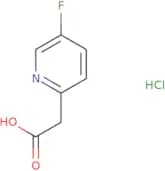
Formula:C8H10O3SPurezza:Min. 95%Peso molecolare:186.23 g/mol2-(5-Fluoropyridin-2-yl)acetic acid hydrochloride
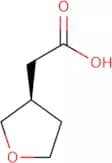
CAS:Versatile small molecule scaffoldFormula:C7H7ClFNO2Purezza:Min. 95%Peso molecolare:191.59 g/mol(R)-2-(Tetrahydrofuran-3-yl)acetic Acid
CAS:Versatile small molecule scaffold
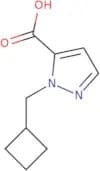
Formula:C6H10O3Purezza:Min. 95%Peso molecolare:130.14 g/mol1-(Cyclobutylmethyl)-1H-pyrazole-5-carboxylic acid
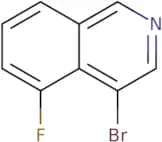
CAS:Versatile small molecule scaffoldFormula:C9H12N2O2Purezza:Min. 95%Peso molecolare:180.2 g/mol4-Bromo-5-fluoro-isoquinoline
CAS:Versatile small molecule scaffold
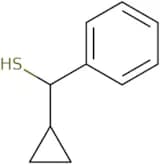
Formula:C9H5BrFNPurezza:Min. 95%Peso molecolare:226.04 g/molCyclopropyl(phenyl)methanethiol
CAS:Versatile small molecule scaffold
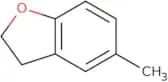
Formula:C10H12SPurezza:Min. 95%Peso molecolare:164.27 g/mol5-Methyl-2,3-dihydro-1-benzofuran
CAS:Versatile small molecule scaffold
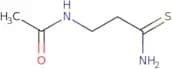
Formula:C9H10OPurezza:Min. 95%Peso molecolare:134.17 g/molN-(2-Carbamothioylethyl)acetamide
CAS:Versatile small molecule scaffold
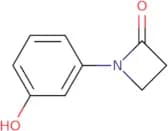
Formula:C5H10N2OSPurezza:Min. 95%Peso molecolare:146.21 g/mol1-(3-Hydroxyphenyl)azetidin-2-one
CAS:Versatile small molecule scaffold
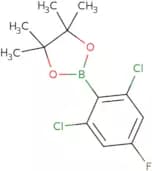
Formula:C9H9NO2Purezza:Min. 95%Peso molecolare:163.17 g/mol2-(2,6-Dichloro-4-fluorophenyl)-4,4,5,5-tetramethyl-1,3,2-dioxaborolane
CAS:Versatile small molecule scaffold
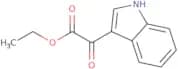
Formula:C12H14BCl2FO2Purezza:Min. 95%Peso molecolare:291 g/molEthyl 2-(indol-3-yl)-2-oxoacetate
CAS:Ethyl 2-(indol-3-yl)-2-oxoacetate is a hydroxy derivative of the amino acid tyrosine. It inhibits the enzyme tyrosine hydroxylase, which catalyzes the conversion of tyrosine to L-DOPA. This in turn affects dopamine synthesis and has an inhibitory effect on rat brain. Ethyl 2-(indol-3-yl)-2-oxoacetate also inhibits methylmagnesium borohydride in vitro, which is a reagent that breaks down esters, amides, and nitriles. Tyrosine hydroxylase is inhibited by the presence of two hydroxy groups on the ethyl side chain and one hydroxy group on the indole ring. It can be used as a structural analogue for other drugs that are used to treat Parkinson's disease or depression.
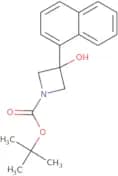
Formula:C12H11NO3Purezza:Min. 95%Peso molecolare:217.22 g/moltert-Butyl 3-hydroxy-3-(naphthalen-1-yl)azetidine-1-carboxylate
CAS:Versatile small molecule scaffold
Formula:C18H21NO3Purezza:Min. 95%Peso molecolare:299.4 g/mol2-[(4-Methylpiperazin-1-yl)methyl]-1H-1,3-benzodiazol-6-amine
CAS:Versatile small molecule scaffold
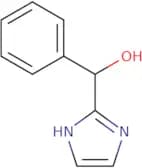
Formula:C13H19N5Purezza:Min. 95%Peso molecolare:245.32 g/mol1H-Imidazol-2-yl(phenyl)methanol
CAS:Versatile small molecule scaffold
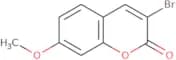
Formula:C10H10N2OPurezza:Min. 95%Peso molecolare:174.2 g/mol3-Bromo-7-methoxy-2H-1-benzopyran-2-one
CAS:3-Bromo-7-methoxy-2H-1-benzopyran-2-one is a coumarin derivative that has been shown to cause liver lesions in rats. The compound can also inhibit locomotor activity, as well as have a significant effect on the levels of serum prolactin. 3-Bromo-7-methoxy-2H-1-benzopyran-2-one is a ligand for the 5HT2 receptor, and it has been suggested that this may be due to its coordination geometry. In addition, 3BMOP binds to DNA with high affinity and specificity, which suggests that it could be used as an antitumor agent.
Formula:C10H7BrO3Purezza:Min. 95%Peso molecolare:255.06 g/molN-[(4-Chlorophenyl)methyl]-4,5-dihydro-1,3-thiazol-2-amine
CAS:Versatile small molecule scaffold
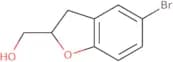
Formula:C10H11ClN2SPurezza:Min. 95%Peso molecolare:226.73 g/mol(5-Bromo-2,3-dihydro-1-benzofuran-2-yl)methanol
CAS:Versatile small molecule scaffold
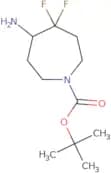
Formula:C9H9O2BrPurezza:Min. 95%Peso molecolare:229.07 g/moltert-Butyl 5-amino-4,4-difluoroazepane-1-carboxylate
CAS:Versatile small molecule scaffold
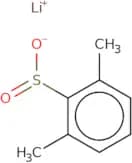
Formula:C11H20F2N2O2Purezza:Min. 95%Peso molecolare:250.29 g/mol2,6-dimethylbenzene-1-sulfinate lithium
CAS:Versatile small molecule scaffoldFormula:C8H9LiO2SPurezza:Min. 95%Peso molecolare:176.2 g/molMethyl 3-tert-butyl-1,2,3,4-tetrahydroquinoline-6-carboxylate hydrochloride
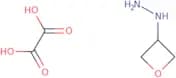
CAS:Versatile small molecule scaffoldFormula:C15H22ClNO2Purezza:Min. 95%Peso molecolare:283.8 g/mol(Oxetan-3-yl)hydrazine, oxalic acid
CAS:Versatile small molecule scaffold
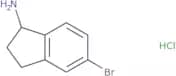
Formula:C5H10N2O5Purezza:Min. 95%Peso molecolare:178.1 g/mol5-bromo-2,3-dihydro-1H-inden-1-amine hydrochloride
CAS:Prodotto controllatoVersatile small molecule scaffoldFormula:C9H11BrClNPurezza:Min. 95%Peso molecolare:248.5 g/mol1-[(2-aminophenyl)methyl]pyrrolidin-2-one hydrochloride
CAS:Versatile small molecule scaffold
Formula:C11H15ClN2OPurezza:Min. 95%Peso molecolare:226.7 g/mol2-(3-Amino-2-oxopiperidin-1-yl)acetic acid hydrochloride
CAS:Versatile small molecule scaffold
Formula:C7H13ClN2O3Purezza:Min. 95%Peso molecolare:208.6 g/mol2-isopropyltetrahydro-4H-pyran-4-one
CAS:Versatile small molecule scaffoldFormula:C8H14O2Purezza:Min. 95%Peso molecolare:142.19 g/mol(2S)-2-Amino-4-(aminooxy)butanoic acid dihydrochloride
CAS:Versatile small molecule scaffold
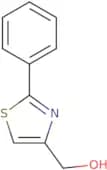
Formula:C4H12Cl2N2O3Purezza:Min. 95%Peso molecolare:207.1 g/mol4-(Hydroxymethyl)-2-phenyl-1,3-thiazole
CAS:4-(Hydroxymethyl)-2-phenyl-1,3-thiazole is a versatile compound that has various applications in research and chemical synthesis. It is commonly used as a building block for the synthesis of organic compounds, including antibodies and research chemicals. This compound has been found to exhibit potent antiangiogenic properties, making it valuable in the field of cancer research. Additionally, 4-(Hydroxymethyl)-2-phenyl-1,3-thiazole can be used as a precursor in the synthesis of important pharmaceuticals such as cephalosporins and taxol. Its unique structure allows for diverse chemical reactions, making it an essential tool for chemists and researchers alike. Whether you're working on developing new drugs or exploring novel chemical reactions, 4-(Hydroxymethyl)-2-phenyl-1,3-thiazole is an indispensable compound that will help drive your scientific endeavors forward.
Formula:C10H9NOSPurezza:Min. 95%Peso molecolare:191.25 g/mol5-Amino-1-methyl-1,2,3,4-tetrahydropyrimidine-2,4-dione
CAS:Versatile small molecule scaffoldFormula:C5H7N3O2Purezza:Min. 95%Peso molecolare:141.13 g/mol3-(Hydroxymethyl)-1,2,3,4-tetrahydroquinoxalin-2-one
CAS:Versatile small molecule scaffold
Formula:C9H10N2O2Purezza:Min. 95%Peso molecolare:178.19 g/mol1-(3-Methoxyphenyl)-2-methylpropan-2-amine
CAS:Prodotto controllatoVersatile small molecule scaffold
Formula:C11H17NOPurezza:Min. 95%Peso molecolare:179.26 g/mol1-(1-Methylpiperidin-4-yl)-1H-pyrazol-4-amine hydrochloride
CAS:Versatile small molecule scaffold
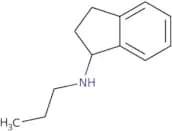
Formula:C9H17ClN4Purezza:Min. 95%Peso molecolare:216.71 g/molN-Propyl-2,3-dihydro-1H-inden-1-amine
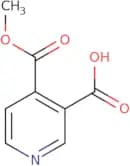
CAS:Prodotto controllatoVersatile small molecule scaffoldFormula:C12H17NPurezza:Min. 95%Peso molecolare:175.27 g/mol4-(Methoxycarbonyl)nicotinic acid
CAS:Versatile small molecule scaffold
Formula:C8H7NO4Purezza:Min. 95%Peso molecolare:181.15 g/molN-{1-[4-(1H-1,2,4-Triazol-1-yl)phenyl]ethylidene}hydroxylamine
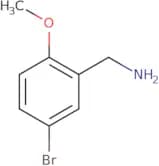
CAS:Versatile small molecule scaffoldFormula:C10H10N4OPurezza:Min. 95%Peso molecolare:202.21 g/mol(5-bromo-2-methoxyphenyl)methanamine
CAS:Versatile small molecule scaffold
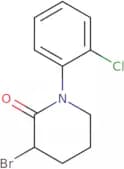
Formula:C8H10BrNOPurezza:Min. 95%Peso molecolare:216.1 g/mol3-Bromo-1-(2-chlorophenyl)piperidin-2-one
CAS:Versatile small molecule scaffold
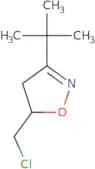
Formula:C11H11BrClNOPurezza:Min. 95%Peso molecolare:288.57 g/mol3-tert-Butyl-5-(chloromethyl)-4,5-dihydro-1,2-oxazole
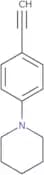
CAS:Versatile small molecule scaffoldFormula:C8H14ClNOPurezza:Min. 95%Peso molecolare:175.65 g/mol4'-N-Piperidinophenyl acetylene
CAS:Versatile small molecule scaffold
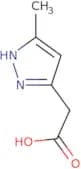
Formula:C13H15NPurezza:Min. 95%Peso molecolare:185.27 g/mol2-(5-Methyl-1H-pyrazol-3-yl)acetic acid
CAS:Versatile small molecule scaffoldFormula:C6H8N2O2Purezza:Min. 95%Peso molecolare:140.14 g/mol[2-(Propan-2-yloxy)pyridin-4-yl]methanamine
CAS:Versatile small molecule scaffold
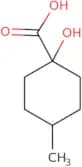
Formula:C9H14N2OPurezza:Min. 95%Peso molecolare:166.22 g/mol1-Hydroxy-4-methylcyclohexane-1-carboxylic acid
CAS:Versatile small molecule scaffold
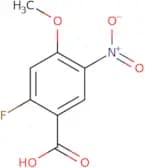
Formula:C8H14O3Purezza:Min. 95%Peso molecolare:158.19 g/mol2-Fluoro-4-methoxy-5-nitrobenzoic acid
CAS:Versatile small molecule scaffoldFormula:C8H6FNO5Purezza:Min. 95%Peso molecolare:215.13 g/molRef: 3D-QMC49479
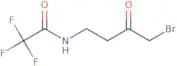
Prodotto fuori produzioneN-(4-Bromo-3-oxobutyl)-2,2,2-trifluoroacetamide
CAS:Versatile small molecule scaffoldFormula:C6H7BrF3NO2Purezza:Min. 95%Peso molecolare:262.02 g/mol2-Mercaptobenzo[d]thiazole-6-carbonitrile
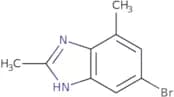
CAS:Versatile small molecule scaffoldFormula:C8H4N2S2Purezza:Min. 95%Peso molecolare:192.25 g/mol5-Bromo-2,7-dimethyl-1H-1,3-benzodiazole
CAS:Versatile small molecule scaffoldFormula:C9H9BrN2Purezza:Min. 95%Peso molecolare:225.08 g/mol2-Bromo-3,3,3-trifluoro-1-propene
CAS:Prodotto controllato2-Bromo-3,3,3-trifluoro-1-propene is a chemical compound that has been synthesized in an asymmetric reaction. The reactant is bromopropane and the product is 2,2,2-trifluoropropene. The methylene group on the propene molecule is activated by the nucleophilic attack of a fluoride ion from hydrogen fluoride to form a cavity with a highly strained bond. The kinetic study of this reaction revealed that the activation energy for the reaction is 42 kJ/mol. Palladium-catalyzed coupling reactions are catalyzed by palladium and require nonpolar solvents such as toluene or dichloromethane. This type of reaction has been shown to be exothermic with an isolated yield of 1%.
Formula:C3H2BrF3Purezza:Min. 95%Colore e forma:Colorless PowderPeso molecolare:174.95 g/mol1-Hydroxycyclopentane-1-carbonitrile
CAS:1-Hydroxycyclopentane-1-carbonitrile is a monomer that is hydrolyzed to form benzoin and cyanohydrins. It can be used in the production of scifinder as a monomer or dimerizer.
Formula:C6H9NOPurezza:Min. 95%Peso molecolare:111.14 g/mol4,5-Dihydro-1H-imidazol-2-amine hydrochloride
CAS:Please enquire for more information about 4,5-Dihydro-1H-imidazol-2-amine hydrochloride including the price, delivery time and more detailed product information at the technical inquiry form on this page
Formula:C3H7N3•HClPurezza:Min. 95%Peso molecolare:121.57 g/mol8-Bromo-2-methylimidazo[1,2-a]pyridine
CAS:Versatile small molecule scaffold
Formula:C8H7N2BrPurezza:Min. 95%Peso molecolare:211.05 g/moltert-Butyl (2,2-difluoro-3-hydroxypropyl)carbamate
CAS:Versatile small molecule scaffoldFormula:C10H13NO4Purezza:Min. 95%Peso molecolare:211.21 g/mol4-Chloro-2-hydroxy-6-methylphenylboronic acid
CAS:Versatile small molecule scaffoldFormula:C7H8BClO3Purezza:Min. 95%Peso molecolare:186.4 g/mol3-Hydroxy-5-methylpyridine
CAS:3-Hydroxy-5-methylpyridine (3HMP) is a chemical substance that has been classified as an amine. It is a product of the metabolism of purines, which are nitrogenous bases found in DNA and RNA. 3HMP is produced by aerogenic bacteria (such as Enterobacter), and can be used to estimate the number of these bacteria present in water samples. 3HMP has been shown to have antiviral properties against influenza virus, and can be used as a biomarker for the presence of other viruses in animals. 3HMP also has mineralization properties, which have been studied extensively, particularly with regards to pancreatic disease.
Formula:C6H7NOPurezza:Min. 95%Colore e forma:PowderPeso molecolare:109.13 g/molRef: 3D-FH16174
Prodotto fuori produzione4,5-Dihydroxy-2,3-Pentanedione
CAS:4,5-Dihydroxy-2,3-pentanedione is a carbonyl compound that is the product of the oxidation of ascorbic acid. It is used in wastewater treatment and has antimicrobial properties against infectious diseases. This compound has been shown to inhibit protein synthesis by binding to the ribosome and preventing the formation of peptide bonds between amino acids. 4,5-Dihydroxy-2,3-pentanedione has also been shown to bind to plasma proteins, which may be due to its acyl chain structure. 4,5-Dihydroxy-2,3-pentanedione can be synthesized in a catalytic mechanism that involves dehydroascorbic acid and molecular oxygen.
Formula:C5H8O4Purezza:Min. 95%Colore e forma:PowderPeso molecolare:132.11 g/molRef: 3D-FD180770
Prodotto fuori produzionePiperyline
CAS:Piperyline is an alkanoic acid that has shown to be effective against skin cancer. It also has antimicrobial properties, which may be due to its ability to bind metal ions and form polymeric compounds. Piperyline inhibits microbial growth by inhibiting the synthesis of proteins and nucleic acids. The antimicrobial activity is related to its cationic polymerization with hydroxyl groups, which forms a structure that can inhibit microbial enzymes and disrupt microbial cell membranes. This compound also interacts with the skin's natural lipids, making it difficult for microorganisms to attach and grow on the skin. Piperyline is synthesized in organic chemistry laboratories as an amide precursor of other pharmaceuticals such as penicillin.
Formula:C16H17NO3Purezza:Min. 95%Peso molecolare:271.31 g/mol



![rac-(2R,3S)-1-{[(9H-Fluoren-9-yl)methoxy]carbonyl}-3-phenylpyrrolidine-2-carboxylic acid](/_next/image/?url=https%3A%2Fstatic.cymitquimica.com%2Fproducts%2F3D%2Fthumb-webp%2FENC98387.webp&w=3840&q=75)
![6-bromoimidazo[1,2-a]pyrazin-2-amine](/_next/image/?url=https%3A%2Fstatic.cymitquimica.com%2Fproducts%2F3D%2Fthumb-webp%2FDUB86138.webp&w=3840&q=75)

![2-[(4-Methylpiperazin-1-yl)methyl]-1H-1,3-benzodiazol-6-amine](/_next/image/?url=https%3A%2Fstatic.cymitquimica.com%2Fproducts%2F3D%2Fthumb-webp%2FWTB32161.webp&w=3840&q=75)
![N-[(4-Chlorophenyl)methyl]-4,5-dihydro-1,3-thiazol-2-amine](/_next/image/?url=https%3A%2Fstatic.cymitquimica.com%2Fproducts%2F3D%2Fthumb-webp%2FXCA23929.webp&w=3840&q=75)

![1-[(2-aminophenyl)methyl]pyrrolidin-2-one hydrochloride](/_next/image/?url=https%3A%2Fstatic.cymitquimica.com%2Fproducts%2F3D%2Fthumb-webp%2FXXB62541.webp&w=3840&q=75)
![N-{1-[4-(1H-1,2,4-Triazol-1-yl)phenyl]ethylidene}hydroxylamine](/_next/image/?url=https%3A%2Fstatic.cymitquimica.com%2Fproducts%2F3D%2Fthumb-webp%2FRMB40050.webp&w=3840&q=75)
![[2-(Propan-2-yloxy)pyridin-4-yl]methanamine](/_next/image/?url=https%3A%2Fstatic.cymitquimica.com%2Fproducts%2F3D%2Fthumb-webp%2FRQB75274.webp&w=3840&q=75)
![2-Mercaptobenzo[d]thiazole-6-carbonitrile](/_next/image/?url=https%3A%2Fstatic.cymitquimica.com%2Fproducts%2F3D%2Fthumb-webp%2FQMA22879.webp&w=3840&q=75)



![8-Bromo-2-methylimidazo[1,2-a]pyridine](/_next/image/?url=https%3A%2Fstatic.cymitquimica.com%2Fproducts%2F3D%2Fthumb-webp%2FUXB37475.webp&w=3840&q=75)




