Building Blocks
Questa sezione contiene prodotti fondamentali per la sintesi di composti organici e biologici. Building blocks sono i materiali di partenza essenziali utilizzati per costruire molecole complesse attraverso varie reazioni chimiche. Svolgono un ruolo critico nella scoperta di farmaci, nella scienza dei materiali e nella ricerca chimica. Presso CymitQuimica, offriamo una gamma diversificata di building blocks di alta qualità per supportare le tue ricerche innovative e progetti industriali, assicurandoti di avere i componenti essenziali per una sintesi di successo.
Sottocategorie di "Building Blocks"
- Acidi boronici e derivati dell'acido boronico(5.778 prodotti)
- Building Blocks Chirali(1.243 prodotti)
- Building Blocks Idrocarburici(6.098 prodotti)
- Building Blocks organici(61.057 prodotti)
Trovati 200716 prodotti di "Building Blocks"
Ordinare per
Purezza (%)
0
100
|
0
|
50
|
90
|
95
|
100
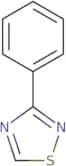
3-Phenyl-1,2,4-thiadiazole
CAS:<p>3-Phenyl-1,2,4-thiadiazole is a tricyclic compound that has been synthesized in equimolar amounts by reactions of benzene with sulfur and nitric acid. This substance has also been shown to react with a number of other compounds and produce adducts. The reaction of 3-phenyl-1,2,4-thiadiazole with potassium bromide produces an adduct that contains the reactive benzylic bromide ion (3’). 3-Phenyl-1,2,4-thiadiazole is used in organic chemistry as a reagent for the synthesis of dithioesters. It can also be used to study the photochemistry of benzonitrile derivatives.</p>Formula:C8H6N2SPurezza:Min. 95%Peso molecolare:162.21 g/molCyclopentane-1,2-dicarboxylic acid
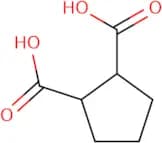
CAS:<p>Cyclopentane-1,2-dicarboxylic acid is a bioactive chemical that contains nitrogen atoms. It has a structural formula of C5H8O4 and an x-ray structure with antibacterial properties. Cyclopentane-1,2-dicarboxylic acid can be found in cocatalyst preparations for organic solvents such as benzene, toluene, and xylene. This compound has been shown to inhibit the growth of bacteria by binding to amines and forming coordination complexes with carboxylate groups on the surface of bacterial cells. The crystal structures of cyclopentane-1,2-dicarboxylic acid have not yet been determined due to its alicyclic nature.</p>Formula:C7H10O4Purezza:Min. 95%Peso molecolare:158.15 g/molN-(Prop-2-en-1-yl)benzenesulfonamide
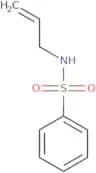
CAS:<p>Versatile small molecule scaffold</p>Formula:C9H11NO2SPurezza:Min. 95%Peso molecolare:197.26 g/molN-Allyl-p-toluenesulfonamide
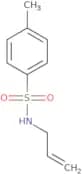
CAS:N-Allyl-p-toluenesulfonamide is a nucleophilic, centrosymmetric molecule that is used as an intermediate in organic synthesis. It can be prepared by refluxing allylstannane with azide and triflic acid. N-Allyl-p-toluenesulfonamide is useful for the preparation of azides and azidoformates because it reacts with alkyl halides to form cyclic products. The chloride group on this molecule makes it a good nucleophile for reactions with other nucleophiles, such as chloride ion or azide ion.Formula:C10H13NO2SPurezza:Min. 95%Peso molecolare:211.28 g/mol1-Methoxynaphthalene-2-carboxaldehyde
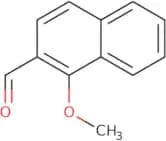
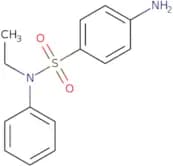
CAS:1-Methoxynaphthalene-2-carboxaldehyde is an organic compound with the formula C11H14O. It is the simplest member of a family of compounds called naphthalenesulfonates, which consists of two fused benzene rings with a sulfonic acid group at each end. 1-Methoxynaphthalene-2-carboxaldehyde has been synthesised by reacting aluminium chloride with zinc chloride in anhydrous conditions. The product can be purified by distillation or recrystallisation from water and ethanol.Formula:C12H10O2Purezza:Min. 95%Peso molecolare:186.21 g/mol4-Amino-N-ethyl-N-phenylbenzenesulfonamide
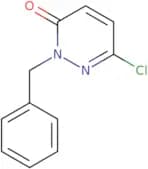
CAS:Versatile small molecule scaffoldFormula:C14H16N2O2SPurezza:Min. 95%Peso molecolare:276.36 g/mol2-Benzyl-6-chloro-2,3-dihydropyridazin-3-one
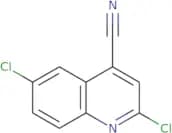
CAS:2-Benzyl-6-chloro-2,3-dihydropyridazin-3-one is a Grignard reagent that reacts with electrophiles to form organometallic compounds. It is used in organic chemistry as a nucleophilic agent in the formation of carbon–carbon bonds and other types of reactions. 2-Benzyl-6-chloro-2,3-dihydropyridazin-3-one can also be used to produce alkyl magnesium bromides from alcohols and chlorides. The transformation of 2,2'-bipyridine into 2,2'-bipyrimidine is one example of this reaction.Formula:C11H9ClN2OPurezza:Min. 95%Peso molecolare:220.65 g/mol2,6-Dichloroquinoline-4-carbonitrile
CAS:<p>Versatile small molecule scaffold</p>Formula:C10H4Cl2N2Purezza:Min. 95%Peso molecolare:223.05 g/mol2-{[(Benzyloxy)carbonyl]amino}-4-carbamoylbutanoic acid
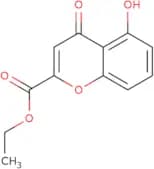
CAS:2-{[(Benzyloxy)carbonyl]amino}-4-carbamoylbutanoic acid is a peptidomimetic that inhibits β-catenin signaling, leading to decreased cell proliferation. This compound has been shown to inhibit the growth of cancer cells and to be effective in preventing an outbreak of corynebacterium. 2-{[(Benzyloxy)carbonyl]amino}-4-carbamoylbutanoic acid was also shown to reduce the production of fatty acids and viral life. This compound is synthetic and can be made by microbial biotransformation or protein–protein interaction. It has been shown that this peptidomimetic binds with high affinity to coronaviruses, which may lead to new treatments for coronavirus infections.Formula:C13H16N2O5Purezza:Min. 95%Peso molecolare:280.28 g/molEthyl 5-hydroxy-4-oxo-4H-chromene-2-carboxylate
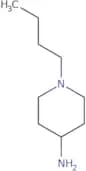
CAS:Ethyl 5-hydroxy-4-oxo-4H-chromene-2-carboxylate is a chromone that is used in the synthesis of other compounds.Formula:C12H10O5Purezza:Min. 95%Peso molecolare:234.2 g/mol1-Butylpiperidin-4-amine
CAS:<p>Versatile small molecule scaffold</p>Formula:C9H20N2Purezza:Min. 95%Peso molecolare:156.27 g/mol4,5-Dimethyl-1H-indole-2-carboxylic acid
CAS:Versatile small molecule scaffoldFormula:C11H11NO2Purezza:Min. 95%Peso molecolare:189.21 g/mol5-Chloro-4-methyl-1H-indole-2-carboxylic acid
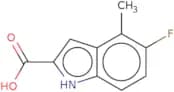
CAS:Versatile small molecule scaffoldFormula:C10H8ClNO2Purezza:Min. 95%Peso molecolare:209.63 g/mol5-Fluoro-4-methyl-1H-indole-2-carboxylic acid
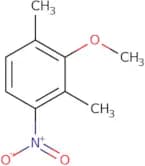
CAS:<p>Versatile small molecule scaffold</p>Formula:C10H8FNO2Purezza:Min. 95%Peso molecolare:193.2 g/mol2-Methoxy-1,3-dimethyl-4-nitrobenzene
CAS:<p>Versatile small molecule scaffold</p>Formula:C9H11NO3Purezza:Min. 95%Peso molecolare:181.19 g/mol3-(6-Methylpyridin-3-yl)propan-1-ol
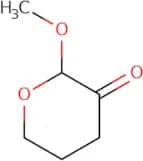
CAS:Versatile small molecule scaffoldFormula:C9H13NOPurezza:Min. 95%Peso molecolare:151.21 g/mol2-Methoxyoxan-3-one
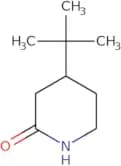
CAS:<p>Versatile small molecule scaffold</p>Formula:C6H10O3Purezza:Min. 95%Peso molecolare:130.14 g/mol4-tert-Butylpiperidin-2-one
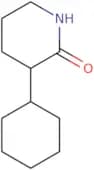
CAS:<p>Versatile small molecule scaffold</p>Formula:C9H17NOPurezza:Min. 95%Peso molecolare:155.24 g/mol3-Cyclohexylpiperidin-2-one
CAS:<p>Versatile small molecule scaffold</p>Formula:C11H19NOPurezza:Min. 95%Peso molecolare:181.27 g/mol5-(Trifluoromethyl)piperidin-2-one
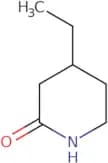
CAS:<p>Versatile small molecule scaffold</p>Formula:C6H8F3NOPurezza:Min. 95%Peso molecolare:167.13 g/mol4-Ethylpiperidin-2-one
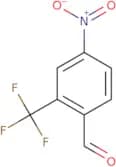
CAS:<p>4-Ethylpiperidin-2-one is a receptor tyrosine kinase inhibitor that binds to the ATP binding site of the enzyme, thereby inhibiting its activity. 4-Ethylpiperidin-2-one has been shown to inhibit the growth of xenograft tumor cells in mice by blocking tyrosine kinases, which are involved in cellular proliferation and differentiation. This drug has also been shown to have anti-inflammatory effects in rats due to its ability to inhibit prostaglandin synthesis. 4-Ethylpiperidin-2-one is metabolized by CYP3A4 and CYP2D6. It is also an organometallic compound that can bind to metal ions such as iron or copper with high affinity. The chemical structure of 4-ethylpiperidin-2-one consists of a piperidine ring connected at one end to an aldehyde group and at the other end to an oxind</p>Formula:C7H13NOPurezza:Min. 95%Peso molecolare:127.18 g/mol4-Nitro-2-(trifluoromethyl)benzaldehyde
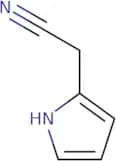
CAS:Versatile small molecule scaffoldFormula:C8H4F3NO3Purezza:Min. 95%Peso molecolare:219.12 g/mol2-(1H-Pyrrol-2-yl)acetonitrile
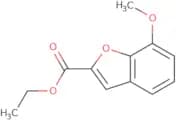
CAS:<p>2-(1H-Pyrrol-2-yl)acetonitrile is an inorganic compound that is used as a synthetic intermediate. It is a salt form of the chemical, which is soluble in water and has a pH value of 10. 2-(1H-Pyrrol-2-yl)acetonitrile reacts with alkali metals to produce hydrogen gas and ammonia. This reaction can be used for the treatment of organic wastes such as composting or wastewater treatment. 2-(1H-Pyrrol-2-yl)acetonitrile has been shown to react with cyclic hydrocarbons and aromatic heterocycles under acidic conditions at room temperature. The rate of this reaction depends on the flow rate and persulfate concentration.</p>Formula:C6H6N2Purezza:Min. 95%Peso molecolare:106.13 g/molEthyl 7-methoxy-1-benzofuran-2-carboxylate
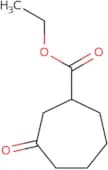
CAS:<p>Versatile small molecule scaffold</p>Formula:C12H12O4Purezza:Min. 95%Peso molecolare:220.22 g/molEthyl 3-oxocycloheptane-1-carboxylate
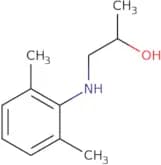
CAS:Versatile small molecule scaffoldFormula:C10H16O3Purezza:Min. 95%Peso molecolare:184.23 g/mol1-(2,6-Dimethylphenylamino)-propan-2-ol
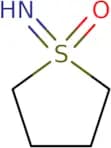
CAS:Versatile small molecule scaffoldFormula:C11H17NOPurezza:Min. 95%Peso molecolare:179.26 g/molS,S-Tetramethylenesulphoximide
CAS:<p>Versatile small molecule scaffold</p>Formula:C4H9NOSPurezza:Min. 95%Peso molecolare:119.19 g/mol2-(N-Methyl3-nitrobenzenesulfonamido)acetic acid
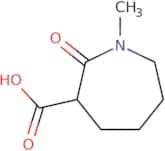
CAS:2-(N-Methyl3-nitrobenzenesulfonamido)acetic acid, also known as 2-NMBSA or MTSEA, is a cell biology research tool that can be used to study ion channels, peptides and receptors. 2-NMBSA is primarily used to study the interaction between ligands and their receptors. It has been shown to activate potassium channels. This product is a white solid with a molecular weight of 258.2 g/mol.Formula:C9H10N2O6SPurezza:Min. 95%Peso molecolare:274.25 g/mol1-Methyl-2-oxoazepane-3-carboxylic acid
CAS:Versatile small molecule scaffoldFormula:C8H13NO3Purezza:Min. 95%Peso molecolare:171.19 g/molMethyl 1-benzylpiperidine-3-carboxylate
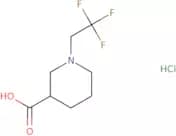
CAS:Methyl 1-benzylpiperidine-3-carboxylate is a neurotoxin that causes Parkinson's disease, which is characterized by the death of dopamine neurons in the substantia nigra. It has been shown to bind to dopamine receptors and inhibit neurotransmission. The biological activity of methyl 1-benzylpiperidine-3-carboxylate was demonstrated as a result of its ability to inhibit the binding of oxadiazole derivatives, which are ligands for these receptors. Methyl 1-benzylpiperidine-3-carboxylate also has an agonistic effect on oxadiazole analogues and increases their biological activity.Formula:C14H19NO2Purezza:Min. 95%Peso molecolare:233.31 g/mol1-(2,2,2-Trifluoroethyl)piperidine-3-carboxylic acid hydrochloride
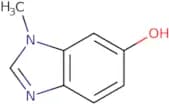
CAS:Versatile small molecule scaffoldFormula:C8H13ClF3NO2Purezza:Min. 95%Peso molecolare:247.64 g/mol1-Methyl-1H-1,3-benzodiazol-6-ol
CAS:<p>Versatile small molecule scaffold</p>Formula:C8H8N2OPurezza:Min. 95%Peso molecolare:148.16 g/mol1-bromo-6-methoxyhexane
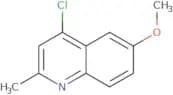
CAS:<p>1-bromo-6-methoxyhexane is a reportedly analog of hexane. It has been shown to have cancer chemopreventative properties in vivo and antioxidant potency in vitro. 1-bromo-6-methoxyhexane also has been shown to inhibit the growth of cancer cells by inhibiting mitochondrial function, which is responsible for energy production. The cytosolic and mitochondrial concentrations of 1-bromo-6-methoxyhexane are about equal, suggesting that transport mechanisms may exist for this molecule. The alkyl substituents on the molecule affect its antioxidant potency, with methoxy groups being the most potent. It has been demonstrated that 1-bromo-6-methoxyhexane can be used as a radiation protectant, although it is not clear how it interacts with DNA.</p>Formula:C7H15BrOPurezza:Min. 95%Peso molecolare:195.1 g/mol4-Chloro-6-methoxy-2-methyl-quinoline
CAS:4-Chloro-6-methoxy-2-methyl-quinoline is a nitronium salt that belongs to the group of quinoline derivatives. It inhibits histone deacetylases (HDACs) and transcriptional coactivators, which are enzymes involved in regulating gene expression. 4-Chloro-6-methoxy-2-methyl-quinoline has been shown to synergistically inhibit HDACs with pyridoxal 5'-phosphate (P5P), a form of vitamin B6, and to reactivate latent HIV. The drug has been tested on Indian patients with chronic hepatitis B virus infection and showed promising results.Formula:C11H10ClNOPurezza:Min. 95%Peso molecolare:207.66 g/mol2-[4-(Pyridin-2-ylmethoxy)phenyl]acetic acid
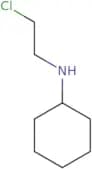
CAS:Versatile small molecule scaffoldFormula:C14H13NO3Purezza:Min. 95%Peso molecolare:243.26 g/molN-(2-Chloroethyl)cyclohexanamine hydrochloride
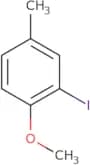
CAS:<p>Versatile small molecule scaffold</p>Formula:C8H16ClNPurezza:Min. 95%Peso molecolare:161.67 g/mol3-Iodo-4-methoxytoluene
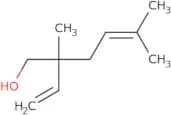
CAS:<p>3-Iodo-4-methoxytoluene is a colorless liquid that is slightly acidic, with a boiling point of 215 degrees Celsius. It has a density of 0.907 grams per cubic centimeter and a melting point of -78 degrees Celsius. 3-Iodo-4-methoxytoluene has been used in the production of amines, functional groups, and other complex molecules. It can be used as an intermediate in the synthesis of diazotization products that are used to produce synthetic fibers or fabrics. 3-Iodo-4-methoxytoluene interacts with other compounds such as acetonitrile, which may have an effect on its regiospecificity.</p>Formula:C8H9IOPurezza:Min. 95%Peso molecolare:248.06 g/mol2-Ethenyl-2,5-dimethylhex-4-en-1-ol
CAS:<p>2-Ethenyl-2,5-dimethylhex-4-en-1-ol is a conformationally restricted analog of flecainide. It has been shown to have an antipyrine-like activity in the rat and is a potential antineoplastic drug for use in women with breast cancer. 2EMHE has also been shown to have long term effects on serum levels in infants and children. It is metabolized by CYP3A4, which may be blocked by drugs such as erythromycin or ketoconazole. The metabolism of 2EMHE leads to the formation of hydroxylamines that are reactive with nucleophilic sites on DNA, causing strand breaks and inhibition of DNA synthesis. This drug also inhibits neutrophil chemotaxis in vitro and causes neutropenia when given intravenously to rats.</p>Formula:C10H18OPurezza:Min. 95%Peso molecolare:154.25 g/mol1-(2,2-Dimethylcyclopropyl)-1-propanone
CAS:<p>Versatile small molecule scaffold</p>Formula:C8H14OPurezza:Min. 95%Peso molecolare:126.2 g/mol2-Acetylamino-thiazole-4-carboxylic acid
CAS:2-Acetylamino-thiazole-4-carboxylic acid is a sulphoxide metabolite of 2-acetylamino-4,5,6,7-tetrahydrothiazolo[4,5,-c]pyridine. It is metabolized to mercapturic acid and sulphone by the enzyme cytochrome P450. This metabolite is also found in urine as a result of its metabolism by the enzyme N-acetyltransferase.Formula:C6H6N2O3SPurezza:Min. 95%Peso molecolare:186.19 g/molN-(7-Nitro-3,4-dihydro-2H-chromen-6-yl)acetamide
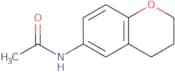
CAS:Versatile small molecule scaffoldFormula:C11H12N2O4Purezza:Min. 95%Peso molecolare:236.22 g/molN-(3,4-Dihydro-2H-1-benzopyran-6-yl)acetamide
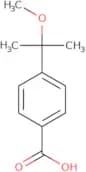
CAS:Versatile small molecule scaffoldFormula:C11H13NO2Purezza:Min. 95%Peso molecolare:191.23 g/mol4-(2-Methoxypropan-2-yl)benzoic acid
CAS:<p>Versatile small molecule scaffold</p>Formula:C11H14O3Purezza:Min. 95%Peso molecolare:194.23 g/mol2-Benzyl-1,2,3,4-tetrahydroquinoline
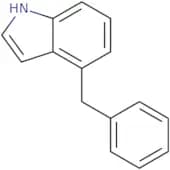
CAS:<p>Versatile small molecule scaffold</p>Formula:C16H17NPurezza:Min. 95%Peso molecolare:223.31 g/mol4-Benzyl-1H-indole
CAS:<p>4-Benzyl-1H-indole is a chemical compound that belongs to the class of dihydroisoquinolines. This drug has shown anti-HIV activity in vitro and in vivo. It has been tested for its ability to inhibit HIV replication and protein–protein interaction with human immunodeficiency virus type 1 (HIV-1) proteins. 4-Benzyl-1H-indole inhibits the growth of HIV by binding to the gp41 coiled coil, thereby preventing the conformational change necessary for fusion with host cells. The clinical use of this compound is limited due to its low solubility in water and poor oral bioavailability.</p>Formula:C15H13NPurezza:Min. 95%Peso molecolare:207.27 g/mol1H,4H,5H,6H,7H,8H-Pyrrolo[3,2-c]azepine
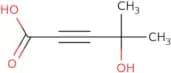
CAS:<p>1H,4H,5H,6H,7H,8H-Pyrrolo[3,2-c]azepine is a tranquilizer that is chemically related to piperazine. It has no analgesic properties and is used as a tranquilizer.</p>Formula:C8H12N2Purezza:Min. 95%Peso molecolare:136.19 g/mol4-Hydroxy-4-methyl-pent-2-ynoic acid
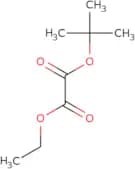
CAS:<p>4-Hydroxy-4-methyl-pent-2-ynoic acid is an organic compound with the formula CH(CH)COH. It is a methyl ester of propiolic acid. 4-Hydroxy-4-methyl-pent-2-ynoic acid can be synthesized from propiolic acid by reacting it with copper chloride and iodides in the presence of a catalytic amount of concentrated sulfuric acid. This reaction affords the methyl ester in high yield. The synthesis of 4-hydroxypropionic acid is analogous to that of acrylic acid, which also yields a methyl ester on chlorination. 4HMP has been used as an intermediate in the production of vitamin A by carbonylation, and as a precursor to propionic acid and its derivatives. 4HMP can also be used as an intermediate for making other chemicals such as dyes, pharmaceuticals, and polymers.</p>Formula:C6H8O3Purezza:Min. 95%Peso molecolare:128.13 g/molOxalic acid tert-butyl ester ethyl ester
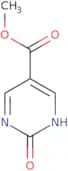
CAS:Oxalic acid tert-butyl ester ethyl ester is an organic compound that is a byproduct of the production of methyl acetate. It has been shown to have antitumor and anti-inflammatory effects in animal studies. Oxalic acid tert-butyl ester ethyl ester contains a 7-chloro group, which is also present in deoxyharringtonine. The latter drug has been used to treat tumours and inflammatory conditions. In addition, oxalic acid tert-butyl ester ethyl ester can be converted into cephalotaxine (a natural alkaloid), which has been shown to be effective against cancer cells and inflammation.Formula:C8H14O4Purezza:Min. 95%Peso molecolare:174.2 g/molMethyl 2-oxo-1,2-dihydropyrimidine-5-carboxylate
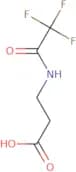
CAS:<p>Versatile small molecule scaffold</p>Formula:C6H6N2O3Purezza:Min. 95%Peso molecolare:154.12 g/mol3-(Trifluoroacetamido)propanoic acid
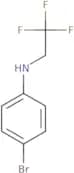
CAS:<p>Versatile small molecule scaffold</p>Formula:C5H6F3NO3Purezza:Min. 95%Peso molecolare:185.1 g/mol4-bromo-N-(2,2,2-trifluoroethyl)aniline
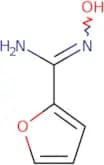
CAS:<p>Versatile small molecule scaffold</p>Formula:C8H7BrF3NPurezza:Min. 95%Peso molecolare:254 g/molN'-Hydroxyfuran-2-carboximidamide
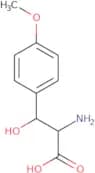
CAS:<p>N'-Hydroxyfuran-2-carboximidamide is an antibacterial agent that inhibits the growth of bacteria by binding to the 50S ribosomal subunit. It is used to treat eye infections and is also used as an adjuvant in animal vaccines. N'-Hydroxyfuran-2-carboximidamide has been shown to be effective against methicillin-resistant Staphylococcus aureus (MRSA) and Clostridium perfringens, although is not active against acid-fast bacteria such as Mycobacterium tuberculosis or Mycobacterium avium complex.</p>Formula:C5H6N2O2Purezza:Min. 95%Peso molecolare:126.11 g/mol2-Amino-3-hydroxy-3-(4-methoxyphenyl)propanoic acid
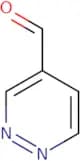
CAS:<p>Versatile small molecule scaffold</p>Formula:C10H13NO4Purezza:Min. 95%Peso molecolare:211.21 g/molPyridazine-4-carboxaldehyde
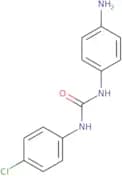
CAS:<p>Pyridazine-4-carboxaldehyde is a pyridine derivative that has been shown to have antiherpetic properties. It can be synthesized by reacting pyridazine with methyl iodide and anhydrous potassium carbonate. Pyridazine-4-carboxaldehyde is a potent inhibitor of human cytomegalovirus (HCMV) replication in cell culture, and its activity against the virus may be due to its ability to inhibit DNA synthesis and act as a cytotoxic agent. Pyridazine-4-carboxaldehyde has also been studied for its potential use in cancer treatment, with one study showing that it was able to inhibit tumor growth in mice.</p>Formula:C5H4N2OPurezza:Min. 95%Peso molecolare:108.1 g/mol3-(4-Aminophenyl)-1-(4-chlorophenyl)urea
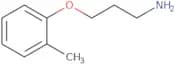
CAS:Versatile small molecule scaffoldFormula:C13H12ClN3OPurezza:Min. 95%Peso molecolare:261.7 g/mol3-o-Tolyloxy-propylamine
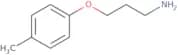
CAS:<p>Versatile small molecule scaffold</p>Formula:C10H15NOPurezza:Min. 95%Peso molecolare:165.24 g/mol3-p-Tolyloxy-propylamine
CAS:<p>Versatile small molecule scaffold</p>Formula:C10H15NOPurezza:Min. 95%Peso molecolare:165.23 g/mol1-(3-Aminopropoxy)-2,4-dichlorobenzene
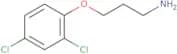
CAS:<p>Versatile small molecule scaffold</p>Formula:C9H11Cl2NOPurezza:Min. 95%Peso molecolare:220.09 g/mol1-(3-Aminopropoxy)-4-chloro-2-methylbenzene
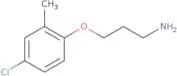
CAS:Versatile small molecule scaffoldFormula:C10H14ClNOPurezza:Min. 95%Peso molecolare:199.68 g/mol2-Chloro-N-[2-(2,6-dimethylphenoxy)ethyl]acetamide
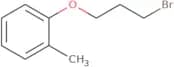
CAS:Versatile small molecule scaffoldFormula:C12H16ClNO2Purezza:Min. 95%Peso molecolare:241.71 g/mol1-(3-Bromopropoxy)-2-methylbenzene
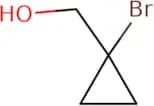
CAS:<p>Versatile small molecule scaffold</p>Formula:C10H13BrOPurezza:Min. 95%Peso molecolare:229.11 g/mol(1-Bromocyclopropyl)methanol
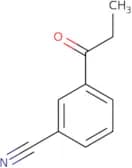
CAS:Versatile small molecule scaffoldFormula:C4H7BrOPurezza:Min. 95%Peso molecolare:151 g/mol3-Propanoylbenzonitrile
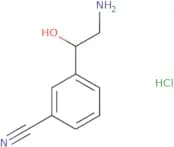
CAS:<p>Versatile small molecule scaffold</p>Formula:C10H9NOPurezza:Min. 95%Peso molecolare:159.18 g/mol3-(2-Amino-1-hydroxyethyl)benzonitrile hydrochloride
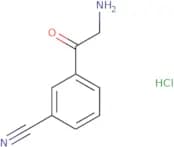
CAS:Versatile small molecule scaffoldFormula:C9H11ClN2OPurezza:Min. 95%Peso molecolare:198.65 g/mol3-(2-Aminoacetyl)benzonitrile hydrochloride
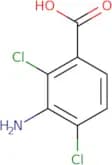
CAS:<p>Versatile small molecule scaffold</p>Formula:C9H9ClN2OPurezza:Min. 95%Peso molecolare:196.63 g/mol3-Amino-2,4-dichlorobenzoic acid
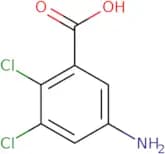
CAS:<p>3-Amino-2,4-dichlorobenzoic acid is a metabolite of malonate that inhibits the synthesis of fatty acids by inhibiting the activity of fatty acid synthetase. It has been shown to inhibit lipid accumulation in plants and may be used as an inhibitor in plant physiology experiments. 3-Amino-2,4-dichlorobenzoic acid can be applied to explants before or after treatment with test compounds to determine its inhibitory effect on fatty acid synthetase activity. 3-Amino-2,4-dichlorobenzoic acid is also a potent inhibitor of endogenous lipogenic enzymes.</p>Formula:C7H5Cl2NO2Purezza:Min. 95%Peso molecolare:206.03 g/mol5-Amino-2,3-dichlorobenzoic acid
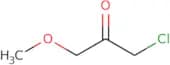
CAS:<p>Versatile small molecule scaffold</p>Formula:C7H5Cl2NO2Purezza:Min. 95%Peso molecolare:206.02 g/mol1-Chloro-3-methoxypropan-2-one
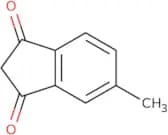
CAS:<p>Versatile small molecule scaffold</p>Formula:C4H7ClO2Purezza:Min. 95%Peso molecolare:122.55 g/mol5-Methyl-2,3-dihydro-1H-indene-1,3-dione
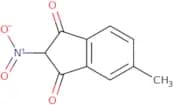
CAS:Versatile small molecule scaffoldFormula:C10H8O2Purezza:Min. 95%Peso molecolare:160.17 g/mol5-Methyl-2-nitro-2,3-dihydro-1H-indene-1,3-dione
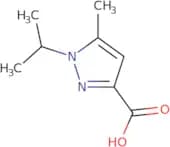
CAS:Versatile small molecule scaffoldFormula:C10H7NO4Purezza:Min. 95%Peso molecolare:205.17 g/mol5-Methyl-1-(propan-2-yl)-1H-pyrazole-3-carboxylic acid
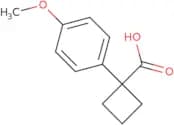
CAS:Versatile small molecule scaffoldFormula:C8H12N2O2Purezza:Min. 95%Peso molecolare:168.19 g/mol1-(4-Methoxyphenyl)cyclobutane-1-carboxylic acid
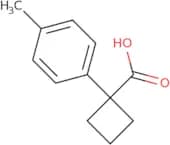
CAS:Versatile small molecule scaffoldFormula:C12H14O3Purezza:Min. 95%Peso molecolare:206.24 g/mol1-(4-Methylphenyl)cyclobutanecarboxylic acid
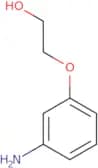
CAS:Versatile small molecule scaffoldFormula:C12H14O2Purezza:Min. 95%Peso molecolare:190.24 g/mol2-(3-Aminophenoxy)ethan-1-ol
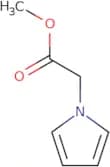
CAS:<p>2-(3-Aminophenoxy)ethan-1-ol is a nitro compound that has been synthesized from 3-aminophenol and ethyl chloroformate. The synthesis of this compound involves the use of a copper catalyst to form the nitro group. This chemical is an intermediate in the production of other nitro compounds, such as 2,4-dinitrophenol, which are used in explosives and dyes. 2-(3-Aminophenoxy)ethan-1-ol can be used as a stabilizing agent for nanoparticles because it contains amines that can bind to metal ions. It also has optical properties that can be exploited for various purposes, such as catalyzed reactions or optical studies. 2-(3-Aminophenoxy)ethan-1-ol is also useful when analyzing nitroarenes by using techniques such as chemoselective oxidation and hydrolysis.</p>Formula:C8H11NO2Purezza:Min. 95%Peso molecolare:153.18 g/molMethyl 2-(1H-pyrrol-1-yl)acetate
CAS:<p>Versatile small molecule scaffold</p>Formula:C7H9NO2Purezza:Min. 95%Peso molecolare:139.15 g/mol1-Methyl-2-{[(2-nitrophenyl)methyl]sulfanyl}-1H-imidazole
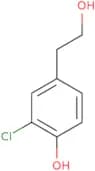
CAS:Versatile small molecule scaffoldFormula:C11H11N3O2SPurezza:Min. 95%Peso molecolare:249.29 g/mol2-Chloro-4-(2-hydroxyethyl)phenol
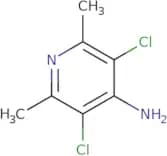
CAS:<p>Versatile small molecule scaffold</p>Formula:C8H9ClO2Purezza:Min. 95%Peso molecolare:172.61 g/mol3,5-dichloro-2,6-dimethylpyridin-4-amine
CAS:3,5-Dichloro-2,6-dimethylpyridin-4-amine is a phytotoxic compound that belongs to the group of heterocyclic compounds. It has been used in hydroponic cultures as a carboxyl herbicide and for the control of clopidol-resistant weeds. The symptoms induced by 3,5-dichloro-2,6-dimethylpyridin-4-amine are similar to those observed in plants treated with picolinic acid. Ingestion of this substance can lead to symptoms such as vomiting and diarrhea. The chemical is toxic and ingestion can result in death.Formula:C7H8N2Cl2Purezza:Min. 95%Peso molecolare:191.05 g/mol1-Bromo-3-(2-ethoxyethoxy)propane
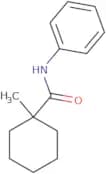
CAS:<p>Versatile small molecule scaffold</p>Formula:C7H15BrO2Purezza:Min. 95%Peso molecolare:211.1 g/mol1-Methyl-N-phenylcyclohexane-1-carboxamide
CAS:<p>Versatile small molecule scaffold</p>Formula:C14H19NOPurezza:Min. 95%Peso molecolare:217.31 g/molSodium 4-hydroxydecanoate
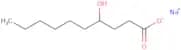
CAS:Versatile small molecule scaffoldFormula:C10H19NaO3Purezza:Min. 95%Peso molecolare:210.25 g/mol1-Methyl-2-pyrrolidin-1-yl-ethylamine
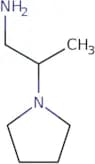
CAS:Versatile small molecule scaffoldFormula:C7H16N2Purezza:Min. 95%Peso molecolare:128.22 g/mol2-Pyrrolidin-1-yl-propylamine
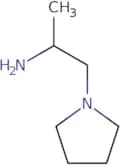
CAS:<p>Versatile small molecule scaffold</p>Formula:C7H16N2Purezza:Min. 95%Peso molecolare:128.22 g/mol6-Iodo-2,3-dihydro-1H-isoindol-1-one
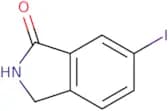
CAS:Versatile small molecule scaffoldFormula:C8H6INOPurezza:Min. 95%Peso molecolare:259.04 g/mol6-Aminoisoindolin-1-one
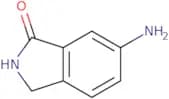
CAS:<p>Versatile small molecule scaffold</p>Formula:C8H8N2OPurezza:Min. 95%Peso molecolare:148.16 g/molN-Ethyl-4-oxopiperidine-1-carboxamide
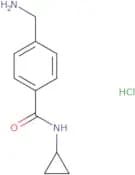
CAS:Prodotto controllatoVersatile small molecule scaffoldFormula:C8H14N2O2Purezza:Min. 95%Peso molecolare:170.21 g/mol4-(Aminomethyl)-N-cyclopropylbenzamide hydrochloride
CAS:Versatile small molecule scaffoldFormula:C11H15ClN2OPurezza:Min. 95%Peso molecolare:226.7 g/molN-{[3-(Aminomethyl)phenyl]methyl}acetamide hydrochloride
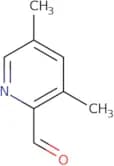
CAS:Versatile small molecule scaffoldFormula:C10H15ClN2OPurezza:Min. 95%Peso molecolare:214.69 g/mol3,5-Dimethylpyridine-2-carbaldehyde
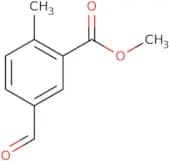
CAS:<p>Versatile small molecule scaffold</p>Formula:C8H9NOPurezza:Min. 95%Peso molecolare:135.16 g/molMethyl 5-formyl-2-methylbenzoate
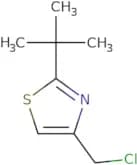
CAS:<p>Versatile small molecule scaffold</p>Formula:C10H10O3Purezza:Min. 95%Peso molecolare:178.18 g/mol2-tert-Butyl-4-(chloromethyl)-1,3-thiazole
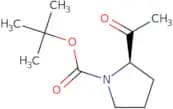
CAS:<p>Versatile small molecule scaffold</p>Formula:C8H12ClNSPurezza:Min. 95%Peso molecolare:189.71 g/mol(R)-Tert-butyl 2-acetylpyrrolidine-1-carboxylate
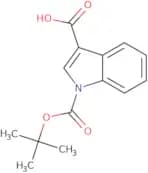
CAS:Versatile small molecule scaffoldFormula:C11H19NO3Purezza:Min. 95%Peso molecolare:213.28 g/mol1-(tert-Butoxycarbonyl)-1H-indole-3-carboxylic acid
CAS:This compound is an indole carboxylic acid with a tert-butoxycarbonyl group. It has a functional group of an ester at the C3 position, which is positioned at the 2-position on the indole ring. The molecule is a heterocycle and can be found in nature. This compound is bioactive and has been shown to have an affinity for human inflammatory receptors. It can also act as a surrogate for other molecules that might be too difficult to synthesize or too expensive to produce.Formula:C14H15NO4Purezza:Min. 95%Peso molecolare:261.27 g/mol(1-Ethyl-1H-1,2,4-triazol-5-yl)methanamine
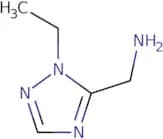
CAS:<p>Versatile small molecule scaffold</p>Formula:C5H10N4Purezza:Min. 95%Peso molecolare:126.16 g/molMethyl 3-amino-4-butanamido-5-methylbenzoate
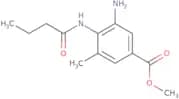
CAS:Methyl 3-amino-4-butanamido-5-methylbenzoate is a chemical compound that has been used as a pharmacological agent. It has an affinity for acidic sites on muscle and blocks angiotensin II, which causes vasodilatation of blood vessels, increases blood flow to the heart, and lowers blood pressure. Methyl 3-amino-4-butanamido-5-methylbenzoate is also a strong blocker of angiotensin receptors in the brain. This drug is usually administered in the form of its hydrochloride salt. The physicochemical properties of this compound are determined by elemental analysis and chromatographic methods. Methyl 3-amino-4-butanamido-5-methylbenzoate can be synthesized from 4-(dimethylamino) butyric acid and methyl 3-(aminomethyl) benzoate through the following reaction:Formula:C13H18N2O3Purezza:Min. 95%Peso molecolare:250.29 g/molN-Methyl-2,3-dihydro-1H-indole-6-sulfonamide
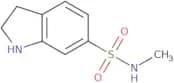
CAS:Versatile small molecule scaffoldFormula:C9H12N2O2SPurezza:Min. 95%Peso molecolare:212.27 g/mol8-(4-Iodophenoxymethyl)quinoline
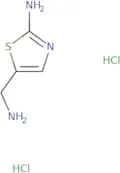
CAS:<p>Versatile small molecule scaffold</p>Formula:C16H12INOPurezza:Min. 95%Peso molecolare:361.18 g/mol5-(Aminomethyl)-1,3-thiazol-2-amine dihydrochloride
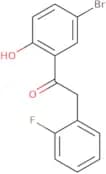
CAS:Versatile small molecule scaffoldFormula:C4H9Cl2N3SPurezza:Min. 95%Peso molecolare:202.11 g/mol1-(5-Bromo-2-hydroxyphenyl)-2-(2-fluorophenyl)ethan-1-one
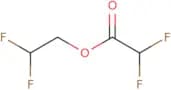
CAS:<p>Versatile small molecule scaffold</p>Formula:C14H10BrFO2Purezza:Min. 95%Peso molecolare:309.13 g/mol2,2-Difluoroethyl difluoroacetate
CAS:<p>Versatile small molecule scaffold</p>Formula:C4H4F4O2Purezza:Min. 95%Peso molecolare:160.07 g/mol

![2-{[(Benzyloxy)carbonyl]amino}-4-carbamoylbutanoic acid](/_next/image/?url=https%3A%2Fstatic.cymitquimica.com%2Fproducts%2F3D%2Fthumb-webp%2FACA51614.webp&w=3840&q=75)







![2-[4-(Pyridin-2-ylmethoxy)phenyl]acetic acid](/_next/image/?url=https%3A%2Fstatic.cymitquimica.com%2Fproducts%2F3D%2Fthumb-webp%2FACA59641.webp&w=3840&q=75)



![1H,4H,5H,6H,7H,8H-Pyrrolo[3,2-c]azepine](/_next/image/?url=https%3A%2Fstatic.cymitquimica.com%2Fproducts%2F3D%2Fthumb-webp%2FACA61514.webp&w=3840&q=75)
![2-Chloro-N-[2-(2,6-dimethylphenoxy)ethyl]acetamide](/_next/image/?url=https%3A%2Fstatic.cymitquimica.com%2Fproducts%2F3D%2Fthumb-webp%2FACA91175.webp&w=3840&q=75)
![1-Methyl-2-{[(2-nitrophenyl)methyl]sulfanyl}-1H-imidazole](/_next/image/?url=https%3A%2Fstatic.cymitquimica.com%2Fproducts%2F3D%2Fthumb-webp%2FACA96881.webp&w=3840&q=75)


![N-{[3-(Aminomethyl)phenyl]methyl}acetamide hydrochloride](/_next/image/?url=https%3A%2Fstatic.cymitquimica.com%2Fproducts%2F3D%2Fthumb-webp%2FACB11291.webp&w=3840&q=75)