


Building Blocks
Sottocategorie di "Building Blocks"
- Acidi boronici e derivati dell'acido boronico(5.778 prodotti)
- Building Blocks Chirali(1.243 prodotti)
- Building Blocks Idrocarburici(6.099 prodotti)
- Building Blocks organici(61.038 prodotti)
Trovati 205376 prodotti di "Building Blocks"
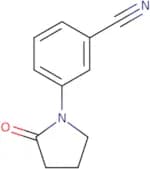
3-(2-Oxopyrrolidin-1-yl)benzonitrile
CAS:Versatile small molecule scaffold
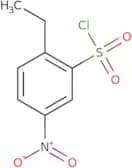
Formula:C11H10N2OPurezza:Min. 95%Peso molecolare:186.21 g/mol2-Ethyl-5-nitrobenzene-1-sulfonyl chloride
CAS:Versatile small molecule scaffold
Formula:C8H8ClNO4SPurezza:Min. 95%Peso molecolare:249.67 g/mol2-(Pyrrolidin-3-yl)ethanol hydrochloride
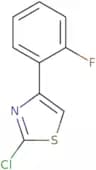
CAS:Versatile small molecule scaffoldFormula:C6H13NO·HClPurezza:Min. 95%Peso molecolare:151.64 g/mol2-Chloro-4-(2-fluorophenyl)-1,3-thiazole
CAS:Versatile small molecule scaffold
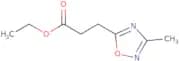
Formula:C9H5ClFNSPurezza:Min. 95%Peso molecolare:213.66 g/molEthyl 3-(3-methyl-1,2,4-oxadiazol-5-yl)propanoate
CAS:Versatile small molecule scaffold
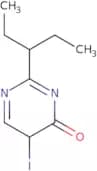
Formula:C8H12N2O3Purezza:Min. 95%Peso molecolare:184.19 g/mol5-Iodo-2-(pentan-3-yl)-3,4-dihydropyrimidin-4-one
CAS:Versatile small molecule scaffold
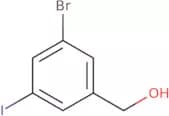
Formula:C9H13IN2OPurezza:Min. 95%Peso molecolare:292.12 g/mol(3-bromo-5-iodophenyl)methanol
CAS:Versatile small molecule scaffold
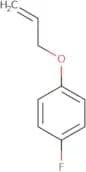
Formula:C7H6BrIOPurezza:Min. 95%Peso molecolare:312.9 g/mol1-Fluoro-4-(prop-2-en-1-yloxy)benzene
CAS:Versatile small molecule scaffold
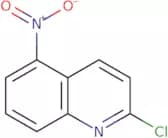
Formula:C9H9FOPurezza:Min. 95%Peso molecolare:152.16 g/mol2-Chloro-5-nitroquinoline
CAS:2-Chloro-5-nitroquinoline is an oxidized aminoquinoline that is synthesized from nitric acid and benzene. It contains a nitro group, which makes it susceptible to oxidation. 2-Chloro-5-nitroquinoline is used as a solvent for rubber, plastics, and waxes. It can also be used as a solvent in the production of quinolines and other nitrogen compounds. Nitration of this compound produces 2-chloroquinoline, which can be transformed into 2-chloroquinolinium hydroxide by reaction with sodium hydroxide. The substituent on the ortho position can be determined by oleum or bromine water.
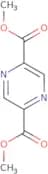
Formula:C9H5ClN2O2Purezza:Min. 95%Peso molecolare:208.6 g/molDimethyl Pyrazine-2,5-dicarboxylate
CAS:Versatile small molecule scaffold
Formula:C8H8N2O4Purezza:Min. 95%Peso molecolare:196.16 g/mol5-Bromo-1-benzofuran-3-carboxylic acid
CAS:Versatile small molecule scaffold
Formula:C9H5BrO3Purezza:Min. 95%Peso molecolare:241.04 g/molN-[3-Oxo-3-(pyrrolidin-1-yl)propyl]-4H,5H,6H,7H,8H-cyclohepta[b]thiophene-2-carboxamide
CAS:Versatile small molecule scaffoldFormula:C17H24N2O2SPurezza:Min. 95%Peso molecolare:320.5 g/mol({2-[(5-Methylisoxazol-3-yl)amino]-2-oxoethyl}thio)acetic acid
CAS:The peptide is a research tool that can be used to activate certain antibodies and ion channels. It has also been shown to inhibit protein interactions. The peptide is soluble in DMSO, ethanol, and acetonitrile. It has a molecular weight of 438.4 g/mol and an empirical formula of C14H20N2O3S. The CAS number for the peptide is 436091-57-5. The chemical name of the peptide is ({2-[(5-methylisoxazol-3-yl)amino]-2-oxoethyl}thio)acetic acid.
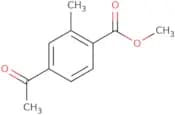
Formula:C8H10N2O4SPurezza:Min. 95%Peso molecolare:230.24 g/molMethyl 4-acetyl-2-methylbenzoate
CAS:Versatile small molecule scaffold
Formula:C11H12O3Purezza:Min. 95%Peso molecolare:192.21 g/mol3-(Morpholin-4-yl)pyridin-2-amine
CAS:3-(Morpholin-4-yl)pyridin-2-amine is a heterocycle that has been shown to be an efficient, regioselective, and nitrogen-containing aliphatic amine. It is a synlett that can be used as an aliphatic amine in the synthesis of nitrogen-containing compounds. 3-(Morpholin-4-yl)pyridin-2-amine has been shown to have efficient methods for the preparation of carbonyl compounds.
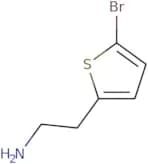
Formula:C9H13N3OPurezza:Min. 95%Peso molecolare:179.22 g/mol2-(5-Bromothiophen-2-yl)ethan-1-amine
CAS:Versatile small molecule scaffold
Formula:C6H8BrNSPurezza:Min. 95%Peso molecolare:206.11 g/molN-(Cyclohexylmethyl)-4-methylbenzene-1-sulfonamide
CAS:Versatile small molecule scaffold
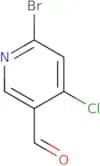
Formula:C14H21NO2SPurezza:Min. 95%Peso molecolare:267.39 g/mol6-bromo-4-chloropyridine-3-carbaldehyde
CAS:Versatile small molecule scaffold
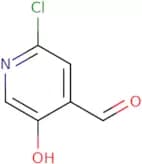
Formula:C6H3BrClNOPurezza:Min. 95%Peso molecolare:220.5 g/mol2-Chloro-5-hydroxyisonicotinaldehyde
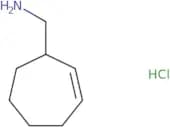
CAS:Versatile small molecule scaffoldFormula:C6H4ClNO2Purezza:Min. 95%Peso molecolare:157.55 g/mol(Cyclohept-2-en-1-yl)methanamine hydrochloride
CAS:Versatile small molecule scaffold
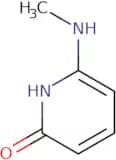
Formula:C8H16ClNPurezza:Min. 95%Peso molecolare:161.7 g/mol6-(Methylamino)pyridin-2-ol
CAS:Versatile small molecule scaffold
Formula:C6H8N2OPurezza:Min. 95%Peso molecolare:124.14 g/mol2-[(3-Chloro-4-fluorophenyl)methyl]-2-methylpyrrolidine hydrochloride
CAS:Versatile small molecule scaffold
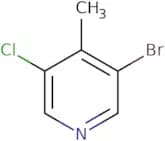
Formula:C12H16Cl2FNPurezza:Min. 95%Peso molecolare:264.16 g/mol3-Bromo-5-chloro-4-methylpyridine
CAS:Versatile small molecule scaffold
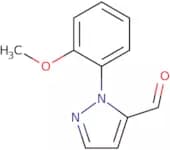
Formula:C6H5BrClNPurezza:Min. 95%Peso molecolare:206.47 g/mol1-(2-Methoxyphenyl)-1H-pyrazole-5-carbaldehyde
CAS:Versatile small molecule scaffold
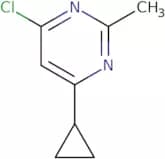
Formula:C11H10N2O2Purezza:Min. 95%Peso molecolare:202.21 g/mol4-Chloro-6-cyclopropyl-2-methylpyrimidine
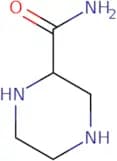
CAS:Versatile small molecule scaffoldFormula:C8H9ClN2Purezza:Min. 95%Peso molecolare:168.62 g/molPiperazine-2-carboxamide
CAS:Piperazine-2-carboxamide is a synthetic drug that is used to treat tuberculosis. It binds to the mycolic acid of the bacterial cell wall, preventing it from forming an outer layer and disrupting its function. Piperazine-2-carboxamide also inhibits the synthesis of fatty acids and amines in bacteria, which are necessary for their survival. This drug can be synthesized by reacting piperazine with formaldehyde and acetamide.
Formula:C5H11N3OPurezza:Min. 95%Peso molecolare:129.16 g/mol[2-(1H-Indol-4-yl)ethyl]dimethylamine
CAS:Prodotto controllatoVersatile small molecule scaffold
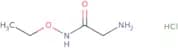
Formula:C12H16N2Purezza:Min. 95%Peso molecolare:188.27 g/mol2-Amino-N-ethoxyacetamide hydrochloride
CAS:Versatile small molecule scaffold
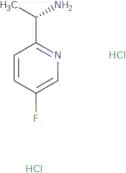
Formula:C4H11ClN2O2Purezza:Min. 95%Peso molecolare:154.59 g/mol(S)-1-(5-Fluoropyridin-2-yl)ethanamine Dihydrochloride
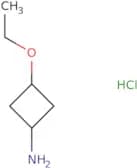
CAS:Versatile small molecule scaffoldFormula:C7H9N2F·2HClPurezza:Min. 95%Peso molecolare:213.08 g/molrac-(1R,3R)-3-Ethoxycyclobutan-1-amine hydrochloride
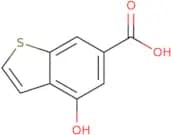
CAS:Versatile small molecule scaffoldFormula:C6H14ClNOPurezza:Min. 95%Peso molecolare:151.63 g/mol4-Hydroxy-1-benzothiophene-6-carboxylic acid
CAS:Versatile small molecule scaffoldFormula:C9H6O3SPurezza:Min. 95%Peso molecolare:194.21 g/mol3-(4-Fluoro-3-methylbenzoyl)pyridine
CAS:Versatile small molecule scaffoldFormula:C13H10FNOPurezza:Min. 95%Peso molecolare:215.22 g/mol(Cyclopropylmethyl)[(6-methylpyridin-3-yl)methyl]amine
CAS:Versatile small molecule scaffold
Formula:C11H16N2Purezza:Min. 95%Peso molecolare:176.26 g/mol2-Chloropyridine-4-sulfonamide
CAS:Versatile small molecule scaffold
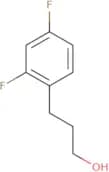
Formula:C5H5ClN2O2SPurezza:Min. 95%Peso molecolare:192.62 g/mol3-(2,4-Difluorophenyl)propan-1-ol
CAS:Versatile small molecule scaffold
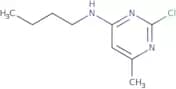
Formula:C9H10F2OPurezza:Min. 95%Peso molecolare:172.17 g/molN-Butyl-2-chloro-6-methylpyrimidin-4-amine
CAS:Versatile small molecule scaffold
Formula:C9H14ClN3Purezza:Min. 95%Peso molecolare:199.68 g/mol4-Chloro-2,6-dimethyl-5-phenylthieno[2,3-d]pyrimidine
CAS:Versatile small molecule scaffold
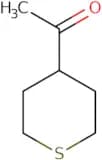
Formula:C14H11ClN2SPurezza:Min. 95%Peso molecolare:274.8 g/mol1-(Thian-4-yl)ethan-1-one
CAS:Versatile small molecule scaffold
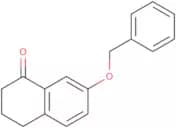
Formula:C7H12OSPurezza:Min. 95%Peso molecolare:144.24 g/mol7-(Benzyloxy)-3,4-dihydronaphthalen-1(2H)-one
CAS:7-(Benzyloxy)-3,4-dihydronaphthalen-1(2H)-one is a tricyclic carboxamide that belongs to the carboxylic acid group. It has a constant boiling point and an acidic pH. 7-(Benzyloxy)-3,4-dihydronaphthalen-1(2H)-one is soluble in water and dilute acids. It has been shown that the melting point of 7-(Benzyloxy)-3,4-dihydronaphthalen-1(2H)-one is not affected by dilution or experiments. The chemical compounds are made up of benzoic acid and carboxylic acid groups that form a six-membered ring with two heterocycles on either side of the molecule.Formula:C17H16O2Purezza:Min. 95%Peso molecolare:252.31 g/mol6-Chloro-2,3,4,9-tetrahydro-1H-carbazol-3-ol
CAS:Versatile small molecule scaffold
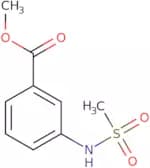
Formula:C12H12ClNOPurezza:Min. 95%Peso molecolare:221.68 g/molMethyl 3-methanesulfonamidobenzoate
CAS:Methyl 3-methanesulfonamidobenzoate is an organic compound that is used as a reagent in organic synthesis. It has the chemical formula CH3O2C(CH2)2SO2CH=NOH. Methyl 3-methanesulfonamidobenzoate is a methyl ester of benzoic acid, which is also known as methyl benzoate. This compound has been shown to react with DNA, forming adducts with guanine and cytosine bases.
Formula:C9H11NO4SPurezza:Min. 95%Peso molecolare:229.26 g/mol4-[2-(3-Nitrophenyl)diazen-1-yl]phenol
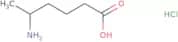
CAS:Versatile small molecule scaffoldFormula:C12H9N3O3Purezza:Min. 95%Peso molecolare:243.22 g/mol5-Aminohexanoic acid hydrochloride
CAS:Versatile small molecule scaffold
Formula:C6H14ClNO2Purezza:Min. 95%Peso molecolare:167.63 g/molN,N-Dimethyl-2-(1-(1-(pyridin-2-yl)ethyl)-1H-inden-2-yl)ethan-1-amine hydrochloride
CAS:Please enquire for more information about N,N-Dimethyl-2-(1-(1-(pyridin-2-yl)ethyl)-1H-inden-2-yl)ethan-1-amine hydrochloride including the price, delivery time and more detailed product information at the technical inquiry form on this page
Formula:C20H24N2•(HCl)2Purezza:Min. 95%Peso molecolare:365.34 g/molRef: 3D-FD183759
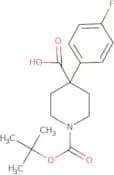
Prodotto fuori produzioneBoc-4-(4-fluorophenyl)-piperidine-4-carboxylic acid
CAS:Please enquire for more information about Boc-4-(4-fluorophenyl)-piperidine-4-carboxylic acid including the price, delivery time and more detailed product information at the technical inquiry form on this page
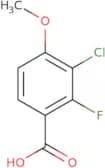
Formula:C17H22FNO4Purezza:Min. 95%Peso molecolare:323.36 g/mol3-Chloro-2-fluoro-4-methoxybenzoic acid
CAS:Versatile small molecule scaffold
Formula:C8H6ClFO3Purezza:Min. 95%Peso molecolare:204.58 g/mol1-(tert-Butyldimethylsilyl)-1H,2H,3H-pyrrolo[2,3-b]pyridine
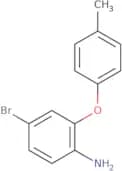
CAS:Versatile small molecule scaffoldFormula:C13H22N2SiPurezza:Min. 95%Peso molecolare:234.41 g/mol4-Bromo-2-(4-methylphenoxy)aniline
CAS:Versatile small molecule scaffold
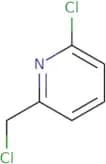
Formula:C13H12BrNOPurezza:Min. 95%Peso molecolare:278.14 g/mol2-Chloro-6-(chloromethyl)pyridine
CAS:2-Chloro-6-(chloromethyl)pyridine (2C6CP) is a chloride precursor that can be used for the synthesis of metal chlorides, such as copper chlorides. 2C6CP is synthesized by reacting thionyl chloride with the substituted pyridine under anhydrous conditions at -78°C. The resultant 2C6CP is then hydrolyzed to produce the desired chloride.
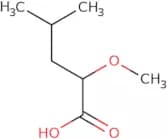
2C6CP has been shown to act as a ligand in coordination chemistry. It was first synthesized by reacting 3-chloropyridine with thionyl chloride and then hydrolyzing it to 2-chloropyridine. This method was later modified to use 4-chlorobenzoyl chloride instead of 3-chloropyridine, producing 2,4-dichloropyridine.Formula:C6H5Cl2NPurezza:Min. 95%Peso molecolare:162.02 g/mol2-Methoxy-4-methylpentanoic acid
CAS:Versatile small molecule scaffold
Formula:C7H14O3Purezza:Min. 95%Peso molecolare:146.18 g/molN-Methyl-7h-pyrrolo[2,3-d]pyrimidin-4-amine
CAS:Versatile small molecule scaffold
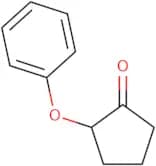
Formula:C7H8N4Purezza:Min. 95%Peso molecolare:148.17 g/mol2-Phenoxycyclopentan-1-one
CAS:Versatile small molecule scaffold
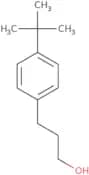
Formula:C11H12O2Purezza:Min. 95%Peso molecolare:176.21 g/mol3-(4-tert-Butylphenyl)propan-1-ol
CAS:Versatile small molecule scaffold
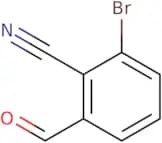
Formula:C13H20OPurezza:Min. 95%Peso molecolare:192.3 g/mol2-Bromo-6-formylbenzonitrile
CAS:Versatile small molecule scaffold
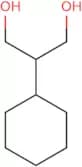
Formula:C8H4BrNOPurezza:Min. 95%Peso molecolare:210.03 g/mol2-Cyclohexylpropane-1,3-diol
CAS:2-Cyclohexylpropane-1,3-diol is a substrate for porcine pancreatic lipase. It is hydrolyzed by this enzyme, which is stereoselective and enantioselective. 2-Cyclohexylpropane-1,3-diol also has properties that are similar to angiotensin, a peptide that is secreted by the human body. This substance can be used as a solvent for other organic compounds in chemical reactions.
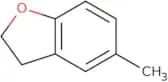
Formula:C9H18O2Purezza:Min. 95%Peso molecolare:158.24 g/mol5-Methyl-2,3-dihydro-1-benzofuran
CAS:Versatile small molecule scaffold
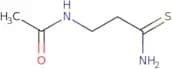
Formula:C9H10OPurezza:Min. 95%Peso molecolare:134.17 g/molN-(2-Carbamothioylethyl)acetamide
CAS:Versatile small molecule scaffold
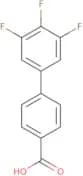
Formula:C5H10N2OSPurezza:Min. 95%Peso molecolare:146.21 g/mol4-(3,4,5-Trifluorophenyl)benzoic acid
CAS:Versatile small molecule scaffold
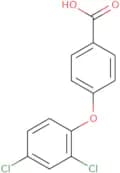
Formula:C13H7F3O2Purezza:Min. 95%Peso molecolare:252.19 g/mol4-(2,4-Dichlorophenoxy)benzoic acid
CAS:Versatile small molecule scaffold
Formula:C13H8Cl2O3Purezza:Min. 95%Peso molecolare:283.1 g/mol(4-Aminopyridin-2-yl)methanol
CAS:Versatile small molecule scaffold
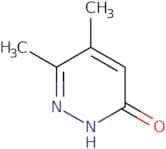
Formula:C6H8N2OPurezza:Min. 95%Peso molecolare:124.14 g/mol5,6-Dimethylpyridazin-3(2H)-one
CAS:Versatile small molecule scaffold
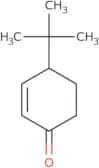
Formula:C6H8N2OPurezza:Min. 95%Peso molecolare:124.14 g/mol4-tert-Butylcyclohex-2-en-1-one
CAS:Versatile small molecule scaffold
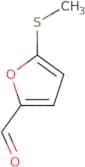
Formula:C10H16OPurezza:Min. 95%Peso molecolare:152.23 g/mol5-(Methylsulfanyl)furan-2-carbaldehyde
CAS:Versatile small molecule scaffold
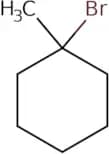
Formula:C6H6O2SPurezza:Min. 95%Peso molecolare:142.18 g/mol1-Bromo-1-methylcyclohexane
CAS:1-Bromo-1-methylcyclohexane is a monomolecular gas that is used as an intermediate in organic synthesis. It reacts with halides to form cyclopentyl derivatives. This reaction has been shown to be faster than the corresponding reaction of 1-bromocyclohexane with chlorides or bromides. The rate of this reaction may be due to the polarizability and conformational changes of the molecule upon substitution by a methyl group. 1-Bromo-1-methylcyclohexane is also an ionizing reagent, which means it can cause electrophilic reactions to occur on other molecules. It has been found that the solvent effect on this product can affect its reactivity, with solvents such as water having more of an effect than solvents such as benzene. 1-Bromo-1-methylcyclohexane has been shown to interact with other compounds in both transfer and complex
Formula:C7H13BrPurezza:Min. 95%Peso molecolare:177.08 g/molN-[Carbamothioyl(phenyl)methyl]benzamide
CAS:Versatile small molecule scaffold
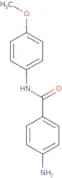
Formula:C15H14N2OSPurezza:Min. 95%Peso molecolare:270.3 g/mol4-Amino-n-(4-methoxyphenyl)benzamide
CAS:4-Amino-N-(4-methoxyphenyl)benzamide is a catalytic sulfamate that has been optimized for use in the synthesis of benzimidazole derivatives. 4-Amino-N-(4-methoxyphenyl)benzamide is used as a reagent for the preparation of aldehydes from sulfamic acid and various types of carboxylic acids. The reaction mechanism involves nucleophilic attack by the hydroxyl group from the sulfamate on the carbonyl carbon atom to form an intermediate, which then reacts with water to release hydrogen sulfate and form a new double bond.
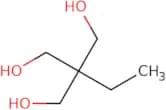
Formula:C14H14N2O2Purezza:Min. 95%Peso molecolare:242.27 g/mol1,1,1-Tris(hydroxymethyl)propane
CAS:Tris(hydroxymethyl)propane is a diphenyl ether that has been shown to have an electrochemical impedance spectroscopy (EIS) spectrum in the human serum that is similar to those of other known antioxidants. Tris(hydroxymethyl)propane has been shown to protect against light-induced damage in human skin cells, and it also has radiation protective effects. Tris(hydroxymethyl)propane has also been shown to interact with trimethylolpropane, which is another antioxidant, and this interaction may affect the effectiveness of each agent. Tris(hydroxymethyl)propane inhibits lipid peroxidation by inhibiting the oxidation of fatty acids and hydroxyl groups on proteins.
Formula:C6H14O3Purezza:Min. 95%Peso molecolare:134.17 g/mol1-Hydroxycyclopentane-1-carbonitrile
CAS:1-Hydroxycyclopentane-1-carbonitrile is a monomer that is hydrolyzed to form benzoin and cyanohydrins. It can be used in the production of scifinder as a monomer or dimerizer.
Formula:C6H9NOPurezza:Min. 95%Peso molecolare:111.14 g/mol4,5-Dihydro-1H-imidazol-2-amine hydrochloride
CAS:Please enquire for more information about 4,5-Dihydro-1H-imidazol-2-amine hydrochloride including the price, delivery time and more detailed product information at the technical inquiry form on this page
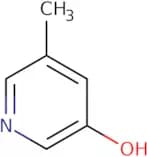
Formula:C3H7N3•HClPurezza:Min. 95%Peso molecolare:121.57 g/mol3-Hydroxy-5-methylpyridine
CAS:3-Hydroxy-5-methylpyridine (3HMP) is a chemical substance that has been classified as an amine. It is a product of the metabolism of purines, which are nitrogenous bases found in DNA and RNA. 3HMP is produced by aerogenic bacteria (such as Enterobacter), and can be used to estimate the number of these bacteria present in water samples. 3HMP has been shown to have antiviral properties against influenza virus, and can be used as a biomarker for the presence of other viruses in animals. 3HMP also has mineralization properties, which have been studied extensively, particularly with regards to pancreatic disease.
Formula:C6H7NOPurezza:Min. 95%Colore e forma:PowderPeso molecolare:109.13 g/molRef: 3D-FH16174
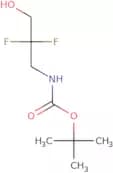
Prodotto fuori produzionetert-Butyl (2,2-difluoro-3-hydroxypropyl)carbamate
CAS:Versatile small molecule scaffoldFormula:C10H13NO4Purezza:Min. 95%Peso molecolare:211.21 g/mol4-Chloro-2-hydroxy-6-methylphenylboronic acid
CAS:Versatile small molecule scaffoldFormula:C7H8BClO3Purezza:Min. 95%Peso molecolare:186.4 g/mol2-Bromo-3,3,3-trifluoro-1-propene
CAS:Prodotto controllato2-Bromo-3,3,3-trifluoro-1-propene is a chemical compound that has been synthesized in an asymmetric reaction. The reactant is bromopropane and the product is 2,2,2-trifluoropropene. The methylene group on the propene molecule is activated by the nucleophilic attack of a fluoride ion from hydrogen fluoride to form a cavity with a highly strained bond. The kinetic study of this reaction revealed that the activation energy for the reaction is 42 kJ/mol. Palladium-catalyzed coupling reactions are catalyzed by palladium and require nonpolar solvents such as toluene or dichloromethane. This type of reaction has been shown to be exothermic with an isolated yield of 1%.
Formula:C3H2BrF3Purezza:Min. 95%Colore e forma:Colorless PowderPeso molecolare:174.95 g/mol8-Bromo-2-methylimidazo[1,2-a]pyridine
CAS:Versatile small molecule scaffold
Formula:C8H7N2BrPurezza:Min. 95%Peso molecolare:211.05 g/mol4,5-Dihydroxy-2,3-Pentanedione
CAS:4,5-Dihydroxy-2,3-pentanedione is a carbonyl compound that is the product of the oxidation of ascorbic acid. It is used in wastewater treatment and has antimicrobial properties against infectious diseases. This compound has been shown to inhibit protein synthesis by binding to the ribosome and preventing the formation of peptide bonds between amino acids. 4,5-Dihydroxy-2,3-pentanedione has also been shown to bind to plasma proteins, which may be due to its acyl chain structure. 4,5-Dihydroxy-2,3-pentanedione can be synthesized in a catalytic mechanism that involves dehydroascorbic acid and molecular oxygen.
Formula:C5H8O4Purezza:Min. 95%Colore e forma:PowderPeso molecolare:132.11 g/molRef: 3D-FD180770
Prodotto fuori produzionePiperyline
CAS:Piperyline is an alkanoic acid that has shown to be effective against skin cancer. It also has antimicrobial properties, which may be due to its ability to bind metal ions and form polymeric compounds. Piperyline inhibits microbial growth by inhibiting the synthesis of proteins and nucleic acids. The antimicrobial activity is related to its cationic polymerization with hydroxyl groups, which forms a structure that can inhibit microbial enzymes and disrupt microbial cell membranes. This compound also interacts with the skin's natural lipids, making it difficult for microorganisms to attach and grow on the skin. Piperyline is synthesized in organic chemistry laboratories as an amide precursor of other pharmaceuticals such as penicillin.
Formula:C16H17NO3Purezza:Min. 95%Peso molecolare:271.31 g/mol



![N-[3-Oxo-3-(pyrrolidin-1-yl)propyl]-4H,5H,6H,7H,8H-cyclohepta[b]thiophene-2-carboxamide](/_next/image/?url=https%3A%2Fstatic.cymitquimica.com%2Fproducts%2F3D%2Fthumb-webp%2FLSB50378.webp&w=3840&q=75)
![({2-[(5-Methylisoxazol-3-yl)amino]-2-oxoethyl}thio)acetic acid](/_next/image/?url=https%3A%2Fstatic.cymitquimica.com%2Fproducts%2F3D%2Fthumb-webp%2FLSA09157.webp&w=3840&q=75)


![2-[(3-Chloro-4-fluorophenyl)methyl]-2-methylpyrrolidine hydrochloride](/_next/image/?url=https%3A%2Fstatic.cymitquimica.com%2Fproducts%2F3D%2Fthumb-webp%2FKHD06393.webp&w=3840&q=75)
![[2-(1H-Indol-4-yl)ethyl]dimethylamine](/_next/image/?url=https%3A%2Fstatic.cymitquimica.com%2Fproducts%2F3D%2Fthumb-webp%2FJDA40101.webp&w=3840&q=75)

![(Cyclopropylmethyl)[(6-methylpyridin-3-yl)methyl]amine](/_next/image/?url=https%3A%2Fstatic.cymitquimica.com%2Fproducts%2F3D%2Fthumb-webp%2FHXB91986.webp&w=3840&q=75)

![4-Chloro-2,6-dimethyl-5-phenylthieno[2,3-d]pyrimidine](/_next/image/?url=https%3A%2Fstatic.cymitquimica.com%2Fproducts%2F3D%2Fthumb-webp%2FHFB22158.webp&w=3840&q=75)

![4-[2-(3-Nitrophenyl)diazen-1-yl]phenol](/_next/image/?url=https%3A%2Fstatic.cymitquimica.com%2Fproducts%2F3D%2Fthumb-webp%2FGTB83534.webp&w=3840&q=75)
![1-(tert-Butyldimethylsilyl)-1H,2H,3H-pyrrolo[2,3-b]pyridine](/_next/image/?url=https%3A%2Fstatic.cymitquimica.com%2Fproducts%2F3D%2Fthumb-webp%2FEFB21438.webp&w=3840&q=75)
![N-Methyl-7h-pyrrolo[2,3-d]pyrimidin-4-amine](/_next/image/?url=https%3A%2Fstatic.cymitquimica.com%2Fproducts%2F3D%2Fthumb-webp%2FDDA72716.webp&w=3840&q=75)
![N-[Carbamothioyl(phenyl)methyl]benzamide](/_next/image/?url=https%3A%2Fstatic.cymitquimica.com%2Fproducts%2F3D%2Fthumb-webp%2FAAA89278.webp&w=3840&q=75)



![8-Bromo-2-methylimidazo[1,2-a]pyridine](/_next/image/?url=https%3A%2Fstatic.cymitquimica.com%2Fproducts%2F3D%2Fthumb-webp%2FUXB37475.webp&w=3840&q=75)

