Building Blocks
Sottocategorie di "Building Blocks"
- Acidi boronici e derivati dell'acido boronico(5.778 prodotti)
- Building Blocks Chirali(1.243 prodotti)
- Building Blocks Idrocarburici(6.099 prodotti)
- Building Blocks organici(61.038 prodotti)
Trovati 205376 prodotti di "Building Blocks"
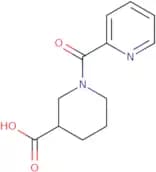
1-(Pyridine-2-carbonyl)piperidine-3-carboxylic acid
CAS:Versatile small molecule scaffold
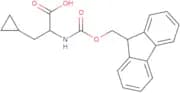
Formula:C12H14N2O3Purezza:Min. 95%Peso molecolare:234.25 g/molN-FMOC-Cyclopropyl alanine
CAS:Versatile small molecule scaffold
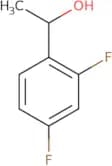
Formula:C21H21NO4Purezza:Min. 95%Peso molecolare:351.4 g/mol(1R)-1-(2,4-Difluorophenyl)ethan-1-ol
CAS:Versatile small molecule scaffold
Formula:C8H8F2OPurezza:Min. 95%Peso molecolare:158.14 g/mol3-Amino-3-[3-(trifluoromethoxy)phenyl]propan-1-ol
CAS:Versatile small molecule scaffold
Formula:C10H12F3NO2Purezza:Min. 95%Peso molecolare:235.2 g/mol6-[3-(3-Chlorophenyl)-1,2,4-oxadiazol-5-yl]-2,3-dihydropyridazin-3-one
CAS:Versatile small molecule scaffold
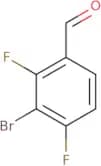
Formula:C12H7ClN4O2Purezza:Min. 95%Peso molecolare:274.66 g/mol3-Bromo-2,4-difluorobenzaldehyde
CAS:Versatile small molecule scaffold
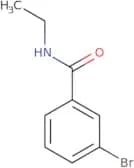
Formula:C7H3BrF2OPurezza:Min. 95%Peso molecolare:219.93 g/mol3-Bromo-N-ethylbenzamide
CAS:Versatile small molecule scaffold
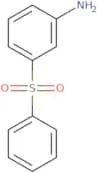
Formula:C9H10BrNOPurezza:Min. 95%Peso molecolare:228.09 g/mol3-(Benzenesulfonyl)aniline
CAS:Versatile small molecule scaffold
Formula:C12H11NO2SPurezza:Min. 95%Peso molecolare:233.29 g/molEthyl 1-amino-1-cyclobutanecarboxylate monohydrochloride
CAS:Ethyl 1-amino-1-cyclobutanecarboxylate monohydrochloride is a cyclic carbonyl compound that is used as a building block in organic synthesis. It has been used to synthesize a number of natural products, such as piperarborenine and cyclobutanes. This compound can be synthesized by reacting ethyl chloroformate with cyclobutanecarbaldehyde in the presence of an acid or base catalyst. The steric and geometric properties of this molecule are highlighted below.
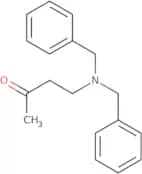
Formula:C2H5O2CC4H6NH2·HClPurezza:Min. 95%Peso molecolare:179.64 g/mol4-(dibenzylamino)butan-2-one
CAS:Versatile small molecule scaffold
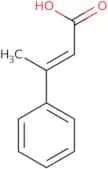
Formula:C18H21NOPurezza:Min. 95%Peso molecolare:267.37 g/mol3-Phenylbut-2-enoic acid
CAS:3-Phenylbut-2-enoic acid is a prochiral, carbonyl compound that can be used in the synthesis of chiral pharmaceuticals. Mechanistic studies have shown that 3-phenylbut-2-enoic acid is a catalytic hydrogenation reagent that converts prochiral substrates to their corresponding chiral products. When combined with binap and butenoic acid, 3-phenylbut-2-enoic acid can catalyze the asymmetric synthesis of butenoate. The reaction yields high enantiomeric excesses and good yields.
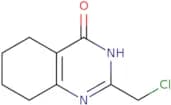
Formula:C10H10O2Purezza:Min. 95%Peso molecolare:162.19 g/mol2-(Chloromethyl)-5,6,7,8-tetrahydroquinazolin-4(3H)-one
CAS:Versatile small molecule scaffold
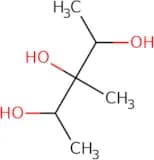
Formula:C9H11ClN2OPurezza:Min. 95%Peso molecolare:198.65 g/mol3-Methylpentane-2,3,4-triol
CAS:Versatile small molecule scaffold
Formula:C6H14O3Purezza:Min. 95%Peso molecolare:134.17 g/mol2-Cyclopentyloxy-benzaldehyde
CAS:2-Cyclopentyloxy-benzaldehyde has potent inhibitory activity against inflammatory diseases. It is a chemical compound that contains an amido group and two cyclopentyloxy groups. 2-Cyclopentyloxy-benzaldehyde inhibits the activation of glycogen synthase kinase-3, which is a protein that regulates inflammation in the body. This substance can be used to inhibit the spread of HIV or viral infections by inhibiting protein synthesis in these viruses. 2-Cyclopentyloxy-benzaldehyde also has an inhibitory effect on cachexia, which is a condition characterized by weight loss, muscle wasting, and fatigue.
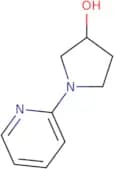
Formula:C12H14O2Purezza:Min. 95%Peso molecolare:190.24 g/mol(3S)-1-(Pyridin-2-yl)pyrrolidin-3-ol
CAS:Versatile small molecule scaffold
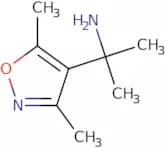
Formula:C9H12N2OPurezza:Min. 95%Peso molecolare:164.2 g/mol2-(Dimethyl-1,2-oxazol-4-yl)propan-2-amine
CAS:Versatile small molecule scaffold
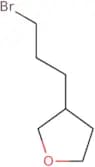
Formula:C8H14N2OPurezza:Min. 95%Peso molecolare:154.21 g/mol3-(3-Bromopropyl)oxolane
CAS:Versatile small molecule scaffold
Formula:C7H13BrOPurezza:Min. 95%Peso molecolare:193.08 g/mol3-{[3-(Methoxycarbonyl)-5-methylthiophen-2-yl]carbamoyl}propanoic acid
CAS:Versatile small molecule scaffold
Formula:C11H13NO5SPurezza:Min. 95%Peso molecolare:271.29 g/mol4-(Dimethyl-1,2-oxazol-4-yl)phenol
CAS:Versatile small molecule scaffold
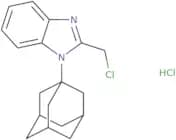
Formula:C11H11NO2Purezza:Min. 95%Peso molecolare:189.21 g/mol1-(Adamantan-1-yl)-2-(chloromethyl)-1H-1,3-benzodiazole hydrochloride
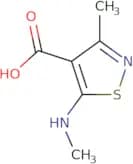
CAS:Versatile small molecule scaffoldFormula:C18H22Cl2N2Purezza:Min. 95%Peso molecolare:337.3 g/mol3-Methyl-5-(methylamino)-1,2-thiazole-4-carboxylic acid
CAS:Versatile small molecule scaffold
Formula:C6H8N2O2SPurezza:Min. 95%Peso molecolare:172.21 g/mol4-[2-(4-Iodophenyl)ethyl]morpholine
CAS:Versatile small molecule scaffold
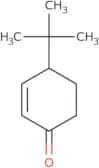
Formula:C12H16INOPurezza:Min. 95%Peso molecolare:317.17 g/mol4-tert-Butylcyclohex-2-en-1-one
CAS:Versatile small molecule scaffold
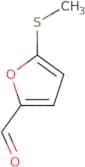
Formula:C10H16OPurezza:Min. 95%Peso molecolare:152.23 g/mol5-(Methylsulfanyl)furan-2-carbaldehyde
CAS:Versatile small molecule scaffold
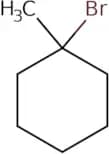
Formula:C6H6O2SPurezza:Min. 95%Peso molecolare:142.18 g/mol1-Bromo-1-methylcyclohexane
CAS:1-Bromo-1-methylcyclohexane is a monomolecular gas that is used as an intermediate in organic synthesis. It reacts with halides to form cyclopentyl derivatives. This reaction has been shown to be faster than the corresponding reaction of 1-bromocyclohexane with chlorides or bromides. The rate of this reaction may be due to the polarizability and conformational changes of the molecule upon substitution by a methyl group. 1-Bromo-1-methylcyclohexane is also an ionizing reagent, which means it can cause electrophilic reactions to occur on other molecules. It has been found that the solvent effect on this product can affect its reactivity, with solvents such as water having more of an effect than solvents such as benzene. 1-Bromo-1-methylcyclohexane has been shown to interact with other compounds in both transfer and complex
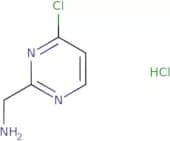
Formula:C7H13BrPurezza:Min. 95%Peso molecolare:177.08 g/mol2-(Aminomethyl)-4-chloropyrimidine HCl
CAS:Versatile small molecule scaffold
Formula:C5H7Cl2N3Purezza:Min. 95%Peso molecolare:180.04 g/molN-[Carbamothioyl(phenyl)methyl]benzamide
CAS:Versatile small molecule scaffold
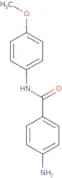
Formula:C15H14N2OSPurezza:Min. 95%Peso molecolare:270.3 g/mol4-Amino-n-(4-methoxyphenyl)benzamide
CAS:4-Amino-N-(4-methoxyphenyl)benzamide is a catalytic sulfamate that has been optimized for use in the synthesis of benzimidazole derivatives. 4-Amino-N-(4-methoxyphenyl)benzamide is used as a reagent for the preparation of aldehydes from sulfamic acid and various types of carboxylic acids. The reaction mechanism involves nucleophilic attack by the hydroxyl group from the sulfamate on the carbonyl carbon atom to form an intermediate, which then reacts with water to release hydrogen sulfate and form a new double bond.
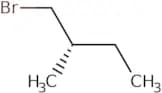
Formula:C14H14N2O2Purezza:Min. 95%Peso molecolare:242.27 g/mol(S)-(+)-1-Bromo-2-methylbutane
CAS:(S)-(+)-1-Bromo-2-methylbutane is a chiral molecule with two stereoisomers, the cis and trans forms. The cis form has been observed to be the more stable of the two. It is a functional theory that these two forms are not mirror images of each other because they have different conformations. (S)-(+)-1-Bromo-2-methylbutane has been used in the synthesis of a number of important molecules. The stereoisomers can be distinguished by conformational analysis and optical microscopy. (S)-(+)-1-Bromo-2-methylbutane also has an application in biotechnology for use as a precursor for hydrazones, which are important in organic chemistry and molecular biology, such as DNA sequencing.
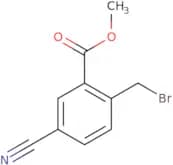
Formula:C5H11BrPurezza:Min. 95%Peso molecolare:151.04 g/molMethyl 2-(bromomethyl)-5-cyanobenzoate
CAS:Versatile small molecule scaffold
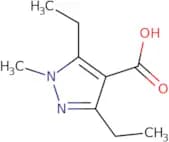
Formula:C10H8BrNO2Purezza:Min. 95%Peso molecolare:254.08 g/mol3,5-Diethyl-1-methyl-1H-pyrazole-4-carboxylic acid
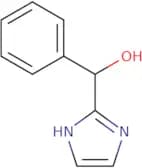
CAS:Versatile small molecule scaffoldFormula:C9H14N2O2Purezza:Min. 95%Peso molecolare:182.22 g/mol1H-Imidazol-2-yl(phenyl)methanol
CAS:Versatile small molecule scaffold
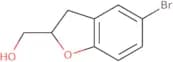
Formula:C10H10N2OPurezza:Min. 95%Peso molecolare:174.2 g/mol(5-Bromo-2,3-dihydro-1-benzofuran-2-yl)methanol
CAS:Versatile small molecule scaffold
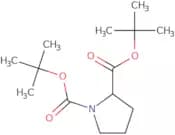
Formula:C9H9O2BrPurezza:Min. 95%Peso molecolare:229.07 g/mol1,2-Di-tert-butyl pyrrolidine-1,2-dicarboxylate
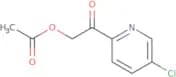
CAS:Versatile small molecule scaffoldFormula:C14H25NO4Purezza:Min. 95%Peso molecolare:271.35 g/mol2-(5-Chloropyridin-2-yl)-2-oxoethyl acetate
CAS:Versatile small molecule scaffold
Formula:C9H8ClNO3Purezza:Min. 95%Peso molecolare:213.62 g/moltert-Butyl N-[1-cyano-3-(propan-2-yloxy)propyl]carbamate
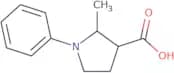
CAS:Versatile small molecule scaffoldFormula:C12H22N2O3Purezza:Min. 95%Peso molecolare:242.31 g/mol2-Methyl-1-phenylpyrrolidine-3-carboxylic acid
CAS:Versatile small molecule scaffold
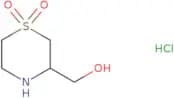
Formula:C12H15NO2Purezza:Min. 95%Peso molecolare:205.25 g/mol(S)-3-(Hydroxymethyl)thiomorpholine 1,1-dioxide hydrochloride
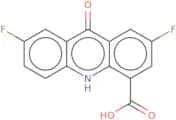
CAS:Versatile small molecule scaffoldFormula:C5H12ClNO3SPurezza:Min. 95%Peso molecolare:201.67 g/mol2,7-Difluoro-9-oxo-9,10-dihydroacridine-4-carboxylic acid
CAS:Versatile small molecule scaffold
Formula:C14H7F2NO3Purezza:Min. 95%Peso molecolare:275.2 g/mol2-(Benzylamino)-1-[3-(difluoromethoxy)phenyl]ethan-1-ol
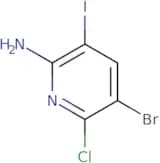
CAS:Versatile small molecule scaffoldFormula:C16H17F2NO2Purezza:Min. 95%Peso molecolare:293.31 g/mol5-Bromo-6-chloro-3-iodopyridin-2-amine
CAS:Versatile small molecule scaffold
Formula:C5H3BrClIN2Purezza:Min. 95%Peso molecolare:333.35 g/mol(Cyclopropylmethyl)[(6-methylpyridin-3-yl)methyl]amine
CAS:Versatile small molecule scaffold
Formula:C11H16N2Purezza:Min. 95%Peso molecolare:176.26 g/mol2-Chloropyridine-4-sulfonamide
CAS:Versatile small molecule scaffold
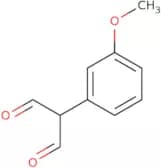
Formula:C5H5ClN2O2SPurezza:Min. 95%Peso molecolare:192.62 g/mol2-(3-Methoxyphenyl)malondialdehyde
CAS:Versatile small molecule scaffold
Formula:C10H10O3Purezza:Min. 95%Peso molecolare:178.18 g/molMethyl 3-amino-2-[(oxan-4-yl)methyl]propanoate hydrochloride
CAS:Versatile small molecule scaffold
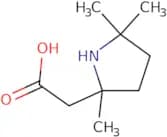
Formula:C10H20ClNO3Purezza:Min. 95%Peso molecolare:237.72 g/mol2-(2,5,5-Trimethylpyrrolidin-2-yl)acetic acid
CAS:Versatile small molecule scaffold
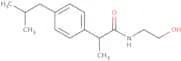
Formula:C9H17NO2Purezza:Min. 95%Peso molecolare:171.24 g/molMabuprofen
CAS:Mabuprofen is a nonsteroidal anti-inflammatory drug that belongs to the class of NSAIDs. It is used to treat pain, inflammation, and stiffness caused by osteoarthritis, rheumatoid arthritis, and other joint diseases. Mabuprofen is a prodrug that has been shown to inhibit the production of prostaglandins in the brain and spinal cord. This inhibition leads to an increase in cyclic adenosine monophosphate (cAMP) levels which can then reduce the production of proteins in cells. This can have anti-inflammatory effects that are beneficial for people with inflammatory bowel disease or hyperproliferative diseases such as cancer. Mabuprofen has also been shown to decrease the levels of soybean trypsin inhibitor in rats with bowel disease. The mechanism for this activity may be due to its ability to act as a substrate molecule for enzyme reactions, such as soybean trypsin inhibitors.
Formula:C15H23NO2Purezza:Min. 95%Peso molecolare:249.35 g/moltert-butyl N-[(2R)-1-oxopropan-2-yl]carbamate
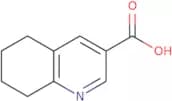
CAS:Versatile small molecule scaffoldFormula:C8H15NO3Purezza:Min. 95%Peso molecolare:173.2 g/mol5,6,7,8-Tetrahydroquinoline-3-carboxylic acid
CAS:5,6,7,8-Tetrahydroquinoline-3-carboxylic acid is a quinoline derivative that has been shown to have bacteriostatic activity against Staphylococcus aureus. It binds to the hydroxyl groups of the bacterial cell membrane and inhibits the production of enzymes necessary for protein synthesis. The interaction between the 5,6,7,8-tetrahydroquinoline-3-carboxylic acid and the hydroxyl group is reversible. 5,6,7,8-Tetrahydroquinoline-3-carboxylic acid also has bacteriostatic activity against other bacteria such as Mycobacterium tuberculosis and Mycobacterium avium complex.Formula:C10H11NO2Purezza:Min. 95%Peso molecolare:177.2 g/mol5-Methylquinoline
CAS:5-Methylquinoline is a quinoline derivative that is used in the synthesis of other quinoline derivatives. It can be synthesized from cinnamaldehyde, which can be obtained from cinnamic acid or benzaldehyde. 5-Methylquinoline has been shown to have antioxidant properties and inhibit colorectal carcinoma cells in vitro. The compound also inhibits the growth of caco-2 cells. One isomer of 5-methylquinoline, ethenyl, has been shown to cause a shift in the spectrum of light absorbed by caco-2 cells.
Formula:C10H9NPurezza:Min. 95%Peso molecolare:143.18 g/mol4-(Piperazin-1-yl)isoquinoline dihydrochloride
CAS:Versatile small molecule scaffold
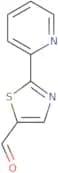
Formula:C13H17Cl2N3Purezza:Min. 95%Peso molecolare:286.2 g/mol2-(Pyridin-2-yl)-1,3-thiazole-5-carbaldehyde
CAS:Versatile small molecule scaffoldFormula:C9H6N2OSPurezza:Min. 95%Peso molecolare:190.22 g/mol[(4-Bromo-2-fluorophenyl)methyl][2-(4-methylpiperazin-1-yl)ethyl]amine
CAS:Versatile small molecule scaffold
Formula:C14H21BrFN3Purezza:Min. 95%Peso molecolare:330.24 g/mol[2-(1H-Indol-4-yl)ethyl]dimethylamine
CAS:Prodotto controllatoVersatile small molecule scaffold
Formula:C12H16N2Purezza:Min. 95%Peso molecolare:188.27 g/mol[4-(Thien-2-yl)phenyl]methanol
CAS:Versatile small molecule scaffold
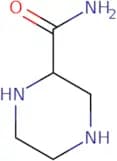
Formula:C11H10OSPurezza:Min. 95%Peso molecolare:190.26 g/molPiperazine-2-carboxamide
CAS:Piperazine-2-carboxamide is a synthetic drug that is used to treat tuberculosis. It binds to the mycolic acid of the bacterial cell wall, preventing it from forming an outer layer and disrupting its function. Piperazine-2-carboxamide also inhibits the synthesis of fatty acids and amines in bacteria, which are necessary for their survival. This drug can be synthesized by reacting piperazine with formaldehyde and acetamide.
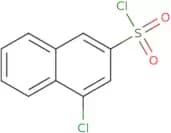
Formula:C5H11N3OPurezza:Min. 95%Peso molecolare:129.16 g/mol4-Chloronaphthalene-2-sulfonyl chloride
CAS:Versatile small molecule scaffoldFormula:C10H6Cl2O2SPurezza:Min. 95%Peso molecolare:261.12 g/mol3-[(Furan-2-ylmethyl)sulfanyl]prop-2-enoic acid
CAS:Versatile small molecule scaffold
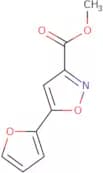
Formula:C8H8O3SPurezza:Min. 95%Peso molecolare:184.21 g/molMethyl 5-(2-furyl)isoxazole-3-carboxylate
CAS:Versatile small molecule scaffold
Formula:C9H7NO4Purezza:Min. 95%Peso molecolare:193.16 g/mol3-(4-Fluoro-3-methylbenzoyl)pyridine
CAS:Versatile small molecule scaffoldFormula:C13H10FNOPurezza:Min. 95%Peso molecolare:215.22 g/mol2-{2H,3H-Imidazo[2,1-b][1,3]thiazol-6-yl}ethan-1-amine hydrochloride
CAS:Versatile small molecule scaffold
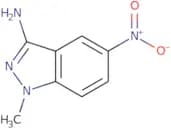
Formula:C7H12ClN3SPurezza:Min. 95%Peso molecolare:205.71 g/mol1-Methyl-5-nitro-1H-indazol-3-amine
CAS:Versatile small molecule scaffold
Formula:C8H8N4O2Purezza:Min. 95%Peso molecolare:192.18 g/mol1-[3-(Chloromethyl)benzoyl]piperidine
CAS:Versatile small molecule scaffold
Formula:C13H16ClNOPurezza:Min. 95%Peso molecolare:237.72 g/mol2-Chloro-5,8-difluoroquinoline
CAS:Versatile small molecule scaffold
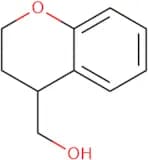
Formula:C9H4ClF2NPurezza:Min. 95%Peso molecolare:199.58 g/mol3,4-Dihydro-2H-1-benzopyran-4-ylmethanol
CAS:Versatile small molecule scaffold
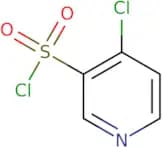
Formula:C10H12O2Purezza:Min. 95%Peso molecolare:164.2 g/mol4-chloropyridine-3-sulfonyl chloride
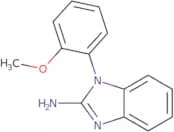
CAS:4-Chloropyridine-3-sulfonyl chloride is a thrombin inhibitor that has been discovered through the use of in vitro screening methods. It is a small molecule with lipophilic properties and oral bioavailability. This compound inhibits thrombin by binding to the active site of the enzyme, which prevents the formation of an enzyme-thrombin complex. The discovery was made using a pharmacophore-based approach and further modifications were made to improve its potency and increase its lipophilicity. This compound also exhibits an acceptable level of bioavailability in vivo, which may be due to its high solubility in water.Formula:C5H3Cl2NO2SPurezza:Min. 95%Peso molecolare:212.1 g/mol1-(2-Methoxyphenyl)-1H-1,3-benzodiazol-2-amine
CAS:Versatile small molecule scaffoldFormula:C14H13N3OPurezza:Min. 95%Peso molecolare:239.27 g/mol8-Bromo-2-methylimidazo[1,2-a]pyridine
CAS:Versatile small molecule scaffold
Formula:C8H7N2BrPurezza:Min. 95%Peso molecolare:211.05 g/mol4-Chloro-2-hydroxy-6-methylphenylboronic acid
CAS:Versatile small molecule scaffoldFormula:C7H8BClO3Purezza:Min. 95%Peso molecolare:186.4 g/mol1-Hydroxycyclopentane-1-carbonitrile
CAS:1-Hydroxycyclopentane-1-carbonitrile is a monomer that is hydrolyzed to form benzoin and cyanohydrins. It can be used in the production of scifinder as a monomer or dimerizer.
Formula:C6H9NOPurezza:Min. 95%Peso molecolare:111.14 g/mol4,5-Dihydro-1H-imidazol-2-amine hydrochloride
CAS:Please enquire for more information about 4,5-Dihydro-1H-imidazol-2-amine hydrochloride including the price, delivery time and more detailed product information at the technical inquiry form on this page
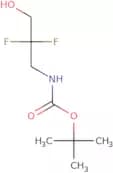
Formula:C3H7N3•HClPurezza:Min. 95%Peso molecolare:121.57 g/moltert-Butyl (2,2-difluoro-3-hydroxypropyl)carbamate
CAS:Versatile small molecule scaffoldFormula:C10H13NO4Purezza:Min. 95%Peso molecolare:211.21 g/mol3-Hydroxy-5-methylpyridine
CAS:3-Hydroxy-5-methylpyridine (3HMP) is a chemical substance that has been classified as an amine. It is a product of the metabolism of purines, which are nitrogenous bases found in DNA and RNA. 3HMP is produced by aerogenic bacteria (such as Enterobacter), and can be used to estimate the number of these bacteria present in water samples. 3HMP has been shown to have antiviral properties against influenza virus, and can be used as a biomarker for the presence of other viruses in animals. 3HMP also has mineralization properties, which have been studied extensively, particularly with regards to pancreatic disease.
Formula:C6H7NOPurezza:Min. 95%Colore e forma:PowderPeso molecolare:109.13 g/molRef: 3D-FH16174
Prodotto fuori produzione2-Bromo-3,3,3-trifluoro-1-propene
CAS:Prodotto controllato2-Bromo-3,3,3-trifluoro-1-propene is a chemical compound that has been synthesized in an asymmetric reaction. The reactant is bromopropane and the product is 2,2,2-trifluoropropene. The methylene group on the propene molecule is activated by the nucleophilic attack of a fluoride ion from hydrogen fluoride to form a cavity with a highly strained bond. The kinetic study of this reaction revealed that the activation energy for the reaction is 42 kJ/mol. Palladium-catalyzed coupling reactions are catalyzed by palladium and require nonpolar solvents such as toluene or dichloromethane. This type of reaction has been shown to be exothermic with an isolated yield of 1%.
Formula:C3H2BrF3Purezza:Min. 95%Colore e forma:Colorless PowderPeso molecolare:174.95 g/mol4,5-Dihydroxy-2,3-Pentanedione
CAS:4,5-Dihydroxy-2,3-pentanedione is a carbonyl compound that is the product of the oxidation of ascorbic acid. It is used in wastewater treatment and has antimicrobial properties against infectious diseases. This compound has been shown to inhibit protein synthesis by binding to the ribosome and preventing the formation of peptide bonds between amino acids. 4,5-Dihydroxy-2,3-pentanedione has also been shown to bind to plasma proteins, which may be due to its acyl chain structure. 4,5-Dihydroxy-2,3-pentanedione can be synthesized in a catalytic mechanism that involves dehydroascorbic acid and molecular oxygen.
Formula:C5H8O4Purezza:Min. 95%Colore e forma:PowderPeso molecolare:132.11 g/molRef: 3D-FD180770
Prodotto fuori produzionePiperyline
CAS:Piperyline is an alkanoic acid that has shown to be effective against skin cancer. It also has antimicrobial properties, which may be due to its ability to bind metal ions and form polymeric compounds. Piperyline inhibits microbial growth by inhibiting the synthesis of proteins and nucleic acids. The antimicrobial activity is related to its cationic polymerization with hydroxyl groups, which forms a structure that can inhibit microbial enzymes and disrupt microbial cell membranes. This compound also interacts with the skin's natural lipids, making it difficult for microorganisms to attach and grow on the skin. Piperyline is synthesized in organic chemistry laboratories as an amide precursor of other pharmaceuticals such as penicillin.
Formula:C16H17NO3Purezza:Min. 95%Peso molecolare:271.31 g/mol

![3-Amino-3-[3-(trifluoromethoxy)phenyl]propan-1-ol](/_next/image/?url=https%3A%2Fstatic.cymitquimica.com%2Fproducts%2F3D%2Fthumb-webp%2FVAC40236.webp&w=3840&q=75)
![6-[3-(3-Chlorophenyl)-1,2,4-oxadiazol-5-yl]-2,3-dihydropyridazin-3-one](/_next/image/?url=https%3A%2Fstatic.cymitquimica.com%2Fproducts%2F3D%2Fthumb-webp%2FVEC59761.webp&w=3840&q=75)


![3-{[3-(Methoxycarbonyl)-5-methylthiophen-2-yl]carbamoyl}propanoic acid](/_next/image/?url=https%3A%2Fstatic.cymitquimica.com%2Fproducts%2F3D%2Fthumb-webp%2FVUA37557.webp&w=3840&q=75)

![4-[2-(4-Iodophenyl)ethyl]morpholine](/_next/image/?url=https%3A%2Fstatic.cymitquimica.com%2Fproducts%2F3D%2Fthumb-webp%2FAEA83946.webp&w=3840&q=75)
![N-[Carbamothioyl(phenyl)methyl]benzamide](/_next/image/?url=https%3A%2Fstatic.cymitquimica.com%2Fproducts%2F3D%2Fthumb-webp%2FAAA89278.webp&w=3840&q=75)
![tert-Butyl N-[1-cyano-3-(propan-2-yloxy)propyl]carbamate](/_next/image/?url=https%3A%2Fstatic.cymitquimica.com%2Fproducts%2F3D%2Fthumb-webp%2FXWC38667.webp&w=3840&q=75)
![2-(Benzylamino)-1-[3-(difluoromethoxy)phenyl]ethan-1-ol](/_next/image/?url=https%3A%2Fstatic.cymitquimica.com%2Fproducts%2F3D%2Fthumb-webp%2FXWC80204.webp&w=3840&q=75)
![(Cyclopropylmethyl)[(6-methylpyridin-3-yl)methyl]amine](/_next/image/?url=https%3A%2Fstatic.cymitquimica.com%2Fproducts%2F3D%2Fthumb-webp%2FHXB91986.webp&w=3840&q=75)

![Methyl 3-amino-2-[(oxan-4-yl)methyl]propanoate hydrochloride](/_next/image/?url=https%3A%2Fstatic.cymitquimica.com%2Fproducts%2F3D%2Fthumb-webp%2FICC65034.webp&w=3840&q=75)
![tert-butyl N-[(2R)-1-oxopropan-2-yl]carbamate](/_next/image/?url=https%3A%2Fstatic.cymitquimica.com%2Fproducts%2F3D%2Fthumb-webp%2FHDA35356.webp&w=3840&q=75)


![[(4-Bromo-2-fluorophenyl)methyl][2-(4-methylpiperazin-1-yl)ethyl]amine](/_next/image/?url=https%3A%2Fstatic.cymitquimica.com%2Fproducts%2F3D%2Fthumb-webp%2FIXB00918.webp&w=3840&q=75)
![[2-(1H-Indol-4-yl)ethyl]dimethylamine](/_next/image/?url=https%3A%2Fstatic.cymitquimica.com%2Fproducts%2F3D%2Fthumb-webp%2FJDA40101.webp&w=3840&q=75)
![[4-(Thien-2-yl)phenyl]methanol](/_next/image/?url=https%3A%2Fstatic.cymitquimica.com%2Fproducts%2F3D%2Fthumb-webp%2FGDA44344.webp&w=3840&q=75)
![3-[(Furan-2-ylmethyl)sulfanyl]prop-2-enoic acid](/_next/image/?url=https%3A%2Fstatic.cymitquimica.com%2Fproducts%2F3D%2Fthumb-webp%2FJFC43383.webp&w=3840&q=75)

![2-{2H,3H-Imidazo[2,1-b][1,3]thiazol-6-yl}ethan-1-amine hydrochloride](/_next/image/?url=https%3A%2Fstatic.cymitquimica.com%2Fproducts%2F3D%2Fthumb-webp%2FXWC94114.webp&w=3840&q=75)
![1-[3-(Chloromethyl)benzoyl]piperidine](/_next/image/?url=https%3A%2Fstatic.cymitquimica.com%2Fproducts%2F3D%2Fthumb-webp%2FYFA58364.webp&w=3840&q=75)
![8-Bromo-2-methylimidazo[1,2-a]pyridine](/_next/image/?url=https%3A%2Fstatic.cymitquimica.com%2Fproducts%2F3D%2Fthumb-webp%2FUXB37475.webp&w=3840&q=75)