Building Blocks
Sottocategorie di "Building Blocks"
- Acidi boronici e derivati dell'acido boronico(5.784 prodotti)
- Building Blocks Chirali(1.242 prodotti)
- Building Blocks Idrocarburici(6.105 prodotti)
- Building Blocks organici(61.061 prodotti)
Trovati 205399 prodotti di "Building Blocks"
Potassium (cyclopropylmethyl)trifluoroborate
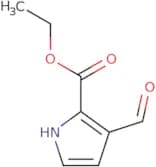
CAS:Versatile small molecule scaffoldFormula:C4H7BF3KPurezza:Min. 95%Peso molecolare:162 g/molethyl 3-formyl-1H-pyrrole-2-carboxylate
CAS:Ethyl 3-formyl-1H-pyrrole-2-carboxylate is a formyl compound with the molecular formula C8H8O3. It is a colorless liquid that has a strong odor. The compound can be obtained by the reaction of ethyl acetoacetate and pyrrole in the presence of aluminum chloride. The compound has been studied for its nuclear magnetic resonance (NMR) properties. It has two conformers, which are distinguished by their different chemical shifts, and this difference can be used to study coupling between the carbonyl group and other groups in the molecule.
Formula:C8H9NO3Purezza:Min. 95%Peso molecolare:167.2 g/mol2-(Prop-2-ynyloxy)acetic acid
CAS:Versatile small molecule scaffoldFormula:C5H6O3Purezza:Min. 95%Peso molecolare:114.1 g/mol1,5,6,7-Tetrahydro-2H-cyclopenta[b]pyridin-2-one
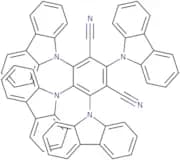
CAS:Versatile small molecule scaffoldFormula:C8H9NOPurezza:Min. 95%Peso molecolare:135.17 g/mol2,4,5,6-Tetra(9H-carbazol-9-yl)isophthalonitrile
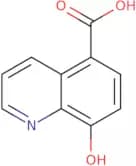
CAS:2,4,5,6-Tetra(9H-carbazol-9-yl)isophthalonitrile is a redox molecule that emits light when excited by an electron or photon. It is used in organic light emitting devices (OLEDs) as the emissive material. This compound has been shown to have low chemical stability and limited transport properties. Its efficiency can be improved by increasing the concentration of the molecule. Activated 2,4,5,6-tetra(9H-carbazol-9-yl)isophthalonitrile emits a bright red orange emission with a maximum at 569 nm and it is activated by electron transfer from an electrode. 2,4,5,6-Tetra(9H-carbazol-9-yl)isophthalonitrile has been shown to emit blue light when excited by UV light in the presence of oxygen as an oxidant.Formula:C56H32N6Purezza:Min. 98 Area-%Colore e forma:PowderPeso molecolare:788.89 g/molJMJD2 Inhibitor, 5-carboxy-8HQ
CAS:JMJD2 is an enzyme that catalyzes the methylation of histone H3 at lysine 27. JMJD2 inhibitors are compounds that inhibit JMJD2 activity, which may be used to treat cancer. This class of drugs inhibits the activity of JMJD2 by binding to the active site and blocking the substrate from entering. The most potent compound in this class, 5-carboxy-8HQ, has been shown to have antibacterial efficacy in a squamous cell carcinoma model system and up-regulated expression in wild-type cells. Additionally, this compound has been shown to significantly inhibit tumor growth in a mouse model of atherosclerotic lesion.Formula:C10H7NO3Purezza:Min. 95%Peso molecolare:189.17 g/mol5-Bromo-1-methyl-1H-pyrazole-4-carboxylic acid
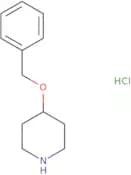
CAS:Versatile small molecule scaffoldFormula:C5H5BrN2O2Purezza:Min. 95%Peso molecolare:205.01 g/mol4-(Benzyloxy)piperidine HCl
CAS:4-(Benzyloxy)piperidine HCl is a versatile building block that is used in the synthesis of complex compounds such as research chemicals, reagents and speciality chemicals. 4-(Benzyloxy)piperidine HCl is also a useful intermediate in organic synthesis and can be used as a reaction component. 4-(Benzyloxy)piperidine HCl has CAS number 81151-68-0 and is a useful scaffold for chemical syntheses.Formula:C12H17NOHClPurezza:Min. 95%Colore e forma:White PowderPeso molecolare:227.73 g/mol4-Bromo-2-cyclopropylpyridine
CAS:Versatile small molecule scaffold
Formula:C8H8NBrPurezza:Min. 95%Peso molecolare:198.05 g/molIR-780 iodide
CAS:IR-780 iodide is a water-soluble drug that has been shown to have significant cytotoxicity against prostate cancer cells. It binds to the mitochondrial membrane potential, which is involved in energy production and the regulation of the cell cycle. IR-780 iodide is taken up by tumor cells, where it inhibits adriamycin uptake and induces apoptosis. In vitro assays have shown that IR-780 iodide can be used as a diagnostic tool for detecting bladder cancer by binding to the mitochondria of cells from patients with bladder cancer. In vivo studies have been done in mice to determine the effectiveness of IR-780 iodide in treating cervical cancer. These studies showed that IR-780 iodide was not significantly effective in vivo, due to its low bioavailability and lack of specificity for cervical cancer cells. Histological analysis showed that IR-780 iodide did not inhibit tumor growth or induce apoptosis in vivo.Formula:C36H44ClIN2Purezza:Min. 95%Peso molecolare:667.11 g/moltert-Butyl 3-amino-5-methyl-1H-pyrazole-1-carboxylate
CAS:Versatile small molecule scaffoldFormula:C9H15N3O2Purezza:Min. 95%Peso molecolare:197.23 g/molTert-Butyl 2-(Trifluoromethyl)Piperazine-1-Carboxylate
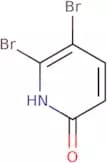
CAS:Versatile small molecule scaffoldFormula:C10H17N2O2F3Purezza:Min. 95%Peso molecolare:254.24 g/mol5,6-Dibromopyridin-2-ol
CAS:Versatile small molecule scaffold
Formula:C5H3Br2NOPurezza:Min. 95%Peso molecolare:252.89 g/moltert-Butyl 3-(trifluoromethyl)piperazine-1-carboxylate
CAS:Versatile small molecule scaffold
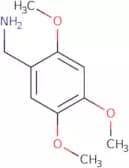
Formula:C10H17F3N2O2Purezza:Min. 95%Peso molecolare:254.25 g/mol2,4,5-Trimethoxybenzylamine
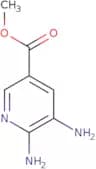
CAS:2,4,5-Trimethoxybenzylamine is a synthetic compound that can be used as a precursor to the synthesis of other chemicals. It is prepared by reacting phenol with deuterium gas in a process called amination. This reaction is followed by reductive quaternization with cyanide. 2,4,5-Trimethoxybenzylamine is often used as an intermediate for the synthesis of drugs such as tamoxifen and clonidine.Formula:C10H15NO3Purezza:Min. 95%Colore e forma:PowderPeso molecolare:197.23 g/molMethyl 5,6-diaminopyridine-3-carboxylate
CAS:Versatile small molecule scaffoldFormula:C7H9N3O2Purezza:Min. 95%Peso molecolare:167.17 g/molTriglycol dichloride
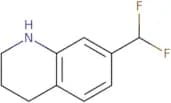
CAS:Triglycol dichloride is a synthetic, water-soluble solid that is prepared by the reaction of 3-chloroperoxybenzoic acid with a hydroxide solution. It has been used in a variety of applications such as the preparation of hemicyanine, the synthesis of polymers, and the degradation of chlorinated hydrocarbons. Triglycol dichloride also has synergistic effects with other photocatalysts, increasing their activity and reducing their cost. Triglycol dichloride can be used to synthesize polymer films or coatings that are biodegradable, have low environmental impact, and are structurally stable. This compound is also unaffected by water or neutral pH and can be used in the production of semiconductors.Formula:C6H12Cl2O2Purezza:Min. 95%Colore e forma:Clear LiquidPeso molecolare:187.06 g/mol7-(Difluoromethyl)-1,2,3,4-tetrahydroquinoline
CAS:Versatile small molecule scaffold
Formula:C10H11F2NPurezza:Min. 95%Peso molecolare:183.2 g/mol4-Bromo-3-(trifluoromethoxy)pyridine hydrobromide
CAS:Please enquire for more information about 4-Bromo-3-(trifluoromethoxy)pyridine hydrobromide including the price, delivery time and more detailed product information at the technical inquiry form on this pageFormula:C6H3BrF3NO•BrHPurezza:Min. 95%Peso molecolare:322.91 g/mol4-Bromo-1-methyl-1H-pyrazolo[4,3-c]pyridine-6-carboxylic acid
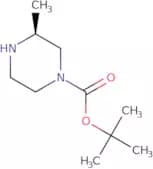
CAS:Please enquire for more information about 4-Bromo-1-methyl-1H-pyrazolo[4,3-c]pyridine-6-carboxylic acid including the price, delivery time and more detailed product information at the technical inquiry form on this pageFormula:C8H6BrN3O2Purezza:Min. 95%Peso molecolare:256.06 g/mol(S)-1-Boc-3-methylpiperazine
CAS:(S)-1-Boc-3-methylpiperazine is a hydrophobic compound that is structurally modified from the tetracyclic family of drugs. It has been shown to inhibit tumor cell growth by binding to the oncogene, KRASG12C, and downregulating its expression. (S)-1-Boc-3-methylpiperazine also inhibits cancer cell growth through the inhibition of the PI3K/AKT signaling pathway. The pharmacological effects of (S)-1-Boc-3-methylpiperazine are dependent on its ability to bind with high affinity to KRASG12C and inhibit its activity.Formula:C10H20N2O2Purezza:Min. 95%Colore e forma:White PowderPeso molecolare:200.28 g/mol1,3-Bis(diphenylphosphino)propane
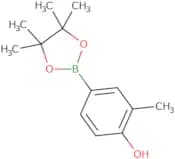
CAS:1,3-Bis(diphenylphosphino)propane is a chelate ligand that forms complexes with a wide range of transition metal ions. It has been shown to be an effective catalyst for the conversion of aryl halides to acid derivatives. The compound has been found to have an excellent stability in aqueous solutions and does not hydrolyze readily in human serum or water. 1,3-Bis(diphenylphosphino)propane is also used as an additive in many industrial processes, such as the production of nylon and polyester fibers.Formula:C27H26P2Purezza:Min 96.0%Colore e forma:White Off-White PowderPeso molecolare:412.44 g/mol2-Methyl-4-(4,4,5,5-tetramethyl-1,3,2-dioxaborolan-2-yl)phenol
CAS:Versatile small molecule scaffold
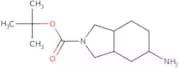
Formula:C13H19BO3Purezza:Min. 95%Peso molecolare:234.1 g/moltert-butyl 5-amino-octahydro-1H-isoindole-2-carboxylate, Mixture of diastereomers
CAS:Versatile small molecule scaffoldFormula:C13H24N2O2Purezza:Min. 95%Peso molecolare:240.3 g/mol6-Bromohexanoic acid methyl ester
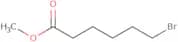
CAS:6-Bromohexanoic acid methyl ester is a linker that can be used in the synthesis of amides. This compound is synthesized by reaction between 2-bromobutyric acid and malonic acid, followed by hydrolysis with sodium hydroxide. 6-Bromohexanoic acid methyl ester is an efficient method for the preparation of amides. It is biologically active and has been shown to have anti-inflammatory properties in biological studies.
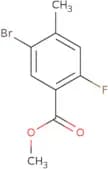
Formula:C7H13BrO2Purezza:Min. 95%Colore e forma:Clear LiquidPeso molecolare:209.08 g/molMethyl 5-bromo-2-fluoro-4-methylbenzoate
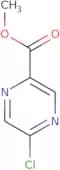
CAS:Versatile small molecule scaffoldFormula:C9H8BrFO2Purezza:Min. 95%Peso molecolare:247.06 g/mol5-Chloro-2-methoxycarbonyl pyrazine
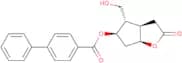
CAS:5-Chloro-2-methoxycarbonyl pyrazine is a linker that is used to connect two pharmacophores. β-Lactamase, which is an enzyme that degrades β-lactams antibiotics, was inhibited by 5-chloro-2-methoxycarbonyl pyrazine in vitro and in vivo. The inhibitory potency of 5-chloro-2-methoxycarbonyl pyrazine was increased when it was combined with other molecules. This molecule has shown antibacterial activity against Enterobacter cloacae, methicillin resistant Staphylococcus aureus (MRSA), and Mycobacterium tuberculosis.Formula:C6H5ClN2O2Purezza:Min. 95%Colore e forma:PowderPeso molecolare:172.57 g/mol(-)-Corey lactone 4-phenylbenzoate
CAS:Corey lactone 4-phenylbenzoate is an efficient, large-scale preparation of (-)-Corey lactone. It is synthesized in two steps from 4-phenylbenzoic acid and ethyl acetoacetate. Corey lactone 4-phenylbenzoate has been used for the synthesis of a variety of natural products. This compound is also a precursor to the synthesis of other compounds, such as 3-amino-4-(2'-hydroxyethoxy)benzaldehyde.Formula:C21H20O5Purezza:Min. 95%Peso molecolare:352.38 g/mol9-Anthracenemethanol
CAS:9-Anthracenemethanol is a carcinogenic, mutagenic, and teratogenic compound. It is metabolized by a number of enzymatic reactions, including oxidation by cytochrome P450 enzymes and reduction by glutathione reductase. The compound has been shown to be activated in acid conditions, with an activation energy of 10 kcal/mol. It also forms an acid when heated, which can cause damage to cells. 9-Anthracenemethanol has been shown to have photochemical properties that may be used for the production of dyes or pigments.Formula:C15H12OPurezza:Min. 95%Colore e forma:Yellow PowderPeso molecolare:208.26 g/mol3-Chloro-2-pyrazinemethanamine hydrochloride
CAS:Please enquire for more information about 3-Chloro-2-pyrazinemethanamine hydrochloride including the price, delivery time and more detailed product information at the technical inquiry form on this pageFormula:C5H7ClN3ClPurezza:Min. 95%Peso molecolare:180.03 g/molCyclobutanethiol
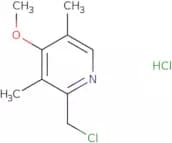
CAS:Cyclobutanethiol is a 1-cyclopentene-1-carboxylic acid, which is a cyclic form of the alkylthio group. It is an organic solvent with a hydroxyl group at one end and an alkyl group at the other end. Cyclobutanethiol can be used as a sealant or as a solvent in organic chemistry. The compound has been shown to inhibit insulin resistance by binding to cb1 receptors on cells, thereby inhibiting the production of glucose. Cyclobutanethiol also absorbs ultraviolet light, so it can be used in photochemistry.Formula:C4H8SPurezza:90%Colore e forma:Clear LiquidPeso molecolare:88.17 g/mol2-(Chloromethyl)-4-methoxy-3,5-dimethylpyridine hydrochloride
CAS:2-(Chloromethyl)-4-methoxy-3,5-dimethylpyridine hydrochloride is a benzimidazole derivative. It has a chemical stability and can be used for wastewater treatment. It is also a pump inhibitor and can be used for anhydrous sodium magnesium salts. This product is synthesized from the reaction of protonated 2-bromo-4-methoxyphenol with 2,6-dimethylpyridine in the presence of hydrochloric acid. The reaction was carried out in an asymmetric synthesis using a proton transport system. 2-(Chloromethyl)-4-methoxy-3,5-dimethylpyridine hydrochloride is soluble in water and has a pH of 1 to 3. It has been shown that this product can be used as an antioxidant and as a metal chelation agent.
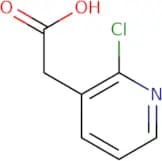
Formula:C9H13Cl2NOPurezza:Min. 95%Colore e forma:PowderPeso molecolare:222.11 g/mol(2-Chloropyridin-3-yl)acetic acid
CAS:Versatile small molecule scaffoldFormula:C7H6ClNO2Purezza:Min. 95%Peso molecolare:171.6 g/molCymiazole
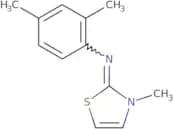
CAS:Veterinary drug, ectoparasiticide
Formula:C12H14N2SPurezza:Min. 95%Colore e forma:Brown Clear LiquidPeso molecolare:218.32 g/mol3,3,5-Trimethylcyclohexanone
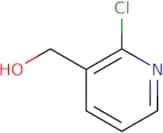
CAS:3,3,5-Trimethylcyclohexanone is an intermediate in the synthesis of polymers and polyesters. This compound is a reactive hydrogenation product which can be used to produce polymers with desired properties. The unsaturated side chain of 3,3,5-trimethylcyclohexanone reacts with borohydride to form a ketal. After being converted to the corresponding acid chloride, the 3,3,5-trimethylcyclohexanone can be used for the synthesis of polyesters. This compound has also been shown to be an effective catalyst for producing β-unsaturated ketones from aldehydes and dienes.Formula:C9H16OPurezza:Min. 95%Colore e forma:Clear LiquidPeso molecolare:140.23 g/mol2-Chloro-3-(hydroxymethyl)pyridine
CAS:2-Chloro-3-(hydroxymethyl)pyridine is an organic compound that is used as a building block for the synthesis of other heterocycles. This compound can be synthesized from 2-chloronicotinic acid, which is obtained by oxidation of nicotine with sodium hypochlorite in the presence of potassium ion. The reaction proceeds via a cleavage of the C-Cl bond and formation of a pyridine ring. The catalytic process can be performed at room temperature and at atmospheric pressure in a variety of solvents, including water.
2-Chloro-3-(hydroxymethyl)pyridine has been shown to have high yields for the preparation of compounds such as 2,4-dichloropyridine and 4,5-dichloropyrimidine. It also has been used in the preparation of pharmaceuticals such as atrial natriuretic factor (ANF).Formula:C6H6ClNOPurezza:Min. 98 Area-%Colore e forma:PowderPeso molecolare:143.57 g/mol5-Bromo-2,4-dimethoxypyridine
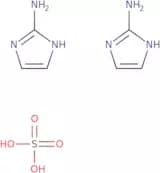
CAS:Versatile small molecule scaffoldFormula:C7H8BrNO2Purezza:Min. 95%Peso molecolare:218.05 g/mol2-Aminoimidazole sulfate
CAS:2-Aminoimidazole sulfate is a chemical compound that is used as a transfection reagent. It has been shown to have high transfection efficiency with low cytotoxicity. The diameter of the molecule is in the range of 2 - 3 nm, which allows it to be taken up by cells and thus be active in them. This chemical can be dehydrogenated to form imidazole-2-sulfonic acid, which may interact with other molecules. There have been many advances in this area, including modifications and gaseous forms of the molecule. Research into the interactions of this compound with other chemicals and their effects on cellular uptake are ongoing.
Formula:C3H5N3•(H2O4S)0Purezza:Min. 95%Colore e forma:Off-White PowderPeso molecolare:264.26 g/moltert-butyl 4-oxo-2,3-dihydroquinoline-1-carboxylate
CAS:Versatile small molecule scaffoldFormula:C14H17NO3Purezza:Min. 95%Peso molecolare:247.29 g/molDimethyl pyridine-3,4-dicarboxylate
CAS:Dimethyl pyridine-3,4-dicarboxylate is an organic compound that is used as a precursor to make other chemicals. It is a pyridinedicarboxylic acid and it can be synthesized from the reduction of pyridine with sodium borohydride in ethanol. Dimethyl pyridine-3,4-dicarboxylate is also used in the production of acetaldehyde by way of hydrosilylation with chloride and chloroform. This chemical has been found to be useful for the synthesis of various drugs such as antiepileptics, antihistamines, antipsychotics, and antidepressants.Formula:C9H9NO4Purezza:Min. 95%Peso molecolare:195.17 g/molSpiro[3.3]heptane-2,6-dicarboxylic acid, 2,6-dimethyl ester
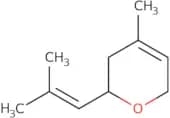
CAS:Versatile small molecule scaffoldFormula:C11H16O4Purezza:Min. 95%Peso molecolare:212.25 g/molNerol oxide
CAS:Nerol oxide is a natural compound and fragrance ingredient that has been shown to have anti-aging effects. Nerol oxide is an ester of citronellal, nerolic acid and ethyl decanoate. It is found naturally in orange blossoms and other citrus plants, as well as in lavender oil. Nerol oxide can be extracted from the plant material using solid phase microextraction. The chemical analyses of this extract reveal the presence of various fatty acids, including ethyl esters, fatty acids and their corresponding alcohols. These compounds are used to produce nerol oxide by polymerization with an initiator such as potassium hydroxide or sodium hydroxide at a neutral pH.Formula:C10H16OPurezza:Min. 95%Peso molecolare:152.23 g/molAdamantane
CAS:Adamantane is a potent antiviral drug for the treatment of influenza. It is an oxidation catalyst that also has biological properties, such as a potent antitumor activity and potent antiviral resistance. Adamantane has been used to treat many human pathogens, including viruses, fungi and bacteria. Adamantane is a skeleton-like structure with four carbons and six hydrogen atoms that can be oxidized to adamantane oxide or reduced to adamantane alcohol. The adamantane molecule binds to the viral protein at a site called the toll-like receptor. This binding prevents viral replication by inhibiting mRNA synthesis in the virus.Formula:C10H16Purezza:Min. 95%Colore e forma:White Off-White PowderPeso molecolare:136.23 g/mol(1R,5S,6r)-rel-3-Oxabicyclo[3.1.0]hexane-6-carboxylic acid
CAS:Versatile small molecule scaffoldFormula:C6H8O3Purezza:Min. 95%Peso molecolare:128.13 g/mol4-[1-(tert-Butoxy)-2-methyl-1-oxopropan-2-yl]benzoic acid
CAS:Versatile small molecule scaffold
Formula:C15H20O4Purezza:Min. 95%Peso molecolare:264.32 g/mol(6-Methoxy-pyridin-2-yl)-methanol
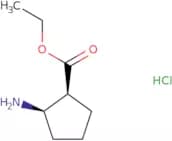
CAS:Versatile small molecule scaffoldFormula:C7H9NO2Purezza:Min. 95%Peso molecolare:139.16 g/mol(1R,2S)-rel-Ethyl 2-aminocyclopentanecarboxylate hydrochloride
CAS:Versatile small molecule scaffoldFormula:C8H16ClNO2Purezza:Min. 95%Peso molecolare:193.67 g/moltert-Butyl 9-oxo-4,8-diazaspiro[4.4]nonane-4-carboxylate
CAS:Versatile small molecule scaffoldFormula:C12H20N2O3Purezza:Min. 95%Peso molecolare:240.3 g/mol3,5-Dibromopyridin-4-ol
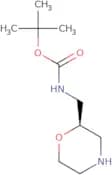
CAS:Versatile small molecule scaffoldFormula:C5H3Br2NOPurezza:Min. 95%Peso molecolare:252.89 g/mol(R)-2-(N-Boc-aminomethyl)morpholine
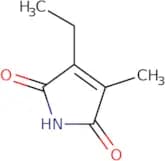
CAS:Versatile small molecule scaffoldFormula:C10H20N2O3Purezza:Min. 95%Peso molecolare:216.28 g/mol3-Ethyl-4-methyl-pyrrole-2,5-dione
CAS:3-Ethyl-4-methylpyrrole-2,5-dione is a chlorophyll analog. It has been found to be an electron donor in photosystem II of the chlorobium reaction center. The compound was prepared by evaporation of a solution of chlorobenzene and ethyl acetoacetate in carbon tetrachloride with the aid of a vacuum pump. 3-Ethyl-4-methylpyrrole-2,5-dione has also been used as a reagent for the preparation of phycocyanin from Spirulina platensis, which is an important component of blue algae. The compound reacts with phenoxy and furyl groups under acidic conditions to produce carboxylate and calcium carbonate, respectively. Oxidation products are formed in reactions with ethyl group and other organic compounds under alkaline conditions.
Formula:C7H9NO2Purezza:Min. 95%Peso molecolare:139.15 g/mol1H-[1,2,3]Triazolo[4,5-d]pyrimidin-5-amine
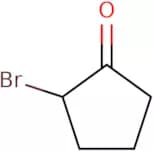
CAS:1H-[1,2,3]Triazolo[4,5-d]pyrimidin-5-amine is a nitro compound that binds to the receptor binding sites of certain inflammatory bowel disease and cancer cells. It also inhibits the production of adenosine in these cells. 1H-[1,2,3]Triazolo[4,5-d]pyrimidin-5-amine has been shown to be effective against bowel disease and cancer by inhibiting cyclic AMP (cAMP) degradation. This drug has also been shown to be an irreversible inhibitor of ischemia reperfusion injury in animal models. 1H-[1,2,3]Triazolo[4,5-d]pyrimidin-5-amine is a nitro compound that binds to the receptor binding sites of certain inflammatory bowel disease and cancer cells. It also inhibits the production of adenosine in these cells. 1HFormula:C4H4N6Purezza:Min. 95%Peso molecolare:136.12 g/mol2-Bromocyclopentanone
CAS:2-Bromocyclopentanone is an organic molecule that is used in the synthesis of epoxides. It is also a potential precursor for the synthesis of polymers, dyes, and pharmaceuticals. 2-Bromocyclopentanone has been shown to undergo photolysis when irradiated with ultraviolet light or through chemical reaction with acetonitrile. This product has two conformers with different rotational barriers and corresponding spectral properties. The two conformers can be distinguished by their ultraviolet spectra. The synthetic methods for 2-bromocyclopentanone involve halogenation followed by hydrolysis to yield bromoacetic acid, which is then converted to the desired product by acylation or alkylation.
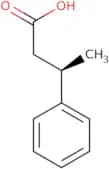
Formula:C5H7BrOPurezza:Min. 95%Peso molecolare:163.01 g/mol(R)-3-Phenylbutyric Acid
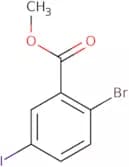
CAS:Versatile small molecule scaffoldFormula:C10H12O2Purezza:Min. 95%Peso molecolare:164.2 g/molMethyl 2-Bromo-5-iodobenzoate
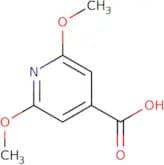
CAS:Please enquire for more information about Methyl 2-Bromo-5-iodobenzoate including the price, delivery time and more detailed product information at the technical inquiry form on this pageFormula:C8H8BrIO2Purezza:Min. 95%Peso molecolare:340.94 g/mol2,6-Dimethoxyisonicotinic acid
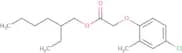
CAS:2,6-Dimethoxyisonicotinic acid is a cytotoxic agent that is structurally related to colchicine and combretastatin A-4. It has been shown to induce apoptosis in cancer cells by inhibiting the polymerization of tubulin. This drug also inhibits the proliferation of cancer cells by binding to DNA and disrupting the synthesis of proteins necessary for cell division. The inhibitory effect on protein synthesis may be due to its ability to inhibit the activity of RNA polymerase II and III, which are essential for transcription. 2,6-Dimethoxyisonicotinic acid also induces an anticancer effect through its ability to bind to phenolic moieties and inhibit the growth of cancer cells.Formula:C8H9NO4Purezza:Min. 95%Peso molecolare:183.16 g/molMCPA 2-ethylhexyl ester
CAS:Please enquire for more information about MCPA 2-ethylhexyl ester including the price, delivery time and more detailed product information at the technical inquiry form on this pageFormula:C17H25ClO3Purezza:Min. 95%Peso molecolare:312.83 g/mol4-Acetylimidazole
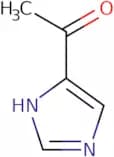
CAS:4-Acetylimidazole is a histidine analogue that has been shown to have anticancer activity in breast cancer cells. It can react with amines and form imidazoles. The hydroxyl group on the 4-position of the imidazole ring is able to undergo dehydration, which leads to the formation of a chloride ion. This reaction mechanism is reversible and can be used in organic synthesis. 4-Acetylimidazole can also act as an h2 receptor antagonist, although it does not bind to the zwitterionic site of the h2 receptor. NMR spectra show that 4-acetylimidazole exists as a zwitterion in water solution, but becomes a monovalent ion when dissolved in an organic solvent such as methanol or acetone. 4-Acetylimidazole is chemically stable and does not react with poloxamer.
Formula:C5H6N2OPurezza:Min. 95%Colore e forma:Yellow PowderPeso molecolare:110.11 g/mol4-Benzyloxy-1-butanol
CAS:Prodotto controllatoVersatile small molecule scaffold
Formula:C11H16O2Purezza:Min. 95%Peso molecolare:180.24 g/moltert-Butyl (R)-3-(piperidin-3-yl)azetidine-1-carboxylate
CAS:A useful building block for organic synthesis.Formula:C13H24N2O2Peso molecolare:240.34 g/molRef: 3D-FB184596
1gPrezzo su richiesta2gPrezzo su richiesta100mgPrezzo su richiesta250mgPrezzo su richiesta500mgPrezzo su richiesta4-(1H-Pyrazol-4-yl)-7-((2-(trimethylsilyl)ethoxy)methyl)-7H-pyrrolo[2,3-d]pyrimidine
CAS:4-(1H-Pyrazol-4-yl)-7-((2-(trimethylsilyl)ethoxy)methyl)-7H-pyrrolo[2,3-d]pyrimidine is a synthetic compound that can be used to discriminate between the left and right hands of the body. It has been shown to have a high affinity for the enzyme kinases with an IC50 of 0.5 μM. 4-(1H-Pyrazol-4-yl)-7-((2-(trimethylsilyl)ethoxy)methyl)-7H-pyrrolo[2,3-d]pyrimidine has been used as a tool in elucidating the mechanism of action of these enzymes by measuring their kinase activity and identifying their substrate specificity. It also has applications in inflammatory diseases as it shifts immune cells from a proinflammatory state to an antiinflammatory state.Formula:C15H21N5OSiPurezza:Min. 95%Peso molecolare:315.45 g/molDibromoethane-d4
CAS:Prodotto controllatoPlease enquire for more information about Dibromoethane-d4 including the price, delivery time and more detailed product information at the technical inquiry form on this pageFormula:C2H4Br2Purezza:Min. 95%Peso molecolare:191.89 g/mol3-Methyl-2-(methylthio)benzo[d]thiazol-3-ium iodide
CAS:Please enquire for more information about 3-Methyl-2-(methylthio)benzo[d]thiazol-3-ium iodide including the price, delivery time and more detailed product information at the technical inquiry form on this pageFormula:C9H10NS2•IPurezza:Min. 95%Peso molecolare:323.22 g/mol4-Methylenepiperidine hydrochloride
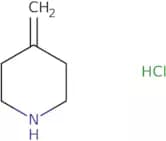
CAS:4-Methylenepiperidine hydrochloride is a synthetic, ethylene oxide derivative that is used as an antifungal drug. It is also used in the synthesis of other compounds and as a reagent in organic chemistry. 4-Methylenepiperidine hydrochloride can be synthesized by reacting ethylene with an alkoxide, followed by adding a metal halide such as organolithium reagents to form the desired product. The yield rate of this reaction is high and it is easy to perform on a large scale.Formula:C6H11N·HClPurezza:Min. 95%Colore e forma:White PowderPeso molecolare:133.62 g/moltert-Butyl 5-(4,4,5,5-tetramethyl-1,3,2-dioxaborolan-2-yl)-3,4-dihydropyridine-1(2h)-carboxylate
CAS:Versatile small molecule scaffoldFormula:C16H28BNO4Purezza:Min. 95%Peso molecolare:309.21 g/molN-(4-Aminophenyl)-N-methyl-2-(4-methylpiperazin-1-yl)acetamide
CAS:N-(4-Aminophenyl)-N-methyl-2-(4-methylpiperazin-1-yl)acetamide is an environmental and industrial chemical that is used as a formate, benzoate, and methyl benzoate intermediate. It reacts with nitric acid to form N-(4-aminophenyl)-N-methyl-2-(4-nitrophenoxy)acetamide (NPA). NPA has been shown to have antiangiogenic properties. NPA inhibits the proliferation of endothelial cells by interfering with the cell cycle and inducing apoptosis.Formula:C14H22N4OPurezza:Min. 95%Peso molecolare:262.35 g/mol2-Bromo-6-fluoro-3-methylpyridine
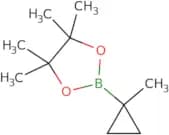
CAS:Versatile small molecule scaffoldFormula:C6H5BrFNPurezza:Min. 95%Peso molecolare:190.02 g/mol4,4,5,5-Tetramethyl-2-(1-methylcyclopropyl)-1,3,2-dioxaborolane
CAS:Versatile small molecule scaffoldFormula:C10H19BO2Purezza:Min. 95%Peso molecolare:182.07 g/mol3-Bromo-5-cyanobenzaldehyde
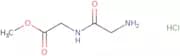
CAS:Versatile small molecule scaffoldFormula:C8H4BrNOPurezza:Min. 95%Peso molecolare:210.04 g/molGly-Gly-OMe·HCl
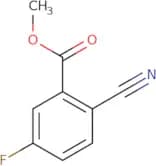
CAS:Gly-Gly-OMe·HCl is a diagnostic agent that can be used to diagnose atherosclerotic lesions. It is conjugated to an organic molecule and then radiolabeled. The conjugate can be detected by cyclopentadienyl, which emits gamma rays when it decays. This conjugate has been shown to selectively accumulate in atherosclerotic lesions of the coronary arteries, where it accumulates with a higher concentration than in the surrounding tissue. This product also has gastroprotective effects on the stomach and liver and can reduce lipid levels in hyperlipidaemic patients.Formula:C5H10N2O3•HClPurezza:Min. 95 Area-%Colore e forma:Slightly Rose PowderPeso molecolare:182.61 g/molMethyl 2-cyano-5-fluorobenzoate
CAS:Versatile small molecule scaffold
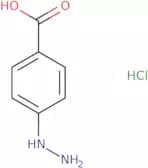
Formula:C9H6FNO2Purezza:Min. 95%Peso molecolare:179.15 g/mol4-Hydrazinobenzoic acid hydrochloride
CAS:4-Hydrazinobenzoic acid hydrochloride is a chemical species that has an oxidative effect on DNA. It is a reactive oxygen species (ROS) that changes the hydrogen spectrum of water. The hydrogen bond is broken and the electrons in the molecule are excited to a higher energy level, which results in ROS formation. 4-Hydrazinobenzoic acid hydrochloride also inhibits mitochondrial function and causes heart disease by increasing blood pressure and weakening the heart muscle. This compound can be used as a cancer treatment for human cells, because it suppresses genes that promote cell growth. In addition, 4-hydrazinobenzoic acid hydrochloride may inhibit endothelial cell proliferation in animal experiments.
Formula:C7H8N2O2•HClPurezza:Min. 95%Colore e forma:PowderPeso molecolare:188.61 g/molMethyl 2-(6-chloropyridin-3-yl)acetate
CAS:Versatile small molecule scaffold
Formula:C8H8ClNO2Purezza:Min. 95%Peso molecolare:185.61 g/mol3,4,5-Trimethoxybenzoyl chloride
CAS:3,4,5-Trimethoxybenzoyl Chloride is a reactive, active chemical that is used in the synthesis of cytotoxic amides. It is prepared by reacting 3,4,5-trimethoxybenzoic acid with an amine or ammonia in the presence of a base. The reaction yields an amide substituted at the 3- and 4-positions with trimethoxyphenyl groups.
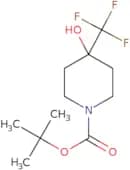
Formula:C10H11ClO4Purezza:Min. 95%Peso molecolare:230.64 g/moltert-Butyl 4-hydroxy-4-(trifluoromethyl)piperidine-1-carboxylate
CAS:Versatile small molecule scaffoldFormula:C11H18F3NO3Purezza:Min. 95%Peso molecolare:269.26 g/mol5-bromo-3-methoxy-1h-pyrazole
CAS:Versatile small molecule scaffoldFormula:C4H5BrN2OPurezza:Min. 95%Peso molecolare:177 g/moltert-Butyl 2,9-diazaspiro[5.5]undecane-2-carboxylate
CAS:Versatile small molecule scaffold
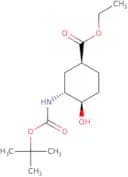
Formula:C14H26N2O2Purezza:Min. 95%Peso molecolare:254.38 g/mol(1S,3R,4R)-3-(Boc-amino)-4-hydroxy-cyclohexanecarboxylic acid ethyl ester
CAS:Versatile small molecule scaffold
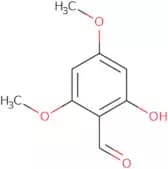
Formula:C14H25NO5Purezza:Min. 95%Peso molecolare:287.35 g/mol4,6-Dimethoxysalicylaldehyde
CAS:4,6-Dimethoxysalicylaldehyde is a protonated molecule with a cyclohexane ring and 4 hydroxyl groups. Its chemical formula is C6H8O3. The compound has low bioavailability due to the presence of an intramolecular hydrogen bond that causes high redox potential. There are two amines on the aromatic ring which can coordinate with metal ions to form a complex. This compound's structural analysis has been conducted using X-ray crystallography, NMR spectroscopy, and IR spectroscopy. The structure of 4,6-dimethoxysalicylaldehyde is unsymmetrical due to the presence of two asymmetric carbon atoms in the molecule. It forms hydrogen bonds with other molecules due to its hydroxyl group and intramolecular hydrogen bond. Hydrogen bonding interactions occur between this compound and other molecules including water, alcohols, ammonia, amines, and carboxylic acids.Formula:C9H10O4Purezza:Min. 95%Colore e forma:Off-White PowderPeso molecolare:182.17 g/mol3-iodo-5-(trifluoromethyl)benzoic acid
CAS:Versatile small molecule scaffoldFormula:C8H4F3IO2Purezza:Min. 95%Peso molecolare:316 g/molbenzyl 5-(tetramethyl-1,3,2-dioxaborolan-2-yl)-1,2,3,6-tetrahydropyridine-1-carboxylate
CAS:Versatile small molecule scaffoldFormula:C19H26BNO4Purezza:Min. 95%Peso molecolare:343.2 g/mol3-(p-tolyl)propiolic acid
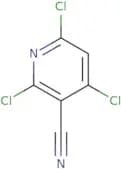
CAS:3-(p-tolyl)propiolic acid is a functional group that is used in organic chemistry. It is an alkynoic acid with a terminal triple bond. The compound can be synthesized by the reaction of propiolic acid with an alkyne, followed by oxidation. The 3-(p-tolyl)propiolic acid can be used as a surrogate for other functional groups in organic synthesis, and it has been shown to react as an oxidant in biomolecular systems.Formula:C10H8O2Purezza:Min. 95%Peso molecolare:160.17 g/mol2,4,6-trichloropyridine-3-carbonitrile
CAS:Versatile small molecule scaffoldFormula:C6HCl3N2Purezza:Min. 95%Peso molecolare:207.4 g/molMethyl Pyridin-3-ylacetate
CAS:Methyl Pyridin-3-ylacetate is an organic compound that is the methyl ester of pyridine-3-carboxylic acid. It has a melting point of 197°C, with an ionization potential of 1.78 eV and a lactam. Methyl Pyridin-3-ylacetate has been shown to react with hydrochloric acid to form picric acid and methyl 3-(hydroxymethyl)pyridine-2,5-dicarboxylate. Methyl Pyridin-3-ylacetate can be used in the preparation of picrates, which are used in the synthesis of dyes and explosives such as picric acid and TNT. Methyl Pyridin-3-ylacetate can also be demethylated by heating with sodium methoxide to give methyl pyridine carboxylate.Formula:C8H9NO2Purezza:Min. 95%Peso molecolare:151.16 g/molBenzophenone hydrazone
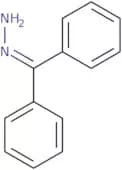
CAS:Benzophenone hydrazone is a benzophenone derivative that belongs to the group of pharmaceutical preparations. It is a hydrazone compound that contains one nitrogen atom and one phosphorus pentoxide group. The reaction mechanism of this molecule involves oxidation catalyzed by a radiation or light source. The diphenylmethanone, which acts as an electron donor, reacts with the benzophenone compound to produce the benzophenone hydrazone product. This reaction has been shown in solution and in solid form by reacting with potassium dichromate and hydrogen peroxide in the presence of hydrochloric acid.Purezza:Min. 95%1-Boc 3-(2-bromoethyl)pyrrolidine
CAS:Versatile small molecule scaffoldFormula:C11H20BrNO2Purezza:Min. 95%Peso molecolare:278.19 g/mol1-Bromo-3,3-difluorocyclobutane
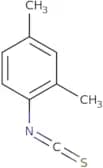
CAS:Versatile small molecule scaffoldFormula:C4H5BrF2Purezza:Min. 95%Peso molecolare:170.98 g/mol2,4-Dimethylphenyl isothiocyanate
CAS:2,4-Dimethylphenyl isothiocyanate (DMIT) is a dipole molecule that has been used as a preservative and antimicrobial agent. DMIT has been shown to be an effective anti-microbial agent against Gram-positive bacteria such as Staphylococcus aureus, Enterococcus faecalis, and Streptococcus pyogenes. It also inhibits the growth of Gram-negative bacteria such as Escherichia coli, Pseudomonas aeruginosa, and Klebsiella pneumoniae. DMIT has been shown to be non-toxic to animals at high concentrations. It is also safe for use in food products because it does not react with polyunsaturated compounds.
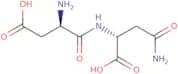
Formula:C9H9NSPurezza:Min. 95%Peso molecolare:163.24 g/molH-D-ASN-L-ASP-OH
Please enquire for more information about H-D-ASN-L-ASP-OH including the price, delivery time and more detailed product information at the technical inquiry form on this page
Purezza:Min. 95%Colore e forma:Powdertert-Butyl 4-hydroxy-1-oxa-7-azaspiro[4.4]nonane-7-carboxylate
CAS:Versatile small molecule scaffold
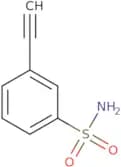
Formula:C12H21NO4Purezza:Min. 95%Peso molecolare:243.3 g/mol3-Ethynylbenzenesulfonamide
CAS:3-Ethynylbenzenesulfonamide is a synthetic, hydrophobic, antimicrobial compound that disrupts the cell membrane. It has been shown to be effective against both mammalian and microbial cells. The antimicrobial use of this compound is still under study, but it may provide an alternative to the current antibiotics. 3-Ethynylbenzenesulfonamide is amphipathic in nature and has an extremely large expansion ratio. This molecule is also hydrophobic, which may help with its ability to penetrate the cell membrane. Antimicrobial compounds are designed to inhibit or kill microorganisms such as bacteria or fungi by disrupting their cellular membranes. They work by interacting with specific targets on the surface of the target organism and producing a lethal effect on its function. 3-Ethynylbenzenesulfonamide interacts with proteins found on bacterial membranes called porins, resulting in a loss of osmotic stability and then permeability through the bilayer. This leadsFormula:C8H7NO2SPurezza:Min. 95%Peso molecolare:181.21 g/molMethyl 2-cyanoprop-2-enoate, stabilized with MEHQ
CAS:Please enquire for more information about Methyl 2-cyanoprop-2-enoate, stabilized with MEHQ including the price, delivery time and more detailed product information at the technical inquiry form on this pageFormula:C5H5NO2Purezza:Min. 95%Peso molecolare:111.10 g/mol6-chloro-1H-pyrazolo[3,4-d]pyrimidin-4-amine
CAS:Versatile small molecule scaffoldFormula:C5H4ClN5Purezza:Min. 95%Peso molecolare:169.6 g/mol1-(1-Benzyl-1H-pyrazol-4-yl)-ethanone
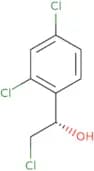
CAS:Versatile small molecule scaffoldFormula:C12H12N2OPurezza:Min. 95%Peso molecolare:200.23 g/mol(S)-2,4-Dichloro-±-(chloromethyl)benzyl Alcohol
CAS:Versatile small molecule scaffoldFormula:C8H7Cl3OPurezza:Min. 95%Peso molecolare:225.49 g/molN-(11-Bromoundecyl)carbamic acid t-butyl ester
CAS:Versatile small molecule scaffoldFormula:C16H32BrNO2Purezza:Min. 95%Peso molecolare:350.33 g/mol6-Chloro-1H-benzimidazol-2-amine
CAS:Aminoguanidine is a drug that inhibits the activity of the enzyme guanidinoacetate methyltransferase (GAMT). It is used to treat some types of cancer, such as bladder cancer. Aminoguanidine has been shown to inhibit tumour growth and induce apoptosis in animal models. It has also been reported to be effective in a number of other cancers, including breast cancer, prostate cancer and colon cancer. Aminoguanidine binds with high affinity to protein targets, including x-ray crystallography, magnetic resonance imaging and devices. The binding site on the ligand is highly conserved among different proteins, which may explain the broad spectrum of its activity. Aminoguanidine is dose-dependent and can be administered either stepwise or as one large dose.
Formula:C7H6ClN3Purezza:Min. 95%Peso molecolare:167.6 g/moltert-Butyl 3-(4-aminophenyl)pyrrolidine-1-carboxylate
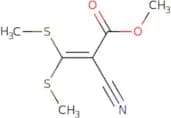
CAS:Versatile small molecule scaffoldFormula:C15H22N2O2Purezza:Min. 95%Peso molecolare:262.35 g/molMethyl 3,3-bis(methylthio)-2-cyanoacrylate
CAS:Methyl 3,3-bis(methylthio)-2-cyanoacrylate is a diphenyl ether that is used as a bactericide. It has been shown to be effective against both Gram-positive and Gram-negative bacteria. Methyl 3,3-bis(methylthio)-2-cyanoacrylate is synthesized by the reaction of malonate with dimethylamine chloride in the presence of hydrochloric acid salt in order to produce chloride ions. The reaction is then heated, which causes the methyl 3,3-bis(methylthio)-2-cyanoacrylate to form. This compound is soluble in organic solvents such as formic acid and can be purified by recrystallization or by distillation.Formula:C7H9NO2S2Purezza:Min. 95%Peso molecolare:203.28 g/mol4-bromo-1H-imidazole-2-carbaldehyde
CAS:Versatile small molecule scaffoldFormula:C4H3BrN2OPurezza:Min. 95%Peso molecolare:175 g/mol


![1,5,6,7-Tetrahydro-2H-cyclopenta[b]pyridin-2-one](/_next/image/?url=https%3A%2Fstatic.cymitquimica.com%2Fproducts%2F3D%2Fthumb-webp%2FNDA49985.webp&w=3840&q=75)





![4-Bromo-1-methyl-1H-pyrazolo[4,3-c]pyridine-6-carboxylic acid](/_next/image/?url=https%3A%2Fstatic.cymitquimica.com%2Fproducts%2F3D%2Fthumb-webp%2FFB183353.webp&w=3840&q=75)







![Spiro[3.3]heptane-2,6-dicarboxylic acid, 2,6-dimethyl ester](/_next/image/?url=https%3A%2Fstatic.cymitquimica.com%2Fproducts%2F3D%2Fthumb-webp%2FMBA94279.webp&w=3840&q=75)

![(1R,5S,6r)-rel-3-Oxabicyclo[3.1.0]hexane-6-carboxylic acid](/_next/image/?url=https%3A%2Fstatic.cymitquimica.com%2Fproducts%2F3D%2Fthumb-webp%2FFCA78088.webp&w=3840&q=75)
![4-[1-(tert-Butoxy)-2-methyl-1-oxopropan-2-yl]benzoic acid](/_next/image/?url=https%3A%2Fstatic.cymitquimica.com%2Fproducts%2F3D%2Fthumb-webp%2FNKD15780.webp&w=3840&q=75)

![tert-Butyl 9-oxo-4,8-diazaspiro[4.4]nonane-4-carboxylate](/_next/image/?url=https%3A%2Fstatic.cymitquimica.com%2Fproducts%2F3D%2Fthumb-webp%2FWYB81845.webp&w=3840&q=75)

![1H-[1,2,3]Triazolo[4,5-d]pyrimidin-5-amine](/_next/image/?url=https%3A%2Fstatic.cymitquimica.com%2Fproducts%2F3D%2Fthumb-webp%2FKAA17984.webp&w=3840&q=75)


![4-(1H-Pyrazol-4-yl)-7-((2-(trimethylsilyl)ethoxy)methyl)-7H-pyrrolo[2,3-d]pyrimidine](/_next/image/?url=https%3A%2Fstatic.cymitquimica.com%2Fproducts%2F3D%2Fthumb-webp%2FRMB68527.webp&w=3840&q=75)

![3-Methyl-2-(methylthio)benzo[d]thiazol-3-ium iodide](/_next/image/?url=https%3A%2Fstatic.cymitquimica.com%2Fproducts%2F3D%2Fthumb-webp%2FFM184304.webp&w=3840&q=75)






![tert-Butyl 2,9-diazaspiro[5.5]undecane-2-carboxylate](/_next/image/?url=https%3A%2Fstatic.cymitquimica.com%2Fproducts%2F3D%2Fthumb-webp%2FPHA33303.webp&w=3840&q=75)





![tert-Butyl 4-hydroxy-1-oxa-7-azaspiro[4.4]nonane-7-carboxylate](/_next/image/?url=https%3A%2Fstatic.cymitquimica.com%2Fproducts%2F3D%2Fthumb-webp%2FXXC50503.webp&w=3840&q=75)
![6-chloro-1H-pyrazolo[3,4-d]pyrimidin-4-amine](/_next/image/?url=https%3A%2Fstatic.cymitquimica.com%2Fproducts%2F3D%2Fthumb-webp%2FFAA41778.webp&w=3840&q=75)