Building Blocks
Sottocategorie di "Building Blocks"
- Acidi boronici e derivati dell'acido boronico(5.774 prodotti)
- Building Blocks Chirali(1.237 prodotti)
- Building Blocks Idrocarburici(6.098 prodotti)
- Building Blocks organici(60.970 prodotti)
Trovati 205134 prodotti di "Building Blocks"
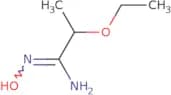
2-Ethoxy-N'-hydroxypropanimidamide
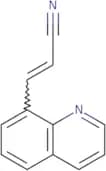
CAS:Versatile small molecule scaffoldFormula:C5H12N2O2Purezza:Min. 95%Peso molecolare:132.16 g/mol3-(Quinolin-8-yl)prop-2-enenitrile
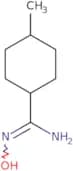
CAS:Versatile small molecule scaffoldFormula:C12H8N2Purezza:Min. 95%Peso molecolare:180.2 g/molN'-Hydroxy-4-methylcyclohexane-1-carboximidamide
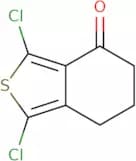
CAS:Versatile small molecule scaffoldFormula:C8H16N2OPurezza:Min. 95%Peso molecolare:156.23 g/mol1,3-Dichloro-4,5,6,7-tetrahydro-2-benzothiophen-4-one
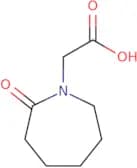
CAS:Versatile small molecule scaffoldFormula:C8H6Cl2OSPurezza:Min. 95%Peso molecolare:221.1 g/mol(2-Oxo-azepan-1-yl)-acetic acid
CAS:Versatile small molecule scaffold
Formula:C8H13NO3Purezza:Min. 95%Peso molecolare:171.2 g/moltert-Butyl N-[2-(N'-hydroxycarbamimidoyl)-2-methylethyl]carbamate
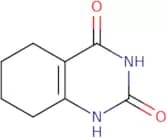
CAS:Versatile small molecule scaffoldFormula:C9H19N3O3Purezza:Min. 95%Peso molecolare:217.27 g/mol1,2,3,4,5,6,7,8-Octahydroquinazoline-2,4-dione
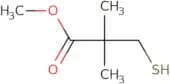
CAS:1,2,3,4,5,6,7,8-Octahydroquinazoline-2,4-dione is a bicyclic compound that has high potency as an antagonist at the 5HT2A receptor. This compound is orally active and has been shown to be effective against ketanserin in vitro. The bicyclic ring system of 1,2,3,4,5,6,7,8-octahydroquinazoline-2,4-dione provides the molecule with a high degree of lipophilicity and this may account for its potent activity.Formula:C8H10N2O2Purezza:Min. 95%Peso molecolare:166.18 g/molMethyl 2,2-dimethyl-3-sulfanylpropanoate
CAS:Versatile small molecule scaffoldFormula:C6H12O2SPurezza:Min. 95%Peso molecolare:148.23 g/mol(2E)-3-(5-Carbamoylthiophen-2-yl)prop-2-enoic acid
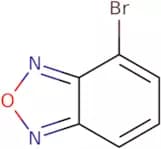
CAS:Versatile small molecule scaffoldFormula:C8H7NO3SPurezza:Min. 95%Peso molecolare:197.21 g/mol4-Bromo-2,1,3-benzoxadiazole
CAS:4-Bromo-2,1,3-benzoxadiazole (4BB) is a mycobacterium avium inhibitor. It has been shown to inhibit the growth of Mycobacterium avium and other bacteria by binding to the chemokine receptor CXCR1. 4BB inhibits chemokine-induced migration of inflammatory cells, which may be due to its ability to inhibit tnf-α production in human lung cells. This drug also has been shown to have antiinflammatory effects, which are mediated through the inhibition of prostaglandin synthesis at the cyclooxygenase enzyme. 4BB is not active against bacteria that are resistant to beta-lactam antibiotics or fluoroquinolones.
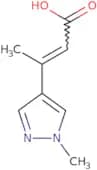
Formula:C6H3BrN2OPurezza:Min. 95%Peso molecolare:199 g/mol3-(1-Methyl-1H-pyrazol-4-yl)but-2-enoic acid
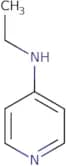
CAS:Versatile small molecule scaffoldFormula:C8H10N2O2Purezza:Min. 95%Peso molecolare:166.18 g/molN-Ethylpyridin-4-amine
CAS:N-Ethylpyridin-4-amine is an aminopyridine that interacts with chloride ions to form a specific chloroformate ester. It is used as a biochemical tool for the detection of lead in biological samples. The reaction time for the formation of the chloroformate ester is dependent on concentrations, pH, and temperature. This compound can be extracted from other compounds using a variety of different extraction techniques. The asymmetry of N-Ethylpyridin-4-amine can be detected using various spectroscopic techniques such as infrared or nuclear magnetic resonance spectroscopy.
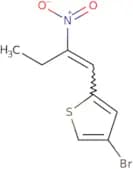
Formula:C7H10N2Purezza:Min. 95%Peso molecolare:122.17 g/mol4-Bromo-2-(2-nitrobut-1-en-1-yl)thiophene
CAS:Versatile small molecule scaffold
Formula:C8H8BrNO2SPurezza:Min. 95%Peso molecolare:262.13 g/moltert-Butyl N-[3-(N'-hydroxycarbamimidoyl)propyl]carbamate
CAS:Versatile small molecule scaffold
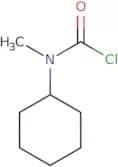
Formula:C9H19N3O3Purezza:Min. 95%Peso molecolare:217.27 g/molN-Cyclohexyl-N-methylcarbamoyl chloride
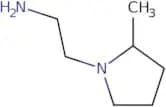
CAS:Versatile small molecule scaffoldFormula:C8H14ClNOPurezza:Min. 95%Peso molecolare:175.65 g/mol2-(2-Methylpyrrolidin-1-yl)ethan-1-amine
CAS:Versatile small molecule scaffold
Formula:C7H16N2Purezza:Min. 95%Peso molecolare:128.22 g/molo-[(Pyridin-2-yl)methyl]hydroxylamine dihydrochloride
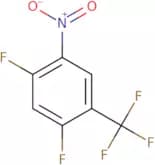
CAS:Versatile small molecule scaffoldFormula:C6H10Cl2N2OPurezza:Min. 95%Peso molecolare:197.06 g/mol2,4-Difluoro-5-nitrobenzotrifluoride
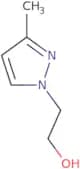
CAS:Versatile small molecule scaffoldFormula:C7H2F5NO2Purezza:Min. 95%Peso molecolare:227.09 g/mol2-(3-Methyl-1H-pyrazol-1-yl)ethanol
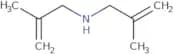
CAS:Versatile small molecule scaffoldFormula:C6H10N2OPurezza:Min. 95%Peso molecolare:126.16 g/molDimethallylamine
CAS:Dimethallylamine is a monomer that can be used as a polymerization initiator. Dimethallylamine has been shown to react with hydrochloric acid in an efficient method for the synthesis of polydimethylsiloxane. Dimethallylamine reacts with fatty acids to form esters and amines, which are structural components of many polymers. Dimethallylamine can also be used as a cross-linking agent in cellulose derivatives such as nitrocellulose and cellulose acetate butyrate.Formula:C8H15NPurezza:Min. 95%Peso molecolare:125.21 g/mol3-(Prop-2-yn-1-yl)piperidine hydrochloride
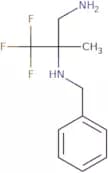
CAS:Versatile small molecule scaffoldFormula:C8H14ClNPurezza:Min. 95%Peso molecolare:159.65 g/mol(3-Amino-1,1,1-trifluoro-2-methylpropan-2-yl)(benzyl)amine
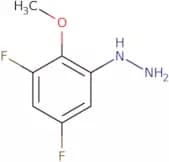
CAS:Versatile small molecule scaffoldFormula:C11H15F3N2Purezza:Min. 95%Peso molecolare:232.25 g/mol(3,5-Difluoro-2-methoxyphenyl)hydrazine
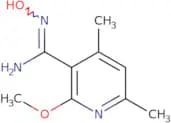
CAS:Versatile small molecule scaffoldFormula:C7H8F2N2OPurezza:Min. 95%Peso molecolare:174.15 g/molN'-Hydroxy-2-methoxy-4,6-dimethylpyridine-3-carboximidamide
CAS:Versatile small molecule scaffoldFormula:C9H13N3O2Purezza:Min. 95%Peso molecolare:195.22 g/moltert-Butyl N-[1-(N'-hydroxycarbamimidoyl)propan-2-yl]carbamate
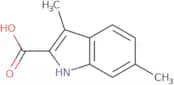
CAS:Versatile small molecule scaffoldFormula:C9H19N3O3Purezza:Min. 95%Peso molecolare:217.27 g/mol3,6-Dimethyl-1H-indole-2-carboxylic acid
CAS:Versatile small molecule scaffoldFormula:C11H11NO2Purezza:Min. 95%Peso molecolare:189.21 g/mol1-[(3-Fluorophenyl)methyl]-1H-1,2,3-triazole-4-carboxylic acid
CAS:Versatile small molecule scaffoldFormula:C10H8FN3O2Purezza:Min. 95%Peso molecolare:221.19 g/molN-[1-(N'-Hydroxycarbamimidoyl)-1-methylethyl]acetamide
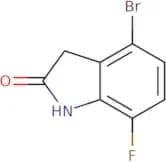
CAS:Versatile small molecule scaffoldFormula:C6H13N3O2Purezza:Min. 95%Peso molecolare:159.19 g/mol4-Bromo-7-fluoroindolin-2-one
CAS:Versatile small molecule scaffold
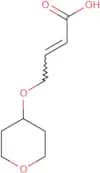
Formula:C8H5BrFNOPurezza:Min. 95%Peso molecolare:230.04 g/mol(2E)-4-(Oxan-4-yloxy)but-2-enoic acid
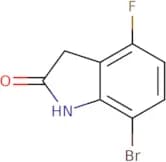
CAS:Versatile small molecule scaffoldFormula:C9H14O4Purezza:Min. 95%Peso molecolare:186.2 g/mol7-Bromo-4-fluoro-2-oxindole
CAS:Versatile small molecule scaffold
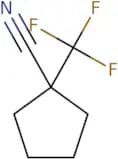
Formula:C8H5BrFNOPurezza:Min. 95%Peso molecolare:230.03 g/mol1-(Trifluoromethyl)cyclopentane-1-carbonitrile
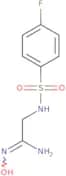
CAS:Versatile small molecule scaffoldFormula:C7H8F3NPurezza:Min. 95%Peso molecolare:163.14 g/mol2-(4-Fluorobenzenesulfonamido)-N'-hydroxyethanimidamide
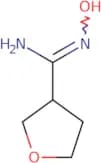
CAS:Versatile small molecule scaffoldFormula:C8H10FN3O3SPurezza:Min. 95%Peso molecolare:247.25 g/molN'-Hydroxyoxolane-3-carboximidamide
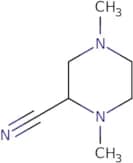
CAS:Versatile small molecule scaffoldFormula:C5H10N2O2Purezza:Min. 95%Peso molecolare:130.15 g/mol1,4-Dimethylpiperazine-2-carbonitrile
CAS:Versatile small molecule scaffold
Formula:C7H13N3Purezza:Min. 95%Peso molecolare:139.2 g/molN'-Hydroxy-2-[(oxolan-3-yl)methoxy]ethanimidamide
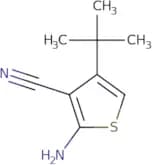
CAS:Versatile small molecule scaffoldFormula:C7H14N2O3Purezza:Min. 95%Peso molecolare:174.2 g/mol2-Amino-4-tert-butylthiophene-3-carbonitrile
CAS:Versatile small molecule scaffoldFormula:C9H12N2SPurezza:Min. 95%Peso molecolare:180.27 g/molN'-Hydroxy-2-(1H-imidazol-1-yl)propanimidamide
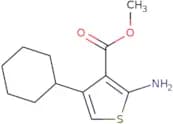
CAS:Versatile small molecule scaffoldFormula:C6H10N4OPurezza:Min. 95%Peso molecolare:154.17 g/molMethyl 2-amino-4-cyclohexylthiophene-3-carboxylate
CAS:Versatile small molecule scaffoldFormula:C12H17NO2SPurezza:Min. 95%Peso molecolare:239.34 g/molN-{[5-(2-Methylcyclopropyl)furan-2-yl]methylidene}hydroxylamine
CAS:Versatile small molecule scaffold
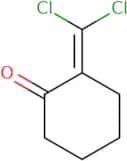
Formula:C9H11NO2Purezza:Min. 95%Peso molecolare:165.19 g/mol2-(Dichloromethylene)cyclohexanone
CAS:Versatile small molecule scaffold
Formula:C7H8Cl2OPurezza:Min. 95%Peso molecolare:179.04 g/molN-({2-Chloroimidazo[1,2-a]pyridin-3-yl}methylidene)hydroxylamine
CAS:Versatile small molecule scaffold
Formula:C8H6ClN3OPurezza:Min. 95%Peso molecolare:195.6 g/mol2-[3-(But-2-en-1-yloxy)phenyl]acetic acid
CAS:Versatile small molecule scaffold
Formula:C12H14O3Purezza:Min. 95%Peso molecolare:206.24 g/mol5,6,7,8-Tetrahydro-1H-cyclohepta[C]furan-1,3(4H)-dione
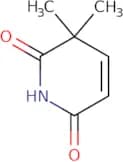
CAS:Versatile small molecule scaffoldFormula:C9H10O3Purezza:Min. 95%Peso molecolare:166.17 g/mol3,3-Dimethyl-1,2,3,6-tetrahydropyridine-2,6-dione
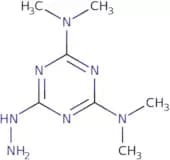
CAS:Versatile small molecule scaffoldFormula:C7H9NO2Purezza:Min. 95%Peso molecolare:139.15 g/mol6-Hydrazinyl-N2,N2,N4,N4-tetramethyl-1,3,5-triazine-2,4-diamine
CAS:Hexamethylmelamine is an analog of 6-hydrazinyl-N2,N2,N4,N4-tetramethyl-1,3,5-triazine-2,4-diamine. Hexamethylmelamine is a precursor to the antitumor drug hexamethylmelamine mustard. Hexamethylmelamine mustard is a cytotoxic alkylating agent that reacts with DNA and RNA in the cell nucleus. The reaction between hexamethylmelamine and DNA leads to the crosslinking of DNA strands and inhibits transcription. In this way it prevents the synthesis of new proteins which are required for cell division. It has been used as a chemotherapeutic agent for leukemia and reticulum cell sarcoma but its use has been discontinued due to the toxicity associated with its use.Formula:C7H15N7Purezza:Min. 95%Peso molecolare:197.24 g/mol(2-Methoxyethyl)(methyl)(pyrrolidin-2-ylmethyl)amine
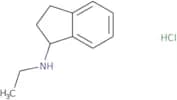
CAS:Versatile small molecule scaffoldFormula:C9H20N2OPurezza:Min. 95%Peso molecolare:172.27 g/molN-Ethyl-2,3-dihydro-1H-inden-1-amine hydrochloride
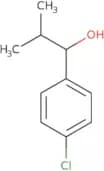
CAS:Prodotto controllatoVersatile small molecule scaffoldFormula:C11H16ClNPurezza:Min. 95%Peso molecolare:197.7 g/mol1-(4-Chlorophenyl)-2-methylpropan-1-ol
CAS:Versatile small molecule scaffold
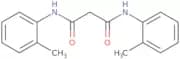
Formula:C10H13ClOPurezza:Min. 95%Peso molecolare:184.66 g/molN,N'-Bis(2-methylphenyl)propanediamide
CAS:Versatile small molecule scaffoldFormula:C17H18N2O2Purezza:Min. 95%Peso molecolare:282.34 g/mol1-(Aminomethyl)-N,N-dimethylcyclopentane-1-carboxamide
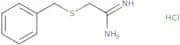
CAS:Versatile small molecule scaffoldFormula:C9H18N2OPurezza:Min. 95%Peso molecolare:170.25 g/mol2-(Benzylsulfanyl)ethanimidamide hydrochloride
CAS:Versatile small molecule scaffold
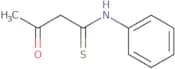
Formula:C9H13ClN2SPurezza:Min. 95%Peso molecolare:216.73 g/mol3-Oxo-N-phenylbutanethioamide
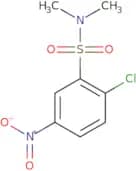
CAS:3-Oxo-N-phenylbutanethioamide is a bidentate ligand that binds to metals. It has been shown to be an effective alkylsulfonyl and activated donor in biomolecular reactions with alkoxycarbonyl groups. 3-Oxo-N-phenylbutanethioamide can exist as two different isomers, cis and trans. The cis isomer was found to be more reactive than the trans isomer in x-ray diffraction data. This ligand also has a strong affinity for chlorine, which makes it useful for oxidant reactions as well as cycloacylation with nitro groups. 3-Oxo-N-phenylbutanethioamide displays a variety of functionalities, such as its ability to act as a ligand and an oxidant, making it an attractive molecule for research purposes.Formula:C10H11NOSPurezza:Min. 95%Peso molecolare:193.27 g/mol2-Chloro-N,N-dimethyl-5-nitrobenzene-1-sulfonamide
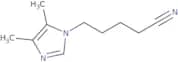
CAS:Versatile small molecule scaffoldFormula:C8H9ClN2O4SPurezza:Min. 95%Peso molecolare:264.69 g/mol5-(4,5-Dimethyl-1H-imidazol-1-yl)pentanenitrile
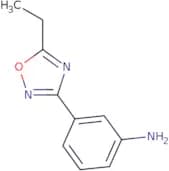
CAS:Versatile small molecule scaffoldFormula:C10H15N3Purezza:Min. 95%Peso molecolare:177.25 g/mol3-(5-Ethyl-1,2,4-oxadiazol-3-yl)aniline
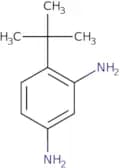
CAS:Versatile small molecule scaffoldFormula:C10H11N3OPurezza:Min. 95%Peso molecolare:189.21 g/mol4-tert-Butylbenzene-1,3-diamine
CAS:Versatile small molecule scaffold
Formula:C10H16N2Purezza:Min. 95%Peso molecolare:164.25 g/molN-[(4-Nitrophenyl)methyl]aniline
CAS:The N-[(4-Nitrophenyl)methyl]aniline is a chemical compound. It is an organic molecule that has a nitro group attached to the aniline group. This product is used as a catalyst in organic synthesis, specifically for the reduction of nitroarenes. The N-[(4-Nitrophenyl)methyl]aniline has been shown to be effective in the reduction of divinylbenzene and polystyrene. This catalyst can be used in many different reactions, such as crosslinking of borohydride ethers and kinetic measurements. The kinetics of this catalyst are dependent on the concentration of substrate, which can be controlled by varying the amount of sodium borohydride used.Formula:C13H12N2O2Purezza:Min. 95%Peso molecolare:228.25 g/mol5-(3-Fluoro-2-methylphenyl)furan-2-carbaldehyde
CAS:Versatile small molecule scaffold
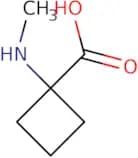
Formula:C12H9FO2Purezza:Min. 95%Peso molecolare:204.2 g/mol1-(Methylamino)cyclobutane-1-carboxylic acid
CAS:Versatile small molecule scaffold
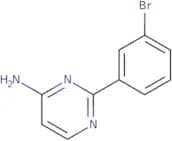
Formula:C6H11NO2Purezza:Min. 95%Peso molecolare:129.16 g/mol2-(3-Bromophenyl)pyrimidin-4-amine
CAS:Versatile small molecule scaffold
Formula:C10H8BrN3Purezza:Min. 95%Peso molecolare:250.09 g/mol1-[4-Bromo-2-(trifluoromethyl)phenyl]propan-1-one
CAS:Versatile small molecule scaffoldFormula:C10H8BrF3OPurezza:Min. 95%Peso molecolare:281.07 g/mol(2-Methoxyethyl)(methyl)[(oxiran-2-yl)methyl]amine
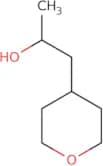
CAS:Versatile small molecule scaffoldFormula:C7H15NO2Purezza:Min. 95%Peso molecolare:145.2 g/mol1-(Oxan-4-yl)propan-2-ol
CAS:Versatile small molecule scaffoldFormula:C8H16O2Purezza:Min. 95%Peso molecolare:144.21 g/mol2,3-Dihydro-1H-indene-2-sulfonamide
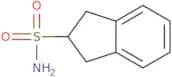
CAS:Versatile small molecule scaffold
Formula:C9H11NO2SPurezza:Min. 95%Peso molecolare:197.26 g/mol2-Methylpent-4-en-2-amine hydrochloride
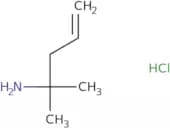
CAS:Versatile small molecule scaffoldFormula:C6H14ClNPurezza:Min. 95%Peso molecolare:135.63 g/mol(2-Azidoethyl)[(3-fluorophenyl)methyl]methylamine
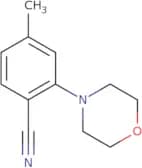
CAS:Versatile small molecule scaffoldFormula:C10H13FN4Purezza:Min. 95%Peso molecolare:208.24 g/mol4-Methyl-2-(morpholin-4-yl)benzonitrile
CAS:Versatile small molecule scaffold
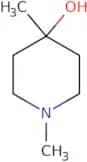
Formula:C12H14N2OPurezza:Min. 95%Peso molecolare:202.25 g/mol1,4-Dimethylpiperidin-4-ol
CAS:1,4-Dimethylpiperidin-4-ol is an antiepileptic drug that belongs to the group of hydantoins. It is a potent and selective blocker of voltage-gated Na+ channels. This activity correlates with maximal inhibition at low concentrations, while minimal effects are seen at higher concentrations. 1,4-Dimethylpiperidin-4-ol has been shown to have antiepileptic and anesthetic properties in animal models. In addition, this drug has neurotoxic effects in animals.
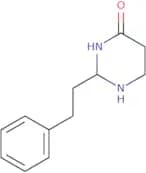
Formula:C7H15NOPurezza:Min. 95%Peso molecolare:129.2 g/mol2-(2-Phenylethyl)-3,4-dihydropyrimidin-4-one
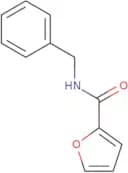
CAS:Versatile small molecule scaffoldFormula:C12H16N2OPurezza:Min. 95%Peso molecolare:204.27 g/molN-Benzylfuran-2-carboxylic acid amide
CAS:N-Benzylfuran-2-carboxylic acid amide is an experimental drug that has been shown to have activity against tuberculosis. It is a benzylamide with a carbene ligand and a dehydrogenative reaction mechanism. N-Benzylfuran-2-carboxylic acid amide has also been shown to be effective in the synthesis of furan, carboxylic acids, sulfones, and galacturonic acids. The mechanism of action for this drug is not yet clear, but it may involve catalysis or binding to bacterial DNA.
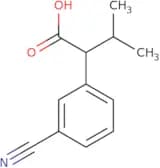
Formula:C12H11NO2Purezza:Min. 95%Peso molecolare:201.22 g/mol2-(3-Cyanophenyl)-3-methylbutanoic acid
CAS:Versatile small molecule scaffoldFormula:C12H13NO2Purezza:Min. 95%Peso molecolare:203.24 g/mol4-Chloro-6-(oxan-4-yloxy)pyrimidine
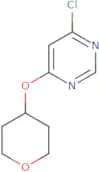
CAS:Versatile small molecule scaffold
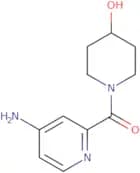
Formula:C9H11ClN2O2Purezza:Min. 95%Peso molecolare:214.65 g/mol1-(4-Aminopyridine-2-carbonyl)piperidin-4-ol
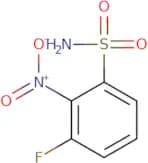
CAS:Versatile small molecule scaffoldFormula:C11H15N3O2Purezza:Min. 95%Peso molecolare:221.26 g/mol3-Fluoro-2-nitrobenzene-1-sulfonamide
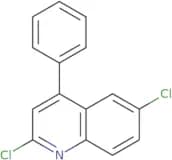
CAS:Versatile small molecule scaffoldFormula:C6H5FN2O4SPurezza:Min. 95%Peso molecolare:220.18 g/mol2,6-Dichloro-4-phenylquinoline
CAS:Versatile small molecule scaffold
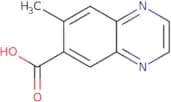
Formula:C15H9Cl2NPurezza:Min. 95%Peso molecolare:274.1 g/mol7-Methylquinoxaline-6-carboxylic acid
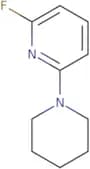
CAS:7-Methylquinoxaline-6-carboxylic acid is a benzylic amino acid receptor antagonist. It binds to the excitatory amino acid receptors, which are proteins that bind to excitatory amino acids such as glutamate and aspartate. This binding prevents the excitatory amino acids from activating the receptor and initiating a series of reactions that lead to the release of neurotransmitters from the presynaptic neuron. 7-Methylquinoxaline-6-carboxylic acid has been shown to inhibit microbial growth, including bacteria, fungi, and yeast. It also inhibits rat brain activity in vitro at micromolar concentrations.Formula:C10H8N2O2Purezza:Min. 95%Peso molecolare:188.18 g/mol2-Fluoro-6-(piperidin-1-yl)pyridine
CAS:Versatile small molecule scaffold
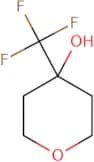
Formula:C10H13FN2Purezza:Min. 95%Peso molecolare:180.22 g/mol-4(Trifluoromethyl)Oxan-4-Ol
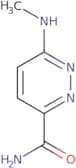
CAS:Versatile small molecule scaffoldFormula:C6H9F3O2Purezza:Min. 95%Peso molecolare:170.13 g/mol6-(Methylamino)pyridazine-3-carboxamide
CAS:Versatile small molecule scaffoldFormula:C6H8N4OPurezza:Min. 95%Peso molecolare:152.15 g/mol2-(1H-1,2,4-Triazol-3-yl)cyclopropane-1-carboxylic acid
CAS:Versatile small molecule scaffold
Formula:C6H7N3O2Purezza:Min. 95%Peso molecolare:153.14 g/mol[(2-Chloropyridin-4-yl)methyl](2-methoxyethyl)methylamine
CAS:Versatile small molecule scaffold
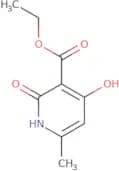
Formula:C10H15ClN2OPurezza:Min. 95%Peso molecolare:214.69 g/molEthyl 2,4-dihydroxy-6-methylnicotinate
CAS:Versatile small molecule scaffold
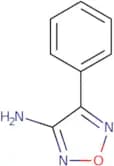
Formula:C9H11NO4Purezza:Min. 95%Peso molecolare:197.19 g/mol4-Phenyl-1,2,5-oxadiazol-3-amine
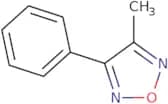
CAS:4-Phenyl-1,2,5-oxadiazol-3-amine is an analog of histamine that acts as a competitive antagonist at the H2 receptor. This compound has been shown to elicit histamine release in guinea pig tissues and to act as a competitive antagonist at the H2 receptor. It also blocks histamine binding to other receptors and has been shown to have antihistaminic properties. 4-Phenyl-1,2,5-oxadiazol-3-amine binds in a similar fashion as cimetidine and ranitidine with high affinity for the H2 receptor and lower affinity for the H1 receptor. This drug has also been shown to inhibit guinea pig ileum contractions and rat vas deferens contractions induced by histamine. The molecular weight of this compound is 169.4 g/mol and its chemical formula is C9H7N3O3. The structural formula is:Formula:C8H7N3OPurezza:Min. 95%Peso molecolare:161.16 g/mol3-Methyl-4-phenyl-1,2,5-oxadiazole
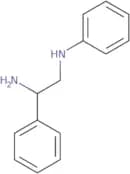
CAS:3-Methyl-4-phenyl-1,2,5-oxadiazole is a nitrophenyl derivative that has been shown to have antimicrobial activity. It was used in antimicrobial screening and found to inhibit the growth of various bacteria. 3-Methyl-4-phenyl-1,2,5-oxadiazole inhibits bacterial growth by inhibiting the production of furoxan (a product of bacterial metabolism) through an unknown mechanism. Furoxan is a potent inhibitor of respiratory electron transport and prevents oxidative phosphorylation. 3-Methyl-4-phenyl 1,2,5 oxadiazole also inhibits the synthesis of cellular proteins and nucleic acids.Formula:C9H8N2OPurezza:Min. 95%Peso molecolare:160.17 g/molN1,2-Diphenylethane-1,2-diamine
CAS:Versatile small molecule scaffold
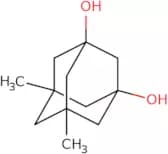
Formula:C14H16N2Purezza:Min. 95%Peso molecolare:212.29 g/mol5,7-Dimethyladamantane-1,3-diol
CAS:5,7-Dimethyladamantane-1,3-diol is a diester that can be used as a surfactant in cosmetics and pharmaceuticals. It is a trimethylolpropane ester of the aliphatic diester neopentyl glycol. This compound has physicochemical properties such as solubility in both water and alcohol, high boiling point, low volatility, high viscosity and flashpoint. 5,7-Dimethyladamantane-1,3-diol also has a molecular formula of C10H26O4 and molecular weight of 256.24 g/mol.Formula:C12H20O2Purezza:Min. 95%Peso molecolare:196.29 g/mol5,6-Dihydro[1,1'-biphenyl]-3(4H)-one
CAS:5,6-Dihydro[1,1'-biphenyl]-3(4H)-one is a chemical compound that has been synthesized by irradiation of cyclobutane with borohydride reduction. This reaction produces the desired product in high yield and in a regioselective manner. The chalcones are crosslinked and the styrene is reduced to give divinylbenzene. 5,6-Dihydro[1,1'-biphenyl]-3(4H)-one has been shown to have high potential as an intermediate for organic synthesis. It has been used in the synthesis of a variety of functionalized chalcones and alcohols. This product can be used as a solvent for reactions involving solvents such as chloroform or ether.Formula:C12H12OPurezza:Min. 95%Peso molecolare:172.22 g/mol1-[4-(4-Hydroxypiperidin-1-yl)phenyl]ethan-1-one
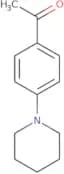
CAS:Versatile small molecule scaffoldFormula:C13H17NO2Purezza:Min. 95%Peso molecolare:219.28 g/mol4²-Piperidinoacetophenone
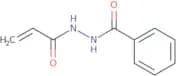
CAS:4²-Piperidinoacetophenone is a nucleophilic compound. It has been shown to have a high chloride ion affinity and the ability to form intramolecular hydrogen bonds. 4²-Piperidinoacetophenone undergoes nucleophilic substitutions with amines, which can be enhanced by the presence of acidic conditions. This chemical also inhibits the formation of trifluoroacetic acid from acetic anhydride, which is a chemical used in organic synthesis. The inhibition of this reaction prevents unwanted side reactions from occurring. 4²-Piperidinoacetophenone is also used as an intermediate in the synthesis of chalcones, which are compounds that have been shown to have antimicrobial properties.Formula:C13H17NOPurezza:Min. 95%Peso molecolare:203.28 g/molN'-(Prop-2-enoyl)benzohydrazide
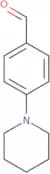
CAS:Versatile small molecule scaffoldFormula:C10H10N2O2Purezza:Min. 95%Peso molecolare:190.2 g/mol4-Piperidinobenzenecarbaldehyde
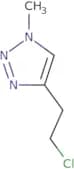
CAS:4-Piperidinobenzenecarbaldehyde is an organic compound that is the hydrogen-bonding interactions. It has been shown to have antimicrobial activities against Gram-positive and Gram-negative bacteria by binding to DNA gyrase and inhibiting its activity. 4-Piperidinobenzenecarbaldehyde also interacts with quinoline derivatives, which are used in pharmacology as inhibitors of bacterial DNA gyrase. The inhibition of this enzyme has been shown to cause a decrease in the synthesis of rRNA, leading to cell death. 4-Piperidinobenzenecarbaldehyde has also been observed to inhibit the fluorescence properties of chloramphenicol, an antibiotic used for the treatment of bacterial infections. The molecule's ability to bind with chloride ions may be responsible for its inhibitory effect on this antibiotic's activity.Formula:C12H15NOPurezza:Min. 95%Peso molecolare:189.26 g/mol4-(2-Chloroethyl)-1-methyl-1H-1,2,3-triazole
CAS:Versatile small molecule scaffoldFormula:C5H8ClN3Purezza:Min. 95%Peso molecolare:145.59 g/mol1-[2-(Dimethylamino)phenyl]ethan-1-one
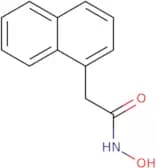
CAS:Versatile small molecule scaffoldFormula:C10H13NOPurezza:Min. 95%Peso molecolare:163.22 g/molN-Hydroxy-2-(naphthalen-1-yl)acetamide
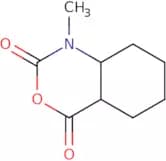
CAS:Versatile small molecule scaffoldFormula:C12H11NO2Purezza:Min. 95%Peso molecolare:201.22 g/molN-Methylisatoic anhydride
CAS:N-Methylisatoic anhydride is a versatile compound used in various industries. It is commonly employed in the production of polymers, cellulose derivatives, and detergents. This compound acts as a cationic hydrogenated pyrazole chloride, making it highly soluble in water and easily solubilized in various solvents. N-Methylisatoic anhydride is also utilized as an inhibitor for the synthesis of uridine monophosphate and cytidine monophosphate. Additionally, it finds applications as an electrode material due to its excellent conductivity properties. With its wide range of uses, N-Methylisatoic anhydride is a valuable compound for multiple industries.
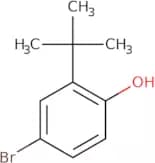
Formula:C9H7NO3Purezza:Min. 95%Peso molecolare:177.16 g/mol4-Bromo-2-tert-butylphenol
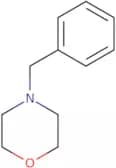
CAS:4-Bromo-2-tert-butylphenol is a fungicide that has been shown to have fungistatic activity against Aspergillus and other fungi. It has been shown to be effective for the elimination of fungal growth on plant material, such as fruit and vegetables. 4-Bromo-2-tert-butylphenol inhibits the growth of fungi by altering the pH levels in the environment, which results in a decrease in fungal growth. Fungi are killed by methylation when they come into contact with this chemical. This compound is also volatile and can be used as an organic solvent or formamide.Formula:C10H13BrOPurezza:Min. 95%Peso molecolare:229.12 g/mol4-Benzylmorpholine
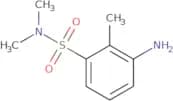
CAS:4-Benzylmorpholine is a solvent that is used in organic chemistry as a reactant and as a chemical intermediate. It has been shown to inhibit the activity of cytochrome P450 enzymes in human liver microsomes, which are enzymes that metabolize xenobiotics. 4-Benzylmorpholine binds to the heme moiety of these enzymes, preventing them from carrying out their function. This inhibition of p-450 enzymes leads to an increase in the levels of reactive oxygen species and lipid peroxidation, which may be responsible for its toxicity. The binding site for 4-benzylmorpholine on p-450 enzymes has been identified using kinetic analysis and NMR spectroscopy as a hydrogen bond between the amine group and the hydroxyl group at C3 on the ring.Formula:C11H15NOPurezza:Min. 95%Peso molecolare:177.25 g/mol3-Amino-N,N,2-trimethylbenzene-1-sulfonamide
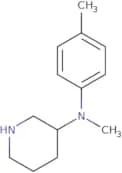
CAS:Versatile small molecule scaffoldFormula:C9H14N2O2SPurezza:Min. 95%Peso molecolare:214.29 g/molN-Methyl-N-(4-methylphenyl)piperidin-3-amine
CAS:Versatile small molecule scaffoldFormula:C13H20N2Purezza:Min. 95%Peso molecolare:204.31 g/mol

![tert-Butyl N-[2-(N'-hydroxycarbamimidoyl)-2-methylethyl]carbamate](/_next/image/?url=https%3A%2Fstatic.cymitquimica.com%2Fproducts%2F3D%2Fthumb-webp%2FBAC48938.webp&w=3840&q=75)

![tert-Butyl N-[3-(N'-hydroxycarbamimidoyl)propyl]carbamate](/_next/image/?url=https%3A%2Fstatic.cymitquimica.com%2Fproducts%2F3D%2Fthumb-webp%2FBAC44157.webp&w=3840&q=75)
![o-[(Pyridin-2-yl)methyl]hydroxylamine dihydrochloride](/_next/image/?url=https%3A%2Fstatic.cymitquimica.com%2Fproducts%2F3D%2Fthumb-webp%2FKBA01254.webp&w=3840&q=75)

![tert-Butyl N-[1-(N'-hydroxycarbamimidoyl)propan-2-yl]carbamate](/_next/image/?url=https%3A%2Fstatic.cymitquimica.com%2Fproducts%2F3D%2Fthumb-webp%2FBAC42295.webp&w=3840&q=75)
![1-[(3-Fluorophenyl)methyl]-1H-1,2,3-triazole-4-carboxylic acid](/_next/image/?url=https%3A%2Fstatic.cymitquimica.com%2Fproducts%2F3D%2Fthumb-webp%2FKAC91227.webp&w=3840&q=75)
![N-[1-(N'-Hydroxycarbamimidoyl)-1-methylethyl]acetamide](/_next/image/?url=https%3A%2Fstatic.cymitquimica.com%2Fproducts%2F3D%2Fthumb-webp%2FBAC42271.webp&w=3840&q=75)
![N'-Hydroxy-2-[(oxolan-3-yl)methoxy]ethanimidamide](/_next/image/?url=https%3A%2Fstatic.cymitquimica.com%2Fproducts%2F3D%2Fthumb-webp%2FBAC41028.webp&w=3840&q=75)

![N-{[5-(2-Methylcyclopropyl)furan-2-yl]methylidene}hydroxylamine](/_next/image/?url=https%3A%2Fstatic.cymitquimica.com%2Fproducts%2F3D%2Fthumb-webp%2FBAC40743.webp&w=3840&q=75)
![N-({2-Chloroimidazo[1,2-a]pyridin-3-yl}methylidene)hydroxylamine](/_next/image/?url=https%3A%2Fstatic.cymitquimica.com%2Fproducts%2F3D%2Fthumb-webp%2FBAC40642.webp&w=3840&q=75)
![2-[3-(But-2-en-1-yloxy)phenyl]acetic acid](/_next/image/?url=https%3A%2Fstatic.cymitquimica.com%2Fproducts%2F3D%2Fthumb-webp%2FBAC40562.webp&w=3840&q=75)
![5,6,7,8-Tetrahydro-1H-cyclohepta[C]furan-1,3(4H)-dione](/_next/image/?url=https%3A%2Fstatic.cymitquimica.com%2Fproducts%2F3D%2Fthumb-webp%2FKAA41204.webp&w=3840&q=75)


![N-[(4-Nitrophenyl)methyl]aniline](/_next/image/?url=https%3A%2Fstatic.cymitquimica.com%2Fproducts%2F3D%2Fthumb-webp%2FKAA35918.webp&w=3840&q=75)

![1-[4-Bromo-2-(trifluoromethyl)phenyl]propan-1-one](/_next/image/?url=https%3A%2Fstatic.cymitquimica.com%2Fproducts%2F3D%2Fthumb-webp%2FBAC38942.webp&w=3840&q=75)
![(2-Methoxyethyl)(methyl)[(oxiran-2-yl)methyl]amine](/_next/image/?url=https%3A%2Fstatic.cymitquimica.com%2Fproducts%2F3D%2Fthumb-webp%2FBAC38530.webp&w=3840&q=75)
![(2-Azidoethyl)[(3-fluorophenyl)methyl]methylamine](/_next/image/?url=https%3A%2Fstatic.cymitquimica.com%2Fproducts%2F3D%2Fthumb-webp%2FBAC38065.webp&w=3840&q=75)

methylamine](/_next/image/?url=https%3A%2Fstatic.cymitquimica.com%2Fproducts%2F3D%2Fthumb-webp%2FBAC35497.webp&w=3840&q=75)
![5,6-Dihydro[1,1'-biphenyl]-3(4H)-one](/_next/image/?url=https%3A%2Fstatic.cymitquimica.com%2Fproducts%2F3D%2Fthumb-webp%2FKAA34587.webp&w=3840&q=75)
![1-[4-(4-Hydroxypiperidin-1-yl)phenyl]ethan-1-one](/_next/image/?url=https%3A%2Fstatic.cymitquimica.com%2Fproducts%2F3D%2Fthumb-webp%2FKAA34287.webp&w=3840&q=75)
![1-[2-(Dimethylamino)phenyl]ethan-1-one](/_next/image/?url=https%3A%2Fstatic.cymitquimica.com%2Fproducts%2F3D%2Fthumb-webp%2FKAA33655.webp&w=3840&q=75)