Building Blocks
Sottocategorie di "Building Blocks"
- Acidi boronici e derivati dell'acido boronico(5.778 prodotti)
- Building Blocks Chirali(1.243 prodotti)
- Building Blocks Idrocarburici(6.099 prodotti)
- Building Blocks organici(61.038 prodotti)
Trovati 205376 prodotti di "Building Blocks"
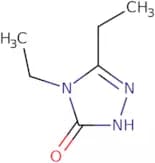
3,4-Diethyl-4,5-dihydro-1H-1,2,4-triazol-5-one
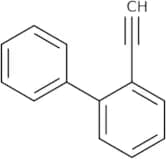
CAS:Versatile small molecule scaffoldFormula:C6H11N3OPurezza:Min. 95%Peso molecolare:141.17 g/mol2-Ethynyl-1,1'-biphenyl
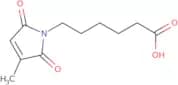
CAS:2-Ethynyl-1,1'-biphenyl is a cross-linking agent that binds to the nicotinic acetylcholine receptor. It is used in medicine as a control agent for inflammatory diseases. 2-Ethynyl-1,1'-biphenyl has antiinflammatory activity and may be useful for the treatment of inflammatory diseases due to its ability to inhibit prostaglandin synthesis and the production of reactive oxygen species (ROS). 2-Ethynyl-1,1'-biphenyl irreversibly oxidizes organic compounds by reacting with thuringiensis, which is an enzyme found in plants. The reaction mechanism involves phenanthrene synthesis from benzene.Formula:C14H10Purezza:Min. 95%Peso molecolare:178.23 g/mol6-(3-Methyl-2,5-dioxo-2,5-dihydro-1H-pyrrol-1-yl)hexanoic acid
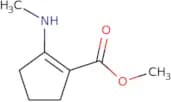
CAS:Versatile small molecule scaffoldFormula:C11H15NO4Purezza:Min. 95%Colore e forma:PowderPeso molecolare:225.24 g/molMethyl 2-(methylamino)cyclopent-1-ene-1-carboxylate
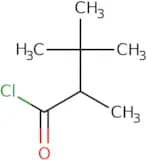
CAS:Versatile small molecule scaffoldFormula:C8H13NO2Purezza:Min. 95%Peso molecolare:155.19 g/mol2,3,3-Trimethylbutanoyl chloride
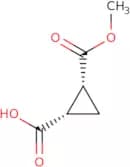
CAS:Versatile small molecule scaffoldFormula:C7H13ClOPurezza:Min. 95%Peso molecolare:148.63 g/molrac-(1R,2R)-2-(methoxycarbonyl)cyclopropane-1-carboxylic acid, trans
CAS:Versatile small molecule scaffold
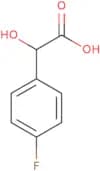
Formula:C6H8O4Purezza:Min. 95%Peso molecolare:144.1 g/mol(2S)-2-(4-Fluorophenyl)-2-hydroxyacetic acid
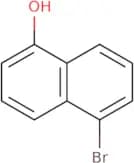
CAS:Versatile small molecule scaffoldFormula:C8H7FO3Purezza:Min. 95%Peso molecolare:170.14 g/mol5-Bromonaphthalen-1-ol
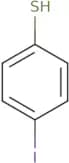
CAS:5-Bromonaphthalen-1-ol is a ligand that binds to the intracellular targets of the nuclear receptor peroxisome proliferator-activated receptor alpha (PPARα). It is a mimetic of the natural ligand, which is a macrocyclic. The ligand has been biotinylated at the n-terminal and used in affinity chromatography to isolate PPARα from other proteins. This ligand has been shown to have specificity for PPARα and can be used in elucidating its physiological function. The functionality of 5-Bromonaphthalen-1-ol as a ligand for PPARα has been studied extensively, and it has been found to be an excellent candidate for targeting PPARα.Formula:C10H7BrOPurezza:Min. 95%Peso molecolare:223.07 g/mol4-Iodobenzene-1-thiol
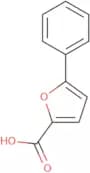
CAS:4-Iodobenzene-1-thiol is a reactive organometallic compound that has been used in biological studies. Its fluorescence properties are influenced by the presence of heavy metals, making it an excellent probe for metal surfaces. 4-Iodobenzene-1-thiol can be used as a cross-coupling agent to form C–C bonds. It is also used in surface-enhanced Raman spectroscopy and metathesis reactions. This compound is chemically stable and does not react with nucleic acids, which makes it a promising candidate for non-nucleoside inhibitors. The reaction mechanism of 4-iodobenzene-1-thiol is currently unknown, but organic chemists have hypothesized that the thiol group reacts with DNA bases to form a covalent bond.Formula:C6H5ISPurezza:Min. 95%Peso molecolare:236.08 g/mol5-Phenyl-2-furancarboxylic Acid
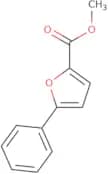
CAS:5-Phenyl-2-furancarboxylic Acid is an inhibitor of methionine aminopeptidase that contains a phenyl substituent. It is non-selective and has been shown to be effective against E. coli, P. aeruginosa, and S. aureus at concentrations of less than 1 μM. The inhibition of methionine aminopeptidase by 5-phenyl-2-furancarboxylic acid results in the accumulation of methionine and other amino acids, which are substrates for peptide bond formation. This leads to the inhibition of protein synthesis through the disruption of nucleotide synthesis and cell division.Formula:C11H8O3Purezza:Min. 95%Peso molecolare:188.18 g/molMethyl 5-phenylfuran-2-carboxylate
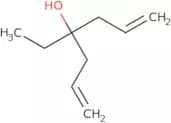
CAS:Versatile small molecule scaffoldFormula:C12H10O3Purezza:Min. 95%Peso molecolare:202.21 g/mol4-Ethyl-1,6-heptadien-4-ol
CAS:Versatile small molecule scaffold
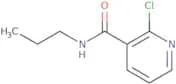
Formula:C9H16OPurezza:Min. 95%Peso molecolare:140.22 g/mol2-Chloro-N-propylnicotinamide
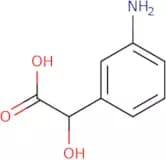
CAS:Versatile small molecule scaffoldFormula:C9H11ClN2OPurezza:Min. 95%Peso molecolare:198.65 g/mol2-(3-Aminophenyl)-2-hydroxyacetic acid
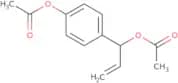
CAS:Versatile small molecule scaffoldFormula:C8H9NO3Purezza:Min. 95%Peso molecolare:167.16 g/mol1'-Acetoxychavicol acetate
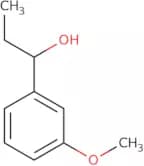
CAS:1'-Acetoxychavicol acetate is a modulator of the microvessel density in the prostate. It is used to study the effect of angiogenesis on prostate cancer cells, and has been shown to inhibit protease activity in human immunodeficiency virus-1. 1'-Acetoxychavicol acetate also inhibits angiogenesis by inhibiting the synthesis of growth factor and inhibits carcinogenesis. The mechanism by which 1'-acetoxychavicol acetate exerts its effects is not yet understood, but it may be due to its ability to inhibit spermidine/spermine n1-acetyltransferase or its ability to modify cell nuclei or virus.Formula:C13H14O4Purezza:Min. 95%Peso molecolare:234.25 g/mol1-(3-Methoxyphenyl)propan-1-ol
CAS:1-(3-Methoxyphenyl)propan-1-ol is a trialkylborane that reacts with alcohols to form alkylated products. It is used in the synthesis of benzene derivatives, and also has been used to react with magnesium halides. 1-(3-Methoxyphenyl)propan-1-ol can be used as an alternative to the toxic 1,2-dibromoethane when making alkylated products.
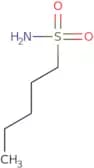
Formula:C10H14O2Purezza:Min. 95%Peso molecolare:166.22 g/molN-Pentylsulfonamide
CAS:N-Pentylsulfonamide is a benzimidazole derivative that is used as a medicine to treat muscle cell disorders and cardiovascular diseases. It has been shown to improve the efficiency of the synthesis of imidazole derivatives with alkylthio groups (e.g., chloroquine) by replacing the C6 alkyl group with an alkynyl group. It has also been shown to have anti-inflammatory properties, which may be due to its inhibition of prostaglandin synthesis. N-Pentylsulfonamide is used in many stereoisomers, including D-N-pentylsulfonamide and L-N-pentylsulfonamide.
Formula:C5H13NO2SPurezza:Min. 95%Peso molecolare:151.23 g/molN-Methyl-3-(methylsulfanyl)aniline
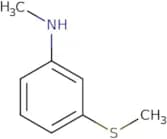
CAS:N-Methyl-3-(methylsulfanyl)aniline is a blocker that is used in the synthesis of pharmacological agents. It has been shown to have neuroprotective activity and can be used as an antidote for cyanamide poisoning. This drug blocks sodium channels, which are pores on the surface of nerve cells that allow the passage of electrical signals from one cell to another. It also blocks the n-methyl-d-aspartate receptor, which is the most important excitatory amino acid receptor in the central nervous system. N-Methyl-3-(methylsulfanyl)aniline is orally active and has been shown to be effective against rat convulsions induced by potassium cyanide.Formula:C8H11NSPurezza:Min. 95%Peso molecolare:153.25 g/mol2-(carboxymethyl)-5-methoxybenzoic Acid
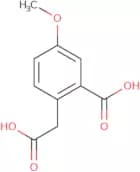
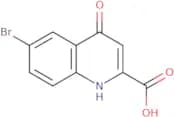
CAS:2-(carboxymethyl)-5-methoxybenzoic acid is a potent and selective agonist of the α receptor. It has been synthesized by reacting 2-bromo-4,6-dimethoxyphenol with methanol in the presence of hydrochloric acid. This compound has been shown to inhibit proliferation of cancer cells and induce apoptosis in vitro. It also inhibits growth factor signaling pathways, which may be due to its ability to block protein kinase C. 2-(Carboxymethyl)-5-methoxybenzoic acid has been shown to have anticancer activity in vivo and can be used as a potential therapy for cancer patients.Formula:C10H10O5Purezza:Min. 95%Peso molecolare:210.18 g/mol6-Bromo-4-oxo-1,4-dihydroquinoline-2-carboxylic acid
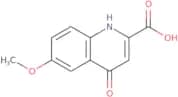
CAS:Versatile small molecule scaffoldFormula:C10H6BrNO3Purezza:Min. 95%Peso molecolare:268.06 g/mol6-Methoxy-4-oxo-1,4-dihydro-quinoline-2-carboxylic acid
CAS:6-Methoxy-4-oxo-1,4-dihydro-quinoline-2-carboxylic acid (6MOQ) is a compound that inhibits the replication of viruses by binding to their receptors. It has been shown to be effective in inhibiting the replication of HIV and influenza virus. 6MOQ also has been shown to bind to the receptor for ephedrine, which is a medicine used in the treatment of asthma. 6MOQ is active against cancer cells in vitro and animal models, but not against normal cells. The mechanism of action appears to be due to its ability to prevent growth factors from binding with receptors on tumor cells, which leads to inhibition of cellular proliferation.Formula:C11H9NO4Purezza:Min. 95%Peso molecolare:219.19 g/mol7-(Bromomethyl)pentadecane
CAS:7-(Bromomethyl)pentadecane is a molecule that has been used as an acceptor in organic photovoltaic devices. This molecule has a phenothiazine ring, which is electron deficient and low energy. 7-(Bromomethyl)pentadecane molecules are able to absorb light and convert it into electricity with high efficiency.
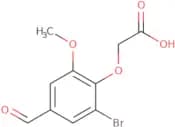
Formula:C16H33BrPurezza:Min. 95%Peso molecolare:305.34 g/mol2-(2-bromo-4-formyl-6-methoxyphenoxy)acetic acid
CAS:Versatile small molecule scaffoldFormula:C10H9BrO5Purezza:Min. 95%Peso molecolare:289.08 g/molMethyl 3-[(methoxymethanethioyl)amino]-4-methylthiophene-2-carboxylate
CAS:Versatile small molecule scaffoldFormula:C9H11NO3S2Purezza:Min. 95%Peso molecolare:245.3 g/mol6-Methoxy-benzo[d]isothiazole-3-carboxylic acid
CAS:Versatile small molecule scaffoldFormula:C9H7NO3SPurezza:Min. 95%Peso molecolare:209.22 g/mol5-(2-Methoxyphenyl)-7-(trifluoromethyl)-4,5,6,7-tetrahydropyrazolo[1,5-a]pyrimidine
CAS:Versatile small molecule scaffoldFormula:C14H14F3N3OPurezza:Min. 95%Peso molecolare:297.28 g/mol[3-Fluoro-4-(piperidin-1-yl)phenyl]methanol
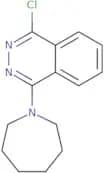
CAS:Versatile small molecule scaffoldFormula:C12H16FNOPurezza:Min. 95%Peso molecolare:209.26 g/mol1-(Azepan-1-yl)-4-chlorophthalazine
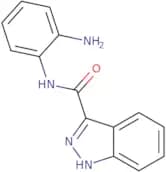
CAS:Versatile small molecule scaffoldFormula:C14H16ClN3Purezza:Min. 95%Peso molecolare:261.75 g/molN-(2-Aminophenyl)-1H-indazole-3-carboxamide
CAS:Versatile small molecule scaffold
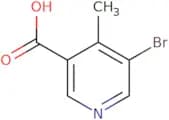
Formula:C14H12N4OPurezza:Min. 95%Peso molecolare:252.27 g/mol5-Bromo-4-methylnicotinic acid
CAS:Versatile small molecule scaffoldFormula:C7H6BrNO2Purezza:Min. 95%Peso molecolare:216.03 g/mol3-[3-(Difluoromethoxy)phenyl]-3-oxopropanenitrile
CAS:Versatile small molecule scaffoldFormula:C10H7F2NO2Purezza:Min. 95%Peso molecolare:211.16 g/mol3-[4-Fluoro-3-(trifluoromethyl)phenyl]-3-oxopropanenitrile
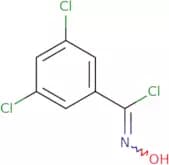
CAS:Versatile small molecule scaffoldFormula:C10H5F4NOPurezza:Min. 95%Peso molecolare:231.15 g/mol3,5-Dichloro-N-hydroxybenzene-1-carbonimidoyl chloride
CAS:Versatile small molecule scaffold
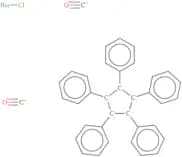
Formula:C7H4Cl3NOPurezza:Min. 95%Peso molecolare:224.5 g/molChlorodicarbonyl(1,2,3,4,5-pentaphenylcyclopentadienyl)ruthenium(II)
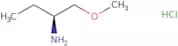
CAS:Prodotto controllatoVersatile small molecule scaffoldFormula:C37H25ClO2RuPurezza:Min. 95%Peso molecolare:638.12 g/mol(S)-1-Methoxybutan-2-amine hydrochloride
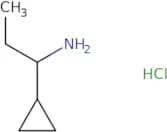
CAS:Versatile small molecule scaffoldFormula:C5H13NO·HClPurezza:Min. 95%Peso molecolare:139.63 g/mol1-cyclopropylpropan-1-amine hcl
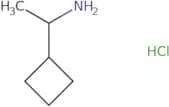
CAS:Versatile small molecule scaffoldFormula:C6H14ClNPurezza:Min. 95%Peso molecolare:135.64 g/mol(1R)-1-Cyclobutylethan-1-amine hydrochloride
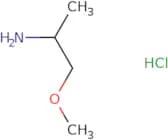
CAS:Versatile small molecule scaffoldFormula:C6H14ClNPurezza:Min. 95%Peso molecolare:135.63 g/mol1-Methoxypropan-2-amine hydrochloride
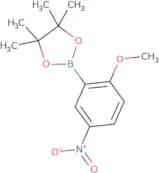
CAS:Versatile small molecule scaffoldFormula:C4H12ClNOPurezza:Min. 95%Peso molecolare:125.6 g/mol2-(2-Methoxy-5-nitrophenyl)-4,4,5,5-tetramethyl-1,3,2-dioxaborolane
CAS:Versatile small molecule scaffoldFormula:C13H18BNO5Purezza:Min. 95%Peso molecolare:279.1 g/mol(2-Methoxy-5-nitrophenyl)boronic acid
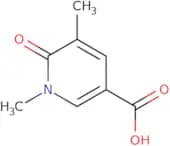
CAS:Versatile small molecule scaffoldFormula:C7H8BNO5Purezza:Min. 95%Peso molecolare:196.95 g/mol1,5-dimethyl-6-oxo-1,6-dihydropyridine-3-carboxylic acid
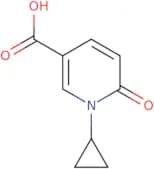
CAS:Versatile small molecule scaffoldFormula:C8H9NO3Purezza:Min. 95%Peso molecolare:167.16 g/mol1-Cyclopropyl-6-oxo-1,6-dihydropyridine-3-carboxylic acid
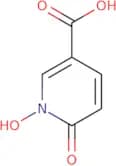
CAS:Versatile small molecule scaffoldFormula:C9H9NO3Purezza:Min. 95%Peso molecolare:179.17 g/mol1-Hydroxy-6-oxo-1,6-dihydropyridine-3-carboxylic acid
CAS:1-Hydroxy-6-oxo-1,6-dihydropyridine-3-carboxylic acid is a biofuel that can be produced from the enzymatic conversion of malic acid. It has been shown to be a good carbon source for microbial synthesis of 1,5-dioxopentanoic acid and 1,2,5,6 tetrahydroquinoline (THQ). The enzyme complexes responsible for this conversion are light sensitive and require a cavity in which to work. This product is also an analog of 6-hydroxypyridine-2,4(1H,3H)-dione. It can be used as a solubilizing agent with an organic acid or as a waveform to measure x-ray absorption.
Formula:C6H5NO4Purezza:Min. 95%Peso molecolare:155.11 g/mol1-(5-Fluoropyridin-2-yl)cyclopropane-1-carbonitrile
CAS:Versatile small molecule scaffold
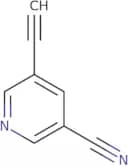
Formula:C9H9FN2Purezza:Min. 95%Peso molecolare:164.18 g/mol5-Ethynylpyridine-3-carbonitrile
CAS:Versatile small molecule scaffold
Formula:C8H4N2Purezza:Min. 95%Peso molecolare:128.13 g/mol6-(Diethylamino)pyridine-3-carbonitrile
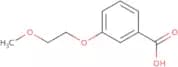
CAS:Versatile small molecule scaffoldFormula:C10H13N3Purezza:Min. 95%Peso molecolare:175.23 g/mol3-(2-Methoxyethoxy)benzoic acid
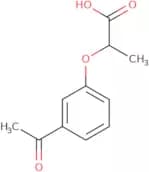
CAS:Versatile small molecule scaffoldFormula:C10H12O4Purezza:Min. 95%Peso molecolare:196.2 g/mol2-(3-Acetylphenoxy)propanoic acid
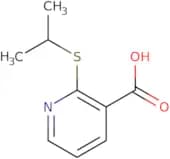
CAS:Versatile small molecule scaffoldFormula:C11H12O4Purezza:Min. 95%Peso molecolare:208.21 g/mol2-(Propan-2-ylsulfanyl)pyridine-3-carboxylic acid
CAS:Versatile small molecule scaffoldFormula:C9H11NO2SPurezza:Min. 95%Peso molecolare:197.3 g/mol(2Z)-3-(Diethylamino)-2-fluoroprop-2-enal
CAS:Versatile small molecule scaffold
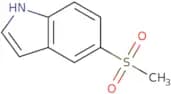
Formula:C7H12FNOPurezza:Min. 95%Peso molecolare:145.17 g/mol5-(methylsulfonyl)-1H-indole
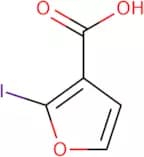
CAS:5-(methylsulfonyl)-1H-indole is a novel indole derivative that possesses both orientations and interaction. It has been shown to inhibit the activity of COX-1 and COX-2 enzymes, which are involved in the synthesis of prostaglandins. 5-(Methylsulfonyl)-1H-indole also has an innovative structure with a trifluoromethyl group and two functional groups. In addition, it was found to possess inhibitory activities against transferase and substitution reactions. These properties make 5-(methylsulfonyl)-1H-indole a potential drug candidate for treating inflammation and pain.Formula:C9H9NO2SPurezza:Min. 95%Peso molecolare:195.24 g/mol2-Iodofuran-3-carboxylic acid
CAS:2-Iodofuran-3-carboxylic acid is a reactive intermediate and has been used in the synthesis of amides, which are important in drug discovery. This compound is an oxocarbenium ion that reacts with nucleophiles to form an intramolecular cross-coupling reaction. 2-Iodofuran-3-carboxylic acid has been shown to be cytotoxic against cancer cells and can be used as a screening agent for anticancer drugs. The use of 2-iodofuran carboxylic acid has also been shown to inhibit lung cancer cell growth by inducing apoptosis.
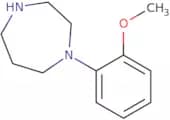
Formula:C5H3IO3Purezza:Min. 95%Peso molecolare:237.98 g/mol1-(2-Methoxyphenyl)-1,4-diazepane
CAS:Versatile small molecule scaffold
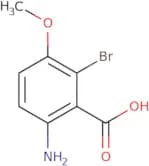
Formula:C12H18N2OPurezza:Min. 95%Peso molecolare:206.28 g/mol6-Amino-2-bromo-3-methoxybenzoic acid
CAS:Versatile small molecule scaffold
Formula:C8H8BrNO3Purezza:Min. 95%Peso molecolare:246.06 g/mol2-(2-Methylphenyl)-1-(piperazin-1-yl)ethan-1-one
CAS:Versatile small molecule scaffoldFormula:C13H18N2OPurezza:Min. 95%Peso molecolare:218.29 g/mol4-Chloro-6-ethyl-2-methylthieno[2,3-d]pyrimidine
CAS:Versatile small molecule scaffoldFormula:C9H9ClN2SPurezza:Min. 95%Peso molecolare:212.7 g/molCyclopropyl[4-fluoro-3-(trifluoromethyl)phenyl]methanamine
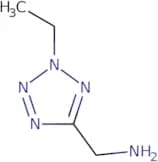
CAS:Versatile small molecule scaffoldFormula:C11H11F4NPurezza:Min. 95%Peso molecolare:233.2 g/mol1-(2-Ethyl-2H-1,2,3,4-tetrazol-5-yl)methanamine
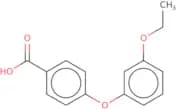
CAS:Versatile small molecule scaffoldFormula:C4H9N5Purezza:Min. 95%Peso molecolare:127.15 g/mol4-(3-Ethoxyphenoxy)benzoic acid
CAS:Versatile small molecule scaffold
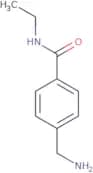
Formula:C15H14O4Purezza:Min. 95%Peso molecolare:258.3 g/molN-Ethyl 4-(aminomethyl)benzamide
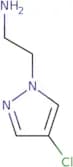
CAS:Versatile small molecule scaffoldFormula:C10H14N2OPurezza:Min. 95%Peso molecolare:178.23 g/mol2-(4-Chloro-1H-pyrazol-1-yl)ethanamine
CAS:Versatile small molecule scaffold
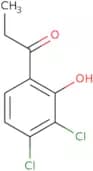
Formula:C5H8ClN3Purezza:Min. 95%Peso molecolare:145.59 g/mol1-(3,4-Dichloro-2-hydroxyphenyl)propan-1-one
CAS:Versatile small molecule scaffoldFormula:C9H8Cl2O2Purezza:Min. 95%Peso molecolare:219.06 g/mol3-[2-(4-Aminophenyl)ethyl]-1,3-oxazolidin-2-one
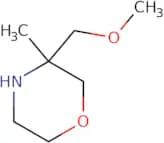
CAS:Versatile small molecule scaffoldFormula:C11H14N2O2Purezza:Min. 95%Peso molecolare:206.24 g/mol3-(Methoxymethyl)-3-methylmorpholine
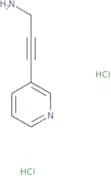
CAS:Versatile small molecule scaffoldFormula:C7H15NO2Purezza:Min. 95%Peso molecolare:145.2 g/mol3-(Pyridin-3-yl)prop-2-yn-1-amine dihydrochloride
CAS:Versatile small molecule scaffoldFormula:C8H10Cl2N2Purezza:Min. 95%Peso molecolare:205.08 g/moltert-Butyl N-[3-(pyridin-4-yl)prop-2-yn-1-yl]carbamate
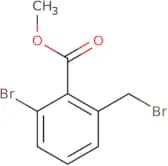
CAS:Versatile small molecule scaffoldFormula:C13H16N2O2Purezza:Min. 95%Peso molecolare:232.28 g/molMethyl 2-bromo-6-(bromomethyl)benzoate
CAS:Methyl 2-bromo-6-(bromomethyl)benzoate is a pharmacological agent that belongs to the group of dopamine D2-like receptor ligands. It has been shown to bind to the dopamine D2-like receptor in rat brain tissue, and has affinity for this receptor. Methyl 2-bromo-6-(bromomethyl)benzoate may induce behavioral effects by interacting with the dopamine system in the central nervous system. This compound binds to dopamine receptors, especially those with affinity for D2-like subtypes. The binding of this compound induces conformational changes in the receptor, which leads to changes in downstream signal transduction and ultimately influences behavior.
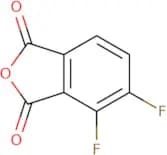
Formula:C9H8Br2O2Purezza:Min. 95%Peso molecolare:307.97 g/mol4,5-Difluoroisobenzofuran-1,3-dione
CAS:Versatile small molecule scaffold
Formula:C8H2F2O3Purezza:Min. 95%Peso molecolare:184.1 g/mol1-[(4-Bromophenyl)methyl]-2-methyl-1H-imidazole
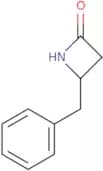
CAS:Prodotto controllatoVersatile small molecule scaffoldFormula:C11H11BrN2Purezza:Min. 95%Peso molecolare:251.12 g/mol(+/-)-4-Benzylazetidin-2-one
CAS:(+/-)-4-Benzylazetidin-2-one is an enantiomer of the β-lactam antibiotic azetidinone. It has been synthesized by chemoenzymatic methods and is a racemic mixture of two enantiomers. (+/-)-4-Benzylazetidin-2-one is a lactam with a carboxylic acid substituent in the lactam ring. The chlorides are removed from the molecule by ammonolysis, which produces the amide. This amide reacts with an alkyl group, such as methyl chloride, to produce the lactam ring. The synthesis of (+/-)-4-Benzylazetidin-2-one can be catalyzed by either acidic or basic catalysts. These reactions are typically carried out in organic solvents and require heat and/or pressure to proceed at a reasonable rate. (+/-)-4 -Benzylazetid
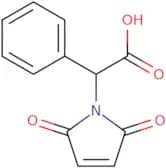
Formula:C10H11NOPurezza:Min. 95%Peso molecolare:161.2 g/mol2-(2,5-Dioxo-2,5-dihydro-1H-pyrrol-1-yl)-2-phenylacetic acid
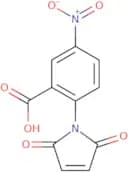
CAS:Versatile small molecule scaffoldFormula:C12H9NO4Purezza:Min. 95%Peso molecolare:231.2 g/mol2-(2,5-Dioxo-2,5-dihydro-1H-pyrrol-1-yl)-5-nitrobenzoic acid
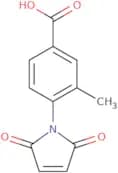
CAS:Versatile small molecule scaffoldFormula:C11H6N2O6Purezza:Min. 95%Peso molecolare:262.17 g/mol4-(2,5-Dioxo-2,5-dihydro-1H-pyrrol-1-yl)-3-methylbenzoic acid
CAS:Prodotto controllato4-(2,5-Dioxo-2,5-dihydro-1H-pyrrol-1-yl)-3-methylbenzoic acid is a peptide that binds to the receptor and inhibits the activity of ion channels. It is used as a research tool in cell biology and pharmacology. 4-(2,5-Dioxo-2,5-dihydro-1H-pyrrol-1-)yl)-3 methylbenzoic acid has high purity and is an inhibitor for ion channels. It also activates the receptor by binding to it.br>
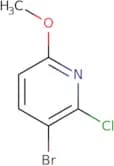
4-(2,5 Dioxo 2,5 dihydro 1H pyrrol 1-)yl)-3 methylbenzoic acid is a peptide that binds to the receptor and inhibits the activity of ion channels. It is used as a research tool in cell biology and pharmacology. 4-(2,5 Dioxo 2,5 diFormula:C12H9NO4Purezza:Min. 95%Peso molecolare:231.2 g/mol3-Bromo-2-chloro-6-methoxypyridine
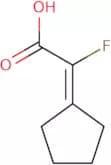
CAS:3-Bromo-2-chloro-6-methoxypyridine is an antitumor compound that has shown anti-angiogenic effects and anti-proliferative activities. It has been found to disrupt the cycle of tubulin polymerization and inhibit the proliferation of cells in a dose dependent manner. 3-Bromo-2-chloro-6-methoxypyridine binds to tubulin, which is the building block for microtubules, at the colchicine site. The binding of 3BCMP inhibits the assembly of tubulin into microtubules, resulting in a disruption of cytoskeletal function.Formula:C6H5BrClNOPurezza:Min. 95%Peso molecolare:222.47 g/mol2-Cyclopentylidene-2-fluoroacetic acid
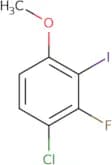
CAS:Versatile small molecule scaffoldFormula:C7H9FO2Purezza:Min. 95%Peso molecolare:144.14 g/mol1-Chloro-2-fluoro-3-iodo-4-methoxybenzene
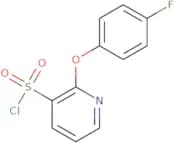
CAS:Versatile small molecule scaffoldFormula:C7H5ClFIOPurezza:Min. 95%Peso molecolare:286.47 g/mol2-(4-Fluorophenoxy)pyridine-3-sulfonyl chloride
CAS:Versatile small molecule scaffoldFormula:C11H7ClFNO3SPurezza:Min. 95%Peso molecolare:287.69 g/mol3-(4-Bromophenyl)oxetane
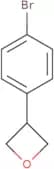
CAS:Versatile small molecule scaffold
Formula:C9H9OBrPurezza:Min. 95%Peso molecolare:213.07 g/moltert-Butyl 5-methyl-3-(4,4,5,5-tetramethyl-1,3,2-dioxaborolan-2-yl)-1H-pyrazole-1-carboxylate
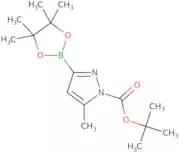
CAS:Versatile small molecule scaffold
Formula:C15H25BN2O4Purezza:Min. 95%Peso molecolare:308.18 g/mol2-(Benzyloxy)-1-(4-fluorophenyl)ethan-1-one
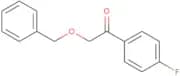
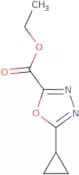
CAS:Versatile small molecule scaffoldFormula:C15H13FO2Purezza:Min. 95%Peso molecolare:244.26 g/molEthyl 5-cyclopropyl-1,3,4-oxadiazole-2-carboxylate
CAS:Versatile small molecule scaffold
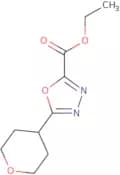
Formula:C8H10N2O3Purezza:Min. 95%Peso molecolare:182.18 g/molEthyl 5-(oxan-4-yl)-1,3,4-oxadiazole-2-carboxylate
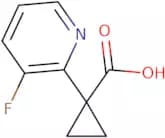
CAS:Versatile small molecule scaffoldFormula:C10H14N2O4Purezza:Min. 95%Peso molecolare:226.23 g/mol1-(3-Fluoropyridin-2-yl)cyclopropane-1-carboxylic acid
CAS:Versatile small molecule scaffold
Formula:C9H8FNO2Purezza:Min. 95%Peso molecolare:181.16 g/mol[1-(5-Fluoropyridin-2-yl)cyclopropyl]methanamine
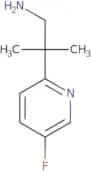
CAS:Versatile small molecule scaffoldFormula:C9H11FN2Purezza:Min. 95%Peso molecolare:166.2 g/mol2-(5-Fluoropyridin-2-yl)-2-methylpropan-1-amine
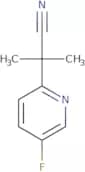
CAS:Versatile small molecule scaffoldFormula:C9H13FN2Purezza:Min. 95%Peso molecolare:168.21 g/mol2-[4-(Trifluoromethyl)-1H-1,2,3-triazol-1-yl]acetic acid
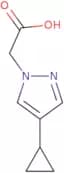
CAS:Versatile small molecule scaffoldFormula:C5H4F3N3O2Purezza:Min. 95%Peso molecolare:195.1 g/mol2-(4-Cyclopropyl-1H-pyrazol-1-yl)acetic acid
CAS:Versatile small molecule scaffoldFormula:C8H10N2O2Purezza:Min. 95%Peso molecolare:166.18 g/mol2-Fluoro-1-(2-fluorophenyl)ethanone
CAS:Versatile small molecule scaffold
Formula:C8H6F2OPurezza:Min. 95%Peso molecolare:156.13 g/mol3,7-Diazabicyclo[3.3.1]nonane dihydrochloride
CAS:Versatile small molecule scaffold
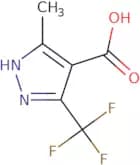
Formula:C7H16Cl2N2Purezza:Min. 95%Peso molecolare:199.12 g/mol5-Methyl-3-(trifluoromethyl)-1H-pyrazole-4-carboxylic acid
CAS:Versatile small molecule scaffold
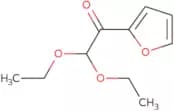
Formula:C6H5F3N2O2Purezza:Min. 95%Peso molecolare:194.11 g/mol2,2-Diethoxy-1-(furan-2-yl)ethan-1-one
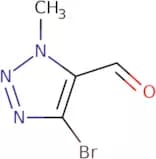
CAS:Versatile small molecule scaffoldFormula:C10H14O4Purezza:Min. 95%Peso molecolare:198.22 g/mol4-Bromo-1-methyl-1H-1,2,3-triazole-5-carbaldehyde
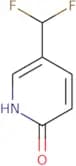
CAS:Versatile small molecule scaffoldFormula:C4H4BrN3OPurezza:Min. 95%Peso molecolare:190 g/mol5-(Difluoromethyl)-1,2-dihydropyridin-2-one
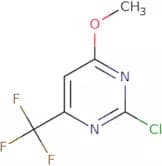
CAS:Versatile small molecule scaffoldFormula:C6H5F2NOPurezza:Min. 95%Peso molecolare:145.11 g/mol2-Chloro-4-methoxy-6-(trifluoromethyl)pyrimidine
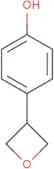
CAS:Versatile small molecule scaffoldFormula:C6H4ClF3N2OPurezza:Min. 95%Peso molecolare:212.56 g/mol4-(Oxetan-3-yl)phenol
CAS:Versatile small molecule scaffoldFormula:C9H10O2Purezza:Min. 95%Peso molecolare:150.17 g/mol4-Chloro-2,3-dihydro-1H-pyrrolo[3,4-c]pyridin-1-one
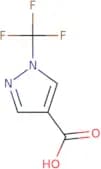
CAS:Versatile small molecule scaffoldFormula:C7H5ClN2OPurezza:Min. 95%Peso molecolare:168.58 g/mol1-(Trifluoromethyl)-1H-pyrazole-4-carboxylic acid
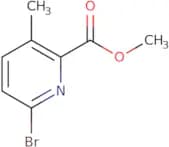
CAS:Versatile small molecule scaffoldFormula:C5H3F3N2O2Purezza:Min. 95%Peso molecolare:180.08 g/mol6-Bromo-3-Methyl-Pyridine-2-Carboxylic Acid Methyl Ester
CAS:Versatile small molecule scaffoldFormula:C8H8NO2BrPurezza:Min. 95%Peso molecolare:230.06 g/mol4,6-Dichloropyridine-3-sulfonyl chloride
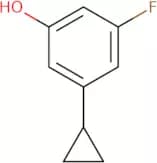
CAS:Versatile small molecule scaffoldFormula:C5H2Cl3NO2SPurezza:Min. 95%Peso molecolare:246.5 g/mol5-Fluoro-3-cyclopropylphenol
CAS:Versatile small molecule scaffold
Formula:C9H9FOPurezza:Min. 95%Peso molecolare:152.17 g/mol


![Methyl 3-[(methoxymethanethioyl)amino]-4-methylthiophene-2-carboxylate](/_next/image/?url=https%3A%2Fstatic.cymitquimica.com%2Fproducts%2F3D%2Fthumb-webp%2FCCB27699.webp&w=3840&q=75)
![6-Methoxy-benzo[d]isothiazole-3-carboxylic acid](/_next/image/?url=https%3A%2Fstatic.cymitquimica.com%2Fproducts%2F3D%2Fthumb-webp%2FCCB30464.webp&w=3840&q=75)
![5-(2-Methoxyphenyl)-7-(trifluoromethyl)-4,5,6,7-tetrahydropyrazolo[1,5-a]pyrimidine](/_next/image/?url=https%3A%2Fstatic.cymitquimica.com%2Fproducts%2F3D%2Fthumb-webp%2FCCB31106.webp&w=3840&q=75)
![[3-Fluoro-4-(piperidin-1-yl)phenyl]methanol](/_next/image/?url=https%3A%2Fstatic.cymitquimica.com%2Fproducts%2F3D%2Fthumb-webp%2FCCB31275.webp&w=3840&q=75)
![3-[3-(Difluoromethoxy)phenyl]-3-oxopropanenitrile](/_next/image/?url=https%3A%2Fstatic.cymitquimica.com%2Fproducts%2F3D%2Fthumb-webp%2FCCB71303.webp&w=3840&q=75)
![3-[4-Fluoro-3-(trifluoromethyl)phenyl]-3-oxopropanenitrile](/_next/image/?url=https%3A%2Fstatic.cymitquimica.com%2Fproducts%2F3D%2Fthumb-webp%2FCCB71306.webp&w=3840&q=75)



![4-Chloro-6-ethyl-2-methylthieno[2,3-d]pyrimidine](/_next/image/?url=https%3A%2Fstatic.cymitquimica.com%2Fproducts%2F3D%2Fthumb-webp%2FCGA99885.webp&w=3840&q=75)
![Cyclopropyl[4-fluoro-3-(trifluoromethyl)phenyl]methanamine](/_next/image/?url=https%3A%2Fstatic.cymitquimica.com%2Fproducts%2F3D%2Fthumb-webp%2FCGB00163.webp&w=3840&q=75)
![3-[2-(4-Aminophenyl)ethyl]-1,3-oxazolidin-2-one](/_next/image/?url=https%3A%2Fstatic.cymitquimica.com%2Fproducts%2F3D%2Fthumb-webp%2FCGB83473.webp&w=3840&q=75)
![tert-Butyl N-[3-(pyridin-4-yl)prop-2-yn-1-yl]carbamate](/_next/image/?url=https%3A%2Fstatic.cymitquimica.com%2Fproducts%2F3D%2Fthumb-webp%2FCGB85667.webp&w=3840&q=75)
![1-[(4-Bromophenyl)methyl]-2-methyl-1H-imidazole](/_next/image/?url=https%3A%2Fstatic.cymitquimica.com%2Fproducts%2F3D%2Fthumb-webp%2FCGB86557.webp&w=3840&q=75)
![[1-(5-Fluoropyridin-2-yl)cyclopropyl]methanamine](/_next/image/?url=https%3A%2Fstatic.cymitquimica.com%2Fproducts%2F3D%2Fthumb-webp%2FCGC23301.webp&w=3840&q=75)
![2-[4-(Trifluoromethyl)-1H-1,2,3-triazol-1-yl]acetic acid](/_next/image/?url=https%3A%2Fstatic.cymitquimica.com%2Fproducts%2F3D%2Fthumb-webp%2FCGC41143.webp&w=3840&q=75)

![3,7-Diazabicyclo[3.3.1]nonane dihydrochloride](/_next/image/?url=https%3A%2Fstatic.cymitquimica.com%2Fproducts%2F3D%2Fthumb-webp%2FCGC43053.webp&w=3840&q=75)
![4-Chloro-2,3-dihydro-1H-pyrrolo[3,4-c]pyridin-1-one](/_next/image/?url=https%3A%2Fstatic.cymitquimica.com%2Fproducts%2F3D%2Fthumb-webp%2FCGC66468.webp&w=3840&q=75)