


Building Blocks
Questa sezione contiene prodotti fondamentali per la sintesi di composti organici e biologici. Building blocks sono i materiali di partenza essenziali utilizzati per costruire molecole complesse attraverso varie reazioni chimiche. Svolgono un ruolo critico nella scoperta di farmaci, nella scienza dei materiali e nella ricerca chimica. Presso CymitQuimica, offriamo una gamma diversificata di building blocks di alta qualità per supportare le tue ricerche innovative e progetti industriali, assicurandoti di avere i componenti essenziali per una sintesi di successo.
Sottocategorie di "Building Blocks"
- Acidi boronici e derivati dell'acido boronico(5.778 prodotti)
- Building Blocks Chirali(1.243 prodotti)
- Building Blocks Idrocarburici(6.097 prodotti)
- Building Blocks organici(61.048 prodotti)
Trovati 203115 prodotti di "Building Blocks"
Ordinare per
Purezza (%)
0
100
|
0
|
50
|
90
|
95
|
100
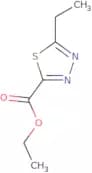
Ethyl 5-ethyl-1,3,4-thiadiazole-2-carboxylate
CAS:<p>Versatile small molecule scaffold</p>Formula:C7H10N2O2SPurezza:Min. 95%Peso molecolare:186.23 g/mol[5-(Propan-2-yl)-1,3,4-thiadiazol-2-yl]methanol
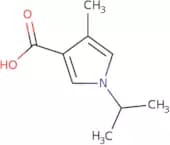
CAS:<p>Versatile small molecule scaffold</p>Formula:C6H10N2OSPurezza:Min. 95%Peso molecolare:158.22 g/mol4-Methyl-1-(propan-2-yl)-1H-pyrrole-3-carboxylic acid
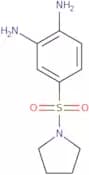
CAS:<p>Versatile small molecule scaffold</p>Formula:C9H13NO2Purezza:Min. 95%Peso molecolare:167.2 g/mol4-(Pyrrolidine-1-sulfonyl)benzene-1,2-diamine
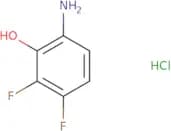
CAS:Versatile small molecule scaffoldFormula:C10H15N3O2SPurezza:Min. 95%Peso molecolare:241.31 g/mol3,4-Difluoro-2-hydroxyaniline HCl
CAS:<p>Versatile small molecule scaffold</p>Formula:C6H5F2NO·HClPurezza:Min. 95%Peso molecolare:181.57 g/mol8-Bromo-1H,2H,3H,4H,5H-pyrido[4,3-b]indole hydrochloride
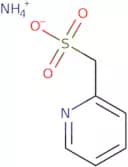
CAS:Versatile small molecule scaffoldFormula:C11H12BrClN2Purezza:Min. 95%Peso molecolare:287.58 g/molPyridin-2-ylmethanesulfonic acid amine
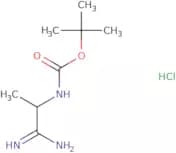
CAS:Versatile small molecule scaffoldFormula:C6H10N2O3SPurezza:Min. 95%Peso molecolare:190.22 g/moltert-Butyl N-(1-carbamimidoylethyl)carbamate hydrochloride
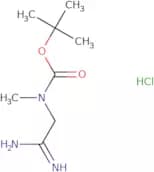
CAS:<p>Versatile small molecule scaffold</p>Formula:C8H18ClN3O2Purezza:Min. 95%Peso molecolare:223.7 g/moltert-Butyl N-(2-amino-2-iminiumylethyl)-N-methylcarbamate chloride
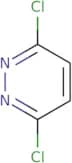
CAS:Versatile small molecule scaffoldFormula:C8H18ClN3O2Purezza:Min. 95%Peso molecolare:223.7 g/mol3,6-Dichloropyridazine
CAS:<p>3,6-Dichloropyridazine is a chemical compound that belongs to the group of heterocycles. It is used as an intermediate for the production of other chemicals such as pharmaceuticals and pesticides. 3,6-Dichloropyridazine can be used in the treatment of inflammatory diseases by inhibiting cyclic nucleotide phosphodiesterase and preventing the accumulation of cyclic nucleotides. 3,6-Dichloropyridazine has been shown to inhibit cancer cells by binding to α7 nicotinic acetylcholine receptors in the cell membrane. The chlorine atom at position 3 on the pyridine ring is responsible for this effect. In addition, 3,6-dichloropyridazine has been shown to react with both nucleophilic and electrophilic groups. This chemical also displays a wide range of chemical diversity due to its three chlorine atoms.</p>Formula:C4H2Cl2N2Purezza:Min. 95%Colore e forma:Red PowderPeso molecolare:148.98 g/mol2,6-Dimercaptopurine
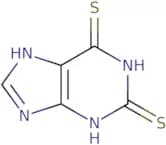
CAS:<p>2,6-Dimercaptopurine (2,6-DMP) is an immunosuppressive drug that is used to prevent organ transplants from being rejected. It blocks the synthesis of DNA and RNA in cells by inhibiting the enzyme thymidylate synthase. The reaction mechanism involves a nucleophilic attack on the phosphorus atom of 2,6-DMP by a proton from water or another nucleophile such as urea or ammonia. 2,6-DMP is metabolized through a number of tautomeric forms, which are neutral and acidic in pH. One example of this is when 2,6-DMP reacts with hydrochloric acid to form a conjugate base that can be excreted in urine.</p>Formula:C5H4N4S2Purezza:Min. 95%Colore e forma:Yellow PowderPeso molecolare:184.24 g/mol4,4'-Dithio-2,2'-bipyridine
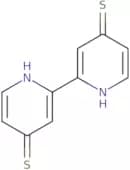
CAS:Please enquire for more information about 4,4'-Dithio-2,2'-bipyridine including the price, delivery time and more detailed product information at the technical inquiry form on this pageFormula:C10H8N2S2Purezza:Min. 95%Colore e forma:PowderPeso molecolare:220.32 g/mol2,3-Diaminobenzoic acid
CAS:<p>2,3-Diaminobenzoic acid is a benzimidazole derivative that is used in the treatment of microbial infections. It has been shown to inhibit the growth of bacteria by binding to their ribosomes and inhibiting protein synthesis. The reaction solution of 2,3-diaminobenzoic acid has fluorescence properties that can be used to detect contaminating substances. The conjugates formed with p-hydroxyphenylacetic acid are more soluble than those formed with hydroxybenzoic acid. 2,3-Diaminobenzoic acid is not very toxic and does not cause any detectable changes in enzyme activities or other biochemical parameters in short term exposure. It can be easily decomposed by sodium chloride into chlorine gas and hydrochloric acid, which are both highly reactive with water.</p>Formula:C7H8N2O2Purezza:Min. 95%Colore e forma:PowderPeso molecolare:152.15 g/mol1,4-Dichloro-2-butyne
CAS:1,4-Dichloro-2-butyne is a colorless liquid with a sweet odor. It is used as an intermediate in organic synthesis. 1,4-Dichloro-2-butyne can be prepared by the reaction of ethylene diamine and benzyl chloride in the presence of xylenes to form the corresponding ethyl diazoacetate. The ethyl diazoacetate is then reacted with chlorosulfonic acid to produce 1,4-dichlorobutane. This compound can be converted into other compounds such as amides, ethers, and esters using ethyl diazoacetate.Formula:C4H4Cl2Purezza:Min. 95%Colore e forma:Colorless Clear LiquidPeso molecolare:122.98 g/molCarboprost tromethamine
CAS:Carboprost tromethamine is a synthetic prostaglandin analogue that is used to induce labor in pregnant women. Carboprost tromethamine has minimal toxicity and can be combined with other drugs to improve efficacy. This drug has been shown to be effective in combination therapy groups, with minimal side effects. Carboprost tromethamine inhibits the activity of the enzyme phospholipase A2, which is responsible for the breakdown of fatty acids and production of inflammatory mediators. It also has anti-inflammatory properties and can be used as a treatment for metabolic disorders such as bladder dysfunction. Carboprost tromethamine is not active against bacteria or fungi, but it does have some antibacterial properties that may come from its ability to inhibit bacterial rRNA synthesis at high concentrations. Carboprost tromethamine should not be used during pregnancy or breastfeeding due to its potential risk of uterine contractions after childbirth, which can interfere with placentalFormula:C25H47NO8Purezza:Min. 95%Colore e forma:SolidPeso molecolare:489.64 g/molCyclopropanecarboxylic acid chloride
CAS:<p>Cyclopropanecarboxylic acid chloride is an organic compound with a molecular formula of C3H6Cl2O. It belongs to the group of carboxylic acids and has a pyrazole ring, which is a potential drug target. Cyclopropanecarboxylic acid chloride has been found to be active against infectious diseases such as herpes, influenza, and Ebola. The mechanism of action for this compound is not yet fully understood but it has been shown to have an effect on growth factors and kinetic data.</p>Formula:C4H5ClOPurezza:Min. 95%Peso molecolare:104.53 g/molClonidine hydrochloride
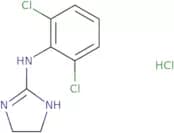
CAS:<p>Clonidine hydrochloride is a drug used in the treatment of hypertension and other cardiac diseases. It belongs to the class of drugs called centrally acting alpha-2 adrenergic agonists. Clonidine hydrochloride is also used for its antihypertensive effects in patients with neurogenic orthostatic hypotension, diabetic neuropathy, and glomerular filtration rate. The long-term efficacy and safety profile of clonidine hydrochloride has been established in clinical trials that have shown it to be effective in reducing symptoms of chronic pain and opioid withdrawal, as well as improving quality of life. Clonidine hydrochloride may be administered orally or transdermally. Clonidine binds to both alpha-1 and alpha-2 adrenergic receptors, which are responsible for vasoconstriction, inhibition of renin secretion from the kidneys, decreased sympathetic nerve activity, and increased parasympathetic nerve activity. This drug also has a protective effect on bone cancer cells</p>Formula:C9H9Cl2N3•HClPurezza:Min. 95%Colore e forma:PowderPeso molecolare:266.55 g/molCyclopropyl isocyanate
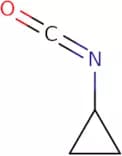
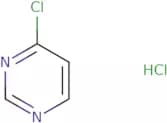
CAS:<p>Cyclopropyl isocyanate (CPC) is an aliphatic hydrocarbon that is structurally similar to butane. Cyclopropyl isocyanate has a variety of functional groups including a hydroxy group, a serine protease, and an amino group. CPC has been shown to be a potent activator of the enzyme histone h3 lysine 4 trimethyltranferase, which is involved in the regulation of inflammatory diseases. The synthesis of cyclopropyl isocyanate can be done through the reaction with diazomethane and zinc chloride or by treating 1-chlorocyclohexene with nitrous acid.</p>Formula:C4H5NOPurezza:Min. 95%Colore e forma:Clear LiquidPeso molecolare:83.09 g/mol4-Chloropyrimidine HCl
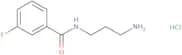
CAS:<p>4-Chloropyrimidine HCl is a covalent molecule that contains 4-chloropyridine and hydrogen chloride. It exists as two tautomers, the enol form and the keto form. The protonation of the proton on nitrogen will determine which tautomer it will exist in. When there is no proton present, the molecule will exist in its enol form. Resonance is also an important factor with this molecule because it can have a variety of resonance forms. Resonance spectrometry has been used to identify 4-chloropyrimidine HCl because it produces a specific resonance pattern when exposed to magnetic fields. 4-Chloropyridinium trifluoroacetate is another name for this compound that is formed when the chlorine atom bonds with trifluoroacetic acid. This chemical does not have any interactions with azide but can react with tetrazole to produce a stable compound, which can be easily</p>Formula:C4H3ClN2·HClPurezza:Min. 95%Colore e forma:PowderPeso molecolare:150.99 g/molN-(3-Aminopropyl)-3-fluorobenzamide hydrochloride
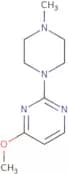
CAS:Versatile small molecule scaffoldFormula:C10H14ClFN2OPurezza:Min. 95%Peso molecolare:232.68 g/mol4-Methoxy-2-(4-methylpiperazin-1-yl)pyrimidine
CAS:Versatile small molecule scaffoldFormula:C10H16N4OPurezza:Min. 95%Peso molecolare:208.26 g/mol6-[(3-Methoxyphenyl)methyl]-4-methyl-5H,6H-[1,2]diazolo[3,4-c]pyrazol-3-amine
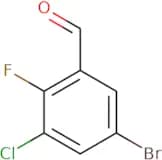
CAS:Versatile small molecule scaffoldFormula:C13H15N5OPurezza:Min. 95%Peso molecolare:257.29 g/mol5-bromo-3-chloro-2-fluorobenzaldehyde
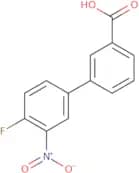
CAS:<p>Versatile small molecule scaffold</p>Formula:C7H3BrClFOPurezza:Min. 95%Peso molecolare:237.5 g/mol4'-Fluoro-3'-nitrobiphenyl-3-carboxylic acid
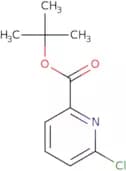
CAS:Versatile small molecule scaffoldFormula:C13H8FNO4Purezza:Min. 95%Peso molecolare:261.21 g/moltert-Butyl 6-chloropicolinate
CAS:<p>Versatile small molecule scaffold</p>Formula:C10H12ClNO2Purezza:Min. 95%Peso molecolare:213.66 g/mol2-[2-(Diphenylmethoxy)acetamido]-2-phenylacetamide
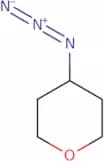
CAS:Versatile small molecule scaffoldFormula:C23H22N2O3Purezza:Min. 95%Peso molecolare:374.4 g/mol4-Azidooxane
CAS:Versatile small molecule scaffoldFormula:C5H9N3OPurezza:Min. 95%Peso molecolare:127.1 g/mol3-Amino-2-(4-methoxyphenyl)propan-1-ol hydrochloride
CAS:Versatile small molecule scaffoldFormula:C10H16ClNO2Purezza:Min. 95%Peso molecolare:217.69 g/mol3-Amino-2-(4-fluorophenyl)propan-1-ol hydrochloride
CAS:Versatile small molecule scaffoldFormula:C9H13ClFNOPurezza:Min. 95%Peso molecolare:205.66 g/mol2-Bromo-6,7-dihydrobenzo[D]thiazol-4(5H)-one
CAS:Versatile small molecule scaffoldFormula:C7H6BrNOSPurezza:Min. 95%Peso molecolare:232.1 g/mol1-(2-Bromo-5-methyl-1,3-thiazol-4-yl)ethan-1-one
CAS:Versatile small molecule scaffoldFormula:C6H6BrNOSPurezza:Min. 95%Peso molecolare:220.09 g/mol4-Amino-2-cyclopropyl-2,3-dihydro-1H-isoindol-1-one
CAS:Versatile small molecule scaffoldFormula:C11H12N2OPurezza:Min. 95%Peso molecolare:188.23 g/molEthyl 2-[3-(trifluoromethyl)phenoxy]propanoate
CAS:Versatile small molecule scaffoldFormula:C12H13F3O3Purezza:Min. 95%Peso molecolare:262.22 g/molMethyl 2-[3,5-dimethyl-1-(pyridin-2-yl)-1H-pyrazol-4-yl]propanoate
CAS:Versatile small molecule scaffoldFormula:C14H17N3O2Purezza:Min. 95%Peso molecolare:259.3 g/mol(1S)-1-[3-(Benzyloxy)phenyl]ethan-1-ol
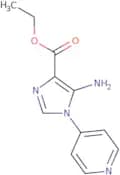
CAS:<p>Versatile small molecule scaffold</p>Formula:C15H16O2Purezza:Min. 95%Peso molecolare:228.29 g/molEthyl 5-amino-1-(pyridin-4-yl)-1H-imidazole-4-carboxylate
CAS:Versatile small molecule scaffoldFormula:C11H12N4O2Purezza:Min. 95%Peso molecolare:232.24 g/mol4-[(3,4-Dihydro-2H-pyrrol-5-yl)amino]benzoic acid
CAS:Versatile small molecule scaffoldFormula:C11H12N2O2Purezza:Min. 95%Peso molecolare:204.22 g/molrac-3-[(2R,6S)-2,6-Dimethylmorpholin-4-yl]propan-1-ol
CAS:Versatile small molecule scaffoldFormula:C9H19NO2Purezza:Min. 95%Peso molecolare:173.3 g/mol1-Phenyl-3-(piperazin-1-yl)pyrrolidin-2-one
CAS:Versatile small molecule scaffoldFormula:C14H19N3OPurezza:Min. 95%Peso molecolare:245.32 g/mol5-[(tert-butoxy)carbonyl]-4H,5H,6H,7H-pyrazolo[1,5-a]pyrazine-3-carboxylic acid
CAS:Versatile small molecule scaffoldFormula:C12H17N3O4Purezza:Min. 95%Peso molecolare:267.3 g/mol3-Isopropoxy-5-(trifluoromethyl)aniline
CAS:<p>Versatile small molecule scaffold</p>Formula:C10H12F3NOPurezza:Min. 95%Peso molecolare:219.21 g/molFuro[3,2-d]pyrimidin-4(3H)-one
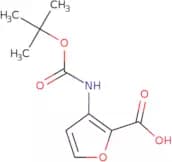
CAS:Furo[3,2-d]pyrimidin-4(3H)-one is a heterocyclic compound that has been reported to have anticoccidial properties. This compound has been shown to inhibit the growth of Eimeria tenella and Eimeria acervulina in vitro. Furo[3,2-d]pyrimidin-4(3H)-one also inhibits the synthesis of DNA in these protozoa.Formula:C6H4N2O2Purezza:Min. 95%Peso molecolare:136.11 g/mol3-((tert-Butoxycarbonyl)amino)furan-2-carboxylic acid
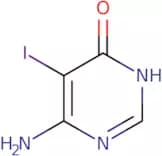
CAS:Versatile small molecule scaffoldFormula:C10H13NO5Purezza:Min. 95%Peso molecolare:227.21 g/mol6-Amino-5-iodopyrimidin-4-ol
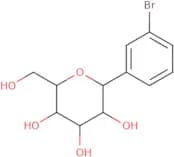
CAS:Versatile small molecule scaffoldFormula:C4H4IN3OPurezza:Min. 95%Peso molecolare:237 g/mol(2S,3R,4R,5S,6R)-2-(3-Bromophenyl)-6-(hydroxymethyl)oxane-3,4,5-triol
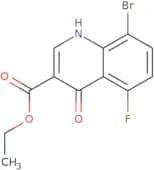
CAS:Versatile small molecule scaffoldFormula:C12H15BrO5Purezza:Min. 95%Peso molecolare:319.15 g/molEthyl 8-bromo-5-fluoro-4-hydroxyquinoline-3-carboxylate
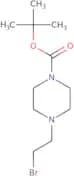
CAS:Ethyl 8-bromo-5-fluoro-4-hydroxyquinoline-3-carboxylate is a potent benzodiazepine receptor antagonist. It binds to the benzodiazepine receptor, preventing the binding of benzodiazepines and other drugs that act on this receptor. This drug has been shown to be a high affinity antagonist and has been successfully used in clinical trials for the treatment of anxiety disorders. The pharmacophore of ethyl 8-bromo-5-fluoro-4-hydroxyquinoline-3 -carboxylate is described by stepwise descriptor analysis, which identifies overlapping profiles with other benzodiazepine antagonists.Formula:C12H9BrFNO3Purezza:Min. 95%Peso molecolare:314.11 g/moltert-Butyl 4-(2-bromoethyl)piperazine-1-carboxylate
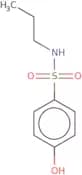
CAS:Versatile small molecule scaffoldFormula:C11H21N2O2BrPurezza:Min. 95%Peso molecolare:293.2 g/mol4-Hydroxy-N-propylbenzene-1-sulfonamide
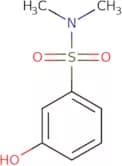
CAS:Versatile small molecule scaffoldFormula:C9H13NO3SPurezza:Min. 95%Peso molecolare:215.3 g/mol3-Hydroxy-N,N-dimethylbenzene-1-sulfonamide
CAS:Versatile small molecule scaffoldFormula:C8H11NO3SPurezza:Min. 95%Peso molecolare:201.25 g/molThiabicyclo[3.1.0]hexane-3,3-dione
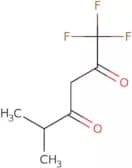
CAS:<p>Versatile small molecule scaffold</p>Formula:C5H8O2SPurezza:Min. 95%Peso molecolare:132.18 g/mol1,1,1-Trifluoro-5-methylhexane-2,4-dione
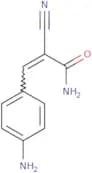
CAS:1,1,1-Trifluoro-5-methylhexane-2,4-dione is a fluorinated organic molecule that has been synthesized in the laboratory. It is an oily liquid with a boiling point of 56 °C and a melting point of -74 °C. The compound has been shown to crystallize in the orthorhombic system. 1,1,1-Trifluoro-5-methylhexane-2,4-dione can be used as a precursor in the synthesis of other compounds. This molecule is also expected to have properties that allow it to be used as an efficient x-ray absorber and x-ray fluorescence agent for spectroscopy studies at synchrotron radiation facilities.Formula:C7H9F3O2Purezza:Min. 95%Peso molecolare:182.14 g/mol3-(4-Aminophenyl)-2-cyanoprop-2-enamide
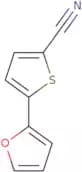
CAS:<p>Versatile small molecule scaffold</p>Formula:C10H9N3OPurezza:Min. 95%Peso molecolare:187.2 g/mol5-(5-Methylthiophen-2-yl)thiophene-2-carboxylic acid
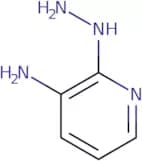
CAS:Versatile small molecule scaffoldFormula:C9H5NOSPurezza:Min. 95%Peso molecolare:175.21 g/mol2-Hydrazinylpyridin-3-amine
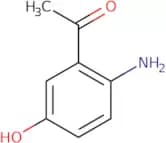
CAS:<p>2-Hydrazinylpyridin-3-amine is an anticancer drug that functions as a prodrug. The hydrochloride salt of 2-hydrazinylpyridin-3-amine is formed by the reaction of the drug with hydrochloric acid. This product has been shown to have anticancer activity in vitro and in vivo and can be used for the treatment of breast cancer. It is also used for other types of cancer, such as prostate cancer or pancreatic cancer. The mechanism by which 2-hydrazinylpyridin-3-amine induces cell death is unclear, but it may involve inhibition of DNA synthesis and prevention of DNA repair.</p>Formula:C5H8N4Purezza:Min. 95%Peso molecolare:124.14 g/mol1-(2-Amino-5-hydroxyphenyl)ethanone
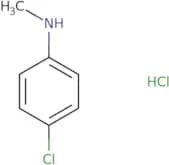
CAS:1-(2-Amino-5-hydroxyphenyl)ethanone is an inhibitor of topoisomerase enzymes. It binds to the enzyme, preventing it from breaking and rejoining DNA strands. This inhibition leads to abnormal DNA replication and cell death. The potency of this compound is determined by its ability to inhibit the enzyme in a kinetically competitive manner. 1-(2-Amino-5-hydroxyphenyl)ethanone has been shown to have inhibitory properties against acetaminophen (APAP)-induced liver injury in rats, and can be used as a synthetic intermediate for other drugs or chemical compounds.Formula:C8H9NO2Purezza:Min. 95%Peso molecolare:151.16 g/molN-Methyl 4-chloroaniline hydrochloride
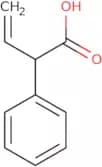
CAS:N-Methyl 4-chloroaniline hydrochloride is a cholinesterase inhibitor that belongs to the group of organochlorines. It has been shown to be effective in demethylation and epoxidase activity in vitro. N-Methyl 4-chloroaniline hydrochloride is also an aminotransferase inhibitor, which inhibits the synthesis of the amino acid methionine. This drug has been shown to have an effect on rat liver microsomes and has been used as a model system for studying enzyme activities. The fluorescence assay shows that this compound binds to DNA and inhibits its transcription and replication, inhibiting cell growth.Formula:C7H9Cl2NPurezza:Min. 95%Peso molecolare:178.06 g/mol2-Phenylbut-3-enoic acid
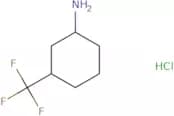
CAS:<p>2-Phenylbut-3-enoic acid is an organic compound that contains a hydroxyl group in its molecular structure. This compound can be synthesized by the ring opening of a cyclopropane carboxylic acid and an alkene. The reaction takes place at temperatures between -78 and -35 degrees Celsius, which is below the boiling point of water. 2-Phenylbut-3-enoic acid is often used as a reagent for catalyzing reactions, especially those that are kinetically controlled. The nucleophile (a reactive chemical species with an affinity for positively charged regions of other molecules) can react with protonated carbonyl groups to form acylium ions, which are highly reactive. These reactions are known as carbonyl addition reactions or Michael reactions. 2-Phenylbut-3-enoic acid also has the ability to act as a nucleophile and react with alkyl halides, such as methoxy</p>Formula:C10H10O2Purezza:Min. 95%Peso molecolare:162.18 g/molrac-(1R,3S)-3-(Trifluoromethyl)cyclohexan-1-amine hydrochloride
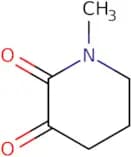
CAS:<p>Versatile small molecule scaffold</p>Formula:C7H13ClF3NPurezza:Min. 95%Peso molecolare:203.63 g/mol1-Methylpiperidine-2,3-dione
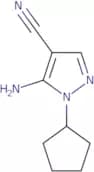
CAS:Versatile small molecule scaffoldFormula:C6H9NO2Purezza:Min. 95%Peso molecolare:127.14 g/mol5-Amino-1-cyclopentyl-1H-pyrazole-4-carbonitrile
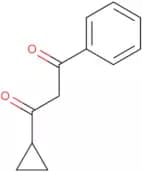
CAS:<p>Versatile small molecule scaffold</p>Formula:C9H12N4Purezza:Min. 95%Peso molecolare:176.22 g/mol1-Cyclopropyl-3-phenylpropane-1,3-dione
CAS:Versatile small molecule scaffoldFormula:C12H12O2Purezza:Min. 95%Peso molecolare:188.22 g/mol1,3-Dicyclopropylpropane-1,3-dione
CAS:<p>Versatile small molecule scaffold</p>Formula:C9H12O2Purezza:Min. 95%Peso molecolare:152.19 g/mol2-[3-(Trifluoromethyl)phenyl]morpholine
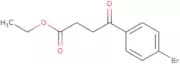
CAS:2-[3-(Trifluoromethyl)phenyl]morpholine (TFM) is a hydrophobic, insoluble compound that can be reconstituted in water at a concentration of 0.2%. TFM has been shown to have an affinity for cancer cells. It targets the cell membrane and enters the cell through iontophoresis by inserting itself into the lipid bilayer. Once inside, it disrupts the cell membrane and induces apoptosis by disrupting protein synthesis. TFM is used in diagnostic tests to detect cancerous cells and as a diluent for other drugs during injection procedures. This drug should only be administered in high concentrations (above 5 mg/mL).Formula:C11H12F3NOPurezza:Min. 95%Peso molecolare:231.21 g/molEthyl 4-(4-bromophenyl)-4-oxobutyrate
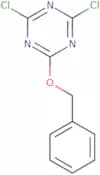
CAS:Versatile small molecule scaffoldFormula:C12H13BrO3Purezza:Min. 95%Peso molecolare:285.13 g/mol2-(Benzyloxy)-4,6-dichloro-1,3,5-triazine
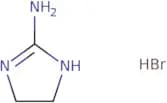
CAS:2-(Benzyloxy)-4,6-dichloro-1,3,5-triazine is an aromatic compound that has a benzene ring at the end of its structure. This compound undergoes cleavage reactions with chlorides and toluene. The 2-(Benzyloxy)-4,6-dichloro-1,3,5-triazine can be used in Friedel-Crafts reactions to produce benzene from ethylene. It also can be used in the production of ethers by reacting with alcohols.Formula:C10H7Cl2N3OPurezza:Min. 95%Peso molecolare:256.08 g/molImidazolidin-2-imine hydrobromide
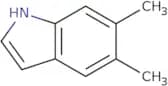
CAS:<p>Versatile small molecule scaffold</p>Formula:C3H8BrN3Purezza:Min. 95%Peso molecolare:166.02 g/mol5,6-Dimethyl-1H-indole
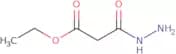
CAS:<p>Versatile small molecule scaffold</p>Formula:C10H11NPurezza:Min. 95%Peso molecolare:145.2 g/molN1-Ethylmalonohydrazide
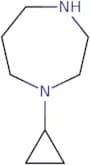
CAS:<p>N1-Ethylmalonohydrazide (NEMH) is a hydroxylase ligand that has been shown to have anticancer activity. It binds to the active site of the enzyme, which converts 4-nitrophenylacetic acid into 4-aminophenol and carbon dioxide. NEMH is a precursor to the anticancer drug, melphalan. The anticancer activity of NEMH is due to its ability to crosslink DNA molecules, thereby inhibiting DNA synthesis. It also has an effect on the conformation of the molecule and may be responsible for its anti-cancer effects.</p>Formula:C5H10N2O3Purezza:Min. 95%Colore e forma:PowderPeso molecolare:146.14 g/mol1-cyclopropyl-1,4-diazepane
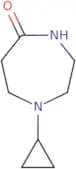
CAS:<p>1-Cyclopropyl-1,4-diazepane is a serotonin receptor antagonist that has been shown to inhibit platelet aggregation by inhibiting the release of serotonin from platelets. It inhibits the binding of histamine to its receptor and prevents the activation of H3 receptors in the brain. 1-Cyclopropyl-1,4-diazepane is an aromatic heterocycle that binds to benzamide receptors on the transporter protein. This drug inhibits serotonin reuptake by blocking serotonin transporters and may also inhibit cox-1 activity. 1-Cyclopropyl-1,4-diazepane may be used for treating disorders such as ischemic heart disease, angina pectoris, and hypertension.</p>Formula:C8H16N2Purezza:Min. 95%Peso molecolare:140.22 g/mol1-Cyclopropyl-1,4-diazepan-5-one
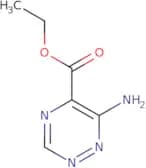
CAS:<p>Versatile small molecule scaffold</p>Formula:C8H14N2OPurezza:Min. 95%Peso molecolare:154.21 g/molEthyl 6-amino-1,2,4-triazine-5-carboxylate
CAS:<p>Versatile small molecule scaffold</p>Formula:C6H8N4O2Purezza:Min. 95%Peso molecolare:168.15 g/molN-[(2-Oxocyclohexyl)methyl]formamide
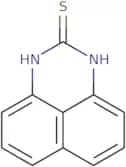
CAS:<p>Versatile small molecule scaffold</p>Formula:C8H13NO2Purezza:Min. 95%Peso molecolare:155.19 g/mol1H-Perimidine-2-thiol
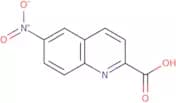
CAS:<p>Versatile small molecule scaffold</p>Formula:C11H8N2SPurezza:Min. 95%Peso molecolare:200.26 g/mol6-nitroquinoline-2-carboxylic acid
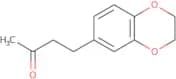
CAS:Versatile small molecule scaffoldFormula:C10H6N2O4Purezza:Min. 95%Peso molecolare:218.2 g/mol4-(2,3-Dihydro-1,4-benzodioxin-6-yl)butan-2-one
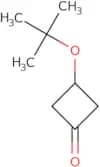
CAS:Versatile small molecule scaffoldFormula:C12H14O3Purezza:Min. 95%Peso molecolare:206.24 g/mol-3(tert-butoxy)cyclobutanone
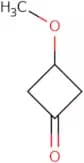
CAS:The compound (-3(tert-butoxy)cyclobutanone) is a stereoselective hydroxylation of 4-cyanopyridine catalyzed by acetonitrile in the presence of sodium as a base. The reaction product is an unsymmetrical aldehyde with two hydroxyl groups on opposite sides of the ring. This synthesis can be carried out in one step, and the amines that are used as starting materials can be varied to synthesize different products. The reaction proceeds via nucleophilic attack on the nitro group of 5-nitroquinoline by chloride ion to yield an intermediate that undergoes hydrolysis with water and elimination of chloride ion to give 2-hydroxy-5-(tosyloxy)pyridine. This intermediate then reacts with ferrocene and vinyl ether in acetonitrile to give (-3(tert-butoxy)cyclobutanone).Formula:C8H14O2Purezza:Min. 95%Peso molecolare:142.2 g/mol3-Methoxycyclobutan-1-one
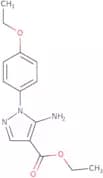
CAS:<p>3-Methoxycyclobutan-1-one (3MCO) is an electron donor and is capable of undergoing electrochemical oxidation. 3MCO has been shown to oxidize electron acceptors, such as hydrocarbons, and transfer the electrons to a second electron acceptor. The mechanism of this process is thought to be a three-electron transfer, which is also known as a "polycyclic" reaction. 3MCO has also been shown to have anti-inflammatory properties by inhibiting prostaglandin synthesis in mice with lung cancer.</p>Formula:C5H8O2Purezza:Min. 95%Peso molecolare:100.12 g/molEthyl 5-amino-1-(4-ethoxyphenyl)-1H-pyrazole-4-carboxylate
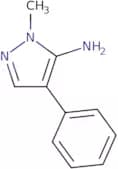
CAS:<p>Versatile small molecule scaffold</p>Formula:C14H17N3O3Purezza:Min. 95%Peso molecolare:275.3 g/mol1H-Pyrazol-5-amine, 1-methyl-4-phenyl-
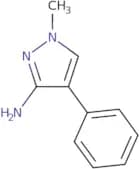
CAS:Versatile small molecule scaffoldFormula:C10H11N3Purezza:Min. 95%Peso molecolare:173.21 g/mol1-Methyl-4-phenyl-1H-pyrazol-3-amine
CAS:<p>1-Methyl-4-phenyl-1H-pyrazol-3-amine is a ligand that has structural similarity to the class of pyrimidine derivatives. It also binds to the pharmacophoric sites of the receptor. 1MPD has shown affinity for both dopamine and serotonin receptors, but not for other receptors, in vitro.</p>Formula:C10H11N3Purezza:Min. 95%Peso molecolare:173.21 g/mol3-(tert-Butoxy)cyclobutan-1-ol, cis
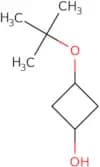
CAS:<p>Versatile small molecule scaffold</p>Formula:C8H16O2Purezza:Min. 95%Peso molecolare:144.21 g/molTrans-3-ethoxycyclobutan-1-ol
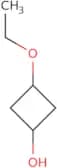
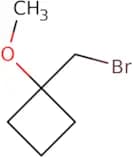
CAS:<p>Versatile small molecule scaffold</p>Formula:C6H12O2Purezza:Min. 95%Peso molecolare:116.16 g/mol1-(Bromomethyl)-1-methoxycyclobutane
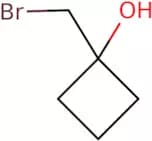
CAS:<p>Versatile small molecule scaffold</p>Formula:C6H11BrOPurezza:Min. 95%Peso molecolare:179.05 g/mol1-(Bromomethyl)cyclobutan-1-ol
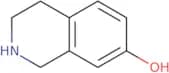
CAS:Versatile small molecule scaffoldFormula:C5H9BrOPurezza:Min. 95%Peso molecolare:165.03 g/mol1,2,3,4-Tetrahydroisoquinolin-7-ol
CAS:1,2,3,4-Tetrahydroisoquinolin-7-ol is a pharmacologically active compound. It has been shown to inhibit the production of urotensin and corypalline in cultured cells. This drug also inhibits the binding of ligands such as mcf-7 to their corresponding receptors. 1,2,3,4-Tetrahydroisoquinolin-7-ol has been shown to have affinity for sulfamate and non-steroidal antiinflammatory drugs (NSAIDs). The pharmacologic effects of this compound are not fully understood at this time.Formula:C9H11NOPurezza:Min. 95%Peso molecolare:149.19 g/mol2-(5-Methyl-2-furyl)ethanamine
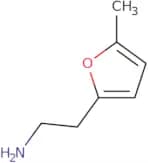
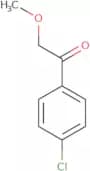
CAS:Versatile small molecule scaffoldFormula:C7H11NOPurezza:Min. 95%Peso molecolare:125.17 g/mol1-(4-Chlorophenyl)-2-methoxyethan-1-one
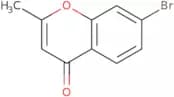
CAS:Versatile small molecule scaffoldFormula:C9H9ClO2Purezza:Min. 95%Peso molecolare:184.62 g/mol7-Bromo-2-methyl-4H-chromen-4-one
CAS:Versatile small molecule scaffoldFormula:C10H7BrO2Purezza:Min. 95%Peso molecolare:239.06 g/mol2-[(2-Hydroxyethyl)(2-methylpropyl)amino]ethan-1-ol
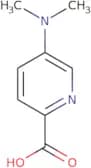
CAS:Versatile small molecule scaffoldFormula:C8H19NO2Purezza:Min. 95%Peso molecolare:161.24 g/mol5-(Dimethylamino)pyridine-2-carboxylic acid
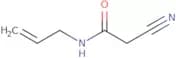
CAS:Versatile small molecule scaffoldFormula:C8H10N2O2Purezza:Min. 95%Peso molecolare:166.18 g/mol2-Cyano-N-(prop-2-en-1-yl)acetamide
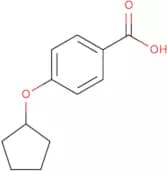
CAS:Versatile small molecule scaffoldFormula:C6H8N2OPurezza:Min. 95%Peso molecolare:124.14 g/mol4-(Cyclopentyloxy)-benzoic acid
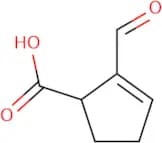
CAS:Versatile small molecule scaffoldFormula:C12H14O3Purezza:Min. 95%Peso molecolare:206.24 g/mol2-Formylcyclopent-2-ene-1-carboxylic acid
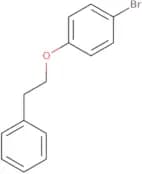
CAS:2-Formylcyclopent-2-ene-1-carboxylic acid is a synthetic, ring-opening reaction that can be used to produce cyclopentenones. It has been optimized for use with a temperature of 100 degrees Celsius and in the presence of solvents such as dichloromethane or benzene. The ring opening and hydrolysis are efficient, with an optimized reaction temperature of 100 C.Formula:C7H8O3Purezza:Min. 95%Peso molecolare:140.14 g/mol1-Bromo-4-(2-phenylethoxy)benzene
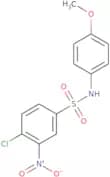
CAS:<p>Versatile small molecule scaffold</p>Formula:C14H13BrOPurezza:Min. 95%Peso molecolare:277.16 g/mol4-Chloro-N-(4-methoxyphenyl)-3-nitrobenzene-1-sulfonamide
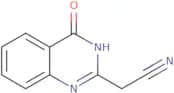
CAS:<p>Versatile small molecule scaffold</p>Formula:C13H11ClN2O5SPurezza:Min. 95%Peso molecolare:342.76 g/mol2-(4-Oxo-3,4-dihydroquinazolin-2-yl)acetonitrile
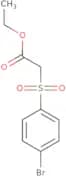
CAS:Versatile small molecule scaffoldFormula:C10H7N3OPurezza:Min. 95%Peso molecolare:185.18 g/molEthyl 2-(4-bromobenzenesulfonyl)acetate
CAS:Versatile small molecule scaffoldFormula:C10H11BrO4SPurezza:Min. 95%Peso molecolare:307.16 g/mol1-(4-Methoxyphenyl)-1H-pyrrole-2-carbaldehyde
CAS:Versatile small molecule scaffoldFormula:C12H11NO2Purezza:Min. 95%Peso molecolare:201.23 g/molrac-(2R,3S)-3-Amino-2-phenylbutan-2-ol hydrochloride
CAS:Versatile small molecule scaffoldFormula:C10H16ClNOPurezza:Min. 95%Peso molecolare:201.69 g/mol4-[(6-Chloropyridazin-3-yl)oxy]aniline
CAS:<p>Versatile small molecule scaffold</p>Formula:C10H8ClN3OPurezza:Min. 95%Peso molecolare:221.64 g/mol

![[5-(Propan-2-yl)-1,3,4-thiadiazol-2-yl]methanol](/_next/image/?url=https%3A%2Fstatic.cymitquimica.com%2Fproducts%2F3D%2Fthumb-webp%2FFDC75183.webp&w=3840&q=75)
![8-Bromo-1H,2H,3H,4H,5H-pyrido[4,3-b]indole hydrochloride](/_next/image/?url=https%3A%2Fstatic.cymitquimica.com%2Fproducts%2F3D%2Fthumb-webp%2FFDC56885.webp&w=3840&q=75)


![6-[(3-Methoxyphenyl)methyl]-4-methyl-5H,6H-[1,2]diazolo[3,4-c]pyrazol-3-amine](/_next/image/?url=https%3A%2Fstatic.cymitquimica.com%2Fproducts%2F3D%2Fthumb-webp%2FFBC80428.webp&w=3840&q=75)
![2-[2-(Diphenylmethoxy)acetamido]-2-phenylacetamide](/_next/image/?url=https%3A%2Fstatic.cymitquimica.com%2Fproducts%2F3D%2Fthumb-webp%2FFBC77910.webp&w=3840&q=75)


![2-Bromo-6,7-dihydrobenzo[D]thiazol-4(5H)-one](/_next/image/?url=https%3A%2Fstatic.cymitquimica.com%2Fproducts%2F3D%2Fthumb-webp%2FFBC70398.webp&w=3840&q=75)


![Ethyl 2-[3-(trifluoromethyl)phenoxy]propanoate](/_next/image/?url=https%3A%2Fstatic.cymitquimica.com%2Fproducts%2F3D%2Fthumb-webp%2FFBC67340.webp&w=3840&q=75)
![Methyl 2-[3,5-dimethyl-1-(pyridin-2-yl)-1H-pyrazol-4-yl]propanoate](/_next/image/?url=https%3A%2Fstatic.cymitquimica.com%2Fproducts%2F3D%2Fthumb-webp%2FFBC67316.webp&w=3840&q=75)
![(1S)-1-[3-(Benzyloxy)phenyl]ethan-1-ol](/_next/image/?url=https%3A%2Fstatic.cymitquimica.com%2Fproducts%2F3D%2Fthumb-webp%2FFBC59141.webp&w=3840&q=75)
![4-[(3,4-Dihydro-2H-pyrrol-5-yl)amino]benzoic acid](/_next/image/?url=https%3A%2Fstatic.cymitquimica.com%2Fproducts%2F3D%2Fthumb-webp%2FFBC57262.webp&w=3840&q=75)
![rac-3-[(2R,6S)-2,6-Dimethylmorpholin-4-yl]propan-1-ol](/_next/image/?url=https%3A%2Fstatic.cymitquimica.com%2Fproducts%2F3D%2Fthumb-webp%2FFBC56571.webp&w=3840&q=75)

![5-[(tert-butoxy)carbonyl]-4H,5H,6H,7H-pyrazolo[1,5-a]pyrazine-3-carboxylic acid](/_next/image/?url=https%3A%2Fstatic.cymitquimica.com%2Fproducts%2F3D%2Fthumb-webp%2FFBC21448.webp&w=3840&q=75)

![Furo[3,2-d]pyrimidin-4(3H)-one](/_next/image/?url=https%3A%2Fstatic.cymitquimica.com%2Fproducts%2F3D%2Fthumb-webp%2FFBB25508.webp&w=3840&q=75)
![Thiabicyclo[3.1.0]hexane-3,3-dione](/_next/image/?url=https%3A%2Fstatic.cymitquimica.com%2Fproducts%2F3D%2Fthumb-webp%2FFBA98834.webp&w=3840&q=75)

![2-[3-(Trifluoromethyl)phenyl]morpholine](/_next/image/?url=https%3A%2Fstatic.cymitquimica.com%2Fproducts%2F3D%2Fthumb-webp%2FFBA91489.webp&w=3840&q=75)
![N-[(2-Oxocyclohexyl)methyl]formamide](/_next/image/?url=https%3A%2Fstatic.cymitquimica.com%2Fproducts%2F3D%2Fthumb-webp%2FFBA83764.webp&w=3840&q=75)
![2-[(2-Hydroxyethyl)(2-methylpropyl)amino]ethan-1-ol](/_next/image/?url=https%3A%2Fstatic.cymitquimica.com%2Fproducts%2F3D%2Fthumb-webp%2FFBA76976.webp&w=3840&q=75)


![4-[(6-Chloropyridazin-3-yl)oxy]aniline](/_next/image/?url=https%3A%2Fstatic.cymitquimica.com%2Fproducts%2F3D%2Fthumb-webp%2FFBA18497.webp&w=3840&q=75)